
 IN
Strapping Machines
59 products available
What are Strapping Machines?
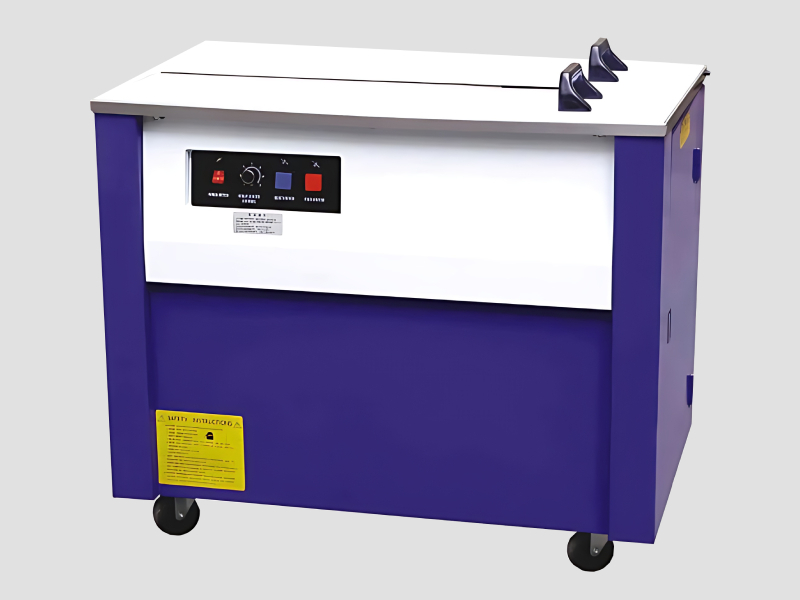
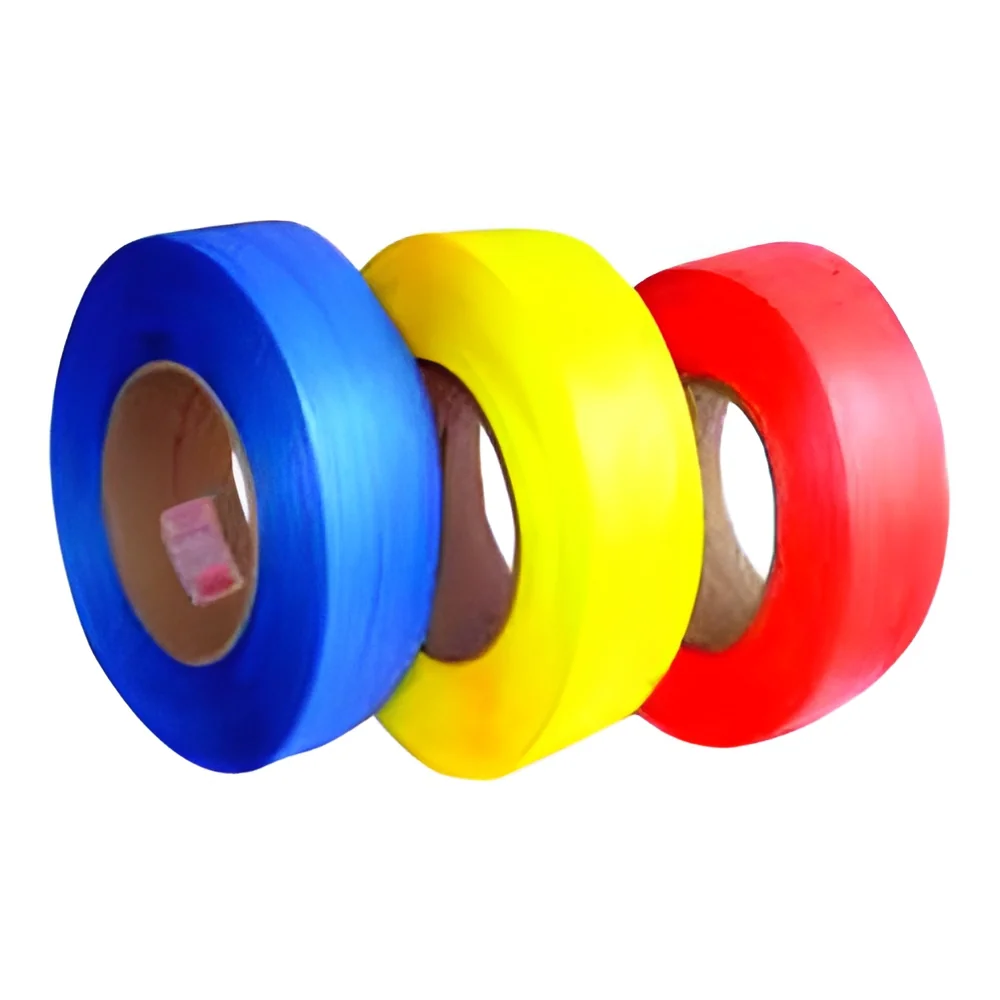
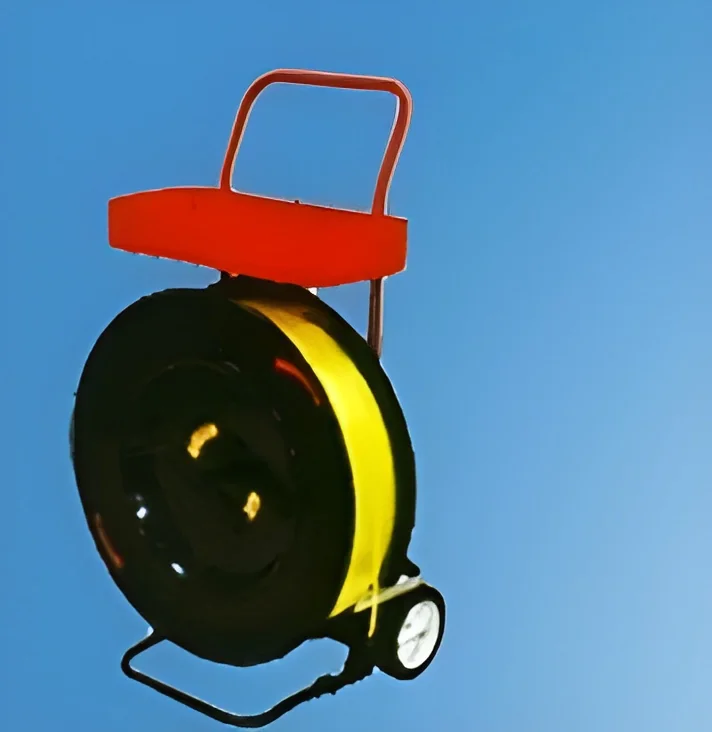
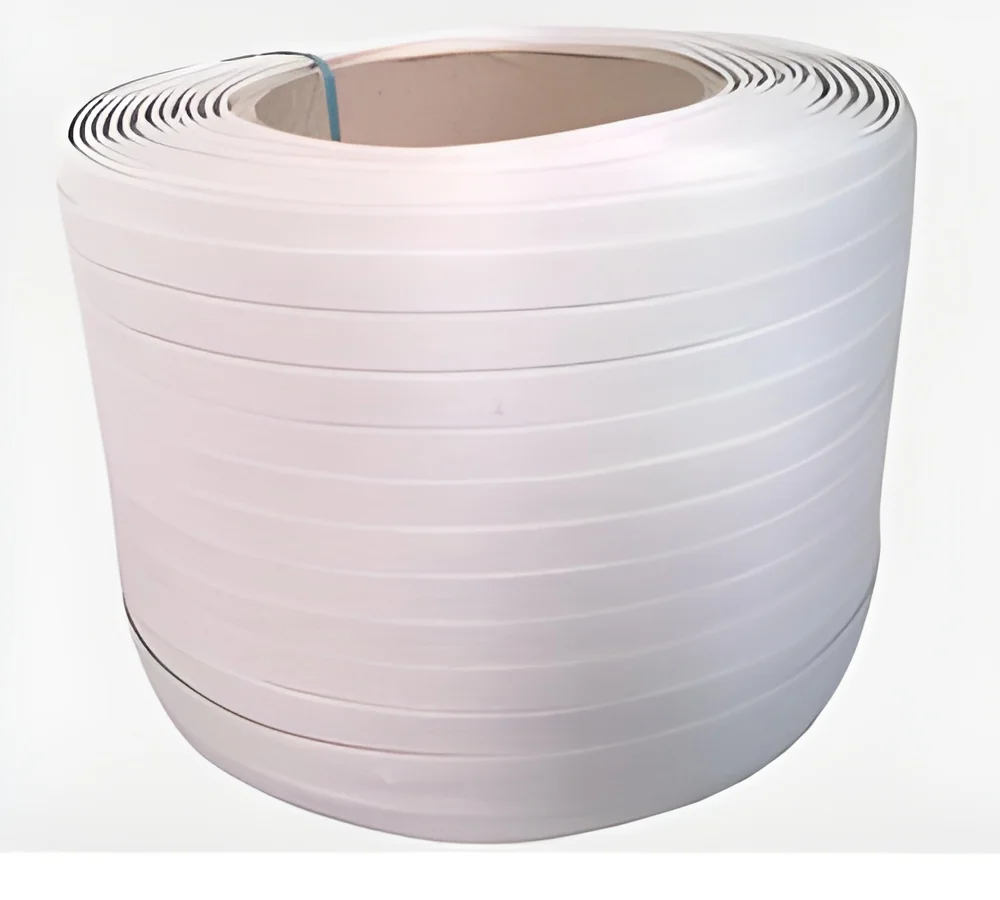
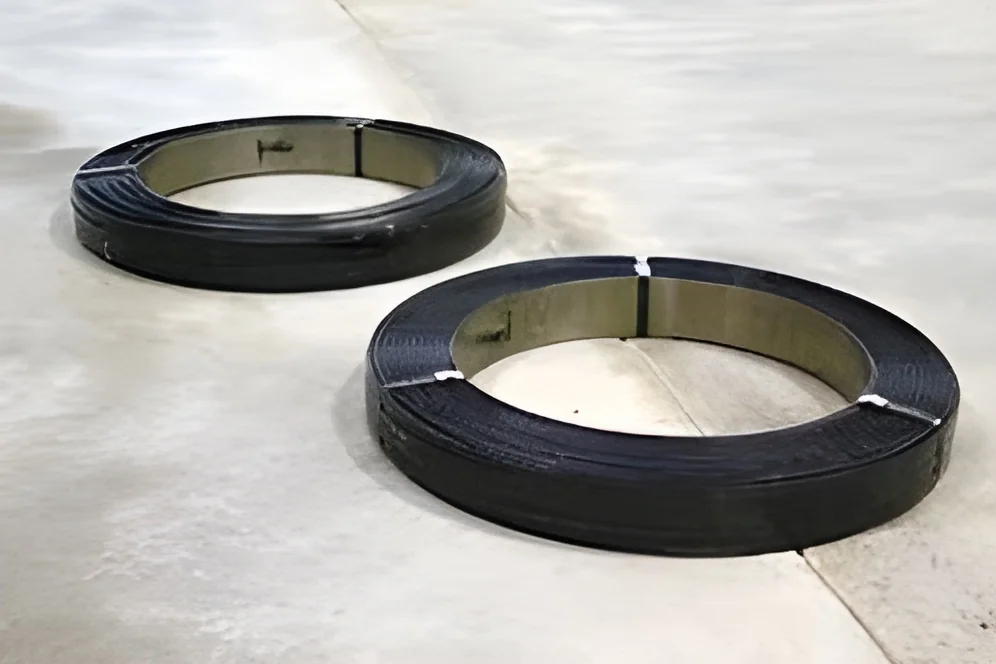
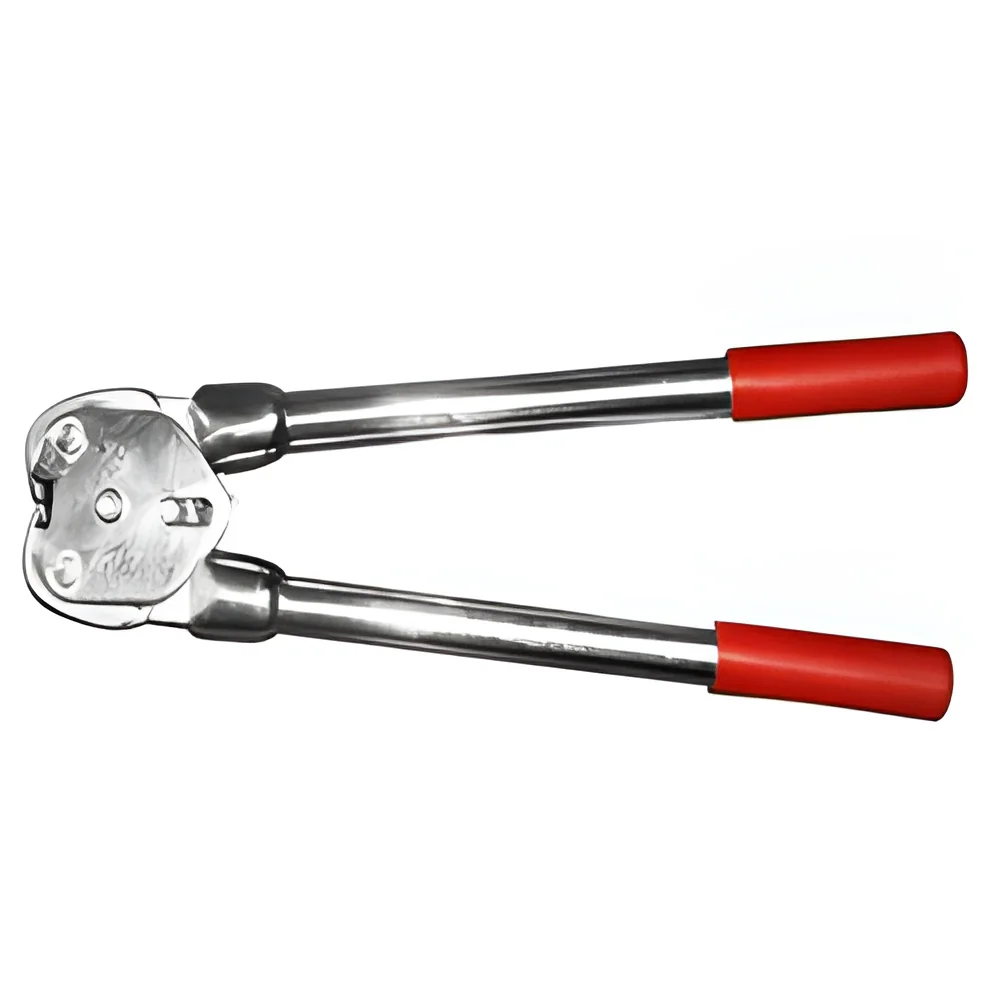
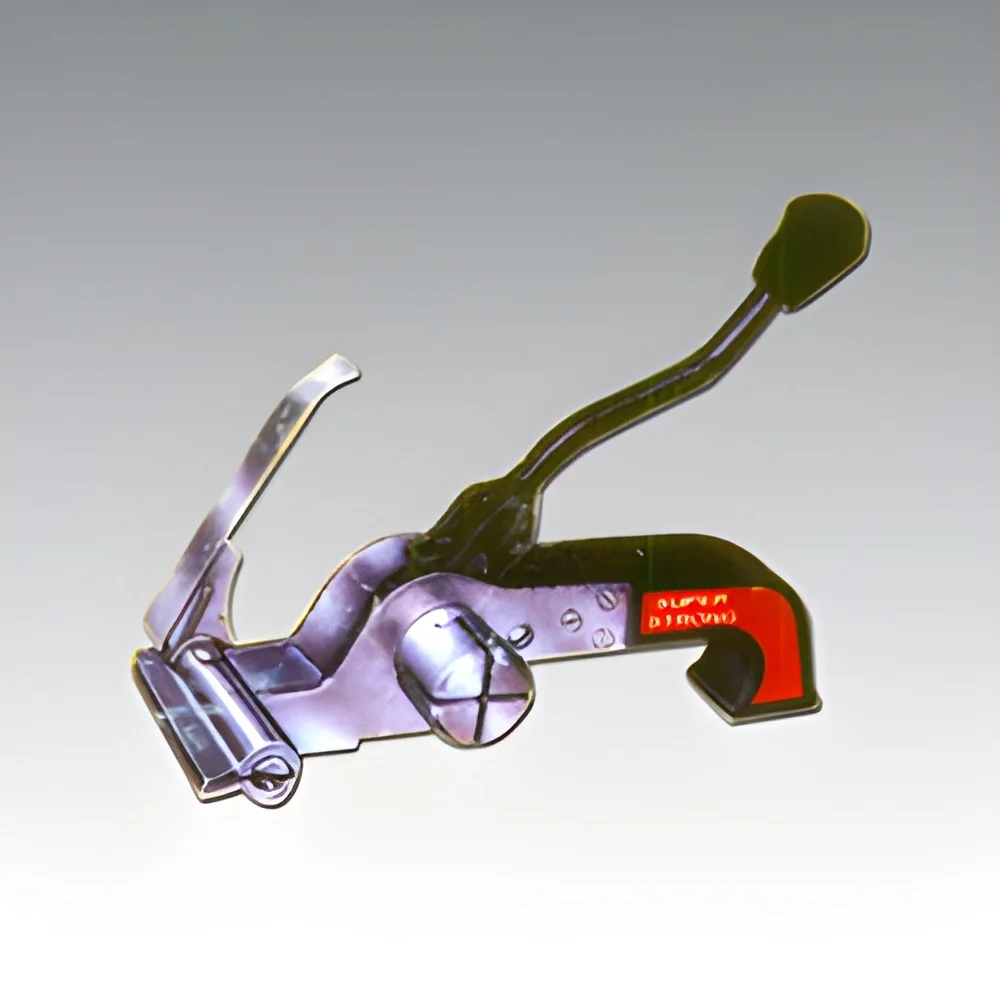
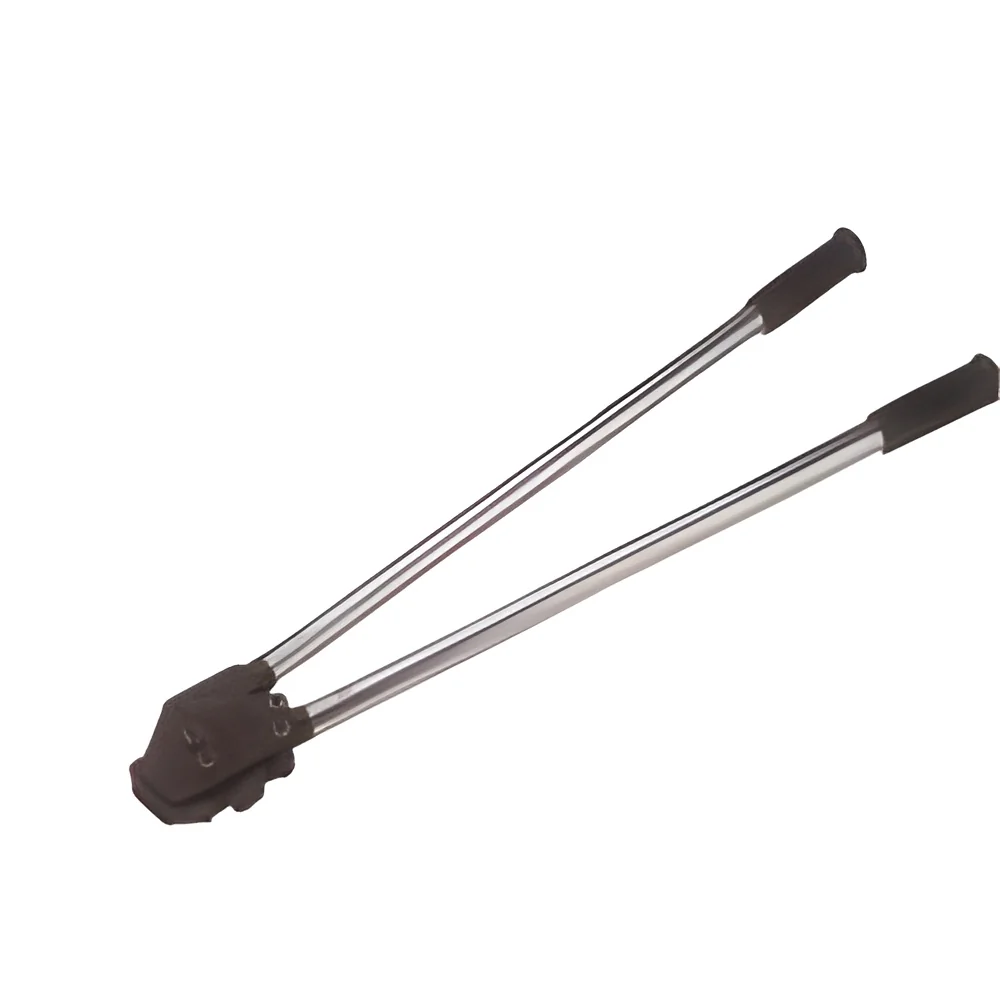
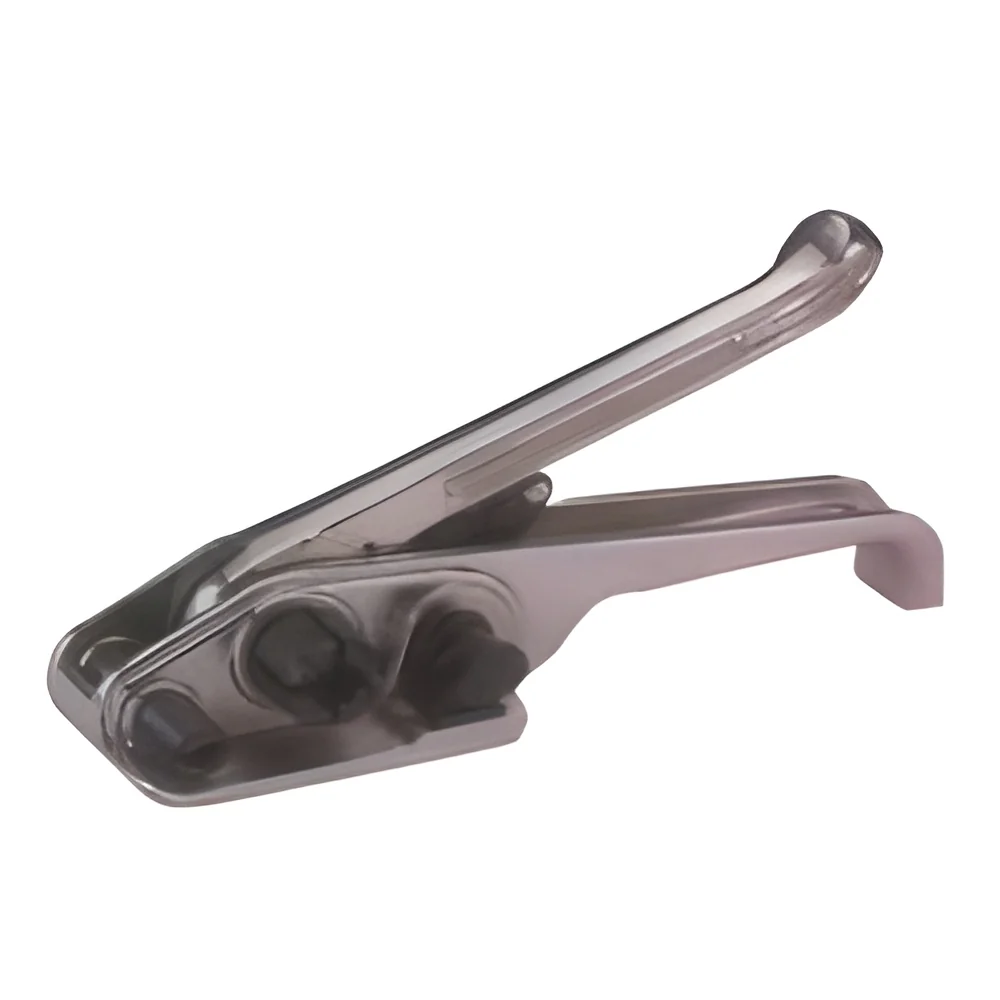
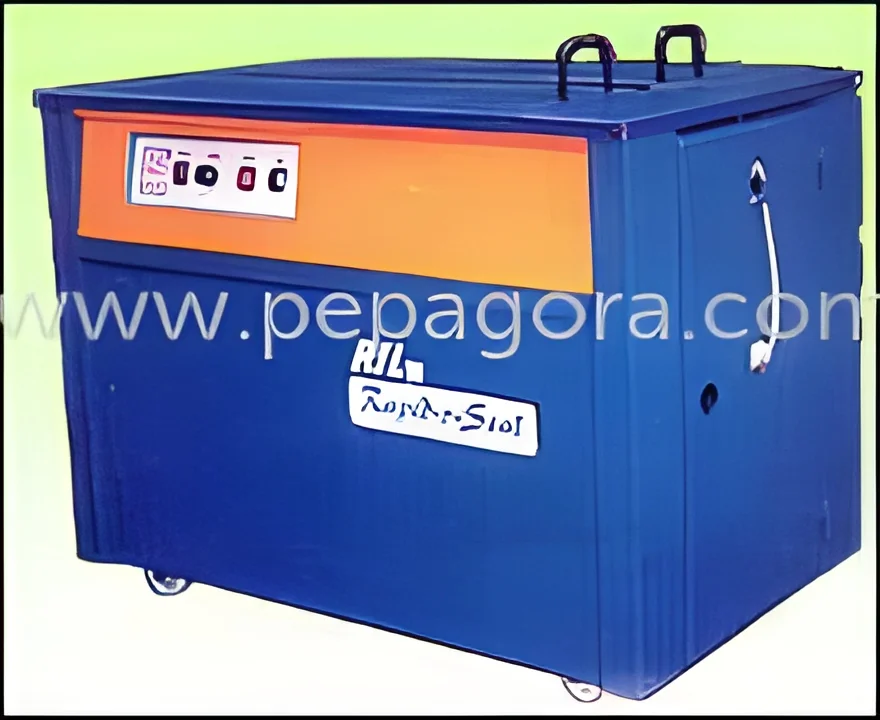
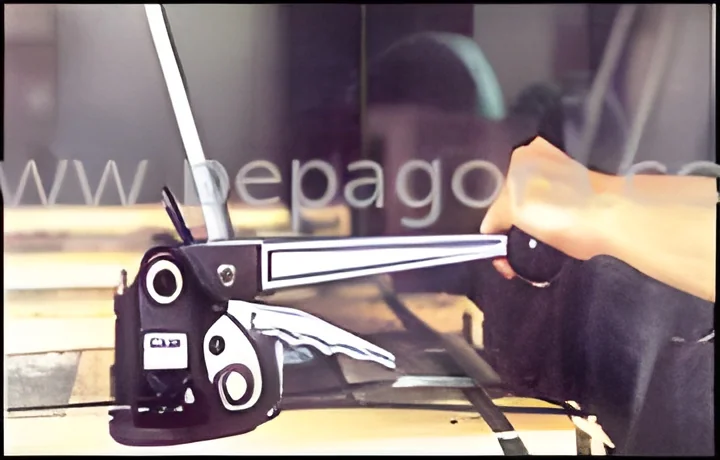
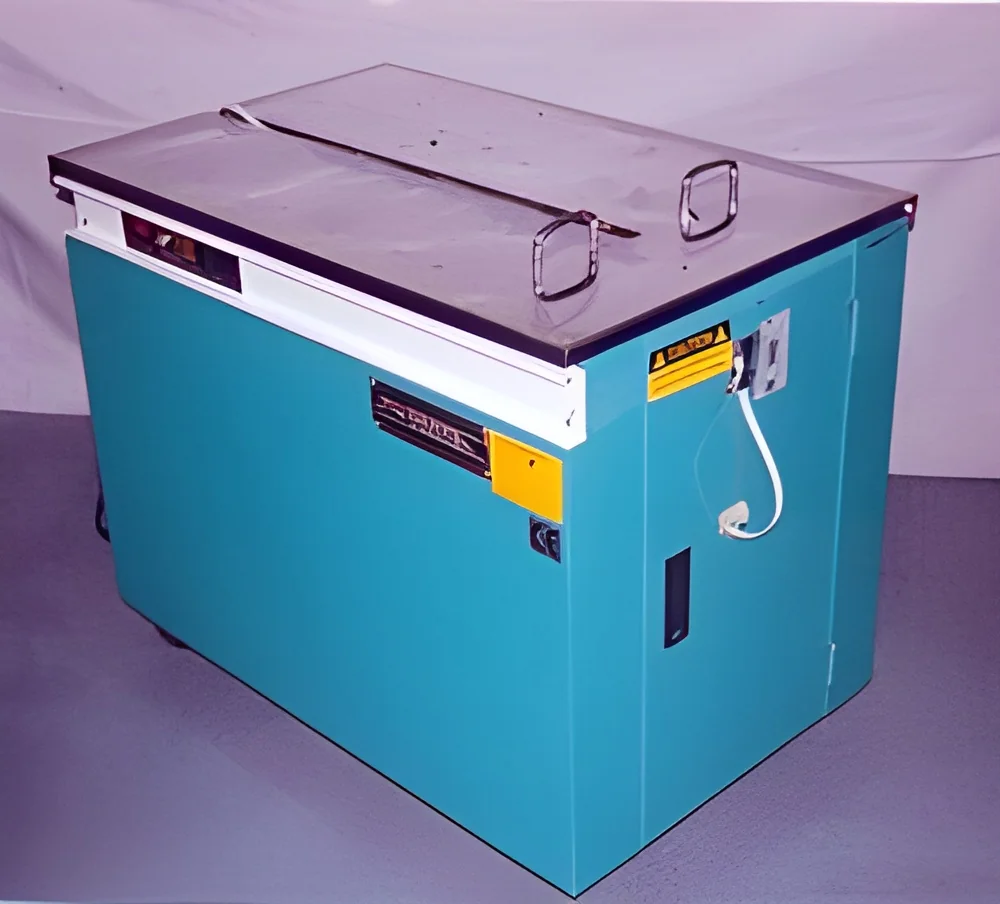
Strapping machines are industrial devices used to apply a strap or band around products or packages to secure and stabilize them during storage or transportation. These machines automate the strapping process, significantly increasing efficiency and ensuring consistent application of the strap. They can work with various strap materials, including polypropylene, polyester, and steel, depending on the application requirements.
Strapping machines are primarily utilized across industries such as manufacturing, logistics, packaging, and warehousing. They play a crucial role in preparing products for shipment by securing them on pallets, bundling items together, or stabilizing loads. The ability to streamline operations and reduce manual labor makes strapping machines invaluable in high-volume production environments. As businesses look to optimize their supply chains, the demand for reliable and efficient strapping solutions continues to grow.
In today's competitive market, strapping machines have become essential tools for businesses aiming to enhance productivity and reduce packaging costs. With advancements in technology, these machines are now equipped with various features that cater to the specific needs of different industries. As a result, they are an integral part of numerous manufacturing and logistical processes.
Key Features and Specifications
Strapping machines come with a range of features and specifications designed to meet the diverse needs of businesses. Understanding these specifications is essential for selecting the right machine for your operations. Below are some key specifications to consider when evaluating strapping machines.
Key specifications include:
1. Strap Material Compatibility
- Supports various strap materials such as polypropylene, polyester, and steel
- Each material has specific strength and application characteristics
2. Strapping Speed
- Typical speeds range from 2 to 50 straps per minute
- Higher speeds improve efficiency in high-volume environments
3. Strap Width Range
- Accommodates strap widths typically from 5mm to 19mm
- Different widths are suitable for various packaging sizes and weights
4. Tensioning Mechanism
- Features automatic or manual tensioning options
- Ensures optimal strap tightness for load stability
5. Machine Dimensions
- Varies based on machine type, typically ranging from compact models to larger systems
- Important for workspace planning and layout
6. Power Supply
- Available in electric and pneumatic models
- Electric models are common in most environments, while pneumatic options are preferred for specific applications
7. Control System
- User-friendly interfaces with programmable settings
- Allows for customization based on production needs
8. Safety Features
- Equipped with emergency stop buttons and safety guards
- Ensures operator safety during machine operation
In summary, selecting the right strapping machine involves understanding its features and specifications. This knowledge allows businesses to make informed decisions that align with their operational requirements.
Common Applications and Use Cases
Strapping machines serve various industries, enhancing productivity and ensuring secure packaging. Their versatility leads to numerous applications.
1. Manufacturing: In manufacturing facilities, strapping machines secure products onto pallets or bundles, ensuring they remain intact during transportation.
2. Logistics: Logistics companies use strapping machines to stabilize loads, preventing shifting during transit. This ensures safe delivery and reduces product damage.
3. Packaging: In packaging industries, these machines are integral in preparing goods for shipment, providing effective sealing and load consolidation.
4. Warehousing: Strapping machines are used to bundle goods for storage, optimizing space and improving organization within warehouses.
5. Food and Beverage: In the food and beverage sector, strapping machines are used for securing boxes and pallets, ensuring compliance with safety standards.
6. Retail: Retailers utilize strapping machines for packaging bulk items, making them easier to handle and transport.
7. Construction: In construction, strapping machines secure materials such as lumber and tiles, ensuring they are stable for transportation.
Product Variants and Subcategories
Strapping machines come in various types, catering to different operational needs. Each variant offers unique features and applications suited to specific environments.
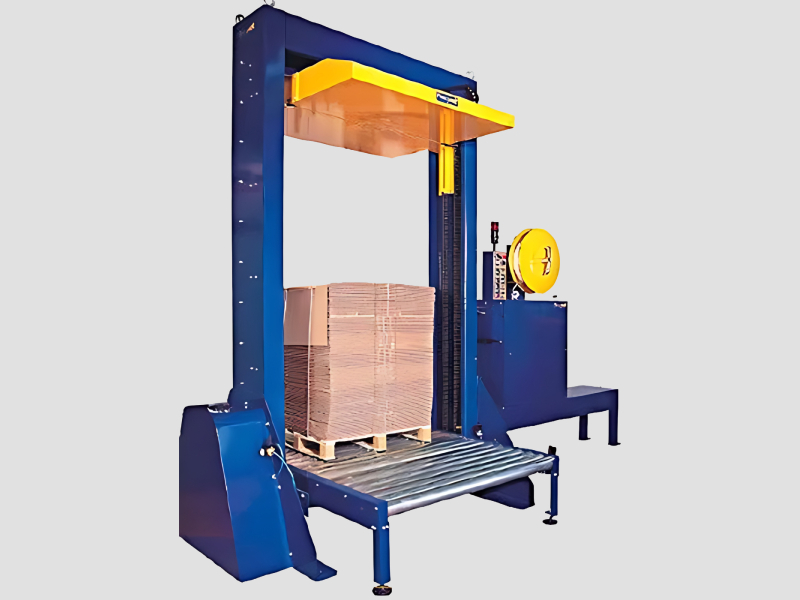
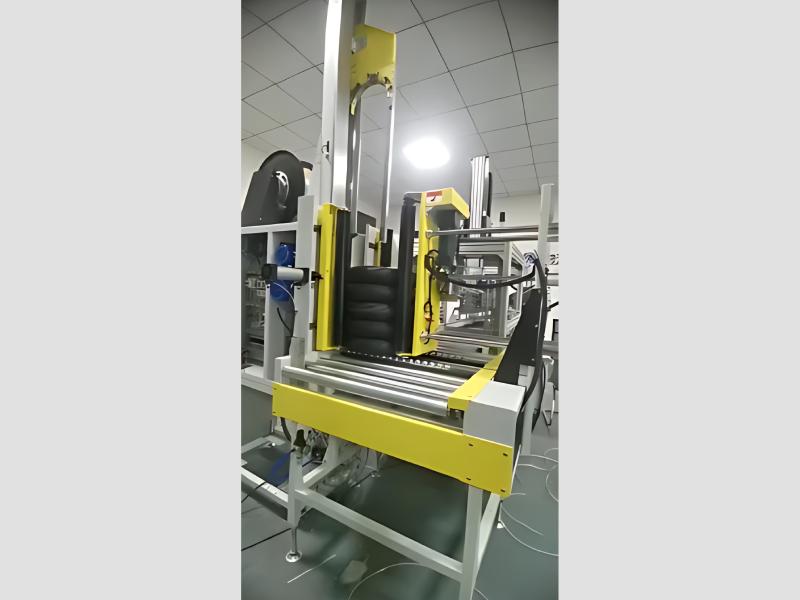
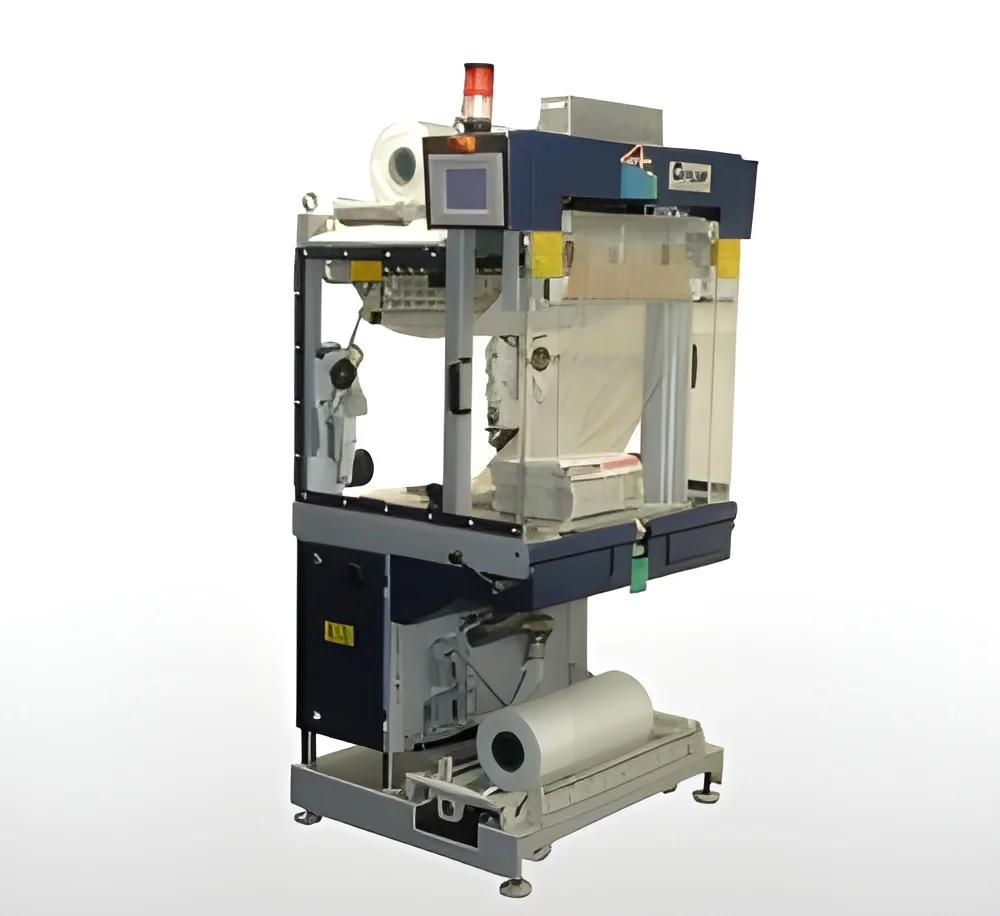
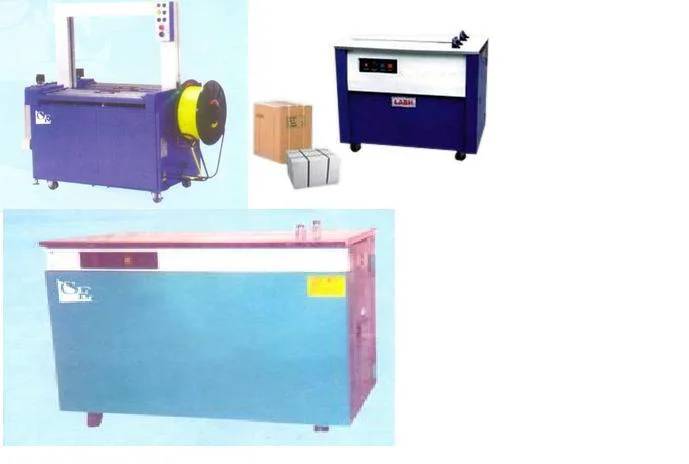
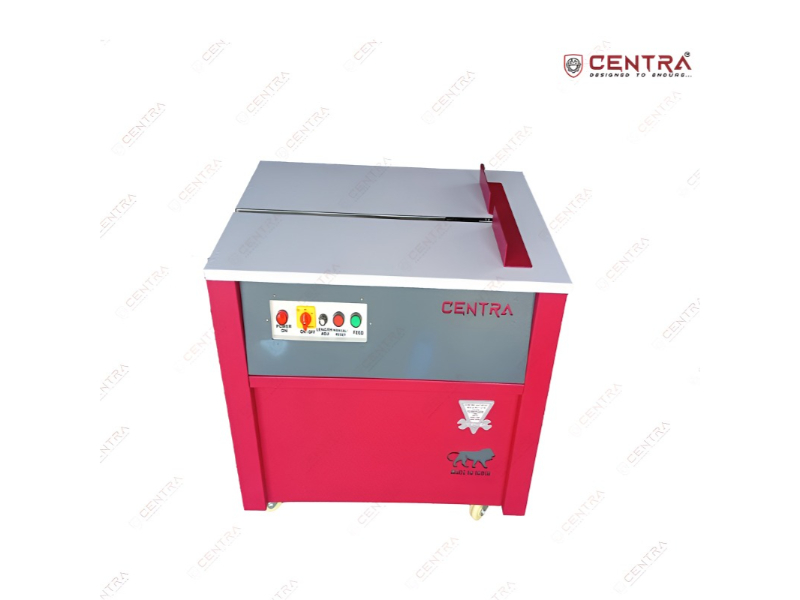
Automatic Strapping Machine: This variant is designed for high-volume production lines. It automates the entire strapping process, significantly increasing efficiency and reducing labor costs.
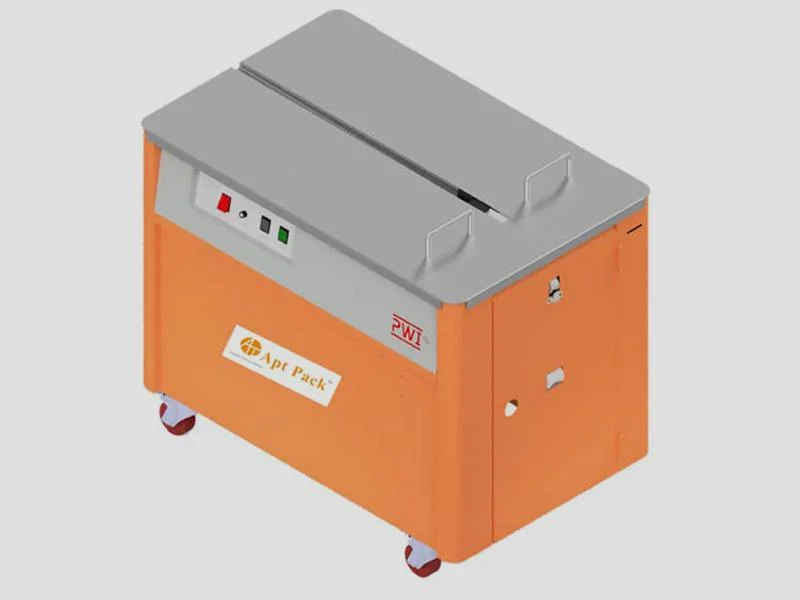
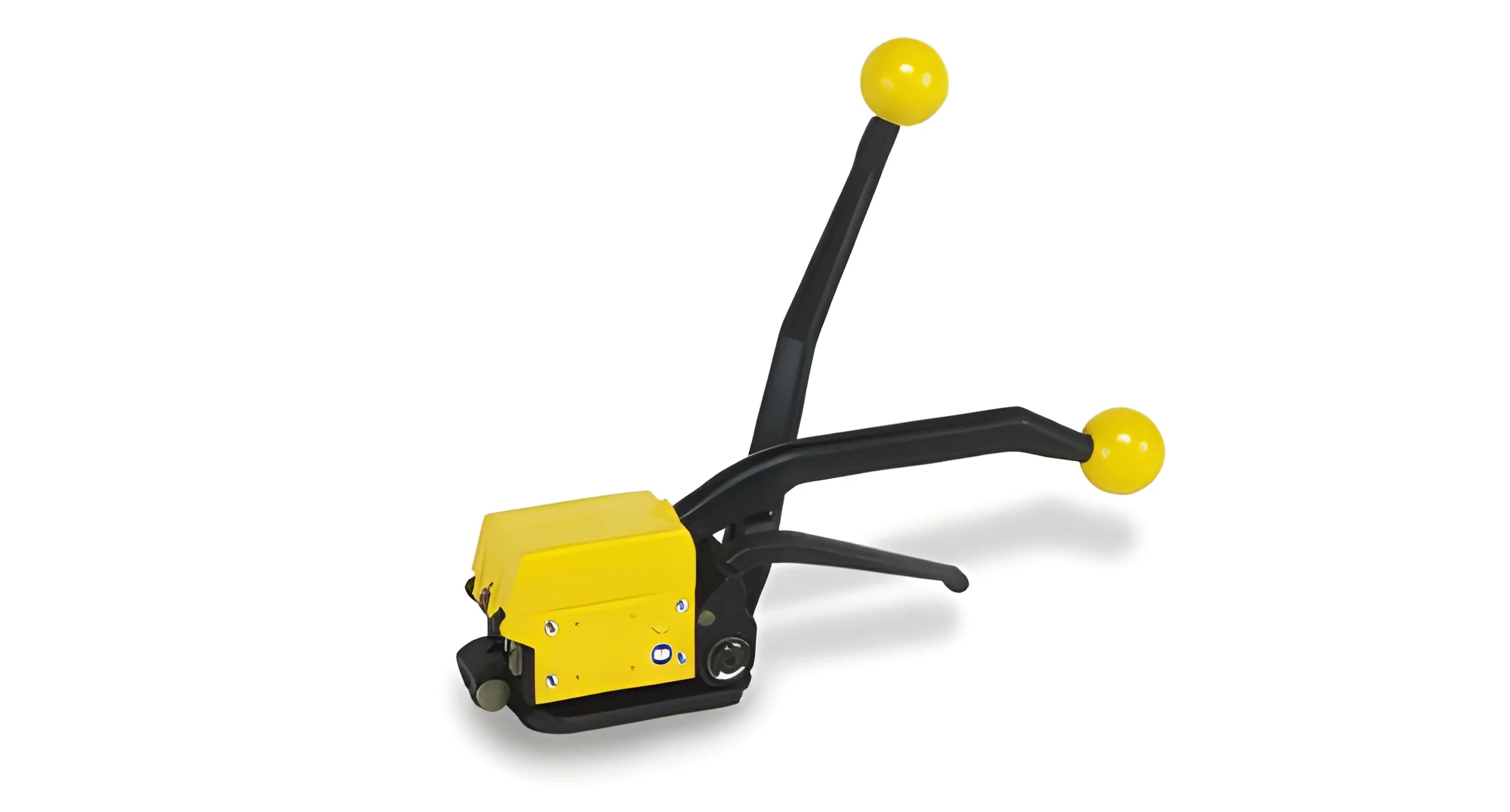
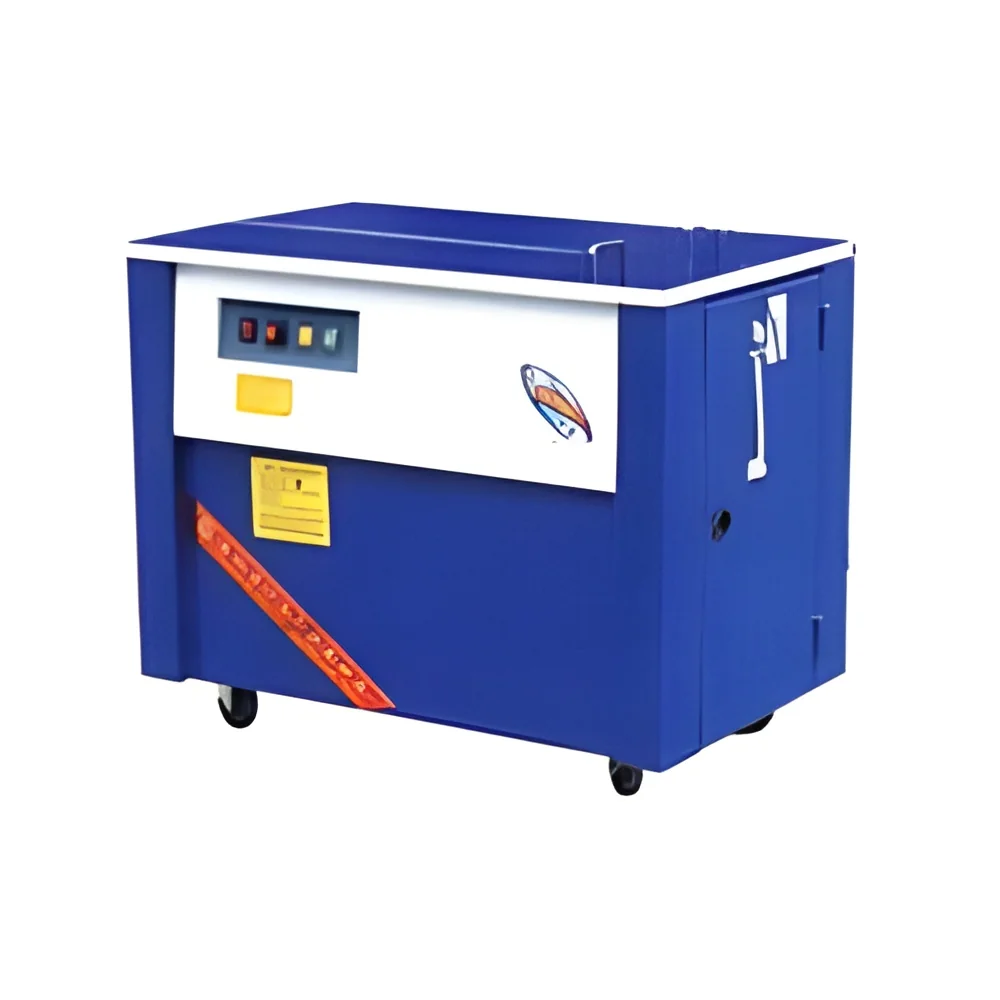
Semi-Automatic Strapping Machine: This model requires some manual input but still offers automation benefits. It is ideal for businesses with moderate production needs, providing flexibility while maintaining speed.
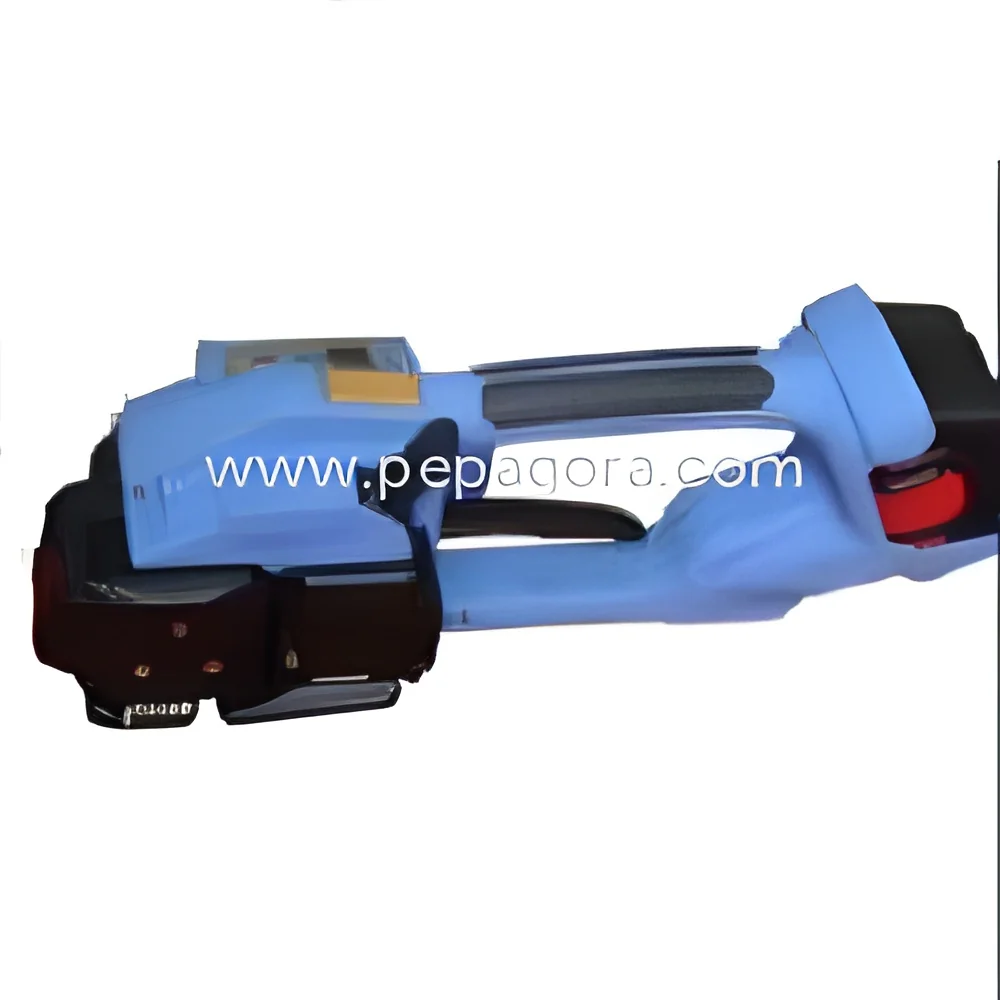
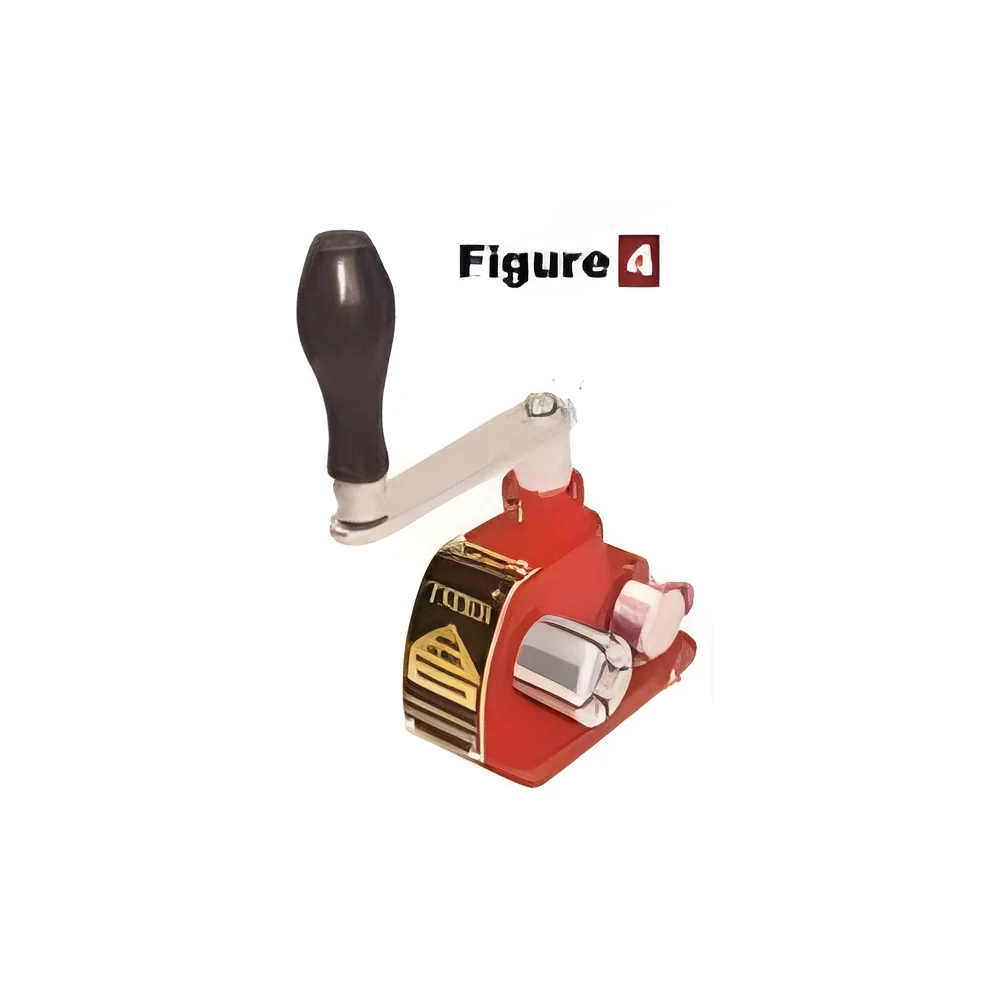
Battery-Powered Strapping Machine: This portable option is perfect for on-site strapping, especially in environments without easy access to electrical outlets. It enhances mobility and convenience.
Benefits and Advantages
Investing in strapping machines provides numerous benefits that can enhance operational efficiency and reduce costs.
1. Increased Efficiency: Automating the strapping process speeds up packaging times, allowing for higher output.
2. Cost Savings: Reducing manual labor decreases labor costs and minimizes the risk of errors associated with manual strapping.
3. Consistent Quality: Strapping machines ensure uniform application of straps, which enhances the stability of packaged goods.
4. Versatility: These machines can handle various strap materials and sizes, making them suitable for diverse applications across industries.
5. Improved Safety: By reducing manual handling, strapping machines lower the risk of workplace injuries related to packaging.
6. Enhanced Productivity: Streamlined operations lead to faster turnaround times, enabling businesses to meet customer demands effectively.
Buying Guide for B2B Buyers
When sourcing strapping machines, several factors should be considered to ensure the right fit for your business needs.
1. Quality Assessment: Evaluate the machine's build quality and reliability. Look for established brands with positive reviews to ensure durability.
2. Supplier Verification: Vet suppliers by checking their credentials, industry experience, and customer feedback. This ensures they can provide reliable products and support.
3. Pricing and MOQ: Consider the pricing structure and minimum order quantities offered by suppliers. This helps in budgeting and planning for future needs.
4. Delivery and Lead Times: Inquire about delivery schedules and lead times. Timely delivery is crucial for maintaining production schedules.
5. Compliance Requirements: Ensure the machines meet relevant industry regulations and standards. This may include safety certifications and operational guidelines.
Compliance and Certifications
Compliance and certifications are critical aspects of strapping machines. Adhering to quality standards ensures that products are safe and reliable.
Many strapping machines comply with ISO 9001, which outlines quality management principles. This certification ensures that manufacturers maintain high standards in production processes.
Additionally, machines may hold industry certifications such as CE, confirming compliance with European safety standards. This is particularly important for businesses operating in or exporting to Europe.
Safety and testing requirements are also paramount. Machines should undergo rigorous testing to ensure they meet operational safety standards. This protects both operators and products.
Regional compliance considerations may vary, so it is essential for businesses to be aware of local regulations that could affect their operations.
Why Source Strapping Machines from Pepagora?
Pepagora provides a trusted platform for sourcing strapping machines with several key advantages.
Verified Supplier Network: Pepagora maintains a network of verified suppliers, ensuring that buyers have access to high-quality machines from reputable manufacturers.
Streamlined RFQ Process: The platform simplifies the quotation process, allowing buyers to request multiple quotes efficiently. This saves time and helps in making informed decisions.
Trade Assurance and Support: Pepagora offers buyer protection through its trade assurance program. This ensures that transactions are secure and that buyers receive the support they need.
Regional Coverage: With a broad geographic reach, Pepagora serves customers in India, the GCC, and Southeast Asia. This ensures that businesses in these regions can access reliable strapping solutions tailored to their local needs.

 India

 India
 India
 India
 India
 India
 India
 India
 India

 India
 India
 India
 India
 India
 India
 India
Frequently Asked Questions
What are Strapping Machines?
Strapping machines are industrial equipment used to apply a strap or band around products or packages to secure them for storage or transportation. They ensure that items are tightly bound, preventing movement and damage during transit.
What are the different types of Strapping Machines?
There are several types of strapping machines, including semi-automatic, automatic, and manual strapping machines. Each type varies in terms of operation speed, ease of use, and application suitability, catering to different packaging needs.
How do I choose the right Strapping Machines?
When selecting strapping machines, consider factors such as the type of products being packaged, the required speed of operation, and the strapping material to be used. Additionally, assess the machine's compatibility with your production line and any specific features you may need, such as adjustable tension or sealing methods.
What are the standard specifications for Strapping Machines?
Standard specifications for strapping machines typically include strap width and thickness, tensioning force, and cycle speed. It's also important to consider the machine's dimensions, power requirements, and the materials it can accommodate.
What is the price range for Strapping Machines?
The price range for strapping machines can vary widely based on their type and features, typically starting from around ₹30,000 for manual machines and going up to ₹5,00,000 or more for advanced automatic models. It's advisable to compare different suppliers for the best pricing.
What quality standards apply to Strapping Machines?
Strapping machines are often manufactured according to international quality standards such as ISO 9001. Compliance with these standards ensures reliability, safety, and performance, which are crucial for industrial applications.
Where can I find Strapping Machines suppliers in India?
You can find strapping machine suppliers in India through B2B marketplaces like Pepagora, trade shows, and industry directories. These platforms offer a wide range of manufacturers and suppliers, allowing for easy comparison and selection.
Can Strapping Machines be customized?
Yes, many manufacturers offer customization options for strapping machines to meet specific operational needs. Customizations may include features like modified dimensions, specialized sealing techniques, or tailored software integration.
What is the typical minimum order quantity for Strapping Machines?
The typical minimum order quantity (MOQ) for strapping machines can vary by supplier but often starts at one unit for standard models. Bulk orders may be required for customized machines, depending on the manufacturer's policies.
What is the typical lead time for Strapping Machines?
The typical lead time for strapping machines ranges from 2 to 6 weeks, depending on the machine type, customization level, and supplier. It is advisable to confirm lead times directly with the manufacturer or supplier during the ordering process.
Why Businesses Trust Pepagora
Thousands of companies trust Pepagora to source smarter and sell faster
Expand Your Sales Globally

Source Smarter,Grow Faster
