
 IN
Rotogravure Printing Presses
7 products available
What are Rotogravure Printing Presses?
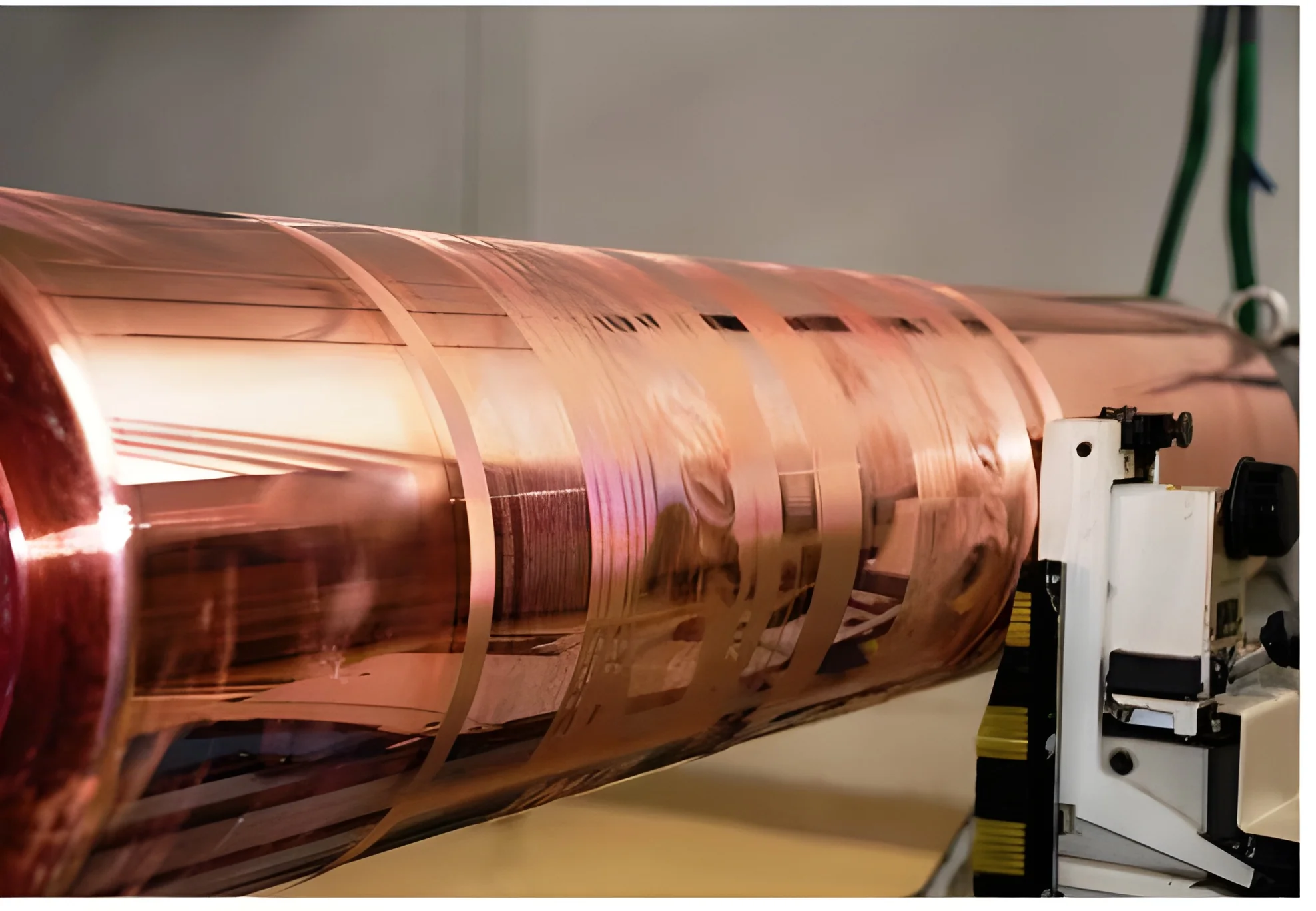
Rotogravure printing presses are advanced printing machines that utilize a rotary process to transfer ink onto various substrates. This printing technique involves engraving an image onto a cylinder, which then applies the ink directly onto the material as it moves through the press. Rotogravure is known for its ability to produce high-quality, detailed images with consistent color and smooth gradients, making it a preferred choice for large-scale printing projects.
These presses are commonly used in multiple business applications, including packaging, labels, and newspapers. The ability to print on a variety of materials, such as paper, film, and foil, enhances their versatility across industries. Rotogravure printing presses are particularly relevant in sectors like consumer goods and publishing, where high-volume production and superior print quality are essential for competitive advantage.
The market for rotogravure printing presses is growing, driven by the increasing demand for high-quality printing solutions in packaging and other sectors. As businesses seek to enhance their branding and product presentation, these presses provide an efficient means to achieve exceptional results at scale. The evolution of technology in this arena continues to expand the capabilities and applications of rotogravure printing.
Key Features and Specifications
Rotogravure printing presses come with a variety of key features that enhance their performance and usability. These specifications are critical for businesses looking to optimize their printing processes and ensure high-quality outputs.
Key specifications include:
1. Print Speed
- High-speed printing capabilities ranging from 100 to 500 meters per minute.
- Suitable for large volume productions to meet tight deadlines.
2. Cylinder Diameter
- Standard diameters typically range from 100 mm to 2000 mm.
- Larger cylinders allow for wider print areas and more extended runs.
3. Ink Supply System
- Advanced ink distribution systems that ensure even coverage.
- Capable of utilizing a wide range of ink types based on the substrate.
4. Web Width
- Options typically range from 300 mm to 2000 mm.
- Greater web width accommodates larger prints and reduces waste.
5. Control Systems
- Integrated computer controls for precise adjustments.
- Features like touchscreen interfaces for user-friendly operation.
6. Drying System
- Options for UV, IR, and hot air drying systems.
- Ensures quick drying times to maintain production efficiency.
7. Registration Accuracy
- High registration accuracy of up to +/- 0.1 mm.
- Essential for multi-color printing processes.
8. Automation Features
- Advanced automation for setup and maintenance processes.
- Reduces human error and speeds up production time.
These specifications highlight the capabilities of rotogravure printing presses and their importance in meeting the demands of modern printing applications.
Common Applications and Use Cases
Rotogravure printing presses are utilized across a wide range of industries due to their versatility and efficiency.
1. Packaging: Rotogravure is widely used in the production of flexible packaging materials, including pouches and wrappers. The high-quality images and vibrant colors produced enhance the visual appeal of consumer products.
2. Labels: The ability to print on various substrates makes rotogravure ideal for label production. It is commonly used for food, beverage, and pharmaceutical labeling, where clarity and durability are essential.
3. Publication: Newspapers and magazines benefit from rotogravure printing due to its capability to produce high-quality images and text at high speeds. This ensures timely delivery of printed materials to meet market demands.
4. Textile: In the textile industry, rotogravure printing is used to create intricate patterns and designs on fabrics. The precision of the process allows for detailed prints that are both vibrant and long-lasting.
5. Decorative Printing: Rotogravure presses are also employed for decorative applications, including wallpapers and gift wrap. The ability to produce fine details makes it a popular choice for creative designs.
Benefits and Advantages
Rotogravure printing presses offer numerous benefits that make them a valuable investment for businesses.
1. High-Quality Output: The engraving process allows for sharp images and consistent color, providing superior print quality compared to other printing methods.
2. Cost Efficiency: Once set up, rotogravure presses can produce high volumes at a lower cost per unit, making them ideal for large print runs.
3. Versatility: These presses can print on a variety of substrates, including plastic, paper, and metal, allowing for diverse applications.
4. Quick Turnaround Times: High-speed printing capabilities mean that businesses can meet tight deadlines without compromising quality.
5. Durability: The prints produced are often more durable and resistant to fading, scratch, and wear, making them suitable for various applications.
6. Reduced Waste: The precision of the process minimizes material waste during production, leading to cost savings and environmental benefits.
Buying Guide for B2B Buyers
When sourcing rotogravure printing presses, businesses should consider several critical factors to ensure they make informed purchasing decisions.
1. Quality Assessment: Evaluate the quality of prints produced by the press. Request sample prints to gauge the clarity, color consistency, and overall finish.
2. Supplier Verification: Vet potential suppliers by checking their industry reputation, customer reviews, and certifications. A reliable supplier should have a track record of quality and service.
3. Pricing and MOQ: Understand the pricing structure and minimum order quantities. Compare quotes from multiple suppliers to ensure competitive pricing.
4. Delivery and Lead Times: Inquire about delivery schedules and lead times. Timely delivery is essential for maintaining production schedules.
5. Compliance Requirements: Ensure that the printing press meets relevant industry standards and regulations to avoid legal complications and ensure safe operation.
Compliance and Certifications
Compliance and certification are critical aspects of rotogravure printing presses. Manufacturers often adhere to various quality standards to ensure product reliability and safety.
ISO 9001 is a widely recognized quality management standard that many manufacturers follow. This certification indicates that the production processes meet international quality benchmarks.
HACCP (Hazard Analysis and Critical Control Points) is essential in industries like food packaging, ensuring that safety and hygiene standards are maintained throughout the production process.
CE certification signifies that the product complies with European health, safety, and environmental protection standards. This is crucial for businesses exporting to European markets.
Additionally, manufacturers may need to meet safety and testing requirements specific to their region. Compliance with these standards helps assure buyers of the quality and safety of their equipment.
Why Source Rotogravure Printing Presses from Pepagora?
Pepagora provides a trusted platform for sourcing rotogravure printing presses, offering several key advantages to B2B buyers.
Verified Supplier Network: Pepagora connects buyers with a network of verified suppliers. This ensures that businesses can access reputable manufacturers who meet quality standards.
Streamlined RFQ Process: The request for quotation (RFQ) process is straightforward and efficient. Buyers can easily submit their requirements and receive competitive quotes in a timely manner.
Trade Assurance and Support: Pepagora offers trade assurance to protect buyers during transactions. This includes support for any issues that may arise, ensuring a smoother purchasing experience.
Regional Coverage: With a strong presence in India, the GCC, and Southeast Asia, Pepagora covers a wide geographic area. This allows buyers to source local suppliers, reducing shipping times and costs while supporting regional economies.

 India
 India

 India
 India
 India

Frequently Asked Questions
What are Rotogravure Printing Presses?
Rotogravure printing presses are high-speed printing machines that use a rotary process to transfer ink onto various substrates. They are commonly used for printing on flexible packaging, labels, and wallpaper, as well as in producing high-quality images and designs.
What are the different types of Rotogravure Printing Presses?
The main types of rotogravure printing presses include cylinder presses, which are used for long runs of continuous material, and web-fed presses, which handle large rolls of substrate. Additionally, there are also multi-color presses that allow for simultaneous printing of several colors.
How do I choose the right Rotogravure Printing Presses?
Choosing the right rotogravure printing press involves considering factors such as the type of materials you plan to print on, the volume of production, and the desired print quality. It's also essential to evaluate the press's speed, color capabilities, and available features to meet your specific printing needs.
What are the standard specifications for Rotogravure Printing Presses?
Standard specifications for rotogravure printing presses typically include print width, maximum printing speed, number of colors, and substrate thickness. Other important specifications may involve the type of ink used, drying system, and registration accuracy.
What is the price range for Rotogravure Printing Presses?
The price range for rotogravure printing presses can vary significantly based on their features and capabilities, typically ranging from a few lakhs to several crores of Indian Rupees. Factors such as brand reputation, technology, and customizations can also influence the final cost.
What quality standards apply to Rotogravure Printing Presses?
Quality standards for rotogravure printing presses often include ISO certifications related to print quality and production processes. Additionally, adherence to specifications for color consistency, registration accuracy, and substrate compatibility are crucial for ensuring high-quality output.
Where can I find Rotogravure Printing Presses suppliers in India?
You can find suppliers of rotogravure printing presses in India through various online B2B marketplaces, trade shows, and industry directories. Websites like Pepagora.com are excellent resources to connect with manufacturers and suppliers in this sector.
Can Rotogravure Printing Presses be customized?
Yes, many manufacturers offer customization options for rotogravure printing presses. Customizations can include modifications in size, number of colors, and specific features tailored to meet unique production requirements.
What is the typical minimum order quantity for Rotogravure Printing Presses?
The typical minimum order quantity (MOQ) for rotogravure printing presses varies by supplier and can range from one unit to several units, depending on the manufacturer’s policies and production capabilities.
What is the typical lead time for Rotogravure Printing Presses?
The typical lead time for rotogravure printing presses can vary depending on the complexity of the order and supplier capabilities, usually ranging from a few weeks to several months. It is advisable to confirm lead times directly with the supplier during the ordering process.
Why Businesses Trust Pepagora
Thousands of companies trust Pepagora to source smarter and sell faster
Expand Your Sales Globally

Source Smarter,Grow Faster
