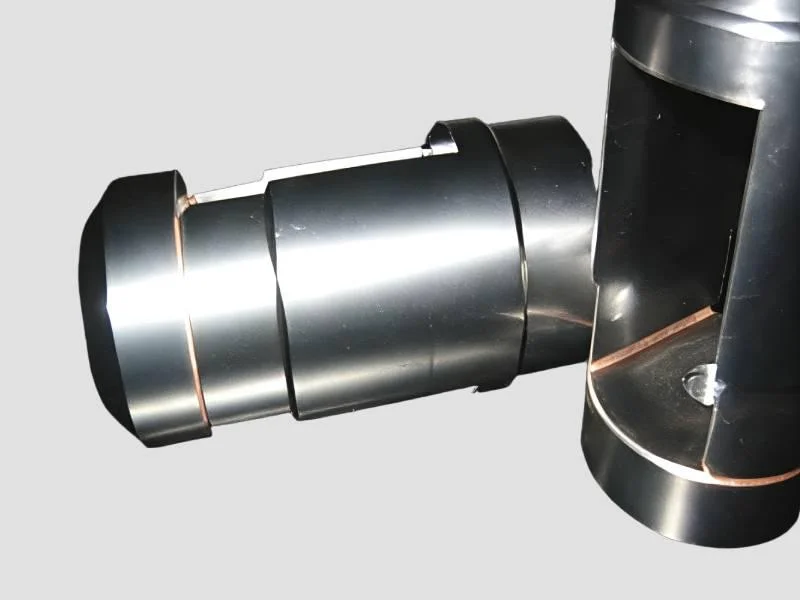
Vacuum brazing represents the pinnacle of metal joining technology, operating within precisely controlled vacuum environments to create superior bonds without oxidation or flux con...
Vacuum brazing represents the pinnacle of metal joining technology, operating within precisely controlled vacuum environments to create superior bonds without oxidation or flux contamination. This advanced thermal process heats base metals to specific brazing temperatures while maintaining vacuum levels up to 10⁻⁵ mbar, ensuring completely clean surfaces for optimal filler metal flow and bonding. The result is joints achieving remarkable strength up to 500 MPa with exceptional dimensional accuracy of ±0.1 mm, making it the preferred method for critical applications where joint failure is not an option. The process accommodates various metals including stainless steels, superalloys, titanium, and dissimilar metal combinations, providing manufacturers with unparalleled design flexibility and performance reliability.
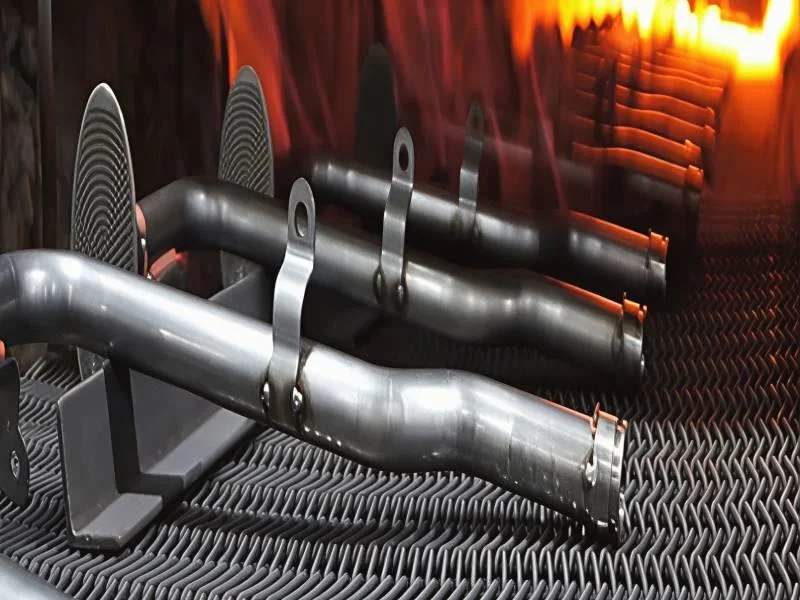
Across industries, vacuum brazing has become the gold standard for components demanding the highest quality joints. Aerospace manufacturers rely on it for turbine blades, structural brackets, and engine components where weight savings and fatigue resistance are paramount. The automotive sector utilizes vacuum brazing for heat exchangers, transmission parts, and exhaust components requiring thermal stability and corrosion resistance. Medical device producers choose this method for surgical instruments and implants needing biocompatible, sterilizable connections. Industrial equipment manufacturers specify vacuum brazing for cutting tools, machinery components, and precision instruments where durability and dimensional stability directly impact product performance and service life.
The business value of vacuum brazing extends beyond technical superiority to deliver tangible operational benefits and competitive advantages. Manufacturers implementing this technology experience reduced rejection rates through consistent, high-quality joints that meet stringent industry standards including ASTM specifications. The elimination of flux eliminates post-braze cleaning operations, reducing labor costs and environmental concerns while accelerating production cycles. Customization capabilities allow for tailored solutions addressing specific material combinations and geometric challenges, providing businesses with differentiation in competitive markets. Reliability is built into every joint through precise temperature control maintaining ±5°C uniformity and rigorous quality assurance protocols, ensuring components perform as intended throughout their operational lifespan.
Key Features:
- Joint strength up to 500 MPa for demanding structural applications
- Temperature uniformity within ±5°C ensuring consistent bonding quality
- Vacuum level control up to 10⁻⁵ mbar preventing oxidation completely
- High corrosion resistance meeting ASTM standards for harsh environments
- Dimensional accuracy of ±0.1 mm maintaining part integrity and fit
Benefits:
- Oxidation-free joints eliminate cleaning steps and reduce production costs
- Superior bond strength enhances product reliability and service life
- Compatibility with diverse metals enables innovative design possibilities
- Consistent quality across production batches reduces rejection rates
- Precision joining maintains component functionality and performance