IN
IN₹
Description
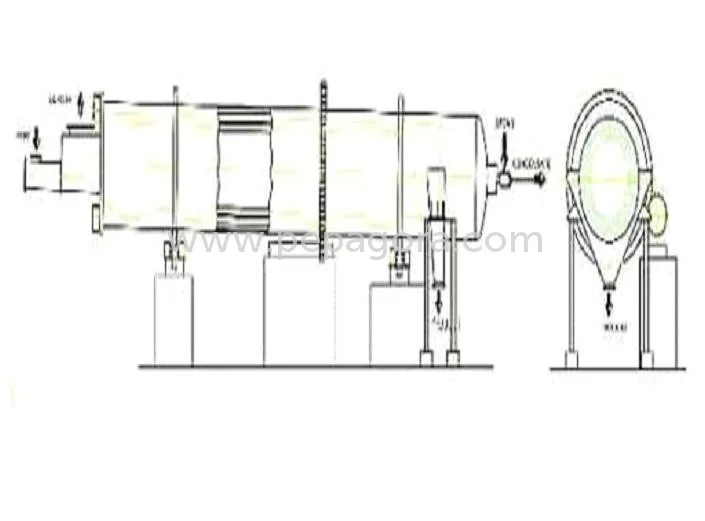
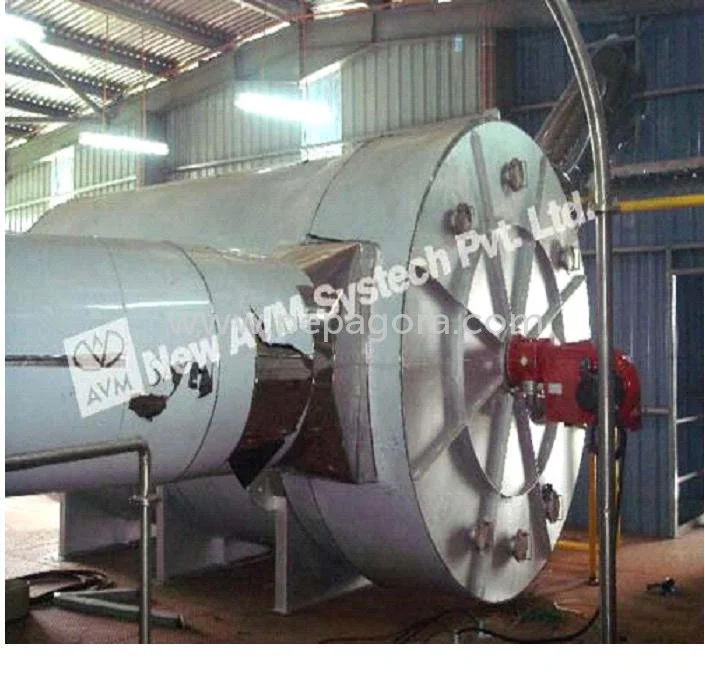
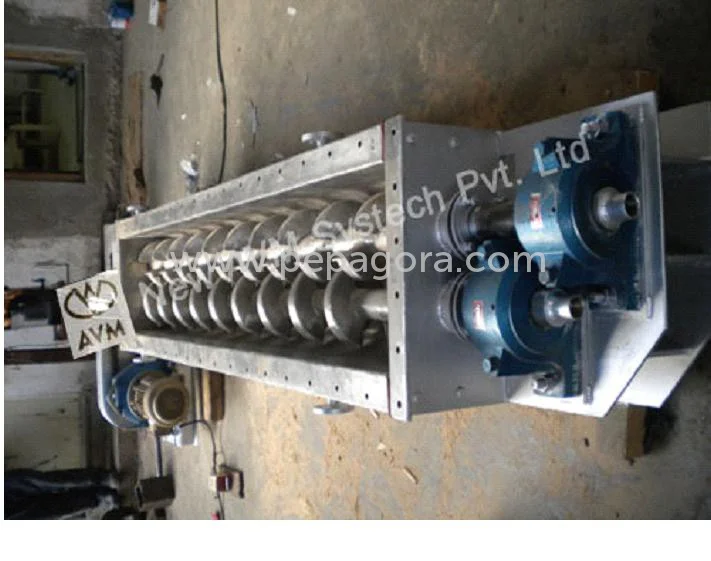
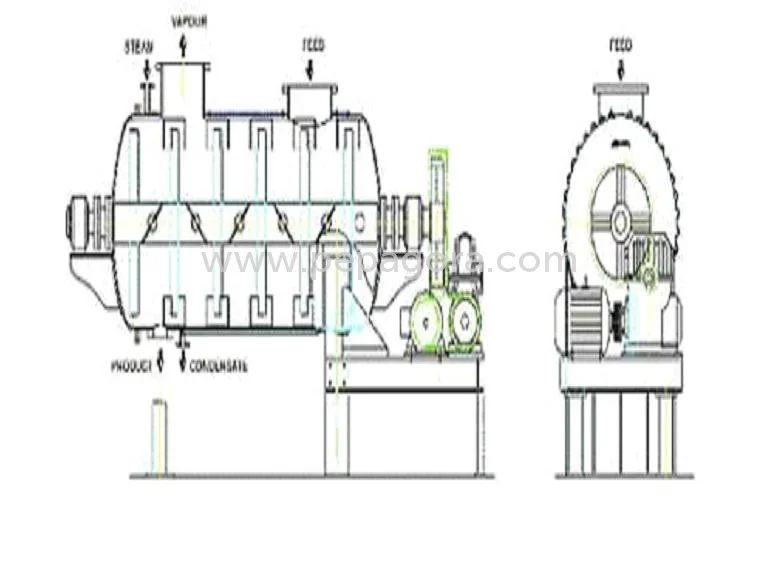
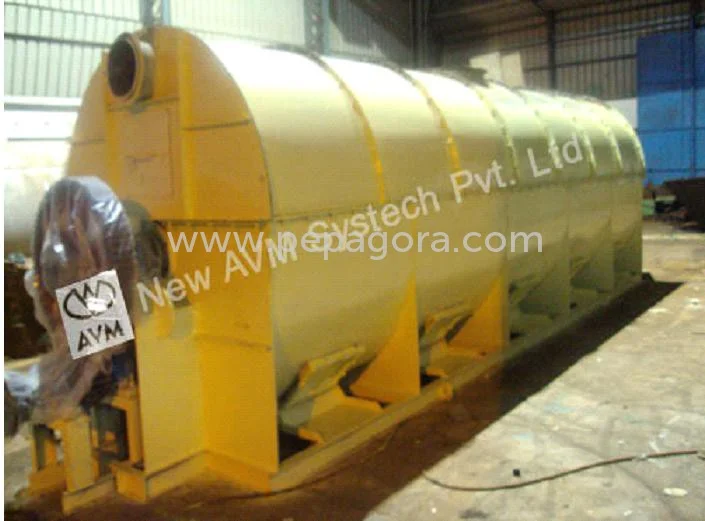
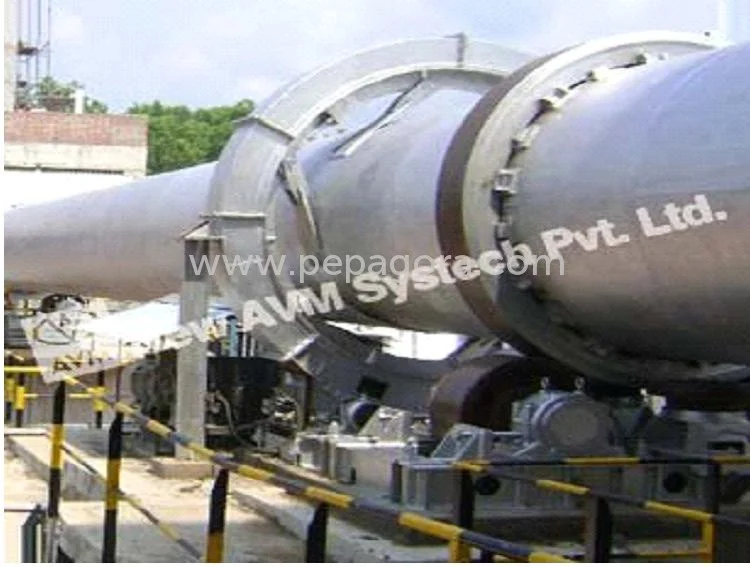
Industrial rotary calciners represent precision-engineered thermal processing systems designed for controlled high-temperature material treatment. These robust industrial units feature a rotating shell supported on heavy-duty rollers with specialized drive mechanisms ensuring consistent rotational control. The system incorporates an integrated combustion chamber generating necessary hot gases for calcination processes, connected to stationary hoods for efficient heat distribution. Feed material enters at controlled rates through screw conveyor systems while processed material flows in counter-current fashion within the calciner, optimizing heat transfer efficiency before discharge through dedicated discharge hoods. The entire internal structure features refractory lining to minimize heat losses and maintain operational temperature integrity throughout prolonged production cycles, ensuring consistent thermal processing performance.

These thermal processing systems serve diverse industr...
Industrial rotary calciners represent precision-engineered thermal processing systems designed for controlled high-temperature material treatment. These robust industrial units feature a rotating shell supported on heavy-duty rollers with specialized drive mechanisms ensuring consistent rotational control. The system incorporates an integrated combustion chamber generating necessary hot gases for calcination processes, connected to stationary hoods for efficient heat distribution. Feed material enters at controlled rates through screw conveyor systems while processed material flows in counter-current fashion within the calciner, optimizing heat transfer efficiency before discharge through dedicated discharge hoods. The entire internal structure features refractory lining to minimize heat losses and maintain operational temperature integrity throughout prolonged production cycles, ensuring consistent thermal processing performance.

These thermal processing systems serve diverse industries requiring precise thermal decomposition and material transformation. In construction materials manufacturing, they efficiently transform limestone into quicklime for cement production and steel manufacturing applications. The minerals processing industry utilizes them for treating bauxite, gypsum, and various industrial minerals requiring controlled heating. Chemical manufacturers employ rotary calciners for catalyst activation and specialty compound processing, while environmental technology applications include activating carbon filtration materials. The aluminum industry depends on these systems for petroleum coke calcination in anode production, demonstrating their cross-industrial versatility and reliability in critical thermal processing operations where temperature control directly impacts product quality.

Businesses implementing rotary calciners gain significant operational value through enhanced processing efficiency and reduced energy consumption. The counter-current design ensures optimal heat utilization, lowering operational costs while maintaining consistent output quality across production batches. These systems offer remarkable reliability with robust construction engineered to withstand continuous high-temperature operation, minimizing downtime and maintenance requirements. The refractory-lined construction extends equipment lifespan while maintaining thermal efficiency, providing long-term operational consistency and return on investment. Precise temperature control capabilities ensure material uniformity and product quality, while the efficient heat transfer design reduces fuel consumption and operational expenses, making these systems economically viable for various production scales.

Key Features:
- Rotating shell with heavy-duty roller support system and precision drive arrangement
- Refractory-lined internals for minimal heat loss and thermal efficiency maintenance
- Integrated combustion chamber generating consistent high-temperature processing gases
- Counter-current material flow design for optimized heat transfer and energy efficiency
- Controlled feed rate system with screw conveyor and stationary hood configuration

Benefits:
- Enhanced processing efficiency with precise temperature control for consistent output quality
- Reduced energy consumption through optimized heat transfer and counter-current design
- Extended equipment lifespan with robust construction and refractory-lined internals
- Reliable continuous operation with minimal downtime and maintenance requirements
- Versatile material processing capabilities across multiple industrial applications
Specifications
| Additional Information | |
|---|---|
| Country of Origin | India |
Application
Industrial rotary calciners provide controlled high-temperature treatment essential for material transformation across multiple sectors. These robust systems efficiently process raw materials through thermal decomposition while maintaining precise temperature control and uniform heating throughout extended production cycles. Their versatile design accommodates various feed materials and production requirements, ensuring consistent output quality for different industrial scales and processing needs.
These thermal processing systems excel in industries requiring reliable calcination with minimal heat loss. The counter-current flow design ensures optimal heat transfer efficiency while refractory-lined internals maintain thermal integrity during continuous operation. From mineral refinement to chemical manufacturing, these units deliver dependable performance where temperature consistency and material uniformity directly impact final product quality and production economics.
- Processing limestone into quicklime for cement production and steel manufacturing
- Calcining petroleum coke for anode production in aluminum smelting operations
- Activating carbon materials for water filtration and air purification systems
- Treating industrial minerals including bauxite, gypsum, and kaolin for manufacturing
- Processing catalyst materials and chemical compounds for pharmaceutical production
Trade Details
| Available Stock | In Stock |
| Sample Availability | No |
Payment Terms
| Payment Terms |
|
Company Profile
New Avm Systech Pvt Ltd, Maharashtra
 Maharashtra, India
Maharashtra, IndiaFood & Agriculture•Manufacturer•Distributor / Wholesaler•Importer / Exporter
Factory Details
Factory SizeBelow 1000 sqm
Annual Production Capacity0
Industrial Rotary Calciners For Precise Thermal Processing Materials
Industrial rotary calciners deliver precise thermal processing for materials like limestone and minerals. Engineered for reliability with refractory-lined construction and efficient counter-current heat transfer.
Min. Order Quantity: 1 unit
Shipping
Shipping fee and delivery date to be negotiated. Contact supplier now for more details.
New Avm Systech Pvt Ltd
 Maharashtra, India
Maharashtra, IndiaFood & AgricultureManufacturer