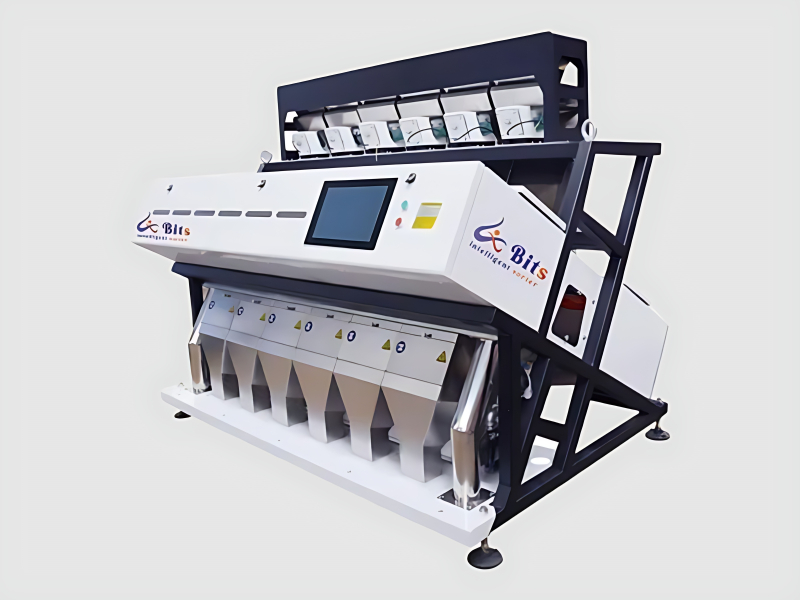
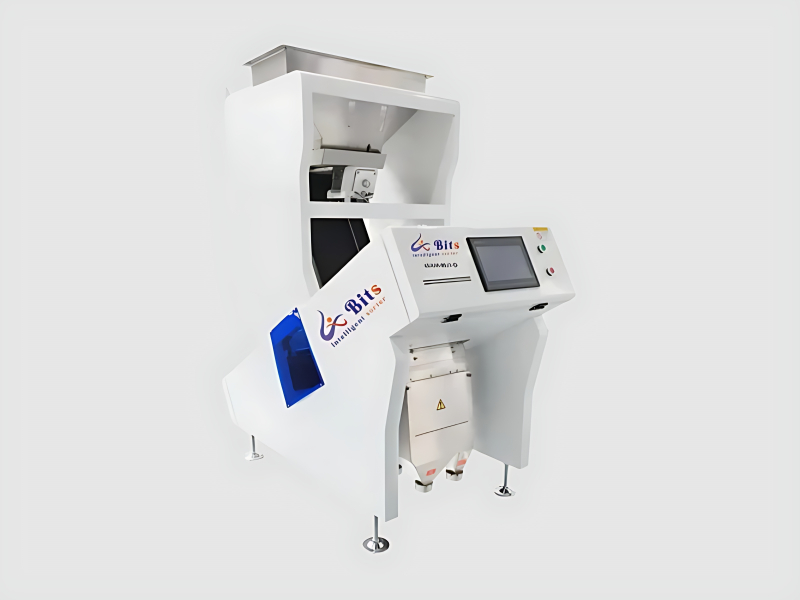
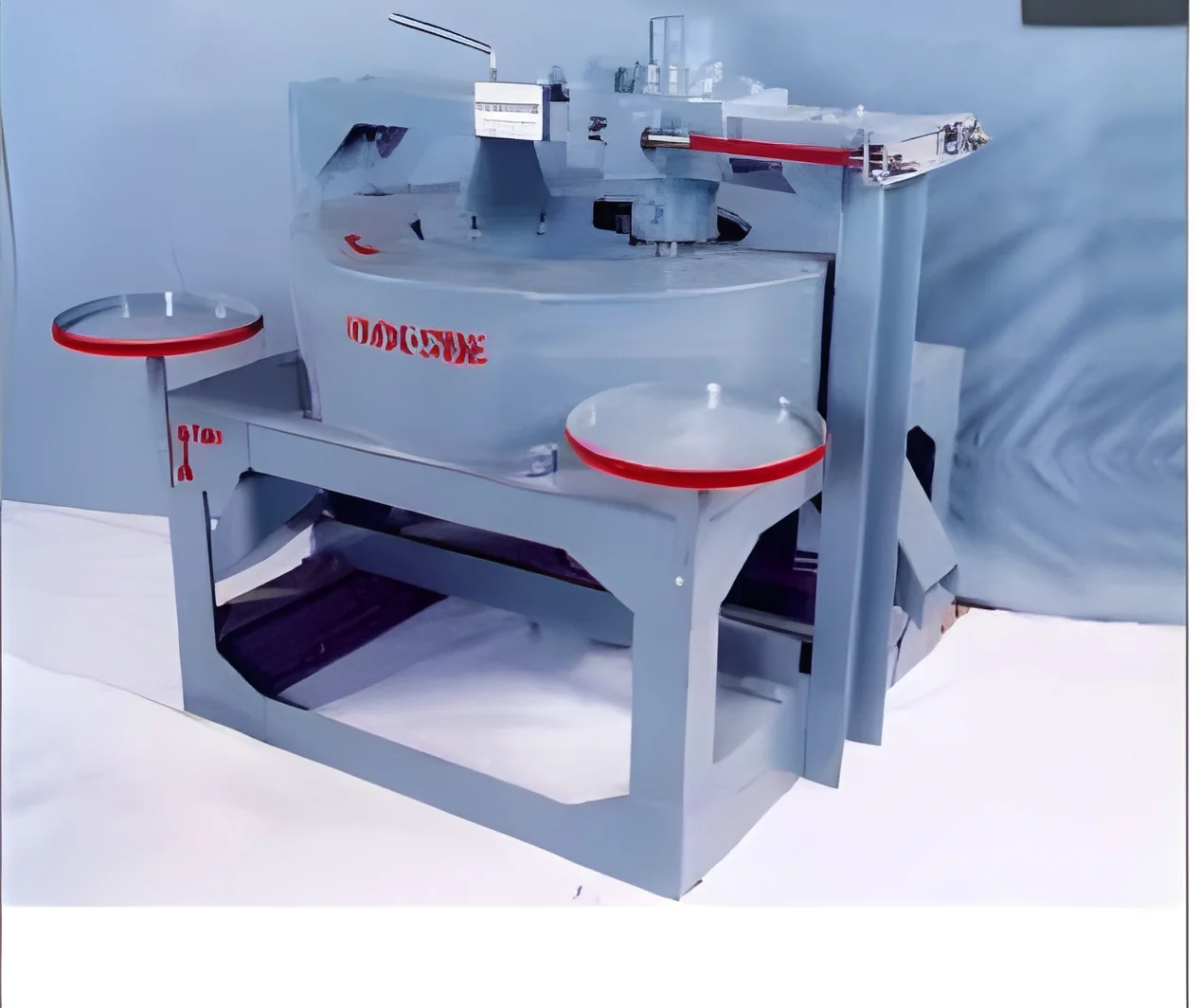
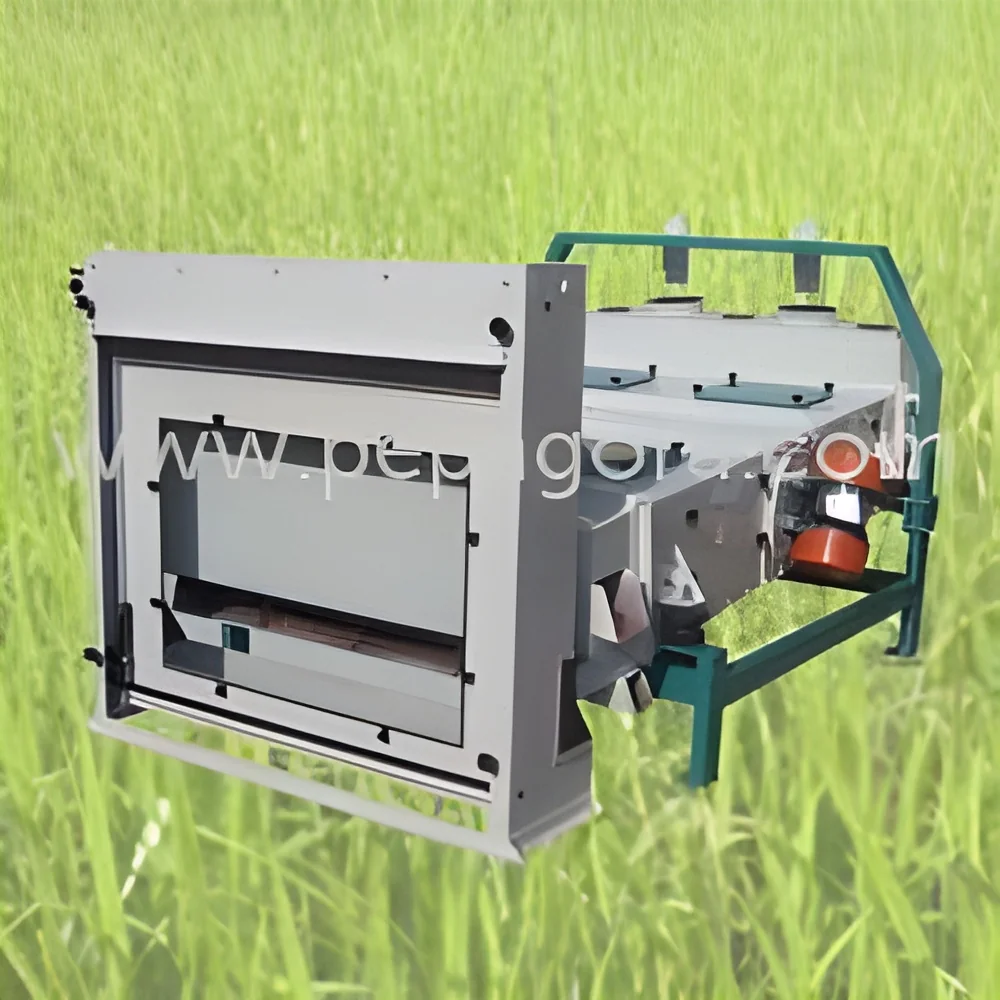
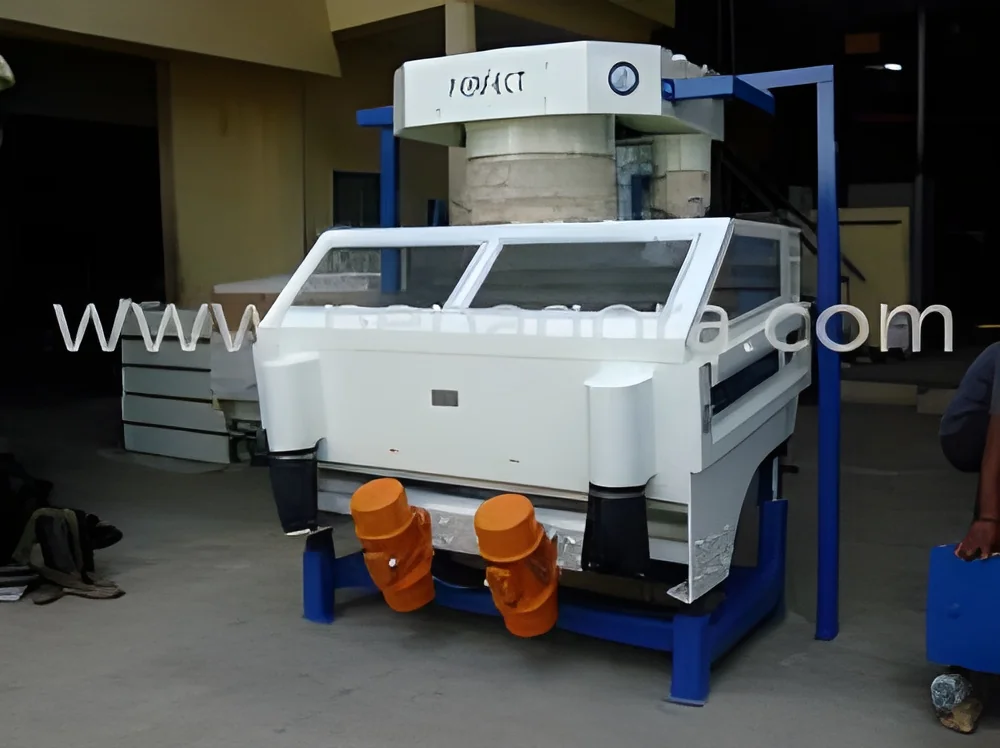
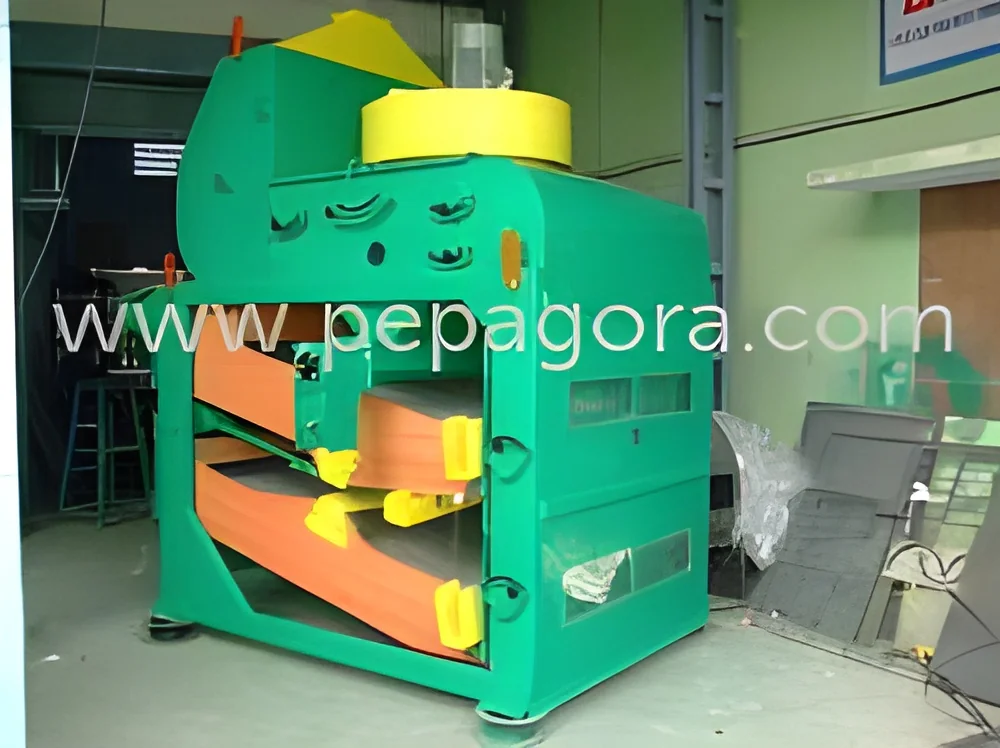
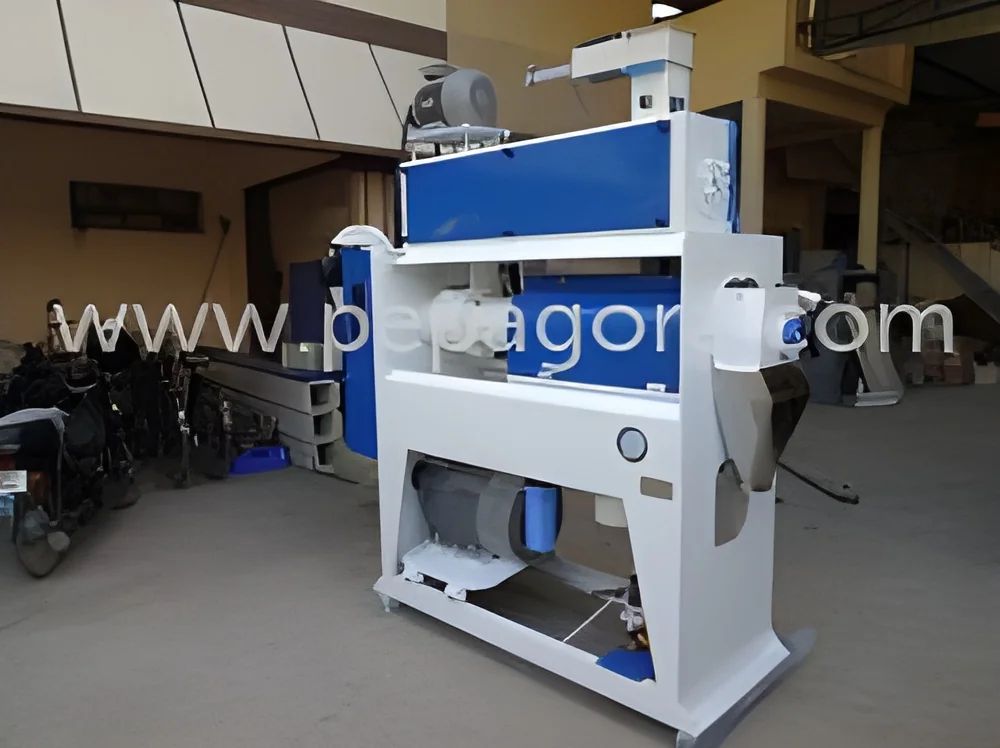
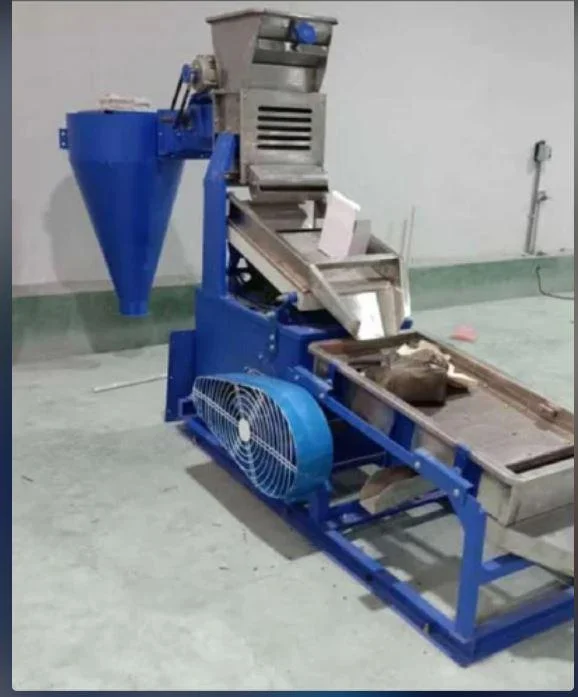
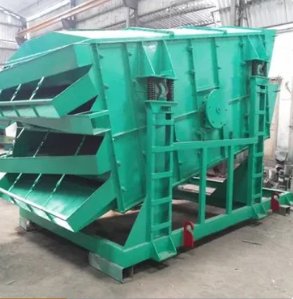
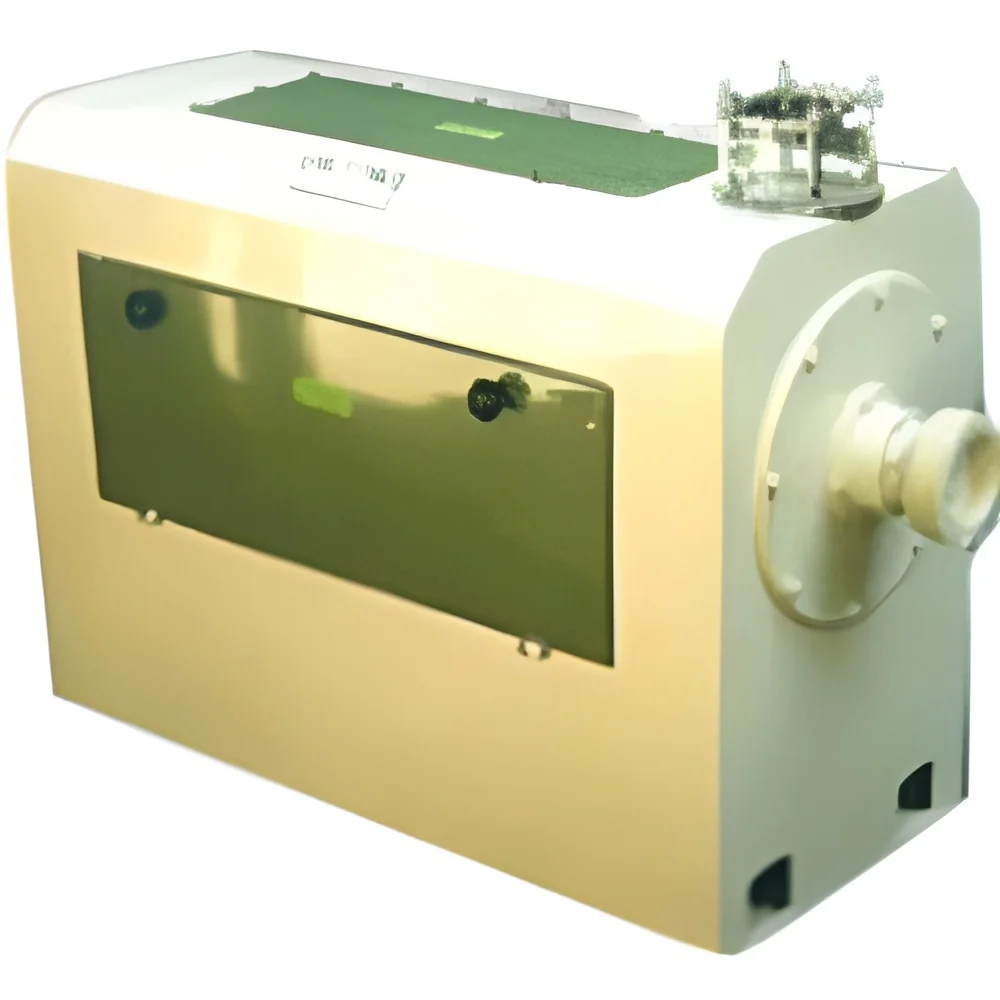
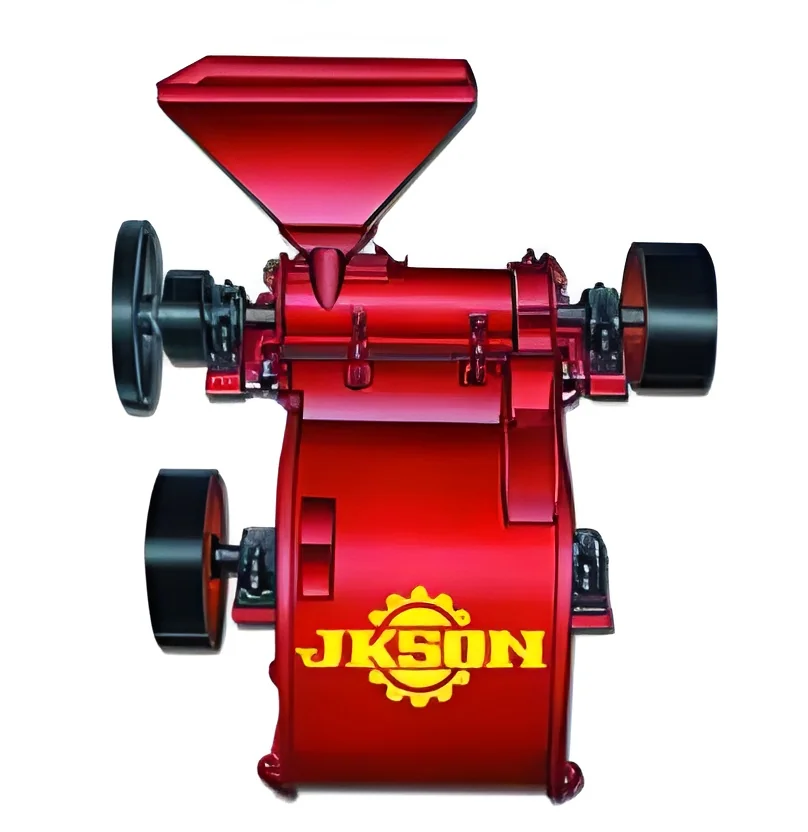
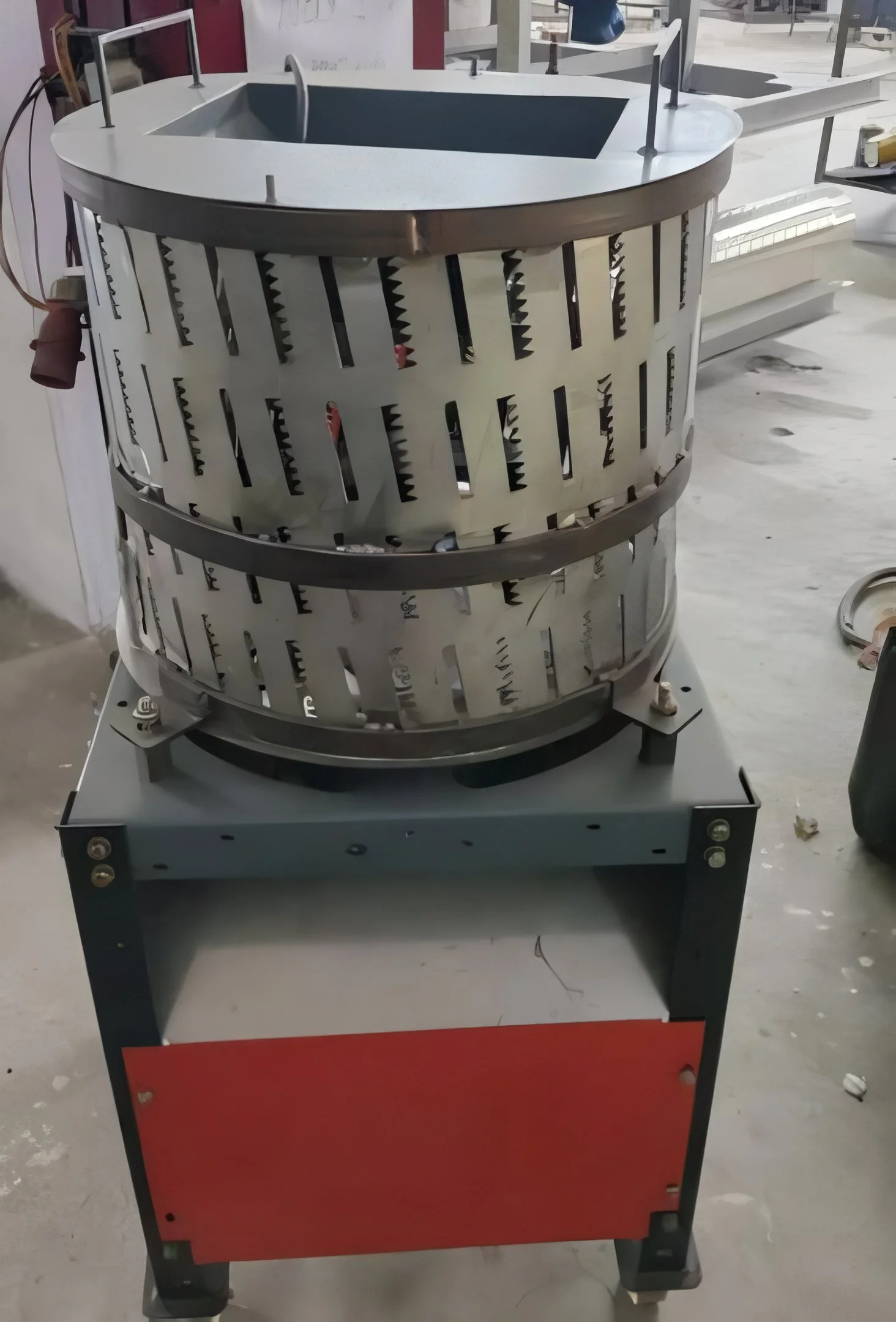
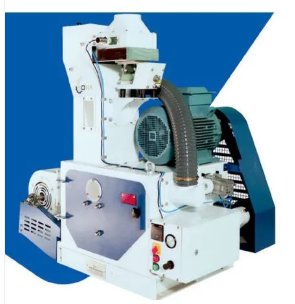
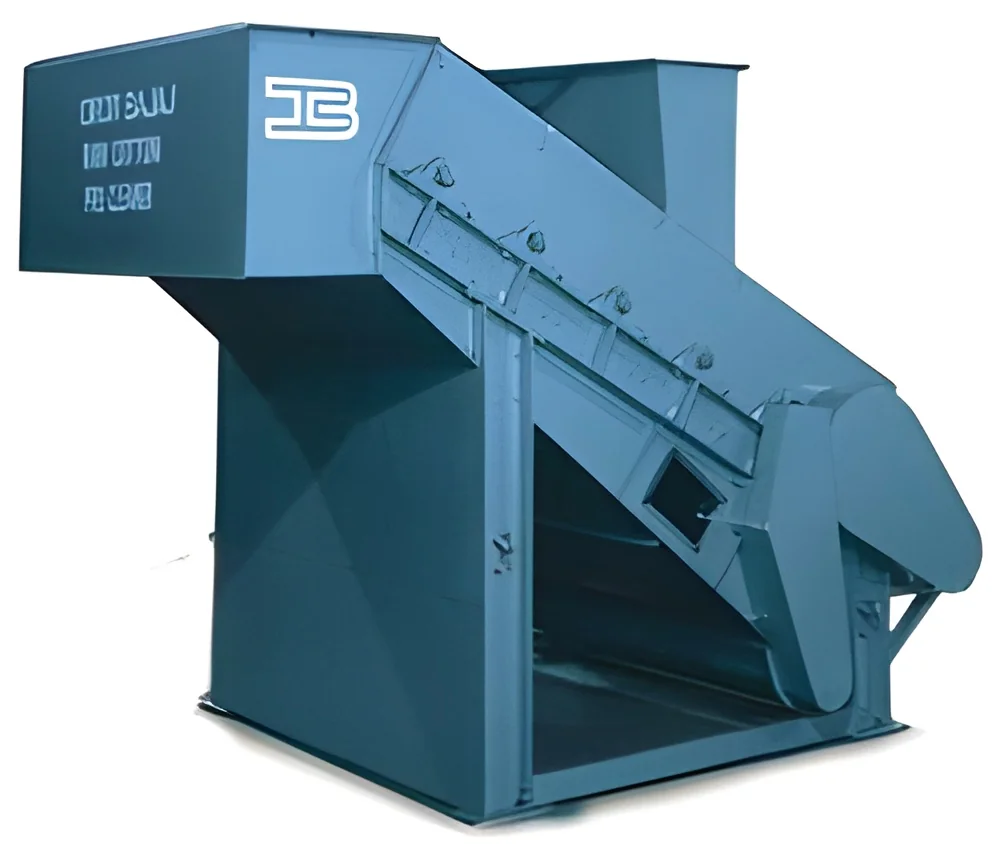
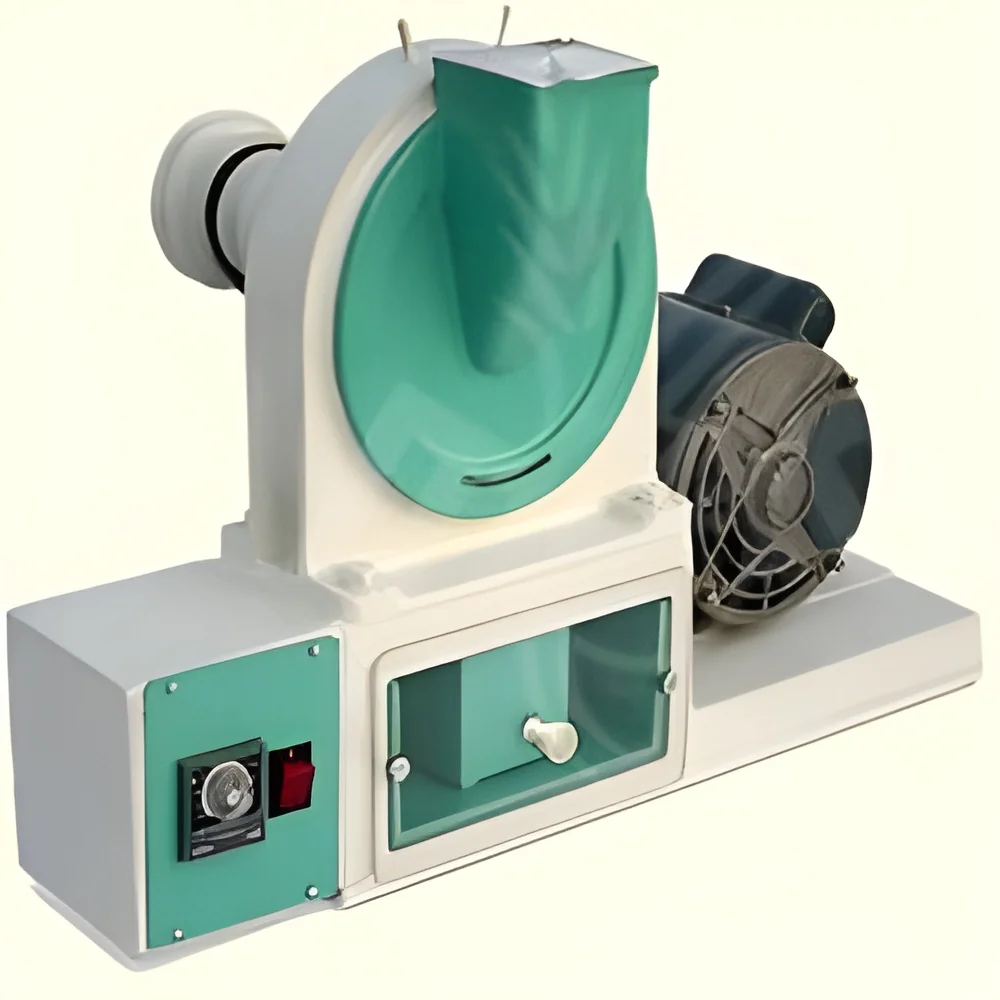
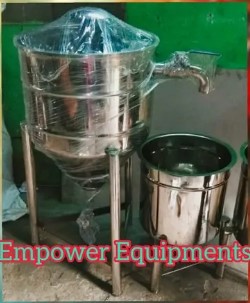
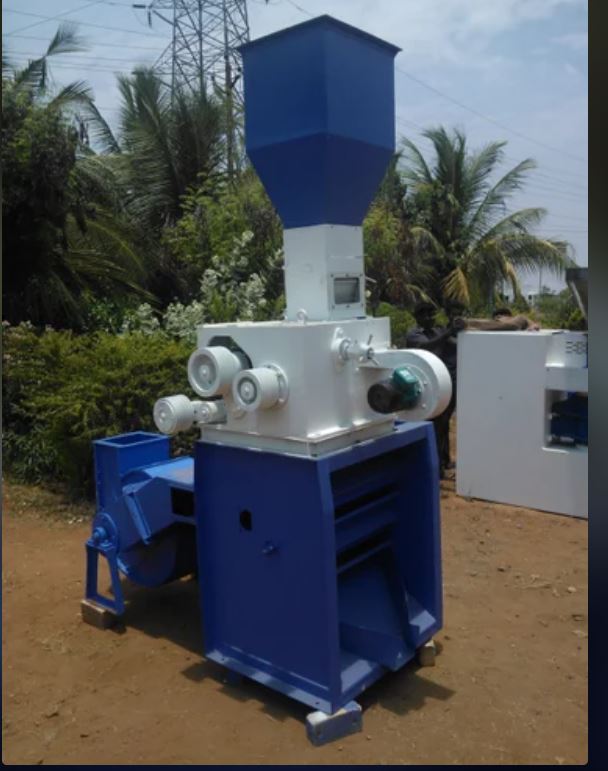
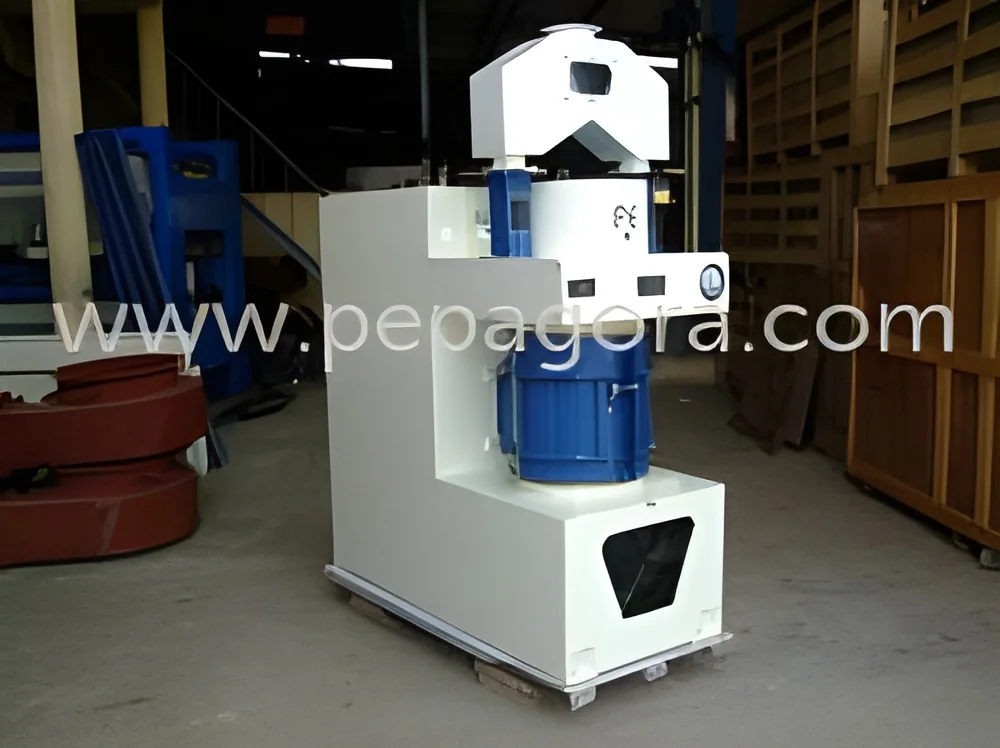
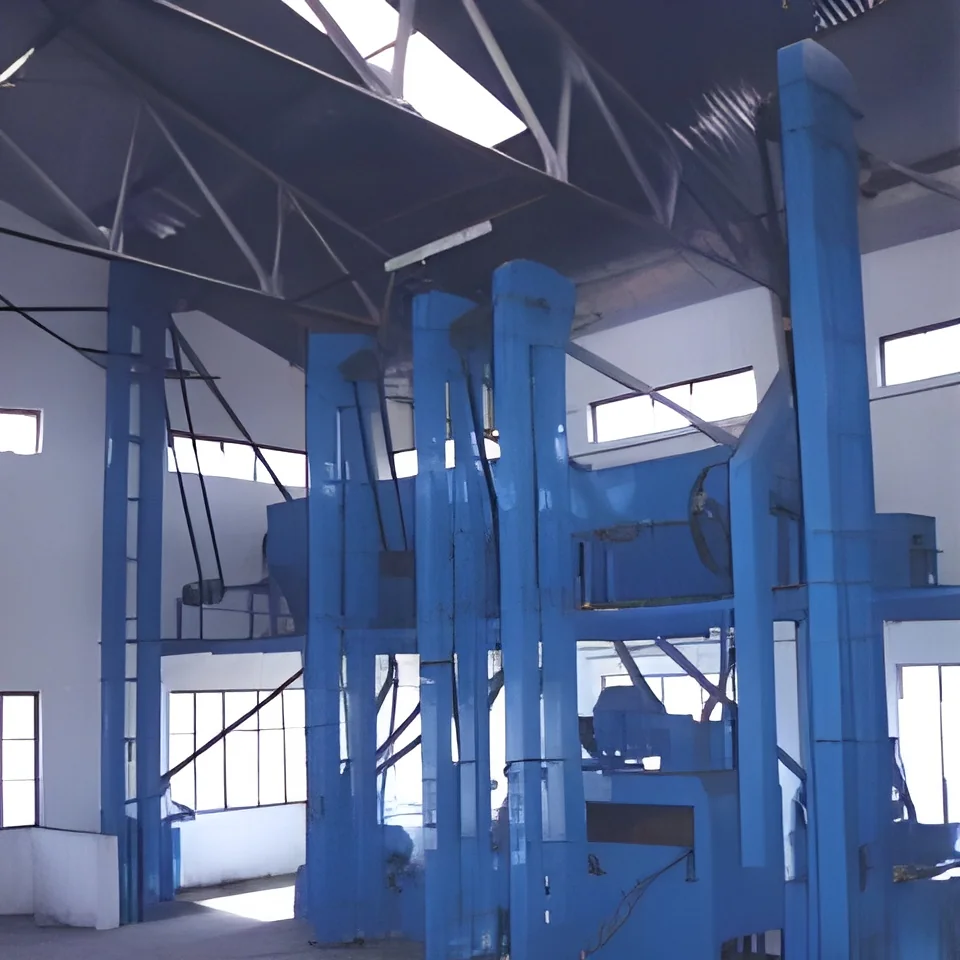
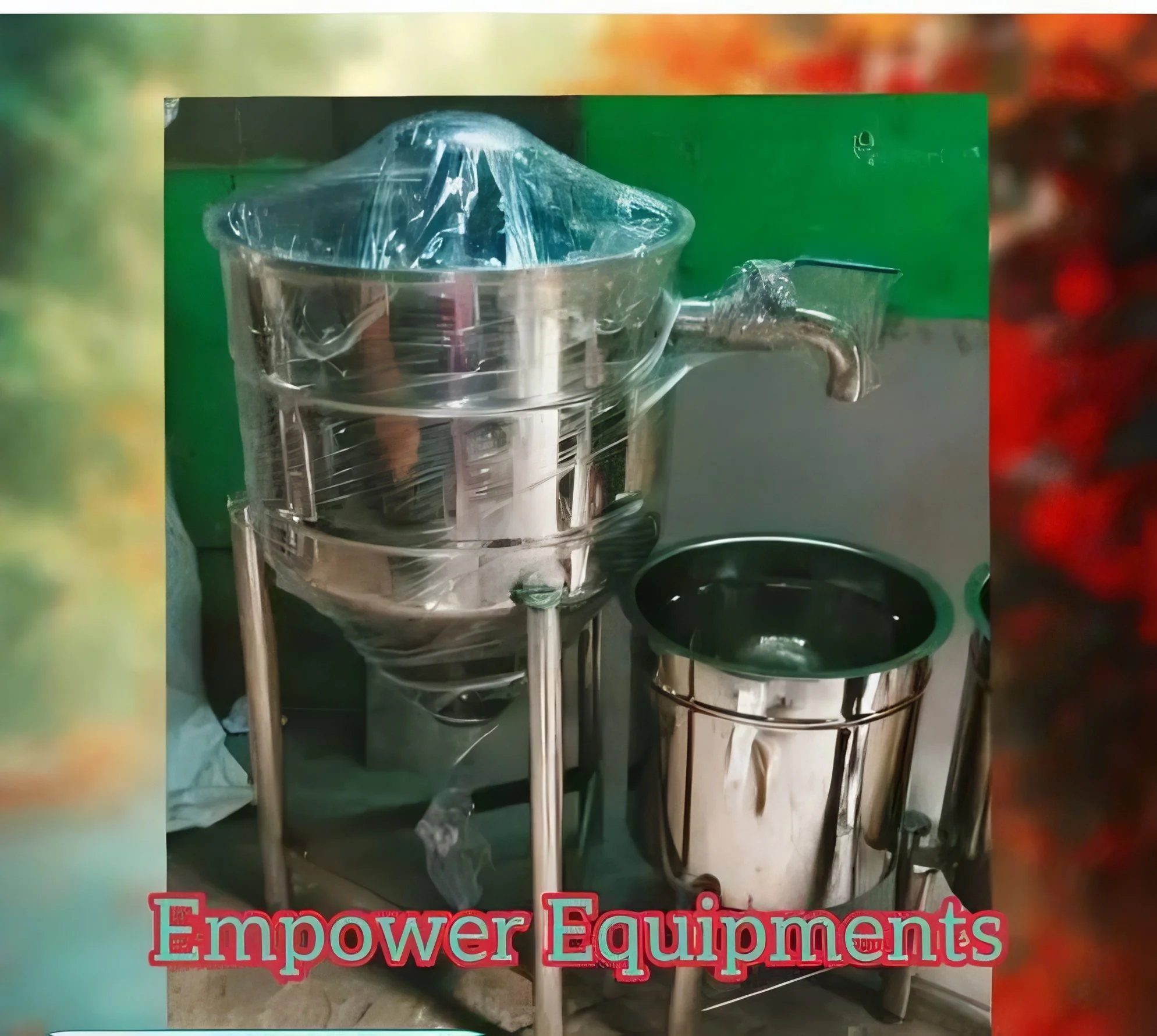
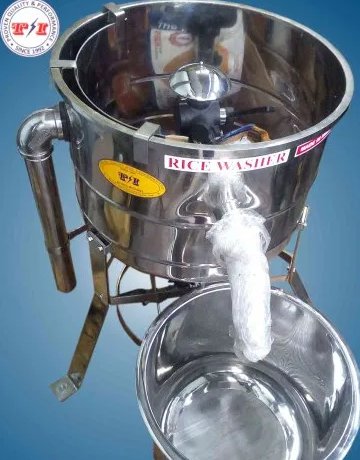
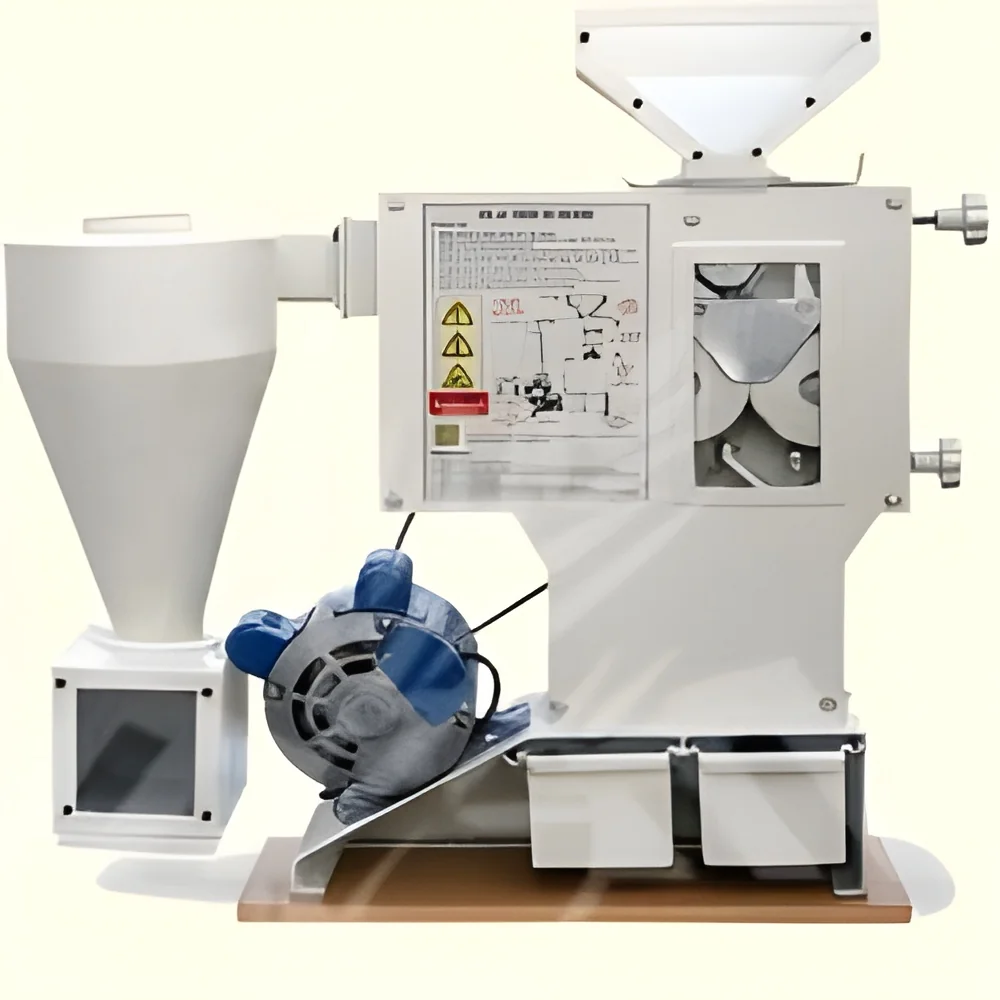
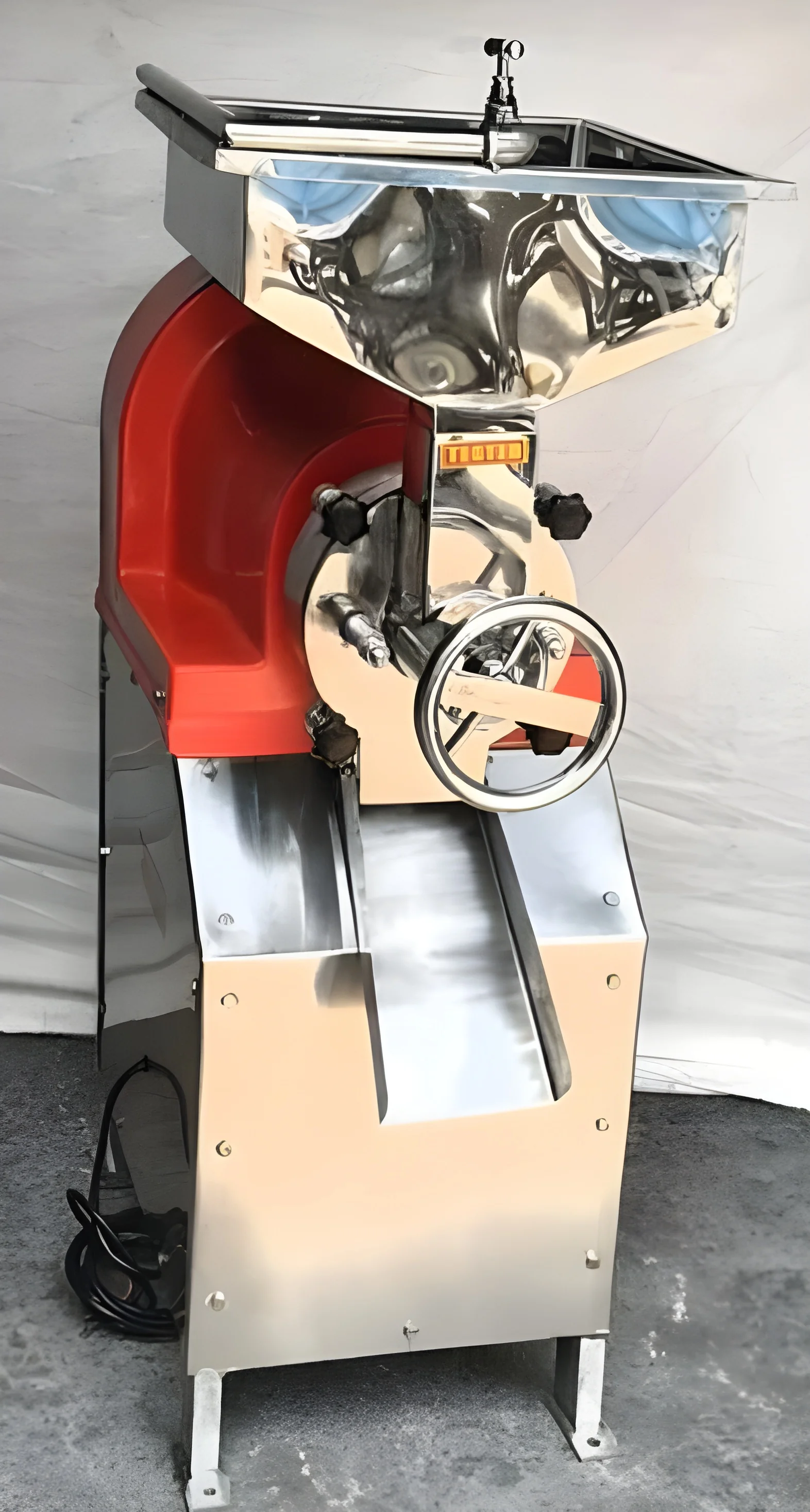
What are Rice Milling Machines?
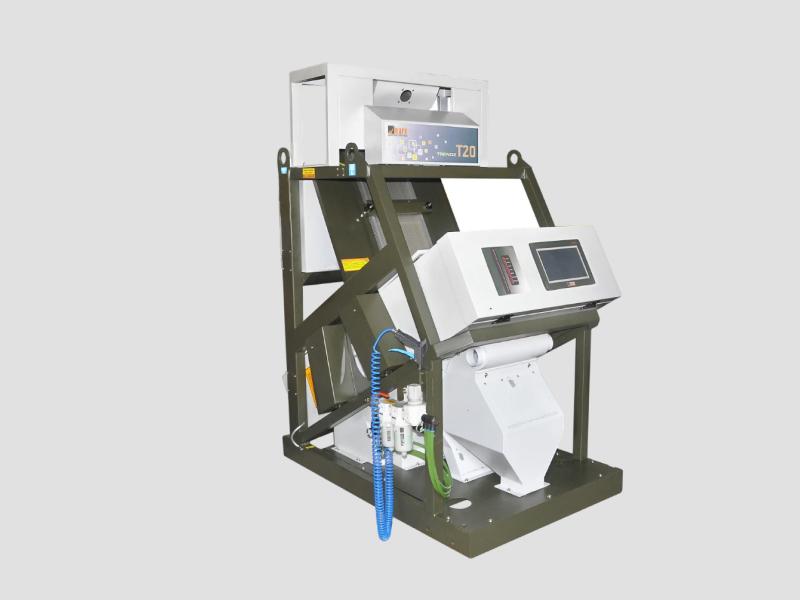
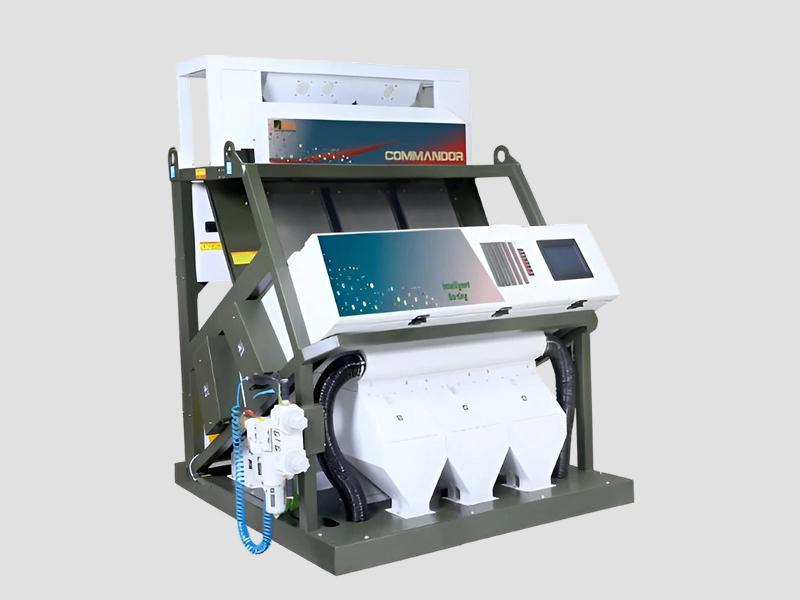
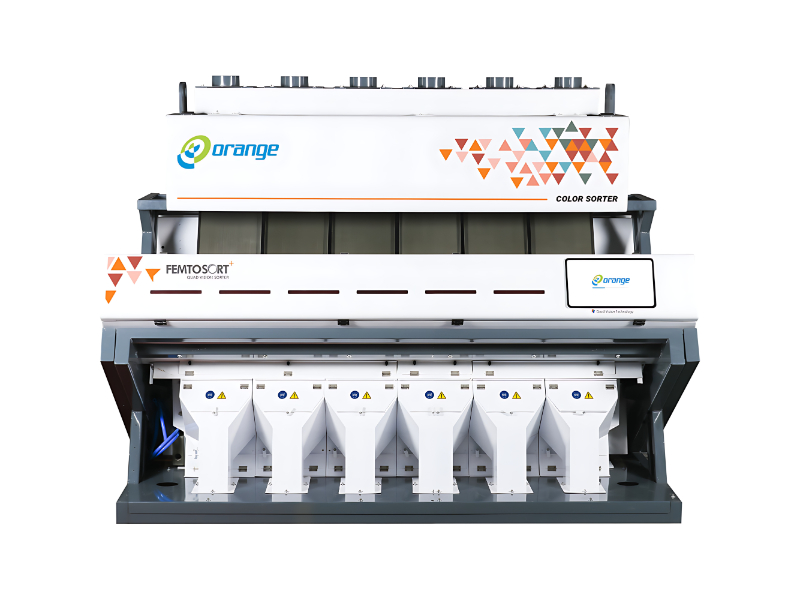
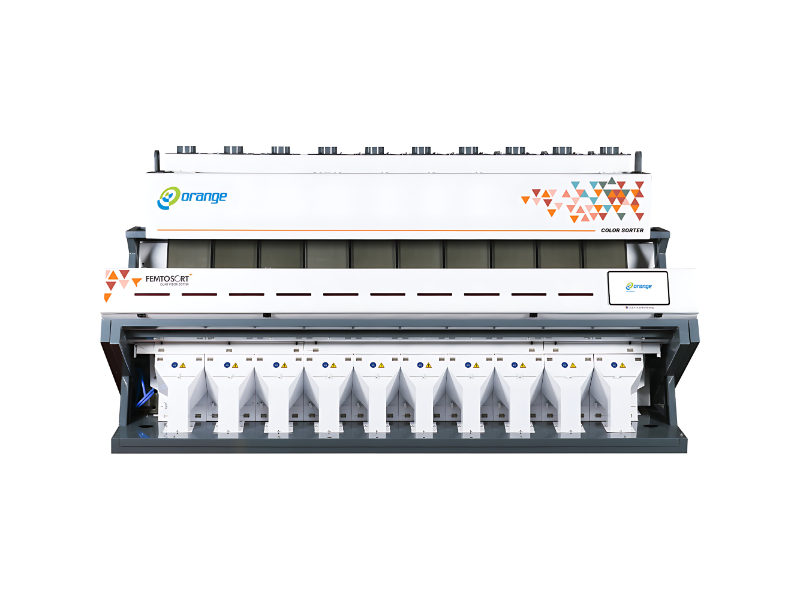
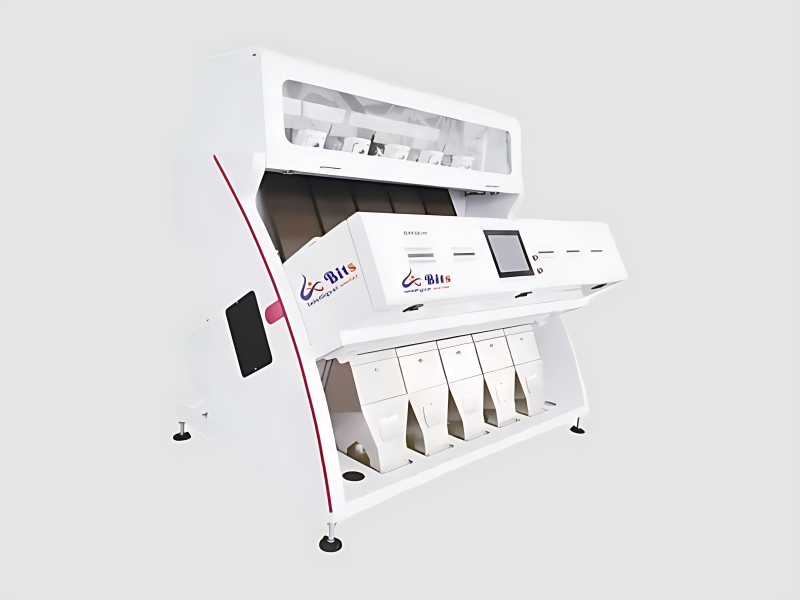
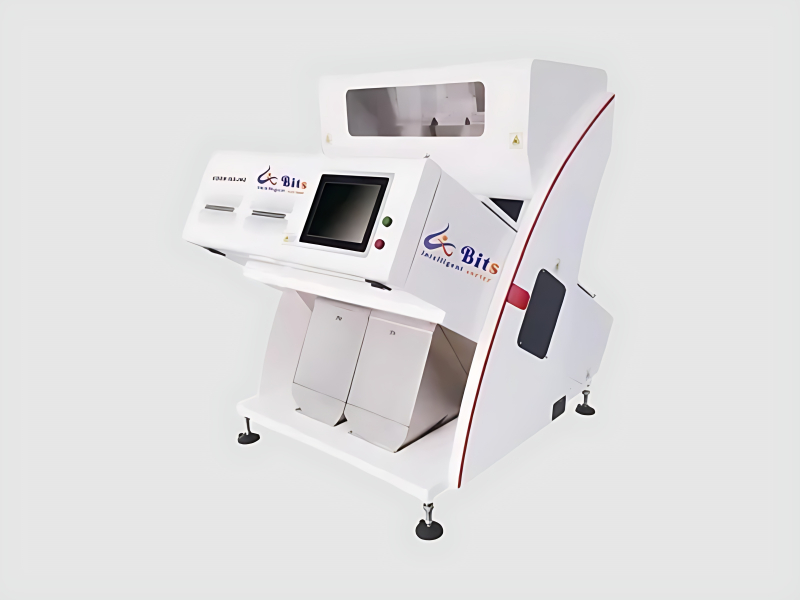
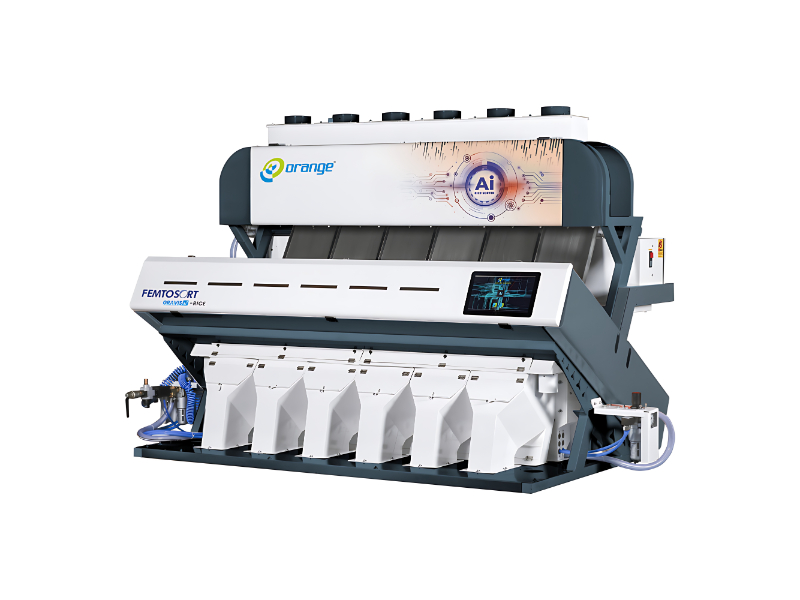
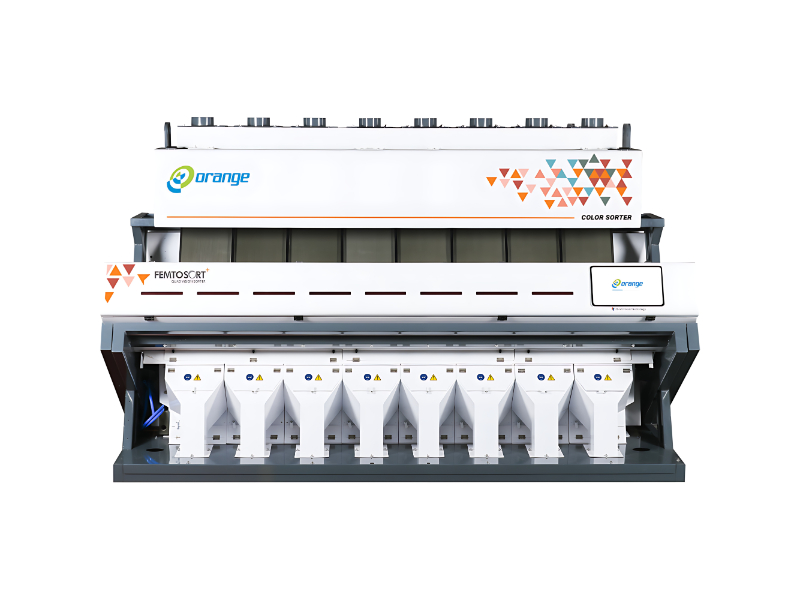
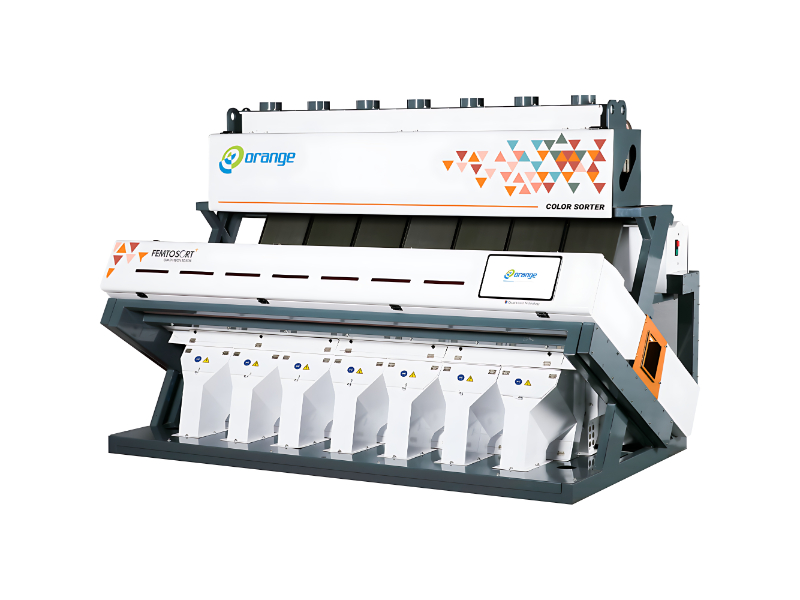
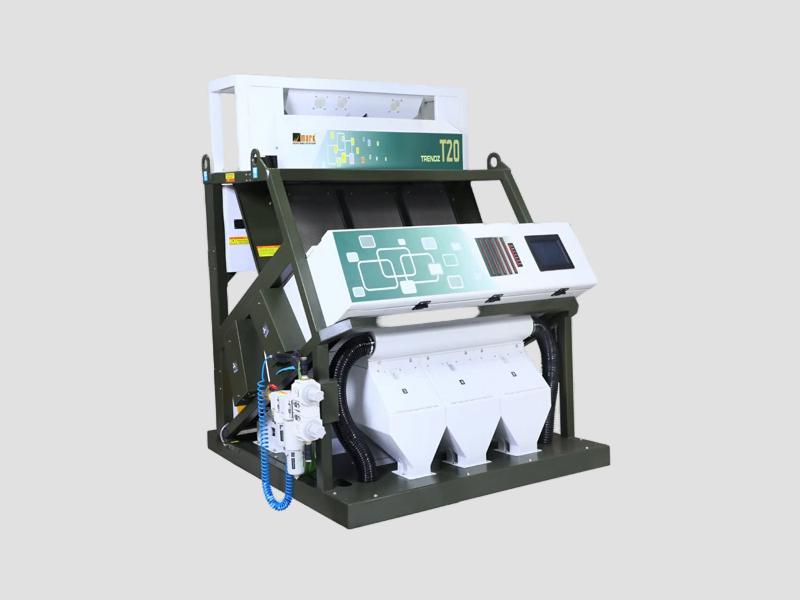
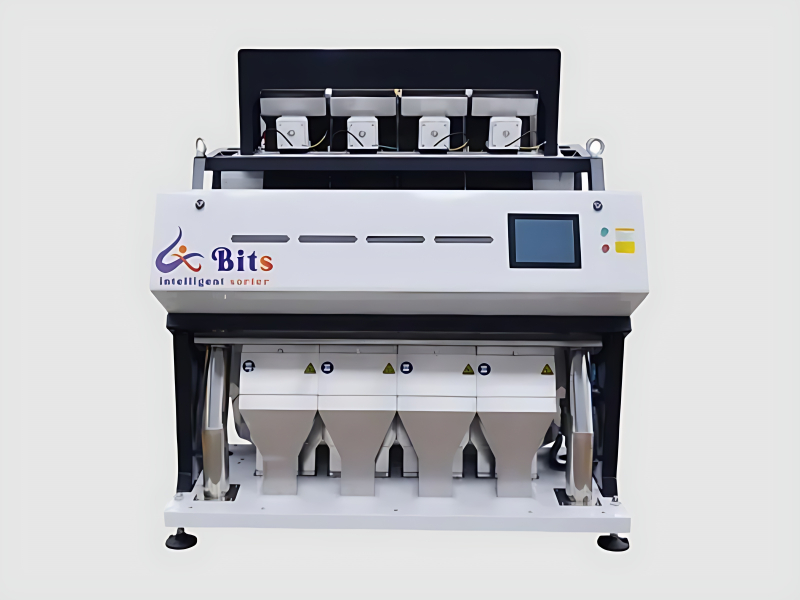
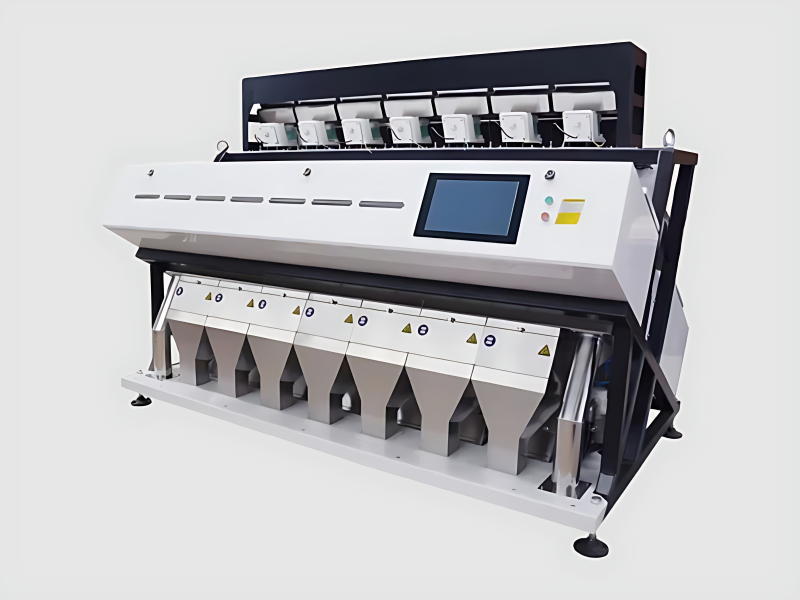
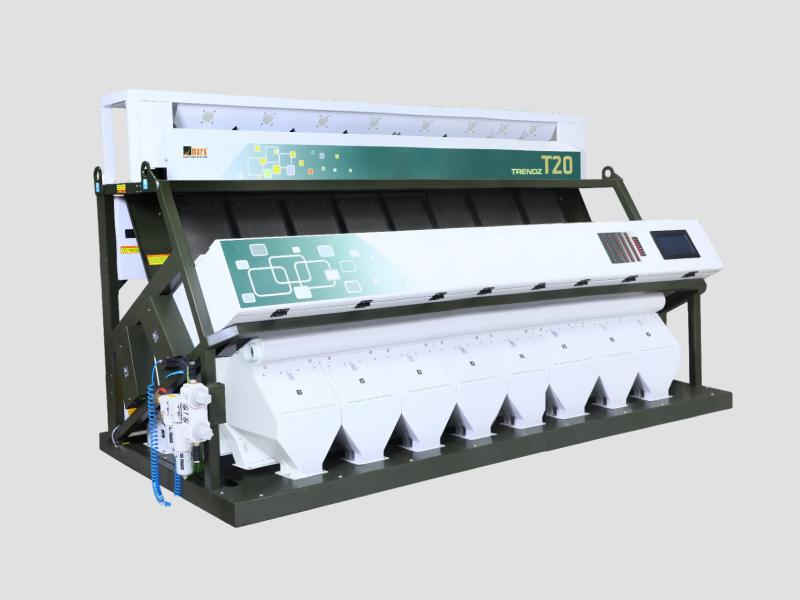
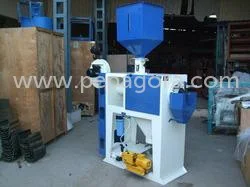
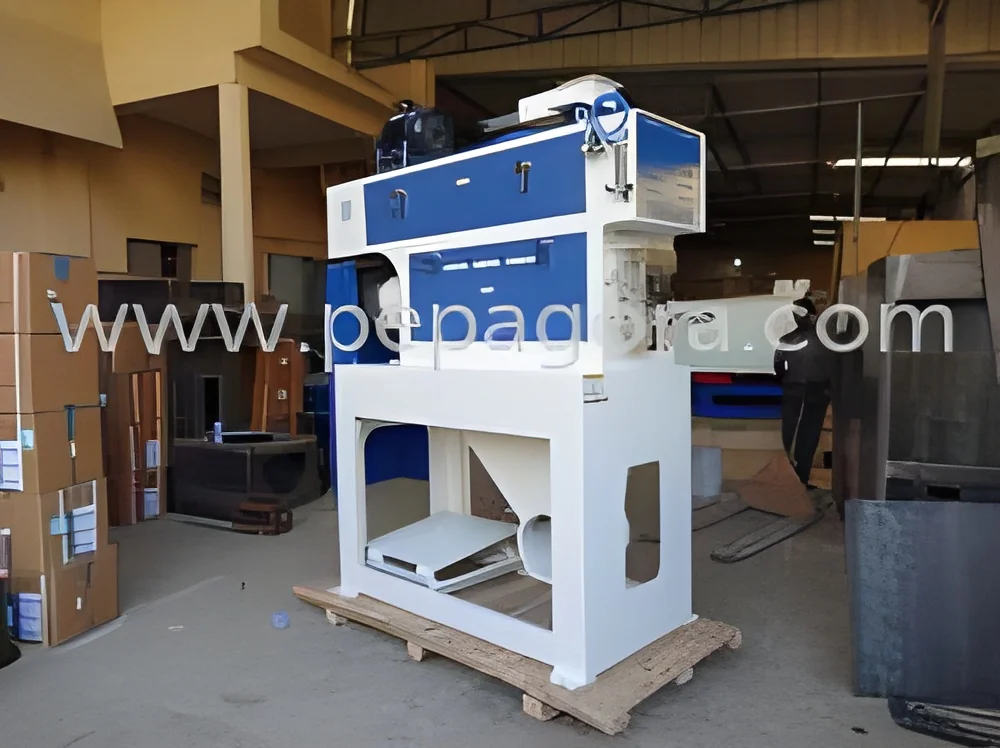
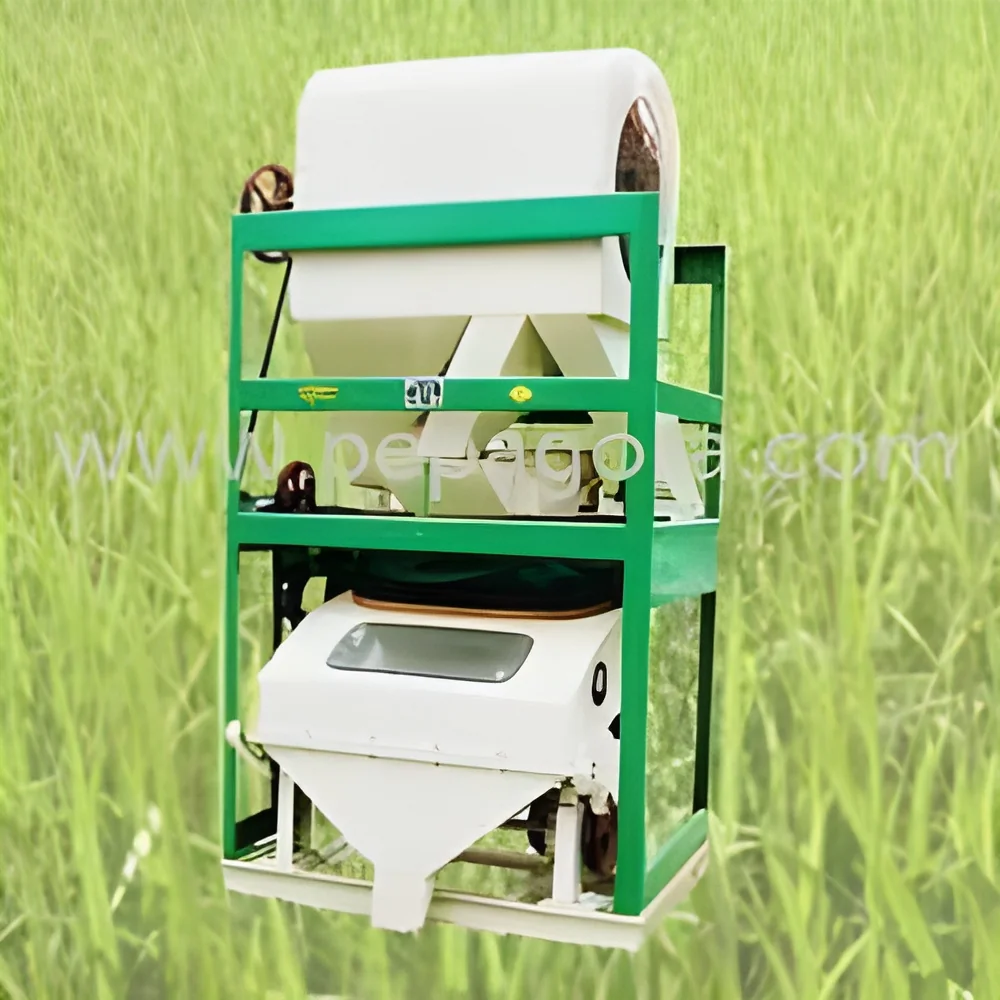
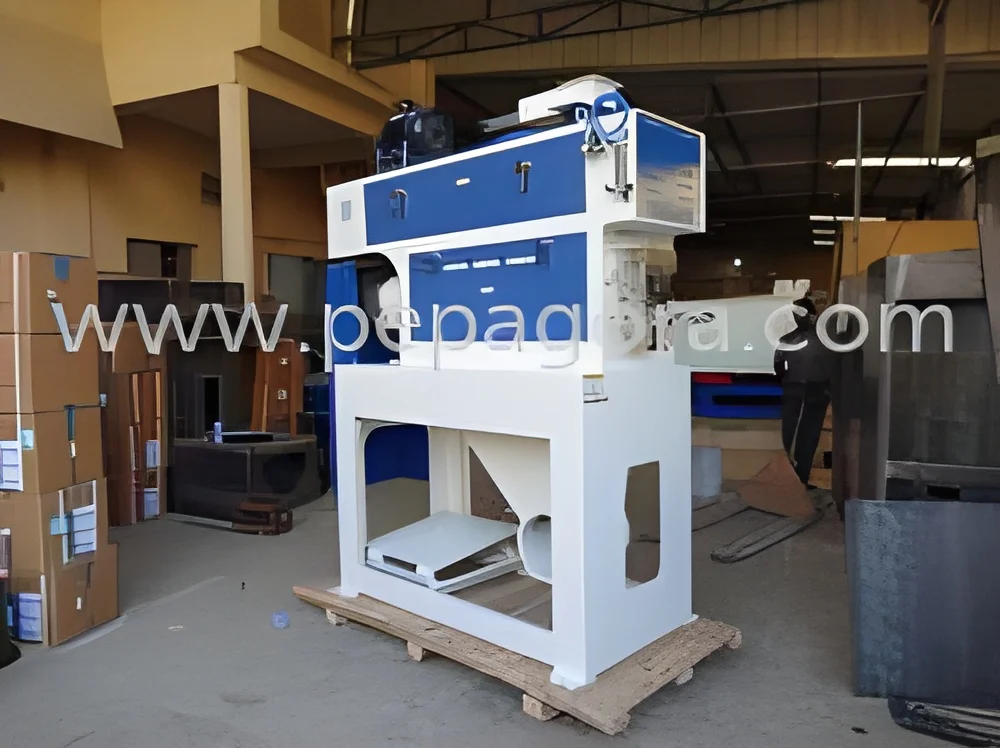
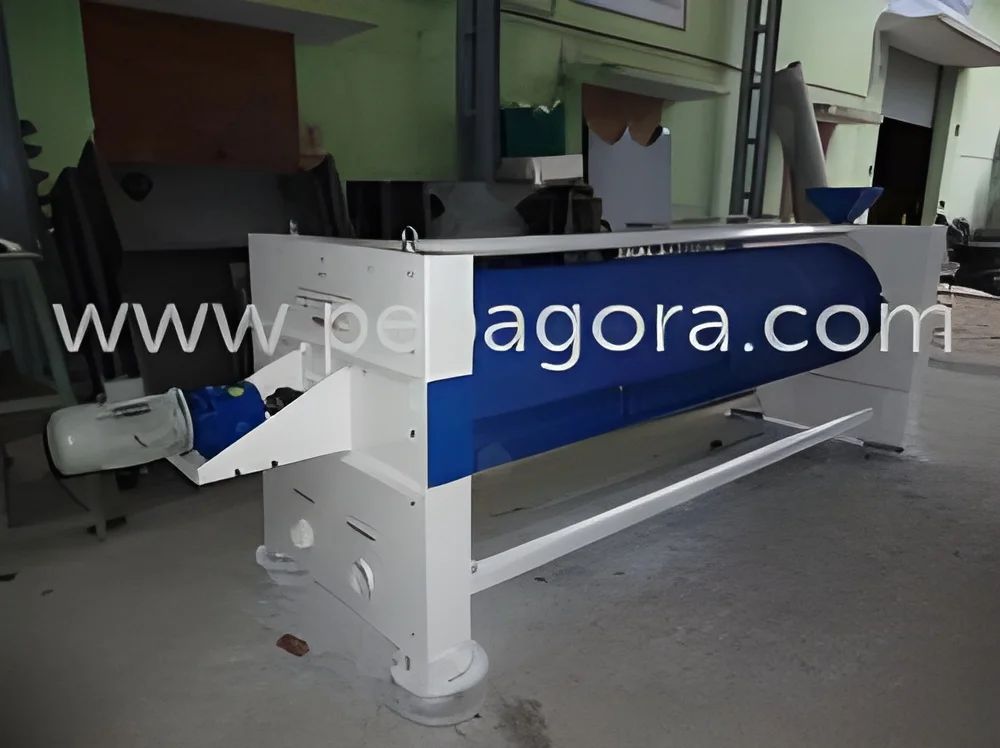
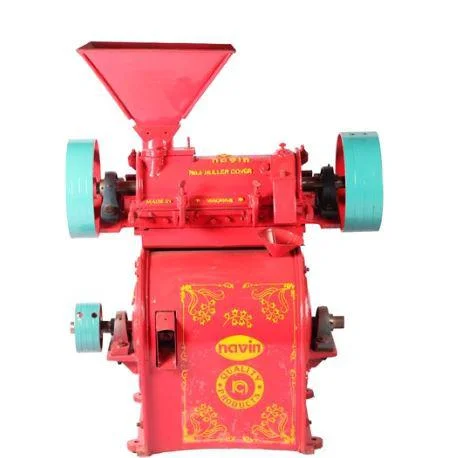
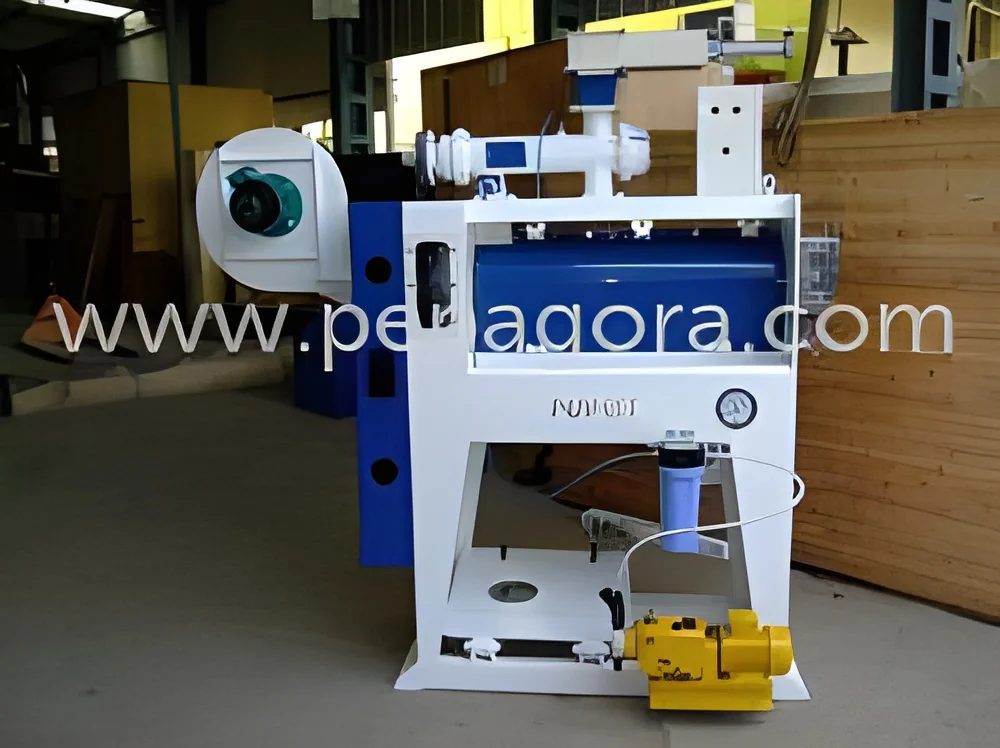
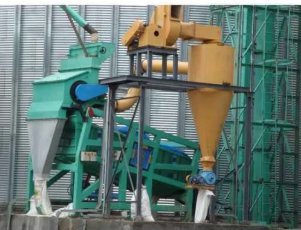
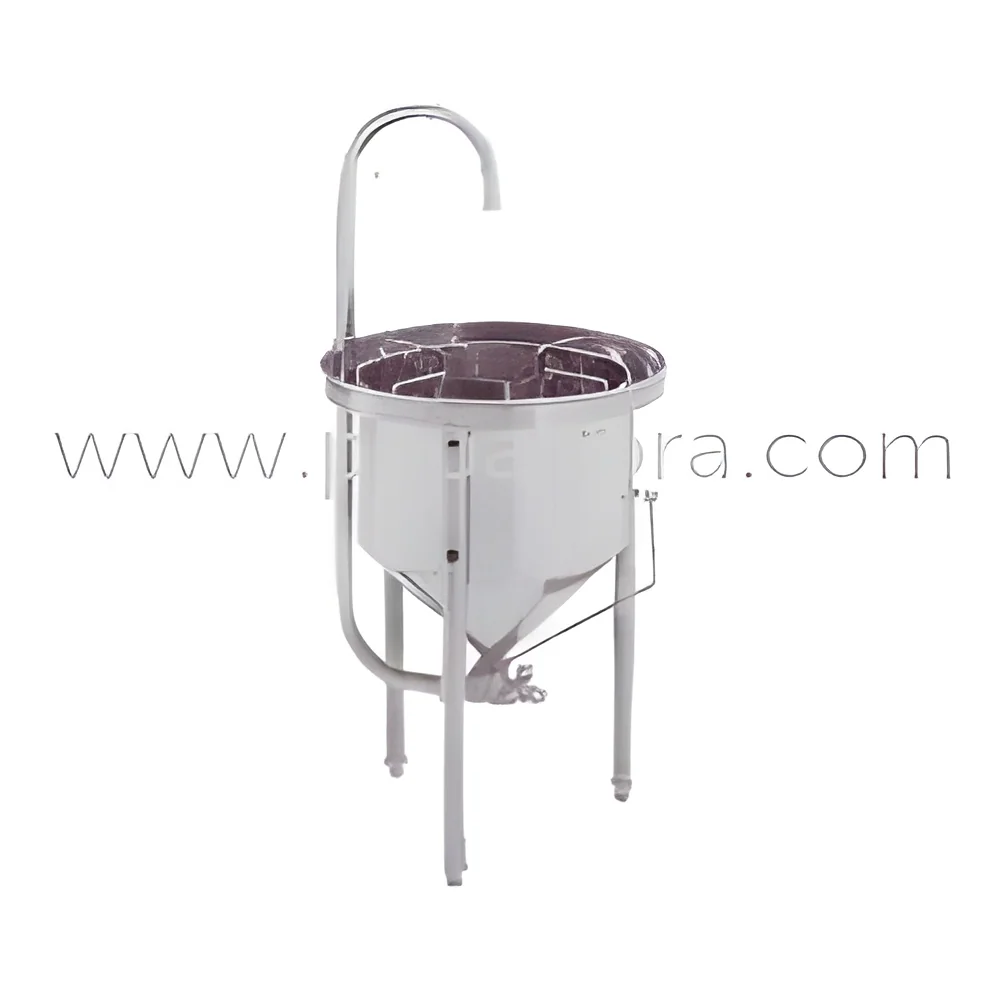
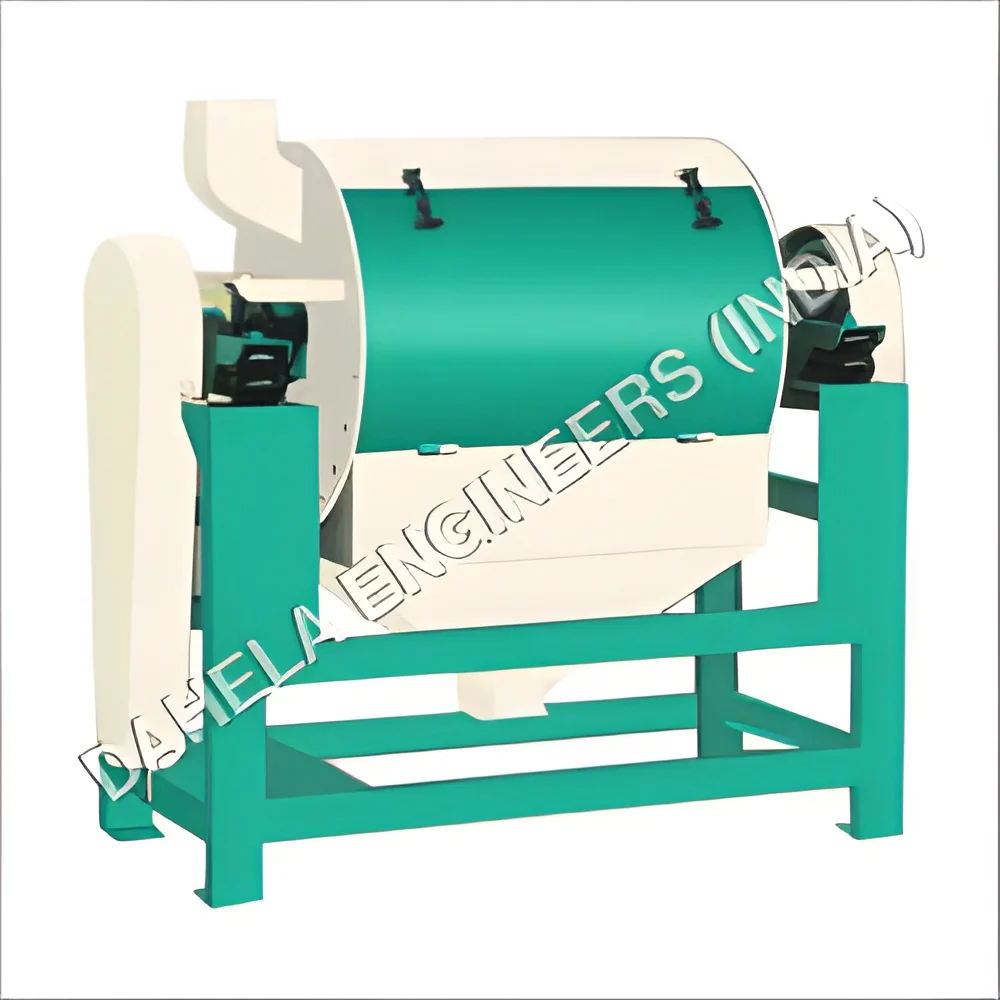
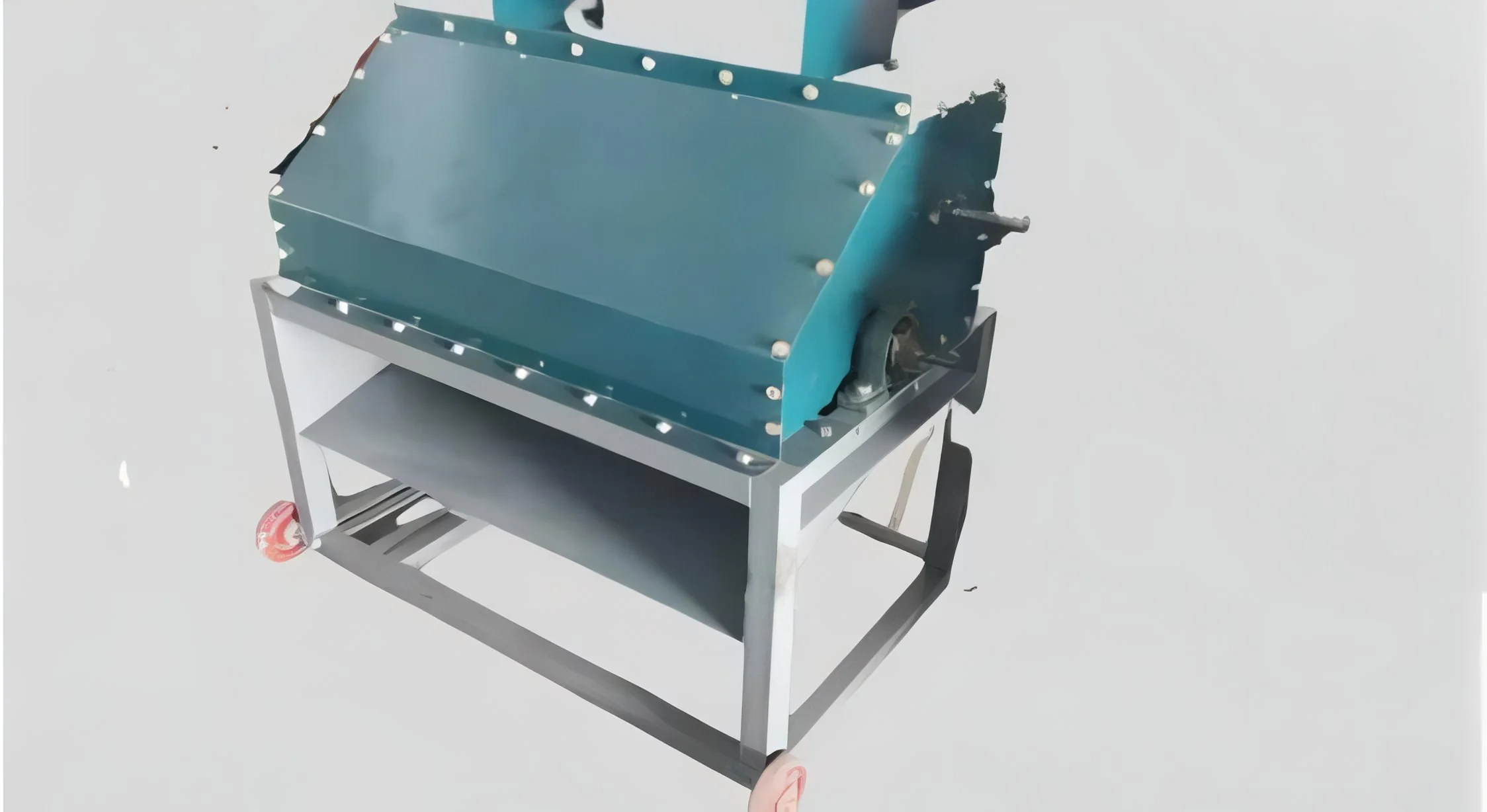
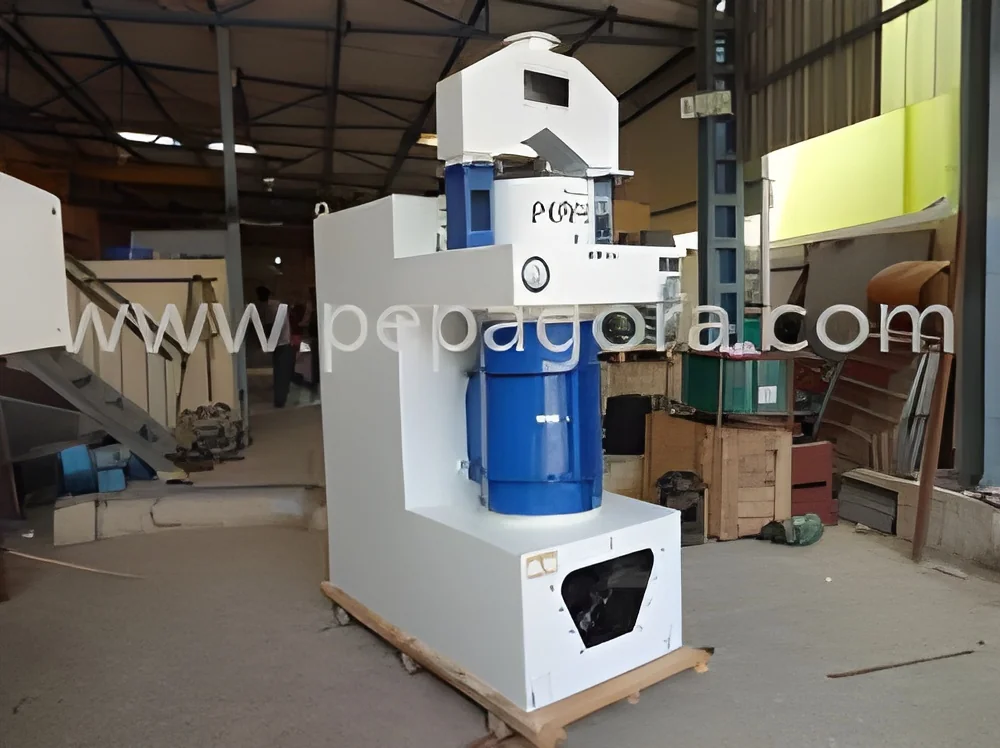
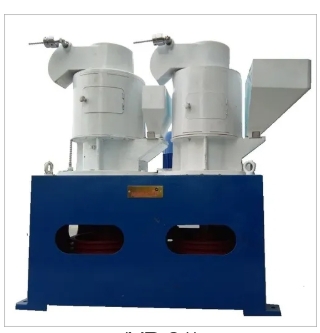
Rice milling machines are specialized equipment designed to process harvested rice into edible rice grains. These machines perform several functions, including hulling, separating, and polishing rice. The primary goal is to enhance the quality and shelf life of rice while minimizing waste and maximizing the yield of edible grains. Rice milling machines are integral to the rice production industry, employing various technologies to efficiently handle different types of rice.
The primary uses of rice milling machines span across various sectors, including agriculture, food processing, and export businesses. They are vital for rice millers who aim to produce high-quality rice for local and international markets. Additionally, rice milling machines are utilized in small-scale operations as well as large industrial settings, catering to diverse production needs. The industry is relevant in many regions, especially in Asia, where rice is a staple food. The demand for efficient milling solutions continues to grow due to rising global populations and the increasing need for quality food products.
Key Features and Specifications
Rice milling machines come equipped with several features that enhance their functionality and efficiency. Understanding these specifications is crucial for selecting the right machine for your business needs.
Key specifications include:
1. Processing Capacity
- The amount of rice the machine can process per hour.
- Typical ranges can vary from 500 kg to several tons per hour.
2. Power Consumption
- The energy requirements of the machine.
- Usually measured in kilowatts (kW), ranging from 5 kW to 50 kW.
3. Material Construction
- The materials used in the machine's construction for durability.
- Common materials include stainless steel and high-grade cast iron.
4. Automation Level
- The degree of automation in the milling process.
- Options range from manual operation to fully automated systems.
5. Dimensions and Weight
- The physical size and weight of the machine.
- Specifications often include length, width, height, and total weight.
6. Maintenance Requirements
- The frequency and ease of maintenance needed for optimal operation.
- Some machines offer self-cleaning features to reduce downtime.
7. Safety Features
- Built-in safety mechanisms to protect operators.
- Includes emergency stop buttons and protective covers.
8. Certification Compliance
- Adherence to industry standards and safety regulations.
- Many machines are CE certified for safety and performance.
In summary, understanding these key features and specifications is essential when selecting a rice milling machine, as they directly impact the efficiency, reliability, and longevity of the equipment.
Common Applications and Use Cases
Rice milling machines are utilized in various industries due to their versatility and efficiency.
1. Agriculture: Farmers and agricultural cooperatives use rice milling machines to process their harvested crops, ensuring high-quality rice for consumption.
2. Food Processing: Food manufacturers rely on these machines to mill rice for products such as rice flour, rice noodles, and packaged rice meals, meeting the demands of both retail and food service sectors.
3. Export Market: Exporters utilize rice milling machines to produce polished rice that meets international quality standards for global distribution.
4. Small-Scale Milling: Local entrepreneurs set up small rice milling units to support their communities, providing freshly milled rice at competitive prices.
5. Organic Rice Production: Specialized milling machines are used in organic rice processing to maintain the integrity and quality of organic grains.
6. Specialty Rice Varieties: Mills processing unique rice types, such as jasmine or basmati, employ specific machines designed to enhance the characteristics of these premium products.
7. Government and Institutional Supply: Government agencies and institutions use rice milling machines to ensure a steady supply of quality rice for food security programs.
Product Variants and Subcategories
Rice milling machines come in various models and configurations to suit different processing needs.
Modern Rice Mill
This variant is designed for high efficiency and includes advanced automation features. It is suitable for large-scale operations that require high throughput and consistent quality.
Compact Rice Mill
Ideal for small-scale operations, this variant offers a space-saving design while still delivering effective milling capabilities. It is perfect for local businesses or small farms looking to process their rice.
Continuous Rice Mill
This type of milling machine operates on a continuous feed system, allowing for uninterrupted processing. It is well-suited for large processing plants with high volume demands.
Batch Rice Mill
This variant processes rice in batches, making it suitable for businesses with varying production schedules. It provides flexibility and control over the milling process.
Benefits and Advantages
Investing in rice milling machines offers numerous benefits for businesses in the agricultural and food processing sectors.
1. Increased Efficiency: Rice milling machines streamline the processing of rice, significantly reducing manual labor and time.
2. Enhanced Quality: These machines improve the quality of rice by removing husks and impurities, resulting in a superior final product.
3. Cost-Effectiveness: By optimizing the milling process, businesses can reduce waste and maximize the output of edible rice, leading to better profit margins.
4. Versatile Applications: Rice milling machines can handle different rice varieties and processing needs, making them adaptable for various business models.
5. Automation Capabilities: Many modern machines come with automated features, reducing the need for skilled labor and minimizing operational risks.
6. Compliance with Standards: Quality rice milling machines adhere to industry standards, ensuring the final product meets safety and quality regulations.
Buying Guide for B2B Buyers
When sourcing rice milling machines, potential buyers should consider several key factors to ensure a successful purchase.
1. Quality Assessment: Evaluate the quality of materials and construction used in the machine. Look for reputable brands with a history of durability and performance.
2. Supplier Verification: Vet suppliers by checking their credentials, customer reviews, and history in the industry. A reliable supplier will provide necessary documentation and certifications.
3. Pricing and MOQ: Understand the pricing structure and minimum order quantities. Compare quotes from multiple suppliers to find the best deal while considering the total cost of ownership.
4. Delivery and Lead Times: Inquire about shipping options, delivery times, and logistics. Ensure that the supplier can meet your production schedule.
5. Compliance Requirements: Check for compliance with local regulations and industry standards. Verify if the machine meets certification requirements, such as CE marking.
Compliance and Certifications
Rice milling machines must adhere to relevant quality standards and certifications to ensure safety and performance.
ISO 9001 is a widely recognized standard that focuses on quality management systems. Manufacturers of rice milling machines often seek this certification to demonstrate their commitment to quality.
HACCP (Hazard Analysis and Critical Control Points) certification is essential for food safety. This standard ensures that machines are designed and operated in a manner that minimizes risks associated with food processing.
CE certification indicates compliance with European health, safety, and environmental protection standards. It is crucial for manufacturers targeting markets within the European Union.
Safety and testing requirements are also important considerations. Machines should undergo rigorous testing to ensure they operate safely and efficiently, reducing the risk of accidents in the workplace.
Regional compliance considerations may vary depending on the market. Buyers should be aware of local regulations governing food processing equipment to ensure compliance.
Why Source Rice Milling Machines from Pepagora?
Pepagora offers a trusted platform for sourcing rice milling machines, providing buyers with several key advantages.
Verified Supplier Network: Pepagora maintains a network of verified suppliers, ensuring that buyers have access to quality machines from reputable manufacturers. This verification process helps mitigate risks associated with procurement.
Streamlined RFQ Process: The platform features a user-friendly Request for Quotation (RFQ) system, allowing buyers to easily compare offers from multiple suppliers. This simplifies the procurement process and saves time.
Trade Assurance and Support: Pepagora provides trade assurance to protect buyers during transactions. Their support team is available to assist with any concerns, fostering a secure purchasing environment.
Regional Coverage: Pepagora has a wide geographic reach, serving markets in India, the GCC, and Southeast Asia. This regional coverage ensures that buyers can find suitable rice milling solutions tailored to their specific needs.

 IN
IN