What are Solar Powered Agricultural Equipment?
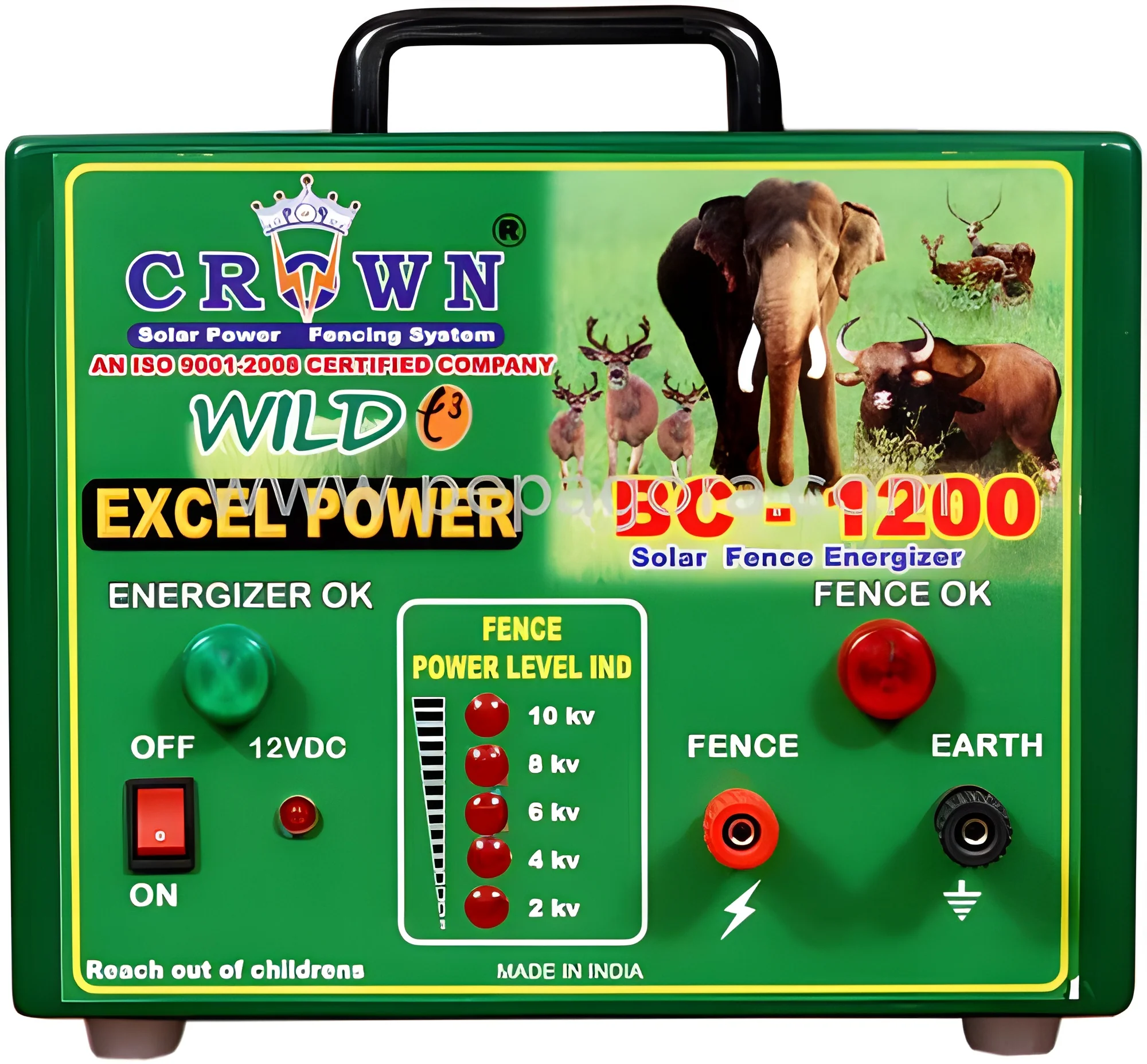
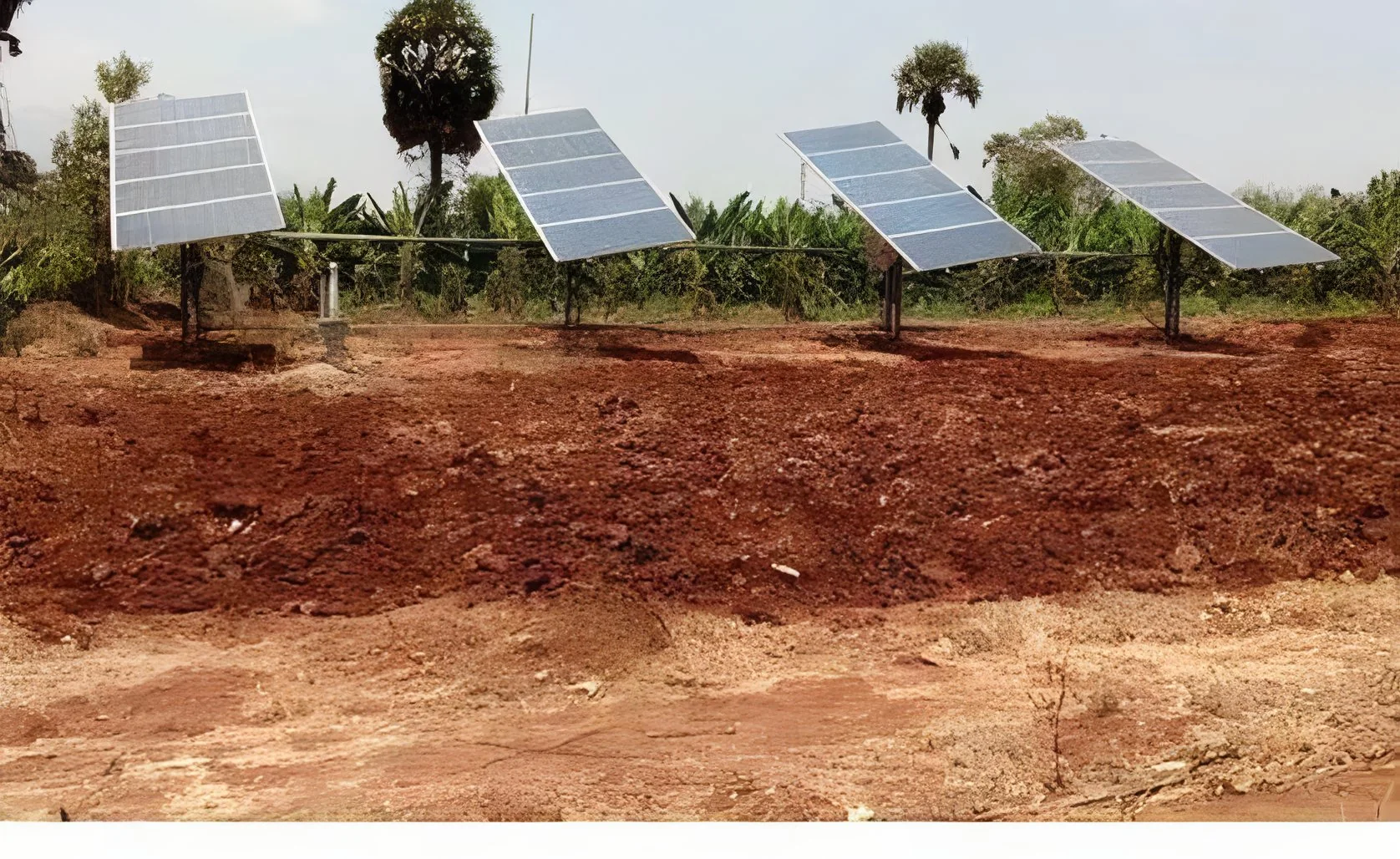
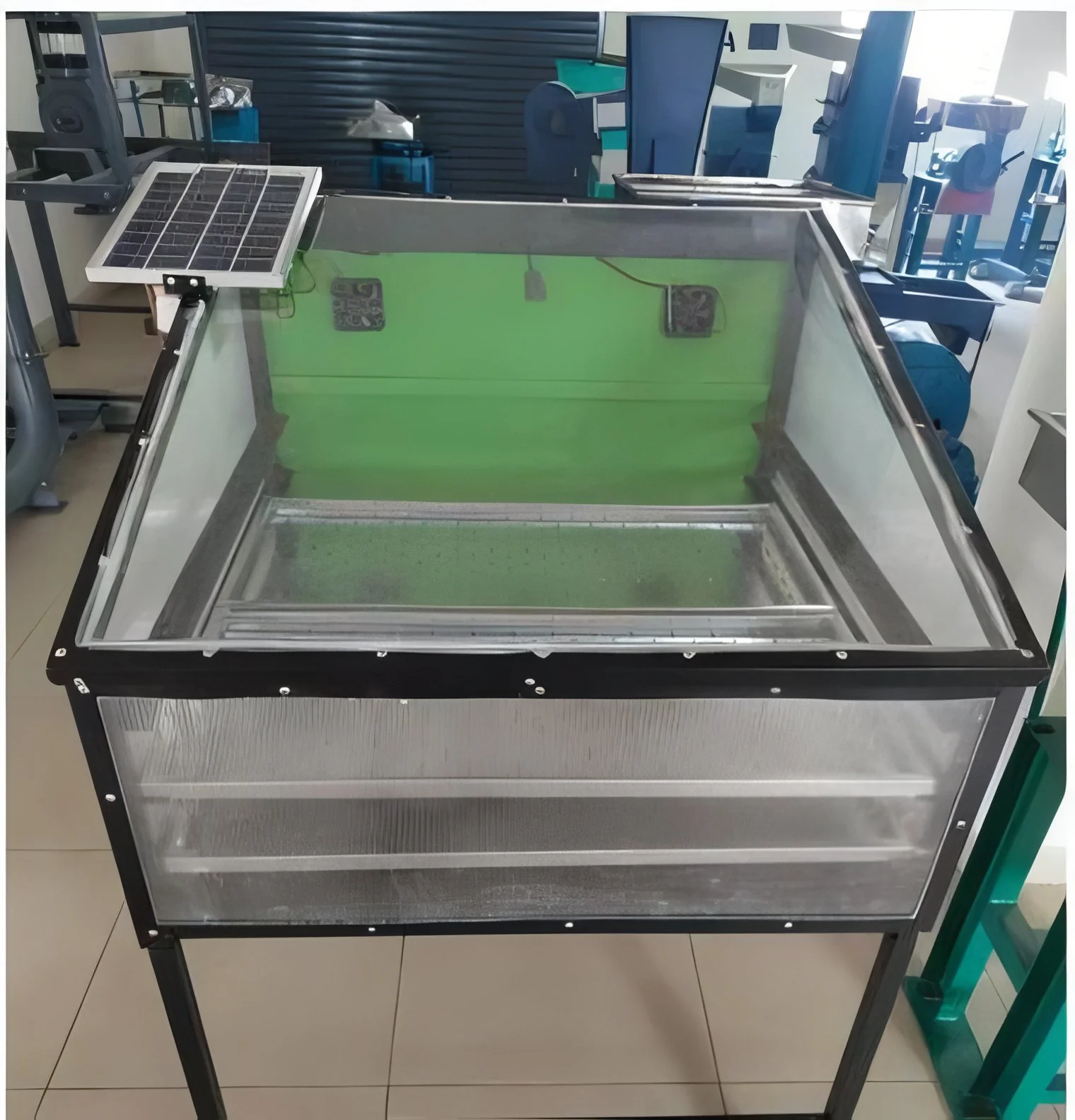
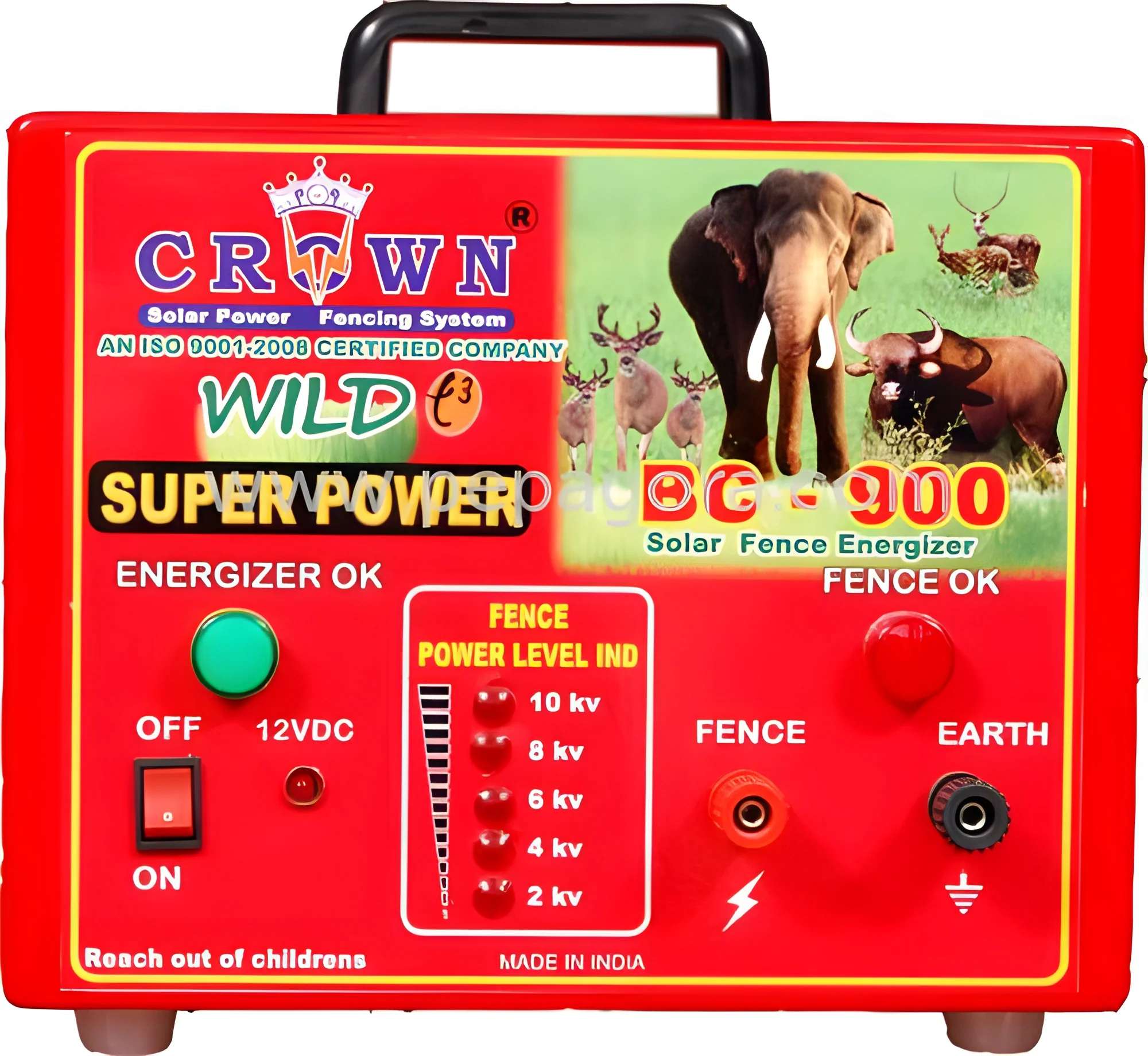
Solar powered agricultural equipment refers to tools and machinery that utilize solar energy to perform various farming tasks. This equipment harnesses sunlight through solar panels to generate electricity, which powers different agricultural functions such as irrigation, crop monitoring, and machinery operation. The shift towards renewable energy sources has led to a growing interest in solar technology within the agricultural sector, enabling farmers to reduce their reliance on conventional energy sources and lower operational costs.
These systems are particularly valuable in remote or off-grid areas where electricity access is limited. Solar powered agricultural equipment can include a wide range of products, such as solar irrigation systems, solar water pumps, and solar-powered tractors. These tools not only enhance productivity but also promote sustainable farming practices by minimizing carbon footprints and reducing dependency on fossil fuels. As the global market for agricultural technology expands, solar powered solutions are increasingly recognized for their efficiency and environmental benefits.
Key Features and Specifications
Solar powered agricultural equipment is designed with several important features to enhance performance and reliability. These specifications ensure that the equipment meets the diverse needs of modern agricultural practices.
Key specifications include:
1. Power Output
- Varies depending on the size and type of equipment
- Typically ranges from a few hundred watts to several kilowatts
2. Solar Panel Efficiency
- The conversion rate of sunlight to electricity
- Common efficiency ratings range between 15% to 22%
3. Battery Storage Capacity
- The ability to store solar energy for use when sunlight is not available
- Measured in amp-hours (Ah) or kilowatt-hours (kWh)
4. Durability and Weather Resistance
- Designed to withstand harsh environmental conditions
- Often rated for exposure to rain, dust, and extreme temperatures
5. Installation Requirements
- Guidelines for setting up solar panels and equipment
- May vary based on the specific installation site and equipment type
6. Maintenance Needs
- Regular upkeep tasks to ensure optimal performance
- Includes cleaning solar panels and checking battery functionality
7. Connectivity Features
- Options for remote monitoring and control
- May include GPS tracking and mobile app integration
8. Warranty and Support
- Manufacturer warranty terms and service options
- Typically ranges from one to five years
In summary, understanding these key features and specifications helps buyers select the right solar powered agricultural equipment tailored to their operational needs.
Common Applications and Use Cases
Solar powered agricultural equipment serves a variety of industries, providing innovative solutions to common farming challenges.
1. Crop Irrigation: Solar powered irrigation systems ensure efficient water distribution in fields, reducing water waste and improving crop yields.
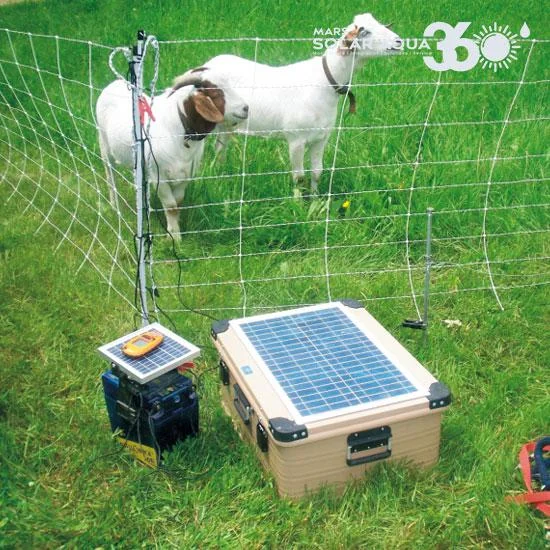
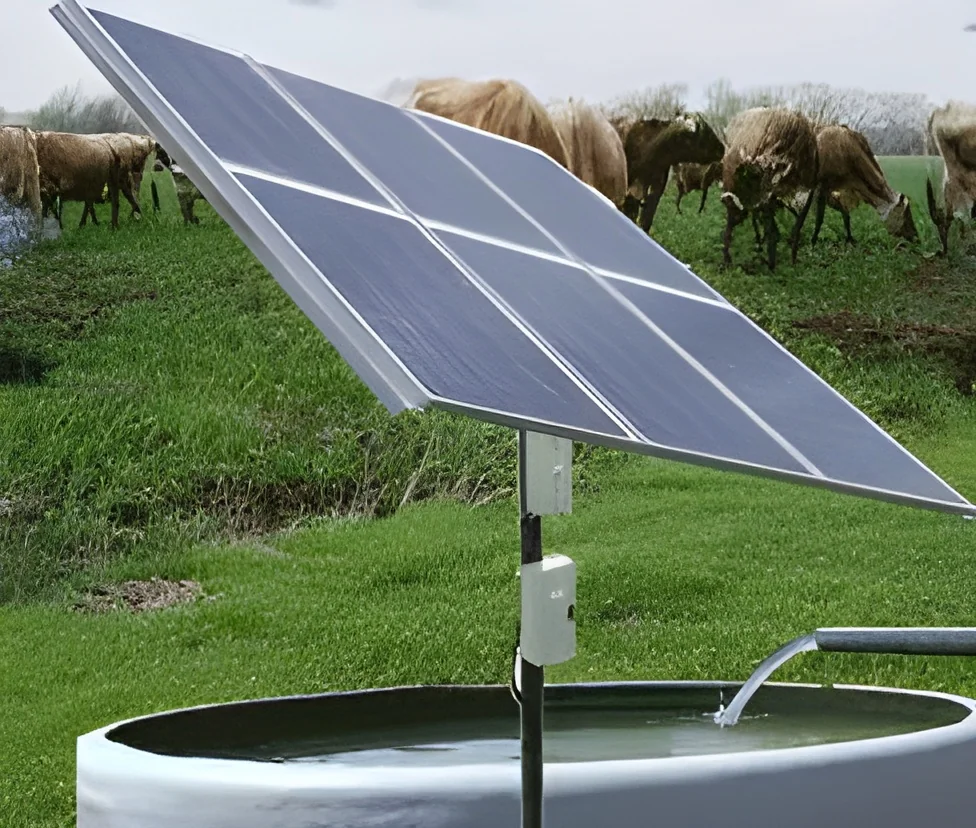
2. Livestock Farming: Solar water pumps provide a sustainable source of drinking water for livestock, enhancing animal welfare and farm productivity.
3. Greenhouses: Solar energy can power ventilation systems and heating for greenhouses, optimizing growing conditions for plants.
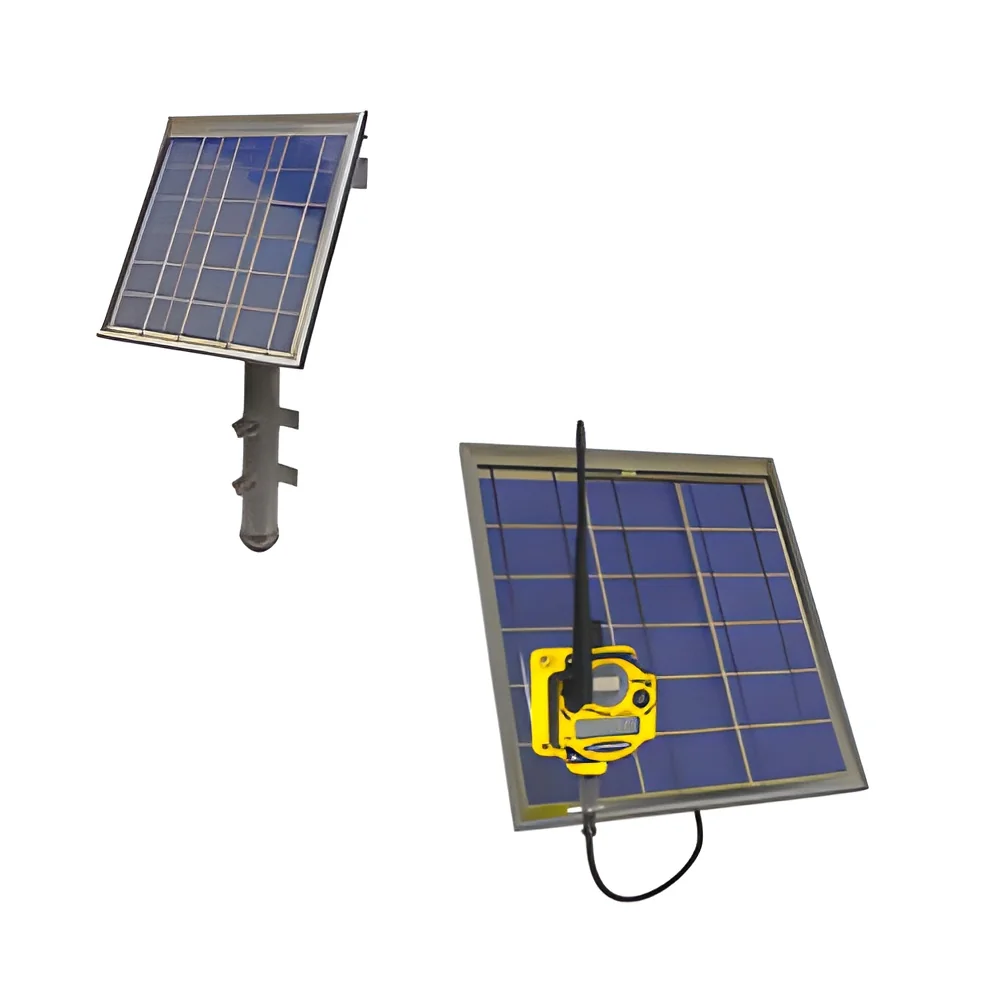
4. Precision Agriculture: Solar powered sensors and monitoring systems enable farmers to collect data on soil health, moisture levels, and crop health, allowing for informed decision-making.
5. Agricultural Machinery: Solar powered tractors and tillers reduce fuel costs and promote eco-friendly farming practices, making operations more sustainable.
6. Aquaculture: Solar energy can be harnessed for aeration and water circulation in fish farming, improving fish health and growth rates.
7. Remote Farming Operations: In areas without access to the electrical grid, solar equipment provides critical power for essential farm functions.
Product Variants and Subcategories
Solar powered agricultural equipment is available in various forms to meet diverse agricultural needs.
Solar Water Pumps
These pumps are designed to draw water from wells or surface sources using solar energy. They are ideal for irrigation, livestock watering, and aquaculture.
Solar Irrigation Systems
These systems provide a sustainable method for irrigating crops. They typically include solar panels, pumps, and control systems for efficient water management.
Solar-Powered Tractors
These innovative tractors are powered entirely by solar energy, reducing reliance on fossil fuels and offering a more sustainable option for land cultivation.
Solar Sensors
Solar powered sensors monitor environmental conditions such as soil moisture and temperature, providing vital data to farmers for precision agriculture.
Benefits and Advantages
Solar powered agricultural equipment offers numerous advantages that can significantly impact farming operations.
1. Cost Savings: By utilizing solar energy, farmers can reduce their electricity bills and operational costs over time.
2. Environmental Impact: Solar powered equipment contributes to lower carbon emissions and promotes sustainable agricultural practices.
3. Energy Independence: Farmers can rely on solar energy, reducing their dependence on traditional energy sources and increasing self-sufficiency.
4. Increased Efficiency: These systems often enhance productivity through automation and efficient resource management.
5. Low Maintenance: Solar powered equipment typically requires less maintenance compared to diesel or gas-powered alternatives.
6. Versatility: Solar technology can be applied across various agricultural practices, making it suitable for different types of farms.
Buying Guide for B2B Buyers
When sourcing solar powered agricultural equipment, it is essential for B2B buyers to consider several factors to ensure a successful purchase.
1. Quality Assessment: Evaluate the quality of the equipment by checking manufacturer credentials and product reviews. Look for durable materials and reliable performance specifications.
2. Supplier Verification: Vet potential suppliers by assessing their reputation, customer feedback, and compliance with industry standards. Ensure they have a proven track record in providing solar powered solutions.
3. Pricing and MOQ: Understand the pricing structure and minimum order quantities (MOQ) set by suppliers. This will help in budgeting and ensuring that your needs align with their offerings.
4. Delivery and Lead Times: Inquire about the estimated delivery times and logistics involved. Timely delivery is crucial, especially during planting or harvesting seasons.
5. Compliance Requirements: Ensure that the equipment complies with relevant regulations and safety standards. Check for certifications such as UL and CE to guarantee quality and safety.
Compliance and Certifications
Compliance and certifications play a vital role in ensuring the reliability and safety of solar powered agricultural equipment.
Manufacturers should adhere to quality standards such as ISO 9001, which focuses on quality management systems, and HACCP, which is crucial for food safety. These standards ensure that products are consistently produced and meet customer requirements.
Industry certifications like UL and CE indicate that the equipment has been tested and meets safety and performance criteria. These certifications provide assurance to buyers regarding the equipment's quality and reliability in agricultural applications.
Moreover, safety requirements must be met to protect both users and the environment. This may include testing for electrical safety, thermal performance, and durability under various conditions. Regional compliance considerations can vary, so it is essential to understand local regulations when sourcing equipment.
Why Source Solar Powered Agricultural Equipment from Pepagora?
Pepagora offers a trusted platform for sourcing solar powered agricultural equipment, providing several key advantages for B2B buyers.
Verified Supplier Network: Pepagora has established a network of verified suppliers, ensuring that buyers have access to quality products from reputable manufacturers. This verification process helps mitigate risks associated with sourcing.
Streamlined RFQ Process: The platform features a user-friendly request for quotation (RFQ) system, allowing buyers to easily compare prices and specifications from multiple suppliers. This streamlines the purchasing process and saves time.
Trade Assurance and Support: Pepagora provides trade assurance, protecting buyers throughout the transaction process. The platform offers support for any issues that may arise, enhancing buyer confidence.
Regional Coverage: With a focus on markets in India, the GCC, and Southeast Asia, Pepagora ensures that buyers can find solar powered agricultural equipment that meets their specific regional needs and regulatory requirements.

 IN
IN