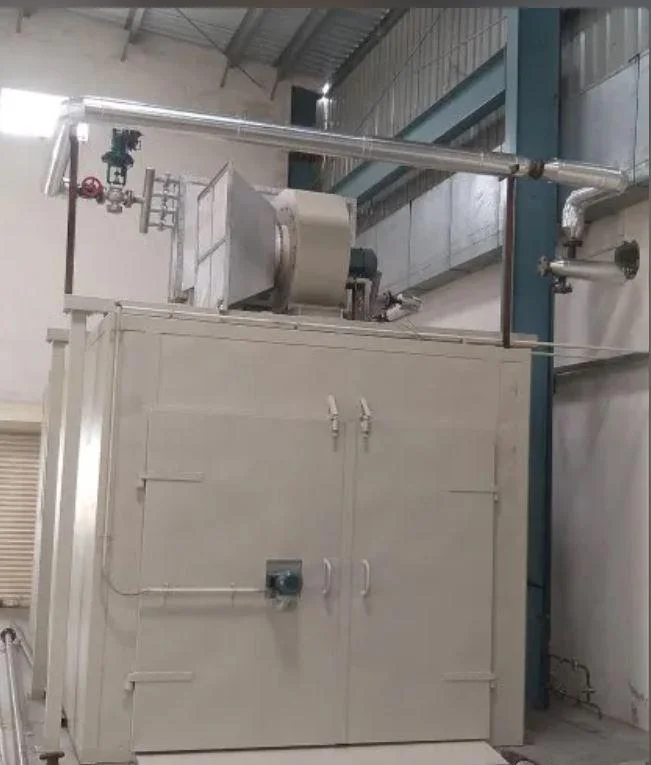
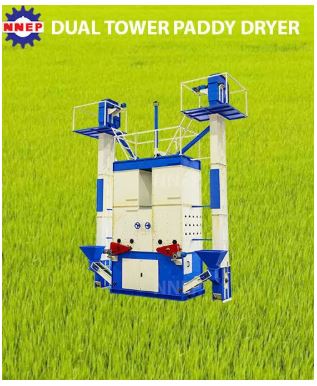
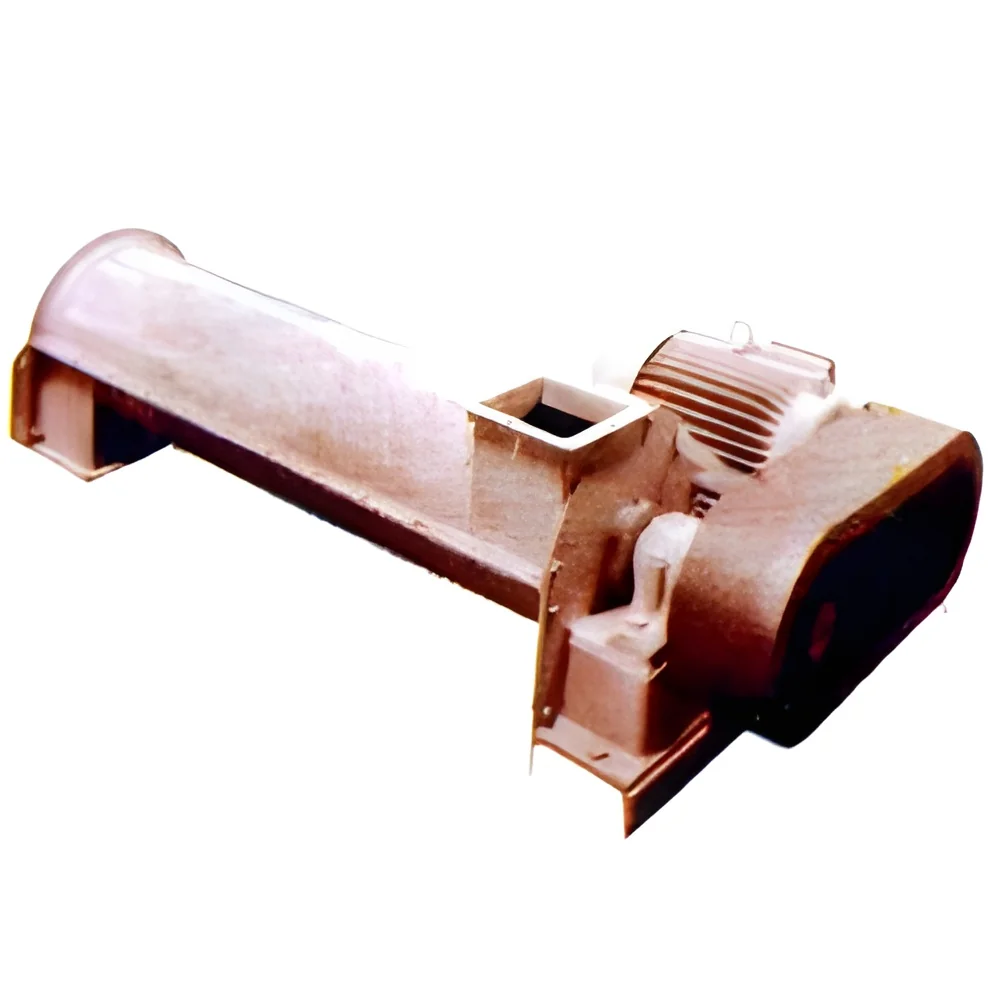
What are Grain Dryers?
Grain dryers are essential equipment used in the agricultural industry to reduce the moisture content of harvested grains, ensuring their storage and longevity. These machines utilize controlled heat and air circulation to effectively remove moisture from grain, preventing spoilage and microbial growth. By maintaining the quality of grains, grain dryers play a vital role in extending shelf life and enhancing market value.
Grain dryers are primarily used in various business applications, including farms, grain elevators, and processing plants. They cater to a wide range of crops, such as corn, wheat, barley, and soybeans. The use of grain dryers is particularly important in regions with high humidity or inconsistent weather conditions, where drying grains naturally can be challenging. With the increased focus on food safety and quality standards, grain dryers have become indispensable in the agricultural supply chain.
In the context of the market, the grain drying industry is evolving with advancements in technology and efficiency. The demand for high-capacity dryers that can handle larger volumes of grain continues to grow. Additionally, as global food consumption increases, the need for effective grain preservation methods becomes more critical, solidifying the relevance of grain dryers in modern agriculture.
Key Features and Specifications
Grain dryers come with a variety of features and specifications that enhance their performance and efficiency. When considering grain dryers, it is crucial to understand their technical details to select the right equipment for specific needs.
Key specifications include:
1. Drying Capacity
- Indicates the amount of grain that can be dried per hour
- Typically ranges from several tons to hundreds of tons
2. Energy Consumption
- Refers to the energy efficiency of the dryer
- Measured in kilowatts or BTUs used per ton of grain dried
3. Temperature Control
- Provides the ability to regulate drying temperatures
- Essential for preventing grain damage and maintaining quality
4. Moisture Control System
- Includes sensors to monitor moisture levels
- Automates drying processes based on real-time data
5. Construction Material
- Usually made from corrosion-resistant materials
- Ensures durability and longevity in harsh environments
6. Automation Features
- May include programmable logic controllers (PLCs)
- Allows for seamless operation and reduced labor needs
7. Safety Features
- Equipped with alarms and emergency shut-off systems
- Ensures safe operation in various conditions
8. Portability
- Some models are designed to be mobile
- Facilitates easy transport between different sites
In summary, understanding the key specifications of grain dryers is essential for making informed purchasing decisions. These features significantly impact operational efficiency, grain quality, and overall cost-effectiveness.
Common Applications and Use Cases
Grain dryers serve various industries, each with specific applications suited to their needs.
1. Agriculture: Farmers utilize grain dryers to ensure harvested crops are dried to optimal moisture levels, preventing spoilage and enhancing marketability.
2. Grain Elevators: These facilities rely on grain dryers to prepare bulk grains for storage and distribution, maintaining quality during transit.
3. Food Processing: Food manufacturers use grain dryers to ensure that raw materials meet safety and quality standards before processing.
4. Biofuel Production: Grain dryers are essential in preparing feedstock for biofuel, optimizing moisture levels for energy conversion.
5. Seed Production: Seed companies employ grain dryers to maintain seed quality by controlling moisture content, which is crucial for germination rates.
6. Brewery and Distillery: Grain dryers help in preparing grains for brewing processes, ensuring optimal moisture levels for fermentation.
7. Animal Feed: Livestock feed manufacturers use grain dryers to process grains into feed, ensuring longevity and nutritional value.
In conclusion, grain dryers are versatile machines that cater to various sectors, highlighting their importance in the agricultural supply chain.
Product Variants and Subcategories
Grain dryers come in diverse designs and configurations tailored to meet different operational needs.
Continuous Flow Grain Dryers: These dryers facilitate a steady stream of grain, providing efficient drying without interruption. They are ideal for high-volume operations and can maintain consistent moisture levels.
Batch Grain Dryers: These units dry grain in batches, making them suitable for smaller operations or when drying various types of grains in cycles. They offer flexibility and control over the drying process.
In conclusion, the variety of grain dryer designs allows businesses to choose equipment that aligns with their operational capacity and requirements.
Benefits and Advantages
Investing in grain dryers offers several benefits that enhance operational efficiency and product quality.
1. Improved Grain Quality: Grain dryers effectively reduce moisture levels, preventing spoilage and maintaining the nutritional value of grains.
2. Extended Shelf Life: By controlling moisture, grain dryers enhance the longevity of stored grains, reducing losses during storage.
3. Enhanced Market Value: Properly dried grains meet industry standards, allowing producers to command higher prices in the market.
4. Increased Efficiency: Automated features in modern grain dryers streamline operations, reducing labor costs and maximizing throughput.
5. Versatility: Grain dryers can be used for various crops, providing flexibility for different agricultural operations.
6. Reduced Risk of Molds: By minimizing moisture, grain dryers significantly lower the risk of mold growth, ensuring safer products.
In summary, the benefits of grain dryers significantly impact agricultural productivity and profitability.
Buying Guide for B2B Buyers
When sourcing grain dryers, it is important for B2B buyers to consider several key factors to ensure a successful purchase.
1. Quality Assessment: Evaluate the build quality, materials, and design of the grain dryer. Look for proven performance and reliability in similar operational environments.
2. Supplier Verification: Investigate potential suppliers to ensure they have a good reputation and a history of delivering quality products. Request references and check for industry certifications.
3. Pricing and MOQ: Understand the pricing structure and minimum order quantities. Compare quotes from multiple suppliers to ensure competitive pricing.
4. Delivery and Lead Times: Clarify logistics, including delivery schedules and lead times. Ensure that the supplier can meet your operational timelines.
5. Compliance Requirements: Check for any regulatory compliance needed for grain dryers, including safety standards and environmental regulations.
In conclusion, considering these factors will help B2B buyers make informed decisions when sourcing grain dryers, ensuring they select the best equipment for their needs.
Compliance and Certifications
Grain dryers must adhere to various quality and safety standards to ensure reliability and performance. Some relevant standards include ISO 9001, which focuses on quality management systems, ensuring that manufacturers maintain high production standards.
Additionally, compliance with HACCP (Hazard Analysis Critical Control Point) is vital in food processing applications. This standard helps identify and mitigate risks associated with food safety.
CE certification is another important consideration, particularly for grain dryers sold in Europe. This certification indicates that the product meets essential health, safety, and environmental protection requirements.
Safety and testing requirements are crucial as well. Grain dryers should undergo rigorous testing to ensure they operate safely under various conditions. Regional compliance considerations may vary, so it is essential to stay informed about local regulations governing agricultural equipment.
In summary, compliance with these standards ensures that grain dryers are safe, efficient, and suitable for their intended applications.
Why Source Grain Dryers from Pepagora?
Pepagora provides a trusted platform for sourcing grain dryers, offering several key advantages to B2B buyers.
Verified Supplier Network: Pepagora connects buyers with a network of verified suppliers, ensuring that businesses can source quality grain dryers from reliable manufacturers. This verification process helps mitigate risks associated with purchasing equipment.
Streamlined RFQ Process: The platform features a streamlined request for quotation (RFQ) process, allowing buyers to easily compare quotes from multiple suppliers. This efficiency simplifies the sourcing process and saves time.
Trade Assurance and Support: Pepagora offers trade assurance, providing buyers with protection and support throughout the purchasing process. This includes assistance with disputes and ensuring that transactions occur smoothly.
Regional Coverage: With a strong presence in India, the GCC, and Southeast Asia, Pepagora enables businesses to find grain dryers that cater to their regional needs. This geographic reach facilitates access to a diverse range of suppliers and products.
In conclusion, sourcing grain dryers from Pepagora offers businesses a reliable and efficient way to meet their equipment needs in the agricultural sector.

 IN
IN