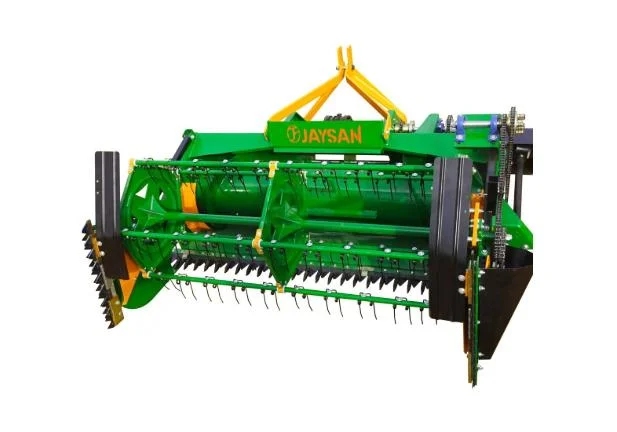
What are Fodder Harvesters?
Fodder harvesters are specialized agricultural machines designed to efficiently cut, gather, and process fodder crops for livestock feed. These machines streamline the harvesting process, allowing for faster and more effective collection of various types of forage, including grasses, legumes, and silage. Fodder harvesters can significantly reduce the labor and time involved in traditional harvesting methods, making them an essential tool in modern agriculture.
The primary uses of fodder harvesters include providing high-quality feed for dairy cows, cattle, sheep, and other livestock. By ensuring that fodder is harvested at the optimal time, these machines help maintain the nutritional value of the feed, which is crucial for livestock health and productivity. In a competitive agricultural market, effective fodder management can lead to improved animal growth rates and higher milk production.
In the context of the agriculture industry, fodder harvesters play a vital role in enhancing operational efficiency and reducing production costs. As demand for livestock products rises, the need for reliable and high-performing fodder harvesters has increased. These machines are particularly relevant in regions where livestock farming is prevalent, and they are crucial in meeting the feeding needs of growing herds.
Key Features and Specifications
Fodder harvesters are equipped with various features that enhance their functionality and performance. Understanding these specifications can help buyers choose the right machine for their needs.
Key specifications include:
1. Cutting Width
- This specification refers to the width of the cutting mechanism.
- Typical ranges can vary from 1.5 meters to 3 meters.
2. Engine Power
- This indicates the power of the engine used in the harvester.
- Power outputs generally range from 30 HP to 150 HP.
3. Feed Rate
- This reflects the amount of fodder the machine can process per hour.
- Typical feed rates range from 2 to 10 tons per hour.
4. Weight
- This specification refers to the total weight of the machine.
- Weights can vary from 800 kg to 4000 kg depending on the model.
5. Cutting Height Adjustment
- This feature allows operators to adjust the cutting height for optimal forage quality.
- Adjustable ranges typically vary from 5 cm to 30 cm.
6. Transportation Features
- Some models include features for easy transport, such as foldable mechanisms.
- Transportation width may be reduced to meet road regulations.
7. Safety Features
- These include emergency shut-off systems and protective shields.
- Safety features are crucial for operator protection during use.
8. Fuel Efficiency
- This specification indicates how efficiently the machine uses fuel.
- Fuel consumption rates typically range from 5 to 10 liters per hour.
Fodder harvesters are designed with these specifications to ensure maximum efficiency and productivity in the field.
Common Applications and Use Cases
Fodder harvesters have a wide range of applications across various industries.
1. Dairy Farming: Fodder harvesters are extensively used in dairy farms to produce high-quality silage and hay for cattle. This ensures that dairy cows receive the best nutrition, which translates into higher milk yields.
2. Livestock Ranching: In beef cattle ranching, these machines assist in harvesting forage crops, ensuring that animals are well-fed and healthy. The efficiency of fodder harvesters supports the management of larger herds.
3. Poultry Production: Poultry farmers also benefit from fodder harvesters by providing fresh forage for chickens and other poultry. This enhances the nutritional content of their feed.
4. Organic Farming: Organic farmers utilize fodder harvesters to maintain sustainable practices while providing nutritious forage for their livestock without chemical inputs.
5. Export Markets: Regions involved in exporting livestock products rely on efficient fodder harvesting to meet international quality standards and maintain competitiveness in the global market.
6. Agricultural Research: Research institutions studying animal nutrition use fodder harvesters for experimental purposes, helping to advance knowledge in the field of animal husbandry.
7. Feed Mills: Fodder harvesters are sometimes used in feed mills to prepare raw materials for processing into animal feed products.
Product Variants and Subcategories
Fodder harvesters come in various models, each tailored to meet specific needs within the agricultural sector.
Model A
This variant is designed for small to medium-sized farms. It features a compact design and is easy to operate, making it suitable for farmers with limited experience. Its efficient engine and low maintenance requirements make it a popular choice.
Model B
This model is ideal for large-scale operations. It boasts a high feed rate and robust construction, allowing it to handle extensive fodder harvesting tasks efficiently. Its advanced features include automated adjustments for cutting height and speed.
Model C
This variant is tailored for organic farms, focusing on sustainable harvesting practices. It is equipped with specialized cutting mechanisms that minimize damage to the forage, ensuring high nutritional quality.
Model D
This model is designed for multi-purpose use, capable of processing various types of fodder. It offers versatility and is favored by farmers who manage different livestock.
Benefits and Advantages
Investing in fodder harvesters offers numerous advantages for agricultural operations.
1. Increased Efficiency: These machines significantly reduce the time and labor required for harvesting fodder, allowing farmers to focus on other essential tasks.
2. Enhanced Feed Quality: Fodder harvesters ensure that crops are harvested at the right time, preserving their nutritional value and improving the health of livestock.
3. Cost Savings: By optimizing the harvesting process, farmers can reduce operational costs, ultimately leading to higher profitability.
4. Versatility: Many models can handle different types of crops, providing flexibility for farmers to adapt to changing market demands.
5. Labor Reduction: Automating the harvesting process minimizes the need for manual labor, addressing labor shortages in the agricultural sector.
6. Improved Sustainability: Fodder harvesters contribute to sustainable farming practices by minimizing waste and ensuring efficient use of resources.
Buying Guide for B2B Buyers
When sourcing fodder harvesters, several factors should be considered to ensure a successful purchase.
1. Quality Assessment: Evaluate the build quality and performance of the machine. Look for machines with robust construction and positive reviews from other users.
2. Supplier Verification: Verify the credibility of suppliers by checking their certifications and customer feedback. It's essential to work with reputable manufacturers.
3. Pricing and MOQ: Understand the pricing structure and minimum order quantities. Compare quotes from multiple suppliers to ensure competitive pricing.
4. Delivery and Lead Times: Discuss logistics with suppliers to understand delivery timelines. Ensure that the lead times align with your operational needs.
5. Compliance Requirements: Familiarize yourself with any regional compliance regulations that may apply. Ensure that the equipment meets safety and quality standards relevant to your market.
Compliance and Certifications
Fodder harvesters must adhere to various quality standards to ensure safety and efficiency in operation. One of the key standards is ISO 9001, which focuses on quality management systems and ensures consistent product quality.
Additionally, many fodder harvesters carry the CE certification, indicating compliance with European safety standards. This certification assures buyers that the equipment meets essential safety and performance requirements.
It is also important to consider safety and testing requirements during the purchasing process. Equipment should undergo rigorous testing to ensure reliability and safety in operation.
Regional compliance may vary, so buyers should be aware of local regulations that could affect the use of fodder harvesters in their area. Understanding these requirements is crucial for avoiding potential legal issues and ensuring safe operation.
Why Source Fodder Harvesters from Pepagora?
Pepagora provides a trusted platform for sourcing fodder harvesters with several key advantages.
Verified Supplier Network: Pepagora has established a robust network of verified suppliers, ensuring that buyers can connect with reputable manufacturers. This network helps mitigate risks associated with unreliable suppliers.
Streamlined RFQ Process: The request for quotation (RFQ) process on Pepagora is designed to be user-friendly and efficient. Buyers can easily submit their requirements and receive competitive quotes from multiple suppliers.
Trade Assurance and Support: Pepagora offers trade assurance to protect buyers during transactions. This support includes assistance with any issues that may arise, ensuring a smooth purchasing experience.
Regional Coverage: With a strong presence in India, the GCC, and Southeast Asia, Pepagora provides extensive regional coverage. This geographic reach allows buyers to find suitable fodder harvesters that meet their specific needs, regardless of location.

 IN
IN