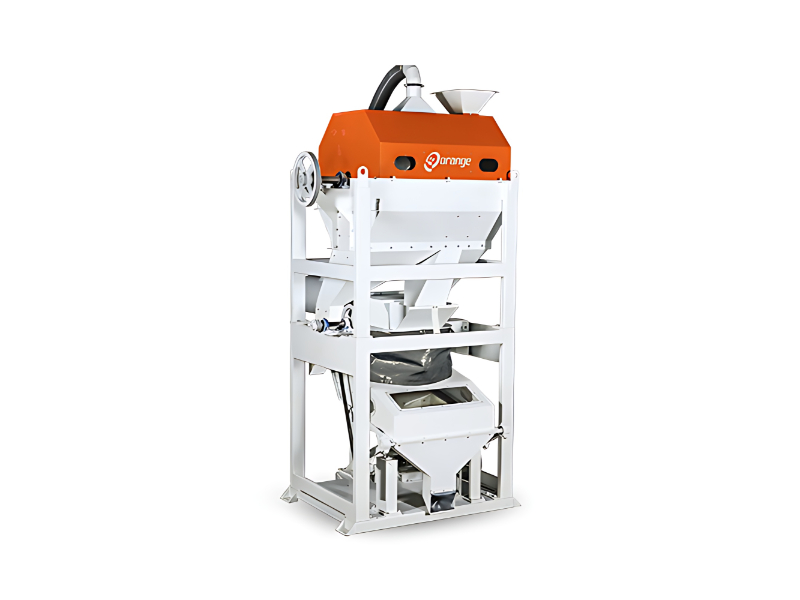
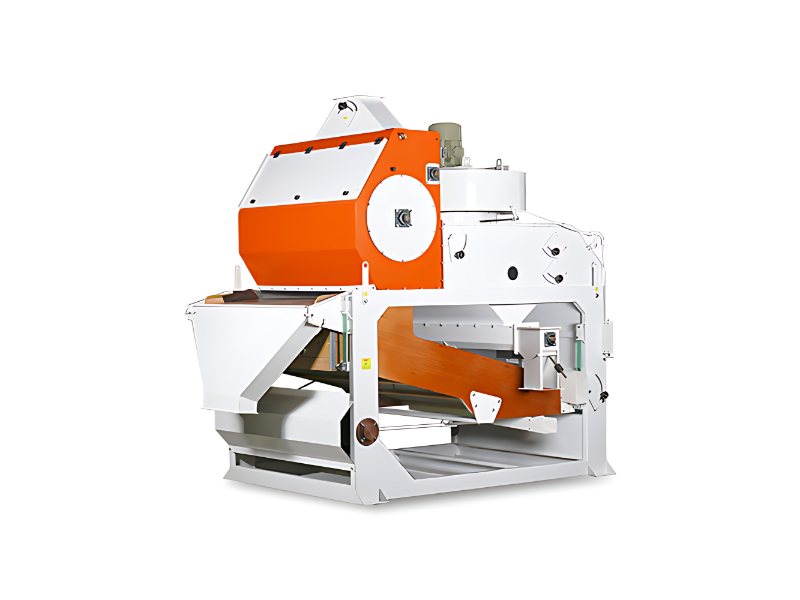
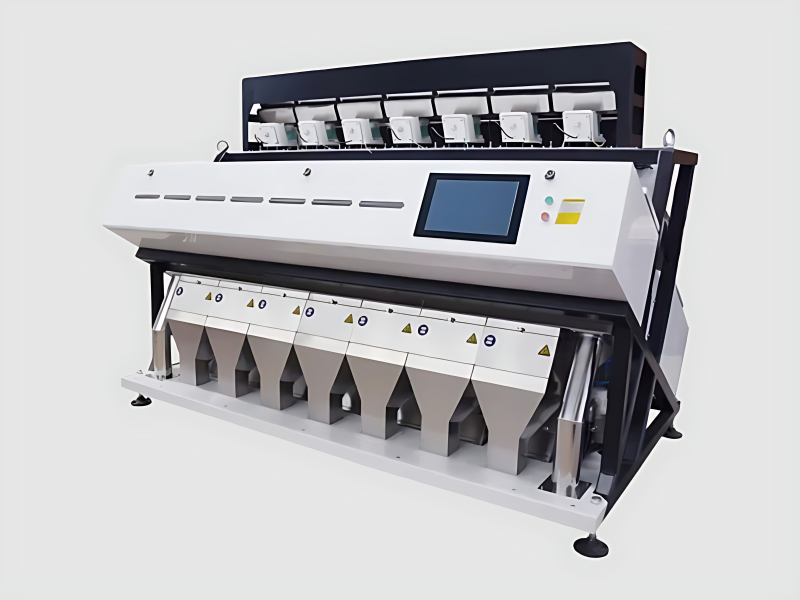
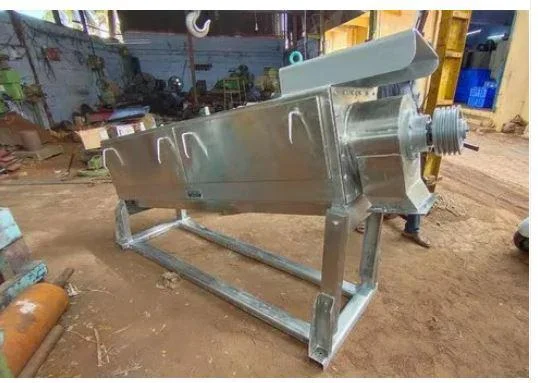
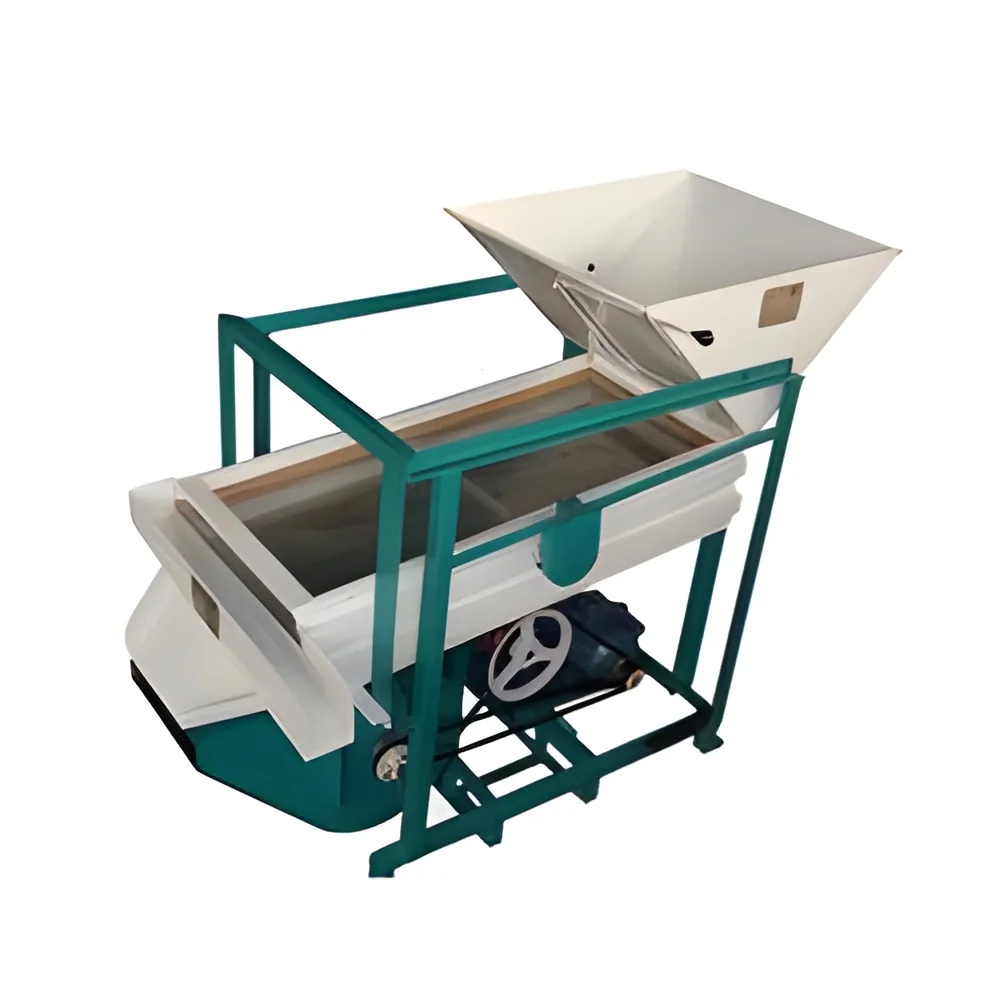
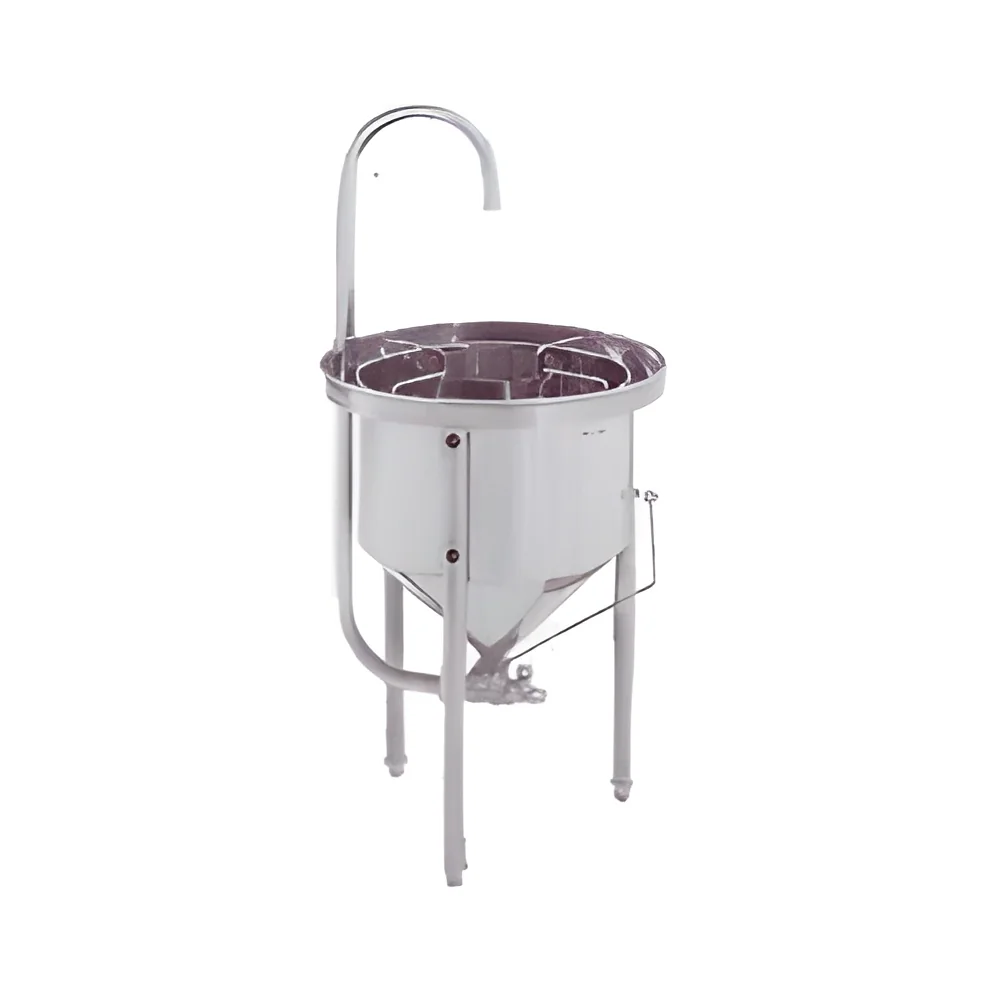
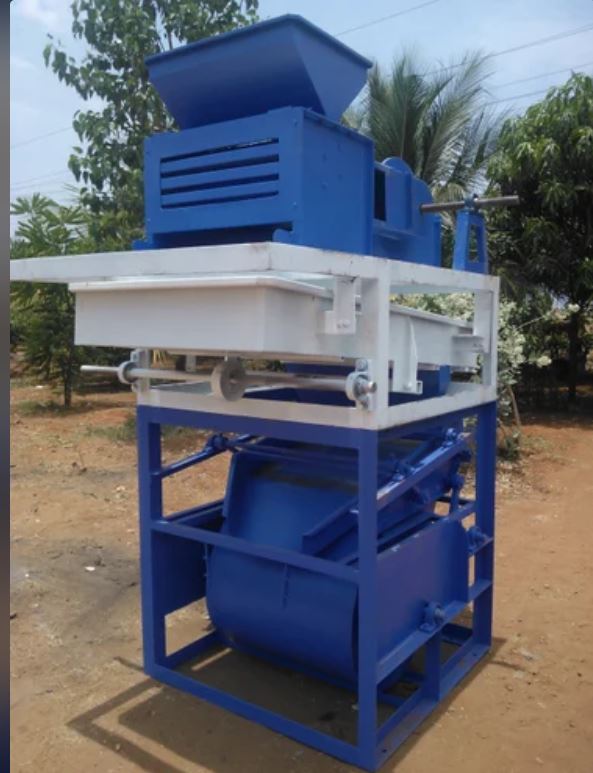
What are Paddy Cleaners?
Paddy cleaners are specialized machines designed to remove impurities from paddy rice, enhancing its quality before milling. These machines utilize a combination of sieving, aspiration, and gravity separation to ensure that only clean grains proceed to processing. The primary function of paddy cleaners is to eliminate unwanted materials such as husks, dust, and broken grains, which can adversely affect the milling process and the quality of the final rice product.
In terms of business applications, paddy cleaners are essential in rice mills, agricultural processing units, and food production facilities. They play a crucial role in ensuring that the processing stages yield high-quality products that meet market standards. By effectively cleaning paddy, these machines contribute to higher yields and better market value, making them a vital investment for stakeholders in the agricultural and food industries. The relevance of paddy cleaners in today's market is underscored by the increasing demand for high-quality rice in both domestic and international markets.
Key Features and Specifications
Paddy cleaners come equipped with several features that enhance their functionality and efficiency. Understanding these specifications is vital for buyers looking to invest in the right equipment for their operations.
Key specifications include:
1. Cleaning Capacity
- This specification refers to the amount of paddy the cleaner can process per hour.
- Typical ranges vary depending on the model, with capacities often exceeding several tons per hour.
2. Power Consumption
- This indicates the energy required to operate the machine effectively.
- Most paddy cleaners operate within a range of 5 to 15 kilowatts.
3. Weight of the Machine
- The overall weight can affect installation and mobility.
- Machines generally weigh between 500 to 2,000 kilograms.
4. Dimensions
- Size is crucial for installation in existing facilities.
- Standard dimensions may range from 2 to 5 meters in length and 1 to 3 meters in width.
5. Material Construction
- Paddy cleaners are typically constructed from durable materials such as stainless steel or high-grade carbon steel.
- This ensures longevity and resistance to wear.
6. Safety Features
- Machines often include safety guards and emergency shut-off switches.
- These features enhance operational safety for users.
7. Maintenance Requirements
- Regular maintenance needs can vary.
- Some models offer easy access points for cleaning and servicing.
8. Certification Standards
- Many paddy cleaners comply with industry standards such as CE certification.
- Compliance ensures safety and reliability in operations.
In summary, when selecting a paddy cleaner, it is essential to consider these specifications to ensure the machine meets operational needs and quality expectations.
Common Applications and Use Cases
Paddy cleaners are utilized across various sectors, ensuring high-quality rice production.
1. Rice Mills: In rice milling operations, paddy cleaners are crucial for pre-processing paddy before it is milled. This step improves the overall quality of the rice produced.
2. Agricultural Processing Units: These machines are also used in agricultural processing to ensure that only clean grains are sent for further processing or storage.
3. Food Production Facilities: In facilities that produce rice-based products, paddy cleaners help maintain quality control by removing contaminants.
4. Export Companies: Companies involved in exporting rice rely on paddy cleaners to meet international quality standards, enhancing their competitiveness in the global market.
5. Small-Scale Farmers: Small agricultural operations can benefit from paddy cleaners to improve the quality of their produce, enabling better market prices.
6. Organic Rice Producers: Producers focusing on organic rice can use these cleaners to ensure their product is free from chemical residues and other impurities.
7. Research Institutions: Agricultural research facilities may use paddy cleaners for studies related to grain quality and processing efficiencies.
Product Variants and Subcategories
Paddy cleaners are available in various models, each catering to different processing needs and scales of operation.
Compact Model
This variant is designed for small to medium-scale operations and offers portability. It is ideal for farmers and small mills looking to enhance their processing without significant investment.
Industrial Model
Targeted at large-scale rice processing facilities, the industrial model features higher cleaning capacities and more robust construction. It is suited for continuous high-volume operations.
Mobile Paddy Cleaner
This variant is designed for on-site use and can be easily transported. It is suitable for farmers who process rice at different locations or in remote areas.
Automated Paddy Cleaner
Equipped with advanced technology, this model offers automated operations, reducing manual labor and increasing efficiency. It is ideal for large mills focusing on high throughput.
Benefits and Advantages
Investing in paddy cleaners can provide numerous advantages to businesses involved in rice production.
1. Improved Product Quality: By effectively removing impurities, paddy cleaners enhance the quality of rice, leading to better market acceptance.
2. Increased Yield: Clean paddy results in higher milling yields, maximizing the output from the same quantity of raw material.
3. Cost-Effective Operation: Efficient cleaning processes reduce waste and improve profitability, making operations more cost-effective.
4. Enhanced Processing Efficiency: These machines streamline the processing workflow, allowing for faster turnaround times in production.
5. Compliance with Standards: Utilizing paddy cleaners helps meet regulatory and quality standards, facilitating easier access to markets.
6. Long-Term Durability: With rugged construction, quality paddy cleaners can withstand the rigors of continuous operation, providing a good return on investment.
Buying Guide for B2B Buyers
When sourcing paddy cleaners, it is essential to consider several factors to ensure a successful purchase.
1. Quality Assessment: Assess the quality of the machine by reviewing build materials, performance ratings, and user reviews. High-quality machines typically offer better longevity and efficiency.
2. Supplier Verification: Vet suppliers by checking their credentials, past performance, and client testimonials. Reliable suppliers provide support and maintain quality standards.
3. Pricing and MOQ: Understand the pricing structure and minimum order quantities (MOQ) to ensure that it fits within your budget and operational needs.
4. Delivery and Lead Times: Consider logistics and the time required for delivery. Timely delivery is crucial for maintaining production schedules.
5. Compliance Requirements: Ensure that the paddy cleaners meet necessary compliance and certification requirements relevant to your region and industry.
Compliance and Certifications
Paddy cleaners must adhere to various quality standards and certifications to ensure safety and reliability in operations.
ISO 9001 is a widely recognized standard that signifies quality management systems. Compliance with this standard ensures that the manufacturing processes of paddy cleaners meet international quality benchmarks.
HACCP (Hazard Analysis and Critical Control Points) is crucial for food safety. Paddy cleaners that comply with HACCP guidelines ensure that the cleaning process minimizes food safety risks.
CE certification indicates conformity with health, safety, and environmental protection standards for products sold within the European Economic Area. This certification is essential for manufacturers aiming to enter European markets.
Additionally, safety and testing requirements are critical for ensuring that paddy cleaners operate safely and effectively. Regular testing for performance and safety features helps maintain industry standards.
Regional compliance considerations may vary, and businesses should be aware of local regulations governing agricultural equipment.
Why Source Paddy Cleaners from Pepagora?
Pepagora provides a trusted platform for sourcing paddy cleaners, offering several key advantages for B2B buyers.
Verified Supplier Network: Pepagora connects buyers with a network of verified suppliers, ensuring that only reputable manufacturers are represented. This helps buyers make informed decisions with confidence.
Streamlined RFQ Process: The request for quotation (RFQ) process on Pepagora is designed to be user-friendly, allowing buyers to quickly obtain quotes from multiple suppliers. This efficiency saves time and resources.
Trade Assurance and Support: Buyers benefit from trade assurance that protects their investments. This system ensures that transactions are secure and that buyers receive the products as promised.
Regional Coverage: Pepagora has a strong presence in India, the GCC, and Southeast Asia, providing access to a wide range of suppliers and facilitating trade across these regions. This geographic reach enhances the ability of buyers to find suitable paddy cleaners tailored to their specific needs.

 IN
IN