What are Knapsack Sprayers?
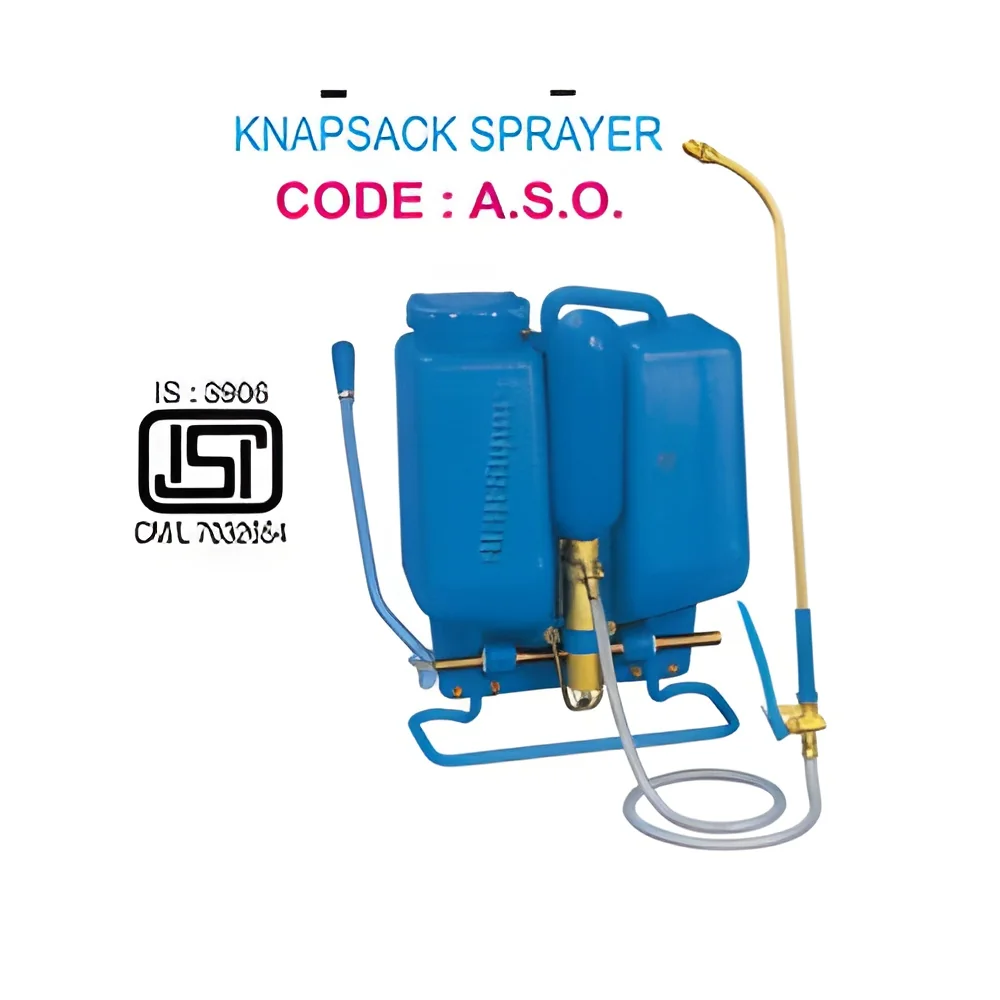
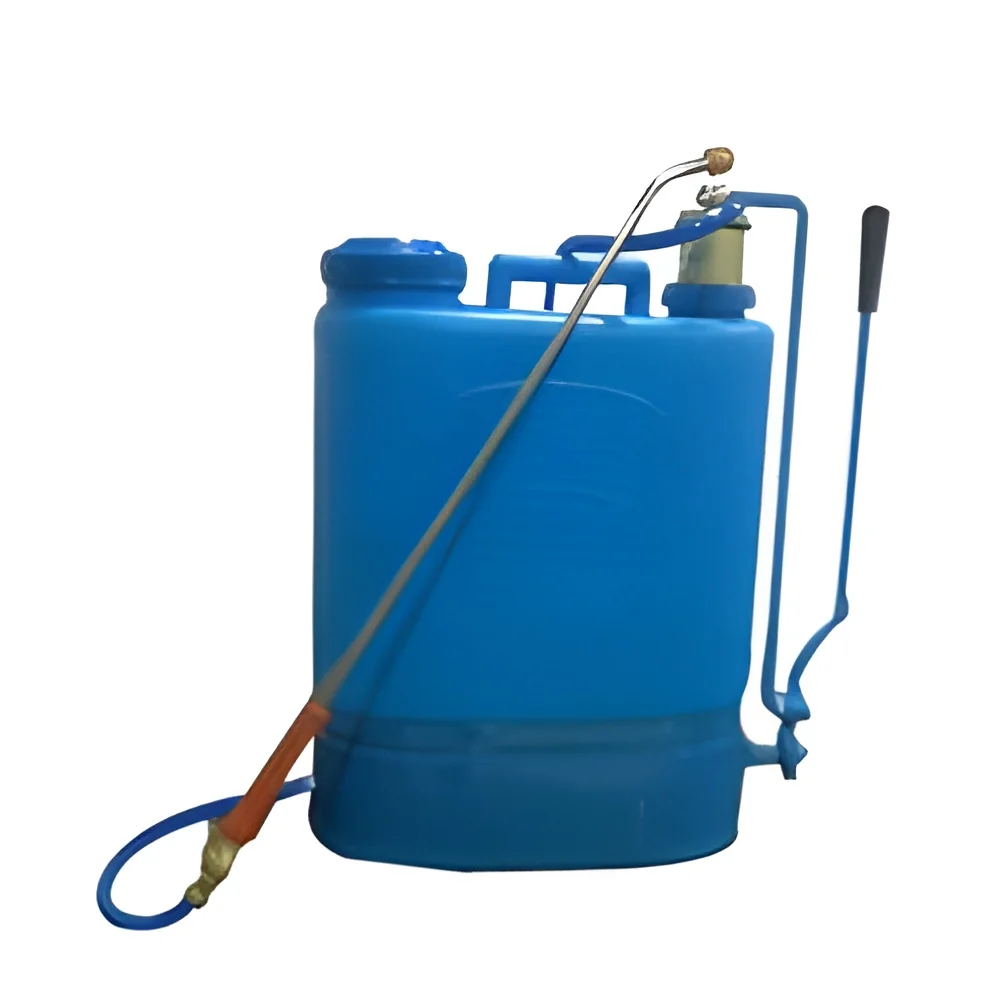
Knapsack sprayers are portable devices designed for applying pesticides, herbicides, fertilizers, and other agricultural chemicals. They consist of a backpack-like container that holds the liquid solution, equipped with a pump and spray nozzle for effective distribution. This design allows users to carry the sprayer on their backs, ensuring mobility and ease of use in various terrains and applications.
These sprayers are primarily used in agriculture, gardening, and landscaping. Farmers and horticulturists utilize them for crop protection, pest control, and nutrient application. They are especially beneficial in areas where larger spraying equipment cannot access. The versatility of knapsack sprayers makes them a popular choice among small to medium-sized farms as well as commercial gardening operations.
In the current market, knapsack sprayers are integral to sustainable farming practices, providing efficient and precise application methods. As agricultural practices evolve, the demand for these sprayers continues to rise, driven by the need for effective pest management and crop health optimization. With advancements in technology, these sprayers now feature improved efficiency and user-friendly designs, further solidifying their relevance in the industry.
Key Features and Specifications
Knapsack sprayers come equipped with various features that enhance their functionality, reliability, and ease of use. When selecting a knapsack sprayer, it is crucial to consider the following specifications:
Key specifications include:
1. Tank Capacity
- The size of the tank typically ranges from 10 to 20 liters.
- Larger capacities allow for extended use without frequent refills.
2. Pump Type
- Common types include diaphragm, piston, and electric pumps.
- Each type varies in pressure output and maintenance requirements.
3. Spray Range
- The effective spray range can be between 2 to 12 meters.
- This range affects the application efficiency and reach of the sprayer.
4. Weight
- The weight of the sprayer, when empty, generally varies from 5 to 10 kilograms.
- A lighter sprayer enhances user comfort during extended applications.
5. Nozzle Types
- Available nozzle types include flat fan, cone, and adjustable nozzles.
- Different nozzles allow for varied spray patterns for specific applications.
6. Material Construction
- Common materials include high-density polyethylene and stainless steel.
- Durable materials ensure longevity and resistance to chemical corrosion.
7. Ergonomic Design
- Features may include padded straps and adjustable back support.
- An ergonomic design promotes ease of use and reduces fatigue.
8. Safety Features
- Safety features may include pressure relief valves and protective gear.
- These features enhance user safety during operation.
In summary, understanding the features and specifications of knapsack sprayers is essential for selecting the right equipment for specific agricultural needs.
Common Applications and Use Cases
Knapsack sprayers are utilized across various industries, demonstrating their versatility and effectiveness.
1. Agriculture: Farmers employ knapsack sprayers for pest control, weed management, and nutrient application across diverse crops. This ensures optimal growth and crop protection.
2. Horticulture: Gardeners use these sprayers for maintaining plant health, applying fertilizers, and managing diseases in gardens and nurseries, enhancing the quality of flowers and plants.
3. Landscaping: Landscape professionals utilize knapsack sprayers for applying herbicides and pesticide treatments in parks, gardens, and commercial properties, ensuring aesthetic appeal and plant health.
4. Forestry: In forest management, knapsack sprayers are used for controlling invasive species and pests, promoting healthy forest ecosystems.
5. Public Health: These sprayers are vital for controlling pests in urban areas, such as mosquitoes, contributing to public health initiatives.
6. Sports Turf Management: Groundskeepers apply fertilizers and pesticides to sports fields and golf courses, ensuring the health and playability of the turf.
7. Greenhouses: Operators use knapsack sprayers within greenhouses for targeted applications of pesticides and nutrients, essential for controlled environment agriculture.
Product Variants and Subcategories
Knapsack sprayers come in various models, each designed to meet specific needs and preferences.
Manual Knapsack Sprayers: These sprayers require manual pumping to create pressure and are ideal for small-scale applications. They are lightweight, easy to transport, and cost-effective for home gardeners and small farms.
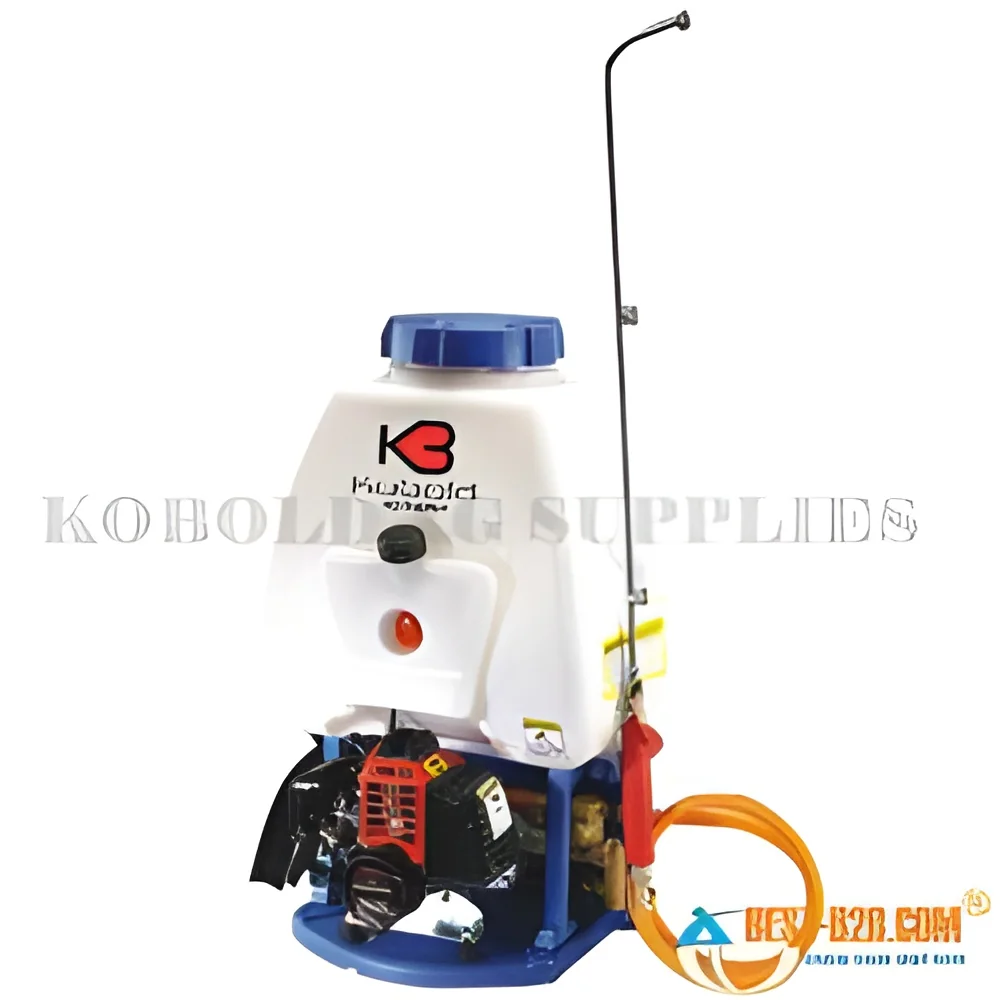
Battery-Powered Knapsack Sprayers: Equipped with electric pumps, these sprayers reduce user fatigue and allow for consistent pressure without manual pumping. They are suitable for larger areas and more extensive applications, enhancing productivity.
Pneumatic Knapsack Sprayers: These models utilize compressed air to deliver chemicals, providing a more efficient spray pattern. They are particularly useful in commercial agriculture for large-scale applications.
Chemical-Resistant Knapsack Sprayers: Designed with materials that resist harsh chemicals, these sprayers are ideal for users who frequently work with corrosive substances, ensuring longevity and reliability.
Benefits and Advantages
Investing in knapsack sprayers offers numerous advantages for businesses in agriculture and related fields.
1. Enhanced Mobility: Knapsack sprayers allow users to navigate uneven terrains easily, making them suitable for varied agricultural environments.
2. Cost-Effective Solution: Compared to larger spraying equipment, knapsack sprayers are more affordable, appealing to small-scale farmers and businesses.
3. Precision Application: These sprayers enable targeted applications, reducing chemical waste and minimizing environmental impact.
4. User-Friendly Design: Many models feature ergonomic designs, reducing user fatigue during extended use and enhancing overall productivity.
5. Versatile Usage: Knapsack sprayers can handle a wide range of liquids, making them suitable for various applications in agriculture, gardening, and landscaping.
6. Easy Maintenance: Most models have simple maintenance requirements, ensuring that they remain in good working condition with minimal effort.
Buying Guide for B2B Buyers
When sourcing knapsack sprayers, businesses should consider several critical factors to ensure they make informed purchasing decisions.
1. Quality Assessment: Evaluate the quality of materials and construction. Look for durable designs that can withstand frequent use and chemical exposure.
2. Supplier Verification: Research suppliers to ensure they are reputable and reliable. Check for customer reviews, testimonials, and their history in the industry.
3. Pricing and MOQ: Understand the pricing structure and minimum order quantities. Compare different suppliers to find competitive pricing that fits your budget.
4. Delivery and Lead Times: Discuss logistics and timelines with suppliers to ensure that they can meet your delivery needs, especially during peak agricultural seasons.
5. Compliance Requirements: Verify that the knapsack sprayers meet relevant safety and regulatory standards in your region, ensuring compliance with industry regulations.
Compliance and Certifications
Knapsack sprayers must adhere to various quality and safety standards to ensure their reliability and effectiveness in the field.
Key quality standards include ISO 9001, which focuses on quality management systems, ensuring that manufacturers maintain high standards in their production processes. HACCP is also relevant for manufacturers that deal with agricultural chemicals, emphasizing food safety and risk management.
Many knapsack sprayers are certified with CE markings, indicating compliance with European safety standards. This certification assures users of the product's safety and reliability during operation.
Additionally, manufacturers must adhere to safety and testing requirements, including pressure testing and material safety evaluations. Regional compliance considerations may vary, so it is essential to check local regulations regarding agricultural equipment.
Why Source Knapsack Sprayers from Pepagora?
Pepagora offers a trusted platform for sourcing knapsack sprayers, providing several key advantages for B2B buyers.
Verified Supplier Network: Pepagora ensures that all suppliers in their network are thoroughly vetted and verified. This process guarantees that buyers are connected with reputable manufacturers who meet quality and safety standards.
Streamlined RFQ Process: The platform features a straightforward Request for Quotation (RFQ) process, allowing buyers to request quotes from multiple suppliers quickly. This efficiency helps buyers compare costs and features easily.
Trade Assurance and Support: Pepagora provides trade assurance programs, protecting buyers against potential issues during the purchasing process. Their dedicated support team is also available to assist with any inquiries or concerns.
Regional Coverage: With a strong presence in markets like India, the GCC, and Southeast Asia, Pepagora has the geographic reach to cater to various business needs, ensuring timely delivery and support for buyers across these regions.

 IN
IN