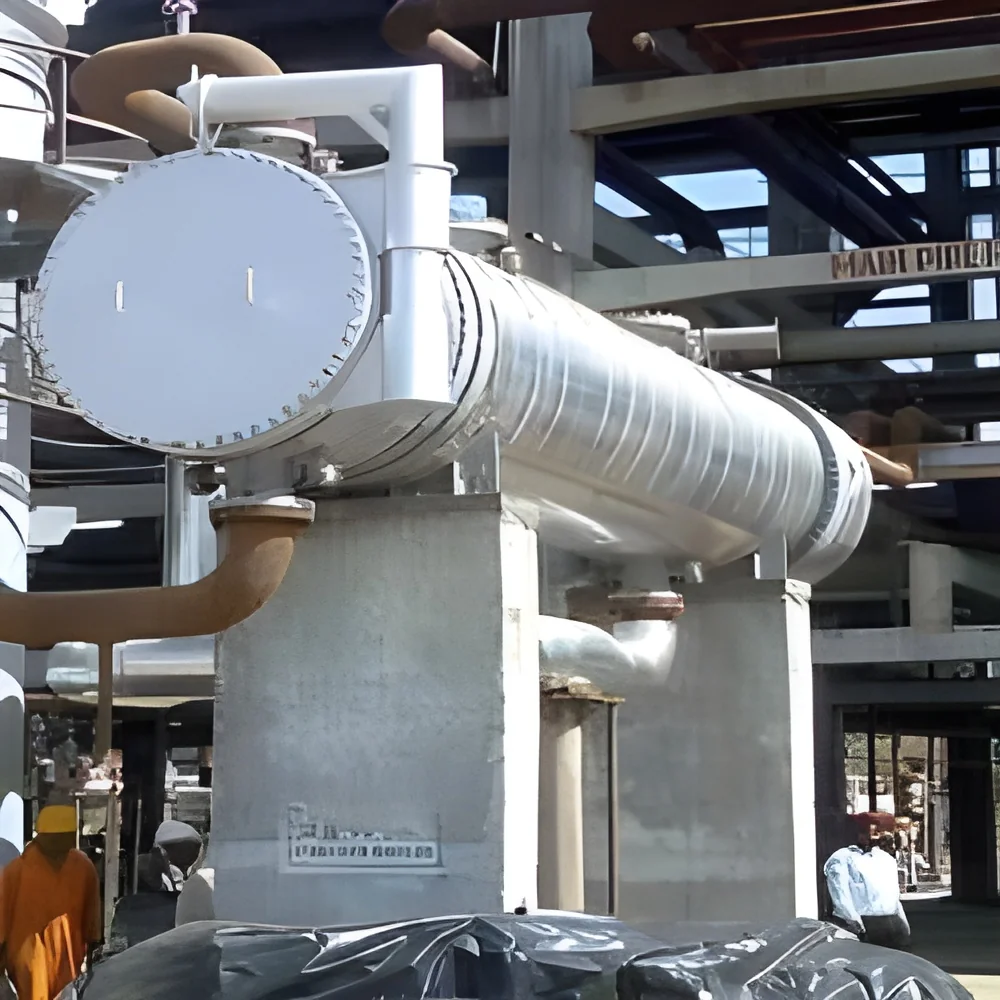
What are Organic Fertilizer Processing Machines?
Organic Fertilizer Processing Machines are specialized equipment designed for the production of organic fertilizers from various raw materials, including agricultural waste, food waste, and other biodegradable materials. These machines facilitate the conversion of organic matter into nutrient-rich fertilizers through processes such as composting, granulation, and fermentation. By employing advanced technologies, these machines ensure efficient processing while maintaining the integrity of the organic material.
These machines are primarily used in agricultural settings, where there is a demand for sustainable and eco-friendly fertilizers. Farms, nurseries, and horticultural businesses utilize organic fertilizers to enhance soil quality and promote plant growth. In addition, municipalities and waste management facilities benefit from these machines by converting waste into valuable resources, thereby reducing landfill usage. The growing emphasis on sustainable agriculture and environmental conservation further underscores the relevance and market potential of organic fertilizer processing machines.
Key Features and Specifications
Organic Fertilizer Processing Machines come equipped with various features and specifications that enhance their efficiency and effectiveness. These specifications are crucial for businesses looking to invest in reliable and productive machinery.
Key specifications include:
1. Capacity
- This refers to the volume of raw material the machine can process within a specific time frame.
- Typical ranges can vary from small-scale units processing a few tons per day to large industrial models handling several hundred tons.
2. Power Consumption
- The amount of energy required for operation, which can impact operational costs.
- Power ratings generally range from 5 kW for smaller machines to over 100 kW for larger systems.
3. Processing Time
- The duration needed to convert raw materials into finished organic fertilizer.
- This can vary widely based on the technology used, from a few hours to several days.
4. Material Input Types
- The variety of raw materials that can be processed, including crop residues, livestock manure, and kitchen waste.
- Machines are often designed to handle specific types of organic matter.
5. Durability and Construction
- The materials used in the construction of the machine, which influence its longevity and maintenance needs.
- High-quality steel and corrosion-resistant components are commonly used.
6. User Interface
- Features such as digital displays and control systems that allow operators to monitor and adjust settings easily.
- Advanced models may include automated controls and monitoring systems.
7. Size and Footprint
- The physical dimensions of the machine, which can affect installation and operational space.
- Compact models are available for smaller facilities.
8. Safety Features
- Built-in mechanisms to ensure safe operation, such as emergency shut-off switches and safety guards.
These features collectively contribute to the machine's overall functionality and efficiency, making it a valuable investment for businesses focused on sustainable practices.
Common Applications and Use Cases
Organic Fertilizer Processing Machines have a wide range of applications across various industries.
1. Agriculture: Farmers utilize these machines to convert agricultural by-products into organic fertilizers, improving soil health and crop yield.
2. Horticulture: Nurseries and garden centers use organic fertilizers produced by these machines to enhance plant growth and flowering, offering eco-friendly options to customers.
3. Waste Management: Municipalities and waste treatment facilities process organic waste into fertilizers, reducing landfill waste and promoting recycling.
4. Landscaping: Landscape contractors use organic fertilizers to provide sustainable solutions for garden and lawn care, promoting environmental stewardship.
5. Aquaculture: Fish farms and aquaponics systems apply organic fertilizers to enhance water quality and promote the growth of aquatic plants.
6. Food Processing: Facilities processing food waste can convert by-products into organic fertilizers, minimizing waste and creating additional revenue streams.
7. Environmental Conservation: Organizations focused on sustainability use these machines to promote eco-friendly practices and support soil regeneration.
Product Variants and Subcategories
Organic Fertilizer Processing Machines come in various configurations to meet the specific needs of different users.
Composting Machines
These machines facilitate the aerobic decomposition of organic waste, resulting in nutrient-rich compost. They are ideal for farms and municipal waste management facilities.
Granulation Machines
Designed to convert compost into granulated organic fertilizers, these machines provide a consistent product that is easy to handle and apply. They are commonly used in agricultural settings.
Batch vs. Continuous Processing Systems
Batch systems process materials in discrete batches, while continuous systems allow for ongoing input and output. The choice depends on the operational scale and production requirements of the business.
Benefits and Advantages
Investing in Organic Fertilizer Processing Machines offers several significant benefits.
1. Environmental Sustainability: These machines help reduce waste by converting organic materials into useful fertilizers, promoting eco-friendly practices.
2. Cost Efficiency: By producing their own fertilizers, businesses can minimize dependence on external suppliers, resulting in long-term cost savings.
3. Improved Soil Health: Organic fertilizers enhance soil structure and fertility, promoting better crop growth and reducing the need for chemical fertilizers.
4. Waste Reduction: These machines contribute to waste management efforts by turning organic waste into valuable products, helping to reduce landfill usage.
5. Compliance with Regulations: Utilizing organic fertilizers helps businesses meet environmental regulations and standards, promoting sustainable practices.
6. Versatility: Organic Fertilizer Processing Machines can handle a variety of organic materials, making them suitable for diverse applications across industries.
Buying Guide for B2B Buyers
When sourcing Organic Fertilizer Processing Machines, buyers should consider several key factors to ensure they make informed purchasing decisions.
1. Quality Assessment: Look for machines with robust construction and reliable performance. Evaluate the manufacturer's reputation and customer reviews to gauge quality.
2. Supplier Verification: Conduct thorough due diligence on potential suppliers. Verify their certifications, production capabilities, and experience in the industry.
3. Pricing and MOQ: Understand the pricing structure and minimum order quantities. Compare quotes from multiple suppliers to find competitive rates without compromising quality.
4. Delivery and Lead Times: Assess the supplier's logistics capabilities. Ensure they can meet your delivery timelines and provide reliable shipping options.
5. Compliance Requirements: Confirm that the machines meet relevant industry standards and regulations, such as safety and environmental compliance.
Compliance and Certifications
Organic Fertilizer Processing Machines must adhere to various quality and safety standards to ensure reliability and effectiveness.
ISO 9001 is a widely recognized quality management standard that ensures manufacturers maintain consistent quality in their production processes. Compliance with this standard can indicate a commitment to quality assurance.
CE certification is essential for machines sold in the European market, signifying that the equipment meets safety and health requirements. This certification can enhance marketability and consumer trust.
Safety and testing requirements are critical to ensure safe operation. Manufacturers should provide documentation of testing and compliance with regional safety regulations.
Regional compliance considerations can vary widely. Buyers should be aware of local regulations regarding the use and production of organic fertilizers, ensuring that their equipment meets these standards.
Why Source Organic Fertilizer Processing Machines from Pepagora?
Pepagora offers a trusted platform for sourcing Organic Fertilizer Processing Machines, providing several key advantages for B2B buyers.
Verified Supplier Network: Pepagora connects buyers with a network of verified suppliers, ensuring that buyers can trust the quality and reliability of the machines offered.
Streamlined RFQ Process: The platform simplifies the request for quotation process, allowing buyers to easily compare quotes and select the best options for their needs.
Trade Assurance and Support: Pepagora provides buyer protection through trade assurance, offering peace of mind during transactions and ensuring that buyers receive what they pay for.
Regional Coverage: With a strong presence in India, the GCC, and Southeast Asia, Pepagora facilitates access to a diverse range of suppliers and products, catering to the needs of businesses across these regions.

 IN
IN