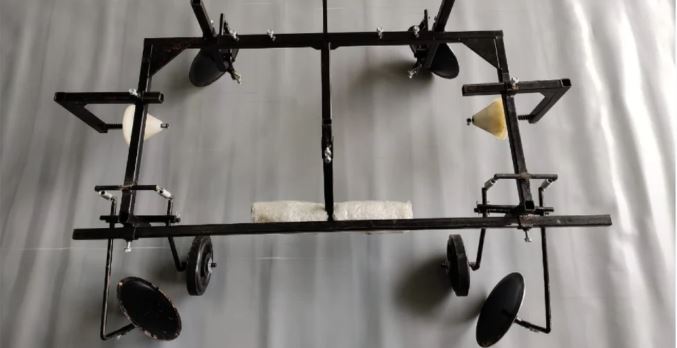
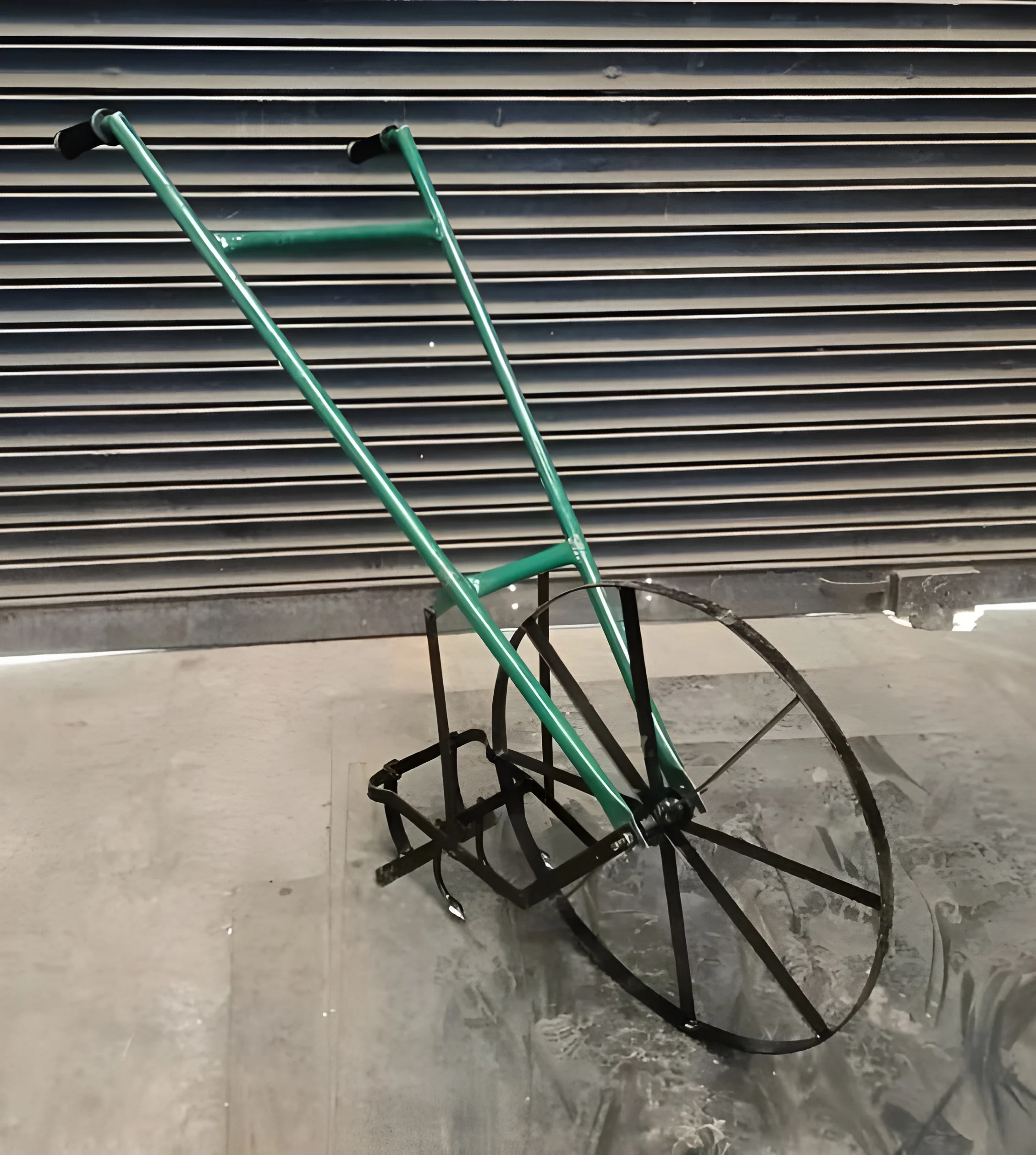
Key Features and Specifications
When considering weeders, it is essential to understand their key features and specifications that can influence performance and suitability for various applications.
Key specifications include:
1. Type of Weeder
- Manual or powered options available
- Depending on user needs and scale of operation
2. Engine Power (for Power Weeders)
- Range typically from 1 HP to 7 HP
- Determines the effectiveness and efficiency in tough conditions
3. Weeding Width
- Generally ranges from 6 inches to 24 inches
- Influences the amount of ground covered in one pass
4. Weight
- Manual weeders often weigh between 2 to 5 pounds
- Power weeders can weigh from 20 to over 100 pounds based on size and engine
5. Fuel Type (for Power Weeders)
- Commonly gasoline or diesel
- Affects maintenance and operational costs
6. Handle Design
- Varieties include straight or ergonomic shapes
- Impact on user comfort and control
7. Durability
- Materials such as steel, aluminum, or high-quality plastics
- Influences lifespan and resistance to wear and tear
8. Safety Features
- Includes guards and automatic shut-off mechanisms
- Enhances user safety during operation
Understanding these specifications can help buyers select the right weeder for their specific needs and applications.
Common Applications and Use Cases
Weeders are versatile tools used across various industries, with different applications that cater to specific needs.
1. Agriculture: Farmers use weeders to maintain crop health by efficiently removing weeds that compete for nutrients and water.
2. Landscaping: Professional landscapers utilize weeders to keep gardens and parks free from unwanted plants, ensuring aesthetic appeal and plant health.
3. Horticulture: In horticultural settings, these tools help in cultivating flower beds and vegetable patches, promoting optimal growth conditions.
4. Golf Courses: Groundskeepers employ weeders to maintain greens and fairways, ensuring a well-manicured appearance and healthy turf.
5. Organic Farming: Organic farmers rely on manual weeders to adhere to sustainable practices, avoiding chemical herbicides.
6. Home Gardens: Homeowners use small, manual weeders to keep their gardens tidy and productive.
7. Nurseries: Plant nurseries utilize weeders to protect young plants from weed competition, ensuring healthy growth.
Product Variants and Subcategories
Weeders come in a variety of forms to suit different user preferences and applications.
Manual Weeders: These are hand-operated tools that offer simplicity and control. They are ideal for small gardens and tight spaces where precision is required. Their lightweight nature makes them easy to handle and maneuver.
Power Weeders: These are motorized machines designed for larger areas. They provide significant labor savings and efficiency, making them suitable for commercial farming and extensive landscaping projects. They often come with various attachments for different applications.
Benefits and Advantages
Weeders offer numerous advantages that enhance agricultural and gardening practices.
1. Efficiency: Power weeders significantly reduce the time and effort needed for weed removal, allowing for larger areas to be covered quickly.
2. Precision: Manual weeders provide greater control, enabling users to target specific plants without damaging surrounding crops.
3. Soil Health: By aerating the soil during weeding, these tools help improve soil structure and health, promoting better crop yields.
4. Versatility: Available in various designs, weeders can be adapted for different applications, from small gardens to large agricultural fields.
5. Cost-Effectiveness: Investing in a good quality weeder can lead to long-term savings by reducing labor costs and improving crop productivity.
6. Sustainability: Manual options promote environmentally friendly practices, reducing reliance on chemical herbicides.
Buying Guide for B2B Buyers
When sourcing weeders, businesses should carefully consider several factors to ensure they make informed purchasing decisions.
1. Quality Assessment: Look for weeders made from durable materials that resist wear and tear. High-quality construction often translates to longer product life.
2. Supplier Verification: Vet suppliers by reviewing their reputation, customer reviews, and certifications to ensure reliable service and product quality.
3. Pricing and MOQ: Understand the cost of different models and inquire about minimum order quantities to align with budget constraints and operational needs.
4. Delivery and Lead Times: Consider logistics, including the time it takes for orders to be fulfilled and delivered, to avoid delays in operations.
5. Compliance Requirements: Ensure that the products meet relevant safety and industry standards, which may vary by region and application.
Compliance and Certifications
Weeders must adhere to various quality standards and certifications that ensure safety and reliability in use.
Quality standards such as ISO 9001 indicate that a manufacturer has met international benchmarks for quality management. This ensures that products are consistently produced at a high standard.
Certifications like CE mark signify that the product complies with European health, safety, and environmental protection legislation. This is crucial for buyers within the EU market.
Additionally, safety and testing requirements are vital to ensure that weeders are safe for use. Manufacturers should provide documentation of compliance with these regulations.
Regional compliance considerations may also affect purchasing decisions, particularly for businesses that operate in multiple countries with differing regulations.
Why Source Weeders (Manual, Power) from Pepagora?
Pepagora offers a reliable platform for sourcing weeders with a host of advantages that appeal to B2B buyers.
Verified Supplier Network: Pepagora ensures that all suppliers in its network are thoroughly vetted. This gives buyers confidence that they are sourcing from reputable manufacturers who meet quality standards.
Streamlined RFQ Process: The platform simplifies the request for quotation process, allowing buyers to receive competitive quotes quickly. This efficiency helps businesses make timely purchasing decisions.
Trade Assurance and Support: Pepagora provides trade assurance that protects buyers throughout the transaction process. This includes support for resolving disputes and ensuring that products meet agreed-upon specifications.
Regional Coverage: With extensive reach across India, the GCC, and Southeast Asia, Pepagora facilitates connections between buyers and suppliers in diverse markets. This geographical advantage helps businesses find the right products tailored to their specific regional needs.

 IN
IN