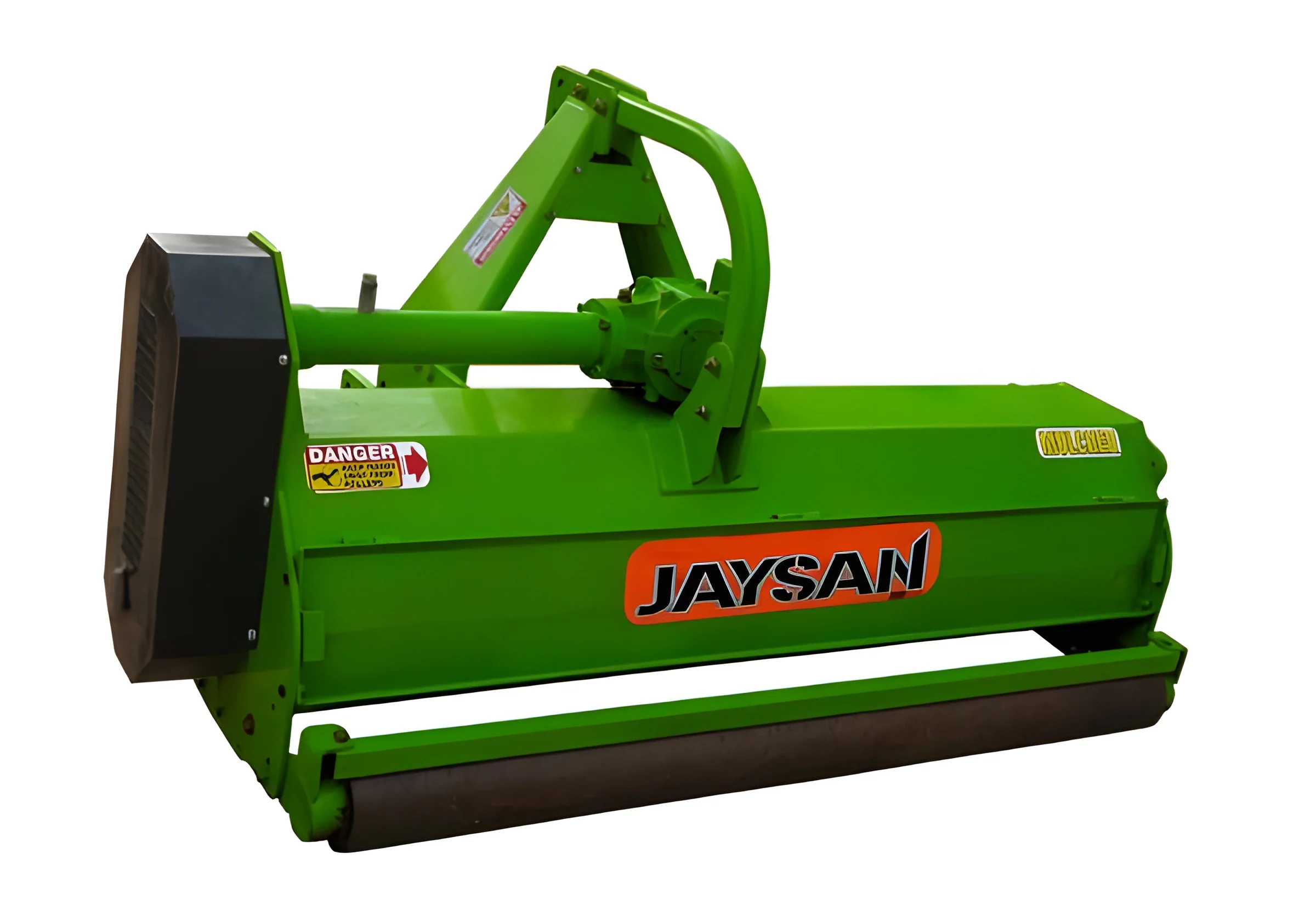
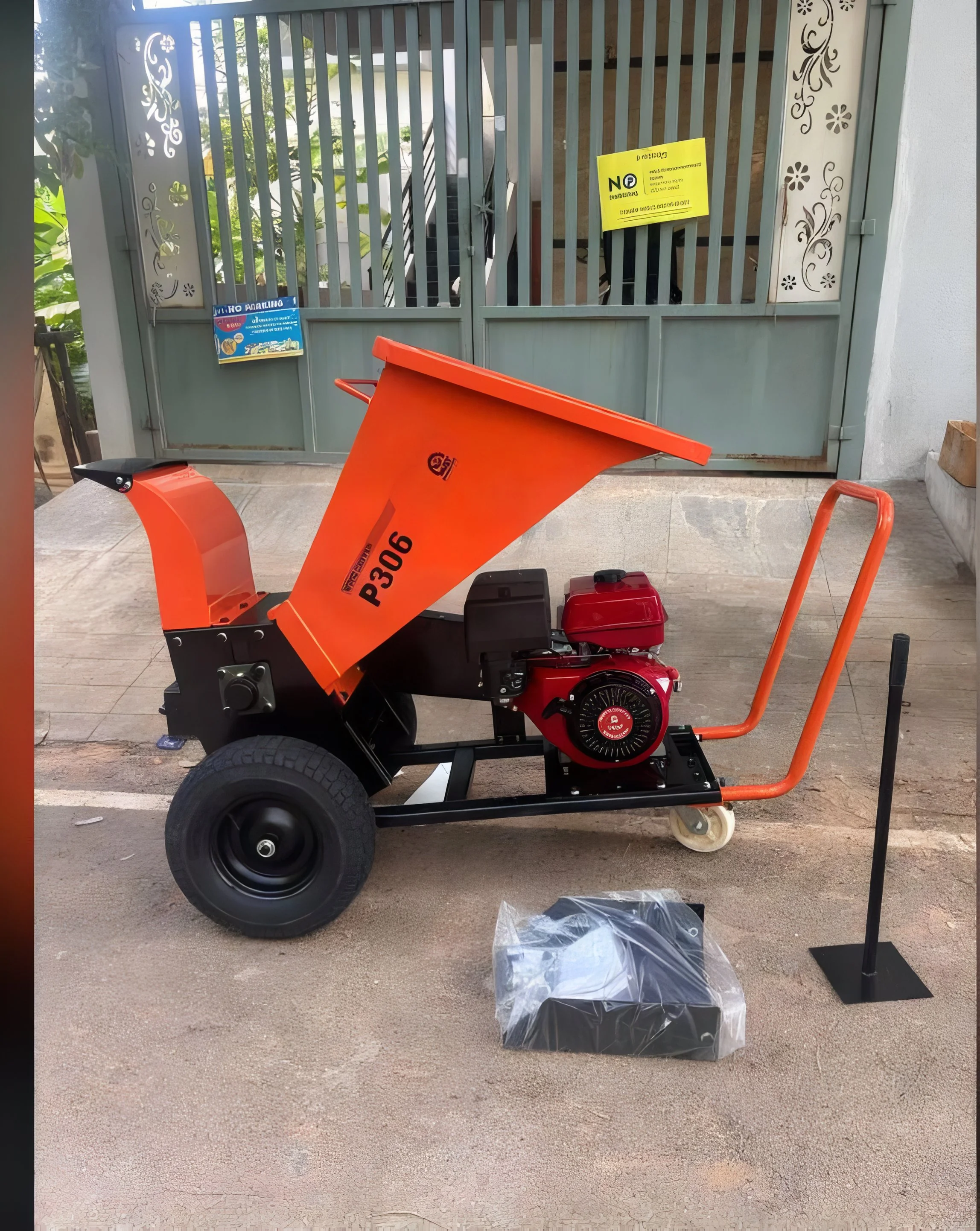
What are Mulchers & Shredders?
Mulchers and shredders are essential machinery used to process organic materials, primarily plant waste, into smaller, manageable pieces. These machines are designed to reduce the size of debris, which can include branches, leaves, and other types of vegetation. By breaking down this material, mulchers and shredders facilitate easier disposal, composting, or reuse in landscaping and agricultural applications.
The primary uses of mulchers and shredders extend across various industries including agriculture, landscaping, forestry, and waste management. In agriculture, these machines help clear land, manage crop residues, and produce mulch for soil enhancement. Landscaping professionals utilize them to create aesthetically pleasing gardens and manage yard waste efficiently. Additionally, in the forestry sector, they are crucial for maintaining forest health by managing underbrush and recycling fallen branches.
In today's market, the relevance of mulchers and shredders is underscored by the growing emphasis on sustainability and waste reduction. As businesses and municipalities seek efficient ways to manage organic waste, these machines play a vital role in promoting eco-friendly practices. The demand for mulchers and shredders continues to rise, driven by an increasing awareness of environmental conservation and the benefits of recycling organic materials.
Key Features and Specifications
Mulchers and shredders come equipped with a range of features that enhance their efficiency and performance. Understanding these specifications is essential for businesses looking to invest in the right equipment for their needs.
Key specifications include:
1. Power Source
- Electric or gasoline-powered options available
- Varying horsepower ratings to suit different applications
2. Cutting Mechanism
- Types include rotary blades, hammer mill, and drum-style cutters
- Each mechanism offers distinct advantages in terms of efficiency and output size
3. Capacity
- Rated by the maximum diameter of material that can be processed
- Common ranges from 2 to 8 inches for branches and limbs
4. Weight
- Ranges from lightweight models suitable for residential use to heavy-duty options for commercial applications
- Heavier models provide stability and durability in rugged conditions
5. Chassis Design
- Types include portable and stationary units
- Portable models often feature wheels for easy transport
6. Safety Features
- Includes emergency shut-off controls and protective shields
- Safety certifications such as UL and CE ensure compliance with industry standards
7. Maintenance Requirements
- Consideration of ease of maintenance and availability of replacement parts
- Some models offer self-cleaning features to reduce downtime
8. Noise Level
- Measured in decibels (dB), varying by model
- Quiet operation may be essential for residential or urban applications
In summary, evaluating these specifications helps businesses select mulchers and shredders that best meet their operational needs while ensuring safety and efficiency.
Common Applications and Use Cases
Mulchers and shredders are versatile tools that find applications across multiple sectors. Their ability to efficiently process organic waste makes them invaluable in many settings.
1. Agriculture: Farmers use mulchers and shredders to manage crop residues, create mulch for soil health, and prepare land for new planting.
2. Landscaping: Landscape contractors rely on these machines to turn yard waste into mulch, maintain garden aesthetics, and clear debris from job sites.
3. Forestry: In forestry management, mulchers and shredders help control underbrush and recycle fallen branches, contributing to forest health and fire prevention.
4. Municipalities: Local governments utilize these machines for public parks and green spaces, ensuring efficient waste management and upkeep of community areas.
5. Construction: Construction sites benefit from mulchers and shredders by reducing waste generated from tree removal and site clearing.
6. Environmental Organizations: Non-profits focused on eco-friendliness employ mulchers and shredders to promote sustainable practices and reduce landfill contributions.
7. Garden Centers: Retail outlets use these machines for processing organic materials, producing mulch, and offering waste management solutions to customers.
Product Variants and Subcategories
Mulchers and shredders come in various models and designs to cater to different needs and applications. Each variant is engineered to meet specific requirements in terms of size, power, and intended use.
Compact Mulchers
These models are designed for residential use and small-scale applications. They are lightweight, easy to operate, and perfect for homeowners looking to manage garden waste efficiently.
Commercial Mulchers
Built for heavy-duty use, commercial mulchers can handle larger branches and tougher materials. They are ideal for landscaping companies and municipalities that require reliable performance for extensive projects.
Tow-Behind Shredders
These shredders can be attached to tractors or other vehicles, allowing for easy transport and operation over large areas. They are commonly used in agricultural settings for managing crop residues.
Electric Mulchers
These environmentally friendly options operate quietly and are suitable for residential areas. They offer ease of use and lower maintenance compared to gas-powered models.
Gasoline-Powered Shredders
Designed for rugged use, these shredders provide high power and mobility, making them suitable for large-scale landscaping and forestry applications.
Benefits and Advantages
Investing in mulchers and shredders offers numerous benefits that enhance operational efficiency and promote sustainability.
1. Waste Reduction: These machines significantly reduce the volume of organic waste, facilitating easier disposal and recycling.
2. Cost Savings: By processing materials on-site, businesses can save on disposal fees and reduce transportation costs associated with waste removal.
3. Soil Enhancement: Mulch produced from shredded materials enriches soil quality, helping retain moisture and suppress weed growth.
4. Time Efficiency: Mulchers and shredders streamline waste management processes, allowing for quicker clean-up and site preparation.
5. Versatile Applications: Their adaptability makes them suitable for a wide range of industries, from agriculture to landscaping, enhancing their utility.
6. Eco-Friendly Practices: Using mulchers and shredders promotes recycling and responsible waste management, aligning with modern sustainability goals.
Buying Guide for B2B Buyers
When sourcing mulchers and shredders, B2B buyers should consider several critical factors to ensure they select the right equipment for their needs.
1. Quality Assessment: Evaluate the build quality and performance of the equipment. Look for models that meet recognized quality standards to ensure reliability.
2. Supplier Verification: Vet potential suppliers by checking reviews and references. Ensure they have a proven track record in providing quality machinery.
3. Pricing and MOQ: Consider the cost of the equipment and any minimum order quantities (MOQ) that may apply. Compare prices across different suppliers to ensure competitiveness.
4. Delivery and Lead Times: Understand the logistics involved in sourcing the equipment. Confirm delivery timelines to ensure they align with your project schedules.
5. Compliance Requirements: Be aware of any regulatory requirements that the equipment must meet. This includes safety certifications and environmental standards relevant to your industry.
Compliance and Certifications
Compliance with industry standards and certifications is crucial when sourcing mulchers and shredders. These requirements ensure the machinery is safe, reliable, and effective.
Quality standards such as ISO 9001 provide a framework for ensuring consistent quality in manufacturing processes. Compliance with HACCP (Hazard Analysis and Critical Control Points) is relevant in industries where safety is paramount.
Certifications like UL (Underwriters Laboratories) and CE (Conformité Européenne) indicate that the equipment meets specific safety and performance standards. These certifications are essential for gaining trust and ensuring safety in operation.
Additionally, manufacturers should adhere to regional compliance considerations, which can vary based on geographic location. Understanding these regulations helps buyers make informed decisions and ensures that the equipment meets both local and international standards.
Why Source Mulchers & Shredders from Pepagora?
Pepagora offers a reliable platform for sourcing mulchers and shredders, providing several advantages that benefit B2B buyers.
Verified Supplier Network: We connect buyers with a network of verified suppliers, ensuring that you can source quality machinery from trusted manufacturers. This reduces the risk associated with sourcing equipment from unknown vendors.
Streamlined RFQ Process: Our quotation system simplifies the process of requesting and comparing prices from multiple suppliers. This efficiency allows buyers to make informed decisions quickly.
Trade Assurance and Support: Pepagora offers buyer protection through trade assurance services. This support ensures that your investment is safeguarded throughout the procurement process.
Regional Coverage: With a strong presence in regions such as India, the GCC, and Southeast Asia, Pepagora provides access to a broad market. This geographic reach helps buyers connect with suppliers that meet their specific needs and preferences.
By leveraging the resources and support available through Pepagora, businesses can confidently source mulchers and shredders that align with their operational requirements.

 IN
IN