What are Chaff Cutters?
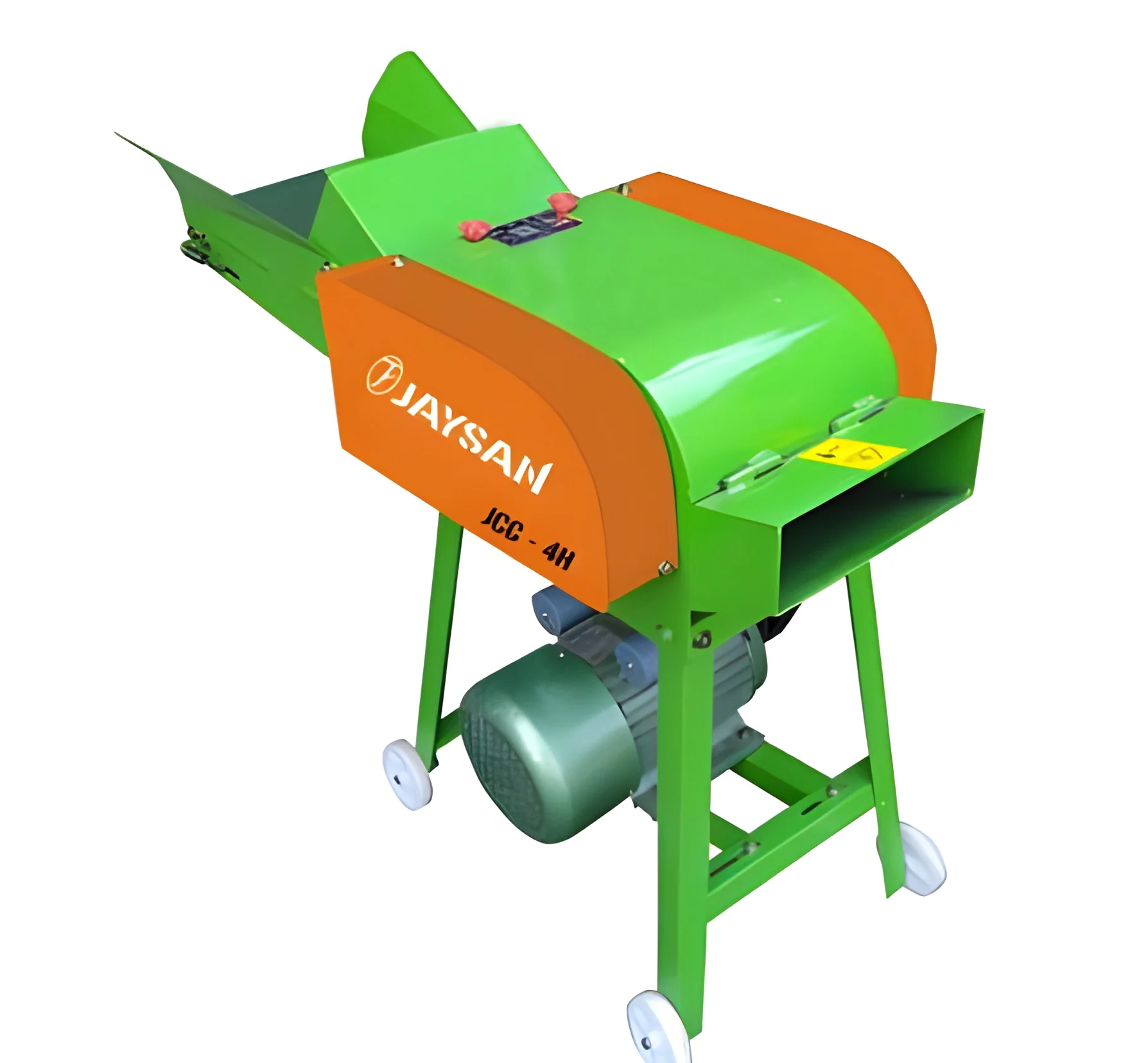
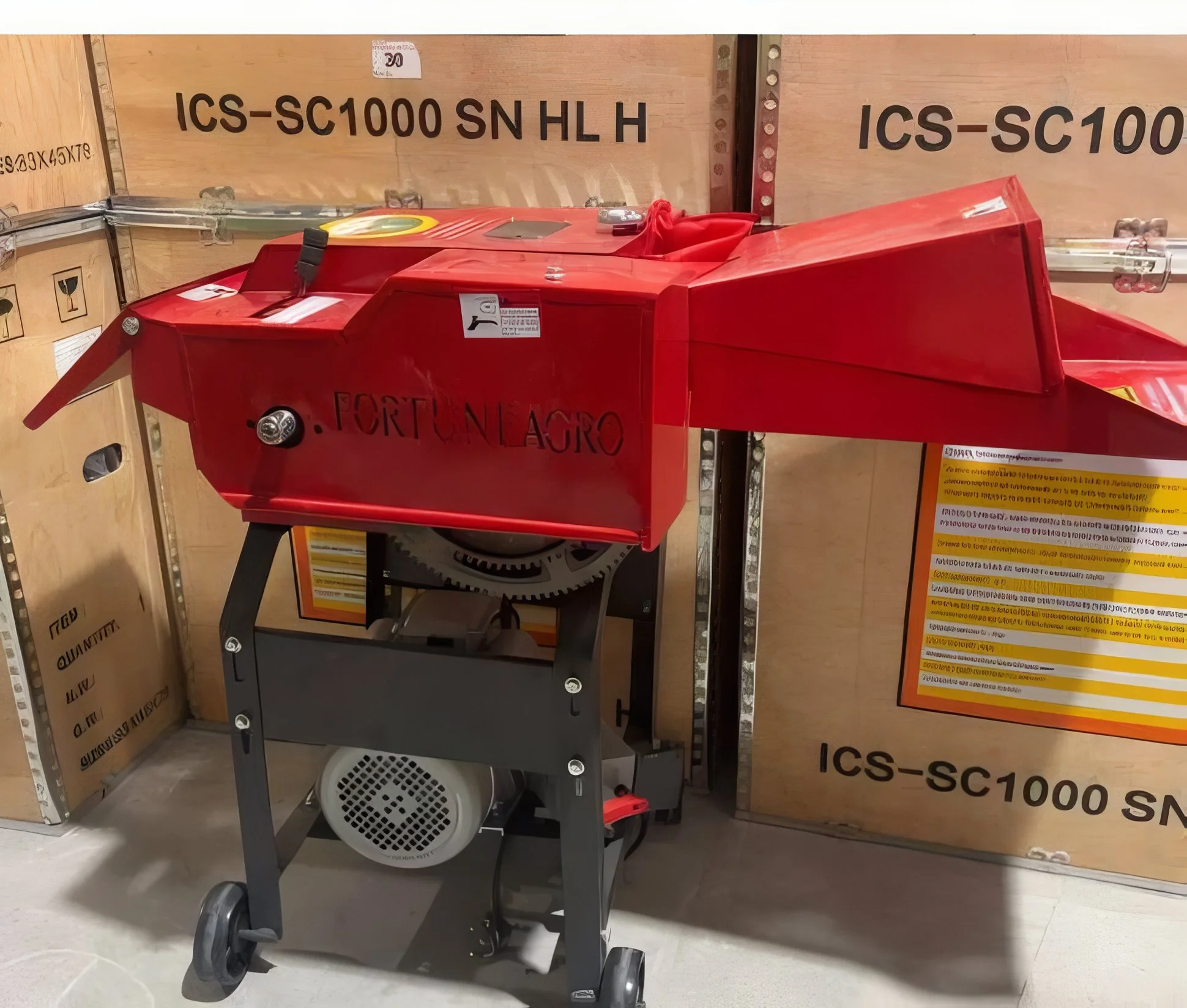
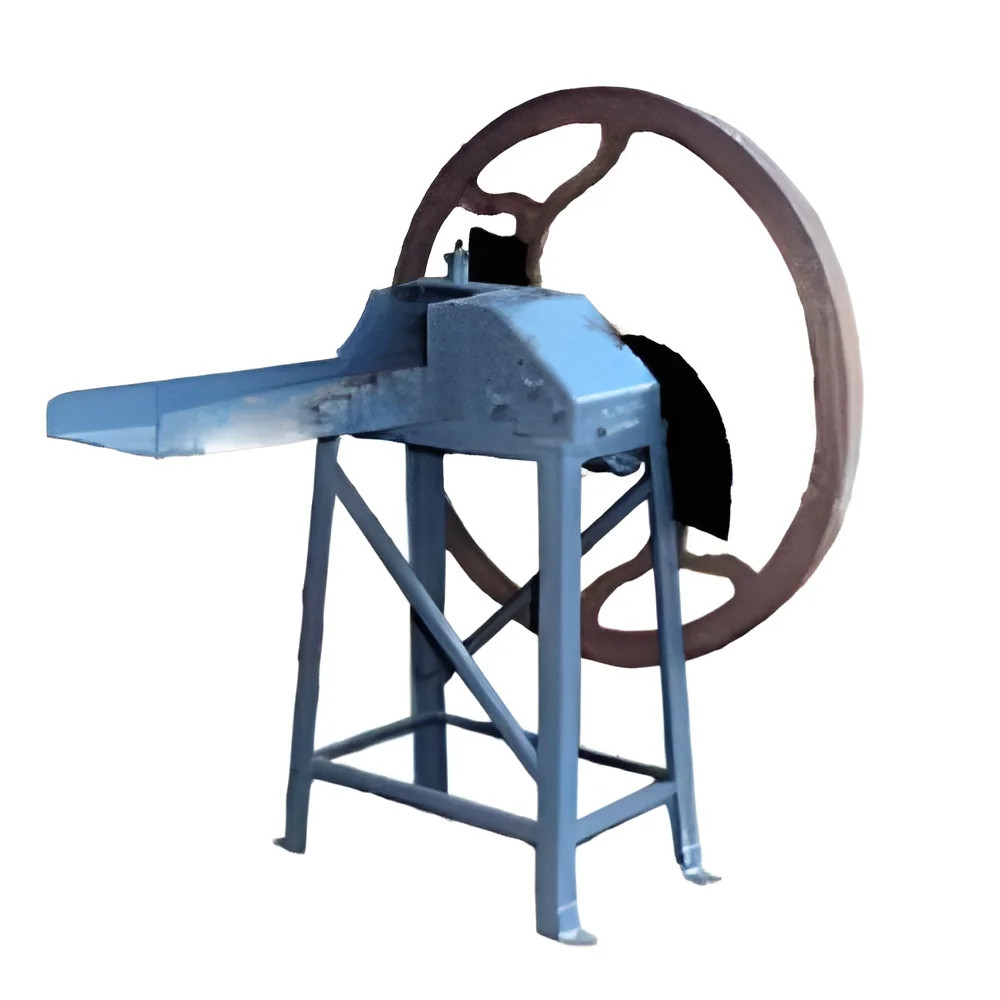
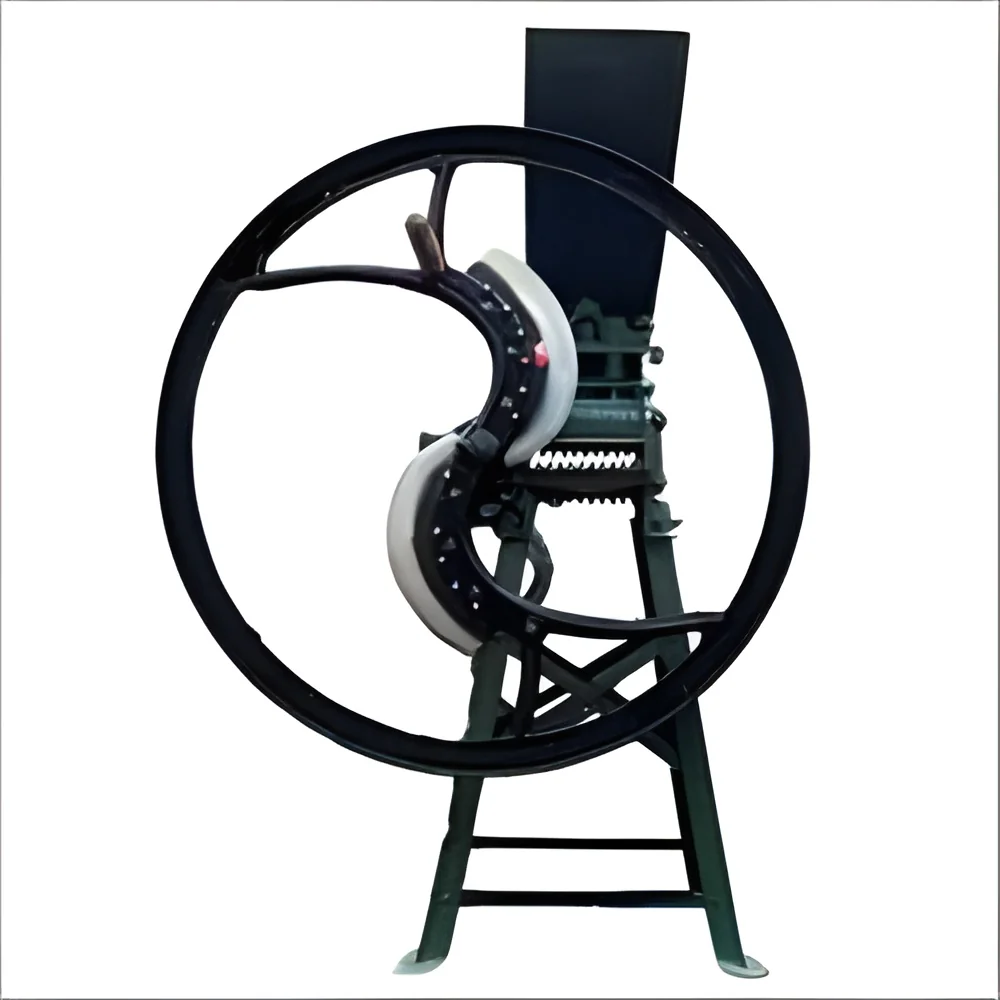
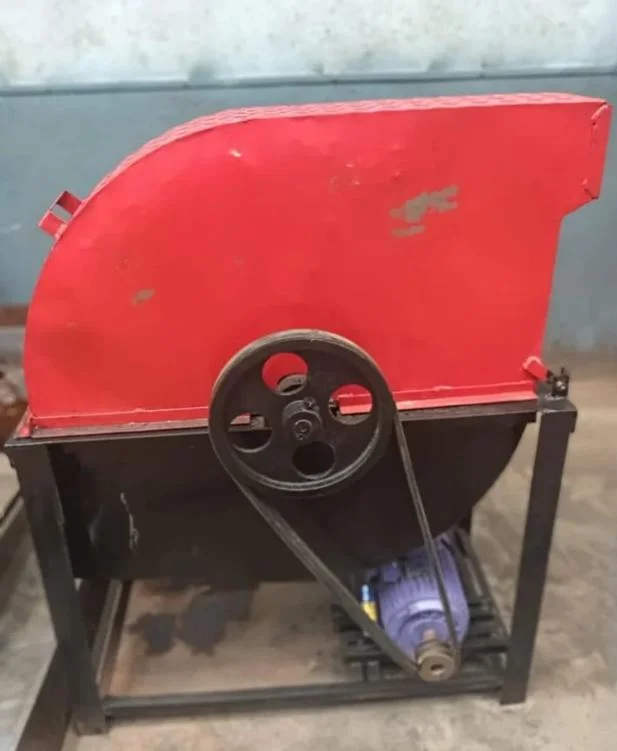
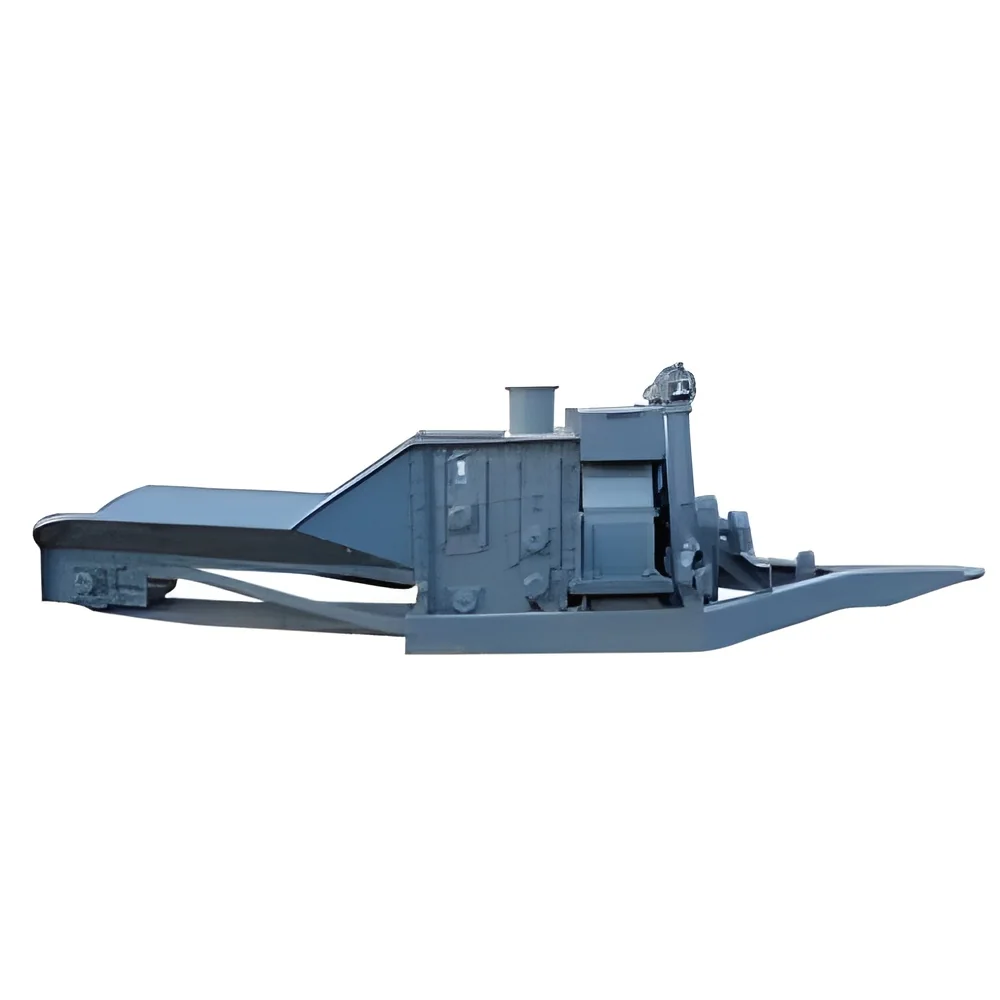
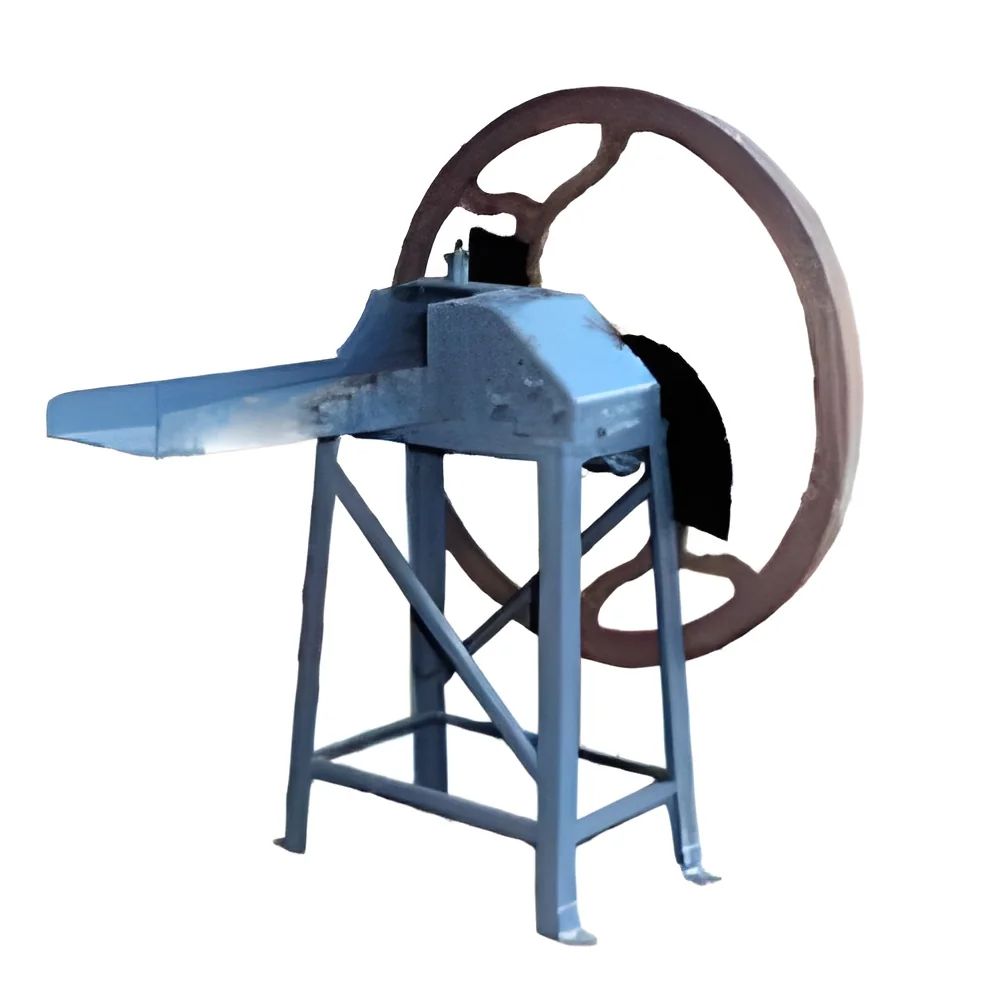
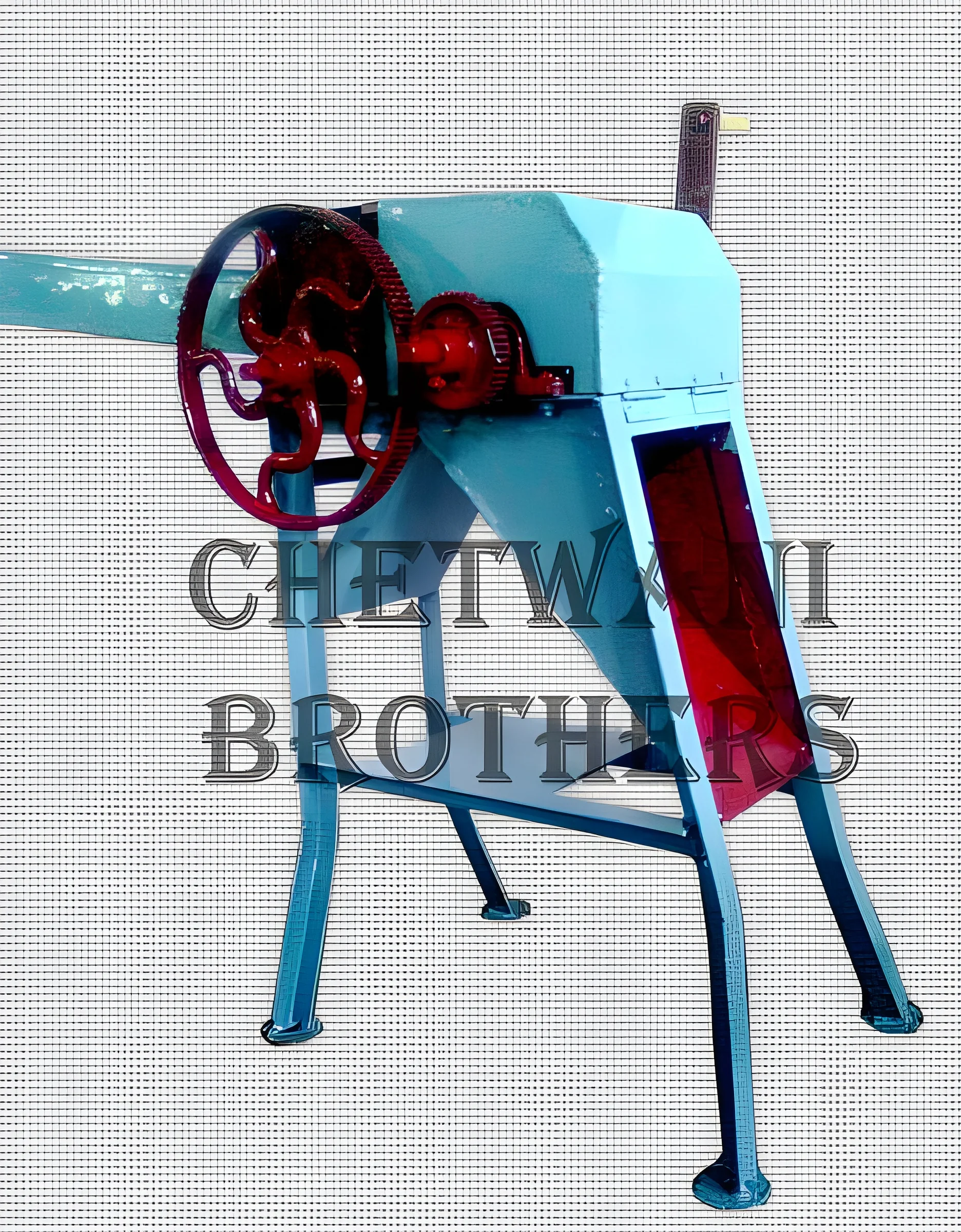
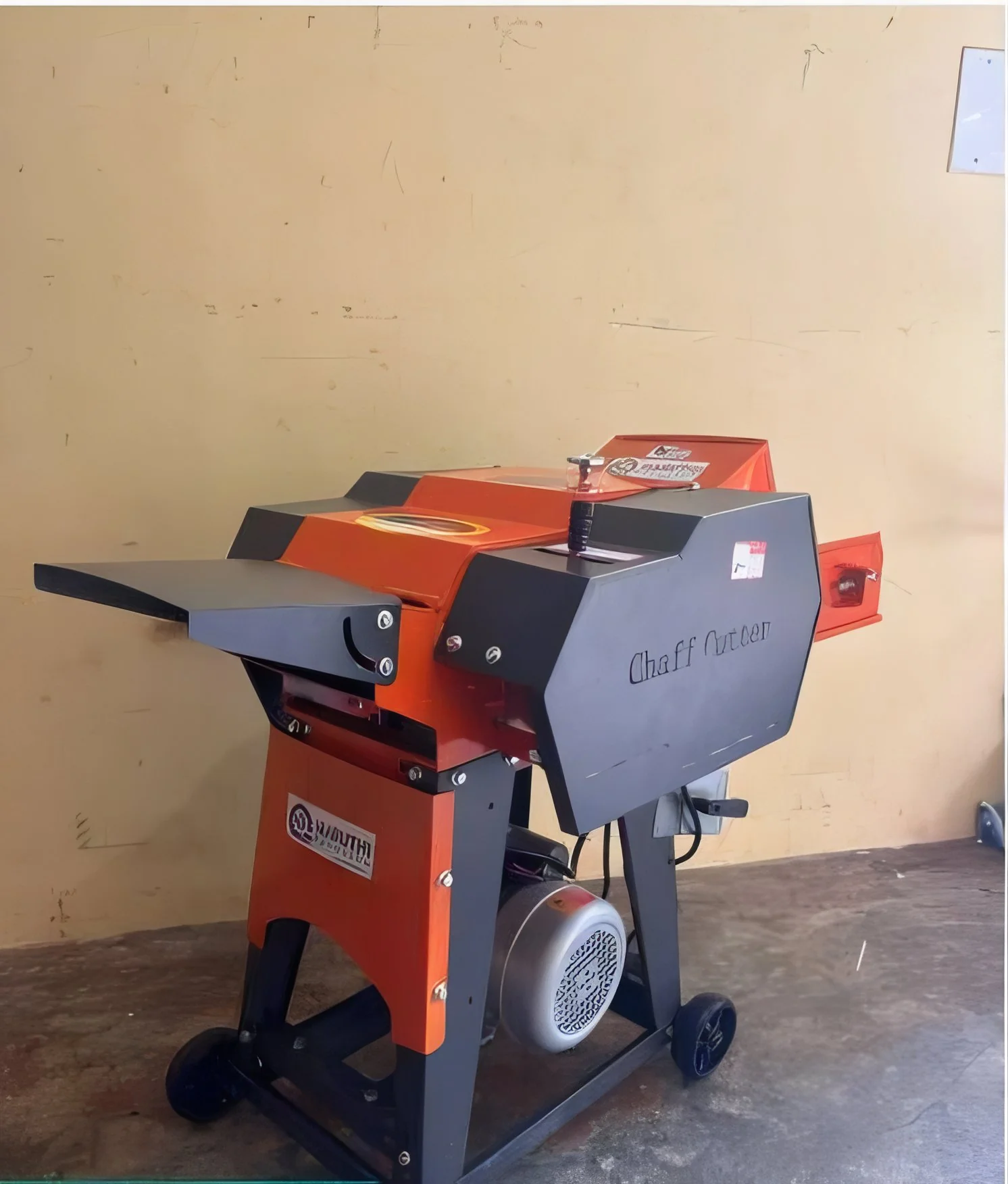
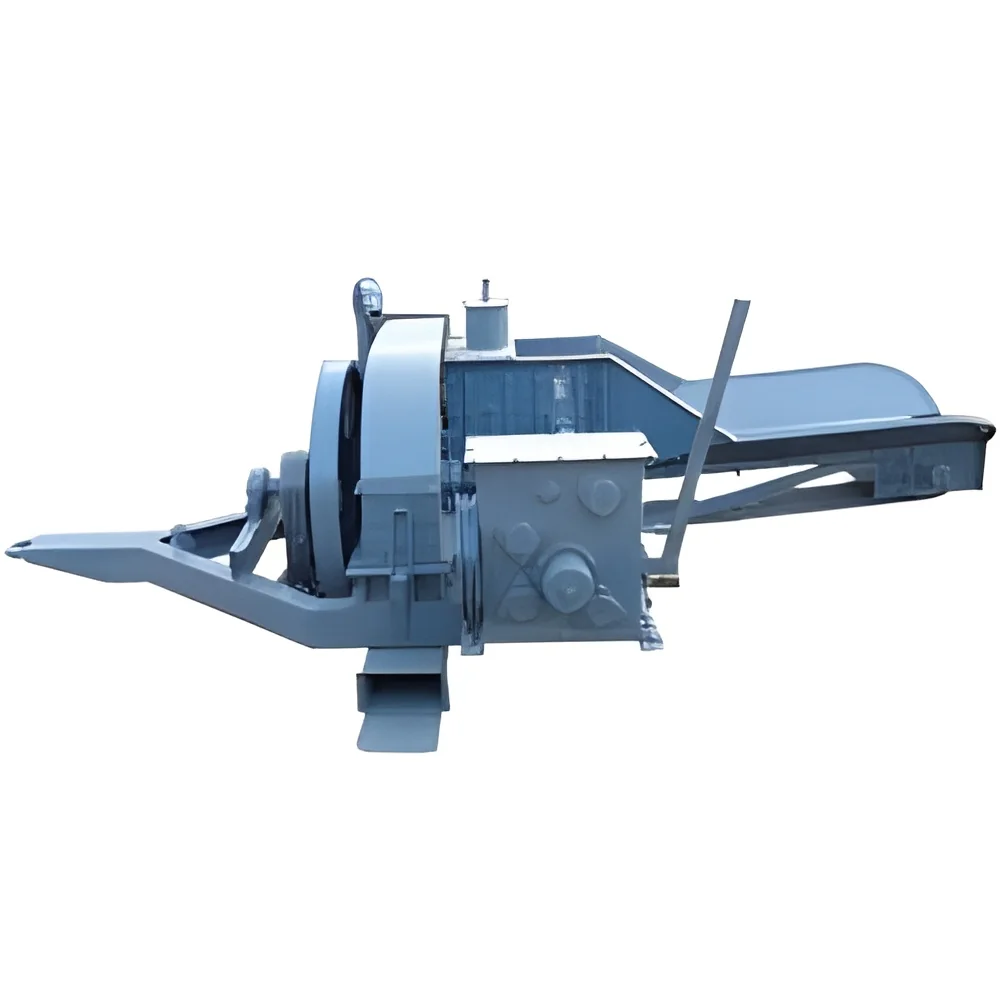
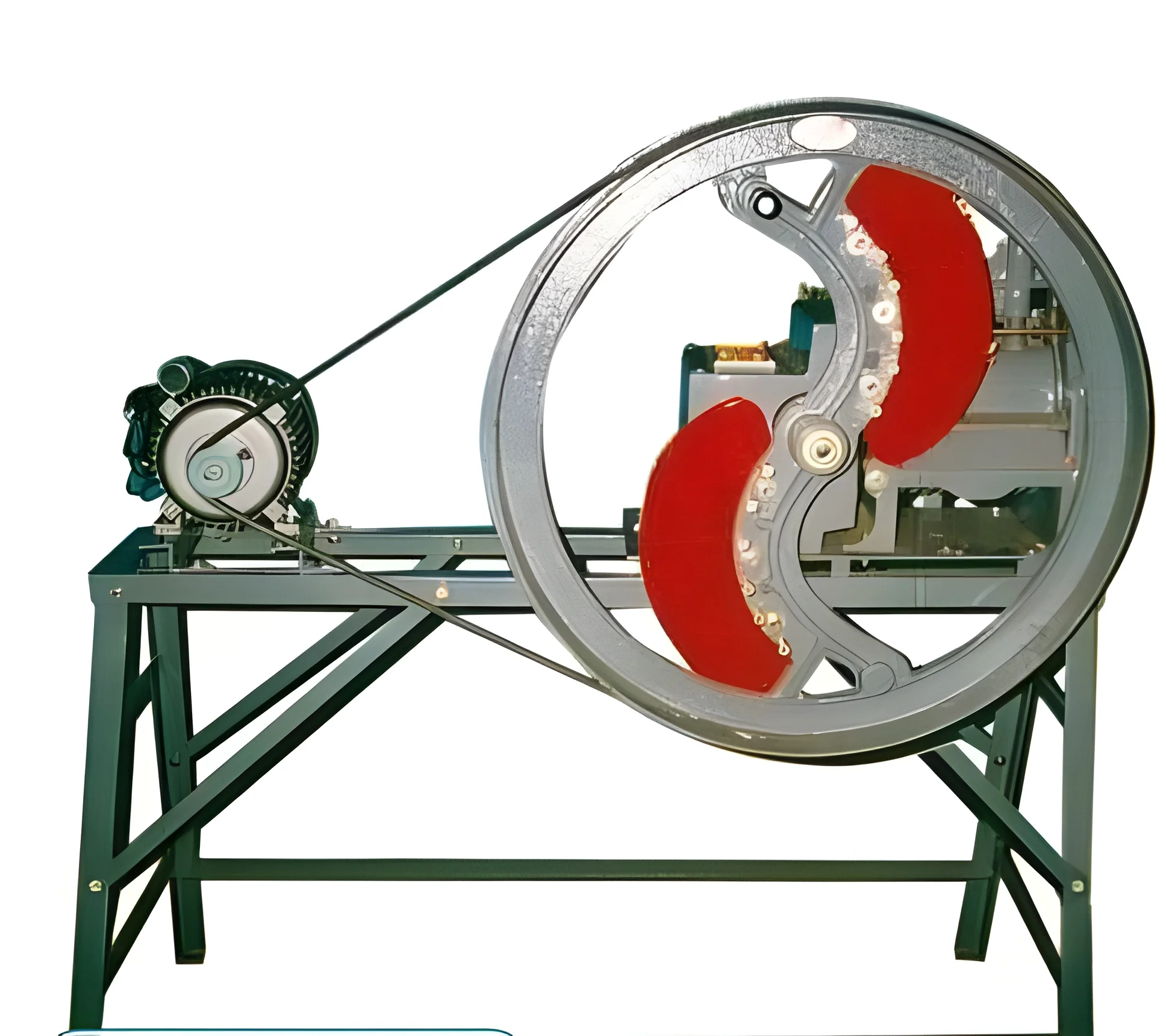
Chaff cutters are agricultural machines designed to cut straw, hay, and other forms of plant material into smaller pieces. This process is essential for animal feed preparation, as it makes the feed more digestible for livestock. Chaff cutters are commonly used in farms and agricultural operations where large quantities of fodder need to be processed efficiently.
The primary use of chaff cutters is in livestock farming, where they help in creating uniform feed that is easier for animals to consume. Additionally, these machines can be utilized in various agricultural settings for mulching or preparing biomass for energy production. Their efficiency and effectiveness in reducing feed waste make them an invaluable tool in modern agriculture.
In the current market, the importance of chaff cutters continues to grow, driven by the increasing demand for efficient animal husbandry practices and sustainable farming methods. As farmers seek to maximize productivity and minimize costs, chaff cutters play a vital role in meeting these objectives. The advancements in technology have also led to a variety of models catering to different farming needs, further emphasizing their relevance in the agricultural sector.
Key Features and Specifications
Chaff cutters come equipped with a range of features that enhance their usability and efficiency. Understanding these specifications is crucial for businesses looking to invest in this equipment.
Key specifications include:
1. Cutting Capacity
- Indicates the volume of material the cutter can process in a given time frame.
- Ranges from 500 kg to over 2000 kg per hour depending on the model.
2. Motor Power
- Refers to the strength of the motor driving the cutter.
- Typically ranges from 1.5 kW to 7.5 kW, affecting performance and efficiency.
3. Blade Type
- Different designs of blades optimize cutting performance.
- Options may include straight, serrated, or rotating blades.
4. Feed Opening Size
- Determines the size of material that can be fed into the cutter.
- Common sizes range from 100 mm to 300 mm in diameter.
5. Dimensions
- Overall size of the machine affecting storage and maneuverability.
- Varies among models, influencing space requirements.
6. Weight
- Heaviness of the machine can affect transportation and stability.
- Models typically weigh between 100 kg to 300 kg.
7. Safety Features
- Includes guards and emergency stop mechanisms for operator protection.
- Essential for compliance with industry safety standards.
8. Power Source
- Chaff cutters may operate on electric, diesel, or manual power.
- Choice depends on availability of power sources and operational scale.
These specifications highlight the diversity in chaff cutter features, allowing businesses to select a model that aligns with their specific operational needs.
Common Applications and Use Cases
Chaff cutters are versatile machines used across various industries. Their ability to process plant material makes them essential in several applications.
1. Agriculture: Farmers use chaff cutters primarily for preparing animal feed by cutting hay and straw into manageable sizes. This ensures optimal digestion and reduces feed waste.
2. Dairy Farms: In dairy operations, chaff cutters enable the preparation of nutritious feed for cows, promoting better milk production and overall health.
3. Poultry Farming: Chaff cutters assist in creating optimal feed mixtures for poultry, ensuring that birds receive balanced nutrition essential for growth.
4. Biomass Production: These machines can also be used in biomass energy production, where plant material is processed for use as a renewable energy source.
5. Organic Farming: Chaff cutters contribute to organic farming practices by allowing for efficient recycling of plant waste back into the soil.
6. Agro-forestry: In agro-forestry systems, chaff cutters help manage and process plant materials from multiple sources, supporting sustainable land use.
7. Livestock Breeding: Breeders utilize chaff cutters to prepare specialized feed for different animal breeds, ensuring tailored nutritional support.
Product Variants and Subcategories
Chaff cutters come in various models to cater to different operational needs. This diversity allows buyers to select machines that best suit their applications.
Manual Chaff Cutters
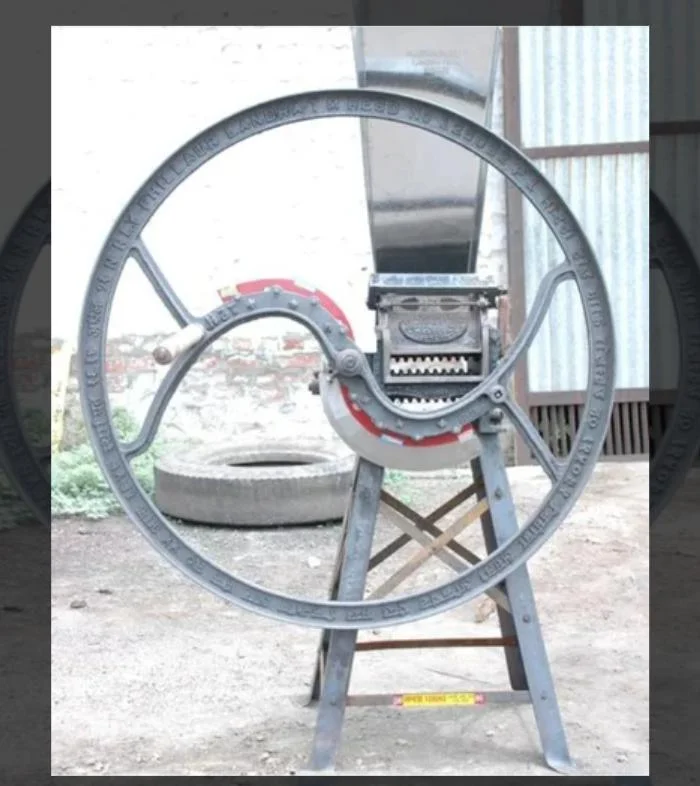
These are operated by hand and are ideal for small-scale farms or individual use. They are compact, easy to transport, and require no power source, making them suitable for remote locations.
Electric Chaff Cutters
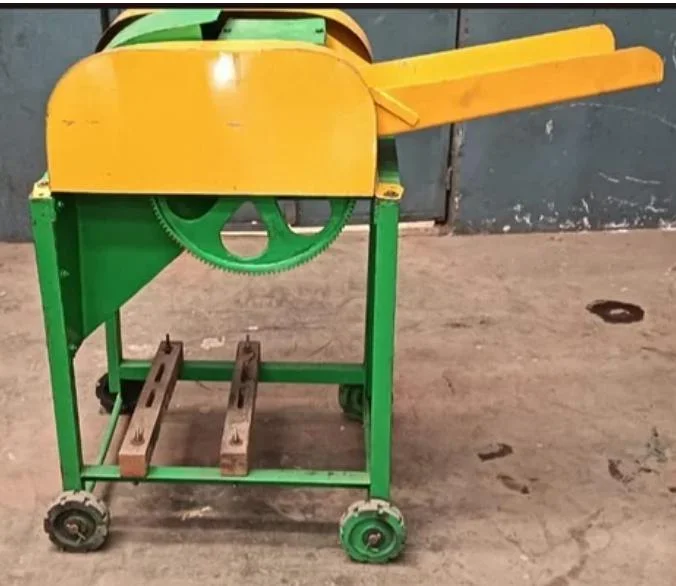
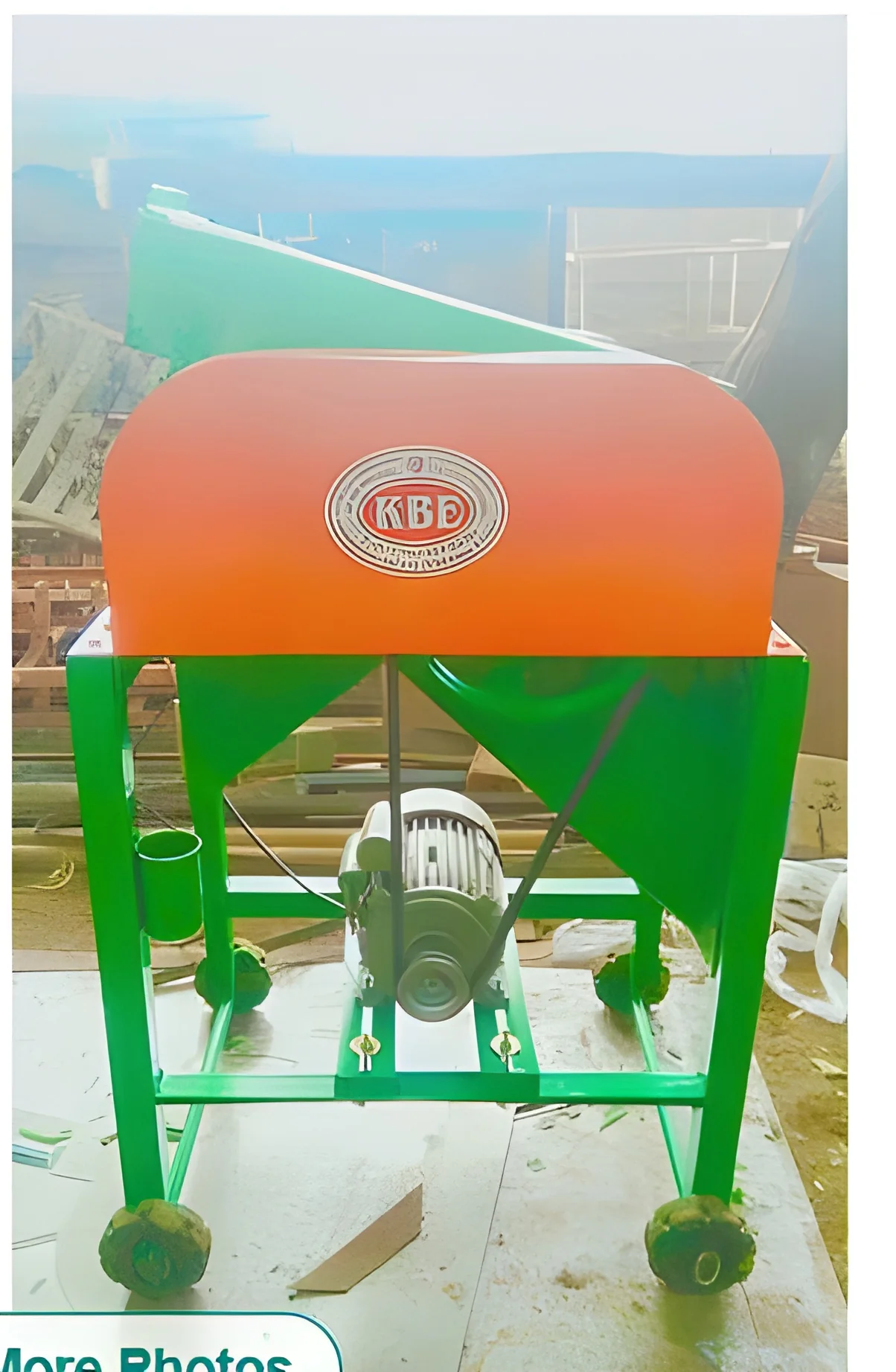
These machines operate on electricity and are designed for medium to large-scale operations. They offer higher cutting capacities and efficiency compared to manual models, making them popular among larger farms.
Diesel Chaff Cutters
Powered by diesel engines, these cutters are suitable for locations where electricity is unreliable. They are robust and capable of handling tougher materials, making them ideal for extensive agricultural operations.
Portable Chaff Cutters
Designed for mobility, these models can be easily transported between locations. They are useful for farmers who need to process fodder at various sites.
Benefits and Advantages
Investing in chaff cutters offers several advantages that enhance agricultural efficiency.
1. Increased Feed Efficiency: Chaff cutters produce uniformly sized feed, making it easier for livestock to digest and absorb nutrients.
2. Reduced Waste: By processing excess plant material, these machines minimize feed waste, leading to cost savings for farmers.
3. Versatility: Chaff cutters can handle various types of plant materials, enabling their use in multiple agricultural settings.
4. Labor Savings: Automating the cutting process reduces the need for manual labor, allowing farmers to allocate resources more effectively.
5. Improved Health of Livestock: Better-prepared feed contributes to healthier animals, which can lead to increased productivity.
6. Environmental Benefits: By recycling plant waste, chaff cutters support sustainable farming practices and contribute to soil health.
Buying Guide for B2B Buyers
When sourcing chaff cutters, it is essential for businesses to consider several factors to ensure a suitable purchase.
1. Quality Assessment: Evaluate the materials and construction of the chaff cutter. Look for durable components and reliable performance as indicators of quality.
2. Supplier Verification: Research potential suppliers to ensure they have a track record of providing high-quality equipment and excellent customer service.
3. Pricing and MOQ: Consider the price range for chaff cutters and be aware of minimum order quantities. This helps in budgeting and planning for future needs.
4. Delivery and Lead Times: Inquire about the delivery timelines and logistics involved. Timely delivery is crucial for maintaining operational efficiency.
5. Compliance Requirements: Understand any regulatory standards applicable to chaff cutters in your region. Compliance with safety and quality regulations is essential for operational success.
Compliance and Certifications
Chaff cutters are subject to various quality standards and certifications that ensure their reliability and safety. Key standards include ISO 9001, which focuses on quality management systems, ensuring manufacturers meet consistent quality criteria.
Additionally, many chaff cutters adhere to the CE certification, indicating compliance with European safety standards. This certification is crucial for products sold in European markets, ensuring they meet rigorous safety and health requirements.
Safety and testing requirements are also vital. Manufacturers often conduct tests to ensure their machines operate safely under various conditions. Regional compliance considerations should not be overlooked, as different regions may have specific regulations governing agricultural machinery.
Why Source Chaff Cutters from Pepagora?
Pepagora serves as a trusted platform for sourcing chaff cutters, offering numerous advantages to businesses.
Verified Supplier Network: Pepagora connects buyers with a network of verified suppliers, ensuring that you can source high-quality chaff cutters from reputable manufacturers.
Streamlined RFQ Process: The platform simplifies the request for quotation process, allowing buyers to easily compare prices and features from multiple suppliers, saving time and effort.
Trade Assurance and Support: Buyers benefit from trade assurance, which protects purchases and ensures that suppliers meet their commitments. This support enhances buyer confidence in their transactions.
Regional Coverage: With a strong presence in India, the GCC, and Southeast Asia, Pepagora provides access to a wide range of chaff cutters tailored to meet diverse agricultural needs across various regions.

 IN
IN