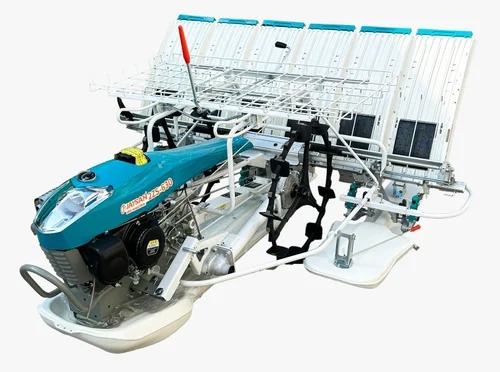
What are Transplanters (Rice, Vegetable)?
Transplanters for rice and vegetables are specialized agricultural machines designed to automate the seedling transplantation process. They are engineered to transplant seedlings in a precise and efficient manner, significantly reducing the labor and time required compared to manual transplanting. These machines can vary in design and functionality, accommodating different planting methods and crop types.
The primary use of transplanters is in large-scale agricultural operations where efficiency and productivity are critical. They are commonly employed in rice paddies and vegetable farms, allowing for uniform planting and optimal spacing. This automation not only enhances productivity but also improves crop yield by ensuring that seedlings are planted at the right depth and spacing. The relevance of transplanters in the agricultural industry has increased with the growing demand for food production, making them an essential tool for modern farming practices.
๐๐ฒ๐ ๐๐ฒ๐ฎ๐๐๐ฟ๐ฒ๐ ๐ฎ๐ป๐ฑ ๐ฆ๐ฝ๐ฒ๐ฐ๐ถ๐ณ๐ถ๐ฐ๐ฎ๐๐ถ๐ผ๐ป๐
Transplanters for rice and vegetables come equipped with a range of features that enhance their performance and usability. These features are designed to address the specific needs of farmers and improve overall crop management.
Key specifications include:
1. Planting Depth Adjustment
- Allows for customization based on crop requirements
- Typically ranges from 2 to 5 centimeters
2. Seedling Capacity
- Refers to the number of seedlings the machine can handle at one time
- Commonly ranges from 1,200 to 3,000 seedlings per hour
3. Row Spacing Adjustment
- Provides flexibility in planting configurations
- Adjustable from 20 to 40 centimeters
4. Power Source
- Can be powered by diesel engines or electric motors
- Options available for both types
5. Weight
- Affects mobility and ease of use
- Generally between 300 to 800 kilograms
6. Operational Width
- Determines the coverage area during planting
- Typically ranges from 1 meter to 2 meters
7. Terrain Adaptability
- Ability to operate on varying soil types and conditions
- Suitable for both wet and dry conditions
8. Maintenance Requirements
- Should be easy to service and maintain
- User-friendly design for quick repairs
These specifications highlight the importance of selecting the right transplanter based on specific farming needs and conditions.
๐๐ผ๐บ๐บ๐ผ๐ป ๐๐ฝ๐ฝ๐น๐ถ๐ฐ๐ฎ๐๐ถ๐ผ๐ป๐ ๐ฎ๐ป๐ฑ ๐จ๐๐ฒ ๐๐ฎ๐๐ฒ๐
Transplanters are utilized across various agricultural sectors, enhancing productivity and efficiency.
1. Rice Farming: In rice cultivation, transplanters ensure uniform planting in flooded fields, which is crucial for crop growth and yield.
2. Vegetable Production: For vegetables like tomatoes and peppers, transplanters help in maintaining optimal spacing for healthy growth and easier harvesting.
3. Greenhouse Operations: Transplanters are also used in greenhouse settings, where precision planting of seedlings is required for controlled environments.
4. Organic Farming: They support organic farmers by reducing soil disturbance, which is vital for maintaining soil health.
5. Large-Scale Commercial Farming: Transplanters are essential for large operations where labor costs are high and efficiency is key.
6. Nursery Operations: In nurseries, these machines aid in the efficient planting of young seedlings, facilitating quicker growth cycles.
7. Smallholder Farming: Even small farms can benefit from transplanters, as they reduce physical labor and improve planting accuracy.
๐ฃ๐ฟ๐ผ๐ฑ๐๐ฐ๐ ๐ฉ๐ฎ๐ฟ๐ถ๐ฎ๐ป๐๐ ๐ฎ๐ป๐ฑ ๐ฆ๐๐ฏ๐ฐ๐ฎ๐๐ฒ๐ด๐ผ๐ฟ๐ถ๐ฒ๐
Transplanters come in various models tailored for specific applications and user needs.
Manual Transplanters: These are smaller machines operated by hand. They are ideal for small farms or specific crop types, offering flexibility and low cost.
Mechanical Transplanters: Designed for larger operations, these machines automate the planting process significantly, increasing productivity and efficiency.
Rice Transplanters: These models are specifically designed for rice paddies, featuring adaptations for wet conditions and precise planting in flooded fields.
Vegetable Transplanters: Tailored for various vegetable crops, these machines focus on maintaining proper spacing and depth for optimal growth.
๐๐ฒ๐ป๐ฒ๐ณ๐ถ๐๐ ๐ฎ๐ป๐ฑ ๐๐ฑ๐๐ฎ๐ป๐๐ฎ๐ด๐ฒ๐
Investing in transplanters provides multiple advantages for agricultural businesses.
1. Increased Efficiency: Transplanters significantly reduce planting time compared to manual methods, enhancing overall farm productivity.
2. Labor Reduction: By automating the transplanting process, farms can minimize labor costs and focus resources on other critical areas.
3. Improved Crop Yield: Precision planting leads to better crop health and higher yields, maximizing the return on investment.
4. Consistent Planting: Machines ensure uniform planting depth and spacing, which is vital for crop management and harvesting.
5. Reduced Soil Disturbance: Transplanters minimize soil disruption, helping to maintain soil health and structure.
6. Versatility: Many models can be adjusted to suit different crops, making them usable across various agricultural sectors.
๐๐๐๐ถ๐ป๐ด ๐๐๐ถ๐ฑ๐ฒ ๐ณ๐ผ๐ฟ ๐๐ฎ๐ ๐๐๐๐ฒ๐ฟ๐
When sourcing transplanters for rice and vegetables, several factors should be considered to ensure a successful purchase.
1. Quality Assessment: Evaluate the materials and construction quality of the transplanter. Look for features that enhance durability and performance.
2. Supplier Verification: Verify the credibility of suppliers through reviews and certifications. A trusted supplier can provide reliable support and service.
3. Pricing and MOQ: Understand the pricing structure and minimum order quantities. This will help in budgeting and planning purchases effectively.
4. Delivery and Lead Times: Discuss logistics and expected lead times to ensure timely delivery, which is crucial for planting schedules.
5. Compliance Requirements: Ensure that the transplanters meet relevant agricultural and safety regulations in your region to avoid legal issues.
๐๐ผ๐บ๐ฝ๐น๐ถ๐ฎ๐ป๐ฐ๐ฒ ๐ฎ๐ป๐ฑ ๐๐ฒ๐ฟ๐๐ถ๐ณ๐ถ๐ฐ๐ฎ๐๐ถ๐ผ๐ป๐
Transplanters must adhere to various quality standards and certifications to ensure safety and performance.
ISO 9001: This standard focuses on quality management systems and is relevant for manufacturers of agricultural equipment.
CE Certification: This certification indicates conformity with health, safety, and environmental protection standards for products sold within the European Economic Area.
Safety and Testing Requirements: Transplanters should undergo rigorous testing to meet safety standards, ensuring they are safe for operators and the environment.
Regional Compliance Considerations: Different regions may have specific agricultural regulations. It is essential to verify that the equipment complies with local laws.
Why Source Transplanters (Rice, Vegetable) from Pepagora?
Pepagora offers a reliable platform for sourcing transplanters for rice and vegetables, providing several key advantages for B2B buyers.
Verified Supplier Network: Pepagora has a robust network of verified suppliers, ensuring that buyers can find reputable manufacturers with quality products.
Streamlined RFQ Process: The platform facilitates a user-friendly request for quotation (RFQ) process, making it easy for buyers to compare options and make informed decisions.
Trade Assurance and Support: Pepagora provides buyer protection measures, helping to safeguard transactions and ensuring a smooth purchasing experience.
Regional Coverage: With a strong presence in India, the GCC, and Southeast Asia, Pepagora connects buyers with suppliers across diverse agricultural markets, enhancing sourcing opportunities.