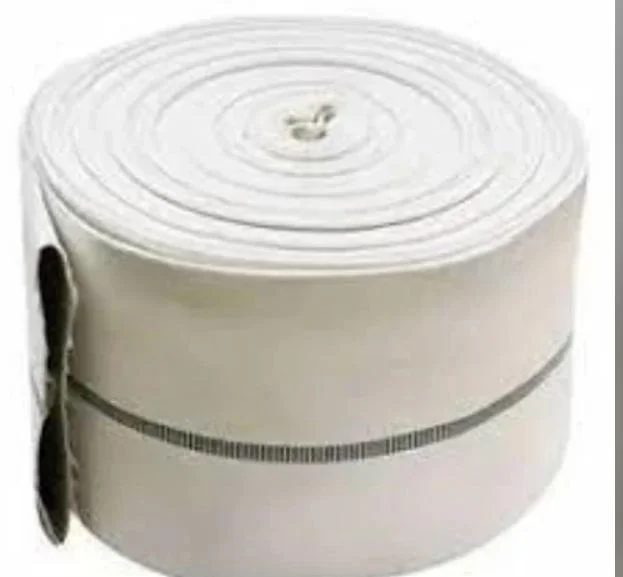
What are Drip Irrigation Systems?
Drip irrigation systems are advanced agricultural methods designed to deliver water directly to the roots of plants in a controlled manner. This technique uses a network of pipes, tubing, and emitters to provide a slow and steady supply of water, minimizing waste and ensuring optimal moisture levels in the soil. The systems can be automated and tailored to meet the specific needs of various crops, making them an efficient option for modern farming.
These systems are commonly utilized in agriculture, horticulture, and landscape management. They are particularly beneficial in regions with limited water resources, as they reduce evaporation and runoff. Businesses in sectors like greenhouse production, nurseries, and orchards often implement drip irrigation systems to enhance crop yield and conserve water. As the demand for sustainable farming practices grows, drip irrigation continues to gain relevance across various industries.
The market for drip irrigation systems is expanding, driven by the need for efficient water management in agriculture due to climate change and increasing food production requirements. These systems are becoming essential tools for farmers and businesses looking to optimize resource usage and improve sustainability.
Key Features and Specifications
Drip irrigation systems incorporate various features that enhance their effectiveness and adaptability. Understanding these specifications is crucial for businesses considering implementation.
Key specifications include:
1. Emitter Type
- Includes in-line, online, and pressure-compensating emitters
- Varies based on water flow rates and application requirements
2. Pipe Material
- Typically made from polyethylene or PVC
- Durability and resistance to UV radiation and chemicals are key factors
3. Flow Rate
- Common rates range from 0.5 to 8 gallons per hour
- Selection depends on crop type and soil conditions
4. System Pressure
- Operating pressure generally ranges from 10 to 30 psi
- Essential for proper emitter function and water distribution
5. Filtration System
- Important to prevent clogging of emitters
- Options include screen and disc filters based on water quality
6. Automation Capabilities
- Can include timers and moisture sensors
- Enhances efficiency and reduces labor costs
7. Installation Flexibility
- Systems can be customized for various terrains and crop layouts
- Easy to install and adjust as needed
8. Maintenance Requirements
- Regular checks for clogs and system integrity are necessary
- Minimal maintenance compared to traditional irrigation methods
In summary, the specifications of drip irrigation systems play a significant role in their performance. Businesses must evaluate these features to select the right system for their specific agricultural needs.
Common Applications and Use Cases
Drip irrigation systems serve a variety of industries, making them versatile tools in water management.
1. Agriculture: Used extensively in row crops, orchards, and vineyards to maximize water efficiency and crop yield.
2. Horticulture: Ideal for nurseries and greenhouses, helping to maintain consistent moisture levels for delicate plants.
3. Landscaping: Employed in residential and commercial landscaping projects to ensure efficient water use and maintain healthy plants.
4. Turf Management: Utilized in sports fields and golf courses to provide precise watering and promote healthy grass growth.
5. Green Roofs: Supports sustainable architecture by providing necessary irrigation for vegetation on rooftops.
6. Hydroponics: Enhances water delivery in soilless farming systems, boosting plant growth and resource efficiency.
7. Restoration Projects: Used in ecological restoration to revive native plant species in arid regions.
Product Variants and Subcategories
Drip irrigation systems come in various forms to meet the diverse needs of users.
Standard Drip Systems: These systems deliver water through a network of tubing and emitters, suitable for a wide range of crops. They are designed for ease of installation and flexibility in application.
Subsurface Drip Irrigation: This variant is installed below the soil surface, providing water directly to the root zone. It is particularly beneficial for high-value crops and helps reduce evaporation.
Above-Ground Drip Irrigation: This system is installed above the ground and is often used for temporary installations or in areas where soil conditions are not suitable for subsurface systems.
Portable Drip Systems: Designed for easy movement and setup, these systems are ideal for smaller farms or gardens where flexibility is needed.
Benefits and Advantages
Drip irrigation systems offer numerous benefits to businesses looking to optimize their water usage and improve agricultural practices.
1. Water Efficiency: Significantly reduces water waste by delivering water directly to the root zone, minimizing evaporation and runoff.
2. Increased Crop Yield: Provides consistent moisture levels, leading to healthier plants and higher yields.
3. Labor Savings: Automated systems reduce the need for manual watering, allowing farmers to allocate resources more effectively.
4. Soil Preservation: Helps maintain soil structure and prevents erosion by applying water slowly and evenly.
5. Pest and Disease Control: Reduces leaf wetness, lowering the risk of fungal diseases and pest infestations.
6. Customization: Systems can be tailored to meet specific crop needs and environmental conditions, enhancing overall effectiveness.
Buying Guide for B2B Buyers
When sourcing drip irrigation systems, businesses should consider several key factors to ensure they make informed purchasing decisions.
1. Quality Assessment: Evaluate the materials and construction of the system. Look for durable components that can withstand environmental challenges and provide long-term performance.
2. Supplier Verification: Research potential suppliers to ensure they have a good reputation and experience in the industry. Check for customer reviews and past project success.
3. Pricing and MOQ: Understand the pricing structure and minimum order quantities (MOQ) required by suppliers. This helps in budgeting and ensures you meet supplier requirements.
4. Delivery and Lead Times: Determine the expected delivery times and logistics involved in transporting the systems. Planning for lead times is essential for timely project execution.
5. Compliance Requirements: Ensure the products meet relevant industry standards and certifications, such as CE certification. This is crucial for legal and operational compliance.
Compliance and Certifications
Compliance and certifications play a vital role in ensuring the quality and safety of drip irrigation systems.
Drip irrigation systems should adhere to relevant quality standards, including ISO 9001, which focuses on quality management systems. This ensures that the manufacturing processes meet consistent quality criteria.
Industry certifications, such as CE marking, indicate that the products comply with European safety and environmental standards. This is particularly important for businesses operating in regions with strict regulatory frameworks.
Safety and testing requirements are essential to assess the reliability and performance of the systems. Testing for durability, pressure resistance, and material safety helps mitigate risks associated with product failure.
Regional compliance considerations may vary based on local regulations and standards. Businesses must stay informed about applicable laws to ensure their systems meet all necessary requirements.
Why Source Drip Irrigation Systems from Pepagora?
Pepagora provides a trusted platform for sourcing drip irrigation systems with several key advantages.
Verified Supplier Network: Pepagora connects businesses with a network of verified suppliers, ensuring high-quality products and reliable service. This verification process builds confidence in sourcing decisions.
Streamlined RFQ Process: The platform features a user-friendly Request for Quotation (RFQ) system, allowing buyers to easily compare offerings from multiple suppliers. This efficiency helps businesses find the best fit for their needs.
Trade Assurance and Support: Pepagora offers trade assurance, providing buyers with protection against potential disputes. This support fosters a secure purchasing environment.
Regional Coverage: With a strong presence in India, the GCC, and Southeast Asia, Pepagora enables businesses to access a wide range of suppliers and solutions tailored to their specific regional needs. This extensive coverage enhances the sourcing experience for all users.

 IN
IN