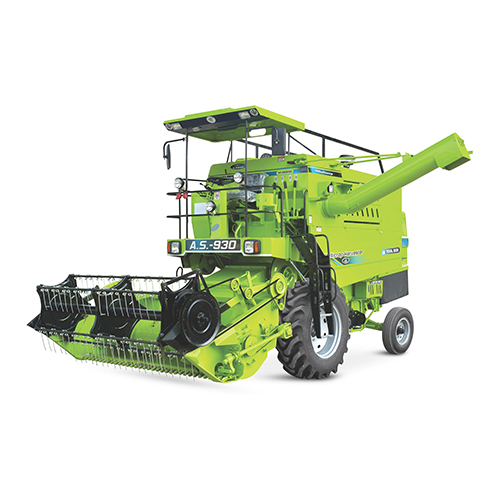
What are Combine Harvesters?
Combine harvesters are versatile agricultural machines designed to efficiently harvest crops. They combine several harvesting processes into one operation, including reaping, threshing, and winnowing. This multi-functionality allows farmers to streamline their operations and reduce labor costs. Typically, combine harvesters are equipped with a cutting head that gathers the crop, which is then processed internally to separate the grain from the chaff.
These machines are primarily used in large-scale farming operations where efficiency and speed are critical. Commonly harvested crops include wheat, corn, rice, and soybeans. The adoption of combine harvesters has transformed agricultural practices, enabling farmers to cover more ground in less time. In today’s competitive market, the ability to harvest crops quickly and effectively is essential for maximizing yield and profitability.
In terms of industry relevance, combine harvesters play a crucial role in modern agriculture. As global food demand increases, the efficiency of harvest operations becomes paramount. The market for combine harvesters continues to grow, driven by advancements in technology and the need for sustainable farming practices. This makes them a key investment for agricultural businesses looking to enhance productivity.
Key Features and Specifications
Combine harvesters come with various features and specifications that cater to the needs of modern agriculture. Understanding these specifications is crucial for buyers to choose the right model for their operations.
Key specifications include:
1. Engine Power
- Power range typically from 100 to 500 horsepower
- Determines the machine's capability to handle different crop types and field conditions
2. Cutting Width
- Available cutting widths range from 10 to 40 feet
- Affects the efficiency of the harvesting process by determining how much crop can be cut in one pass
3. Grain Tank Capacity
- Capacities usually range from 100 to 400 bushels
- Larger tanks minimize downtime by reducing the frequency of unloading
4. Threshing System
- Various systems such as axial or conventional
- Impacts the effectiveness of grain separation from straw and chaff
5. Weight
- Total machine weight can vary from 10,000 to 40,000 pounds
- Heavier models provide better stability but may require more powerful tractors for transport
6. Technology Integration
- Features such as GPS guidance and yield mapping
- Enhances precision farming and data collection for better decision-making
7. Speed
- Harvesting speeds can range from 2 to 5 miles per hour
- Speed is crucial for timely harvesting, especially in large fields
8. Fuel Efficiency
- Fuel consumption rates vary based on engine size and load
- More efficient models reduce operational costs and environmental impact
Understanding these specifications helps buyers select combine harvesters that meet their operational requirements and budget constraints.
Common Applications and Use Cases
Combine harvesters serve various industries beyond just traditional farming.
1. Agriculture: They are predominantly used for harvesting grains and cereals, allowing farmers to harvest large fields quickly and efficiently.
2. Agribusiness: Companies involved in food processing use combine harvesters to ensure a steady supply of raw materials for production.
3. Research and Development: Agricultural research institutions use combine harvesters for trials and studies on crop yields and harvest techniques.
4. Organic Farming: Specialized combine harvesters are designed for organic crops, ensuring minimal soil disturbance and adherence to organic farming standards.
5. Contract Harvesting: Businesses that provide harvesting services to multiple farms utilize combine harvesters to offer timely services and maximize operational efficiency.
6. Export Industries: Combine harvesters help in meeting the demand for high-quality grain exports by ensuring the crops are harvested at optimal times.
7. Precision Agriculture: Modern combine harvesters equipped with technology support data-driven farming practices, enhancing productivity and sustainability.
Product Variants and Subcategories
Combine harvesters come in various configurations to suit different farming needs. While specific subcategories are not available, the diversity in design allows for tailored applications.
Standard Combine Harvester
This is the most commonly used variant, designed for general crop harvesting. It features a versatile cutting head and efficient threshing system, making it suitable for various grain types.
Specialized Combine Harvester
These are equipped with specific attachments tailored for unique crops, such as rice or sugarcane. They often come with adjustable settings to optimize the harvesting process for different plants.
Compact Combine Harvester
Ideal for smaller farms or fields with limited access, compact models offer similar functionalities as larger units but in a more manageable size.
Benefits and Advantages
Investing in combine harvesters offers numerous benefits for agricultural businesses.
Key benefits include:
1. Increased Efficiency: Combine harvesters significantly reduce the time and labor required for harvesting compared to traditional methods.
2. Cost Savings: By streamlining the harvesting process, farmers can lower labor costs and minimize crop loss.
3. Enhanced Crop Quality: Advanced harvesting technology ensures that crops are harvested at the right time, preserving quality and yield.
4. Versatility: Many combine harvesters can be adjusted for different crops, making them a flexible choice for diverse farming operations.
5. Data Collection: With integrated technology, these machines can collect valuable data on crop yields and field conditions, aiding in better decision-making.
6. Improved Safety: Modern combine harvesters are designed with safety features that reduce risks associated with manual harvesting.
Buying Guide for B2B Buyers
When sourcing combine harvesters, several critical factors should be considered to ensure a suitable purchase.
1. Quality Assessment: Buyers should evaluate the build quality and features of the machine. Look for models with durable components and proven reliability to minimize downtime.
2. Supplier Verification: Vet potential suppliers by checking their credentials, customer reviews, and after-sales support. A reliable supplier ensures a smooth purchasing process.
3. Pricing and MOQ: Understand the price range and minimum order quantity (MOQ) requirements. Comparing quotes from different suppliers can help in finding competitive rates.
4. Delivery and Lead Times: Discuss delivery timelines and logistics with suppliers. Ensure that the lead time aligns with the farming schedule to avoid delays in harvest.
5. Compliance Requirements: Be aware of any regulatory compliance and certification requirements for agricultural machinery in your region. This ensures that the equipment meets safety and operational standards.
Compliance and Certifications
Compliance and certifications are crucial aspects of combine harvesters to ensure safety and quality standards.
Many combine harvesters adhere to ISO 9001 standards, which indicate a commitment to quality management systems. This certification ensures that manufacturers follow strict guidelines to produce reliable and efficient machinery.
Additionally, compliance with CE certification is often required for machinery sold in Europe. This certification signifies that the product meets health, safety, and environmental protection standards.
Safety and testing requirements are essential to guarantee that combine harvesters operate effectively without posing risks to users. Regular testing and adherence to safety protocols are necessary for maintaining operational integrity.
Regional compliance considerations may vary based on local laws and regulations. Buyers should familiarize themselves with specific requirements in their area to avoid compliance issues.
Why Source Combine Harvesters from Pepagora?
Pepagora provides a trusted platform for sourcing combine harvesters, offering several key advantages to buyers.
Verified Supplier Network: Pepagora has established a robust network of verified suppliers, ensuring that buyers can access high-quality products from reliable manufacturers. This network is crucial for maintaining trust and accountability in the procurement process.
Streamlined RFQ Process: The platform simplifies the request for quotation (RFQ) process, allowing buyers to compare offers from multiple suppliers quickly. This efficiency helps businesses make informed purchasing decisions.
Trade Assurance and Support: Pepagora offers trade assurance, providing buyers with protection against potential issues in transactions. This support adds an extra layer of security for businesses investing in machinery.
Regional Coverage: With a strong presence in India, the GCC, and Southeast Asia, Pepagora is well-positioned to serve a diverse range of agricultural markets. This regional coverage ensures that buyers can find suitable products tailored to their local needs.

 IN
IN