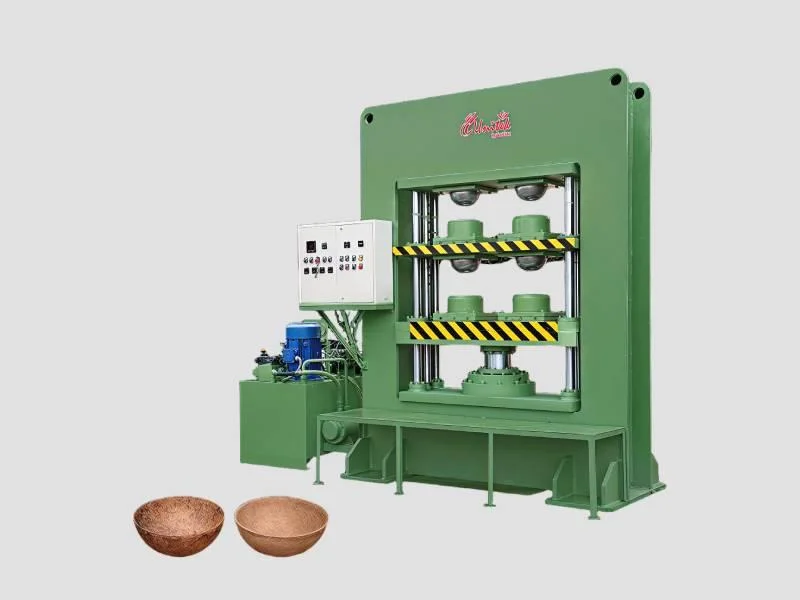
What are Bio-Compost Machines?
Bio-Compost Machines are innovative machines designed to convert organic waste into nutrient-rich compost through a controlled composting process. These machines facilitate aerobic digestion, where microorganisms break down organic matter in the presence of oxygen. They are essential for managing waste by promoting sustainable practices in waste disposal and soil enrichment.
The primary uses of Bio-Compost Machines include processing food waste, agricultural residues, and yard debris. Businesses in the hospitality, agriculture, and landscaping industries can benefit from these machines by reducing waste disposal costs and creating valuable compost for use in soil enhancement. As environmental regulations tighten, companies are increasingly adopting composting solutions to align with sustainability goals and reduce their carbon footprint.
The relevance of Bio-Compost Machines in the industry is underscored by the growing demand for eco-friendly waste management solutions. With increasing awareness about environmental conservation, businesses are investing in technology to manage organic waste efficiently. The market for these machines is expanding, driven by both governmental initiatives and consumer preferences for sustainable practices.
Key Features and Specifications
Bio-Compost Machines come equipped with various features designed to optimize the composting process. Understanding these specifications is crucial for selecting an appropriate model for specific needs.
Key specifications include:
1. Processing Capacity
- This refers to the amount of organic waste the machine can handle within a specific time frame.
- Typical capacities range from 100 kg to over 1,000 kg per batch.
2. Operation Mode
- Bio-Compost Machines can operate in batch or continuous modes.
- Continuous models allow for ongoing compost production, while batch models process waste in discrete cycles.
3. Aeration System
- Effective aeration is critical for the aerobic composting process.
- Machines may feature built-in fans or aeration channels to ensure optimal oxygen flow.
4. Control System
- Advanced models come with integrated monitoring systems to track temperature and humidity levels.
- This ensures the composting process remains efficient and effective.
5. Durability and Build Quality
- Machines are typically made from corrosion-resistant materials to withstand harsh operating conditions.
- A robust construction can enhance the longevity and reliability of the equipment.
6. Energy Consumption
- Energy-efficient designs help reduce operational costs.
- Many machines operate on low power, making them cost-effective for long-term use.
7. Safety Features
- Safety mechanisms such as automatic shut-off and overload protection are essential for secure operation.
- Compliance with safety regulations is vital in industrial settings.
8. Ease of Maintenance
- Machines should be designed for easy access to components for cleaning and maintenance.
- Regular maintenance schedules can prolong the lifespan of the equipment.
In summary, selecting the right Bio-Compost Machine involves considering its features and specifications in relation to the specific needs of the business.
Common Applications and Use Cases
Bio-Compost Machines serve a variety of industries, each utilizing the technology for effective waste management and compost production.
1. Hospitality Industry: Restaurants and hotels use Bio-Compost Machines to process food waste, significantly reducing landfill contributions and creating compost for landscaping.
2. Agriculture: Farms utilize these machines to convert crop residues and animal waste into compost, enriching soil quality and promoting sustainable farming practices.
3. Landscaping: Landscape companies process green waste, such as grass clippings and leaves, into compost, which can be reused for soil improvement in gardens and parks.
4. Municipal Waste Management: Cities deploy Bio-Compost Machines to manage organic waste collected from residential and commercial sources, promoting community composting initiatives.
5. Food Processing: Factories in the food industry can effectively manage by-products and waste, turning them into compost while reducing disposal costs.
6. Educational Institutions: Schools and universities implement composting programs with Bio-Compost Machines to teach sustainability practices and manage campus waste.
7. Retail: Grocery stores and markets can use these machines to handle organic waste, contributing to corporate social responsibility goals.
Product Variants and Subcategories
Bio-Compost Machines come in various configurations to meet different operational needs. The diversity of these machines allows businesses to select models tailored to their specific waste management requirements.
Compact Bio-Compost Machine
This variant is designed for small to medium-sized businesses. It is user-friendly and ideal for locations with limited space. It processes organic waste while producing compost efficiently, making it suitable for restaurants and retail outlets.
Industrial Bio-Compost Machine
Engineered for large-scale operations, this machine handles significant volumes of organic waste. It features advanced monitoring systems and automated processes to ensure optimal composting for agricultural applications.
Mobile Bio-Compost Machine
This variant is portable, allowing for on-site composting in various locations. It is particularly useful for landscaping companies and municipal operations that need flexibility in waste processing.
Benefits and Advantages
Investing in Bio-Compost Machines presents numerous benefits that can enhance operational efficiency and sustainability.
1. Waste Reduction: These machines significantly decrease the volume of organic waste sent to landfills, promoting environmentally responsible practices.
2. Cost Savings: By converting waste into compost, businesses can reduce disposal fees and create a valuable resource for use in their operations.
3. Soil Enrichment: The compost produced is rich in nutrients, improving soil health and fertility, which is beneficial for agricultural and landscaping purposes.
4. Regulatory Compliance: Using Bio-Compost Machines helps businesses meet environmental regulations and sustainability goals, reducing the risk of penalties.
5. Enhanced Brand Image: Companies adopting sustainable waste management practices can improve their reputation and appeal to eco-conscious consumers.
6. Resource Recovery: These machines allow businesses to recover resources from waste, contributing to a circular economy model.
Buying Guide for B2B Buyers
When sourcing Bio-Compost Machines, it is essential for buyers to consider several key factors to ensure they make an informed decision.
1. Quality Assessment: Evaluate the quality of materials and construction. Look for machines that comply with industry standards to ensure durability and efficiency.
2. Supplier Verification: Conduct thorough research on potential suppliers. Check references and reviews to ensure they have a track record of providing reliable products and service.
3. Pricing and MOQ: Understand the pricing structure and minimum order quantities. A balance between cost and quality is crucial for long-term investment.
4. Delivery and Lead Times: Discuss delivery schedules and lead times with suppliers. Timely delivery is essential for maintaining operations.
5. Compliance Requirements: Ensure that the machines meet relevant compliance and safety regulations in your region. This may include certifications such as CE.
Compliance and Certifications
Bio-Compost Machines must adhere to several quality standards and certifications to ensure safety and efficiency in operation. Key standards include ISO 9001, which ensures a quality management system is in place, and HACCP, which focuses on food safety management. These standards are vital for businesses that handle organic waste from food sources.
The CE certification is significant for machines sold in Europe, indicating conformity with health, safety, and environmental protection standards. Compliance with safety and testing requirements is essential to minimize operational risks and ensure user safety.
Additionally, businesses must consider regional compliance requirements, which may vary based on local regulations regarding waste management and environmental impact. Such compliance not only protects the business but also enhances its credibility in the market.
Why Source Bio-Compost Machines from Pepagora?
Pepagora provides a trusted platform for sourcing Bio-Compost Machines, offering several key advantages for B2B buyers seeking reliable solutions.
Verified Supplier Network: Pepagora has a robust verification process for suppliers, ensuring that businesses can connect with reputable manufacturers and distributors. This helps buyers make informed choices based on supplier credibility.
Streamlined RFQ Process: The request for quotation (RFQ) process on Pepagora is designed to be efficient and user-friendly. Buyers can easily submit their requirements and receive competitive quotes from multiple suppliers, facilitating better decision-making.
Trade Assurance and Support: Pepagora offers buyer protection through trade assurance, providing peace of mind during transactions. Their support team is available to assist with any queries or issues that arise during the buying process.
Regional Coverage: With a strong presence in India, the GCC, and Southeast Asia, Pepagora connects buyers with suppliers across these regions, making it easier to source Bio-Compost Machines that meet specific operational needs.

 IN
IN