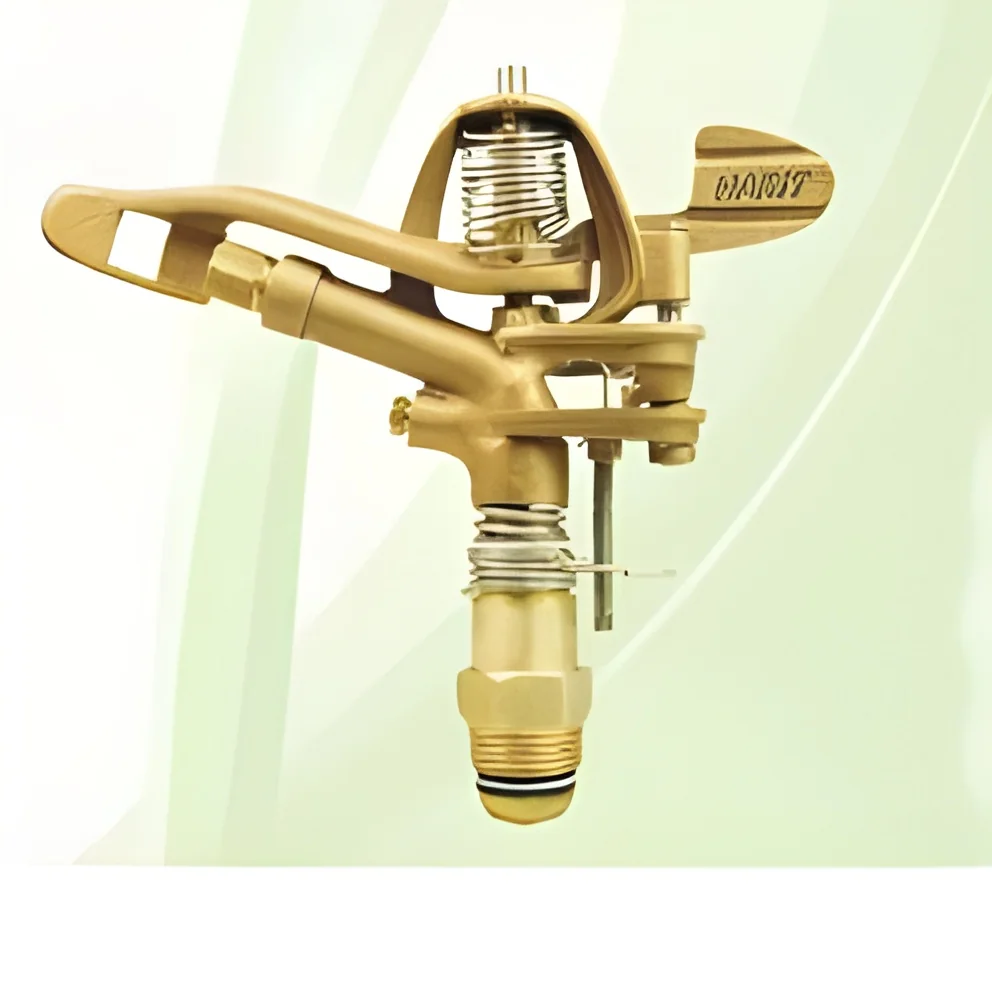
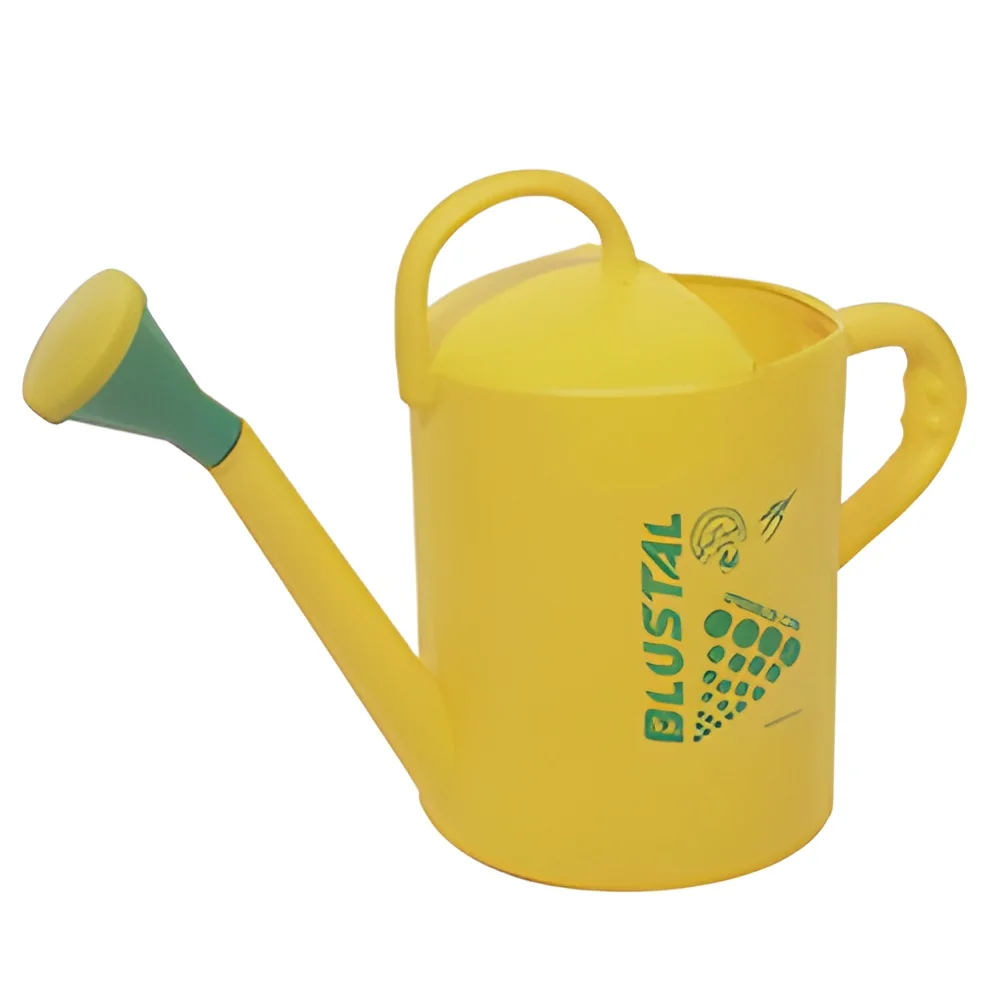
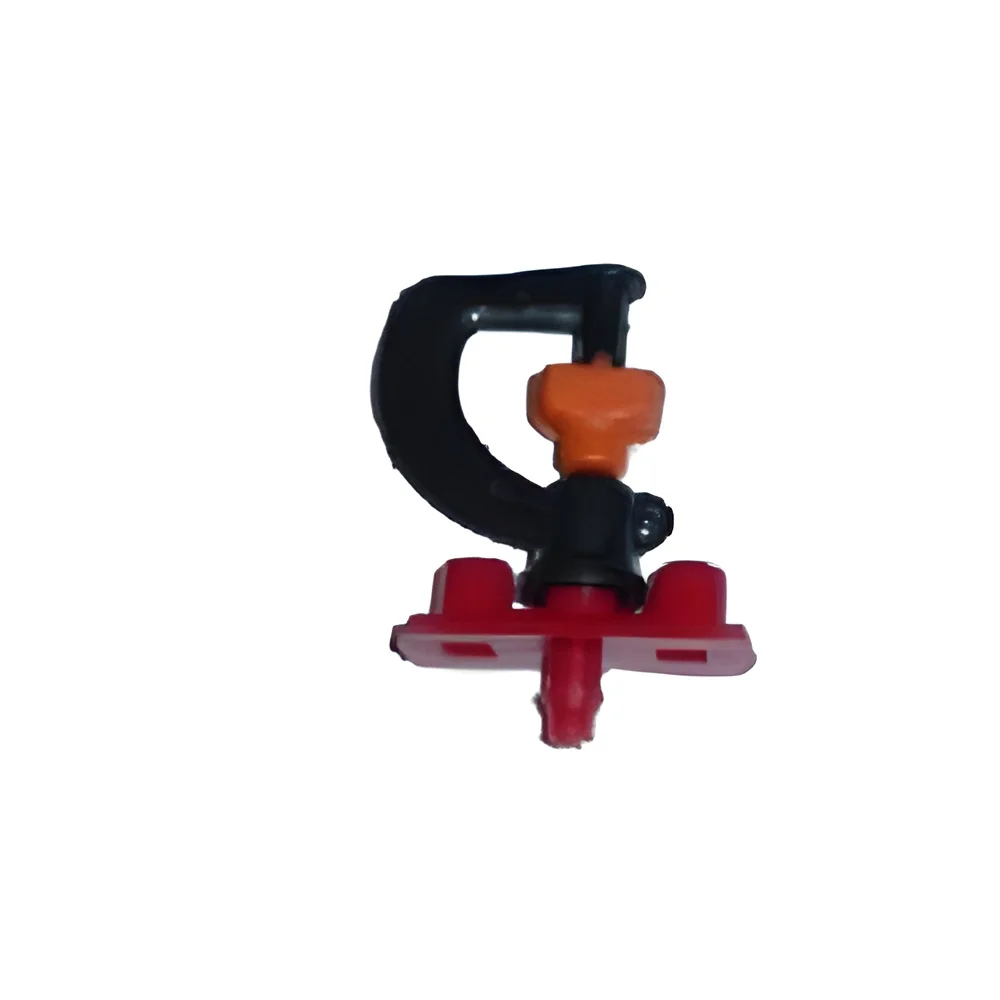
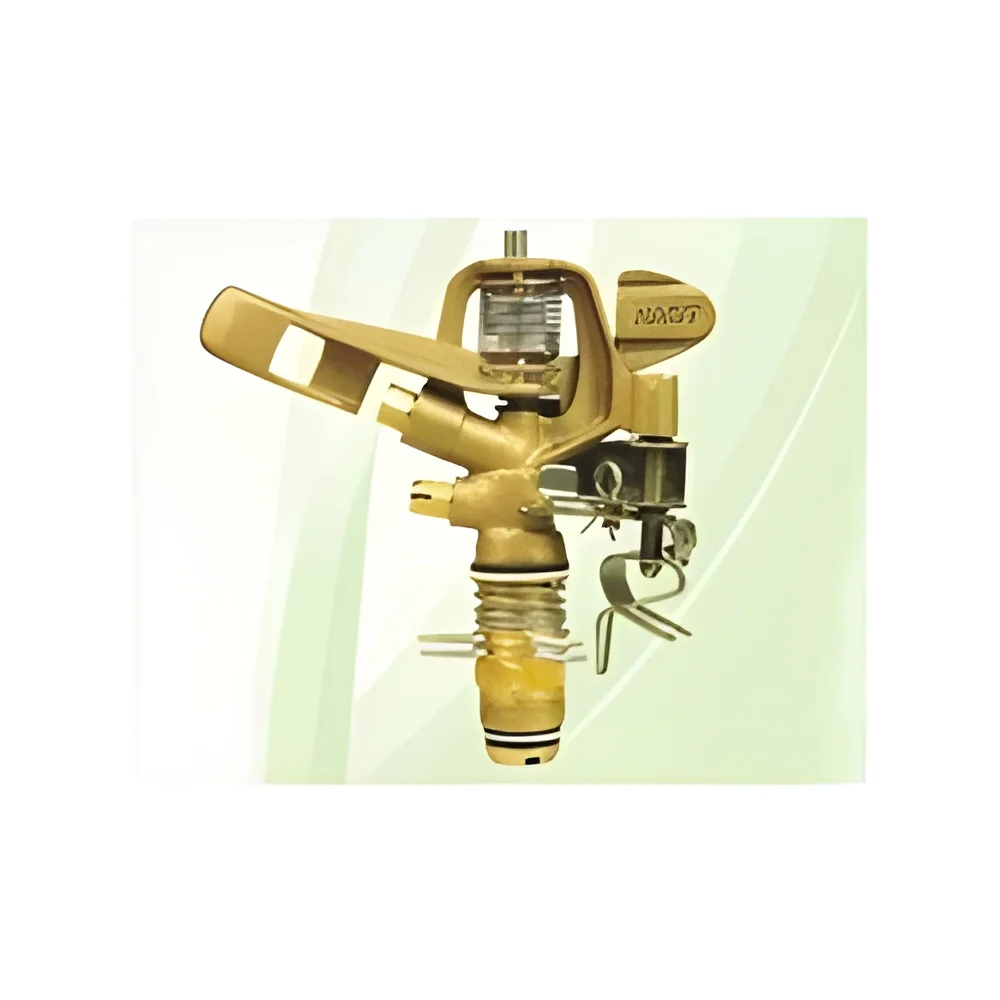
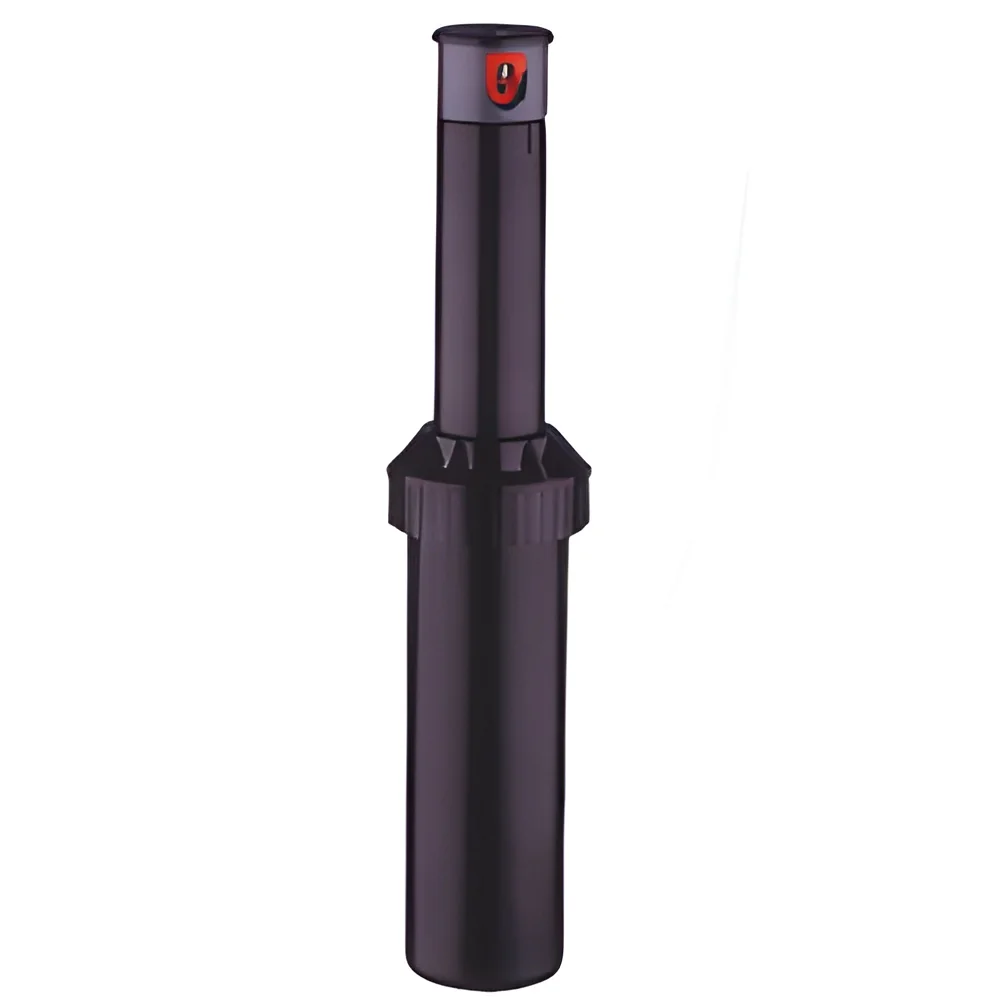
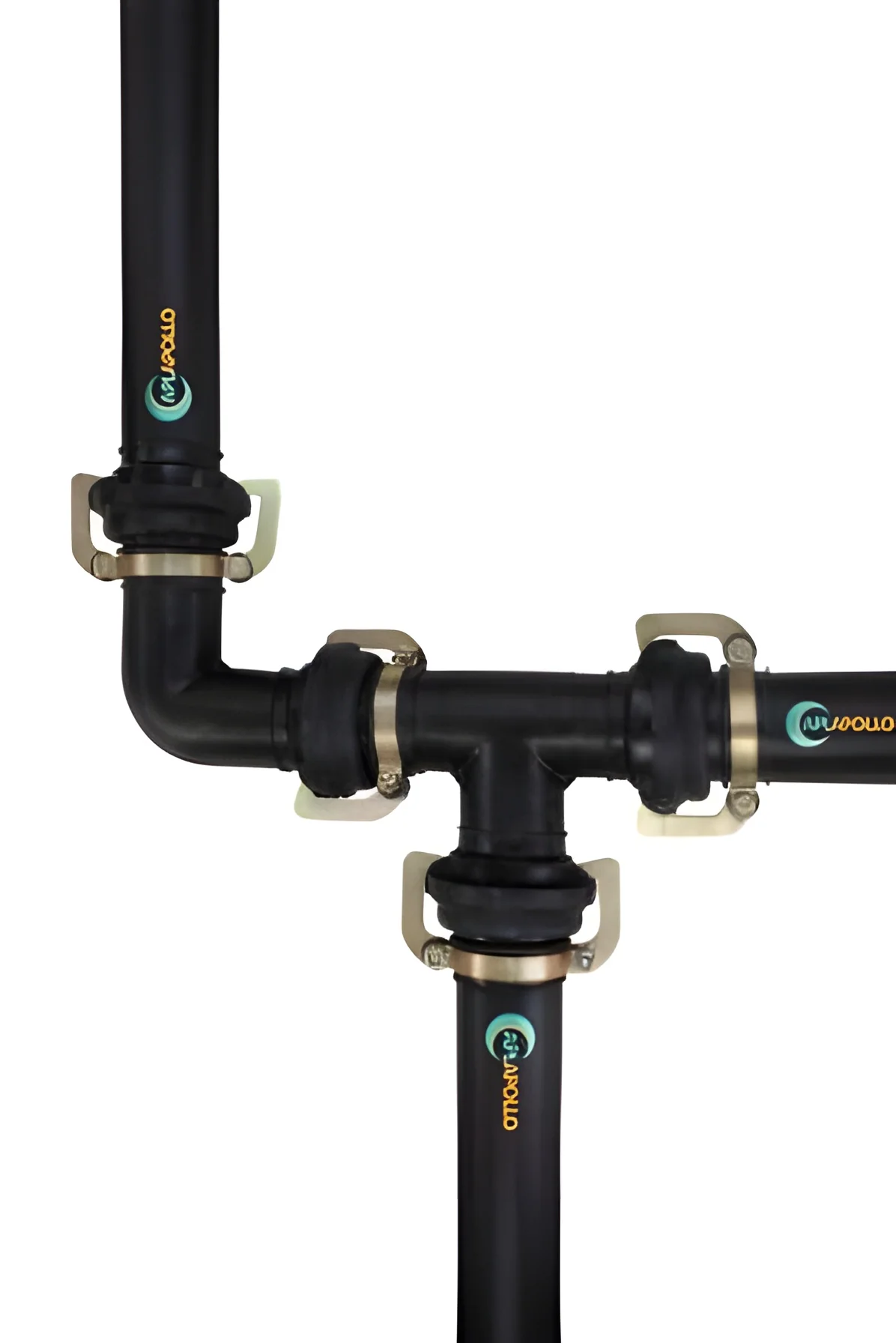
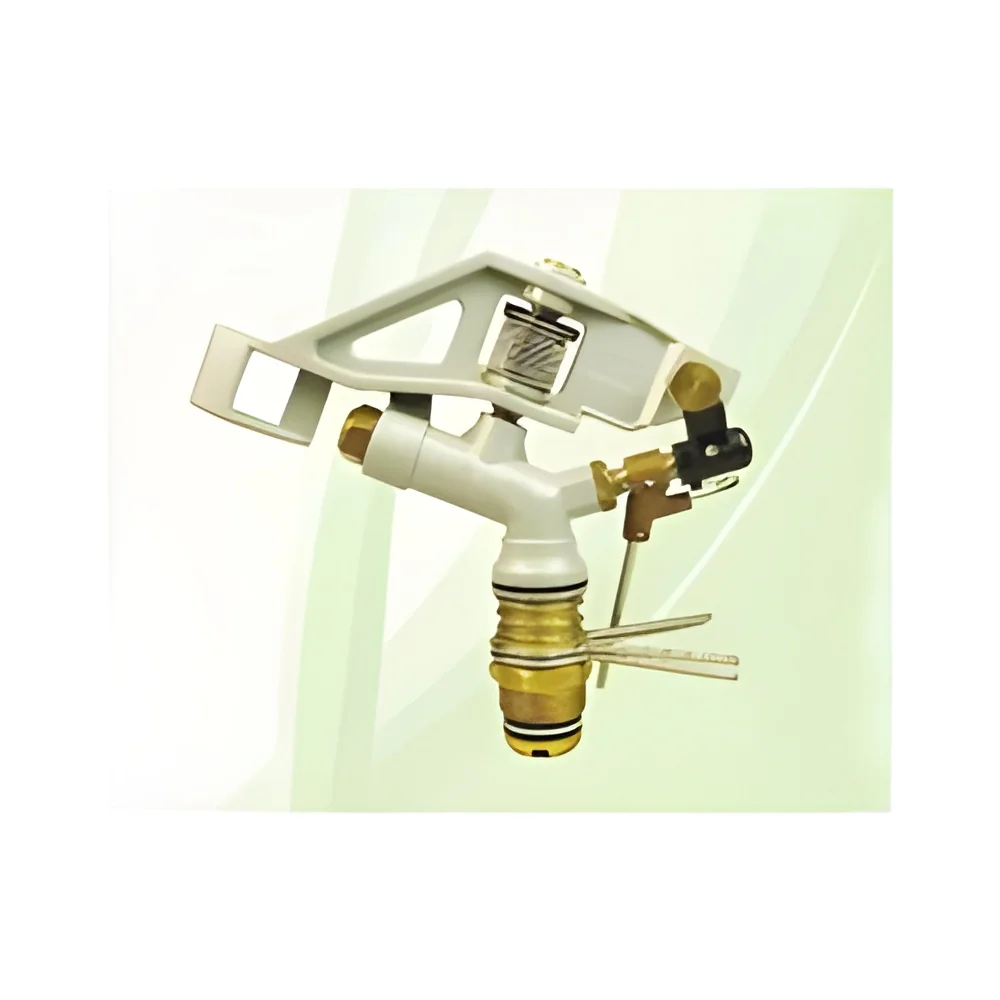
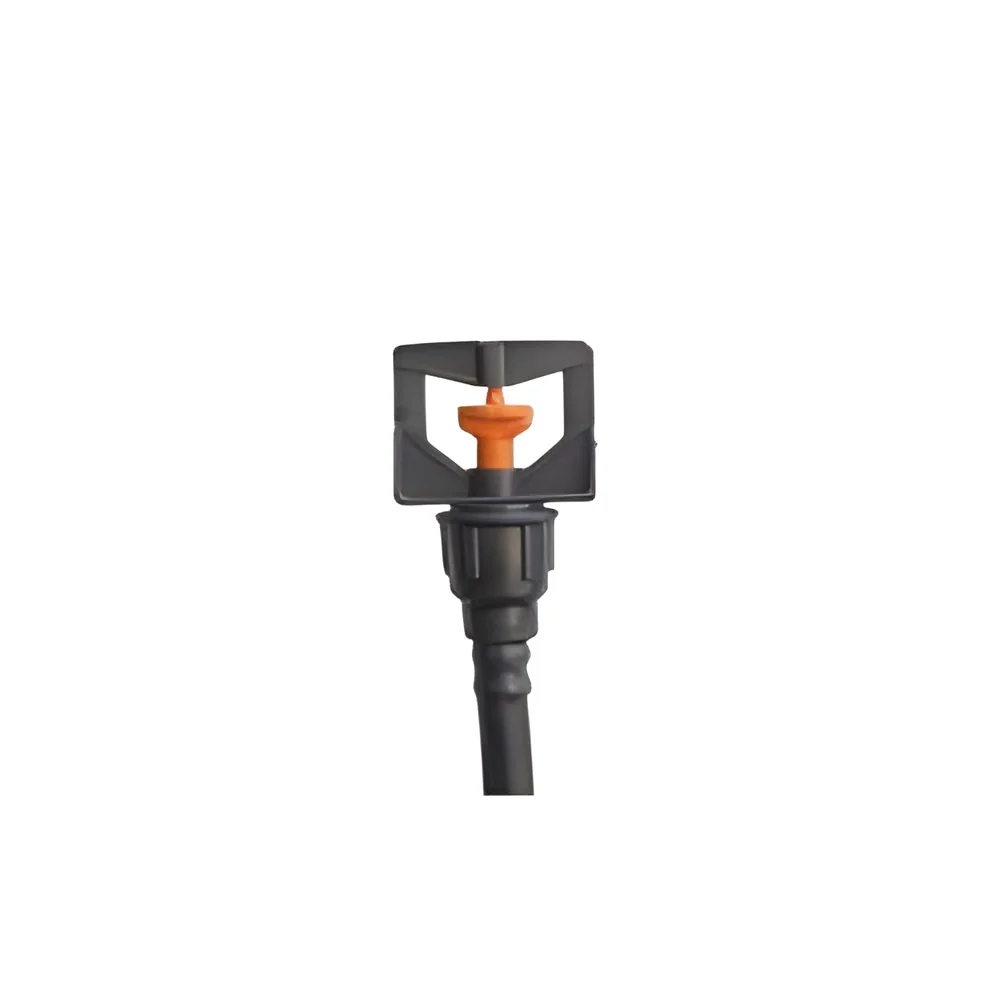
What are Sprinkler Irrigation Systems?
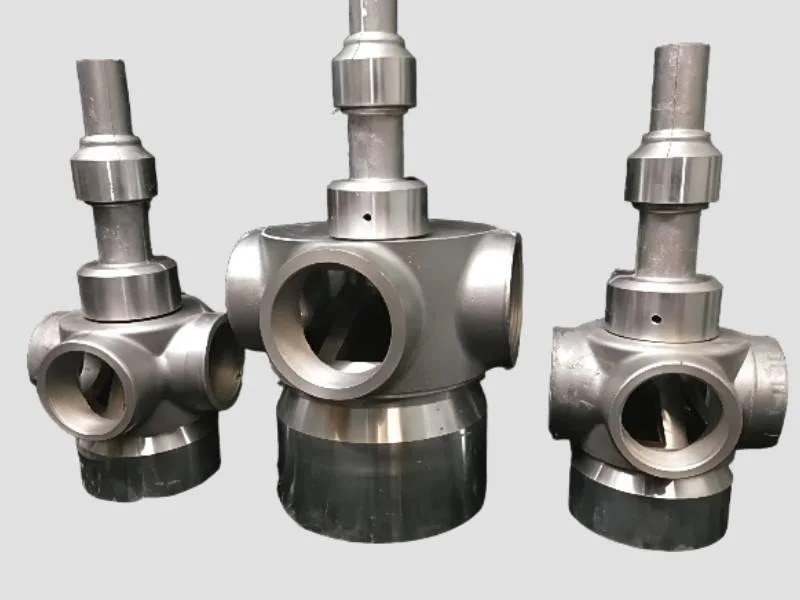
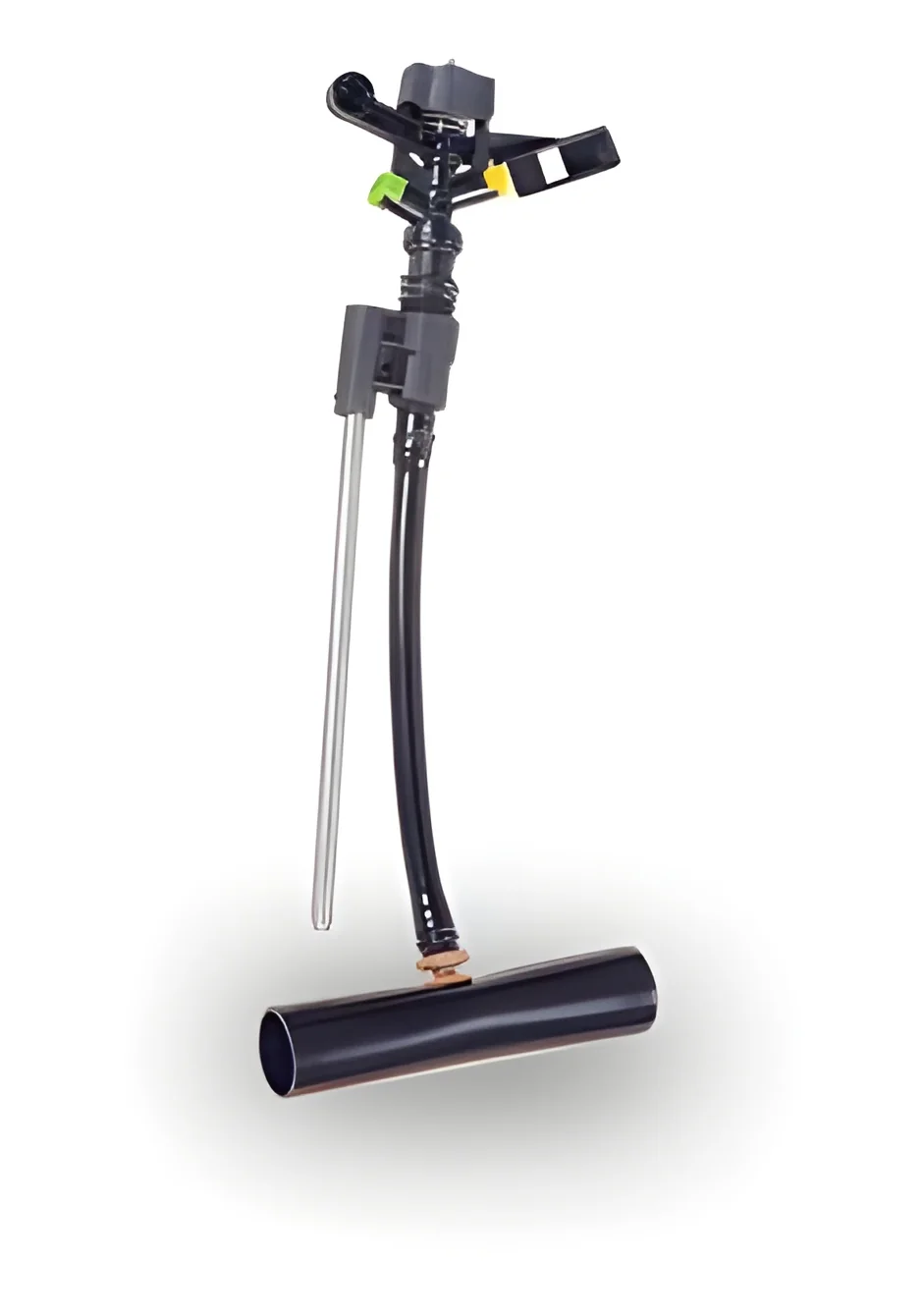
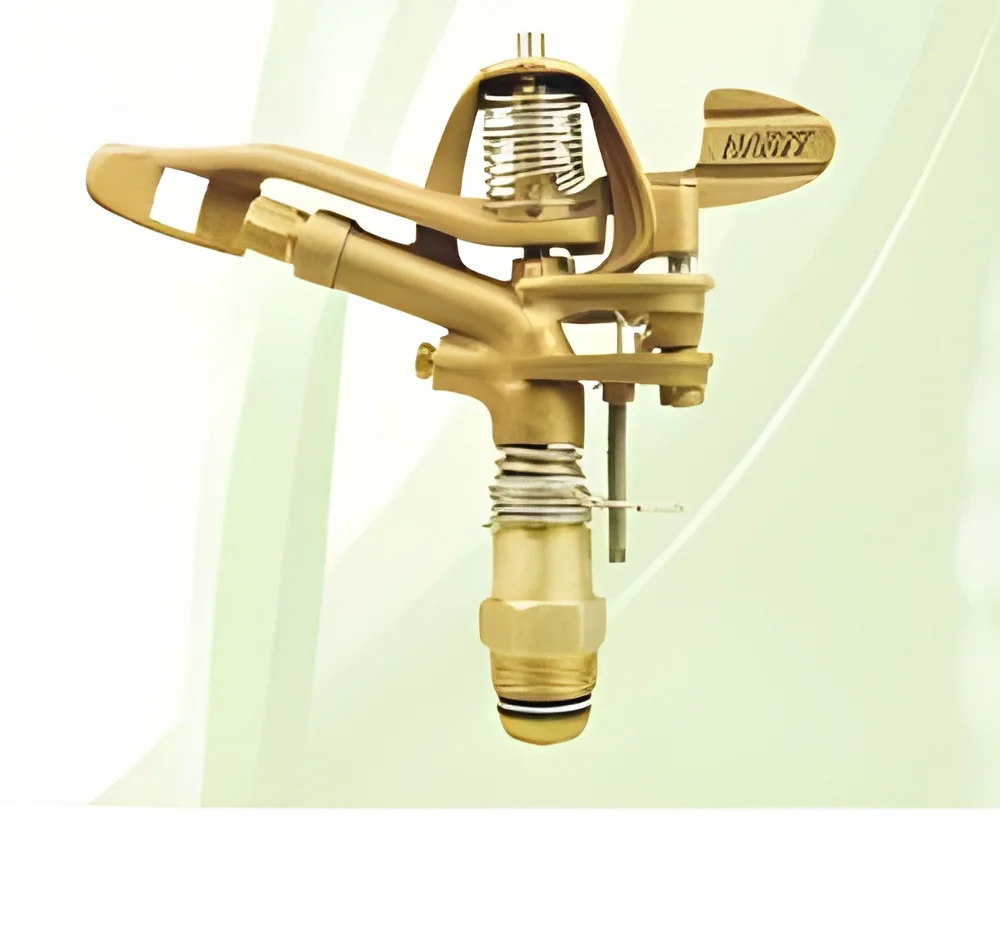
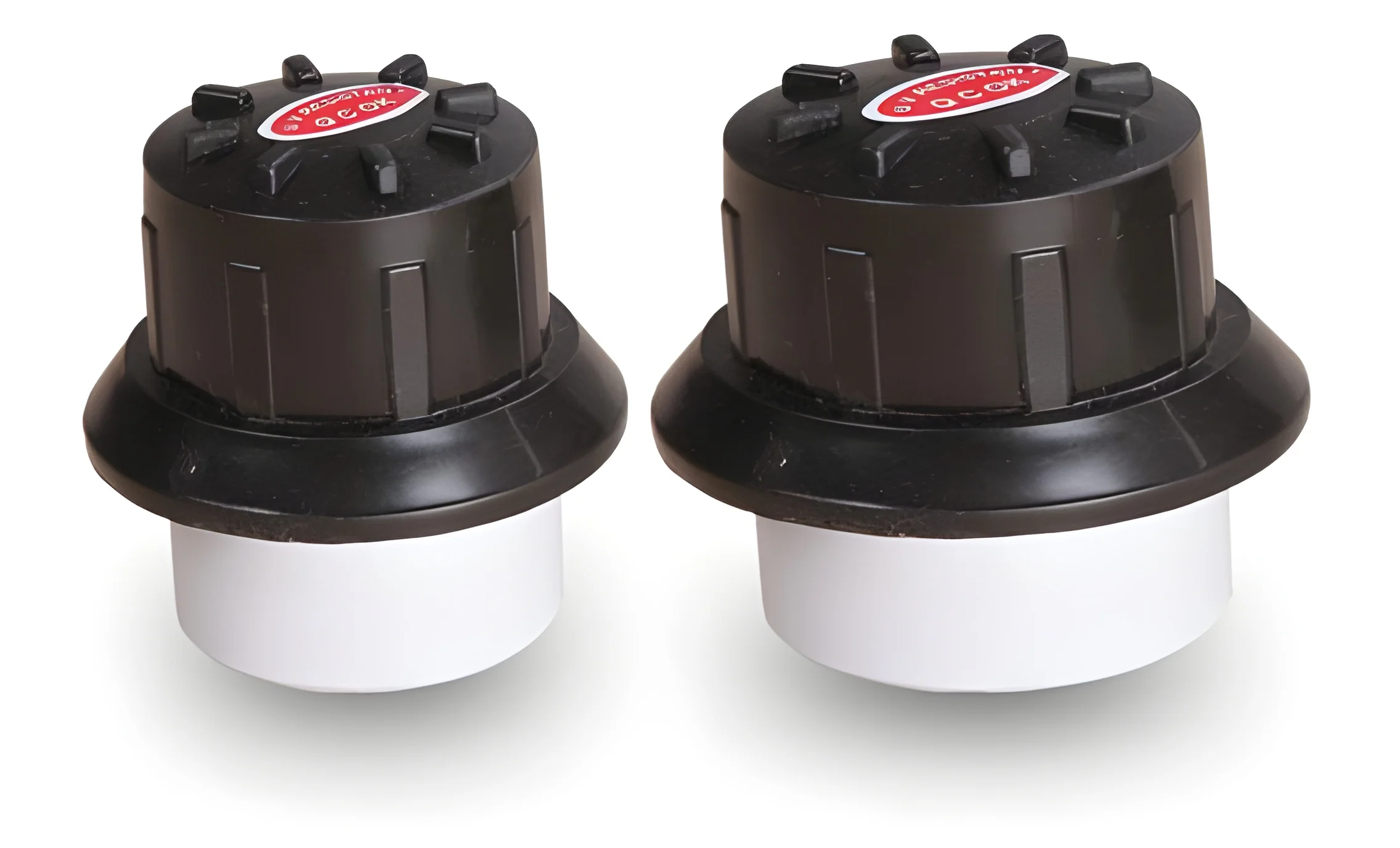
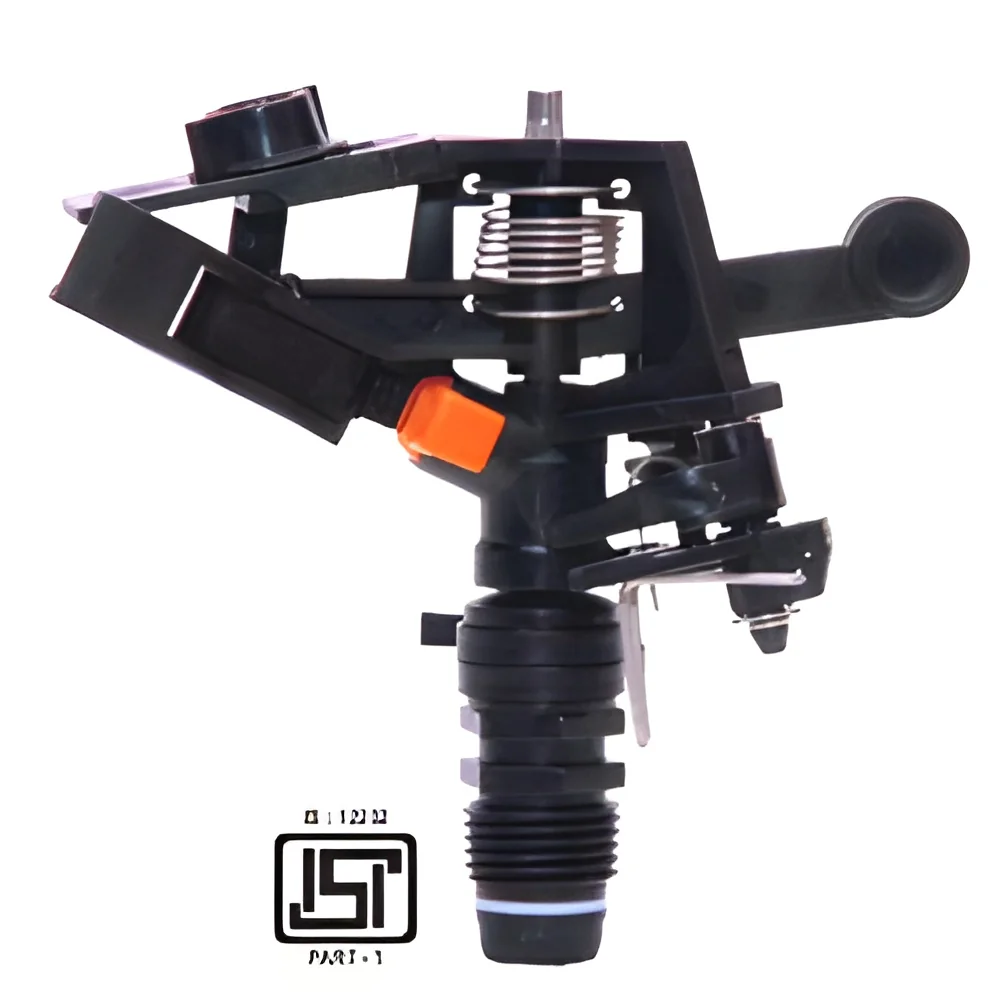
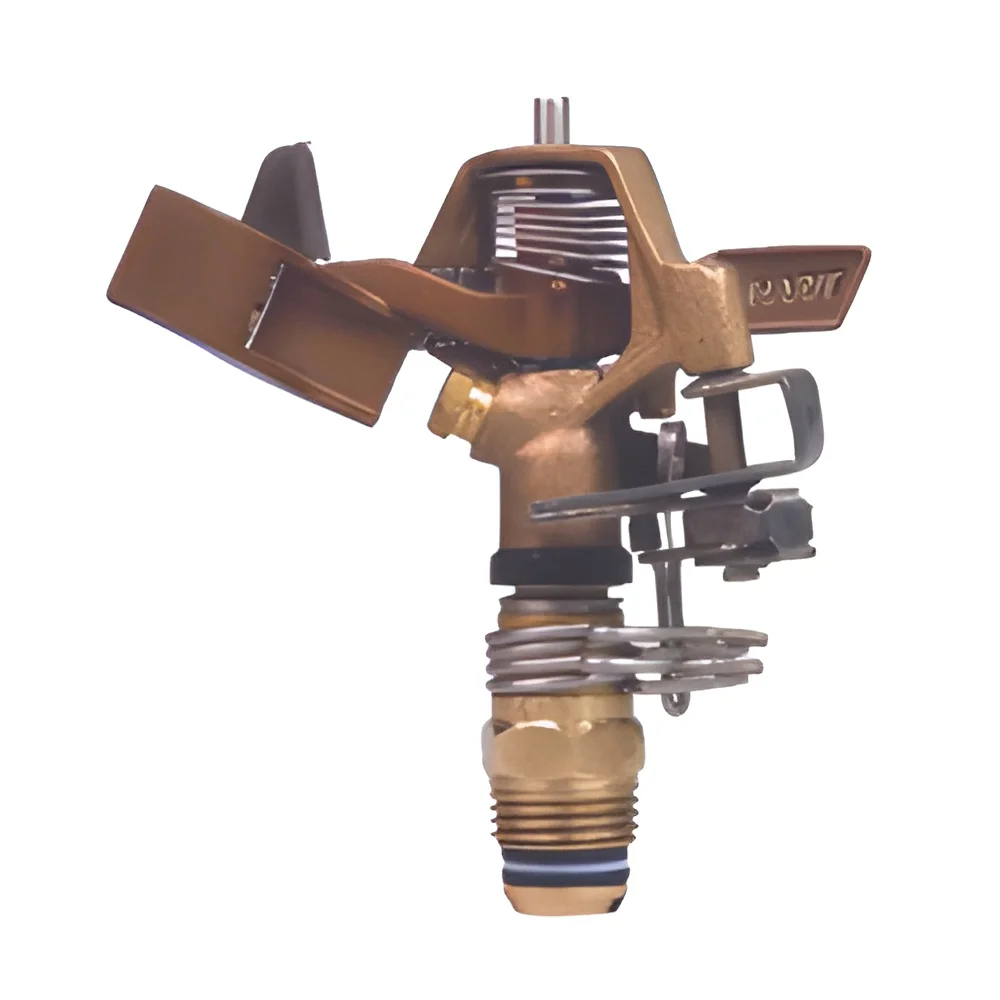
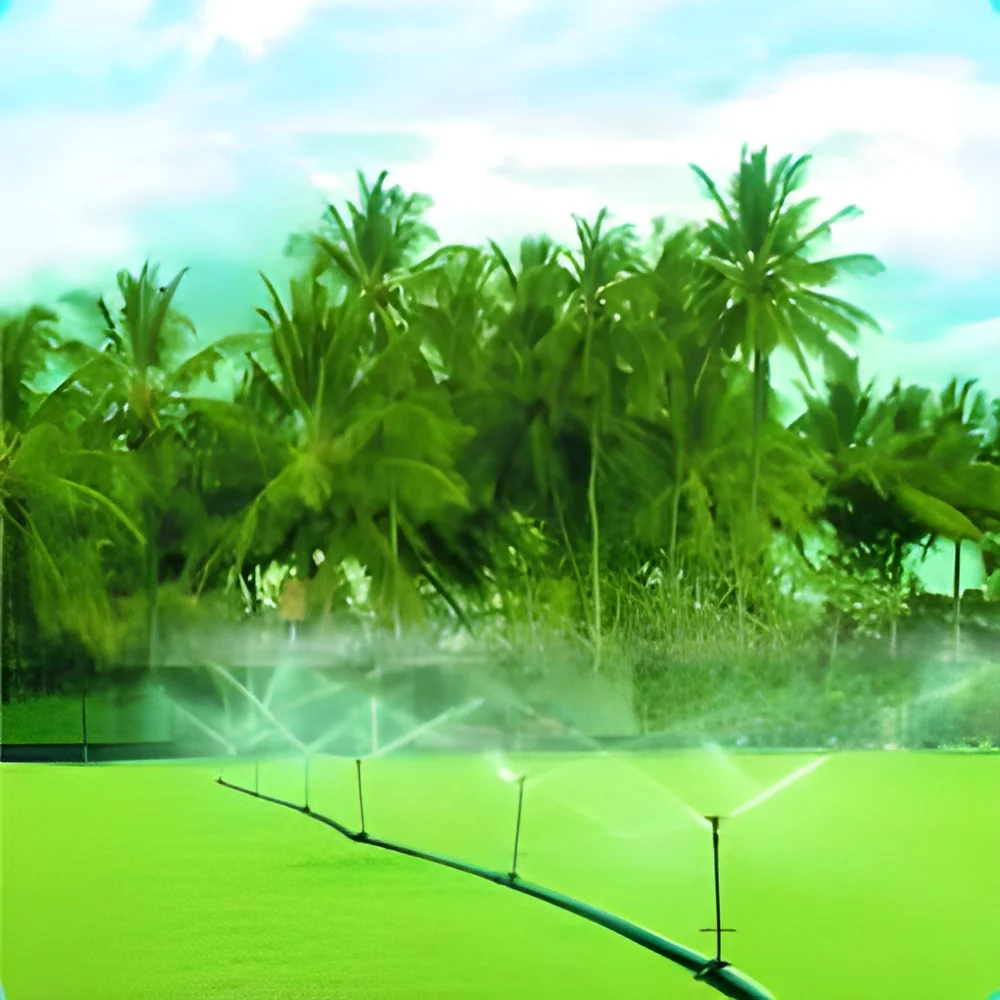
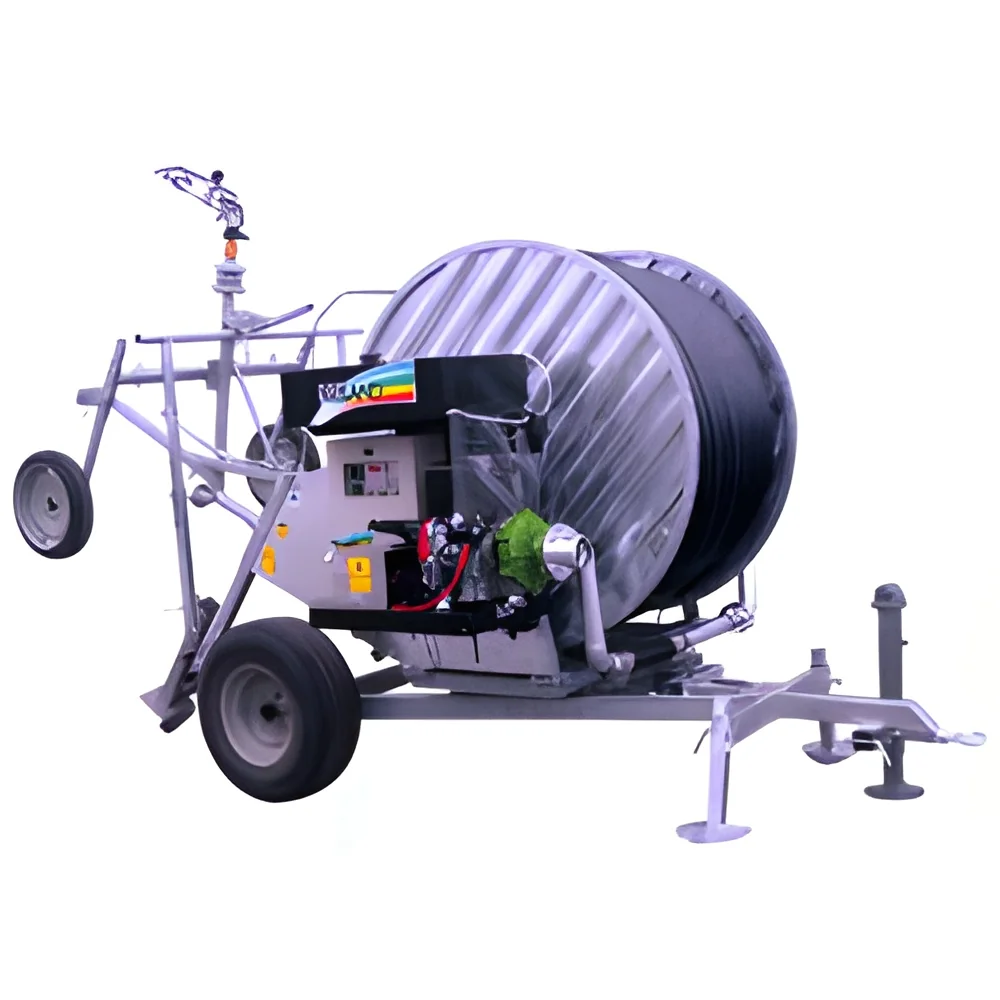
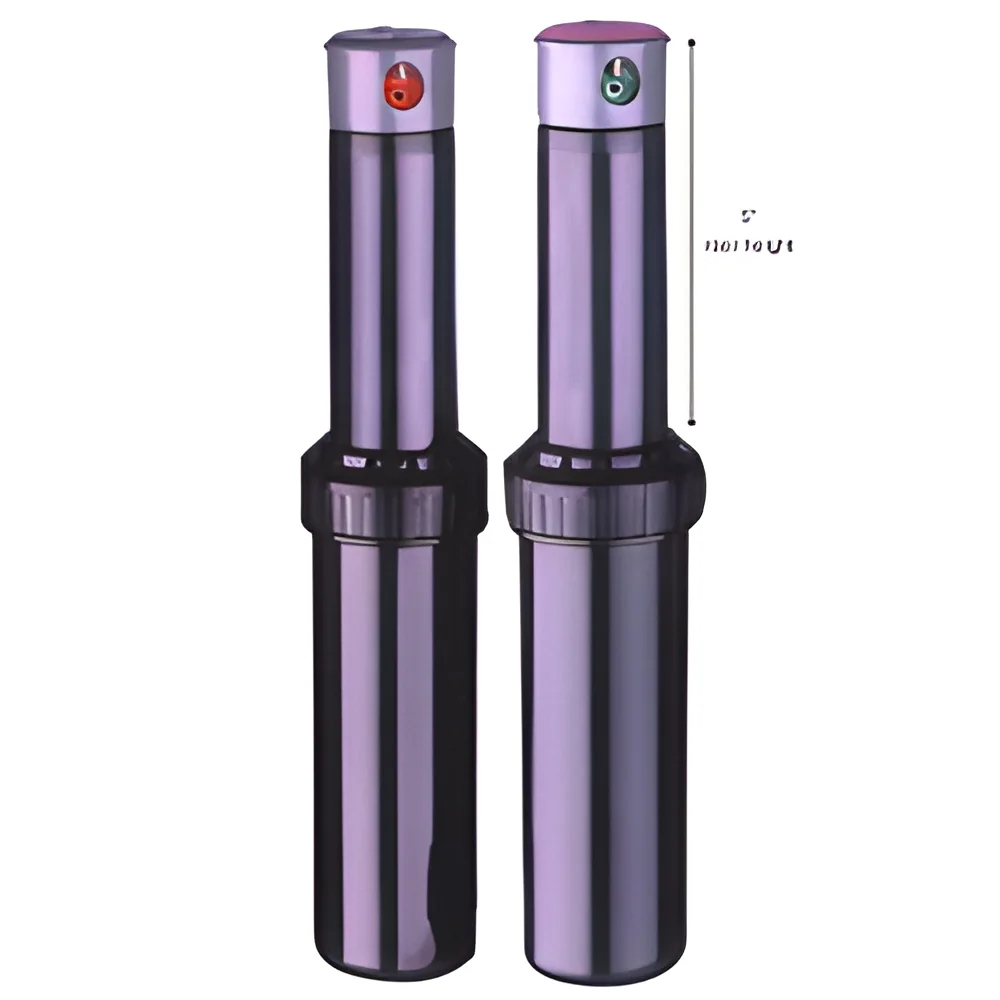
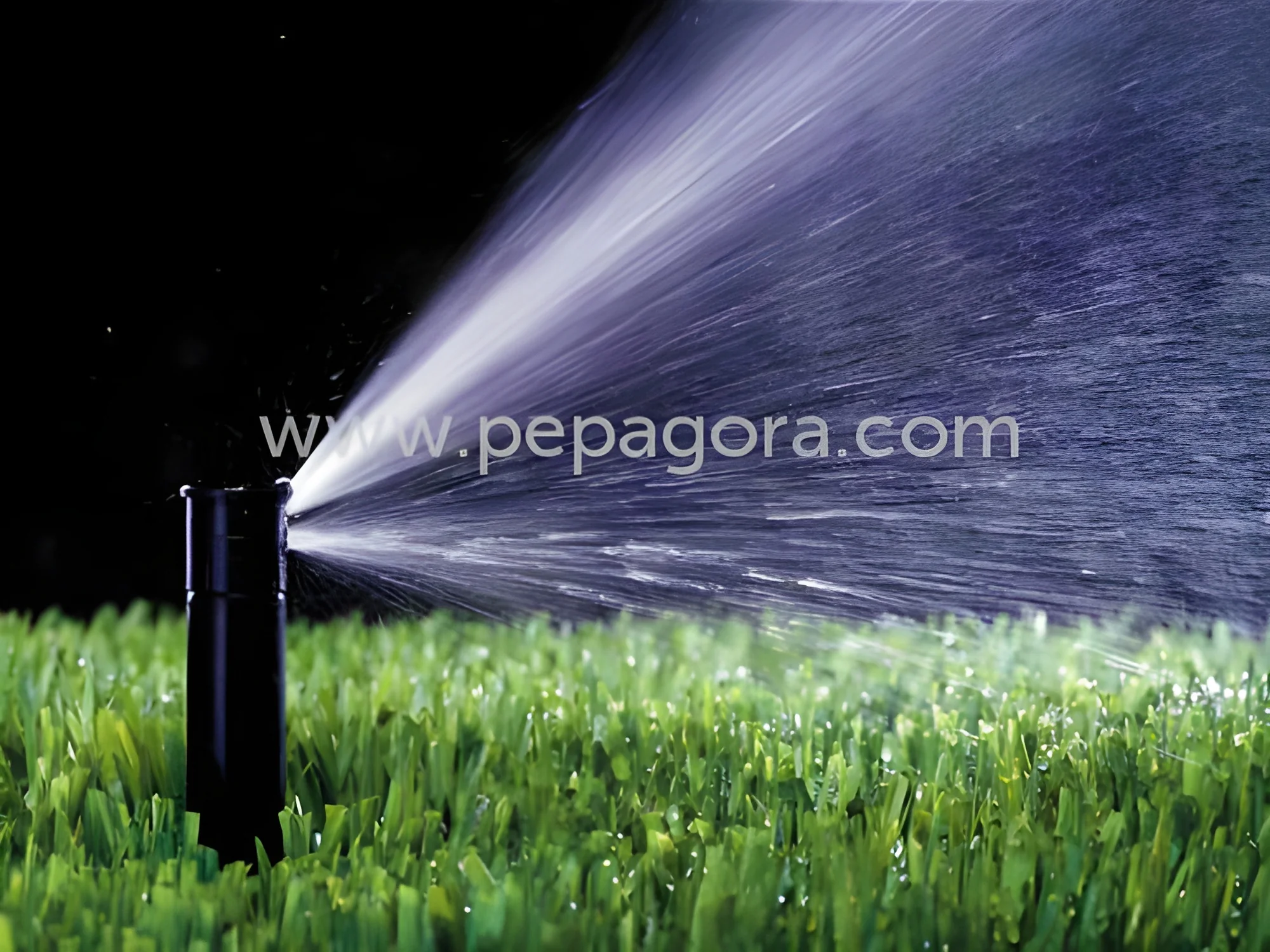
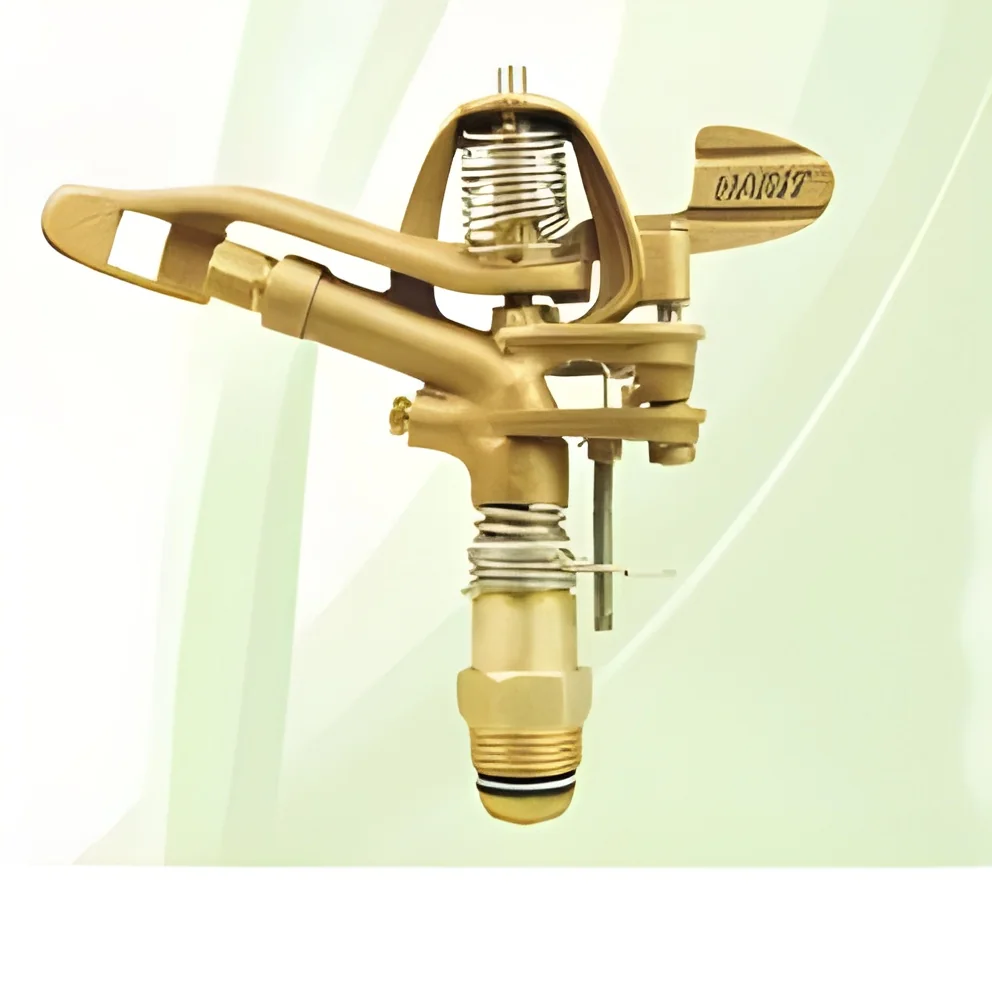
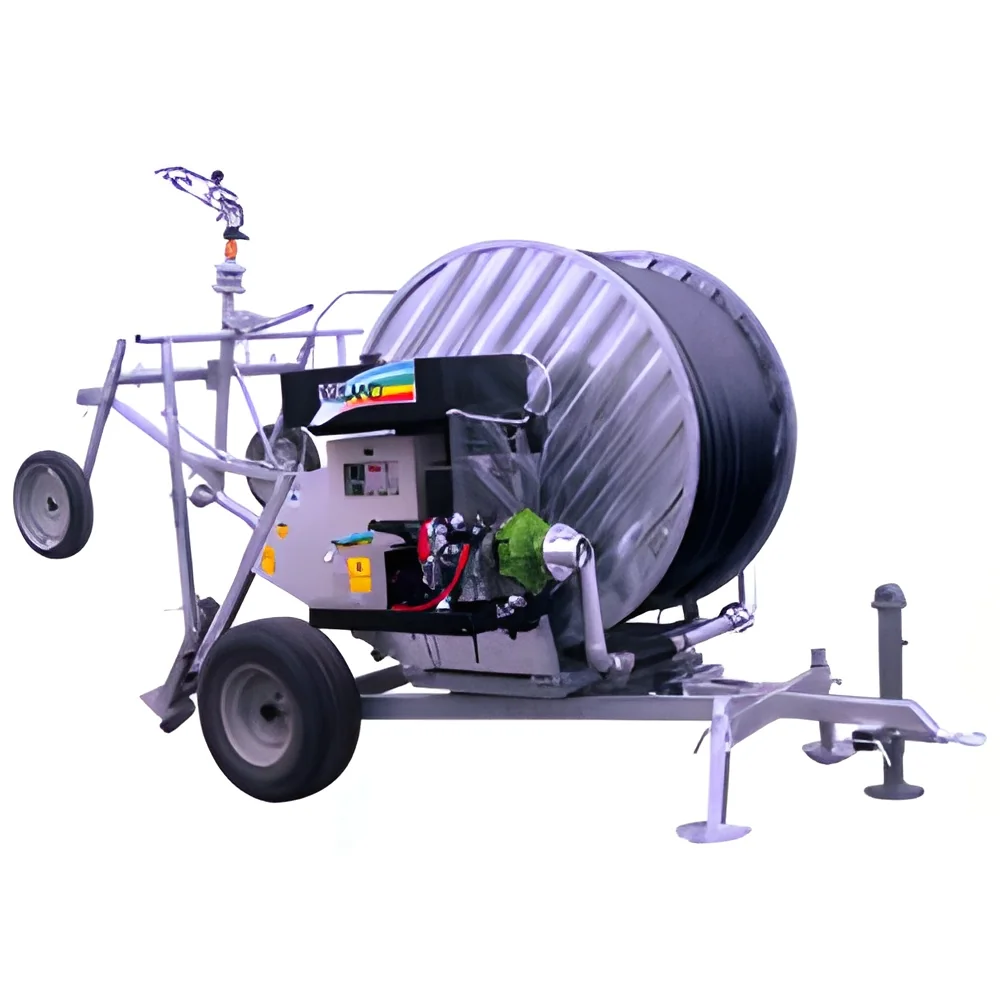
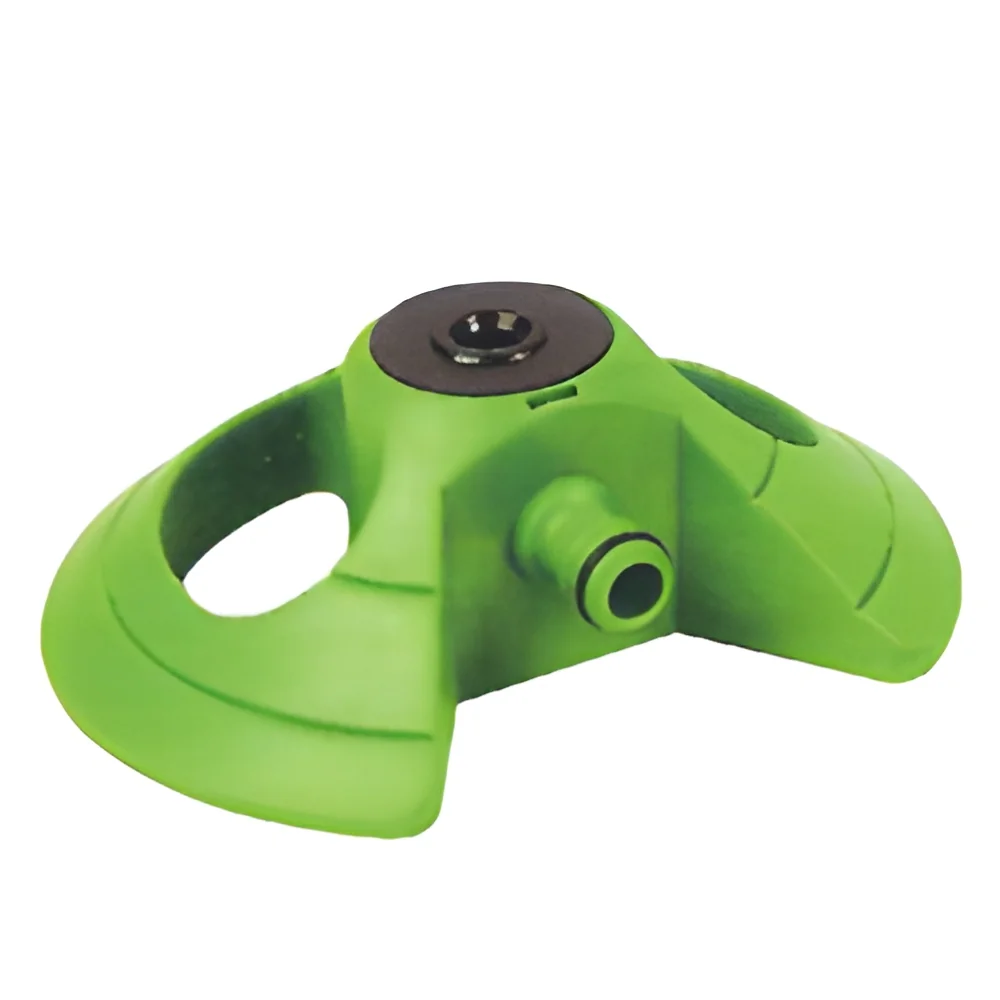
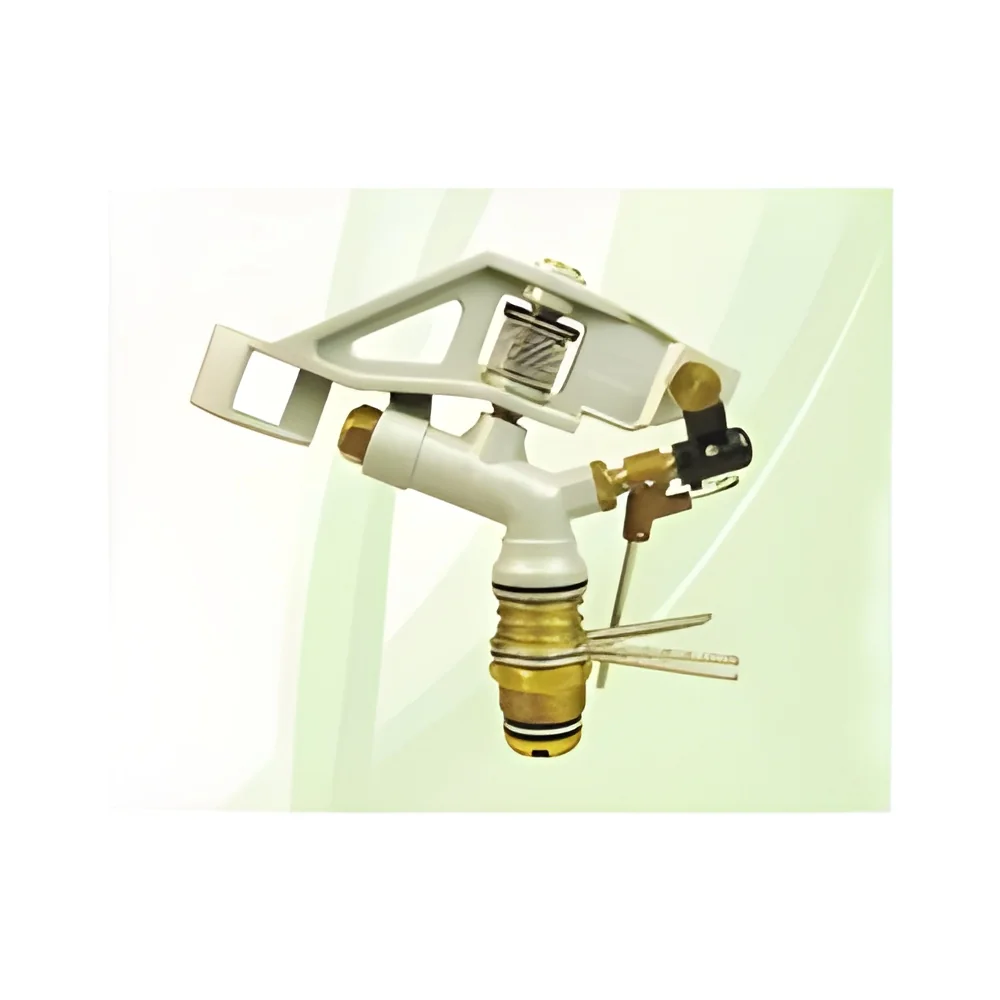
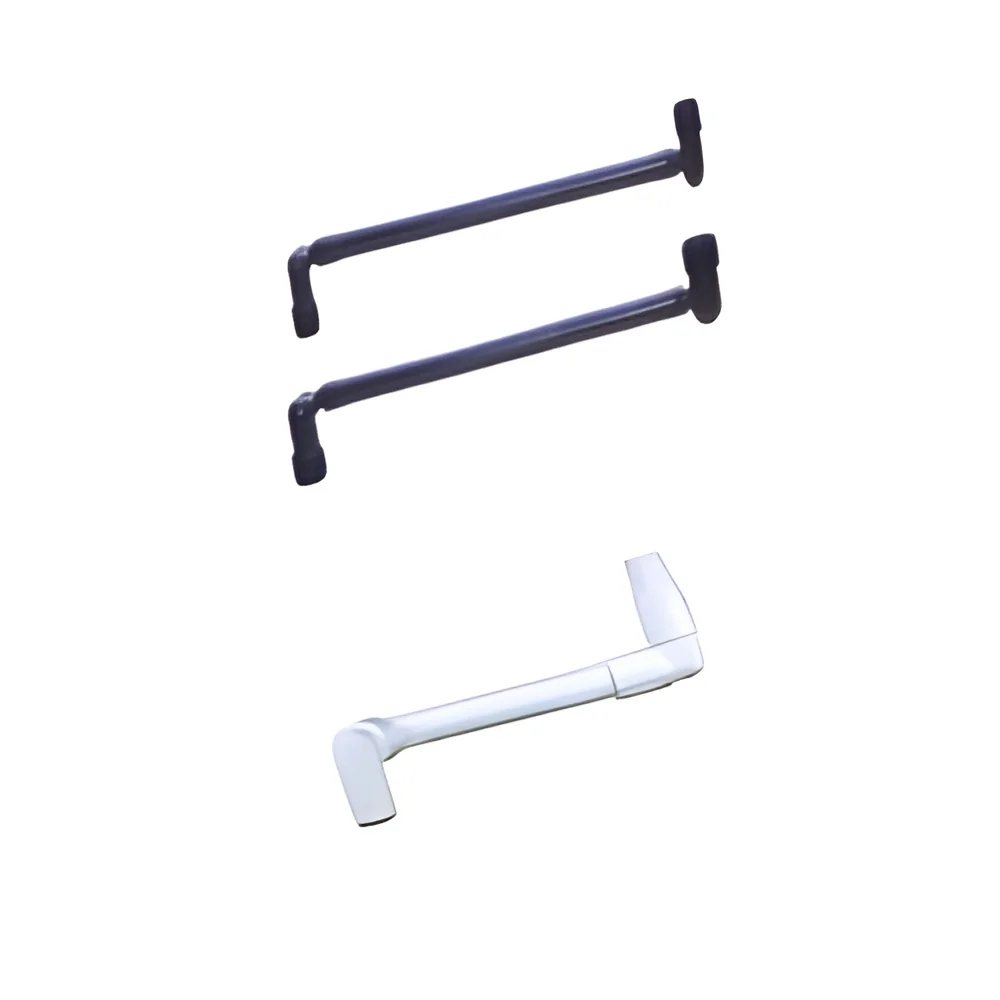
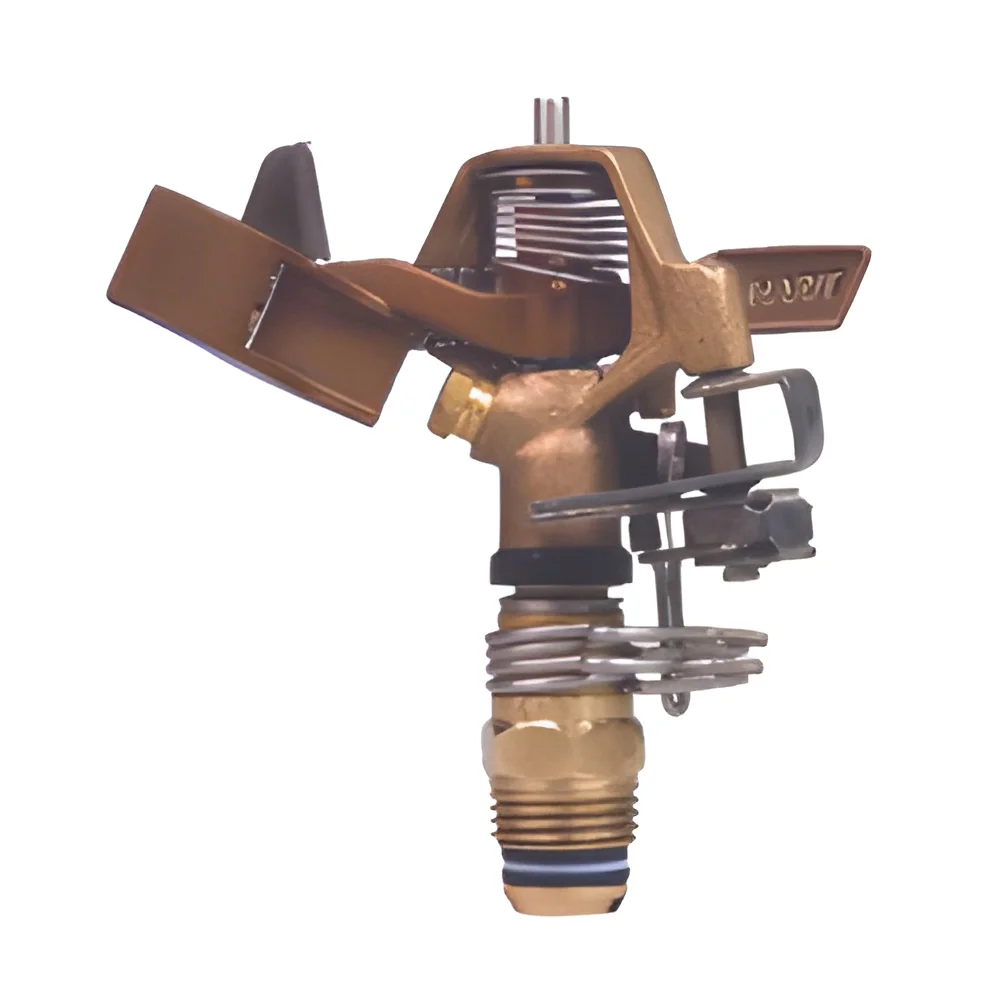
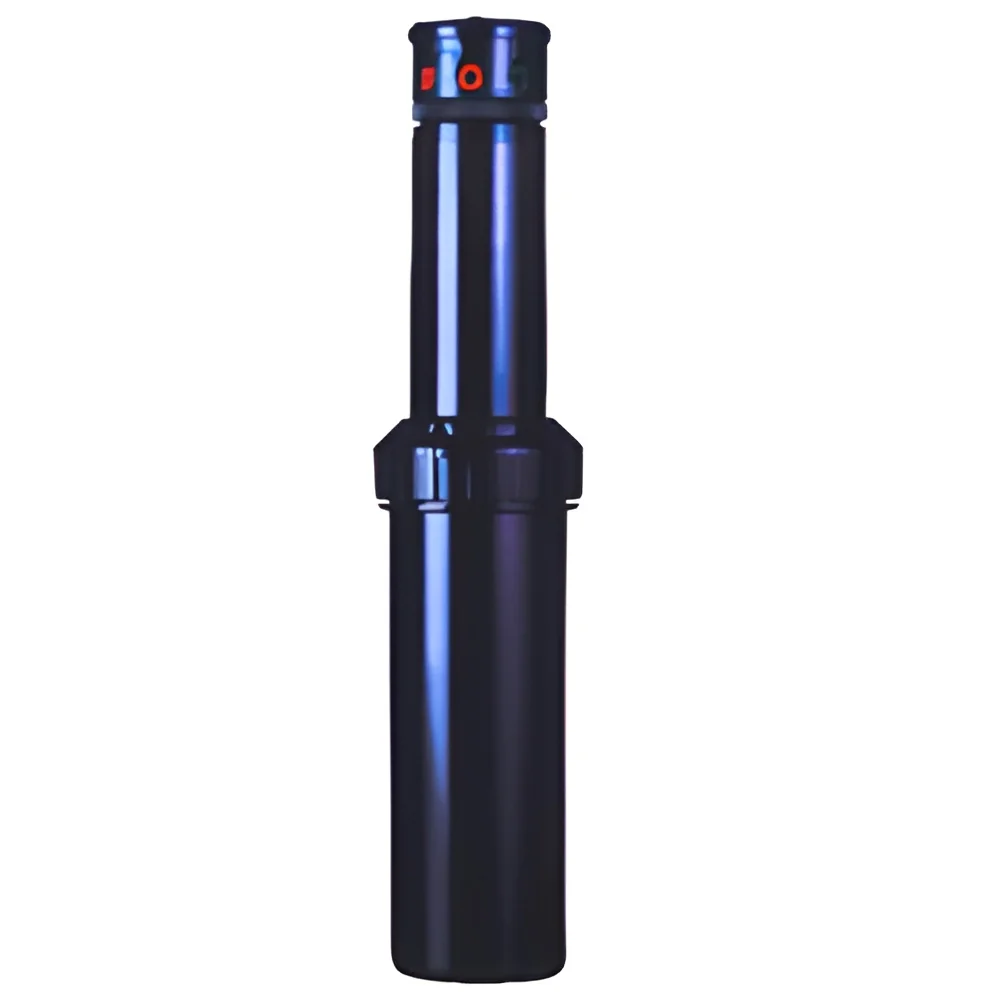
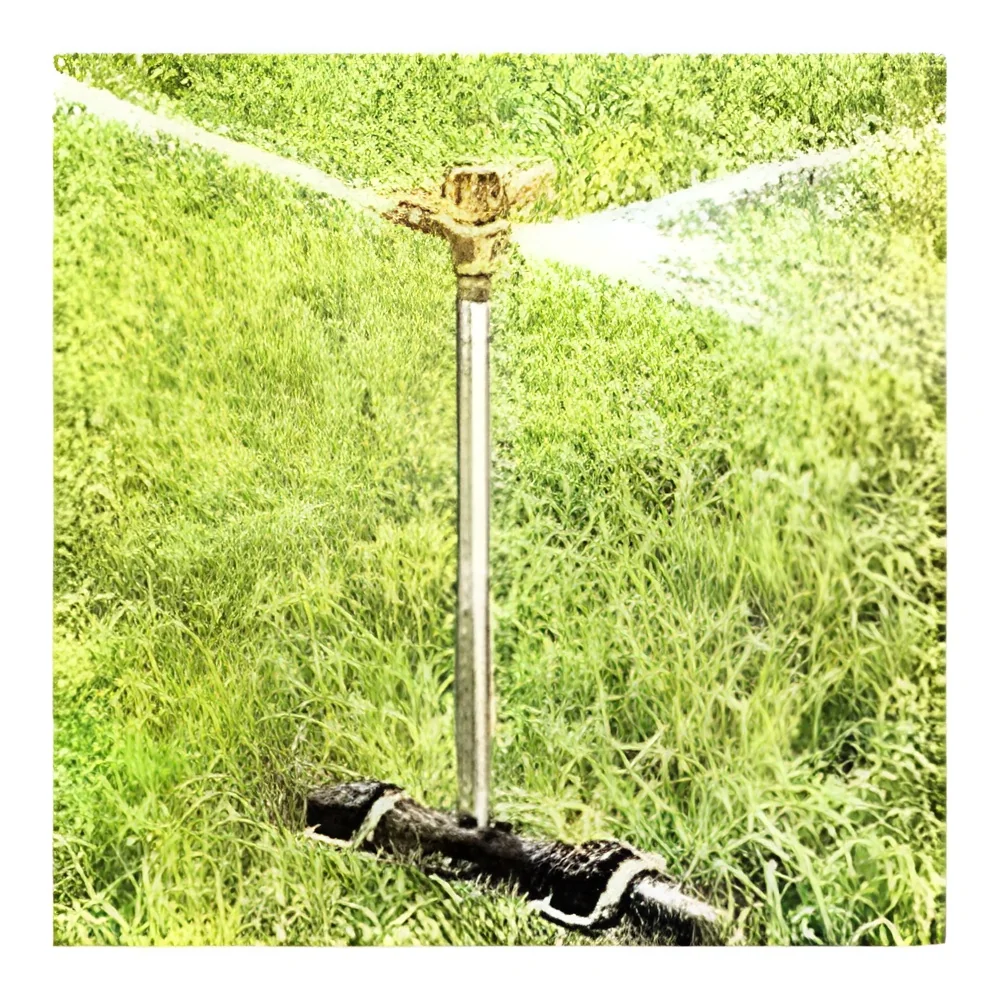
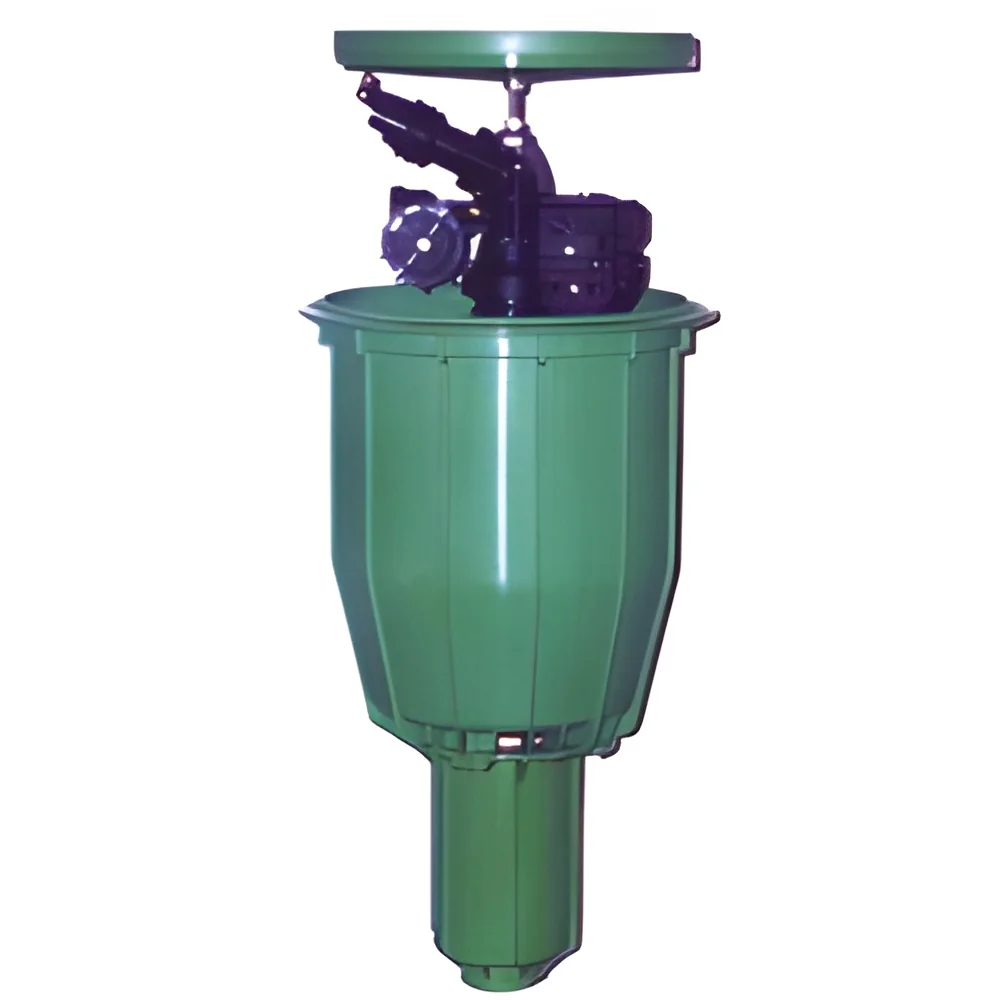
Sprinkler irrigation systems are essential tools used in agriculture and landscaping to provide controlled water distribution to crops, gardens, and lawns. These systems utilize a network of pipes, pumps, and sprinklers to deliver water in a way that mimics natural rainfall. The design allows for efficient water usage, reducing runoff and evaporation, which is crucial in areas where water is a limited resource.
These systems are primarily used in agricultural settings, such as farms and orchards, as well as in urban landscaping and golf courses. Businesses benefit from sprinkler irrigation by ensuring that crops receive the necessary amount of water for optimal growth, improving yield quality, and reducing labor costs associated with manual watering. The relevance of sprinkler irrigation systems is growing in today's market as sustainability and efficient resource management become increasingly important in agricultural practices.
Key Features and Specifications
Sprinkler irrigation systems come with several key features that enhance their efficiency and usability. These systems are designed to meet various agricultural and landscape needs, making them adaptable to different environments.
Key specifications include:
1. System Type
- Types include stationary, mobile, and semi-mobile systems.
- Each type caters to specific irrigation requirements.
2. Water Pressure
- Operating pressure typically ranges from 30 to 100 PSI.
- Ensures optimal water distribution.
3. Coverage Area
- Sprinklers can cover areas from small gardens to large agricultural fields.
- Maximum coverage can exceed several acres depending on system design.
4. Flow Rate
- Flow rates vary based on system configuration, commonly ranging from 2 to 100 gallons per minute.
- Important for determining irrigation capacity.
5. Material Quality
- Made from durable materials such as PVC, polyethylene, or aluminum.
- Resistance to corrosion and UV degradation enhances longevity.
6. Control Mechanisms
- Manual and automatic controllers are available for scheduling and monitoring.
- Smart irrigation systems may include weather sensors for optimized watering.
7. Installation Flexibility
- Systems can be installed above ground or below ground depending on landscape needs.
- Adaptable to various terrains and soil types.
In summary, understanding the key features and specifications of sprinkler irrigation systems allows businesses to choose the right system for their specific needs while ensuring optimal water efficiency.
Common Applications and Use Cases
Sprinkler irrigation systems serve a wide range of industries, providing tailored solutions for various water management needs.
1. Agriculture: Farmers use these systems to irrigate crops, maximizing water efficiency and crop yield. They can be customized for different types of crops and soil conditions.
2. Landscaping: Landscapers implement sprinkler systems for residential and commercial properties to maintain healthy lawns and gardens. They help ensure consistent moisture levels.
3. Golf Courses: Golf course managers utilize advanced sprinkler systems to keep the greens lush and healthy. Precision watering is crucial for maintaining high-quality playing surfaces.
4. Sports Fields: Athletic facilities require reliable irrigation systems to keep fields in optimal condition for play, particularly in dry climates.
5. Greenhouses: Sprinkler systems in greenhouses help maintain humidity and moisture levels for a variety of plants, ensuring healthy growth.
6. Parks and Recreation: Public parks use these systems to maintain green spaces, flower beds, and recreational areas, contributing to community aesthetics.
7. Nurseries: Plant nurseries rely on sprinkler systems to provide consistent watering for young plants, essential for growth and survival.
Product Variants and Subcategories
Sprinkler irrigation systems come in diverse forms to meet different irrigation needs, providing options for various applications.
Center Pivot Systems
These systems are ideal for large agricultural fields, providing extensive coverage with minimal labor. They rotate around a central pivot point, ensuring even water distribution across the field.
Drip Irrigation Systems
Drip systems deliver water directly to the plant roots, minimizing waste and maximizing efficiency. They are particularly effective for row crops and gardens with varying moisture requirements.
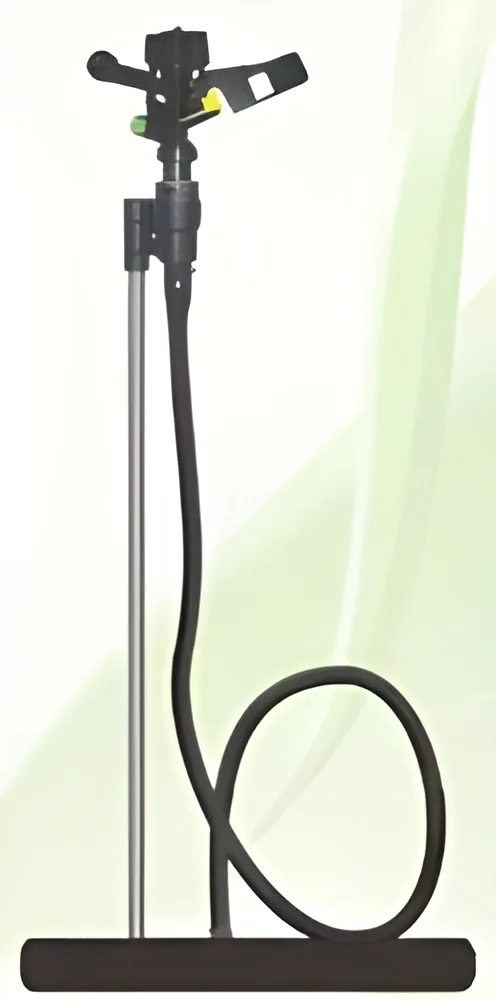
Portable Sprinkler Systems
These systems offer flexibility for smaller agricultural plots or residential gardens. They can be easily moved to target specific areas needing water.
Subsurface Irrigation Systems
This type involves burying irrigation lines underground, providing water directly to the root zone. It reduces evaporation and is beneficial in arid climates.
Benefits and Advantages
Sprinkler irrigation systems provide numerous benefits to businesses and agricultural operations.
1. Water Efficiency: Sprinkler systems offer precise water application, reducing waste and ensuring that plants receive the right amount of moisture.
2. Labor Savings: Automated systems reduce the need for manual watering, freeing up labor for other tasks and improving operational efficiency.
3. Improved Crop Yields: Consistent watering leads to healthier plants and higher yields, making sprinkler systems a valuable investment for farmers.
4. Versatility: These systems can be adapted for various applications, from small gardens to large agricultural fields, making them suitable for diverse industries.
5. Reduced Soil Erosion: Controlled water application minimizes runoff and erosion, protecting soil quality and enhancing sustainability.
6. Enhanced Plant Health: Regular and adequate watering contributes to overall plant health, improving resilience against pests and diseases.
Buying Guide for B2B Buyers
When sourcing sprinkler irrigation systems, several key factors should be considered to ensure a suitable choice for specific needs.
1. Quality Assessment: Evaluate the materials and construction quality of the systems. Look for certifications that indicate adherence to industry standards, which ensures durability and performance.
2. Supplier Verification: Vet suppliers by checking their history, customer reviews, and previous projects. This helps ensure that you are dealing with reliable and reputable companies.
3. Pricing and MOQ: Understand the pricing structure and minimum order quantities to plan your budget effectively. Compare multiple suppliers to find the best value.
4. Delivery and Lead Times: Inquire about logistics and delivery schedules to ensure that the systems can be installed when needed. Timely delivery is critical for agricultural operations.
5. Compliance Requirements: Ensure that the systems meet regional regulatory standards and certification requirements, such as CE marking. Compliance is essential for legal and operational safety.
Compliance and Certifications
Sprinkler irrigation systems must adhere to several relevant quality standards and certifications that ensure safety and performance.
ISO 9001: This standard focuses on quality management systems, ensuring that manufacturers maintain consistent quality in their products and services.
CE Certification: This European standard indicates compliance with health, safety, and environmental protection standards for products sold within the European Economic Area.
Safety and Testing Requirements: Manufacturers are often required to conduct rigorous testing to ensure that their products meet safety standards. This includes durability tests and performance evaluations.
Regional Compliance Considerations: Depending on local regulations, specific certifications may be required. It is essential for businesses to understand these requirements to avoid legal issues and ensure product compatibility.
Why Source Sprinkler Irrigation Systems from Pepagora?
Pepagora offers a trusted platform for sourcing sprinkler irrigation systems, providing numerous advantages for B2B buyers.
Verified Supplier Network: Pepagora's network includes pre-vetted suppliers known for their quality products and reliable service. This helps buyers find trustworthy partners.
Streamlined RFQ Process: The request for quotation process on Pepagora is designed to be efficient, allowing buyers to receive competitive quotes quickly and easily, saving time and resources.
Trade Assurance and Support: Pepagora offers buyer protection services, ensuring that transactions are secure and that buyers receive support throughout the purchasing process.
Regional Coverage: With a strong presence in India, the GCC, and Southeast Asia, Pepagora connects buyers with suppliers across these regions, facilitating access to a diverse range of products and solutions.
By choosing Pepagora for sprinkler irrigation systems, businesses can leverage these advantages to make informed and effective purchasing decisions.

 IN
IN