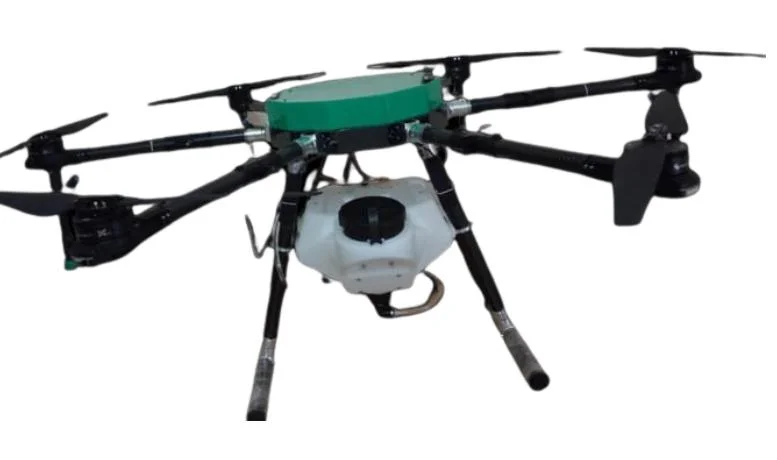
𝗪𝗵𝗮𝘁 𝗮𝗿𝗲 𝗔𝗴𝗿𝗶 𝗗𝗿𝗼𝗻𝗲𝘀 𝗳𝗼𝗿 𝗠𝗼𝗻𝗶𝘁𝗼𝗿𝗶𝗻𝗴?
Agri Drones for Monitoring are advanced unmanned aerial vehicles designed specifically for agricultural applications. These drones utilize sophisticated sensors and imaging technologies to collect data regarding crop health, soil conditions, and overall farm management. By providing real-time insights, Agri Drones enable farmers and agronomists to make informed decisions that can enhance productivity and efficiency. Their ability to cover large areas quickly allows for the collection of valuable information that would otherwise be challenging to obtain through traditional methods.
The primary uses of Agri Drones include crop surveillance, irrigation management, and precision agriculture. They help in identifying pest infestations, nutrient deficiencies, and irrigation issues, thereby allowing for timely interventions. Businesses in agriculture, horticulture, and forestry are increasingly adopting these drones to optimize resource use and improve yields. In the current market, the demand for Agri Drones is growing rapidly as farmers seek innovative solutions to meet the challenges of food production and sustainability.
As the agricultural sector faces pressure from climate change and population growth, the relevance of Agri Drones becomes more pronounced. They represent a shift towards data-driven farming practices, enabling farmers to utilize their resources more effectively while minimizing environmental impact. The market for Agri Drones is projected to expand significantly as technological advancements continue to evolve, making these tools more accessible and affordable for various agricultural stakeholders.
𝗞𝗲𝘆 𝗙𝗲𝗮𝘁𝘂𝗿𝗲𝘀 𝗮𝗻𝗱 𝗦𝗽𝗲𝗰𝗶𝗳𝗶𝗰𝗮𝘁𝗶𝗼𝗻𝘀
Agri Drones for Monitoring come equipped with several key features designed to enhance their functionality and effectiveness in agricultural settings. These specifications ensure that users can gather accurate data to support their farming decisions.
Key specifications include:
1. Imaging Technology
- Utilizes multispectral and thermal cameras
- Captures detailed images for crop analysis
2. Flight Time
- Typically ranges from 20 to 40 minutes
- Allows for extensive area coverage in a single flight
3. Payload Capacity
- Supports additional equipment like sensors and cameras
- Usually ranges from 1 to 5 kilograms
4. Range
- Control distance can extend up to 5 kilometers
- Enables monitoring of large fields without frequent landings
5. GPS Accuracy
- Equipped with high-precision GPS systems
- Accuracy typically within 2-5 meters
6. Data Processing
- Integrates with software for analytics and reporting
- Provides actionable insights in real-time
7. User Interface
- Features intuitive controls for ease of operation
- Compatible with mobile devices for remote access
8. Durability
- Built to withstand various weather conditions
- Often made from lightweight, resilient materials
In summary, the specifications of Agri Drones for Monitoring are designed to optimize agricultural practices. Their advanced imaging, robust flight capabilities, and user-friendly features make them an invaluable tool for modern farmers.
𝗖𝗼𝗺𝗺𝗼𝗻 𝗔𝗽𝗽𝗹𝗶𝗰𝗮𝘁𝗶𝗼𝗻𝘀 𝗮𝗻𝗱 𝗨𝘀𝗲 𝗖𝗮𝘀𝗲𝘀
Agri Drones for Monitoring find applications across various sectors within agriculture, enhancing efficiency and productivity.
1. Crop Monitoring: Drones are used to assess crop health by capturing images that indicate stress levels, hydration, and nutrient needs, enabling targeted interventions.
2. Irrigation Management: They assist in monitoring soil moisture levels, helping farmers to manage irrigation systems more effectively and reduce water wastage.
3. Pest and Disease Detection: Drones can quickly identify areas affected by pests or diseases, allowing for early treatment and minimizing crop loss.
4. Yield Estimation: By analyzing crop growth and health data, drones provide estimates of potential yields, aiding farmers in planning their harvests.
5. Land Mapping: Drones create detailed maps of farmland, which can be used for planning crop rotation and optimizing field layouts.
6. Precision Agriculture: They support precision agriculture techniques by delivering data that informs variable rate applications of fertilizers and pesticides.
7. Environmental Monitoring: Drones monitor environmental factors, helping farmers comply with regulations and maintain sustainable practices.
In summary, Agri Drones for Monitoring serve a wide range of applications, making them essential tools for modern agricultural practices.
𝗣𝗿𝗼𝗱𝘂𝗰𝘁 𝗩𝗮𝗿𝗶𝗮𝗻𝘁𝘀 𝗮𝗻𝗱 𝗦𝘂𝗯𝗰𝗮𝘁𝗲𝗴𝗼𝗿𝗶𝗲𝘀
Agri Drones for Monitoring come in various models, each tailored to meet specific agricultural needs. These variants differ in features and capabilities, ensuring that farmers can choose the right drone for their requirements.
Variant 1: Fixed-Wing Drones
Fixed-wing drones are designed for extensive area coverage and long flight times. They are ideal for large farms and are equipped with advanced cameras for detailed image capture. These drones are often used for crop scouting and large-scale mapping.
Variant 2: Multi-Rotor Drones
Multi-rotor drones are more versatile and suitable for smaller areas. They offer excellent maneuverability and are equipped with high-resolution cameras. These drones are commonly used for precise applications like pest detection and targeted spraying.
Variant 3: Hybrid Drones
Hybrid drones combine the benefits of fixed-wing and multi-rotor designs. They can take off and land vertically while covering large distances effectively. These drones are beneficial for farms that require both detailed monitoring and efficient coverage.
In summary, the variety of Agri Drones for Monitoring ensures that farmers can select a model that best fits their operational needs.
𝗕𝗲𝗻𝗲𝗳𝗶𝘁𝘀 𝗮𝗻𝗱 𝗔𝗱𝘃𝗮𝗻𝘁𝗮𝗴𝗲𝘀
Agri Drones for Monitoring offer numerous benefits that can significantly enhance farming practices and outcomes.
1. Improved Data Collection: Drones provide high-resolution imagery and data that is more accurate than traditional methods, leading to better decision-making.
2. Cost Efficiency: By optimizing resource use and reducing waste, Agri Drones can lower operational costs for farmers over time.
3. Increased Productivity: With timely insights, farmers can address issues quickly, improving crop yields and overall farm productivity.
4. Enhanced Precision: Drones enable precision agriculture practices, allowing for targeted applications of fertilizers and pesticides, which can reduce environmental impact.
5. Time Savings: Drones can cover large areas in a fraction of the time it would take traditional scouting methods, allowing farmers to focus on other essential tasks.
6. Easy Integration: Many Agri Drones can integrate with existing farm management software, providing seamless data analysis and reporting.
In summary, the benefits of using Agri Drones for Monitoring extend beyond immediate agricultural improvements, promoting sustainable practices and operational efficiencies.
𝗕𝘂𝘆𝗶𝗻𝗴 𝗚𝘂𝗶𝗱𝗲 𝗳𝗼𝗿 𝗕𝟮𝗕 𝗕𝘂𝘆𝗲𝗿𝘀
When sourcing Agri Drones for Monitoring, it is essential for B2B buyers to consider several critical factors to ensure the best investment.
1. Quality Assessment: Buyers should evaluate drone quality based on performance reviews, manufacturer reputation, and warranty offerings. Ensuring high-quality equipment can lead to better long-term results.
2. Supplier Verification: Vetting suppliers is crucial. Buyers should research supplier backgrounds, customer feedback, and certifications to establish credibility and reliability.
3. Pricing and MOQ: Understanding the price range and minimum order quantities (MOQ) is vital. Buyers should compare offers from multiple suppliers to ensure they receive competitive pricing.
4. Delivery and Lead Times: It is important to inquire about delivery schedules and lead times. Timely delivery can affect project timelines, so buyers should align expectations with suppliers.
5. Compliance Requirements: Buyers must be aware of any local regulations governing drone use in agriculture. Ensuring compliance with these regulations is essential for operational legality.
In summary, a thorough buying process can help B2B buyers make informed decisions when selecting Agri Drones for Monitoring.
𝗖𝗼𝗺𝗽𝗹𝗶𝗮𝗻𝗰𝗲 𝗮𝗻𝗱 𝗖𝗲𝗿𝘁𝗶𝗳𝗶𝗰𝗮𝘁𝗶𝗼𝗻𝘀
Agri Drones for Monitoring must adhere to various compliance standards and certifications to ensure safety and reliability in agricultural use.
Relevant quality standards include ISO 9001, which ensures consistent quality management practices are followed in manufacturing. This standard helps in maintaining the reliability and performance of the drones.
Industry certifications, such as CE marking, indicate that the drones meet European safety standards. This certification assures buyers that the products comply with necessary regulatory requirements.
Safety and testing requirements are also critical, focusing on the durability and operational safety of drones in various environmental conditions. Drones undergo rigorous testing to ensure they can operate effectively and safely in agricultural settings.
Additionally, regional compliance considerations may vary. Buyers should familiarize themselves with local regulations regarding drone usage, which can impact operational practices and legal liabilities.
In summary, compliance and certifications are essential for ensuring the safety, quality, and legality of Agri Drones for Monitoring in agricultural applications.
𝗪𝗵𝘆 𝗦𝗼𝘂𝗿𝗰𝗲 𝗔𝗴𝗿𝗶 𝗗𝗿𝗼𝗻𝗲𝘀 𝗳𝗼𝗿 𝗠𝗼𝗻𝗶𝘁𝗼𝗿𝗶𝗻𝗴 𝗳𝗿𝗼𝗺 𝗣𝗲𝗽𝗮𝗴𝗼𝗿𝗮?
Pepagora provides an excellent platform for sourcing Agri Drones for Monitoring, offering several key advantages to buyers.
Verified Supplier Network: Pepagora has established a network of verified suppliers, ensuring that buyers can access high-quality products from reputable manufacturers. This verification process helps mitigate risks associated with purchasing from unknown sources.
Streamlined RFQ Process: The platform features a streamlined Request for Quotation (RFQ) process, making it easy for buyers to compare multiple offers. This efficiency allows buyers to find the best products at competitive prices quickly.
Trade Assurance and Support: Pepagora offers trade assurance, providing buyers with protection throughout the purchasing process. Support from the platform ensures that buyers have assistance when navigating their transactions.
Regional Coverage: Pepagora caters to a wide geographical area, including India, GCC countries, and Southeast Asia. This regional focus allows for tailored solutions that meet the specific needs of local markets and agricultural practices.
In summary, sourcing Agri Drones for Monitoring from Pepagora not only provides access to quality products but also ensures a supportive and efficient buying experience.

 IN
IN