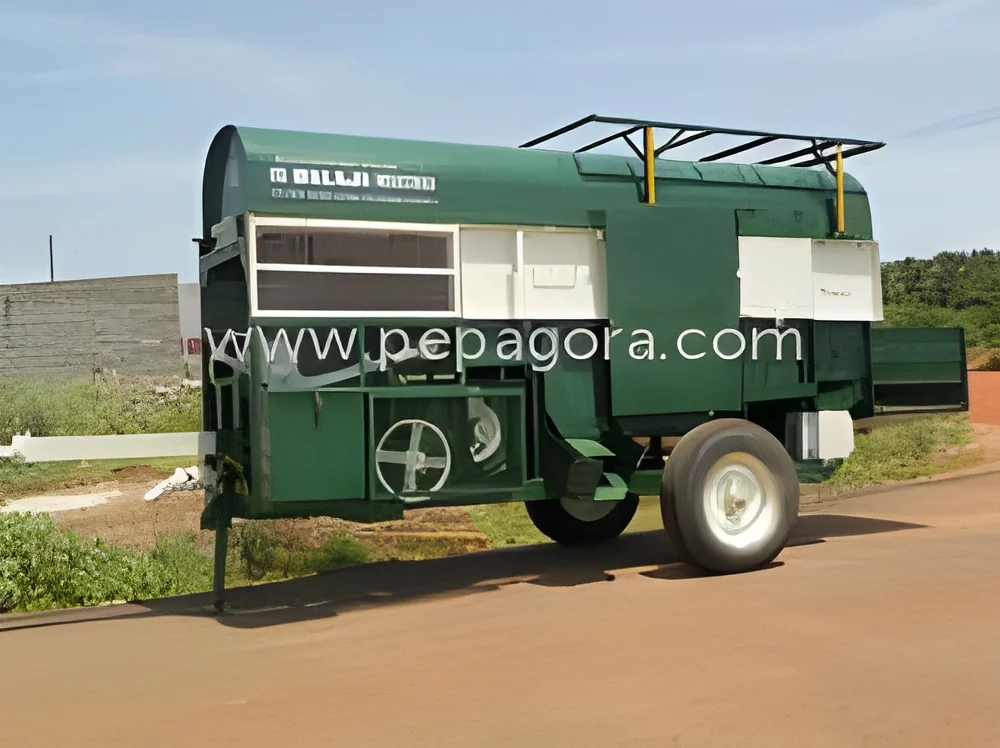
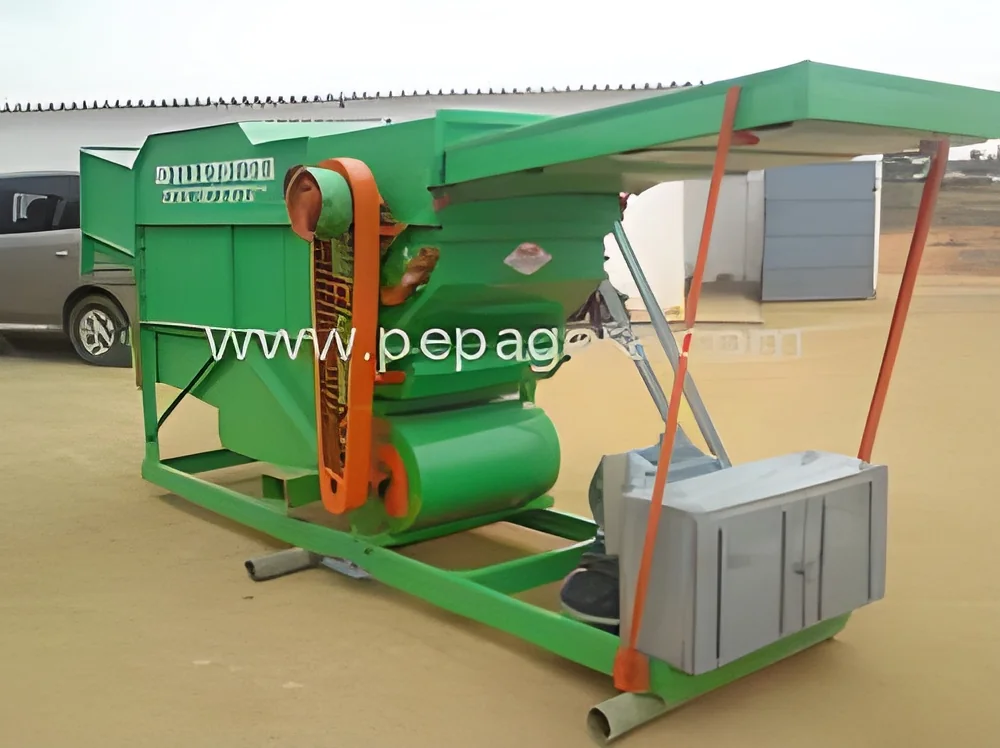
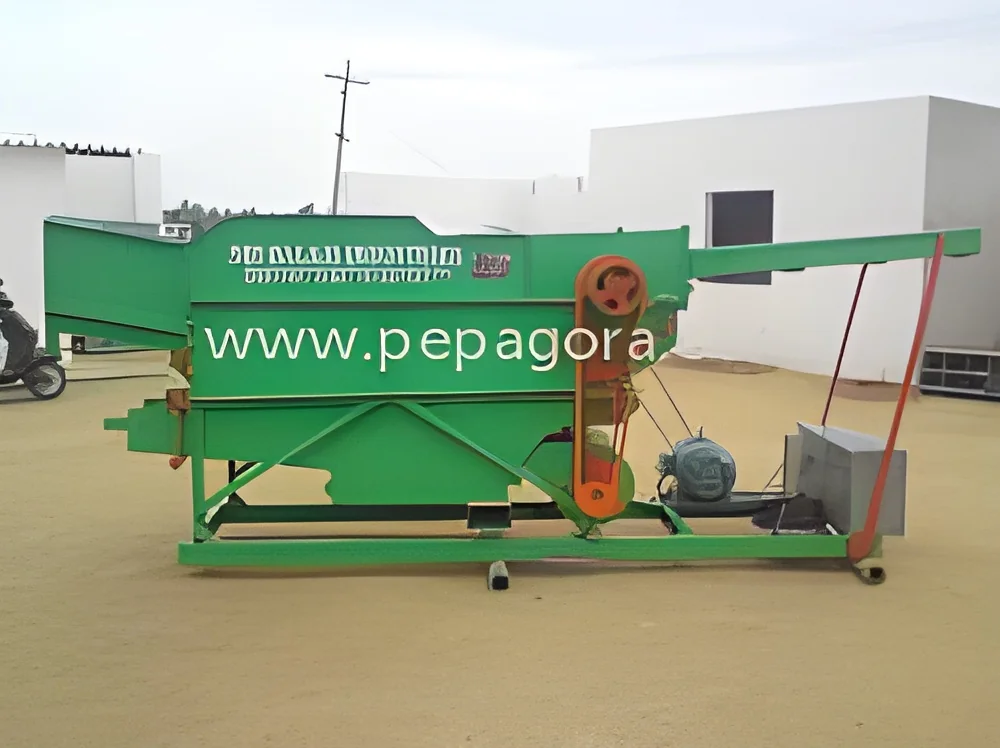
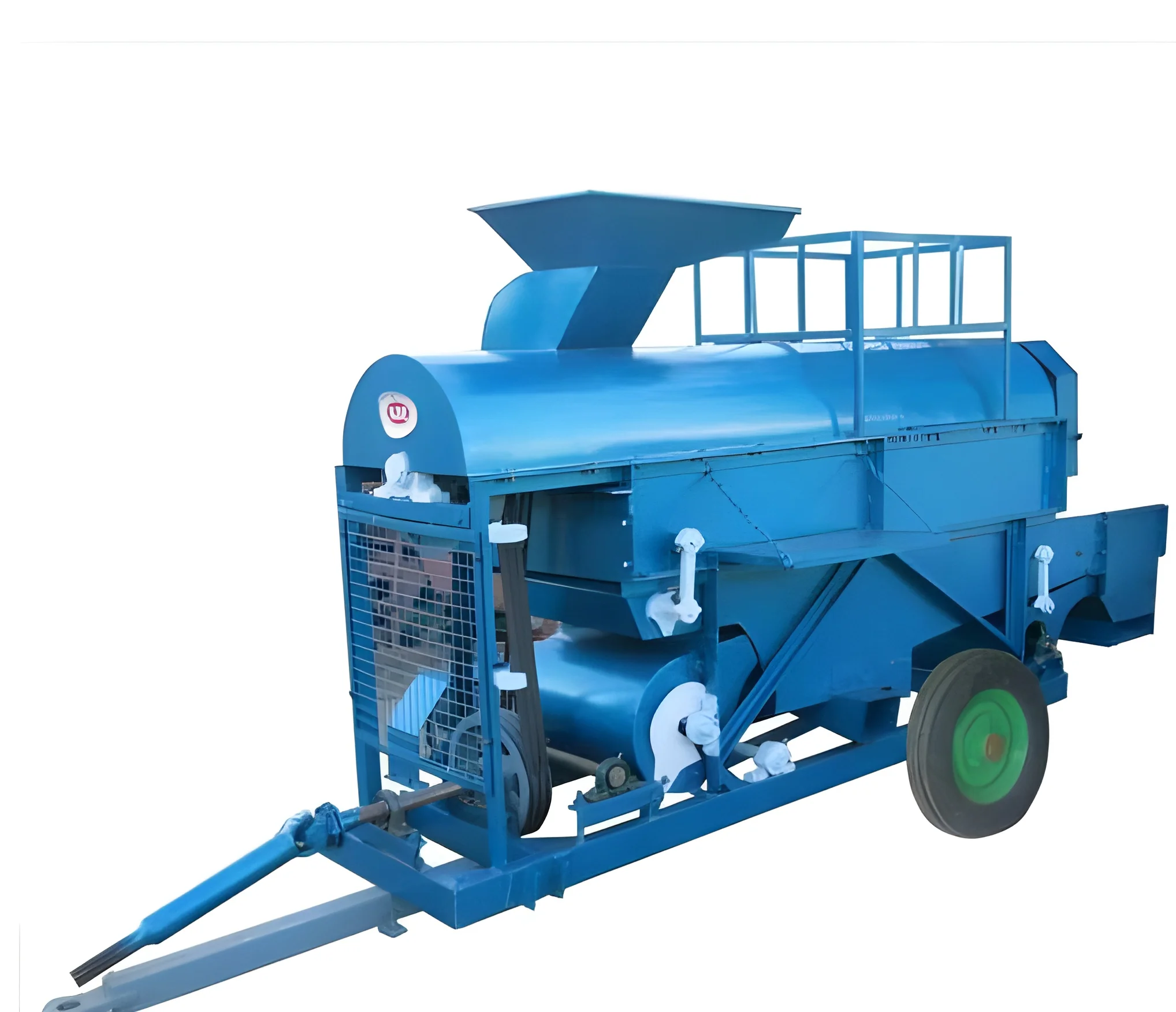
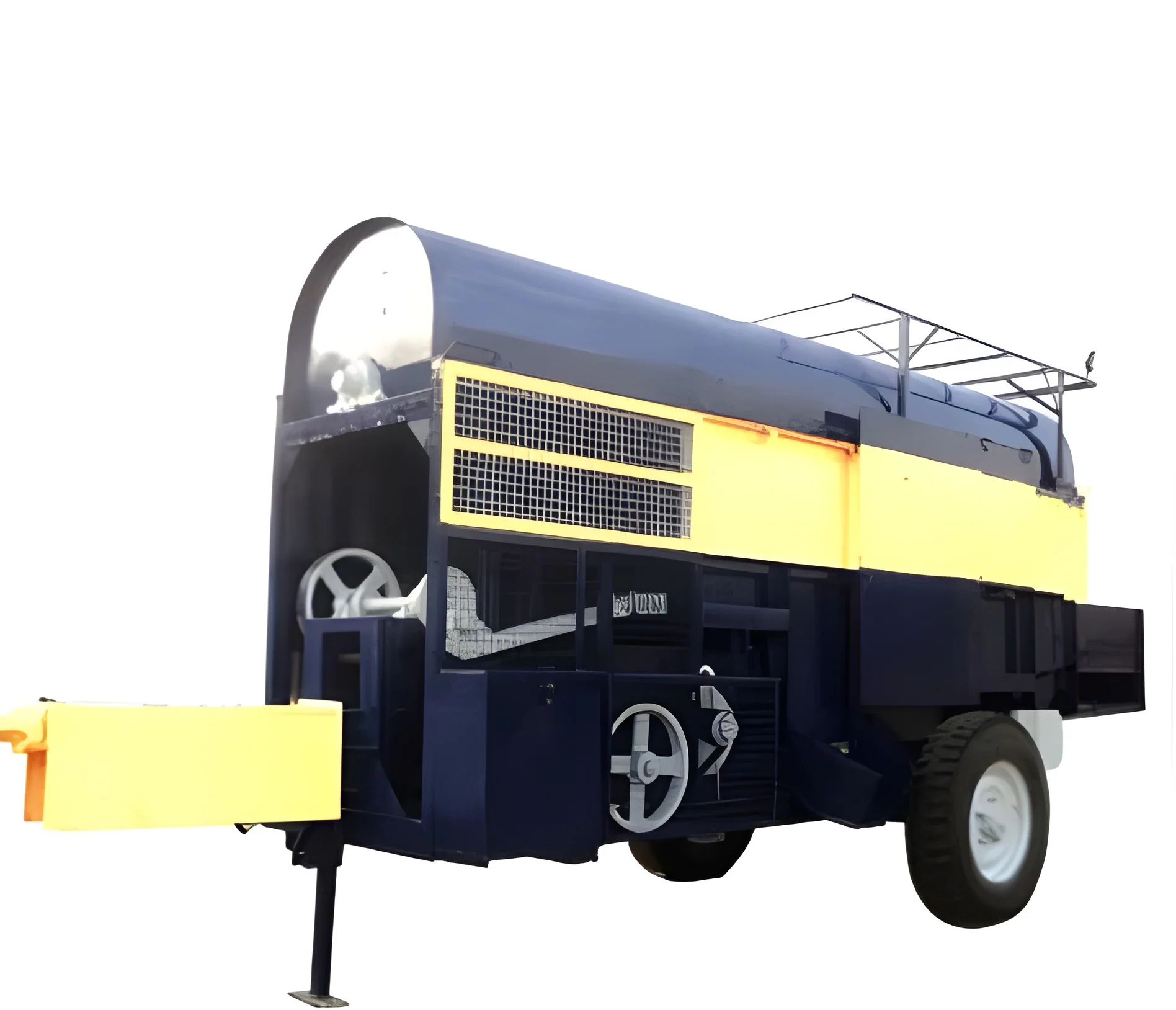
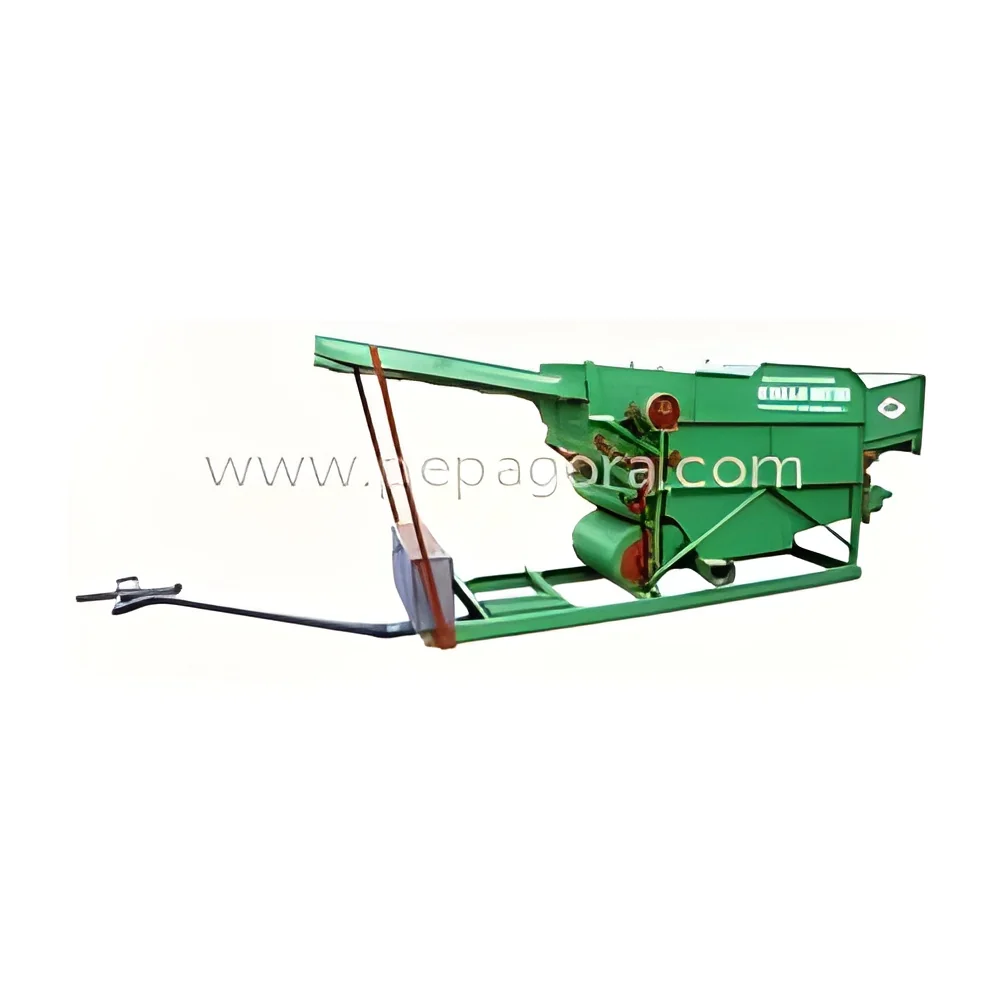
What are Threshers (Multi-Crop, Paddy, Wheat)?
Threshers are agricultural machines designed to separate grains from their chaff and husks. They are essential in the harvesting process, ensuring that crops such as paddy and wheat are processed efficiently. Multi-crop threshers can handle various types of grains, making them versatile tools for farmers and agricultural businesses.
These machines are primarily used in the agricultural sector for post-harvest processing. They help in increasing productivity by reducing the manual labor required and speeding up the harvesting process. Businesses involved in grain processing, farming, and agricultural equipment manufacturing find threshers crucial for their operations. The global market for threshers continues to grow as farmers seek more efficient ways to enhance their harvest yields and reduce waste.
๐๐ฒ๐ ๐๐ฒ๐ฎ๐๐๐ฟ๐ฒ๐ ๐ฎ๐ป๐ฑ ๐ฆ๐ฝ๐ฒ๐ฐ๐ถ๐ณ๐ถ๐ฐ๐ฎ๐๐ถ๐ผ๐ป๐
Threshers offer a range of features that enhance their functionality and efficiency. Understanding these specifications is vital for buyers looking to invest in reliable agricultural machinery.
Key specifications include:
1. Capacity
- The capacity of threshers typically ranges from 500 kg to 2000 kg per hour, depending on the model and design.
2. Power Source
- Threshers can be powered by diesel engines, electric motors, or tractors, with power ratings varying from 5 HP to 100 HP.
3. Weight
- The weight of threshers generally falls between 400 kg to 1500 kg, affecting their mobility and stability during operation.
4. Dimensions
- Dimensions vary widely, with common sizes being around 2.5 to 4 meters in length, and 1 to 2 meters in width.
5. Threshing Method
- Most threshers use a combination of beating, rubbing, and separation methods to efficiently extract grains.
6. Maintenance Requirements
- Regular maintenance is necessary, with key areas including the engine, belts, and threshing components.
7. Safety Features
- Threshers are equipped with safety shields and emergency stop buttons to ensure operator safety during use.
8. Durability
- Built with robust materials, threshers are designed for long-term use and can withstand challenging agricultural conditions.
The specifications guide users in selecting the right thresher for their specific needs, ensuring optimal performance and efficiency.
๐๐ผ๐บ๐บ๐ผ๐ป ๐๐ฝ๐ฝ๐น๐ถ๐ฐ๐ฎ๐๐ถ๐ผ๐ป๐ ๐ฎ๐ป๐ฑ ๐จ๐๐ฒ ๐๐ฎ๐๐ฒ๐
Threshers serve various industries and applications beyond basic grain processing.
1. Agriculture: Farmers utilize threshers to improve efficiency in harvesting various crops like rice, wheat, and barley.
2. Food Processing: Companies in the food industry use threshers for preprocessing grains, ensuring quality and consistency in their products.
3. Export and Trading: Exporters of agricultural products rely on efficient threshing to prepare grains for international markets.
4. Cooperative Societies: Agricultural cooperatives employ threshers to assist local farmers, enhancing community productivity.
5. Research Institutions: Agricultural research organizations use threshers for experiments related to crop yields and processing techniques.
6. Organic Farming: Organic farmers adopt threshers designed for gentle processing to maintain the integrity of organic grains.
7. Custom Harvesting Services: Entrepreneurs in the custom harvesting business offer thresher services to local farmers, improving their operational efficiency.
๐ฃ๐ฟ๐ผ๐ฑ๐๐ฐ๐ ๐ฉ๐ฎ๐ฟ๐ถ๐ฎ๐ป๐๐ ๐ฎ๐ป๐ฑ ๐ฆ๐๐ฏ๐ฐ๐ฎ๐๐ฒ๐ด๐ผ๐ฟ๐ถ๐ฒ๐
The diversity of threshers allows buyers to choose models that best fit their operational needs.
Multi-Crop Thresher
This variant is engineered to handle a variety of crops, making it ideal for farms that grow multiple grain types. It features adjustable settings to accommodate different grain sizes and moisture levels.
Paddy Thresher
Specifically designed for rice, the paddy thresher efficiently separates grains from husks while minimizing damage to the rice. Its gentle threshing mechanism ensures high-quality output, which is essential for market standards.
Wheat Thresher
The wheat thresher is optimized for processing wheat with high efficiency. It is equipped with advanced features for quick separation and clean output, ensuring minimal loss during the threshing process.
๐๐ฒ๐ป๐ฒ๐ณ๐ถ๐๐ ๐ฎ๐ป๐ฑ ๐๐ฑ๐๐ฎ๐ป๐๐ฎ๐ด๐ฒ๐
Investing in threshers brings numerous advantages to agricultural operations.
1. Increased Efficiency: Threshers significantly reduce the time and labor required for grain processing, boosting overall productivity.
2. Improved Grain Quality: With precise threshing methods, the quality of grains is maintained, leading to better market prices.
3. Cost Savings: By automating the threshing process, farmers can save on labor costs and increase their profit margins.
4. Versatility: Multi-crop models offer flexibility for farmers growing different types of grain, maximizing their utility.
5. Reduced Crop Loss: Threshers minimize grain loss during harvesting, ensuring that more of the harvest is collected and processed.
6. Enhanced Safety: Modern threshers come with safety features that protect operators from accidents during operation.
๐๐๐๐ถ๐ป๐ด ๐๐๐ถ๐ฑ๐ฒ ๐ณ๐ผ๐ฟ ๐๐ฎ๐ ๐๐๐๐ฒ๐ฟ๐
When sourcing threshers (Multi-Crop, Paddy, Wheat), several factors should be considered to ensure a successful purchase.
1. Quality Assessment: Evaluate the build quality and performance reliability of the thresher. Look for machines that meet industry standards and have positive user reviews.
2. Supplier Verification: Conduct thorough background checks on suppliers to ensure they are reputable and have a history of delivering quality products.
3. Pricing and MOQ: Understand the pricing structure and minimum order quantities. This helps in budgeting and assessing the economic feasibility of the purchase.
4. Delivery and Lead Times: Discuss the expected delivery timelines with suppliers to align with operational schedules.
5. Compliance Requirements: Ensure that the threshers meet local regulatory standards, including safety and environmental guidelines.
๐๐ผ๐บ๐ฝ๐น๐ถ๐ฎ๐ป๐ฐ๐ฒ ๐ฎ๐ป๐ฑ ๐๐ฒ๐ฟ๐๐ถ๐ณ๐ถ๐ฐ๐ฎ๐๐ถ๐ผ๐ป๐
Quality and compliance are critical in the agricultural machinery industry. Relevant standards, such as ISO 9001, ensure that products meet the necessary quality management criteria. Certifications like UL and CE indicate that the equipment adheres to safety and performance regulations.
Safety and testing requirements are essential to ensure that threshers operate safely and efficiently. Manufacturers should provide documentation proving compliance with these standards. Additionally, regional compliance considerations may vary, so it is crucial to be aware of local regulations regarding agricultural equipment.
Why Source Threshers (Multi-Crop, Paddy, Wheat) from Pepagora?
Pepagora offers a trusted platform for sourcing threshers (Multi-Crop, Paddy, Wheat) with several key advantages.
Verified Supplier Network: Pepagora ensures that all suppliers are thoroughly vetted, providing buyers with access to reliable and quality products.
Streamlined RFQ Process: The request for quotation (RFQ) system simplifies the purchasing process, allowing buyers to receive and compare quotes efficiently.
Trade Assurance and Support: Pepagora offers buyer protection through trade assurance, ensuring that transactions are secure and disputes are managed effectively.
Regional Coverage: With a strong presence in India, GCC, and Southeast Asia, Pepagora connects buyers with suppliers across significant agricultural markets, facilitating easier access to essential machinery.