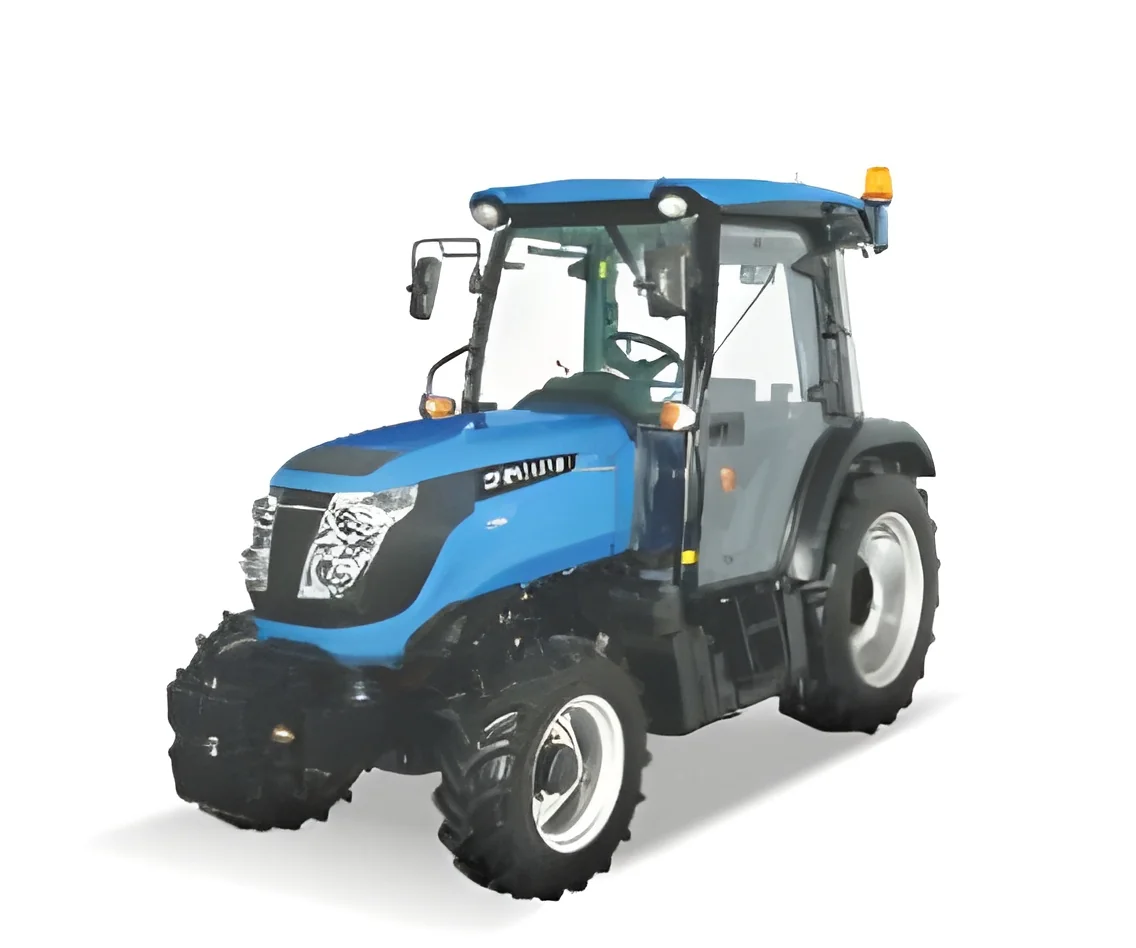
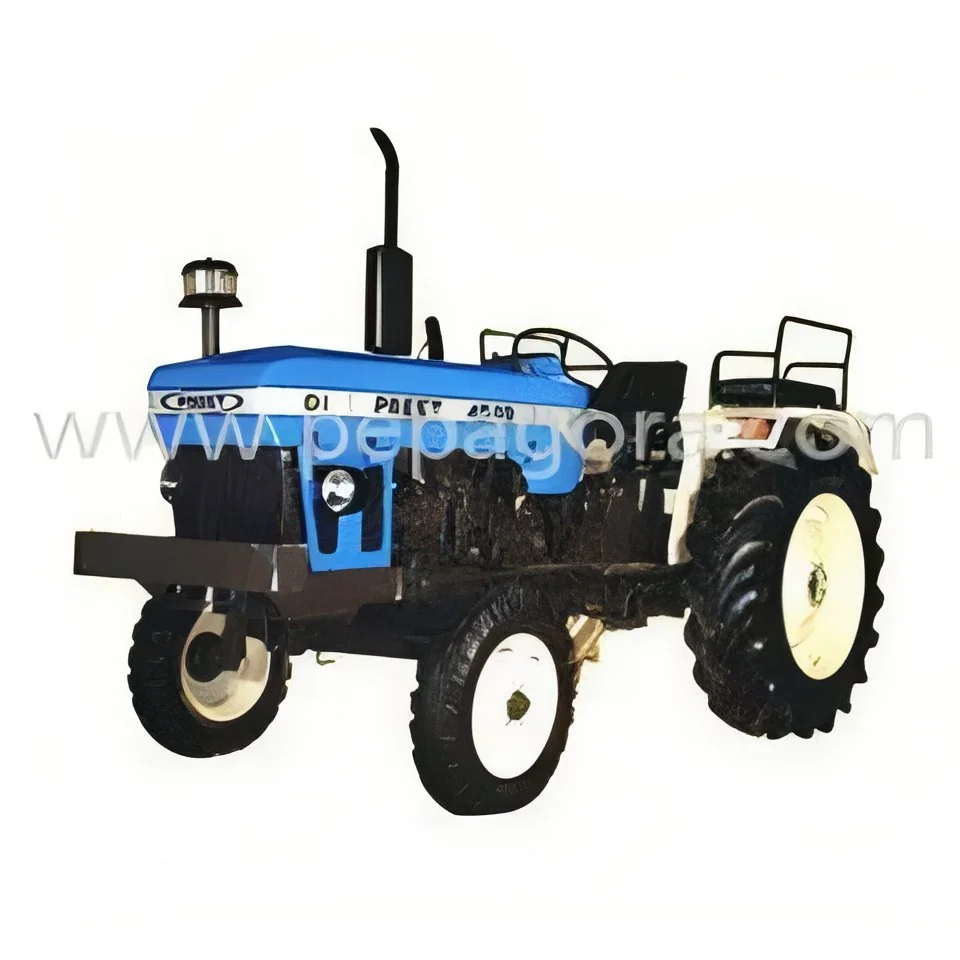
What are Four-Wheel Drive Tractors?
Four-wheel drive tractors are versatile and powerful farming machines designed to provide enhanced traction and stability across various terrains. Unlike two-wheel drive tractors, these machines distribute power to all four wheels, allowing them to navigate challenging conditions such as muddy fields, steep slopes, and uneven landscapes. This feature makes them ideal for heavy-duty tasks that require a strong grip and reliable performance.
These tractors are primarily used in agricultural settings for tasks such as plowing, tilling, planting, and harvesting. Their robust design enables them to handle larger implements and attachments, making them suitable for a wide range of farming applications. Additionally, four-wheel drive tractors are increasingly utilized in construction, landscaping, and forestry operations, where their ability to traverse difficult terrain is essential.
The relevance of four-wheel drive tractors in the agricultural sector continues to grow as modern farming practices evolve. As the demand for higher productivity and efficiency increases, these tractors are becoming integral to farm operations worldwide. With continuous advancements in technology and design, the market for four-wheel drive tractors is expected to expand further, offering more options for businesses in various industries.
Key Features and Specifications
Four-wheel drive tractors come with a range of features that enhance their performance and usability. These specifications cater to various agricultural and industrial needs, providing buyers with options that best fit their requirements.
Key specifications include:
1. Engine Power
- Typically ranges from 50 to 600 horsepower.
- Determines the tractor's capacity to handle heavy loads and attachments.
2. Transmission Type
- Available in manual, automatic, and powershift options.
- Affects speed control and ease of operation.
3. Wheelbase
- Commonly between 80 to 120 inches.
- Influences stability and maneuverability.
4. Weight
- Generally ranges from 3,000 to 20,000 pounds.
- Heavier models provide better traction but may limit mobility.
5. Fuel Type
- Most use diesel, with some models available for alternative fuels.
- Affects operational costs and environmental impact.
6. PTO (Power Take-Off) Capacity
- Ranges from 30 to 100 horsepower.
- Essential for operating various attachments like mowers and tillers.
7. Hydraulic System Capacity
- Typically between 15 to 30 gallons per minute.
- Impacts the efficiency of operating hydraulic implements.
8. Cab Options
- Available with open or closed cab designs.
- Closed cabs offer climate control and comfort for the operator.
In summary, four-wheel drive tractors are equipped with advanced features and specifications designed to meet the diverse needs of modern agriculture and industry.
Common Applications and Use Cases
Four-wheel drive tractors are utilized across various sectors due to their versatility and power.
1. Agriculture: Farmers use these tractors for planting, cultivating, and harvesting crops. Their ability to operate on uneven terrain makes them ideal for diverse agricultural tasks.
2. Construction: In the construction industry, these tractors are employed for site preparation, material transport, and landscaping. Their powerful engines can handle heavy loads and navigate challenging conditions.
3. Forestry: Four-wheel drive tractors are essential in forestry operations for tasks such as logging, land clearing, and transportation of timber. Their traction allows them to work effectively in rugged environments.
4. Landscaping: Landscape professionals use these tractors for grading, soil preparation, and heavy lifting tasks. Their stability and power make them suitable for large-scale landscaping projects.
5. Snow Removal: In regions with heavy snowfall, four-wheel drive tractors are often used for snow plowing and removal. Their capability to handle slippery conditions is invaluable.
6. Municipal Services: Many municipalities employ these tractors for road maintenance, park management, and public works projects, benefiting from their multi-functional nature.
7. Sports and Recreation: In recreational settings, these tractors are used for golf course maintenance, athletic field preparation, and park landscaping, ensuring well-maintained outdoor spaces.
Product Variants and Subcategories
Four-wheel drive tractors come in various configurations to suit specific needs. Their diversity allows buyers to select models that align with their operational requirements.
Compact Four-Wheel Drive Tractors
These smaller models are ideal for limited spaces and lighter tasks. They are perfect for small farms, gardens, and landscaping projects, offering maneuverability without sacrificing power.
Utility Four-Wheel Drive Tractors
Utility models are designed for versatility and can handle a wide range of attachments. These tractors are commonly used in both agricultural and industrial settings, making them a popular choice among buyers.
High-Horsepower Four-Wheel Drive Tractors
These larger tractors are built for heavy-duty tasks and are often used in large-scale farming operations. Their robust engines and advanced features make them suitable for demanding agricultural tasks.
Benefits and Advantages
Investing in four-wheel drive tractors offers numerous benefits for businesses.
Key benefits include:
1. Enhanced Stability: The four-wheel drive system provides better traction and stability on uneven terrain, reducing the risk of slippage.
2. Increased Efficiency: These tractors can handle larger loads and attachments, improving productivity on the field or job site.
3. Versatility: With the ability to switch attachments, four-wheel drive tractors can perform a variety of tasks, making them a valuable asset for multiple industries.
4. Operator Comfort: Many models come with ergonomic designs and climate-controlled cabins, ensuring comfort during long operational hours.
5. Reduced Soil Compaction: The design of four-wheel drive tractors helps distribute weight evenly, minimizing soil compaction and promoting better crop yields.
6. Improved Maneuverability: Their design allows for better handling in tight spaces and on challenging landscapes, making them suitable for diverse applications.
Buying Guide for B2B Buyers
When sourcing four-wheel drive tractors, several factors should be considered to ensure a suitable purchase.
1. Quality Assessment: Evaluate the build quality and reliability of the tractors. Look for established manufacturers with a reputation for durable and efficient products.
2. Supplier Verification: Conduct thorough research on suppliers. Check their track record, customer reviews, and certifications to ensure they meet industry standards.
3. Pricing and MOQ: Consider the pricing structures and minimum order quantities. Compare quotes from multiple suppliers to find competitive offers that suit your budget.
4. Delivery and Lead Times: Discuss logistics with potential suppliers. Understand their delivery capabilities and lead times to ensure timely availability of the tractors.
5. Compliance Requirements: Be aware of any regulatory standards and compliance requirements in your region. Ensure that the tractors meet necessary safety and quality certifications.
Compliance and Certifications
Four-wheel drive tractors must adhere to various compliance and certification requirements to ensure safety and reliability.
Relevant quality standards include ISO 9001, which focuses on quality management systems, ensuring that manufacturers maintain consistent quality in their production processes. Compliance with HACCP and GDP may also be relevant for certain agricultural tasks, especially those involving food production.
Industry certifications such as CE mark signify that the tractors meet the European Union's safety, health, and environmental protection standards. This certification is crucial for ensuring that the tractors are safe for operation within the EU market.
Safety and testing requirements are paramount. Manufacturers typically conduct rigorous testing to ensure that the tractors can perform safely under various operating conditions. Additionally, regional compliance considerations may vary, so it is essential for businesses to be aware of local regulations that affect tractor usage.
Why Source Four-Wheel Drive Tractors from Pepagora?
Pepagora provides a trusted platform for sourcing four-wheel drive tractors, offering several key advantages to buyers.
The verified supplier network ensures that all listed suppliers are thoroughly vetted, providing buyers with confidence in their purchasing decisions. This network guarantees access to high-quality tractors from reputable manufacturers.
The streamlined RFQ process simplifies the procurement journey. Buyers can easily request quotations from multiple suppliers, enabling them to compare options efficiently and select the best fit for their needs.
Trade assurance and support are critical components of Pepagora's service. Buyers benefit from protection against potential issues, ensuring a secure transaction process from start to finish.
Finally, Pepagora's regional coverage spans India, the GCC, and Southeast Asia, allowing businesses to access a broad range of suppliers and products tailored to their specific market needs. This geographic reach enhances the sourcing experience by connecting buyers with local and international suppliers efficiently.

 IN
IN