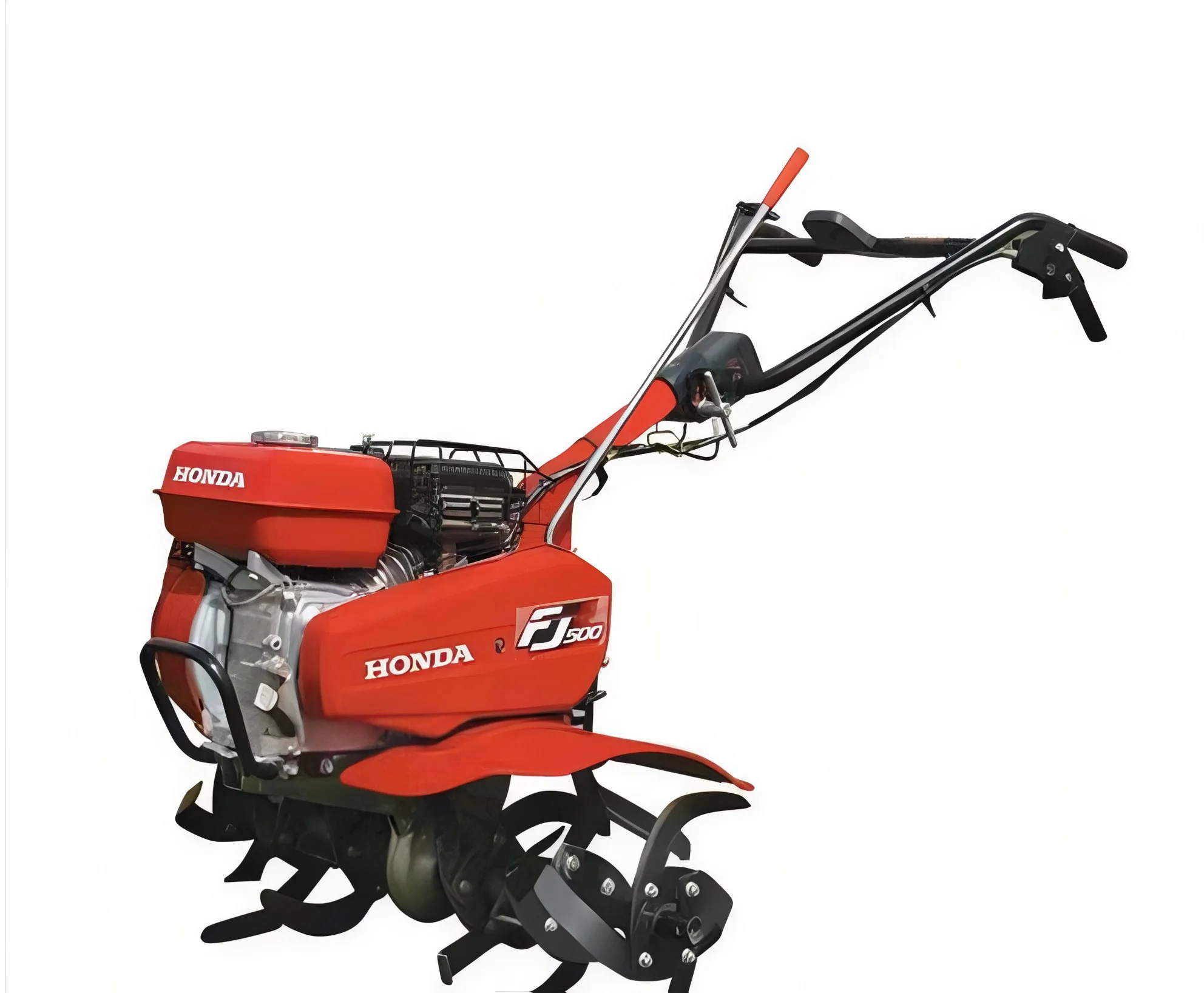
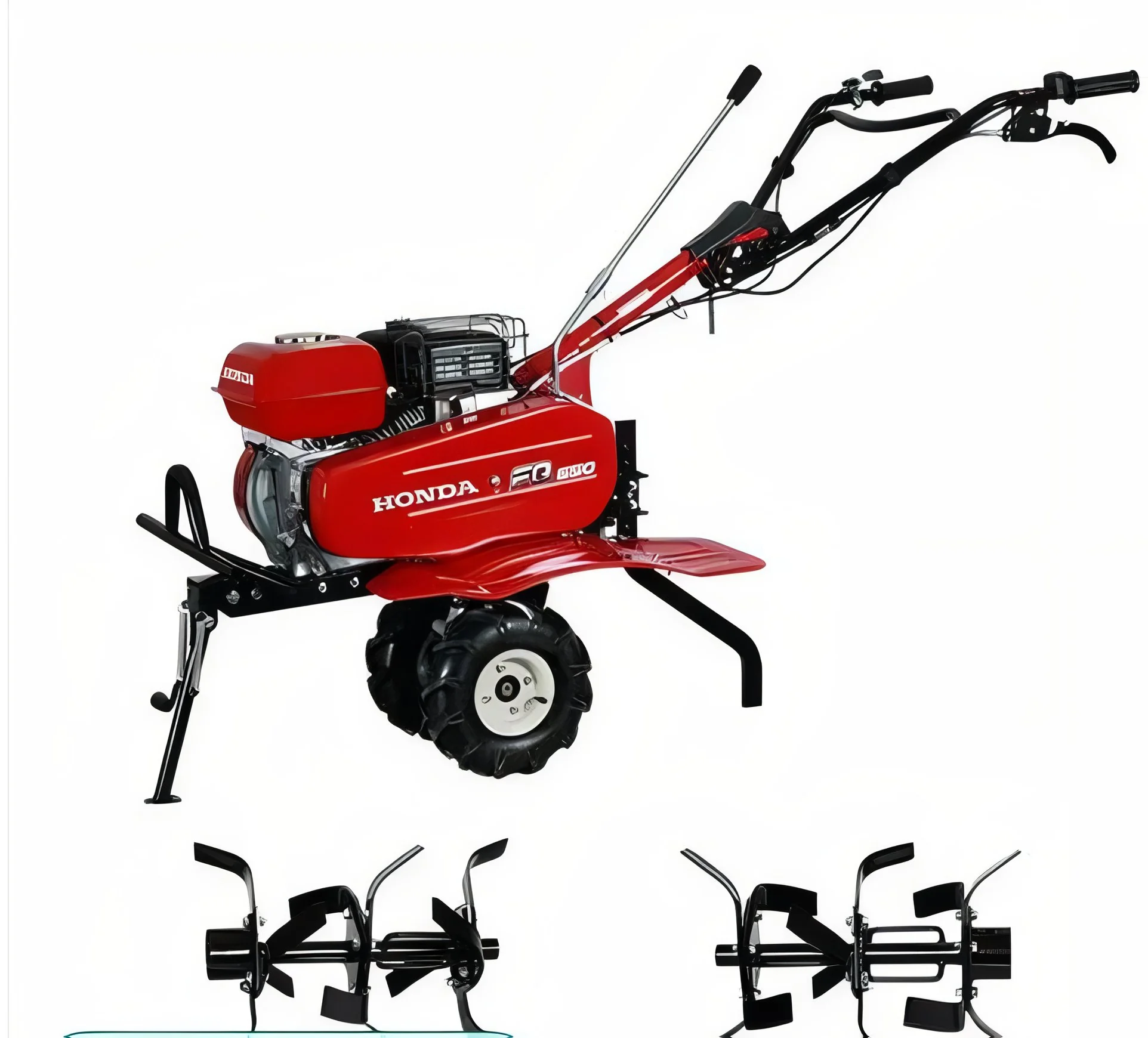
What are Rotary Tillers?
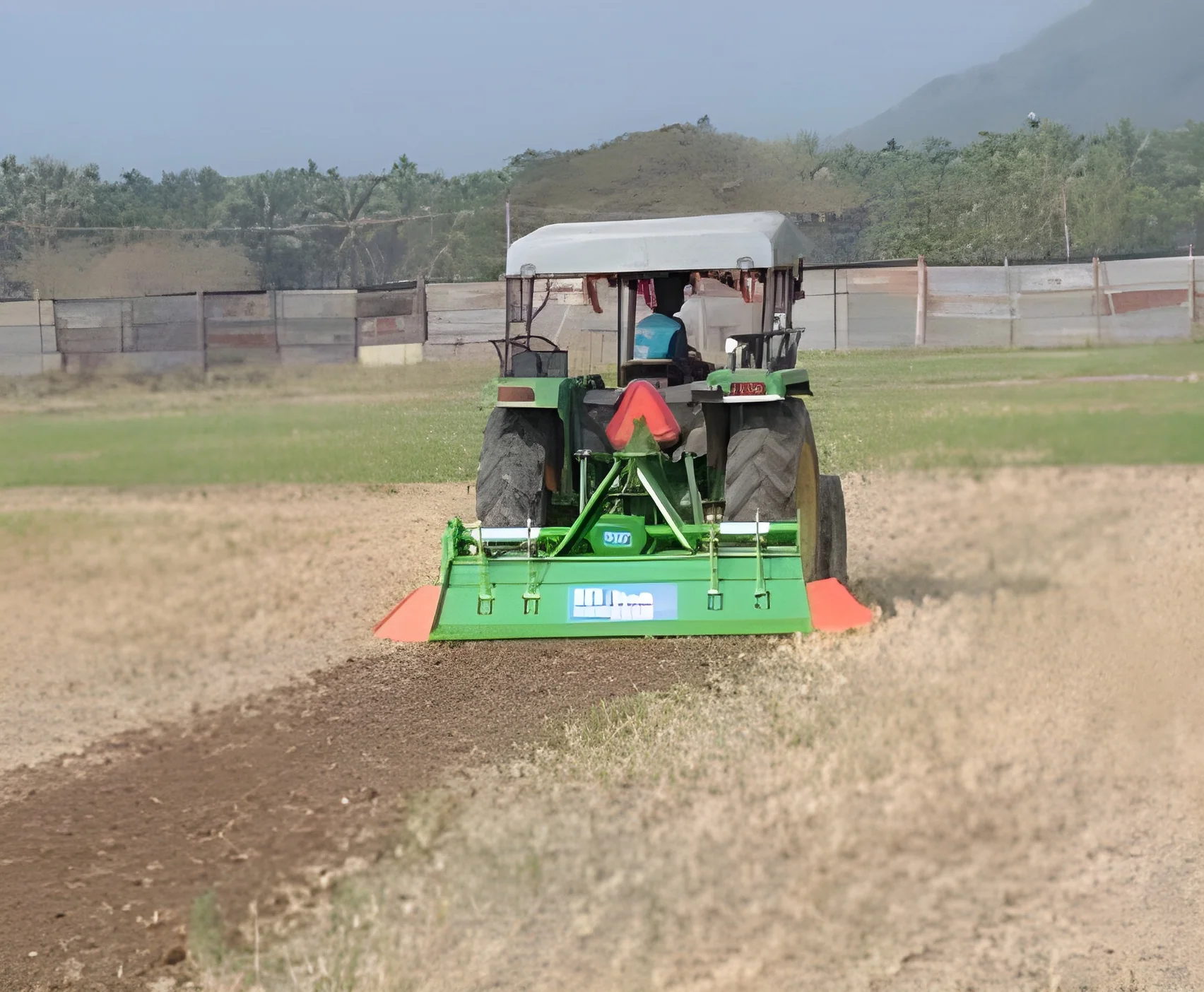
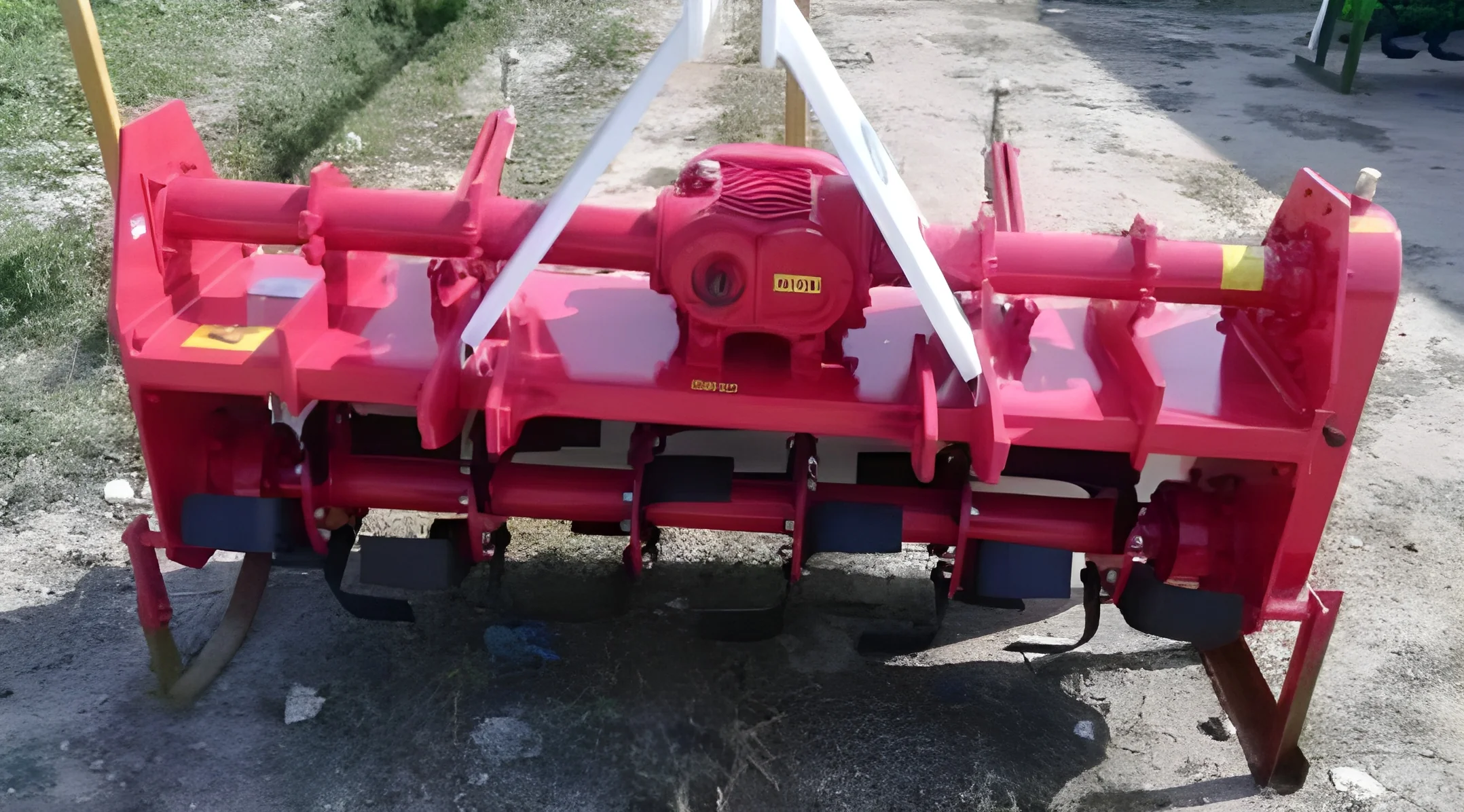
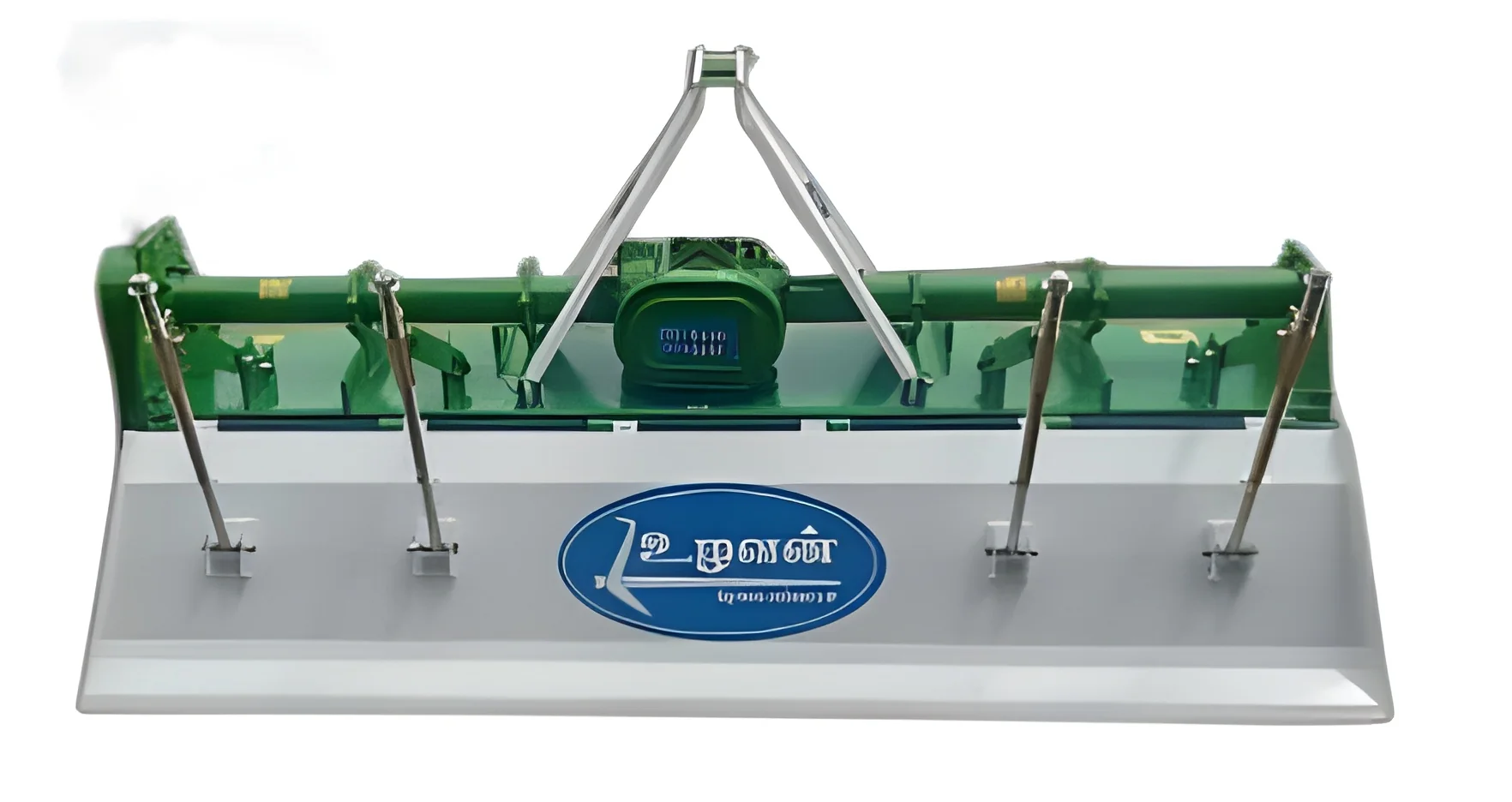
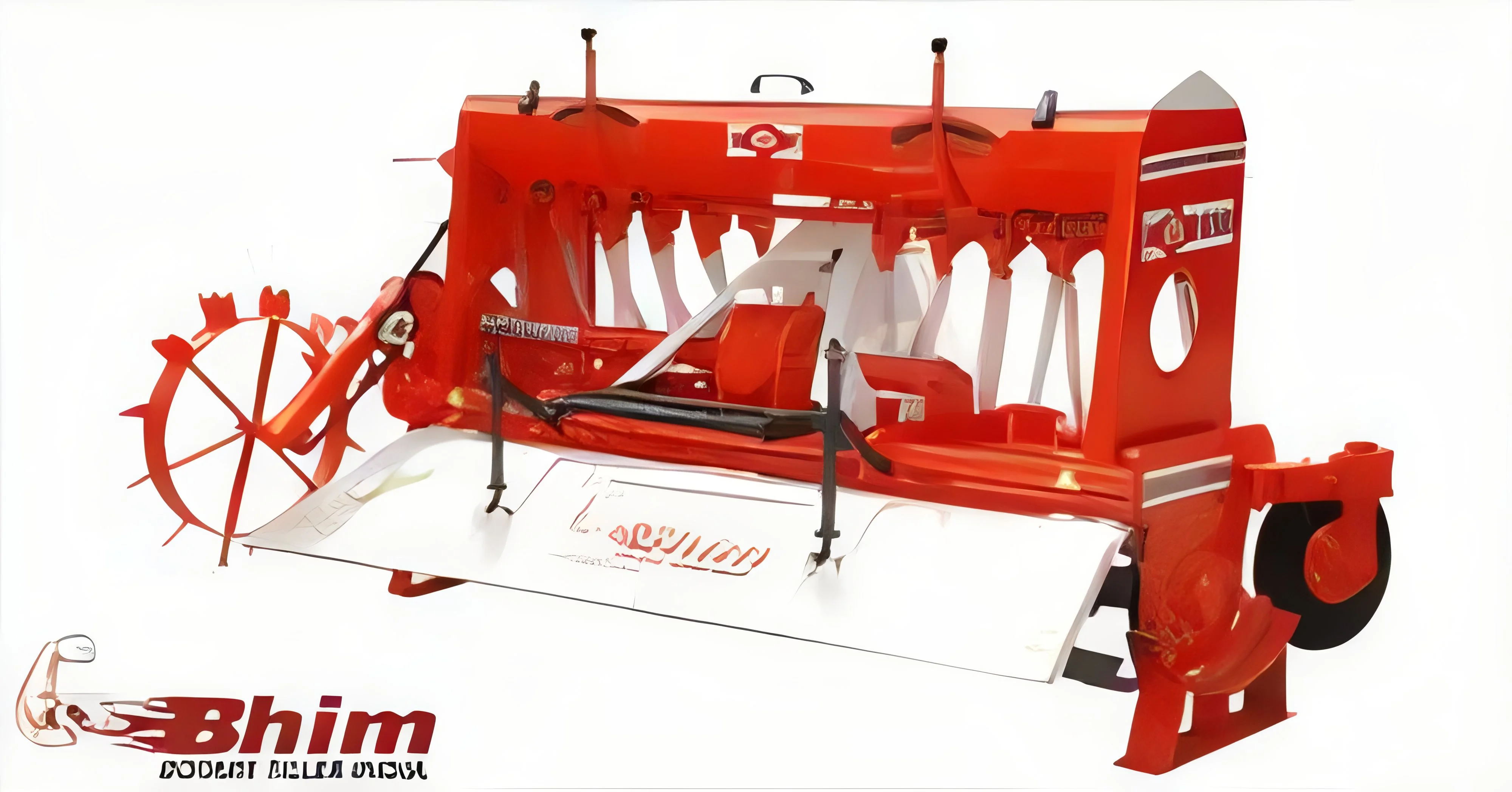
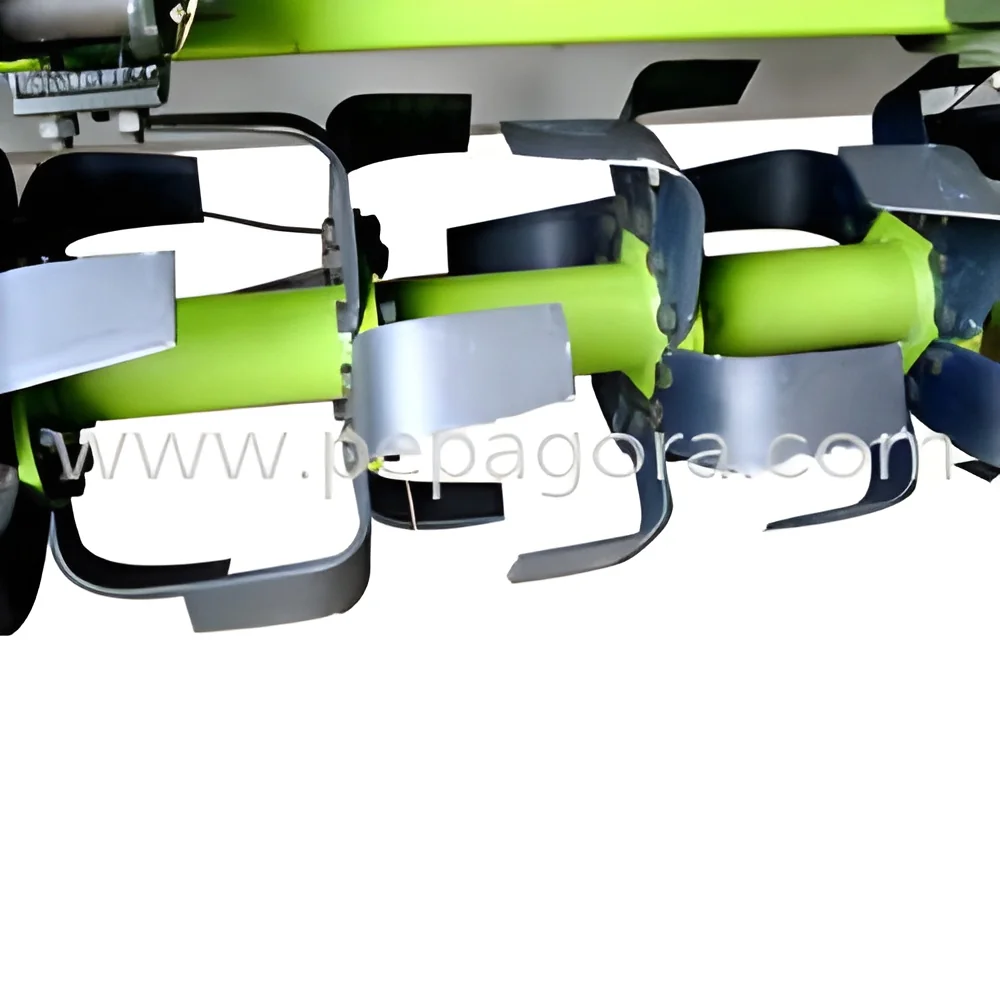
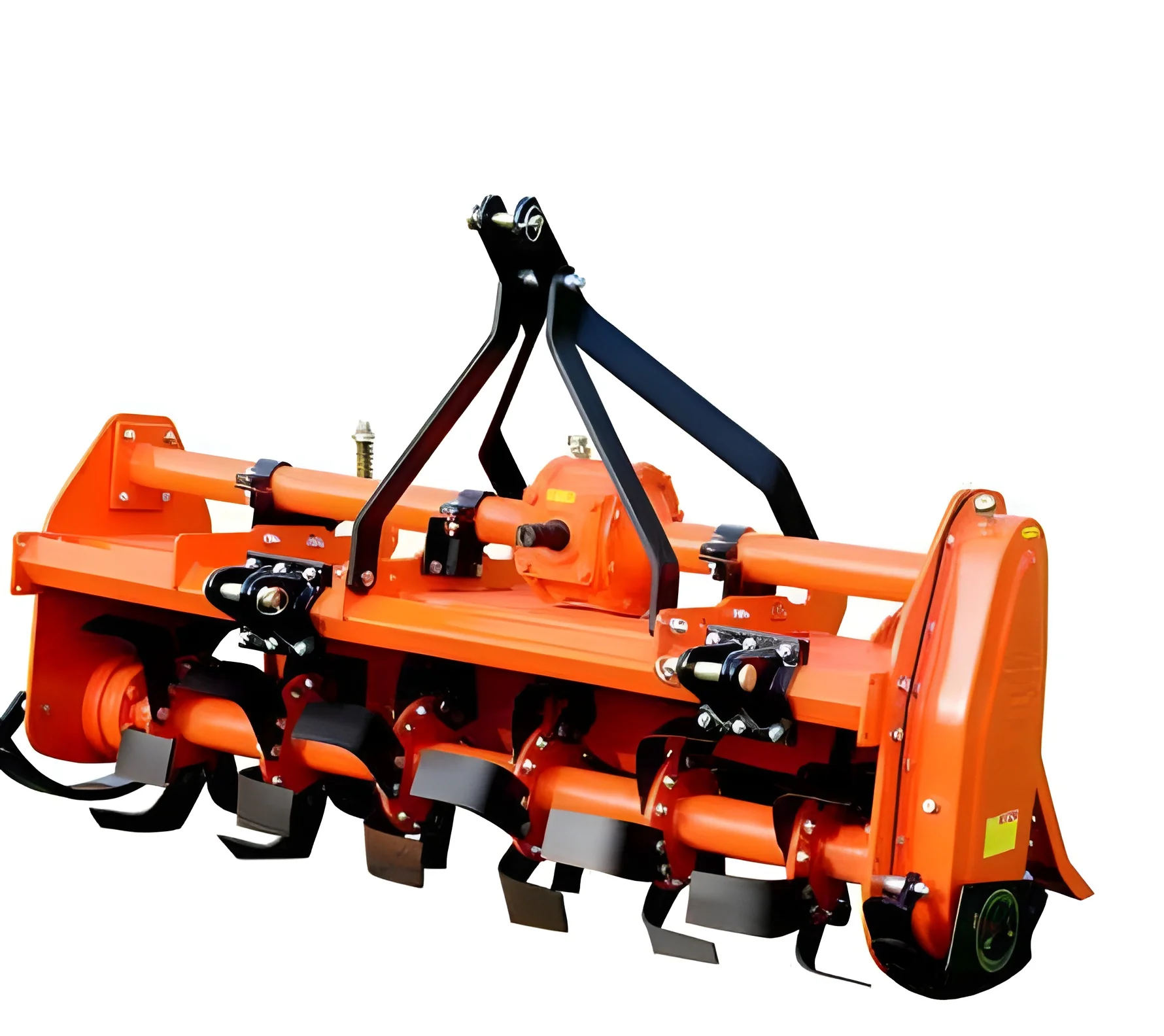
Rotary tillers are agricultural implements designed to prepare soil for planting by breaking up and mixing the soil. They are typically attached to tractors and utilize rotating blades to turn over the earth, aerating it and helping to incorporate organic matter. This process enhances soil structure and promotes healthy plant growth by ensuring better seed-to-soil contact.
These tillers are primarily used in farming and gardening applications, facilitating the cultivation of various crops. They can handle different soil types, making them versatile for both small-scale gardens and large agricultural fields. By effectively tilling the soil, rotary tillers support efficient planting, weeding, and seedbed preparation. As the demand for efficient farming practices continues to rise, rotary tillers remain relevant in modern agriculture, contributing to improved yields and productivity.
Key Features and Specifications
Rotary tillers come with a variety of features and specifications that enhance their performance and adaptability in different soil conditions. Understanding these specifications is essential for selecting the right tiller for specific agricultural needs.
Key specifications include:
1. Tilling Width
- The width of the tilling area varies, typically ranging from 36 to 84 inches.
- Wider tilling widths allow for more efficient soil preparation over large areas.
2. Tilling Depth
- The depth can be adjusted, usually from 6 to 12 inches.
- This flexibility enables the user to reach the desired soil layer for optimal planting conditions.
3. RPM (Revolutions Per Minute)
- Most rotary tillers operate at speeds of 200 to 400 RPM.
- Higher RPMs contribute to more effective soil mixing and aeration.
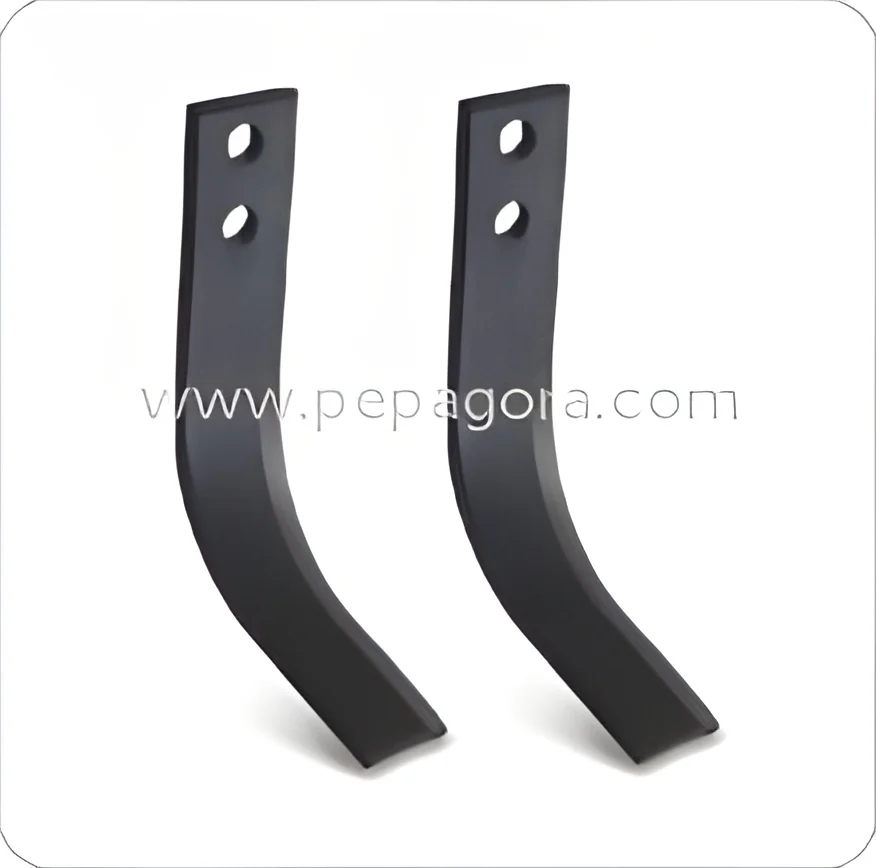
4. Blade Type
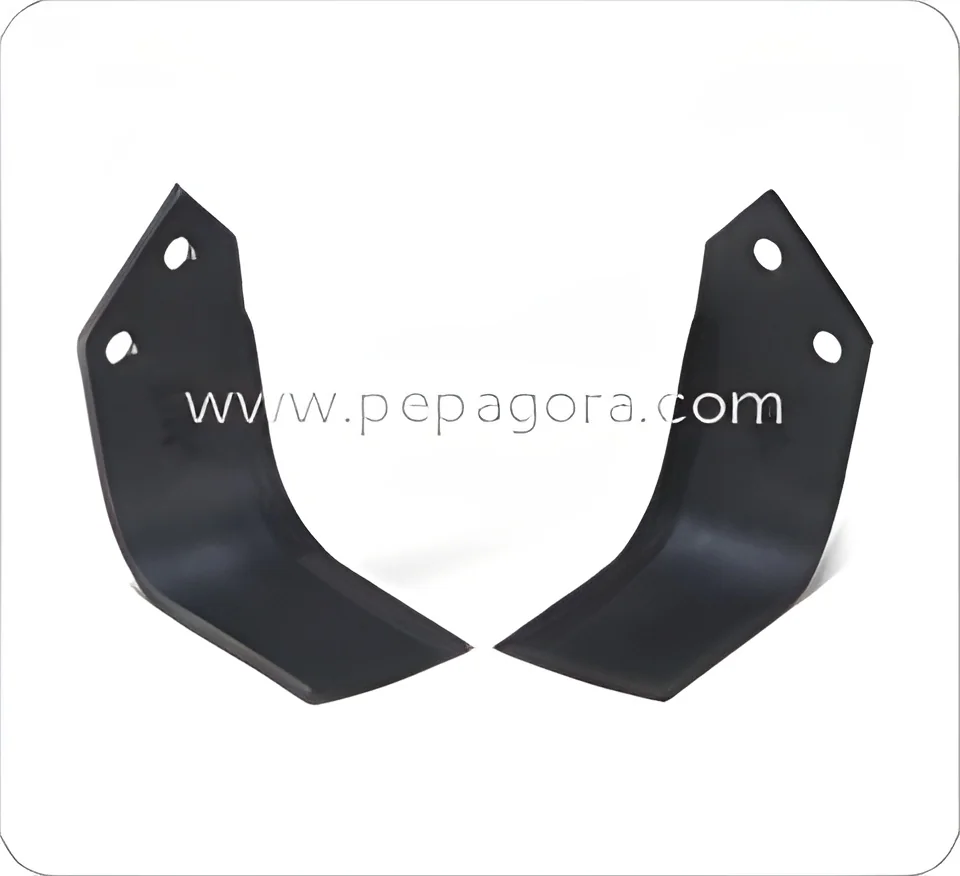
- Blades may be of different designs, including L-shaped and C-shaped.
- Different blade types offer varying degrees of soil penetration and mixing capabilities.
5. Power Requirements
- Rotary tillers require different horsepower ratings, typically from 15 to 50 HP.
- Matching the tiller to the tractor’s power is crucial for efficient operation.
6. Weight
- The weight of rotary tillers can range from 300 to over 1,000 pounds.
- Heavier models provide better stability and penetration in tough soil conditions.
7. Frame Construction
- Most tillers feature heavy-duty steel frames for durability.
- Strong frames improve resistance to wear and tear during intensive use.
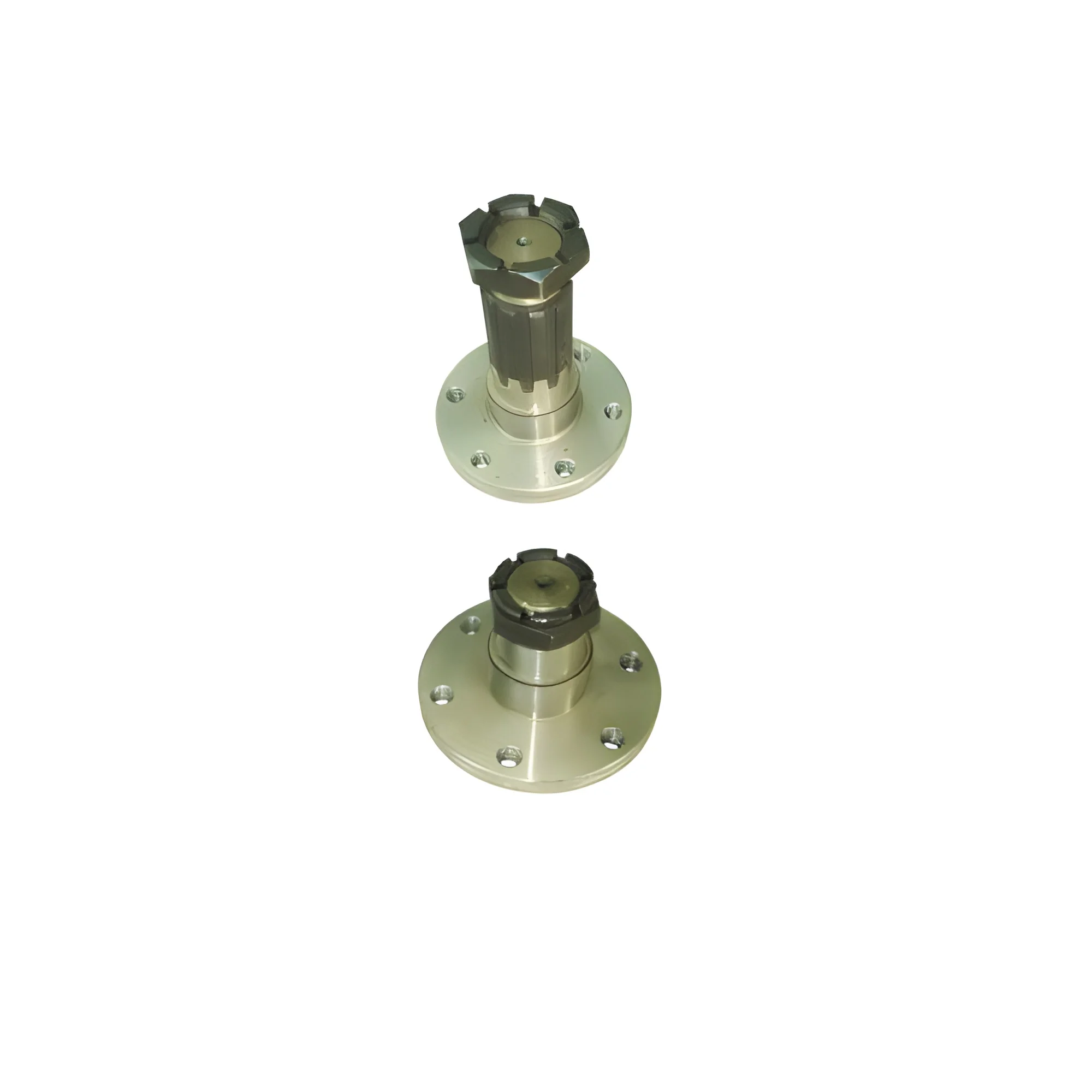
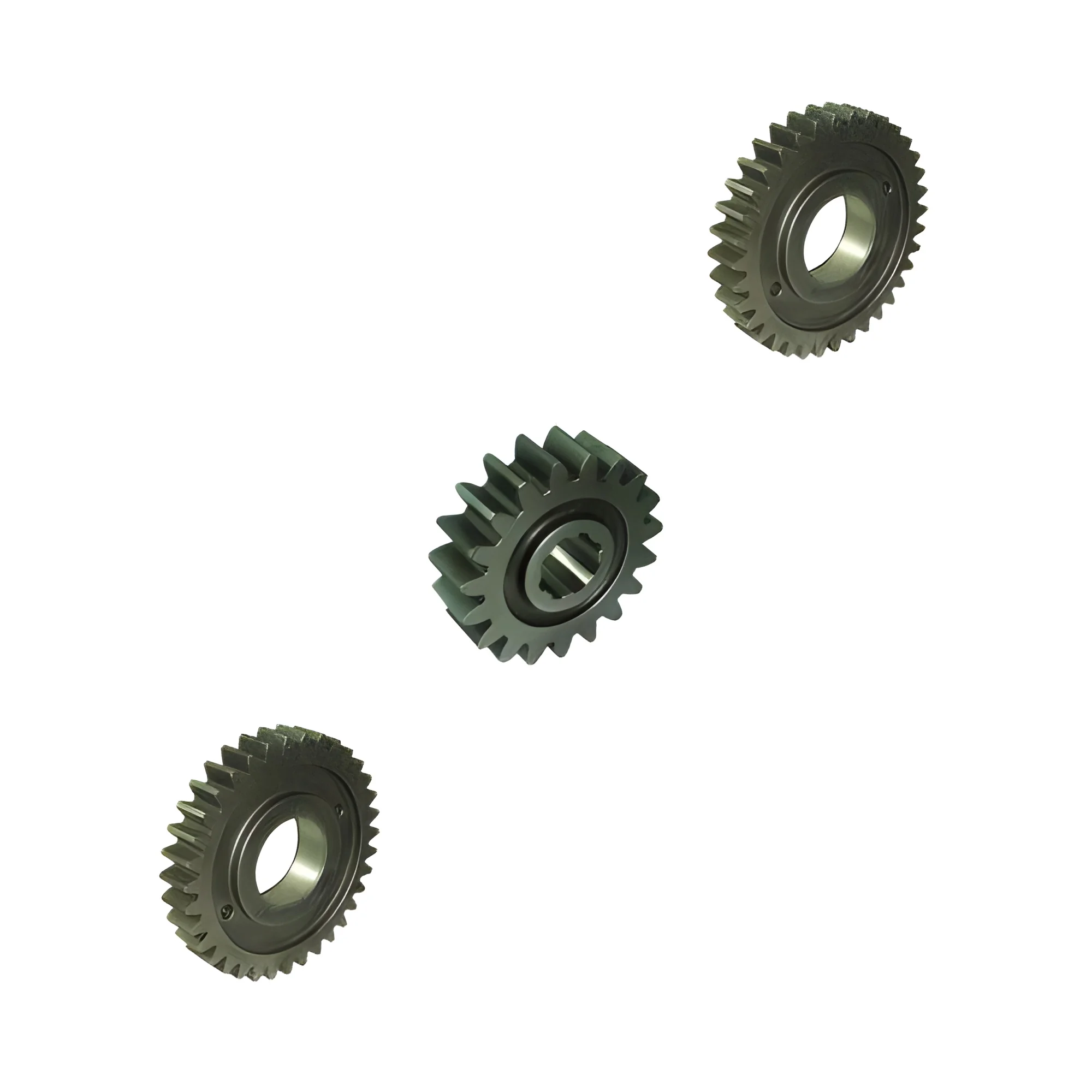
8. Gear Drive vs. Chain Drive
- Gear drive systems generally offer more durability compared to chain drives.
- The choice between these systems may affect maintenance and efficiency.
In summary, the right specifications and features can greatly enhance the performance and longevity of rotary tillers, making them an essential investment for agricultural operations.
Common Applications and Use Cases
Rotary tillers serve a wide range of industries and applications that benefit from effective soil preparation.
1. Agriculture: Farmers use rotary tillers for seedbed preparation, incorporating organic materials, and controlling weeds. This ensures optimal soil conditions for crop planting.
2. Landscaping: Landscaping professionals utilize tillers to prepare garden beds and maintain soil health for ornamental plants. They effectively mix soil amendments to improve fertility.
3. Horticulture: In horticulture, rotary tillers are employed for small-scale planting and soil aeration. They help in the cultivation of fruits and vegetables by enhancing soil structure.
4. Nursery Production: Nurseries use tillers to prepare soil for planting various plants and trees. Proper soil conditioning is vital for healthy growth and development.
5. Erosion Control: Rotary tillers can be utilized in erosion control projects to prepare soil for planting cover crops, which help stabilize soil and prevent erosion.
6. Golf Course Maintenance: Golf course superintendents may use tillers to maintain turf health and prepare fairway soil for seeding or sodding.
7. Community Gardens: In urban settings, community gardens employ rotary tillers to prepare plots for local residents, ensuring efficient and effective gardening practices.
Product Variants and Subcategories
Rotary tillers come in various variants to cater to different agricultural needs and preferences.
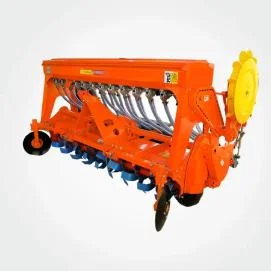
Standard Rotary Tillers: These are commonly used for general farming and gardening applications. They offer versatility and efficiency for a wide range of soil types and conditions.
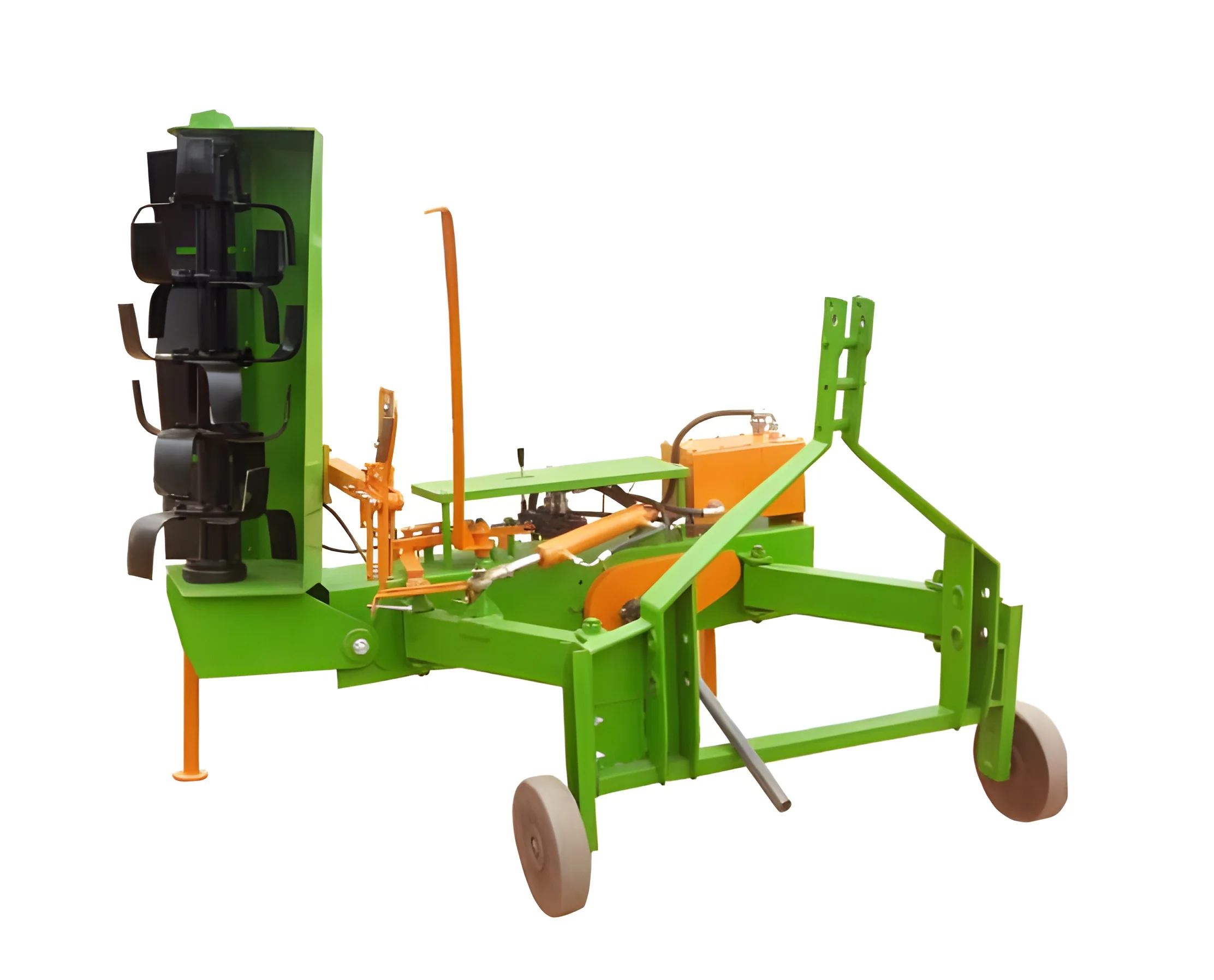
Heavy-Duty Rotary Tillers: Designed for more intensive agricultural use, these tillers can handle tougher soil conditions and larger areas. They are ideal for commercial farming operations.
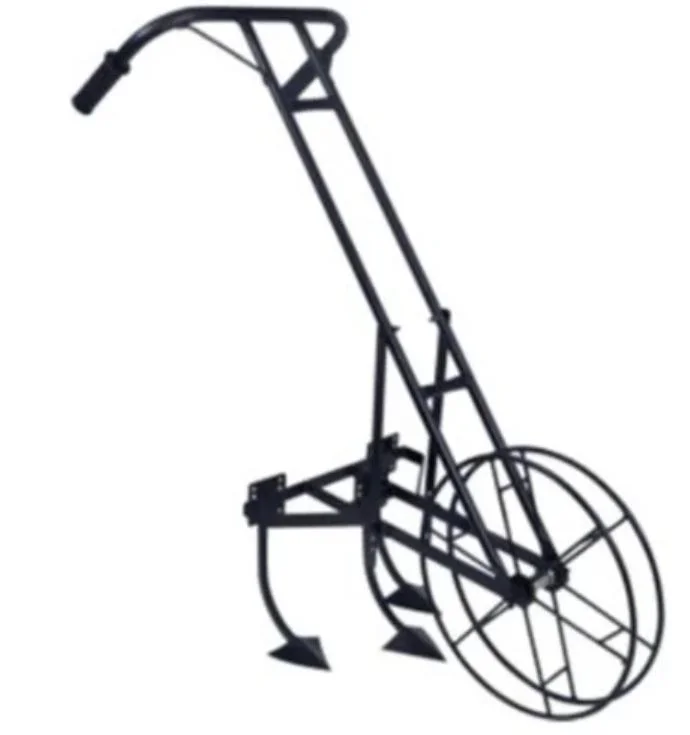
Compact Rotary Tillers: Smaller and lighter, these tillers are perfect for residential gardens and small-scale farms. They are easy to maneuver and operate in confined spaces.
Benefits and Advantages
Investing in rotary tillers provides numerous benefits that enhance agricultural productivity.
1. Improved Soil Structure: Rotary tillers break up compacted soil, enhancing aeration and water infiltration, which promotes plant health.
2. Efficient Weed Control: Tilling disrupts weed growth by uprooting and mixing them into the soil, reducing the need for herbicides.
3. Enhanced Nutrient Mixing: By incorporating organic matter into the soil, rotary tillers improve nutrient distribution, leading to better crop yields.
4. Time Savings: Rotary tillers speed up the soil preparation process, allowing farmers to plant crops more quickly and efficiently.
5. Versatility: These tillers can be adjusted for various soil types and depths, making them suitable for a wide range of applications.
6. Cost-Effectiveness: By improving productivity and reducing labor requirements, rotary tillers can lead to significant cost savings in agricultural operations.
Buying Guide for B2B Buyers
When sourcing rotary tillers, buyers should consider several important factors to ensure they make informed purchasing decisions.
1. Quality Assessment: Evaluate the quality of materials and construction used in the tillers. Look for reputable manufacturers with a history of producing durable and reliable equipment.
2. Supplier Verification: Vet suppliers thoroughly by checking their credentials, customer reviews, and industry reputation. Reliable suppliers should provide documentation of their products.
3. Pricing and MOQ: Analyze pricing structures and minimum order quantities to ensure they align with budgetary constraints and purchasing preferences. Compare costs across different suppliers.
4. Delivery and Lead Times: Understand the logistics involved in shipping and delivery. Ensure that the supplier can meet your required timelines for product availability.
5. Compliance Requirements: Check for compliance with relevant regulations and safety standards, such as CE certification. This is crucial for ensuring the equipment meets industry norms.
Compliance and Certifications
Compliance and certifications are crucial considerations for rotary tillers to ensure quality and safety in agricultural operations.
Many rotary tillers adhere to quality standards such as ISO 9001, which sets criteria for quality management systems. This certification ensures that products meet customer and regulatory requirements consistently.
In addition to ISO standards, CE certification is common for rotary tillers sold in Europe. This certification indicates that the product complies with EU safety, health, and environmental requirements.
Safety and testing requirements are also critical. Manufacturers must conduct rigorous testing to ensure that their tillers can withstand the demands of agricultural use without compromising safety.
Regional compliance considerations may vary, so it is essential for buyers to be aware of local regulations that govern agricultural machinery in their area.
Why Source Rotary Tillers from Pepagora?
Pepagora provides a trusted platform for sourcing rotary tillers, offering several key advantages to B2B buyers.
Verified Supplier Network: Pepagora features a network of verified suppliers, ensuring that buyers can connect with reputable manufacturers. This reduces the risk associated with sourcing equipment.
Streamlined RFQ Process: The request for quotation (RFQ) process is simplified on Pepagora, allowing buyers to receive competitive quotes from multiple suppliers quickly. This saves time and aids in decision-making.
Trade Assurance and Support: Buyers benefit from trade assurance, which protects their investments. Pepagora offers support throughout the purchasing process, ensuring that buyers feel secure in their transactions.
Regional Coverage: Pepagora's geographic reach includes India, the GCC, and Southeast Asia. This broad coverage means that buyers can find suppliers that meet their specific regional needs while tapping into a diverse market.

 IN
IN