What are Agriculture Products Processing?
Agriculture products processing refers to the methods and techniques used to transform raw agricultural products into consumable goods. This process involves several stages, such as cleaning, grading, packaging, and preservation. The primary goal of agriculture products processing is to enhance the quality, shelf life, and marketability of these products. These processes can be carried out on various agricultural commodities, including fruits, vegetables, grains, and meat.
The primary uses of agriculture products processing are seen in food manufacturing and distribution, where processed products are essential for meeting consumer demand. Businesses in the food industry utilize these processes to ensure safety, quality, and consistency in their offerings. Additionally, agriculture products processing plays a crucial role in reducing waste and maximizing resource efficiency. This industry is vital to global food security and economic stability, with an ever-increasing market driven by population growth and changing consumer preferences.
The agriculture products processing sector is relevant across multiple markets, from local farmers to multinational corporations. As the demand for processed foods continues to rise, companies must adapt to evolving technologies and consumer trends. The market context reflects a growing emphasis on sustainable practices, traceability, and health-conscious products, making agriculture products processing a dynamic and essential field.
Key Features and Specifications
Agriculture products processing equipment is designed to meet specific needs within the industry. These features often enhance efficiency, safety, and compliance with regulations. Below are key specifications commonly associated with agriculture products processing.
Key specifications include:
1. Processing Capacity
- The volume of product that can be processed per hour or day.
- Ranges may vary from small-scale (hundreds of kilograms) to large-scale (tons).
2. Energy Efficiency
- Equipment designed to minimize energy consumption.
- Compliance with energy standards can result in cost savings.
3. Material Construction
- Use of food-safe materials such as stainless steel.
- Resistance to corrosion and ease of cleaning are critical.
4. Automation Level
- Degree of automation in the processing line.
- Options range from manual to fully automated systems.
5. Temperature Control
- Ability to maintain specific temperature ranges for processing.
- Essential for preserving freshness and preventing spoilage.
6. Compliance Features
- Equipment that meets industry standards such as HACCP and ISO.
- Ensures safety and quality in food processing.
7. Flexibility
- Capability to process various types of products.
- Adaptability for seasonal or market changes is crucial.
8. Maintenance Requirements
- Specifications on ease of maintenance and service intervals.
- Critical for minimizing downtime and ensuring longevity.
In summary, understanding the key features and specifications of agriculture products processing equipment is essential for businesses looking to enhance their operations and ensure compliance with industry standards.
Common Applications and Use Cases
Agriculture products processing has a broad range of applications across various industries. These applications are crucial for converting raw materials into finished products that meet consumer demands.
1. Food and Beverage Industry: This sector utilizes processing techniques for producing packaged foods, beverages, and snacks. Operations include canning, freezing, and pasteurization to enhance shelf life and safety.
2. Meat Processing: In this industry, raw meat is transformed into various products like sausages, deli meats, and pre-cooked items. Processing techniques include cutting, curing, and cooking.
3. Dairy Processing: Dairy products such as milk, cheese, and yogurt are produced through pasteurization, homogenization, and fermentation processes. These methods ensure product safety and quality.
4. Grain Processing: This involves the milling of grains to produce flour, as well as processing for cereals and other grain-based products. Techniques may include grinding, sifting, and fortifying.
5. Fruit and Vegetable Processing: Fresh produce is often processed into canned, frozen, or dried forms. Techniques include washing, chopping, and packaging to ensure product quality.
6. Nutraceuticals: The processing of agricultural products into health supplements involves extraction, concentration, and formulation. This industry focuses on enhancing the nutritional value of raw materials.
7. Pet Food Production: Agriculture products are processed into pet food, involving grinding, mixing, and packaging to create balanced diets for animals.
In conclusion, agriculture products processing serves vital roles in various industries, facilitating the transformation of raw materials into consumables.
Product Variants and Subcategories
Agriculture products processing encompasses a diverse array of products designed to meet specific needs within the sector. Each variant typically offers unique features and applications.
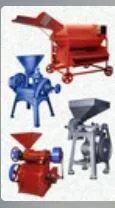
Processing Equipment
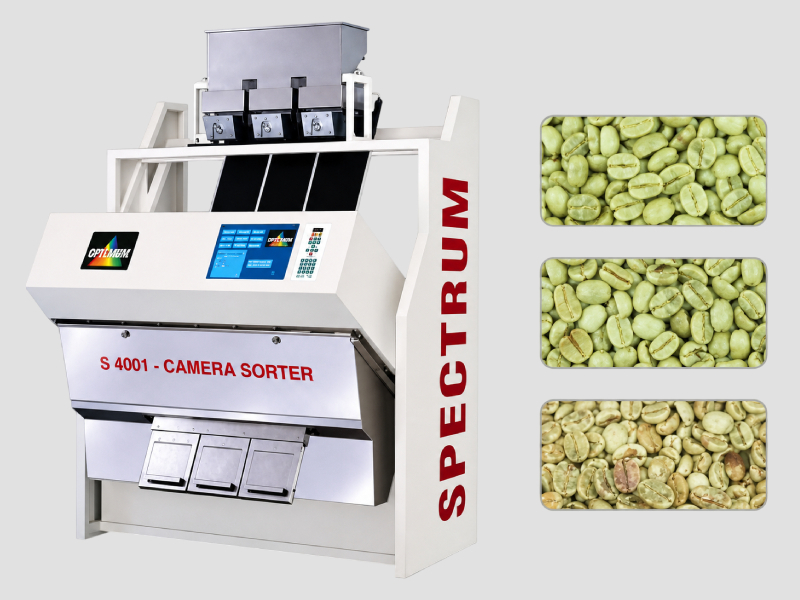
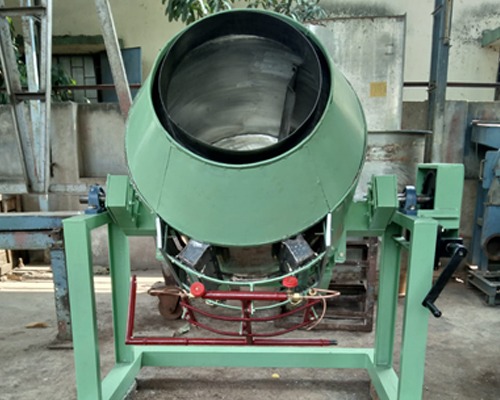
This category includes machinery for cleaning, sorting, and packaging agricultural products. Features often include automated systems that enhance efficiency and reduce labor costs.
Preservation Solutions
These products involve technologies such as refrigeration, freezing, and drying to extend the shelf life of agricultural products. They are essential for maintaining quality and safety during storage and transport.
Quality Control Systems
Systems designed for monitoring and ensuring product quality throughout the processing stages. They often include sensors and software for tracking compliance with safety standards.
Packaging Solutions
Innovative packaging technologies that enhance product shelf life and reduce waste. These solutions are crucial for maintaining the integrity of processed foods.
Benefits and Advantages
Agriculture products processing offers numerous benefits that can significantly impact business operations and consumer satisfaction.
Key benefits include:
1. Improved Product Quality: Processes enhance the taste, texture, and nutritional value of agricultural products, meeting customer expectations.
2. Extended Shelf Life: Effective processing methods, such as freezing and canning, significantly prolong the usability of products, reducing waste.
3. Enhanced Safety: Compliance with industry standards ensures that processed foods are safe for consumption, helping to prevent foodborne illnesses.
4. Increased Efficiency: Automated processes reduce labor costs and improve production speed, allowing businesses to meet growing market demands.
5. Sustainability: Many processing techniques focus on reducing waste and energy consumption, contributing to more sustainable practices in the agricultural sector.
6. Market Competitiveness: Businesses that utilize effective processing methods can differentiate their products in the marketplace, appealing to health-conscious consumers.
In summary, the advantages of agriculture products processing are significant, offering both operational efficiencies and enhanced product appeal.
Buying Guide for B2B Buyers
When sourcing agriculture products processing equipment, it is important for B2B buyers to consider several key factors to ensure they make informed decisions.
1. Quality Assessment: Evaluate the quality of the products by checking certifications and compliance with industry standards. Look for equipment that has been tested for safety and performance.
2. Supplier Verification: Conduct thorough research on potential suppliers. Verify their reputation, experience, and customer reviews to ensure reliability.
3. Pricing and MOQ: Understand the pricing structure and determine the minimum order quantity (MOQ) required by suppliers. This will help manage budget expectations and inventory levels.
4. Delivery and Lead Times: Consider the logistics of delivery, including lead times for receiving equipment. Timely delivery is crucial for maintaining production schedules.
5. Compliance Requirements: Ensure that the equipment meets all necessary regulatory and safety standards. This includes understanding local laws and industry-specific regulations.
In summary, a comprehensive buying guide can help B2B buyers navigate the complexities of sourcing agriculture products processing equipment, ensuring they meet their operational needs.
Compliance and Certifications
Compliance with industry standards and certifications is crucial in agriculture products processing. Several relevant quality standards apply to ensure safety and product integrity.
ISO 9001 is a widely recognized quality management standard that ensures organizations consistently meet customer and regulatory requirements. It focuses on process efficiency and continuous improvement, making it essential for agriculture products processing businesses.
HACCP, or Hazard Analysis Critical Control Point, is a systematic preventive approach to food safety. This certification helps businesses identify and control potential hazards in food production, ensuring that processed products are safe for consumption.
GDP, or Good Distribution Practice, ensures that the quality and integrity of products are maintained throughout the distribution process. This standard is vital for businesses that handle perishable goods.
Industry certifications such as UL and CE indicate that products meet specific safety and performance criteria. These certifications are crucial for gaining customer trust and ensuring compliance with regulations.
Additionally, businesses must consider regional compliance requirements, which can vary significantly based on location. Understanding these regulations is essential for ensuring smooth operations and avoiding potential legal issues.
Why Source Agriculture Products Processing from Pepagora?
Pepagora provides an exceptional platform for sourcing agriculture products processing equipment, offering several key advantages to B2B buyers.
Verified Supplier Network: Pepagora connects buyers with a network of verified suppliers. Each supplier undergoes thorough vetting to ensure they meet quality and reliability standards, giving buyers peace of mind.
Streamlined RFQ Process: The platform features a user-friendly request for quotation (RFQ) system that simplifies the process of obtaining quotes from multiple suppliers. This efficiency allows buyers to compare options easily.
Trade Assurance and Support: Pepagora offers trade assurance to protect buyers during transactions. This includes support for resolving disputes and ensuring satisfaction with purchases.
Regional Coverage: With a strong presence in India, the GCC, and Southeast Asia, Pepagora provides extensive geographic coverage. This allows buyers to access a wide range of suppliers and products tailored to their specific market needs.
In conclusion, sourcing agriculture products processing through Pepagora offers a reliable, efficient, and secure solution for businesses seeking to enhance their operations and product offerings.

 IN
IN