What are Conveyors for Grains & Seeds?
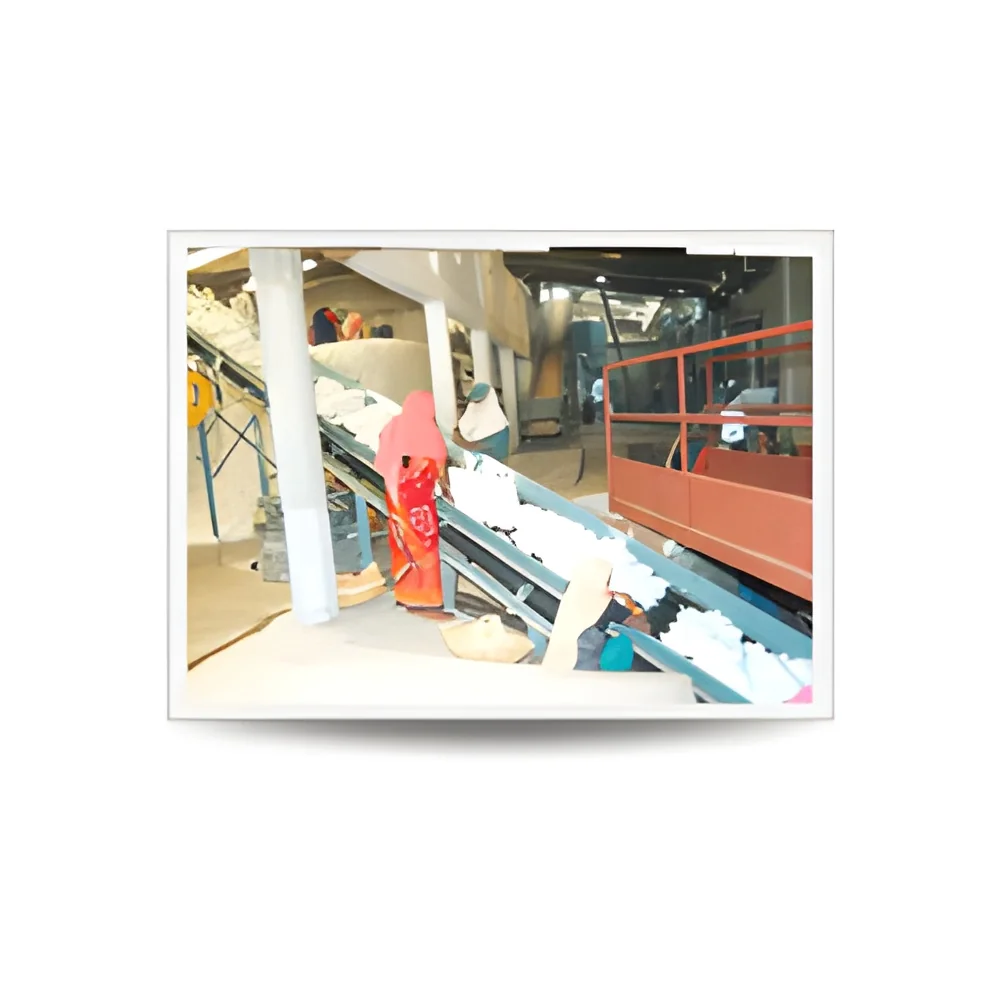
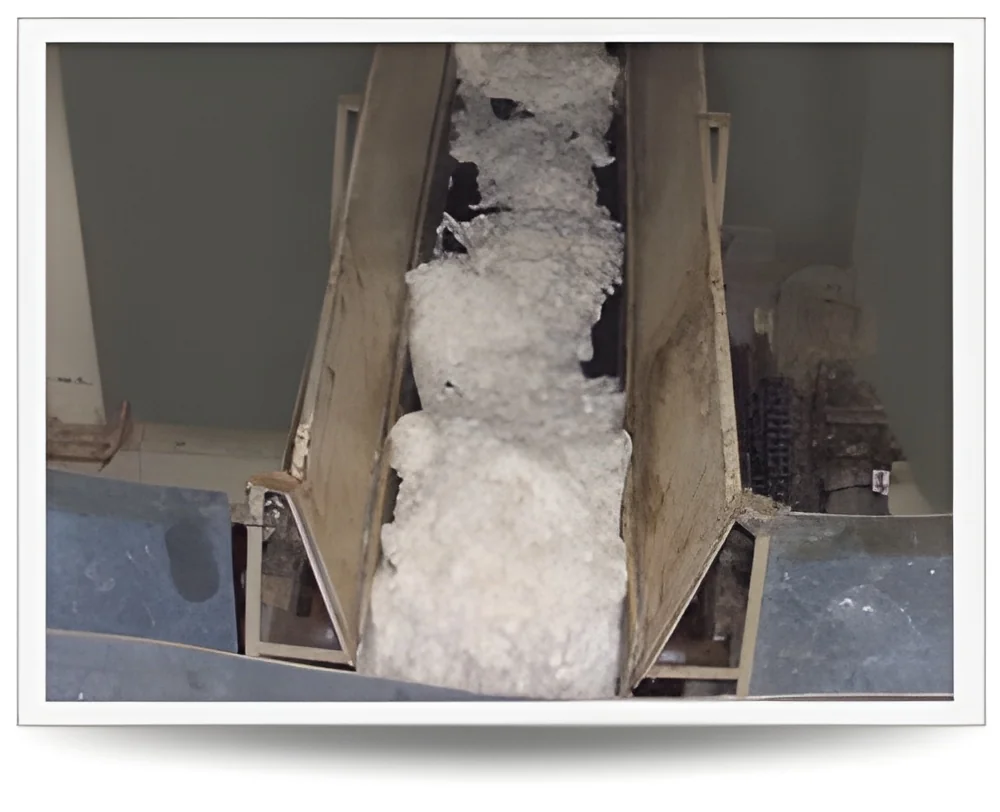
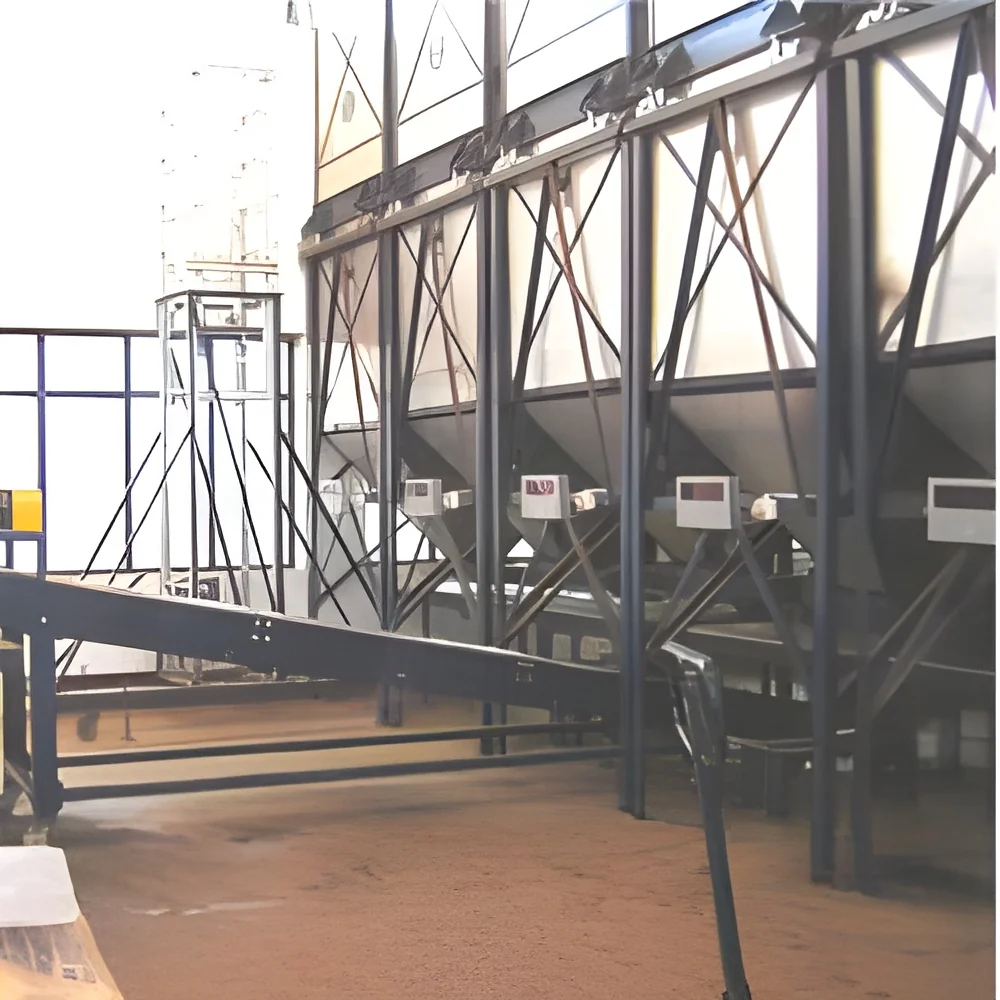
Conveyors for grains and seeds are specialized systems designed to transport bulk agricultural products efficiently. These conveyors facilitate the movement of grains, seeds, and similar materials from one location to another within processing facilities, storage areas, or distribution centers. They are an essential component in the agricultural supply chain, ensuring timely and safe handling of products.
These conveyors are widely used in various business applications, including grain processing plants, seed companies, and agricultural supply businesses. They play a critical role in operations such as loading, unloading, and transferring grains and seeds, enhancing productivity and reducing manual labor. With increasing demand for efficient agricultural practices, these conveyors are becoming increasingly relevant in the market.
The agricultural industry is evolving, with a growing emphasis on automation and efficiency. Conveyors for grains and seeds are pivotal in meeting these demands, providing a reliable solution for transporting bulk materials. As technology advances, these systems are also becoming more sophisticated, incorporating features that enhance performance and safety.
Key Features and Specifications
Conveyors for grains and seeds come with a variety of features designed to optimize performance and reliability. Understanding these specifications is crucial for selecting the right system for specific needs.
Key specifications include:
1. Capacity
- The maximum volume of grains or seeds the conveyor can handle per hour.
- Typical ranges vary based on model, from several tons to over 100 tons per hour.
2. Length
- The total length of the conveyor system.
- Common lengths can range from 10 feet to over 100 feet, depending on application.
3. Width
- The width of the conveyor belt or trough.
- Standard widths typically range from 18 inches to 36 inches.
4. Material
- The construction material of the conveyor.
- Options include steel, stainless steel, and plastic, each suited for different environments.
5. Drive Type
- The mechanism used to power the conveyor.
- Options include electric motors and hydraulic drives.
6. Speed
- The operational speed of the conveyor.
- Typical speeds range from 0.5 to 5.0 meters per second.
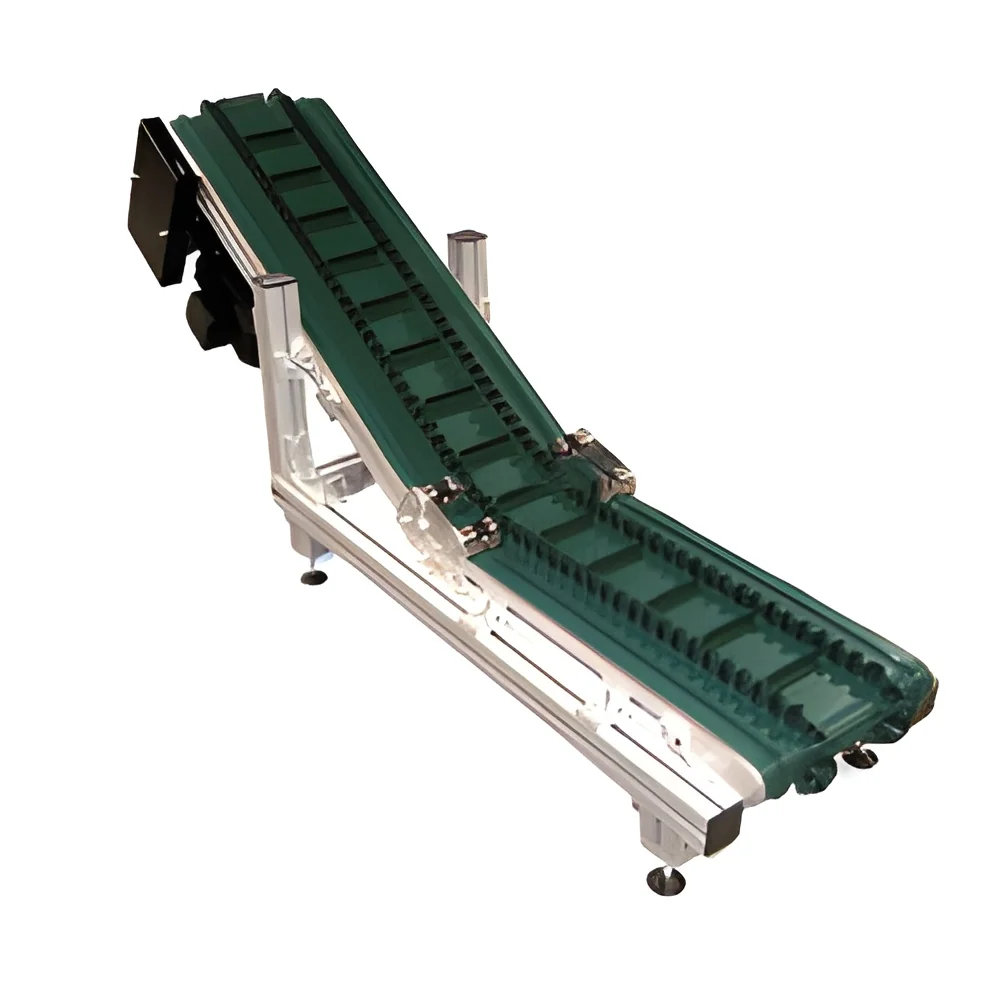
7. Incline Capability
- The maximum angle at which the conveyor can operate.
- Ranges from flat to 45 degrees, depending on design.
8. Safety Features
- Safety mechanisms integrated into the system.
- Includes emergency stops, guards, and overload protection.
In summary, selecting the right conveyor involves understanding these key specifications to ensure it meets operational requirements.
Common Applications and Use Cases
Conveyors for grains and seeds serve a broad range of industries, each with specific applications.
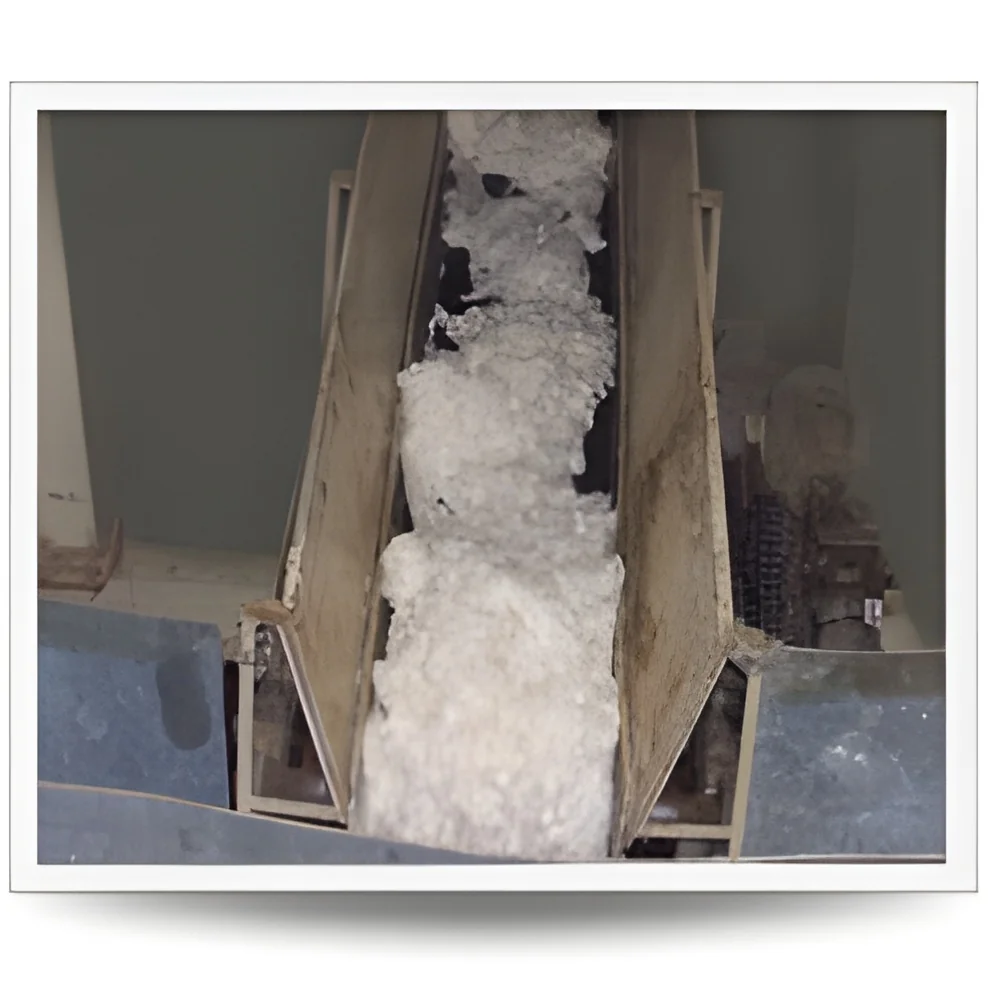
1. Agriculture: These conveyors are crucial in transporting harvested grains from fields to storage facilities, streamlining the process and minimizing loss.
2. Food Processing: In food manufacturing, conveyors are used to move seeds and grains through various processing stages, ensuring efficiency and safety.
3. Seed Production: Seed companies utilize these conveyors to handle bulk seed movements, facilitating packaging and distribution.
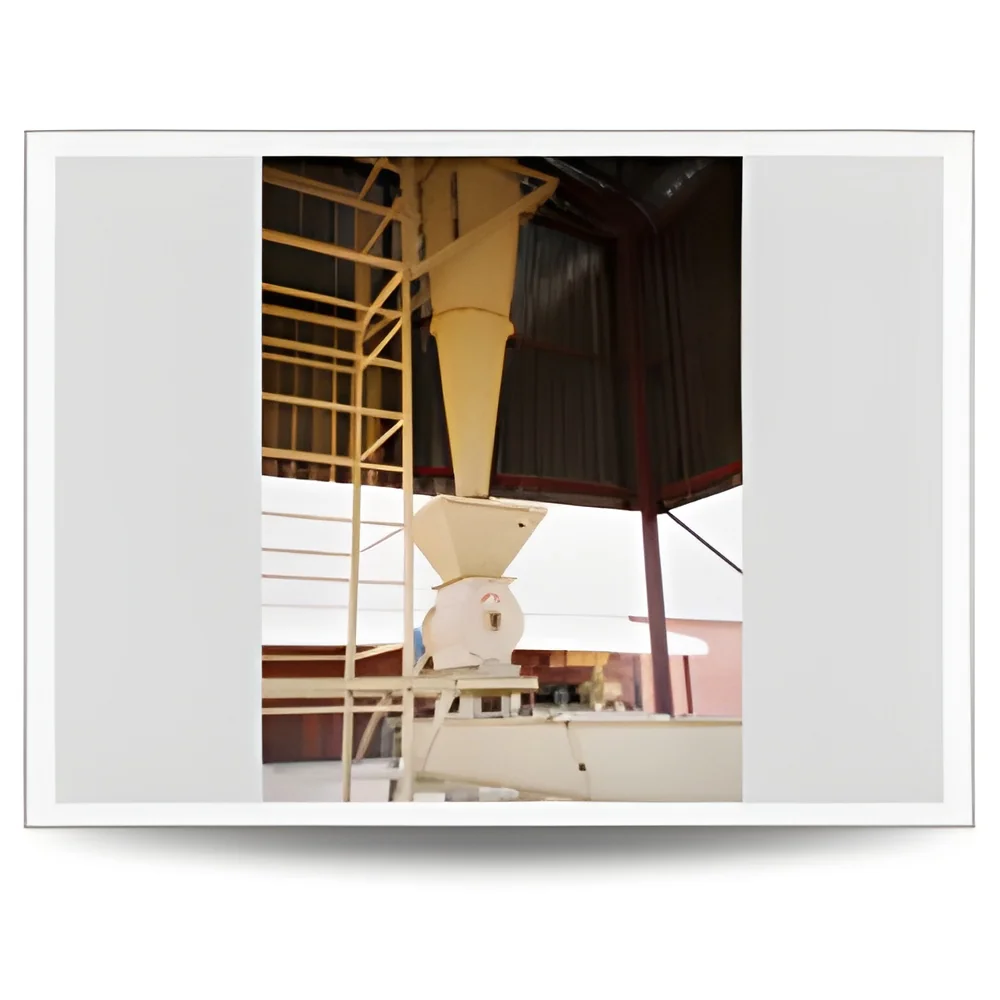
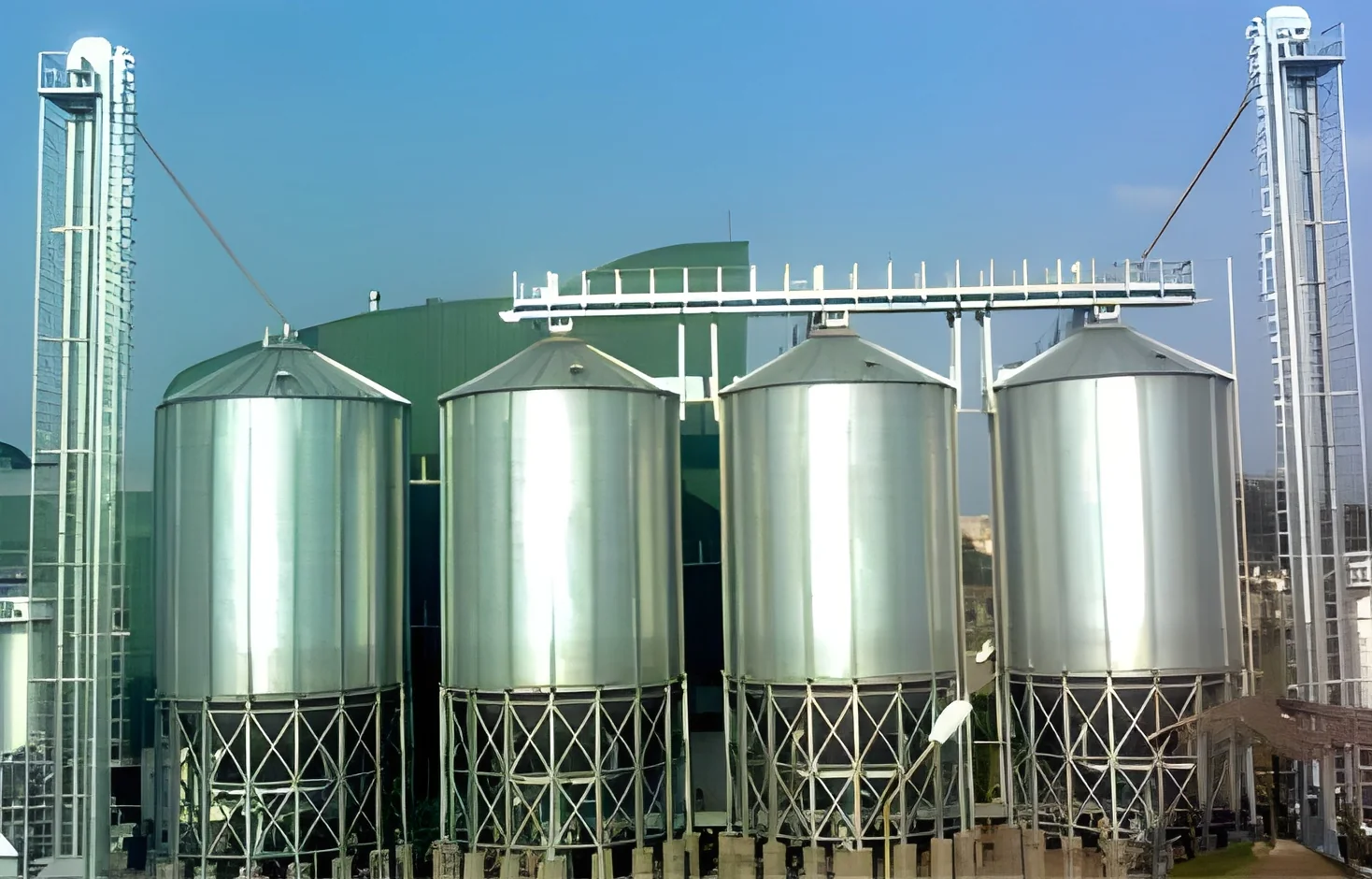
4. Grain Elevation: In grain silos, conveyors elevate bulk grains from ground level to storage bins, enhancing space utilization.
5. Fertilizer Production: These conveyors can also transport raw materials used in fertilizer production, integrating seamlessly with manufacturing processes.
6. Biofuel Processing: In biofuel plants, conveyors help move feedstock grains and seeds, improving operational efficiency.
7. Animal Feed Production: Conveyors are essential in animal feed mills for transporting ingredients, ensuring a consistent supply of raw materials.
Product Variants and Subcategories
Conveyors for grains and seeds come in various types, each designed for specific applications and needs.
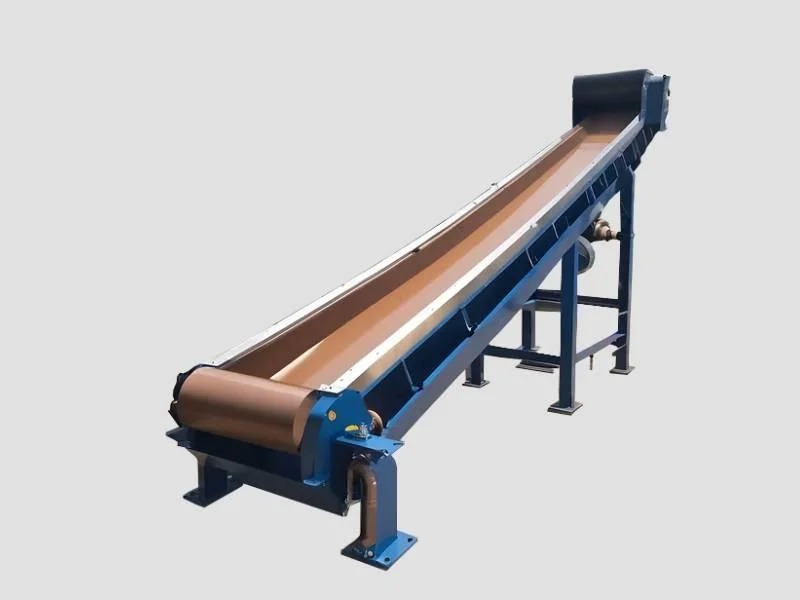
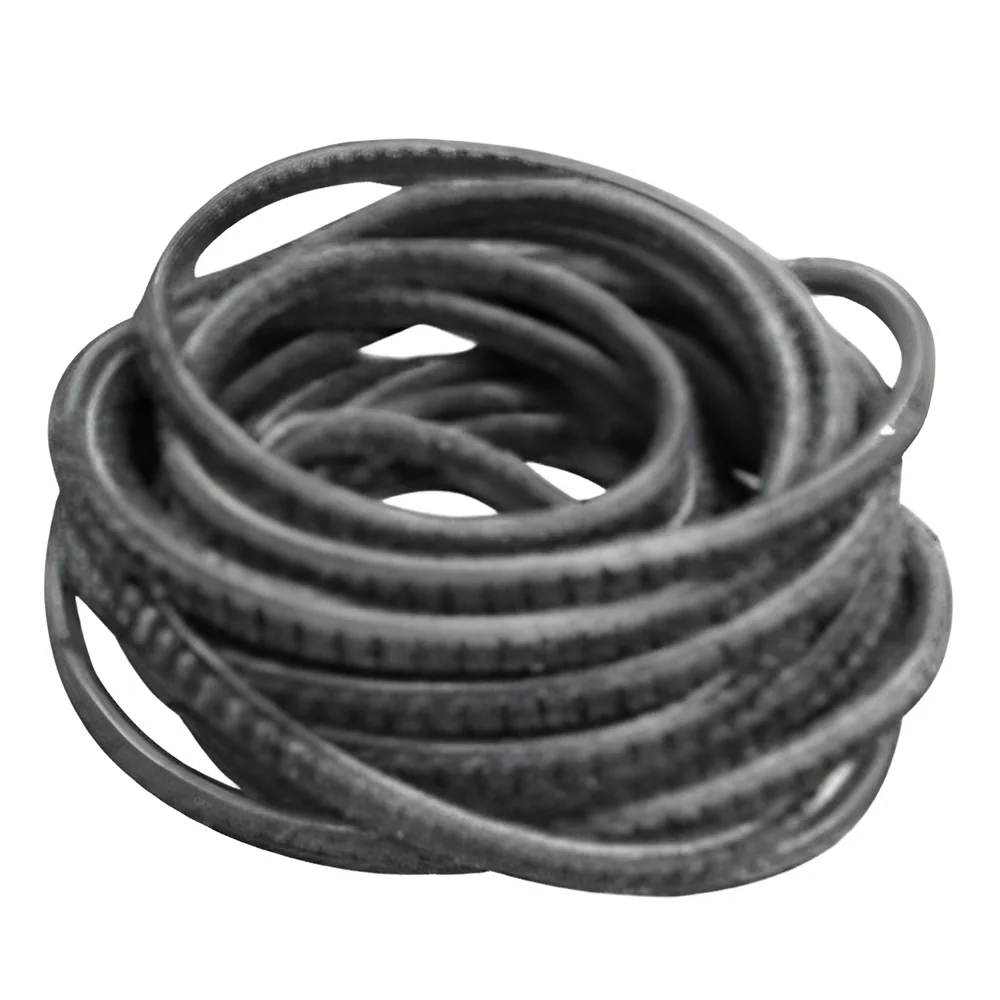
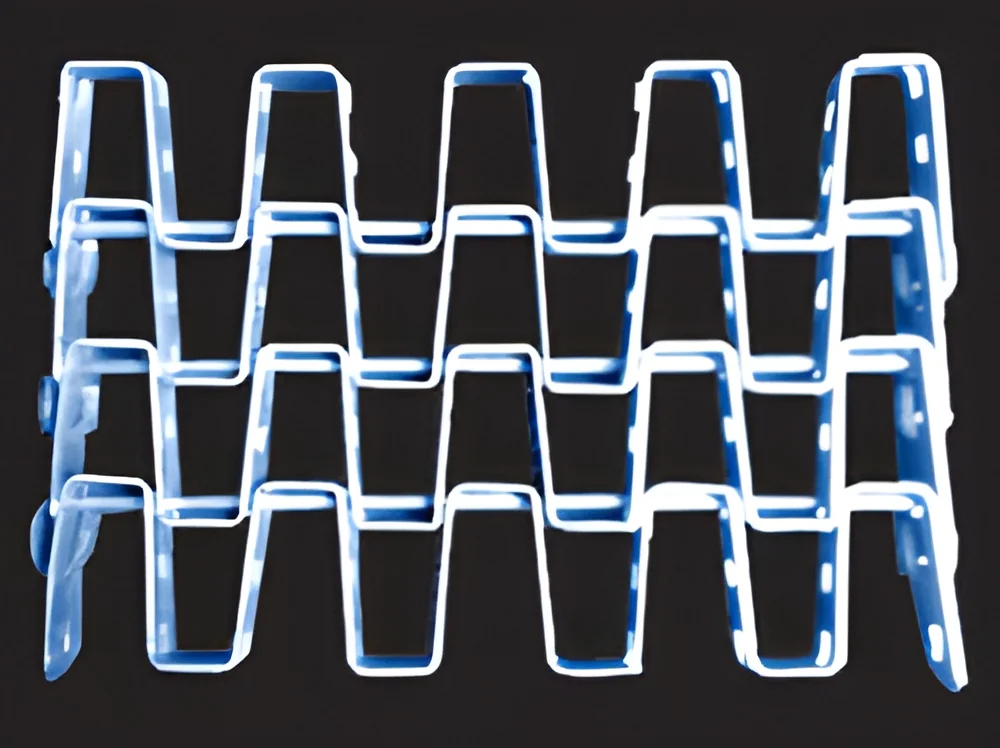
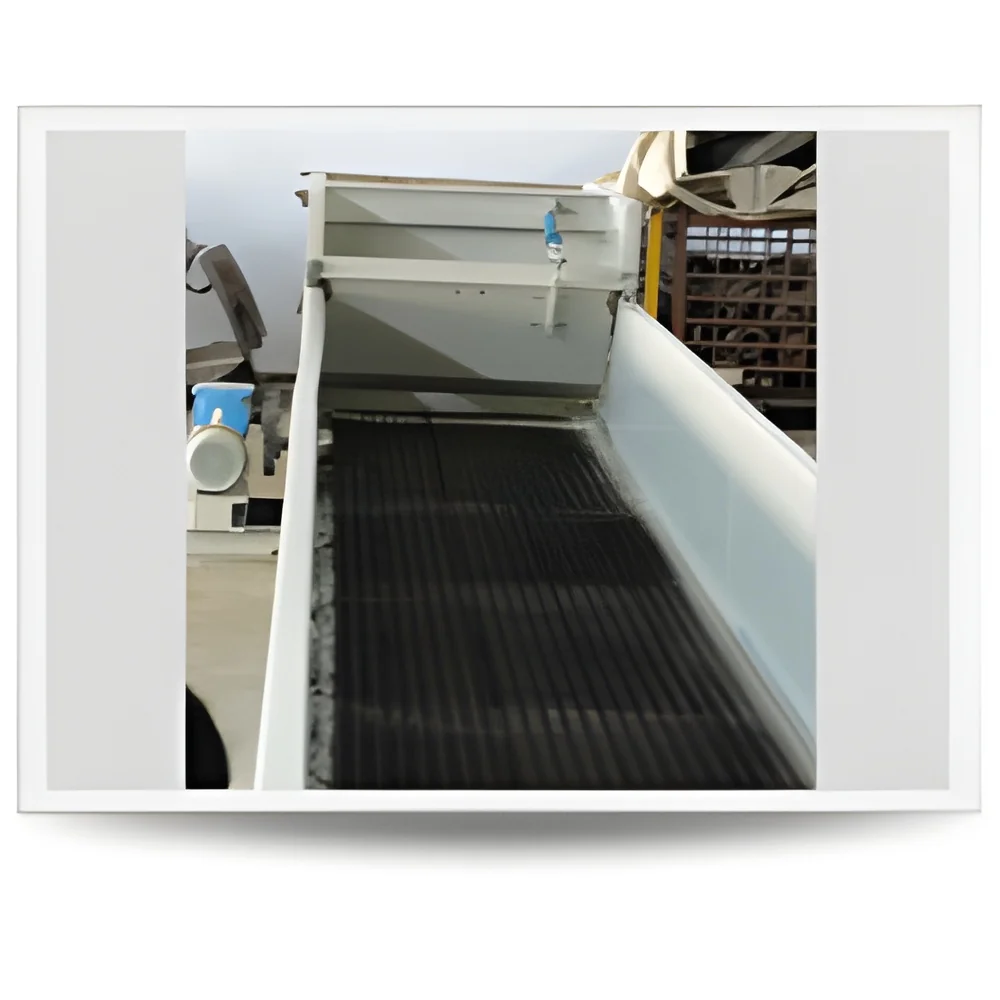
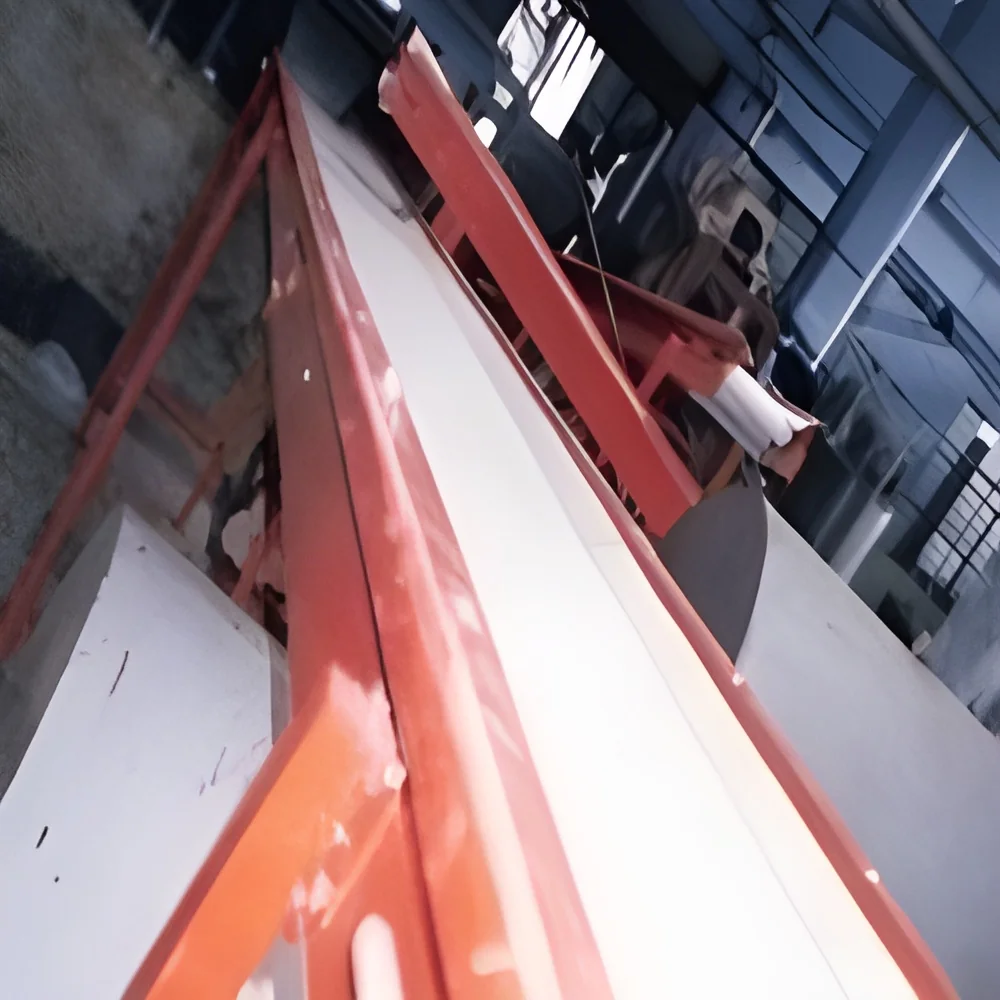
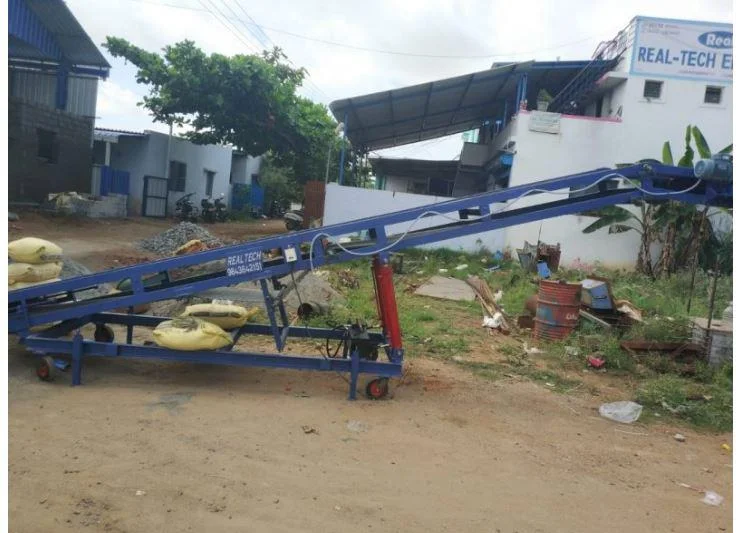
Belt Conveyors
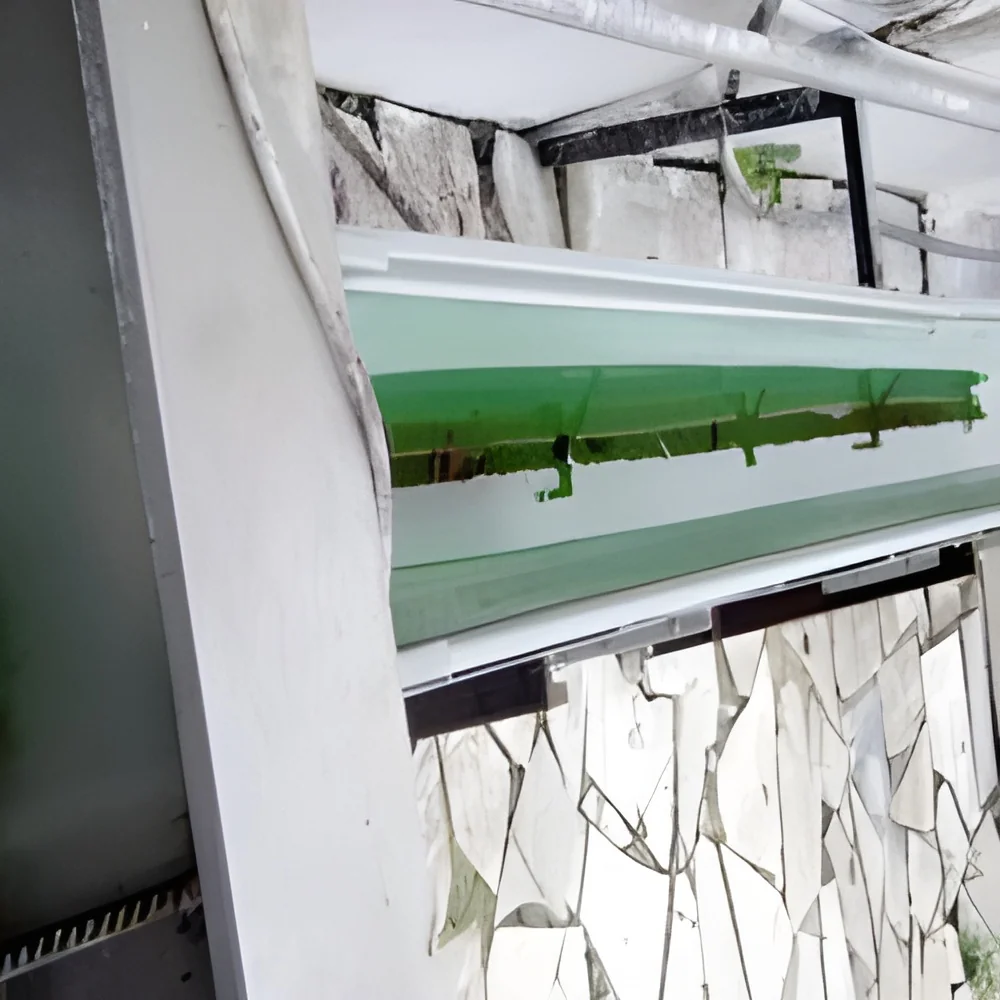
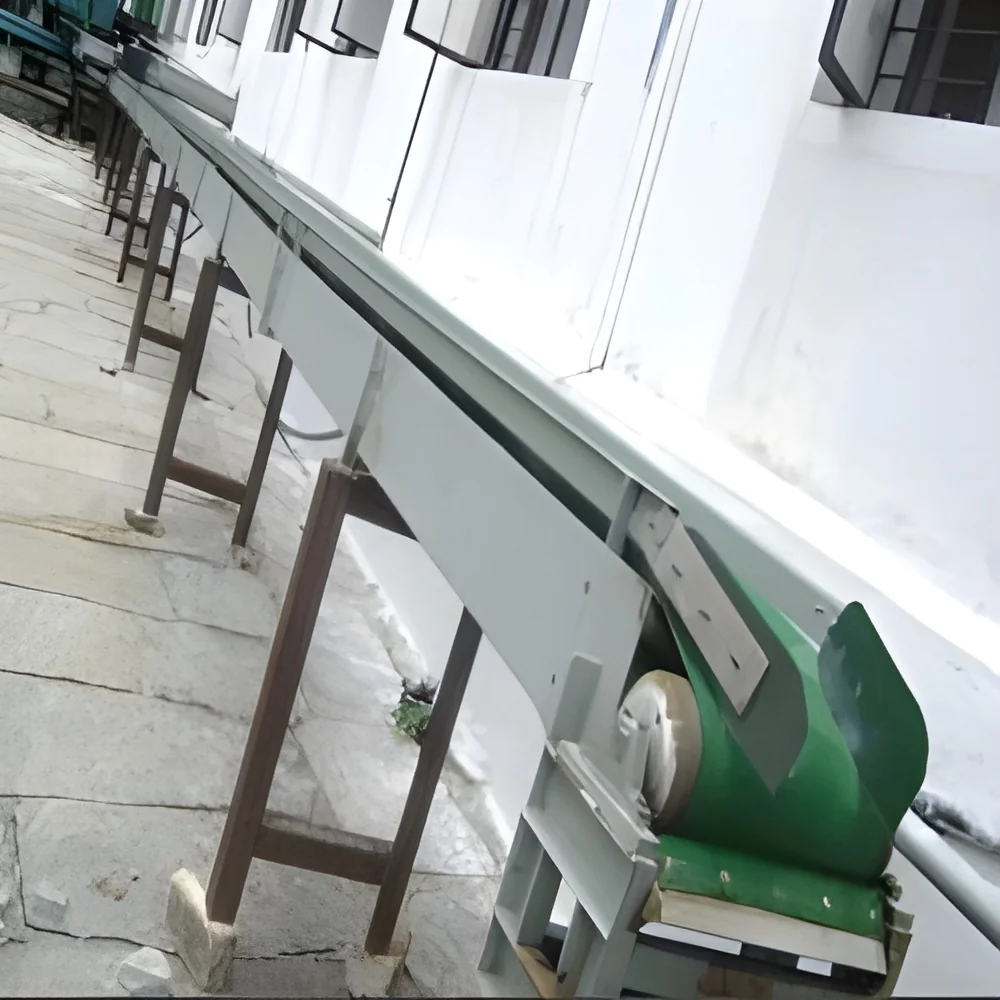
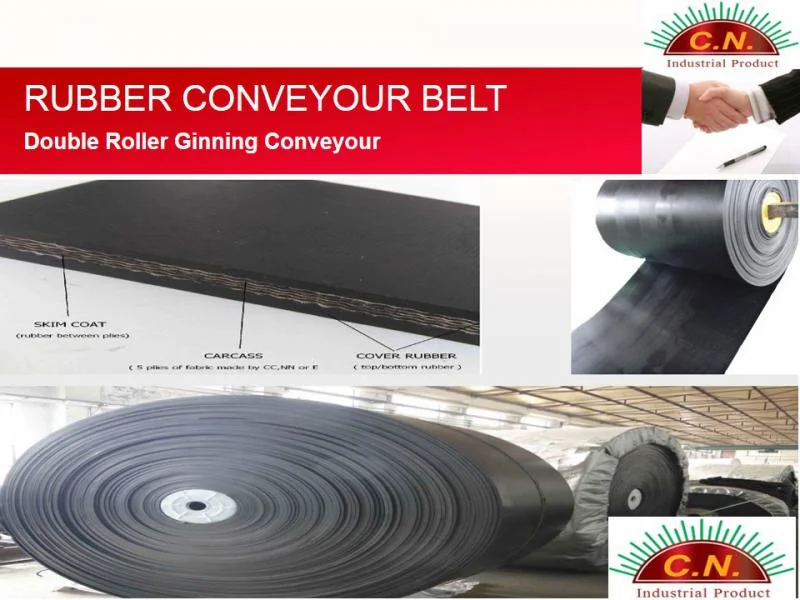
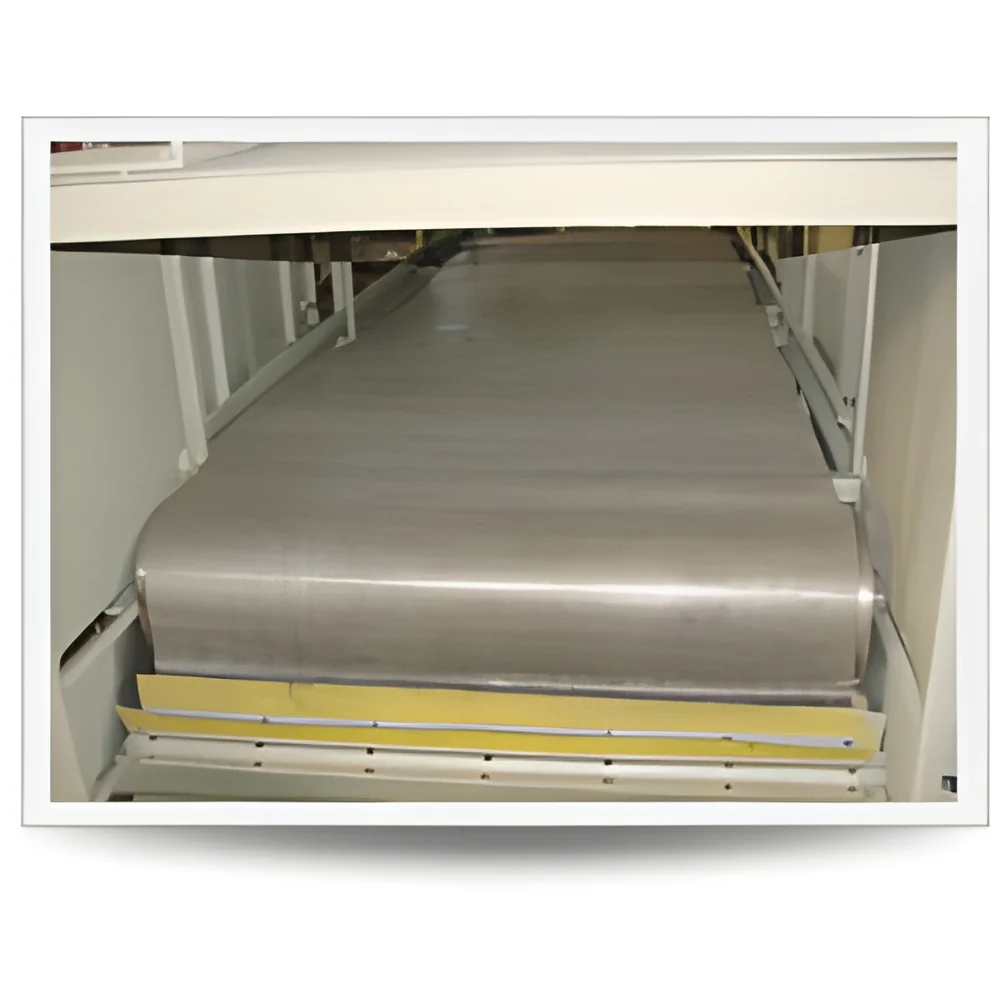
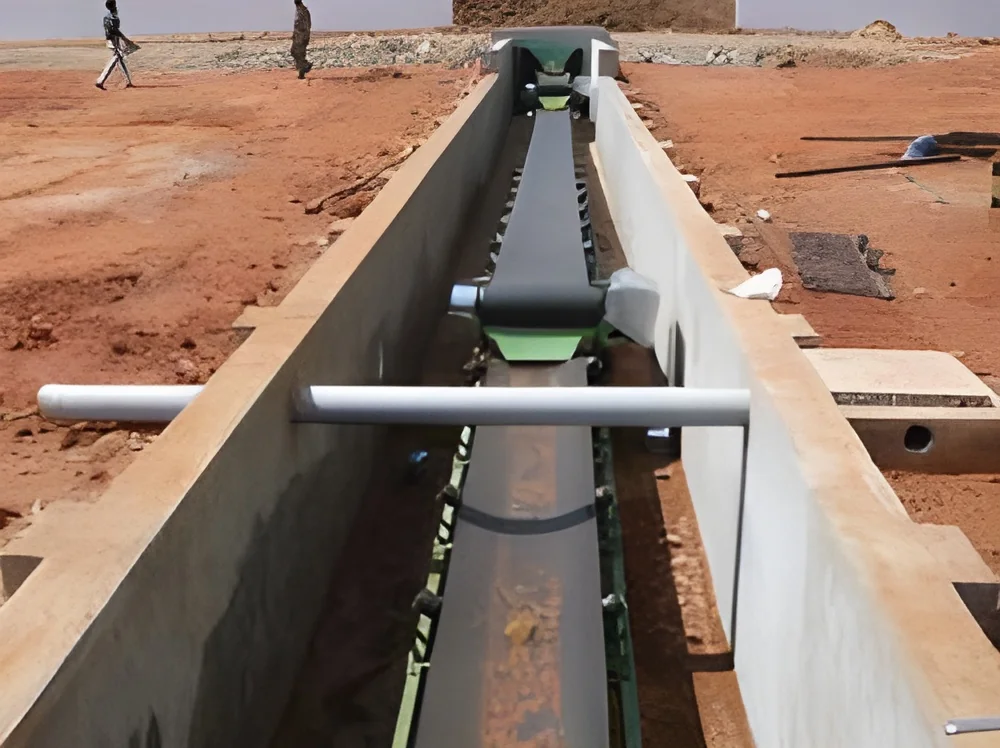
Belt conveyors are versatile systems that use a continuous loop of material to transport grains and seeds. They are ideal for long-distance transportation and can handle a wide range of bulk materials.
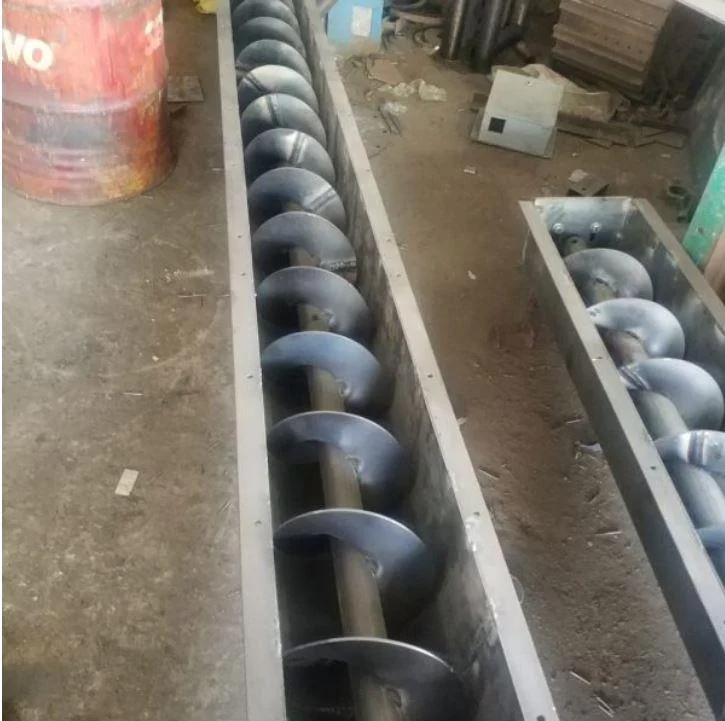
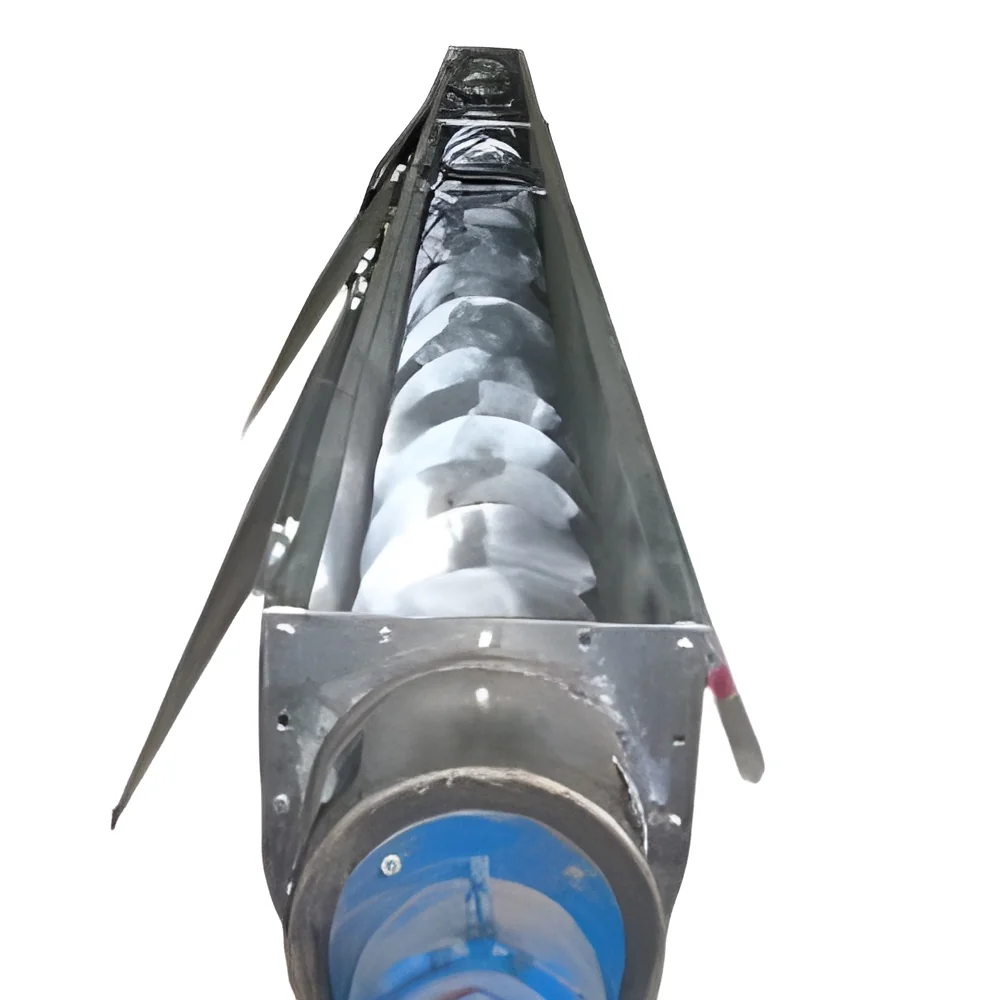
Screw Conveyors
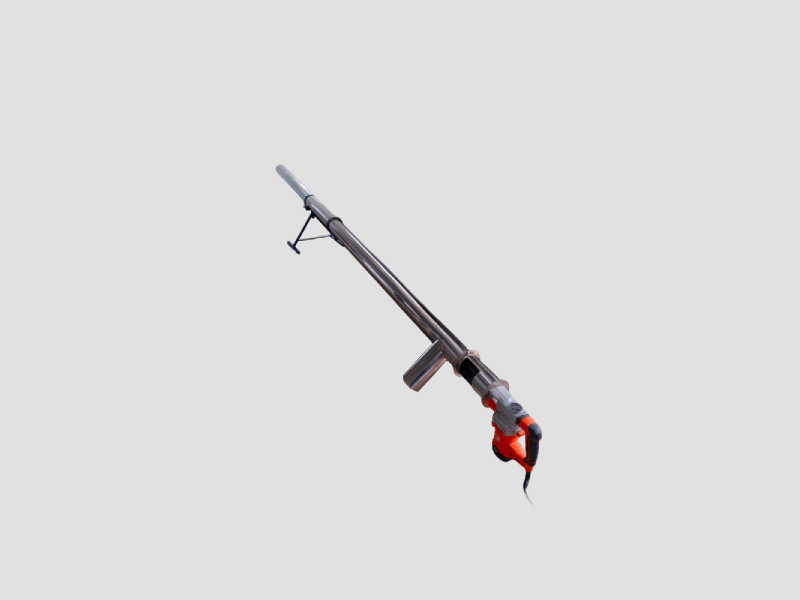
Screw conveyors utilize a rotating helical screw blade to move materials along a trough. They are particularly effective for transporting granular or powdery grains and can easily manage changes in elevation.
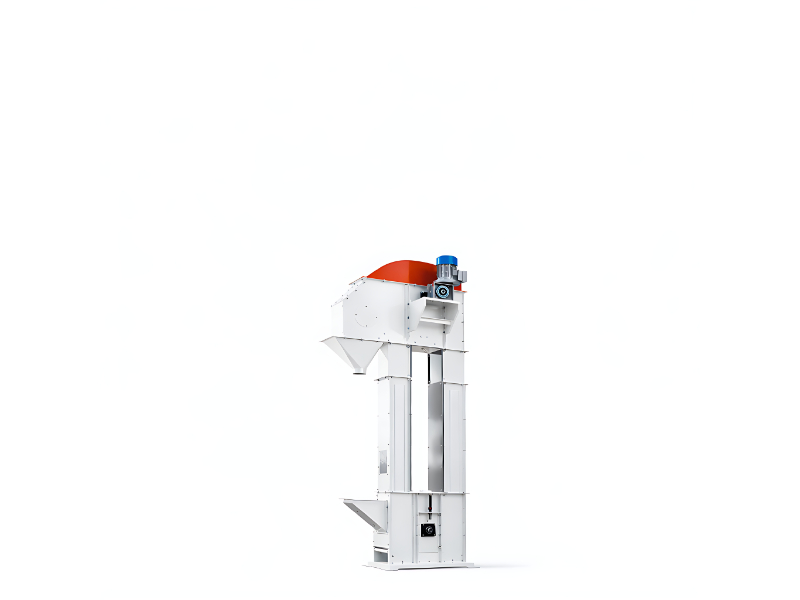
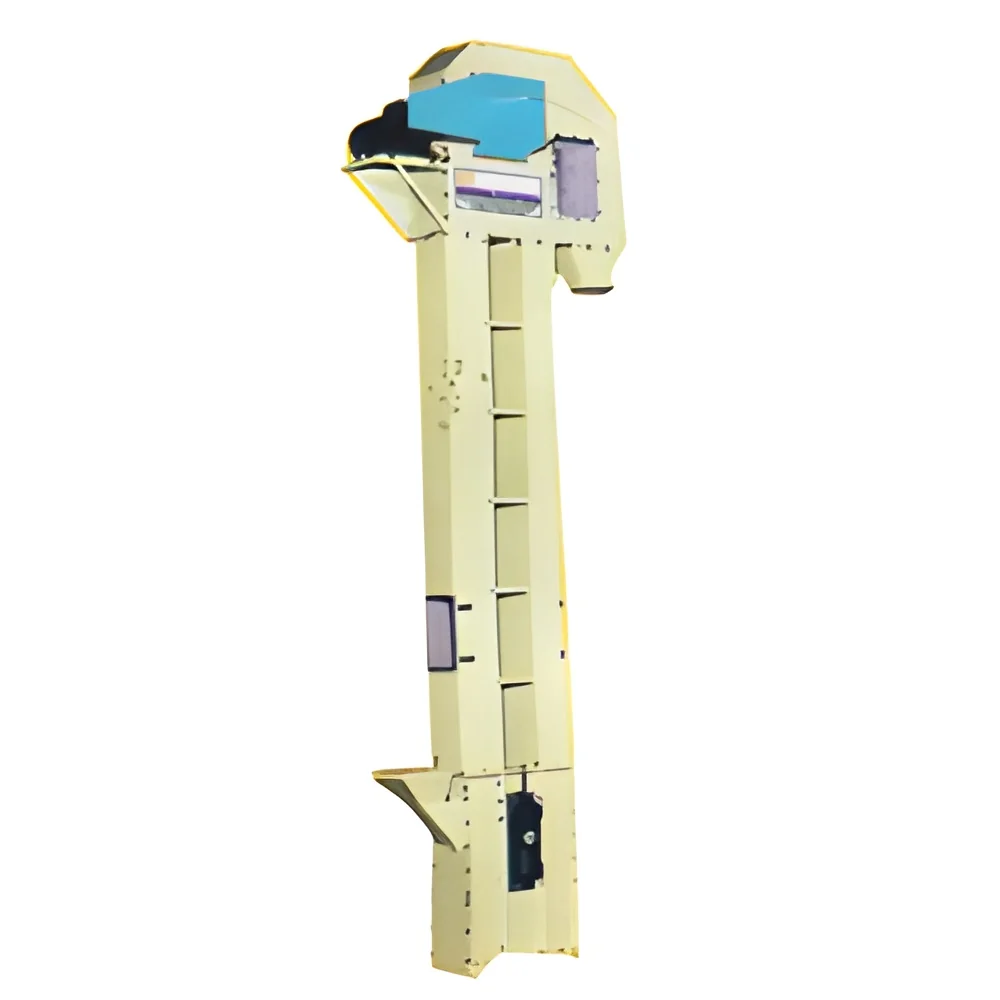
Bucket Elevators
Bucket elevators are designed to lift grains vertically using a series of buckets attached to a belt or chain. They are perfect for elevating bulk materials to high storage areas or processing equipment.
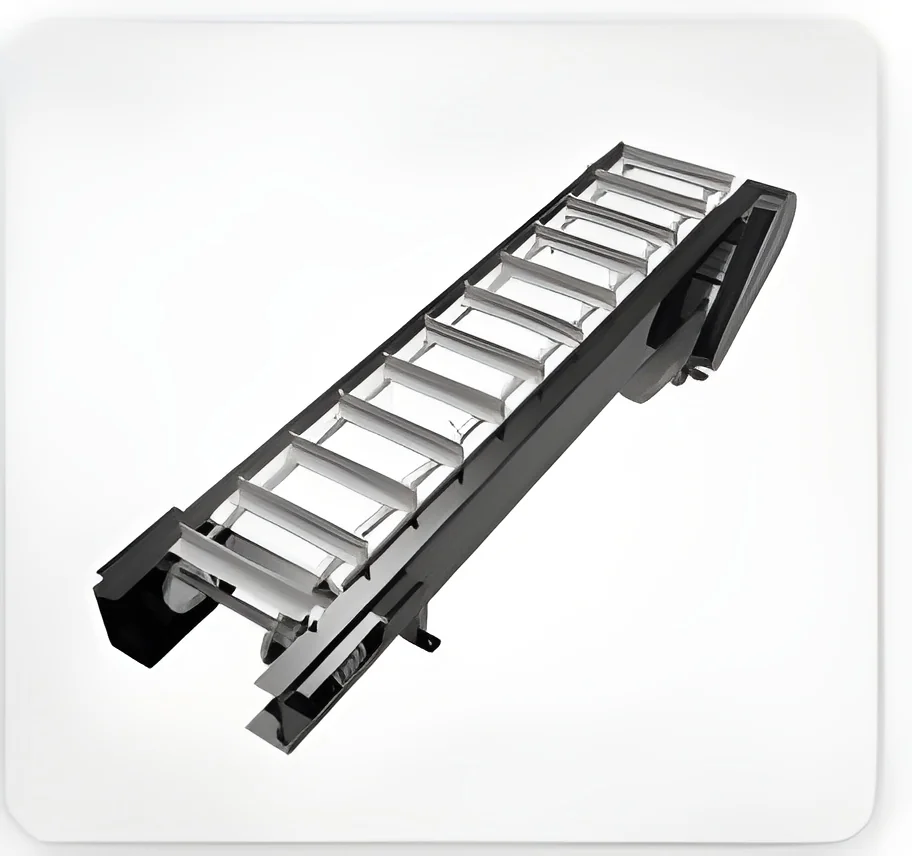
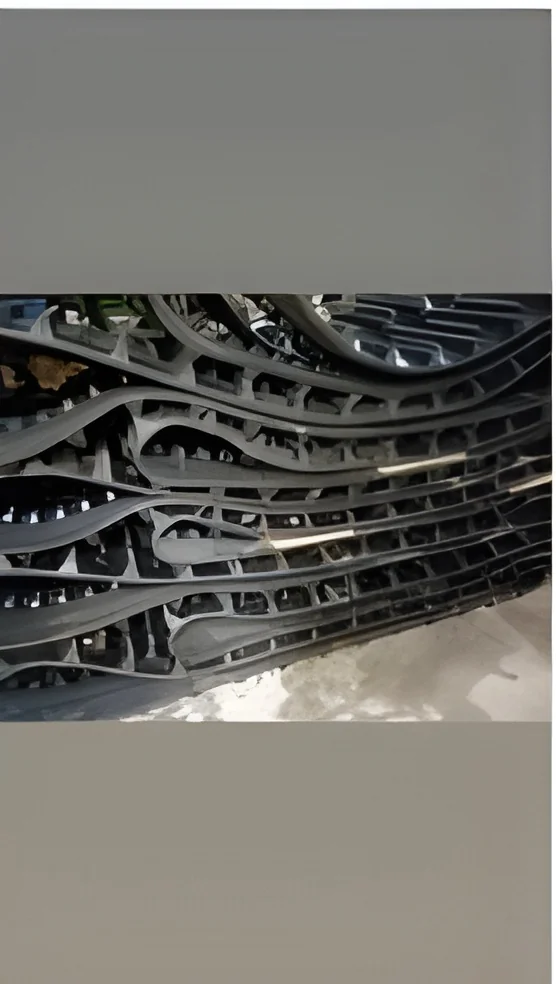
Chain Conveyors
Chain conveyors utilize a chain to move materials along a fixed path. They are robust and suitable for heavy loads, making them ideal for industrial applications.
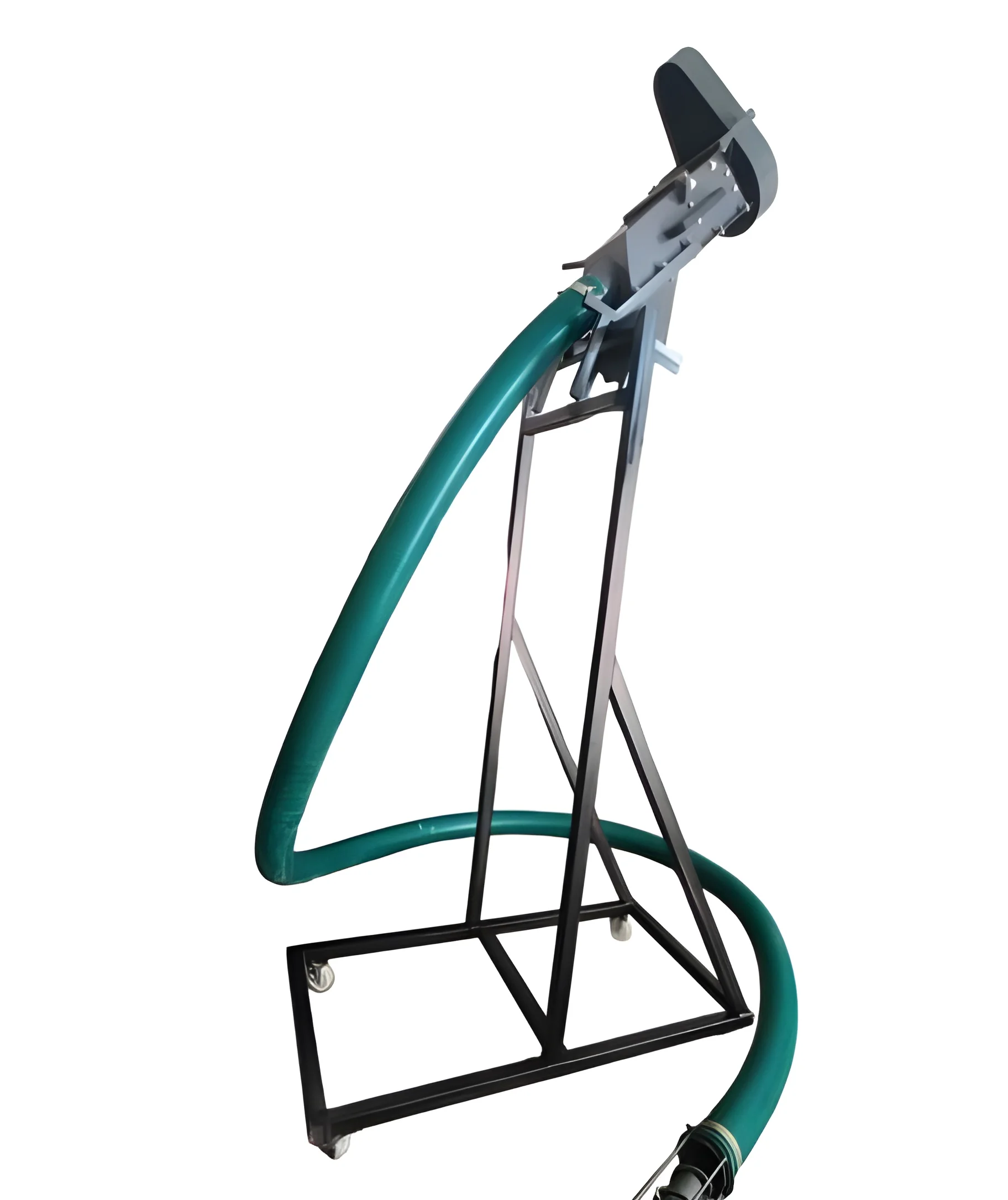
Pneumatic Conveyors
Pneumatic conveyors use air pressure to transport grains and seeds through pipelines. They are beneficial for moving materials over long distances without direct contact.
Benefits and Advantages
Conveyors for grains and seeds offer numerous advantages that make them essential in various industrial applications.
Key benefits include:
1. Increased Efficiency: Conveyors automate the transport of grains and seeds, significantly reducing the time required for manual handling.
2. Labor Cost Reduction: By minimizing manual labor, conveyors help businesses lower operational costs and improve productivity.
3. Improved Safety: Modern conveyors are equipped with safety features that protect workers, reducing the risk of accidents.
4. Versatile Applications: These conveyors can be tailored to a variety of settings, from small seed companies to large grain processing facilities.
5. Consistent Material Handling: Conveyors ensure a steady flow of materials, which enhances overall process efficiency and reduces downtime.
6. Customization Options: Many conveyor systems can be customized to meet specific operational requirements, ensuring optimal performance.
Buying Guide for B2B Buyers
When sourcing conveyors for grains and seeds, it is essential to consider several factors to ensure the best fit for your business needs.
1. Quality Assessment: Evaluate the build quality and materials used in the conveyor system. High-quality components ensure durability and reliability in operations.
2. Supplier Verification: Conduct thorough research on potential suppliers. Check for industry certifications and customer reviews to ensure credibility and reliability.
3. Pricing and MOQ: Understand pricing structures and minimum order quantities. This information is crucial for budgeting and ensuring you meet supplier requirements.
4. Delivery and Lead Times: Inquire about delivery schedules and lead times to ensure that you can plan your operations effectively without delays.
5. Compliance Requirements: Be aware of any regulatory standards that apply to conveyors in your region. This may include safety standards, environmental regulations, and industry certifications.
Compliance and Certifications
Conveyors for grains and seeds must adhere to various quality standards and certifications to ensure safe and efficient operation.
ISO 9001 is a quality management standard that emphasizes consistent quality in products and services. Compliance with this standard indicates that a manufacturer follows systematic processes for quality assurance.
HACCP (Hazard Analysis and Critical Control Points) is a management system for food safety. Conveyors used in food processing must align with HACCP principles to prevent contamination and ensure safe handling of food products.
CE certification is important for equipment sold within the European Economic Area. It signifies that the product meets European safety and health requirements, providing assurance to buyers regarding its compliance.
Safety and testing requirements are critical in the design and manufacture of conveyors. Regular testing ensures that systems operate safely under intended conditions.
Regional compliance considerations may vary based on local regulations. It is vital for buyers to understand and adhere to these standards to ensure their operations remain compliant.
Why Source Conveyors for Grains & Seeds from Pepagora?
Pepagora offers an extensive platform for sourcing conveyors for grains and seeds, providing several key advantages for businesses.
Verified Supplier Network: Pepagora connects buyers with a network of verified suppliers. Each supplier undergoes a rigorous vetting process, ensuring they meet quality and reliability standards.
Streamlined RFQ Process: The request for quotation (RFQ) system simplifies the sourcing process. Buyers can easily compare quotes from multiple suppliers, saving time and ensuring competitive pricing.
Trade Assurance and Support: Pepagora provides trade assurance to protect buyers throughout the purchasing process. This includes support for resolving any issues that may arise post-purchase.
Regional Coverage: With a strong presence in India, the GCC, and Southeast Asia, Pepagora ensures that buyers have access to suppliers across diverse markets. This broad geographic reach facilitates efficient sourcing and distribution.

 IN
IN