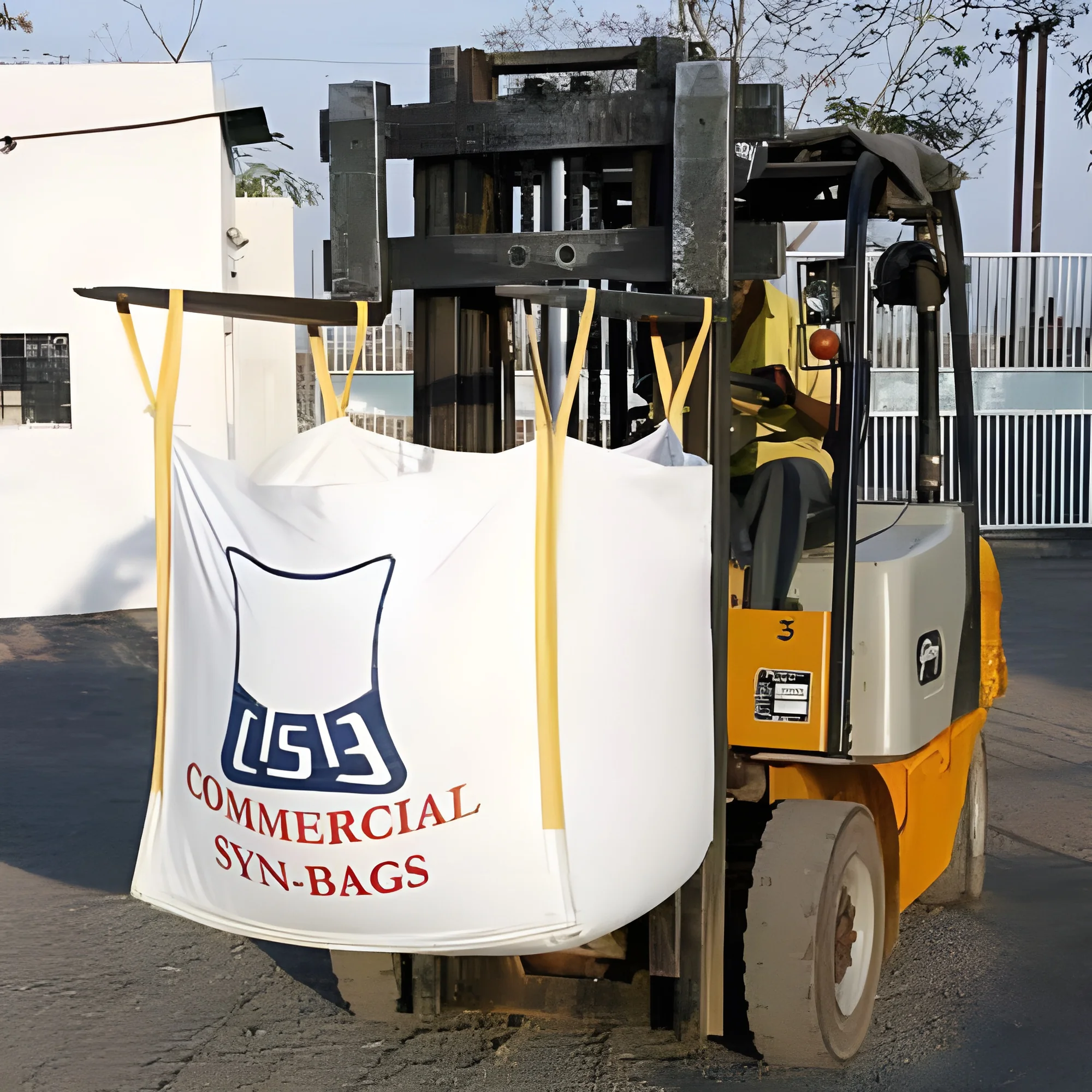
What are Bulk Bag Loaders?
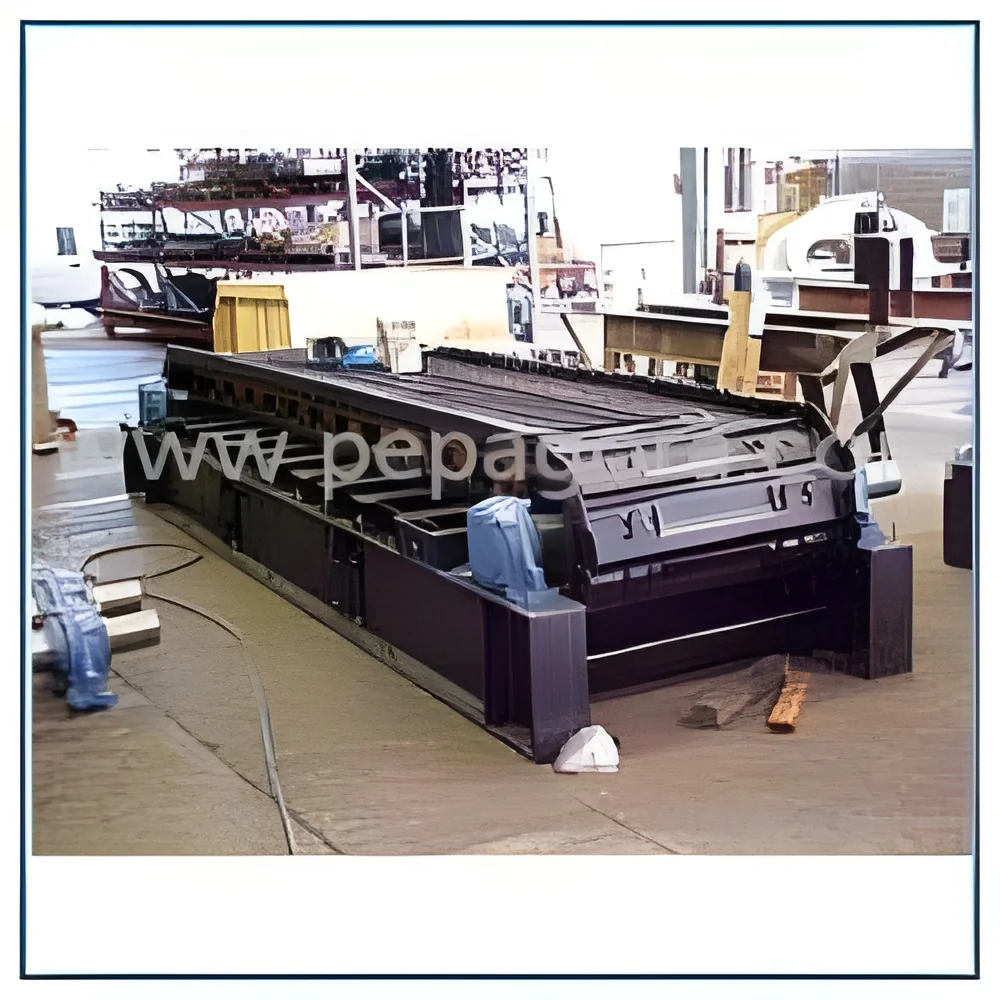
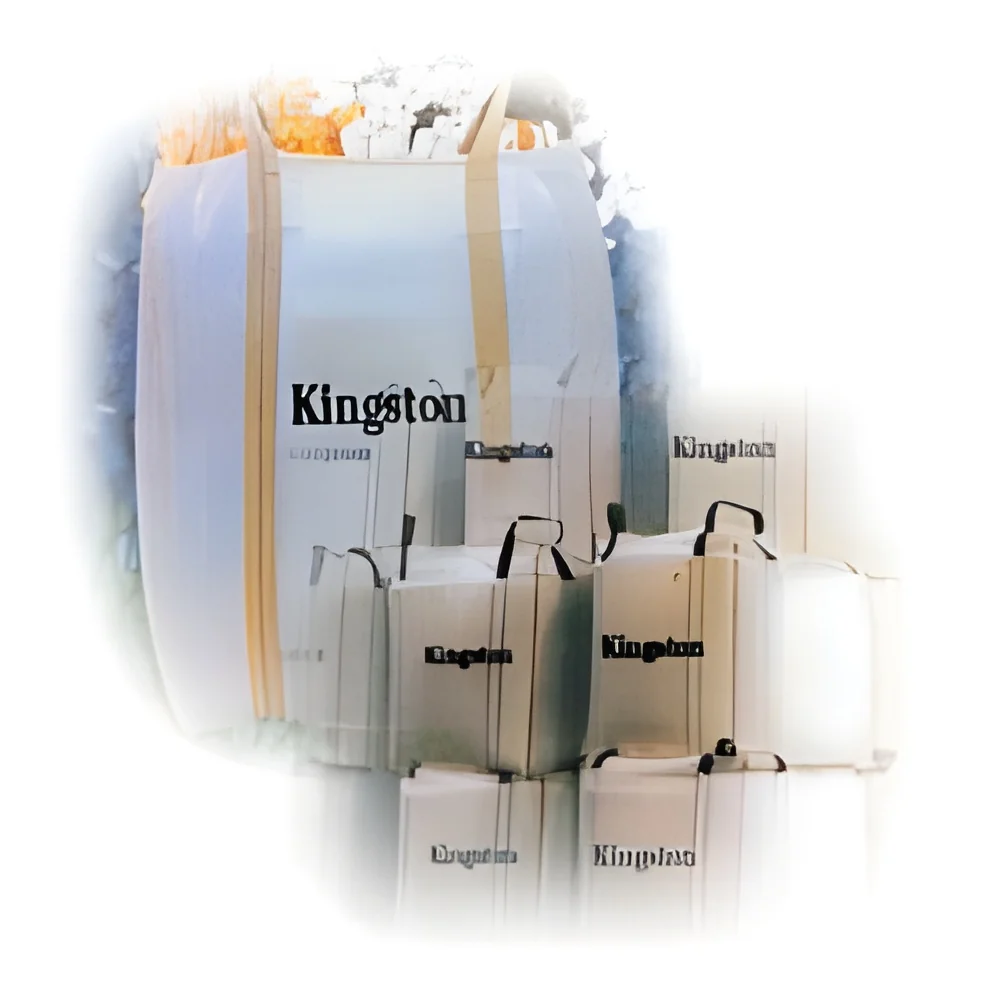
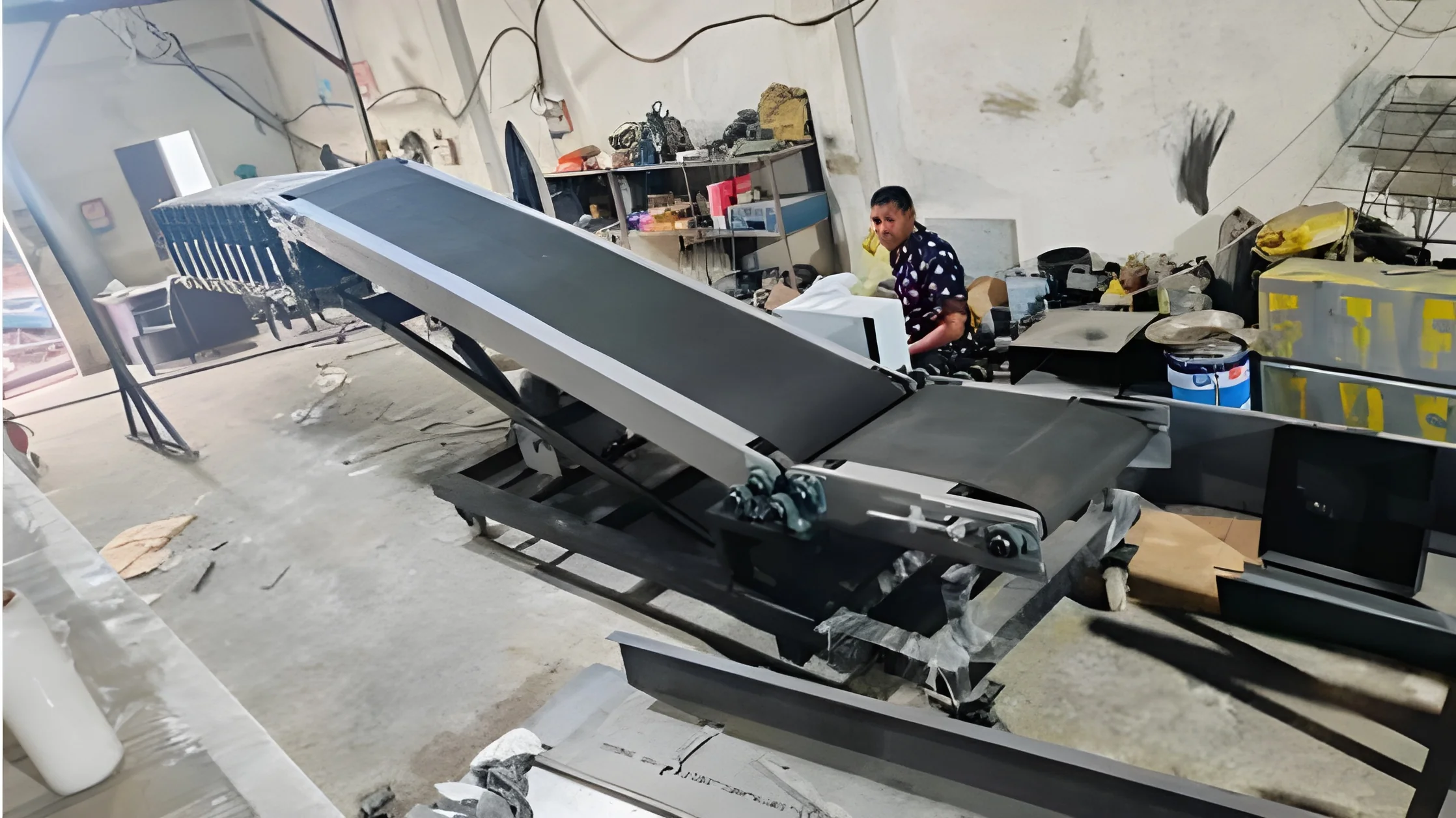
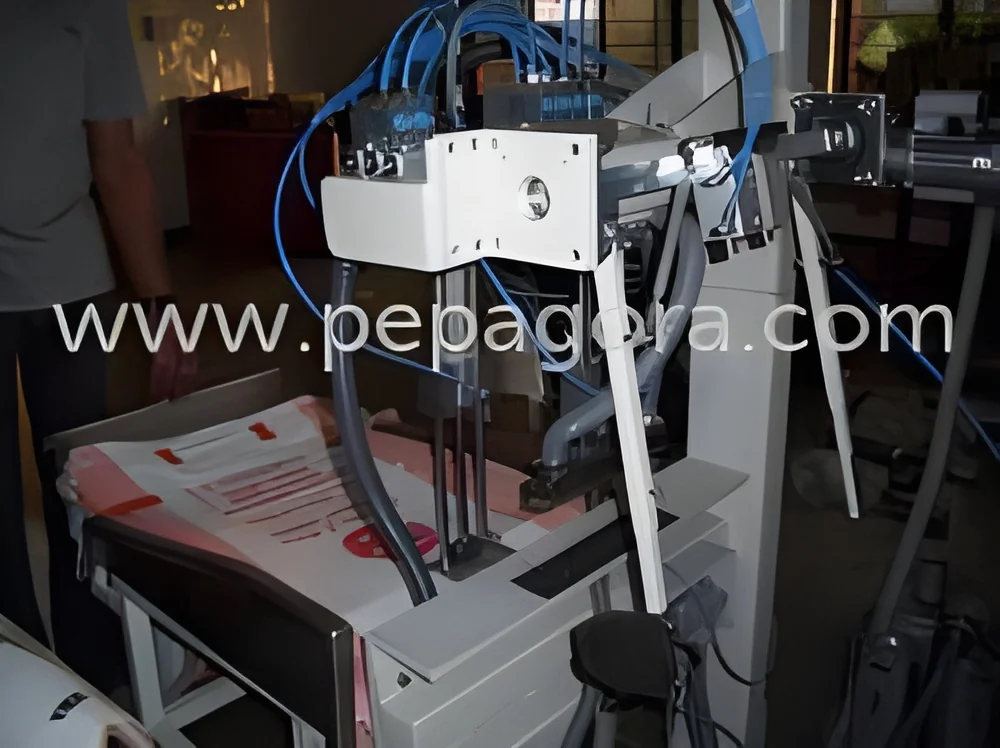
Bulk bag loaders, also known as bulk bag filling systems, are specialized machines designed for the efficient loading of bulk materials into large bags, typically known as FIBCs (Flexible Intermediate Bulk Containers). These loaders automate the process of filling bulk bags, which helps to reduce labor costs, enhance productivity, and improve safety in material handling operations. The loaders can accommodate various materials, including powders, granules, and pellets, making them versatile for different industries.
The primary uses of bulk bag loaders are found in sectors such as agriculture, food processing, chemicals, and construction. They play a crucial role in streamlining the packaging process, allowing for consistent and precise filling. Businesses utilize these loaders to ensure that materials are packed efficiently while minimizing waste and handling errors. The relevance of bulk bag loaders in today’s market is growing as industries increasingly seek automation solutions that enhance operational efficiency and maintain high-quality standards in packaging.
As industries continue to evolve, the demand for bulk bag loaders is expected to rise. Companies are looking for solutions that not only optimize their packaging processes but also comply with stringent safety and quality regulations. This makes bulk bag loaders a critical investment for businesses aiming to improve their supply chain efficiency and product handling capabilities.
Key Features and Specifications
Bulk bag loaders come with a range of features designed to meet various operational needs. These specifications ensure that the loaders function efficiently and safely in different environments.
Key specifications include:
1. Filling Capacity
- The filling capacity typically ranges from 500 kg to 2000 kg per hour, depending on the model.
- Higher capacity models are suitable for large-scale operations.
2. Loading Method
- There are various loading methods including gravity feed, pneumatic, and mechanical systems.
- Each method has its own advantages based on material type and application.
3. Control Systems
- Loaders may feature electronic control panels for precise operation.
- Advanced models include programmable logic controllers (PLCs) for automation.
4. Safety Features
- Common safety features include emergency stop buttons and overload protection systems.
- These features help to ensure safe operation in busy work environments.
5. Material Compatibility
- Bulk bag loaders are designed to handle a variety of materials, including powders and granular substances.
- Specific models may offer additional features for handling hazardous materials.
6. Dust Control
- Many loaders include dust suppression systems to minimize airborne particles during loading.
- Effective dust control enhances safety and maintains a clean working environment.
7. Dimensions and Weight
- The dimensions and weight of bulk bag loaders vary based on the design and specifications.
- Compact designs are available for limited space applications.
8. Compliance Standards
- Loaders often adhere to industry standards such as UL and CE for safety and quality assurance.
- Compliance with these standards is crucial for operational legitimacy.
In summary, bulk bag loaders are equipped with several features that ensure efficient and safe operation in various industrial settings. Businesses can select models based on specific operational requirements and compliance needs.
Common Applications and Use Cases
Bulk bag loaders find applications across diverse industries due to their efficiency and adaptability.
1. Agriculture: In agriculture, bulk bag loaders are used to package fertilizers and seeds. They help streamline the process, enabling farmers to efficiently handle large quantities of products.
2. Food Processing: In the food industry, these loaders are utilized for filling bags with grains, flour, and other bulk ingredients. Their design often accommodates hygiene standards required in food production.
3. Chemical Manufacturing: Chemical companies use bulk bag loaders to package powders and granules safely. The loaders are essential for managing hazardous materials while ensuring compliance with safety regulations.
4. Construction: In the construction sector, bulk bag loaders are employed for filling bags with sand, gravel, and other aggregates. This aids in efficient material handling on construction sites.
5. Pharmaceuticals: In pharmaceuticals, loaders are crucial for packaging medicinal powders in bulk bags. They ensure precise filling and adherence to strict regulatory standards.
6. Plastics: The plastics industry uses bulk bag loaders for filling bags with plastic pellets. These loaders enhance productivity by automating the packaging process.
7. Mining: In mining, bulk bag loaders are used to fill bags with minerals and ores. Their robustness is ideal for handling heavy materials efficiently.
Product Variants and Subcategories
Bulk bag loaders are available in various designs and capacities to accommodate specific industrial needs.
Standard Bulk Bag Loader
This variant is designed for general applications and features a straightforward filling mechanism. It is suitable for a wide range of materials and is commonly used in industries such as agriculture and construction.
High-Capacity Bulk Bag Loader
This loader is built for large-scale operations, offering high filling speeds and capacities. It is ideal for industries like chemical manufacturing, where speed and efficiency are critical.
Pneumatic Bulk Bag Loader
This variant utilizes pneumatic systems to fill bags with precision. It is particularly effective for fine powders and is used in industries that require high levels of dust control.
Mobile Bulk Bag Loader
Designed for flexibility, this loader can be moved between different workstations. It is perfect for businesses that need to adapt their operations quickly.
Benefits and Advantages
Investing in bulk bag loaders offers numerous benefits for businesses across various industries.
1. Increased Efficiency: Bulk bag loaders automate the filling process, significantly reducing loading time and enhancing productivity.
2. Labor Cost Reduction: With automation, companies can minimize labor costs associated with manual bag filling, leading to better resource allocation.
3. Improved Accuracy: These loaders provide precise filling, reducing material waste and ensuring consistent product quality.
4. Enhanced Safety: Bulk bag loaders are designed with safety features that protect workers from hazards associated with manual handling of bulk materials.
5. Versatility: The loaders can handle various materials, making them suitable for multiple industries and applications.
6. Compliance Assurance: Many bulk bag loaders meet industry standards, ensuring that businesses comply with necessary regulatory requirements.
Buying Guide for B2B Buyers
When sourcing bulk bag loaders, businesses should consider several key factors to ensure they make informed decisions.
1. Quality Assessment: Evaluate the quality of the bulk bag loader by checking its specifications and compliance with industry standards. Look for certifications that indicate reliability.
2. Supplier Verification: Vet suppliers by reviewing their reputation and past performance. Ensure they have a proven track record in providing high-quality loaders.
3. Pricing and MOQ: Understand the pricing structure and minimum order quantities. Compare costs among suppliers to ensure you get the best deal without compromising quality.
4. Delivery and Lead Times: Inquire about delivery schedules and lead times. Timely delivery is crucial for operational efficiency, so ensure the supplier can meet your timelines.
5. Compliance Requirements: Confirm that the loader meets all necessary compliance and regulatory requirements applicable to your industry. This can prevent potential legal issues down the line.
Compliance and Certifications
Compliance and certifications are critical aspects of bulk bag loaders, ensuring they meet industry standards for safety and quality.
Relevant quality standards such as ISO 9001 provide a framework for quality management systems, ensuring that manufacturers adhere to best practices. Additionally, compliance with HACCP guidelines is essential for industries handling food products, as it guarantees that food safety is prioritized throughout the production process.
Industry certifications, including UL and CE, indicate that bulk bag loaders have undergone rigorous testing and meet safety standards. These certifications are crucial for ensuring that the loaders can operate safely in various environments.
Safety and testing requirements are also vital considerations. Manufacturers must conduct thorough testing to ensure that their loaders can withstand operational demands and hazards. Furthermore, regional compliance considerations can vary, making it essential for businesses to stay informed about regulations specific to their location.
Why Source Bulk Bag Loaders from Pepagora?
Pepagora provides a trusted platform for sourcing bulk bag loaders, offering numerous advantages that set it apart from competitors.
Verified Supplier Network: Pepagora has a comprehensive network of verified suppliers, ensuring that businesses can access quality products from reputable manufacturers. This reduces the risk associated with sourcing equipment from unverified sources.
Streamlined RFQ Process: The platform features a streamlined Request for Quotation (RFQ) process, allowing buyers to easily compare quotes from multiple suppliers. This simplifies the procurement process and helps businesses find the best deals.
Trade Assurance and Support: Pepagora offers trade assurance, providing buyers with protection against potential issues during the purchasing process. This includes support for resolving disputes and ensuring timely delivery.
Regional Coverage: With a strong presence in regions such as India, the GCC, and Southeast Asia, Pepagora is well-positioned to serve a diverse range of industries. This geographic reach enables businesses to connect with local suppliers and access the products they need efficiently.

 IN
IN