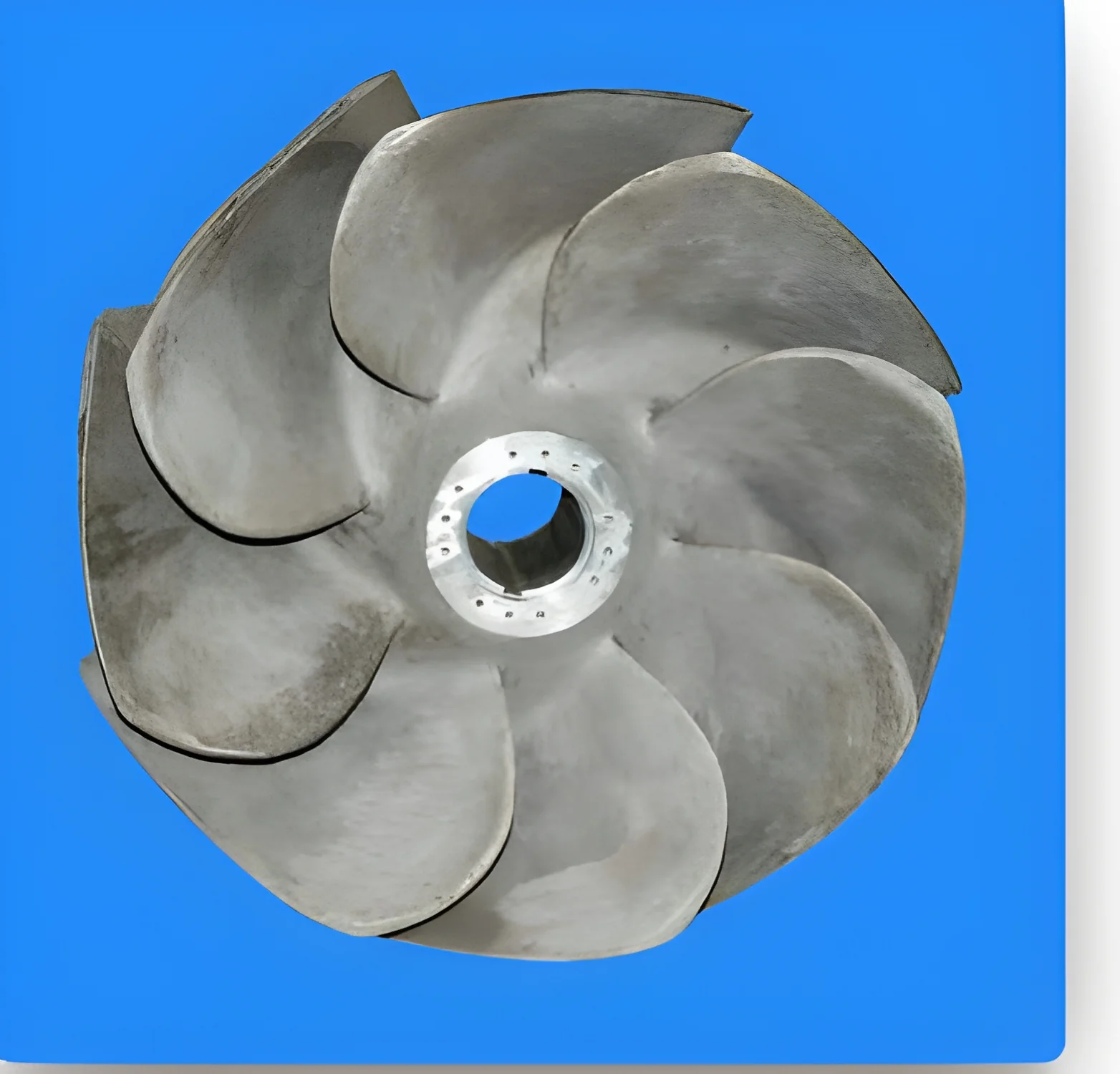
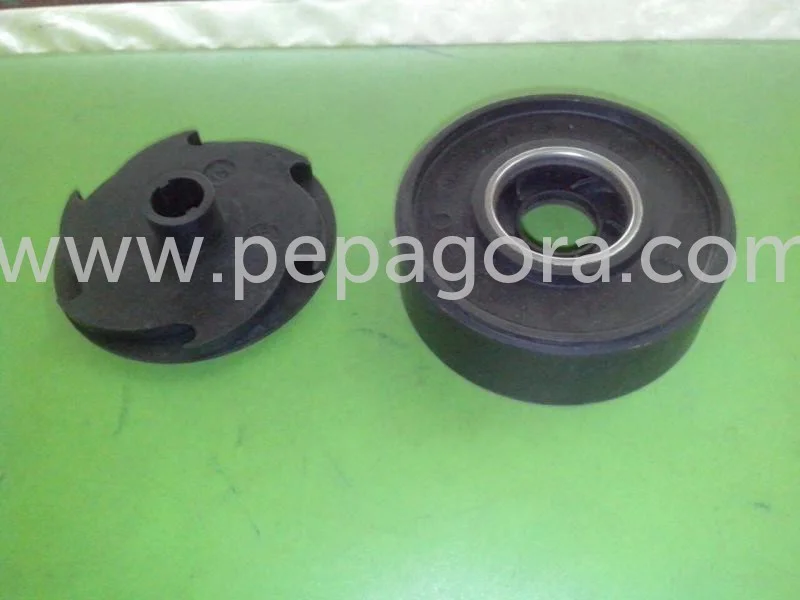
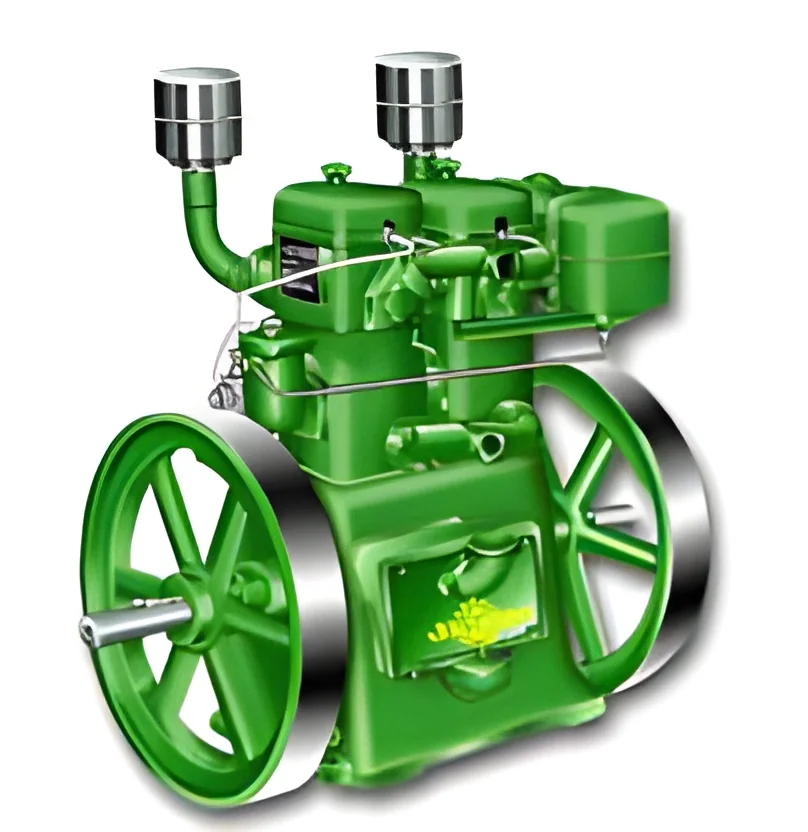
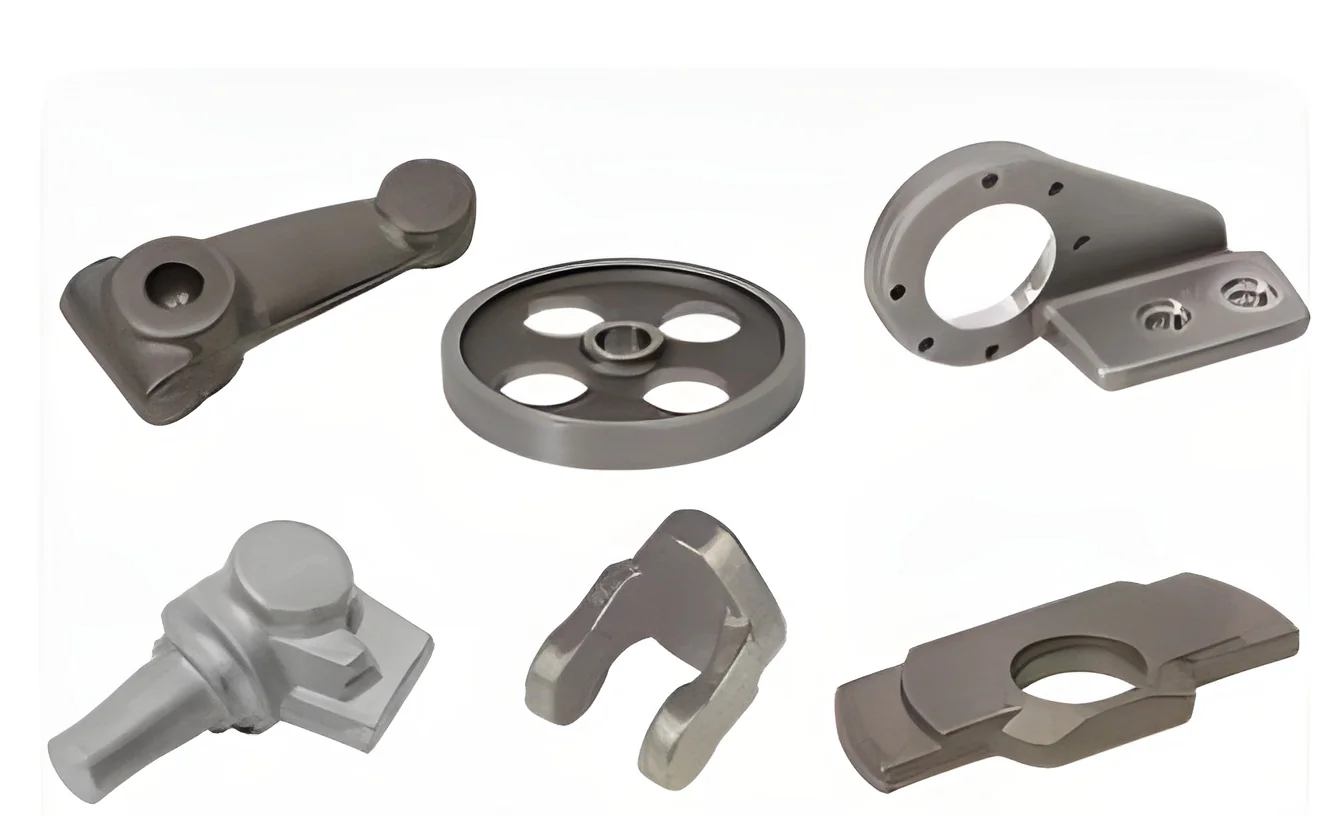
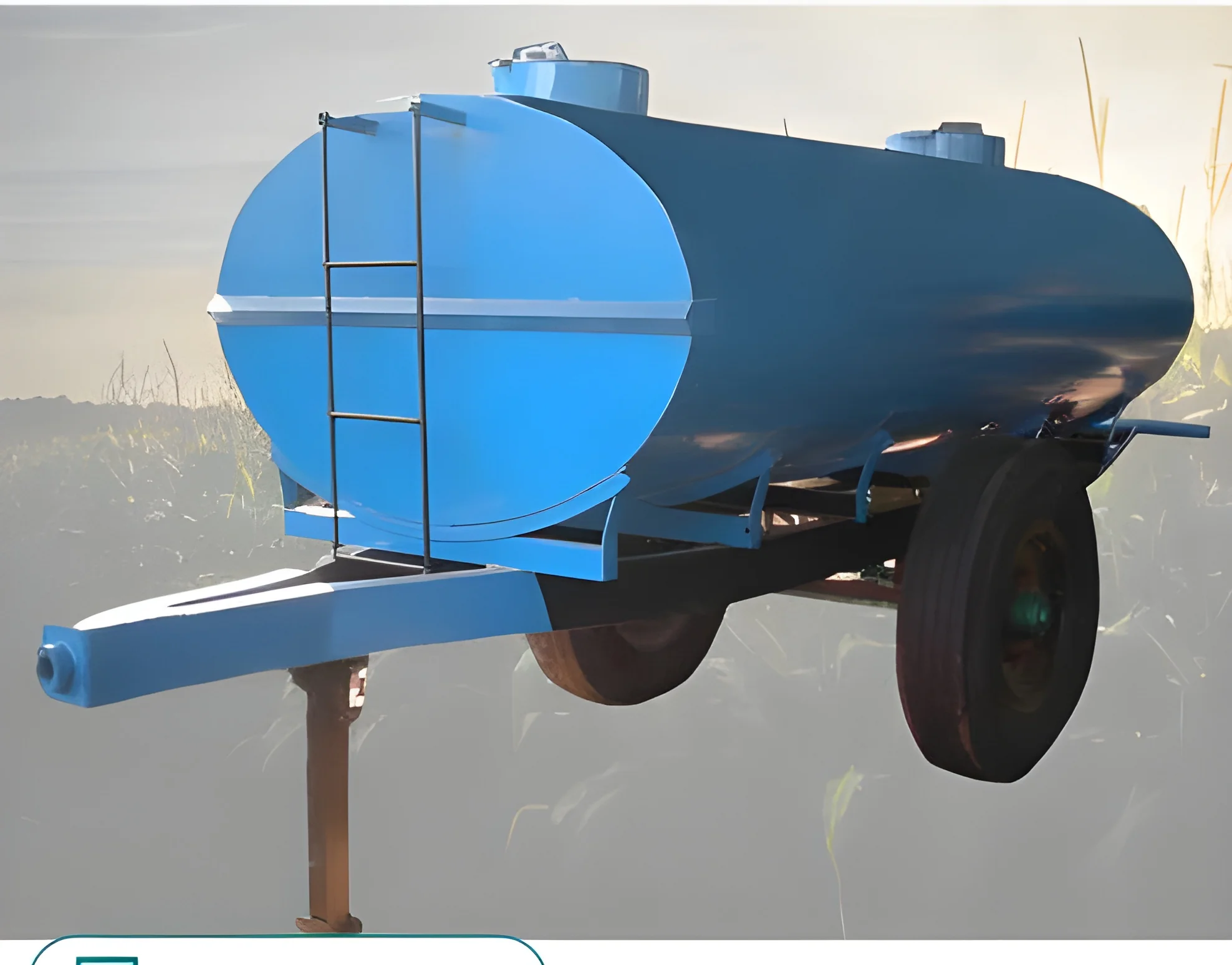
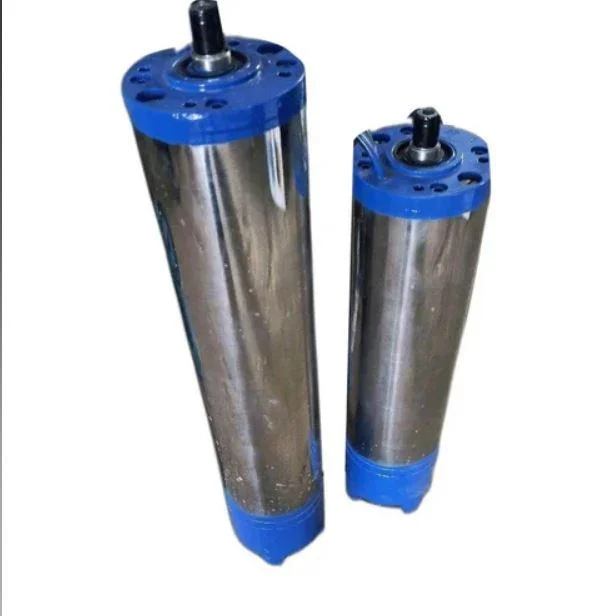
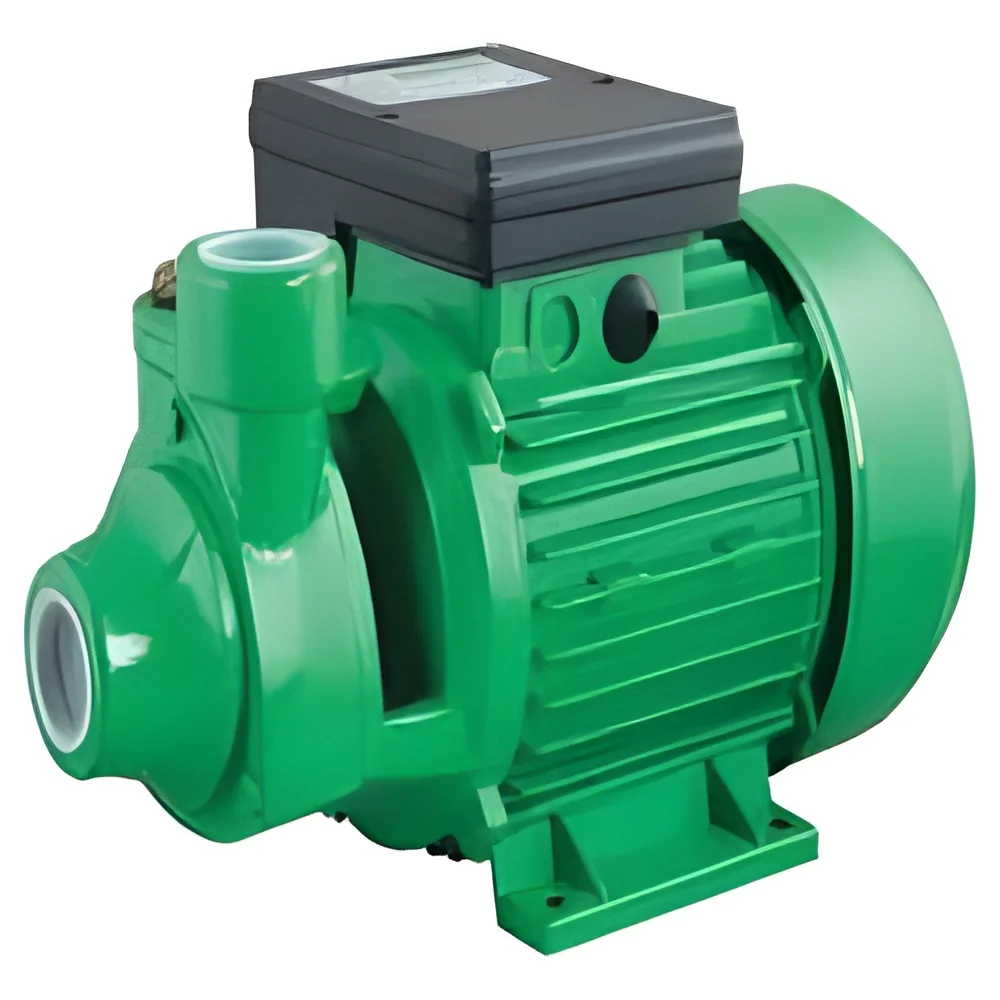
Key Features and Specifications
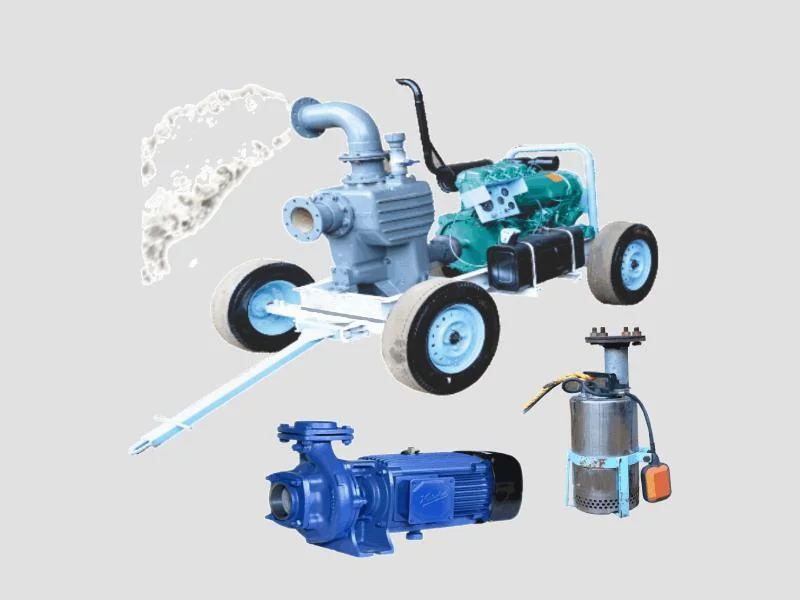
Irrigation pumps come with various features that cater to specific operational needs and environments. When evaluating these pumps, it is essential to understand their technical specifications to ensure they meet the requirements of intended applications.
Key specifications include:
1. Power Source
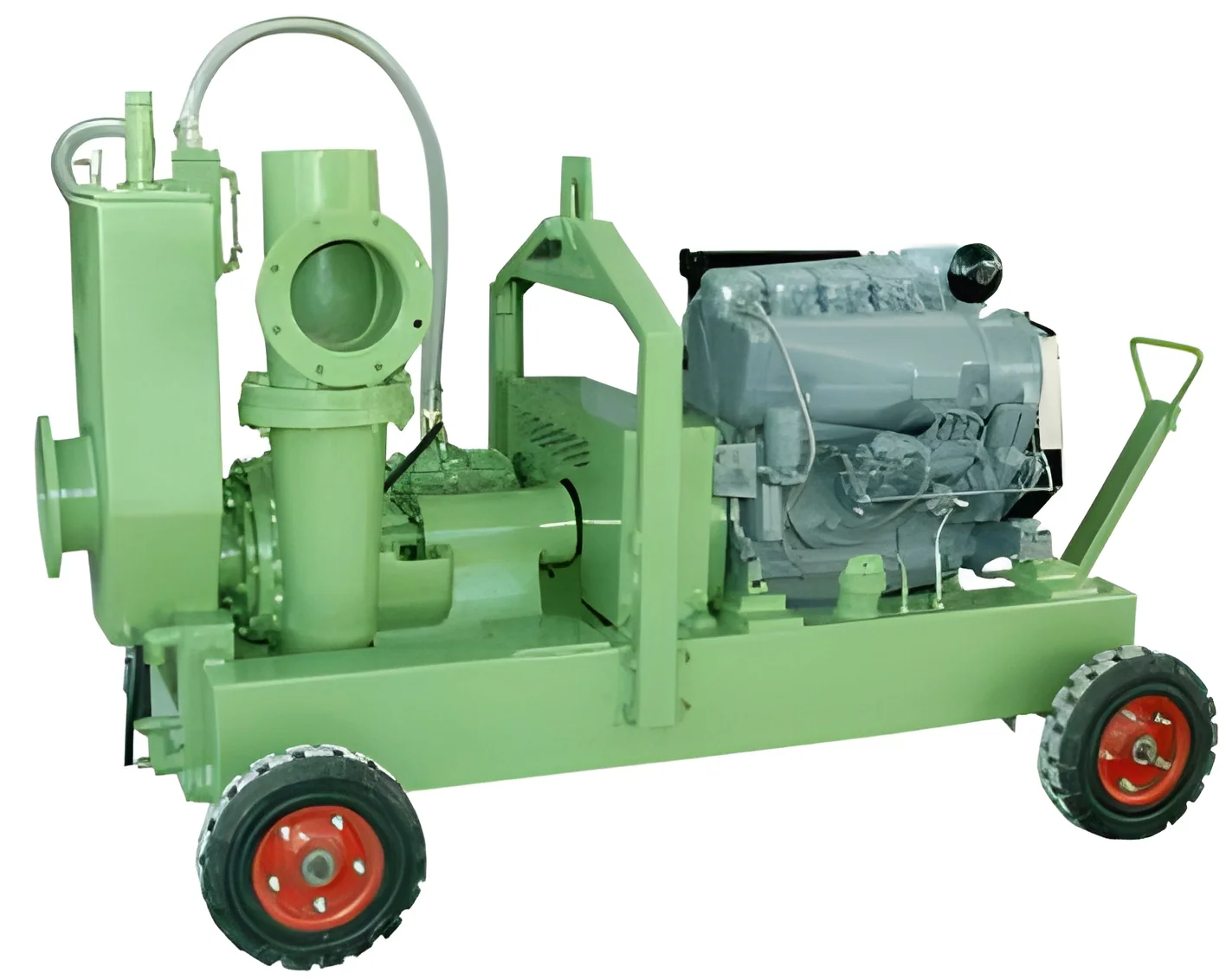
- Diesel or electric options
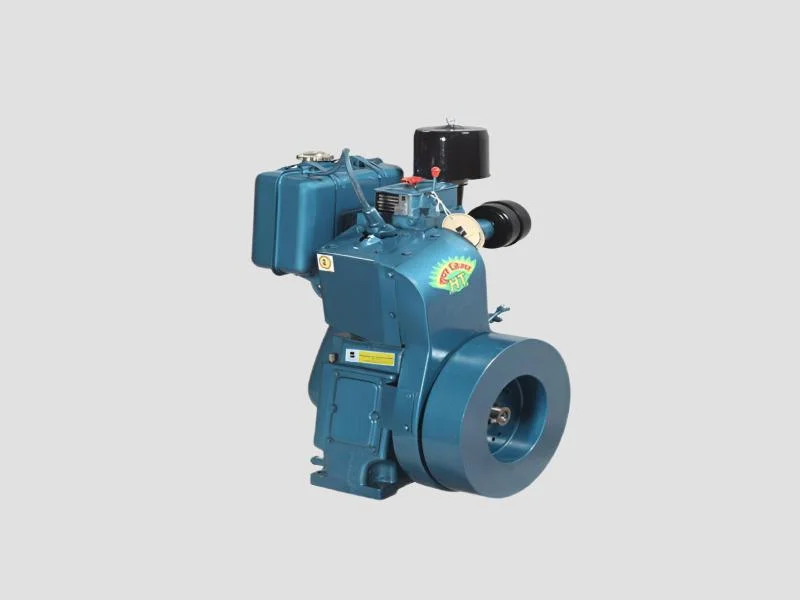
- Diesel engines typically range from 5 HP to 50 HP
- Electric motors generally range from 1 HP to 25 HP
2. Flow Rate
- Measurement of water output, usually in liters per minute (L/min) or gallons per minute (GPM)
- Common flow rates range from 100 L/min to 5000 L/min
3. Head Pressure
- The height to which water can be pumped, measured in meters or feet
- Typical head pressure ranges from 10 meters to 100 meters
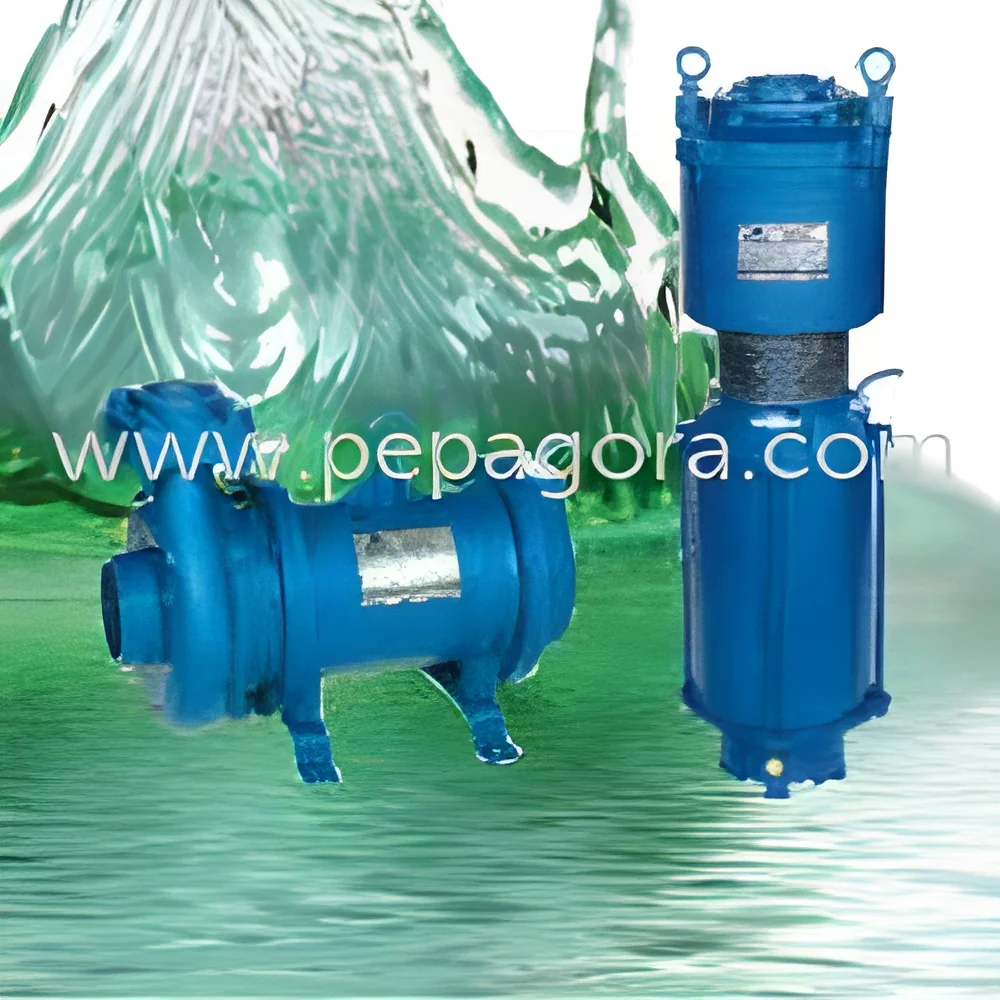
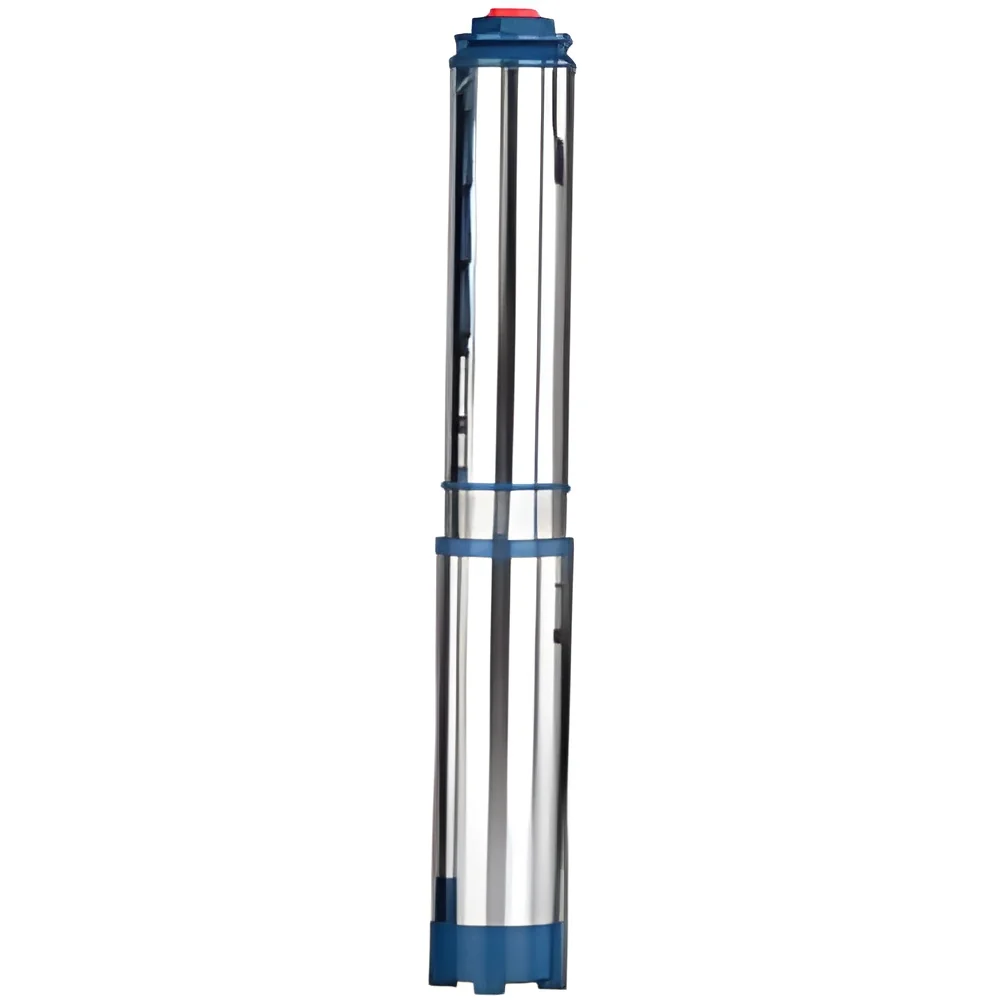
4. Pump Type
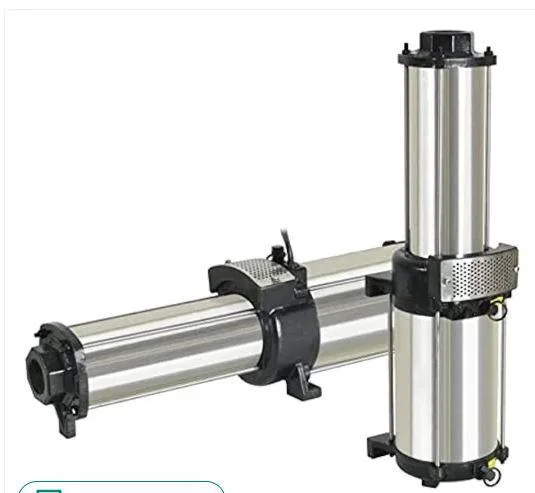
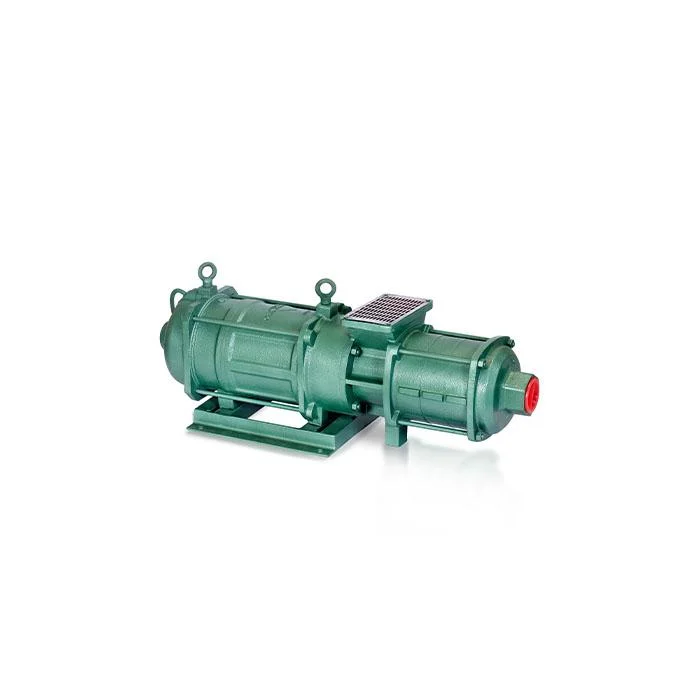
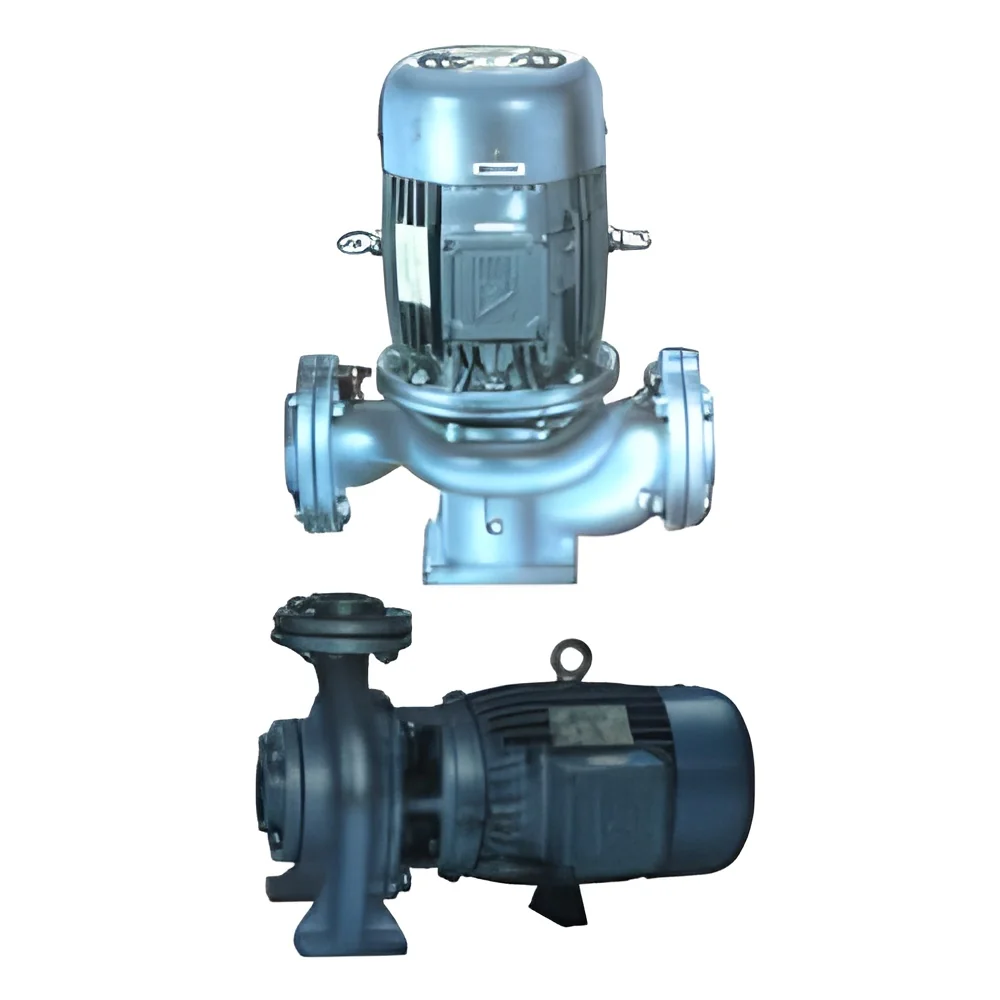
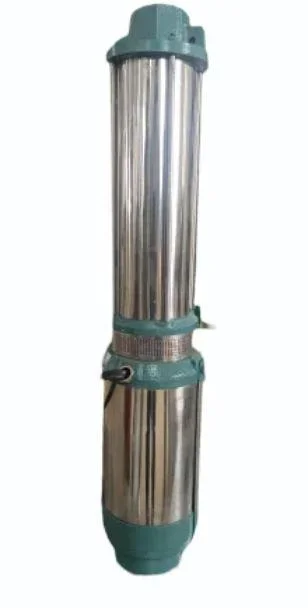
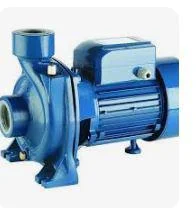
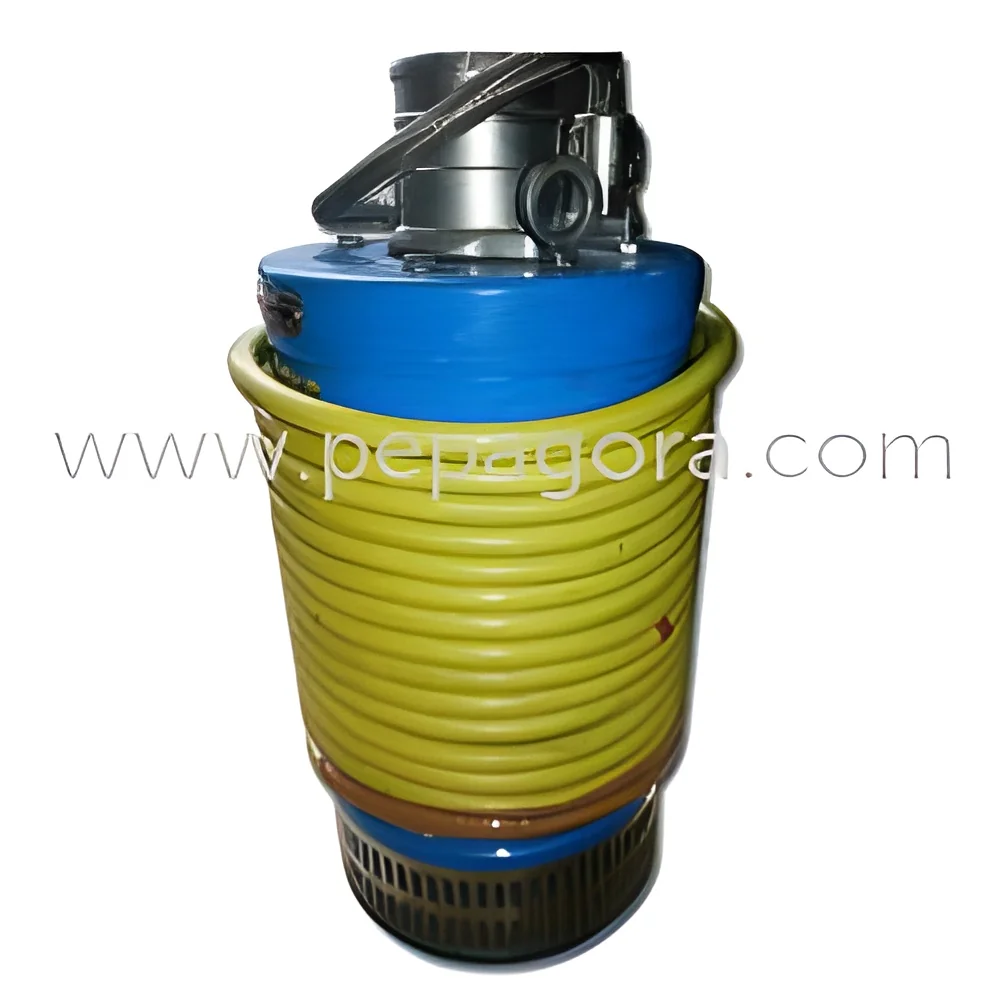
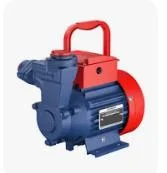
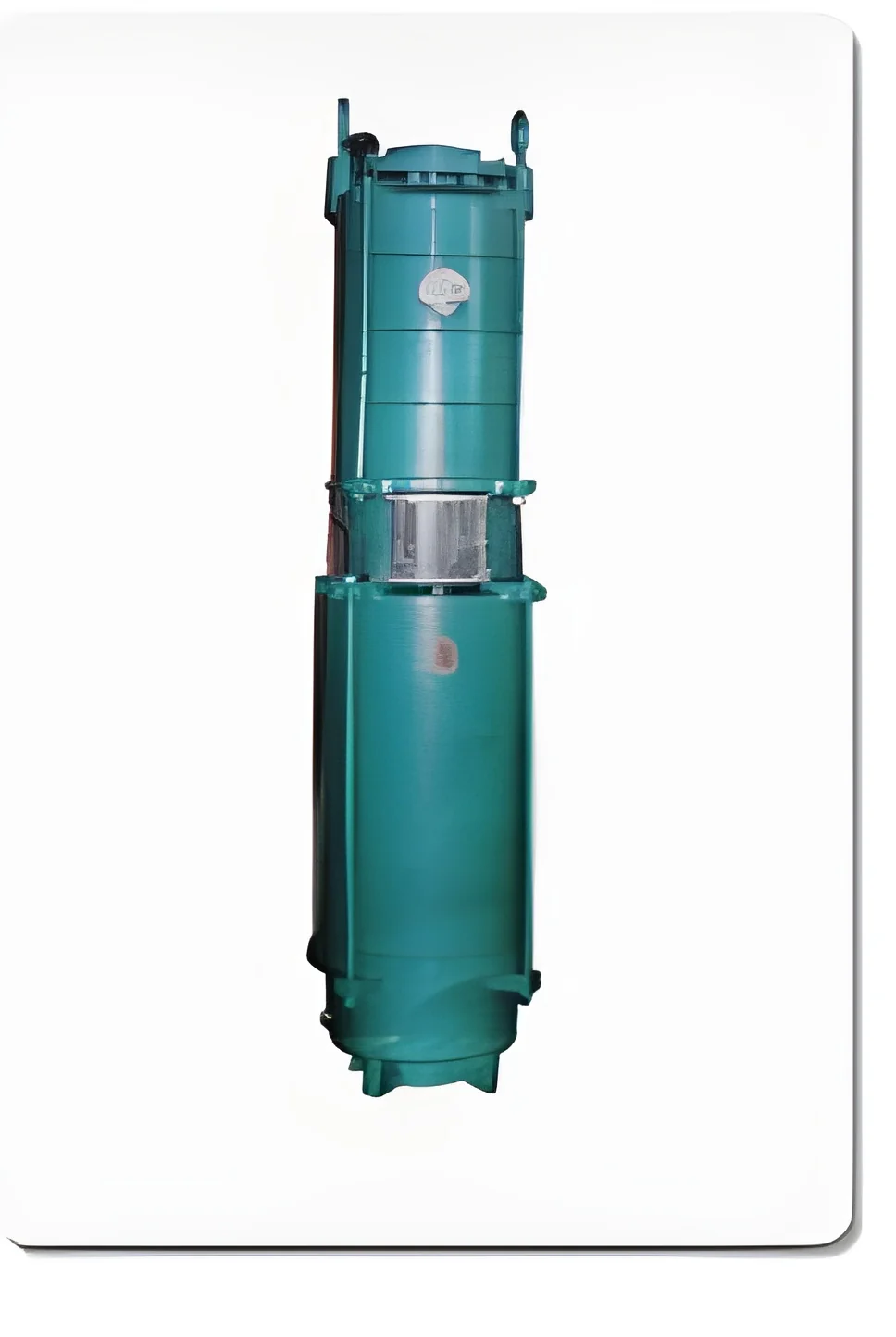
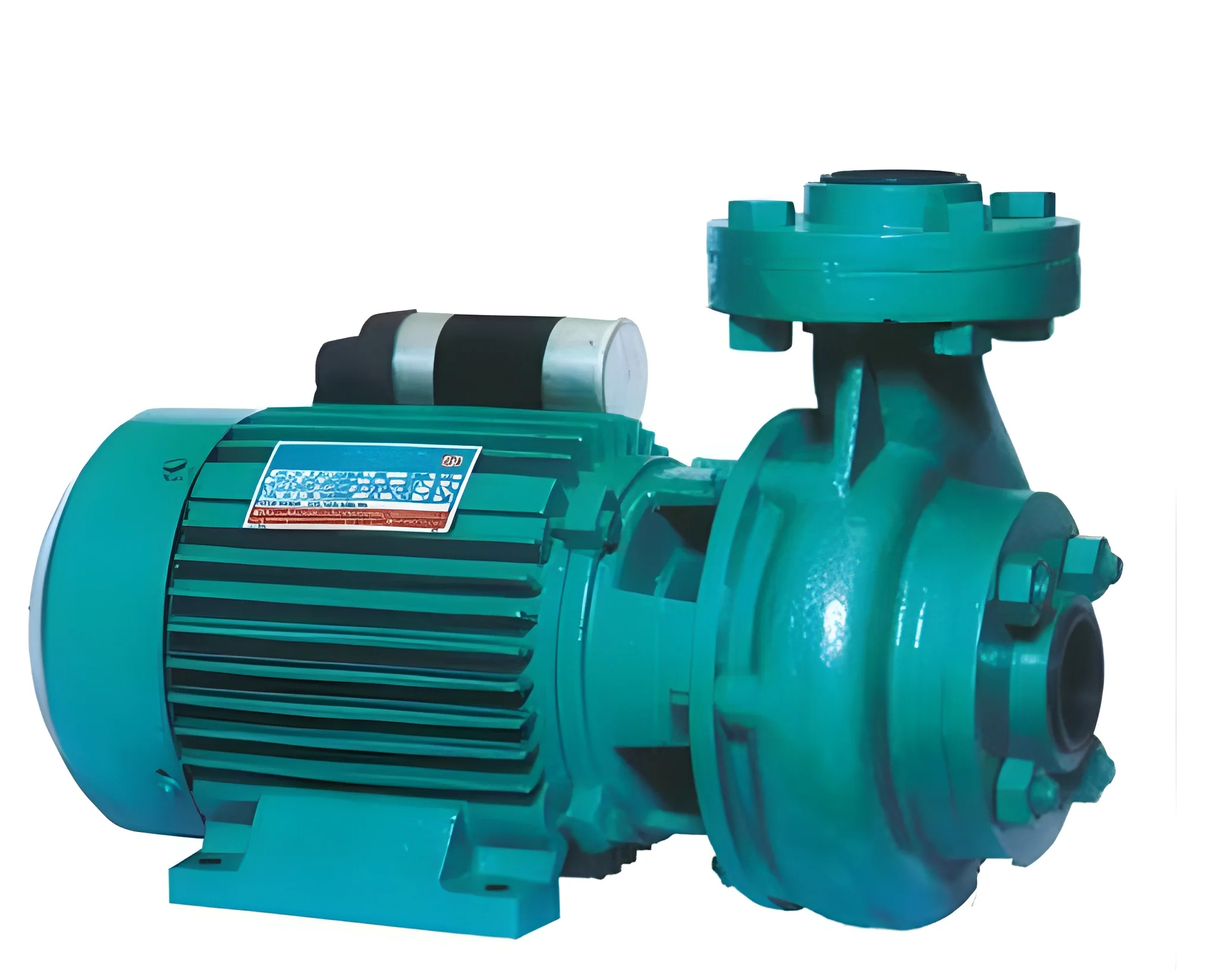
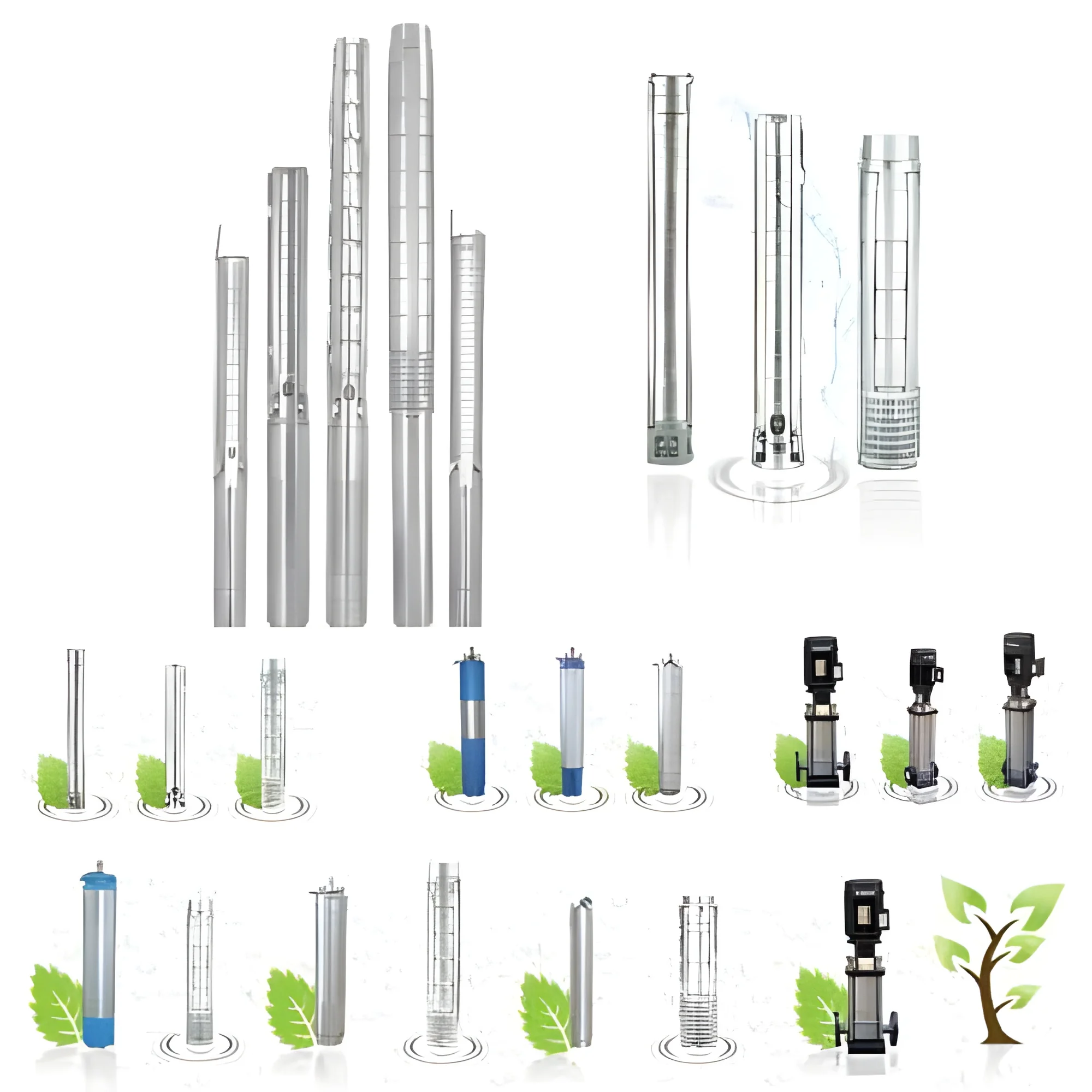
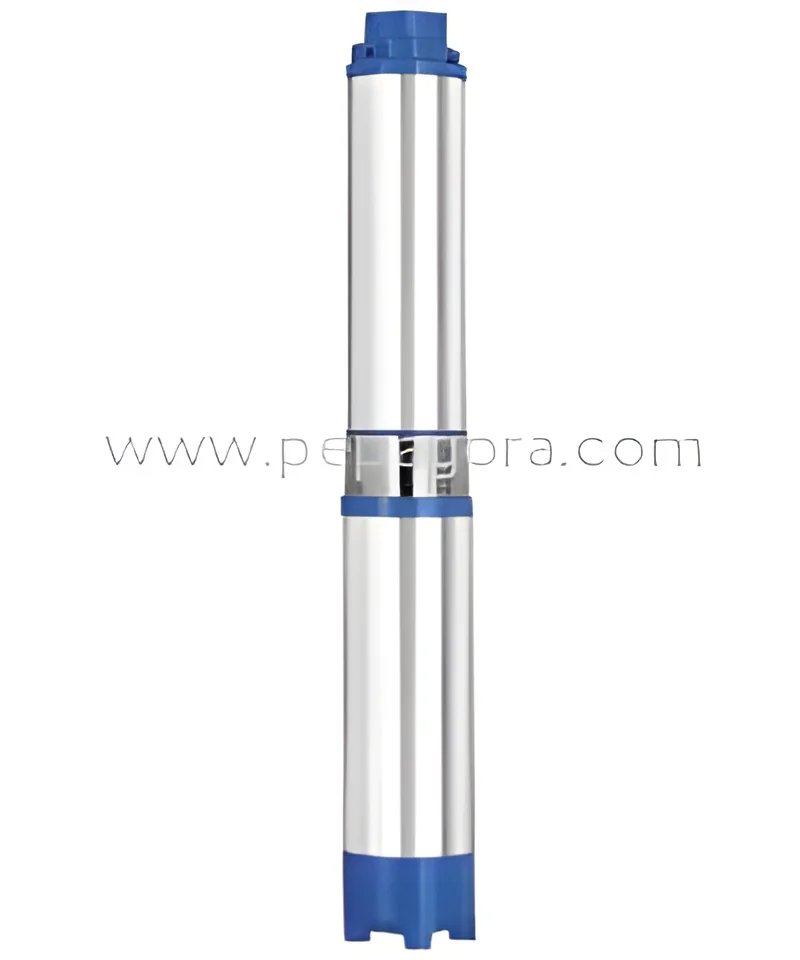
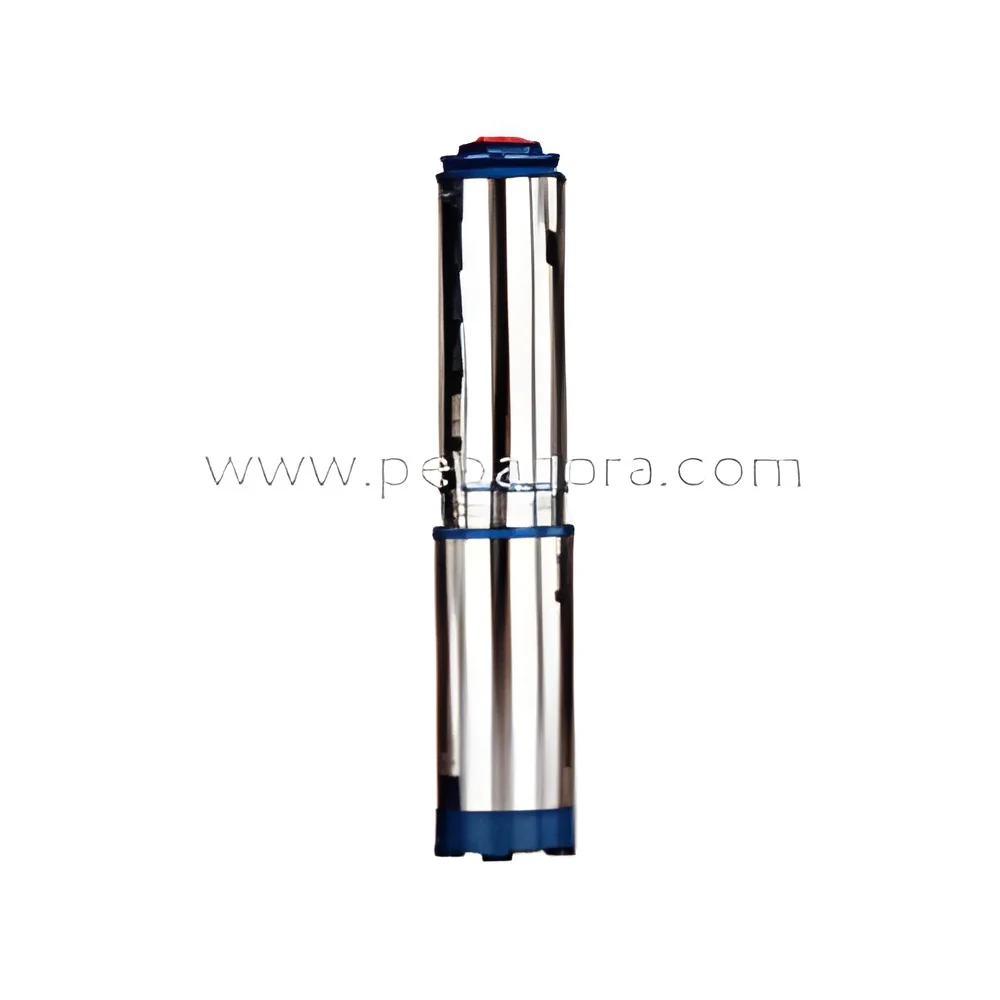
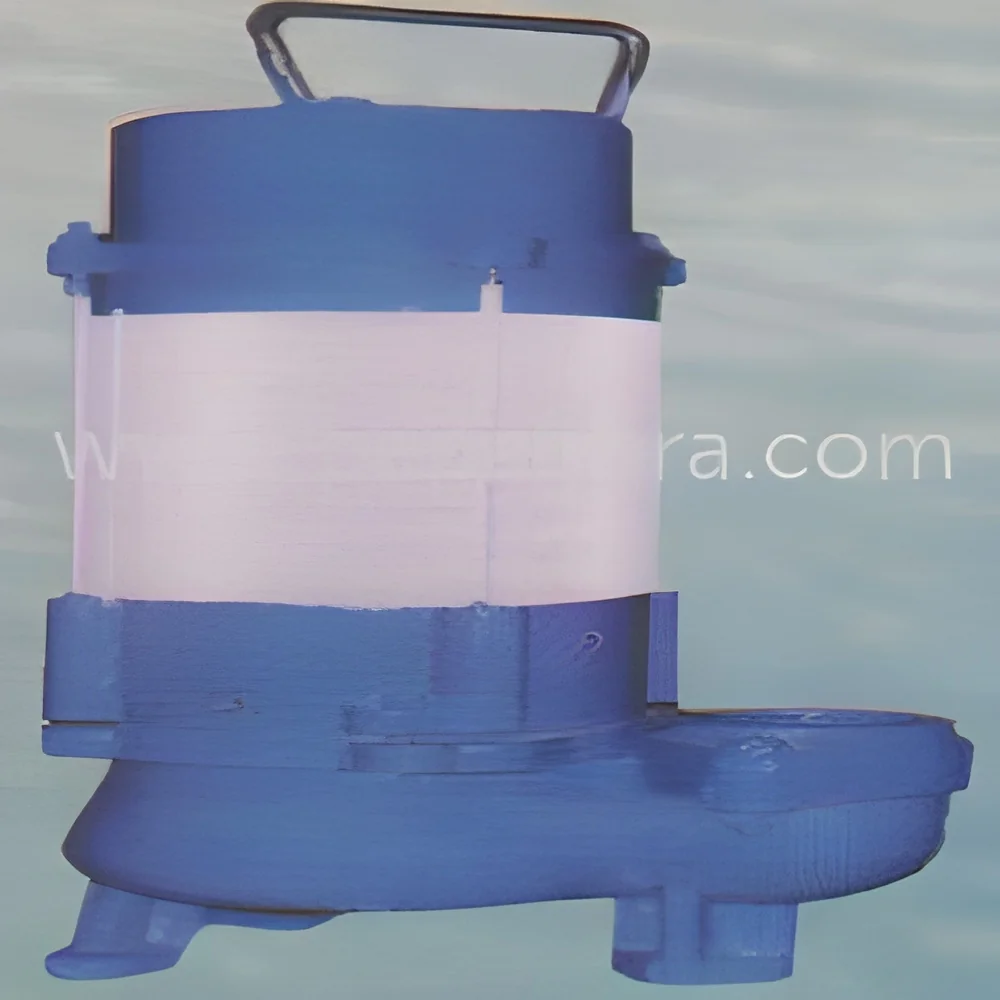
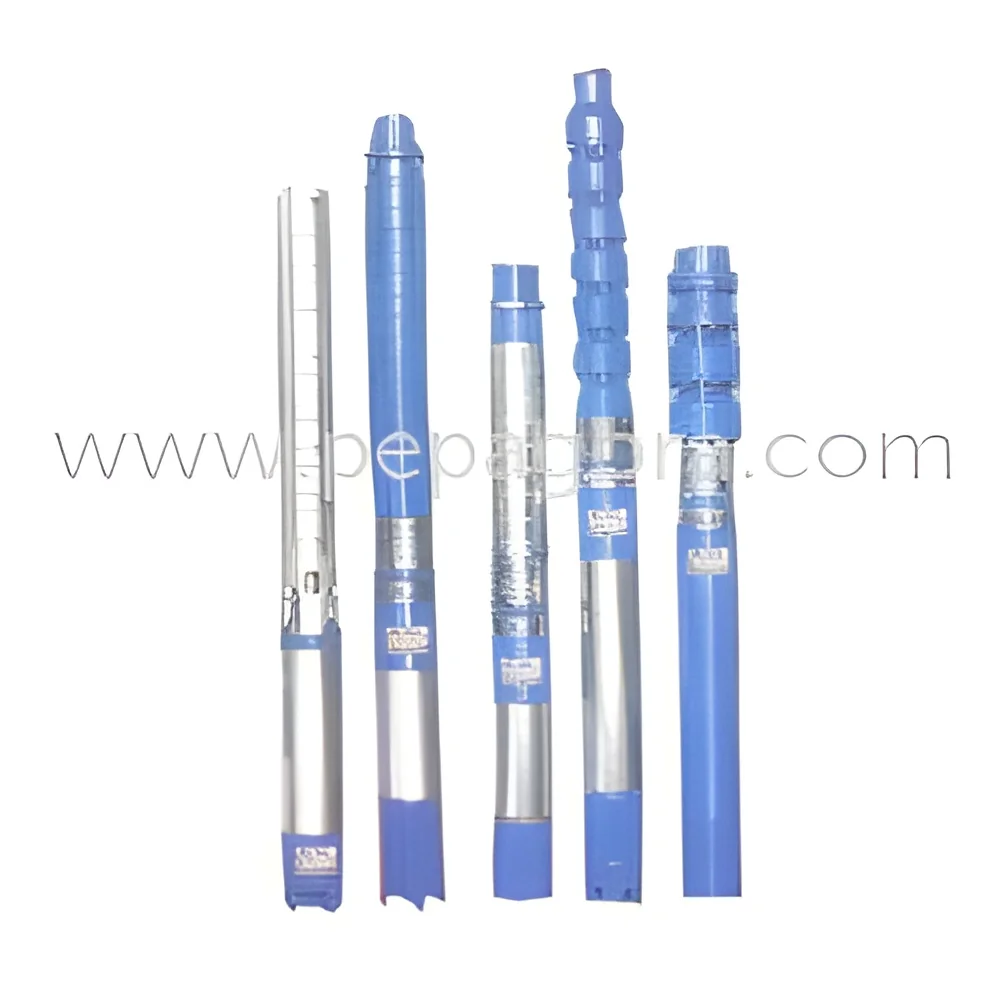
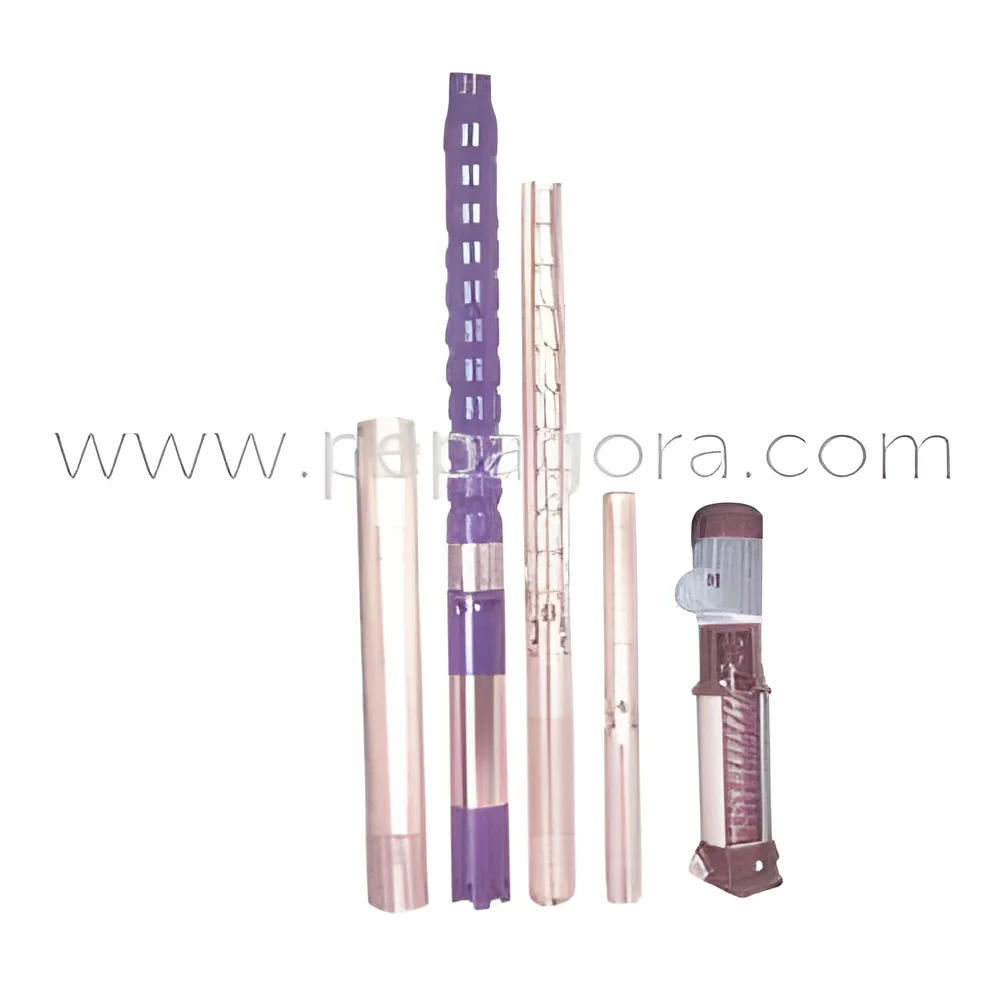
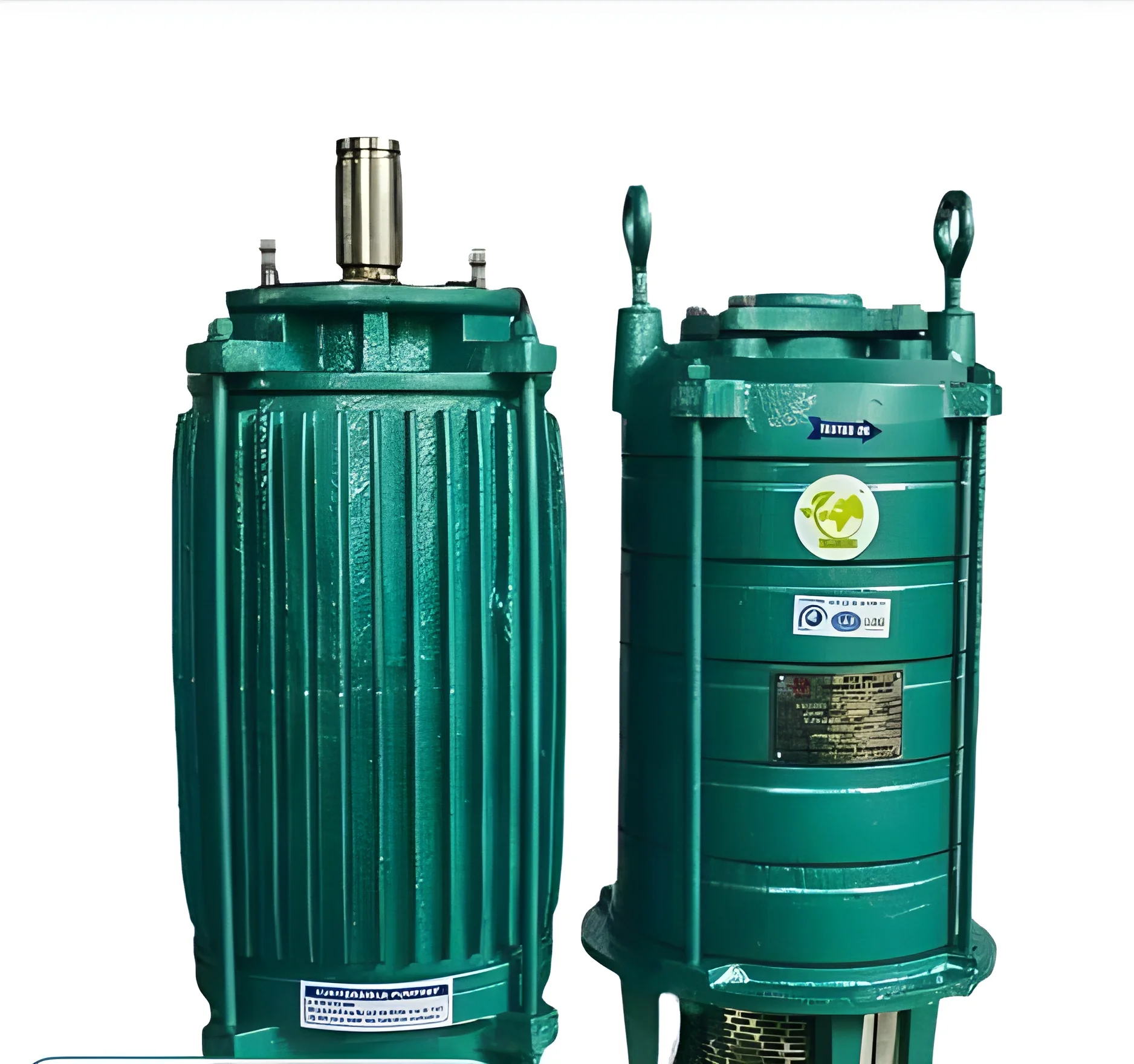
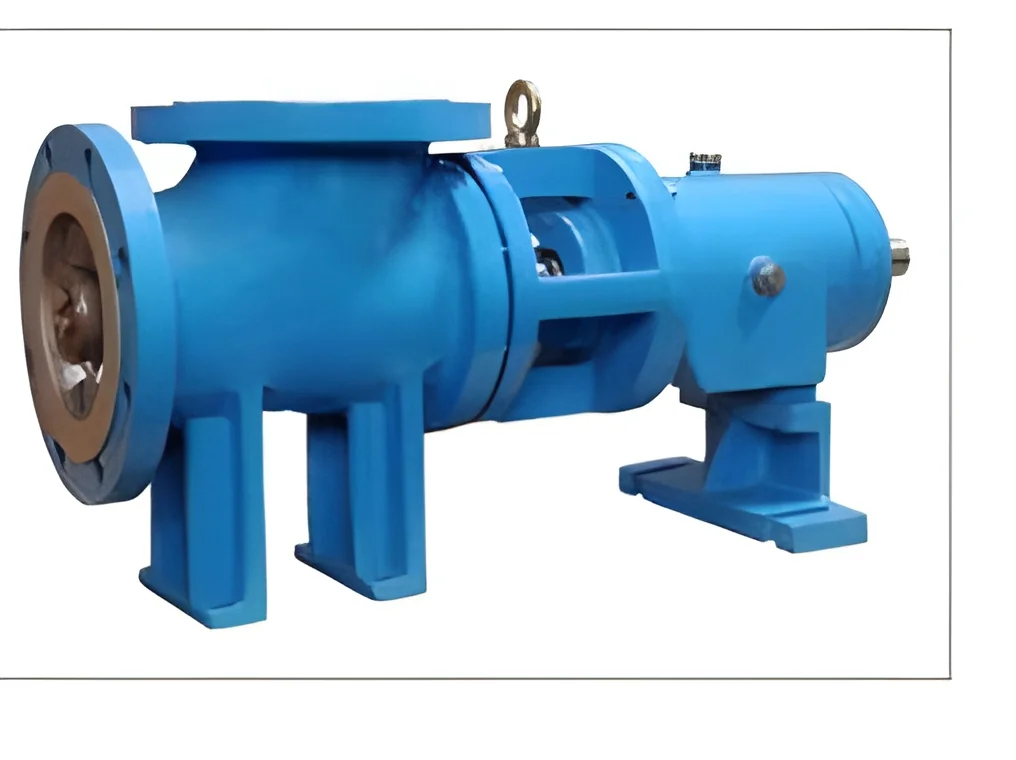
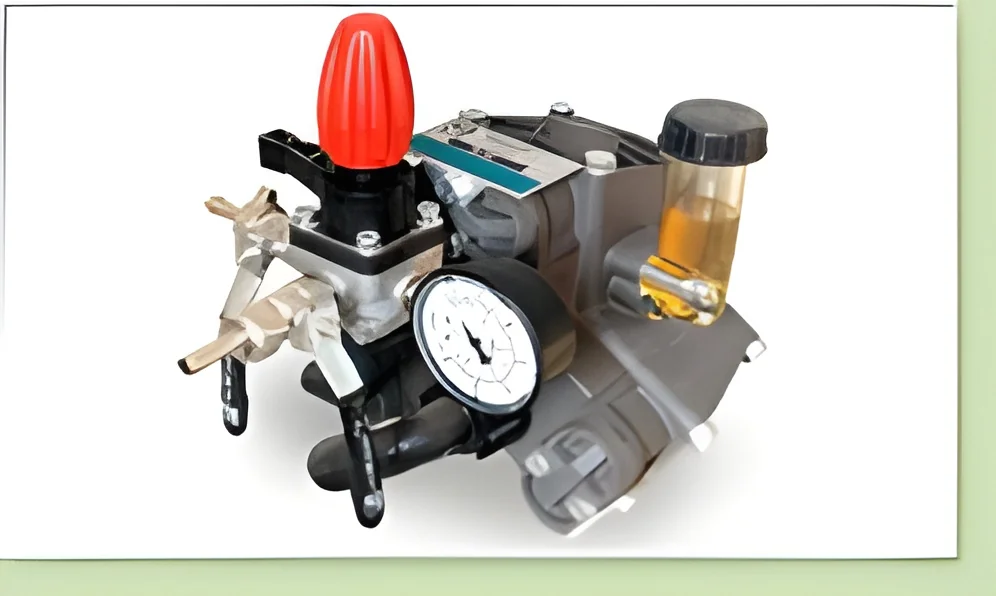
- Various types including centrifugal, submersible, and diaphragm pumps
- Each type offers unique advantages depending on the application
5. Materials
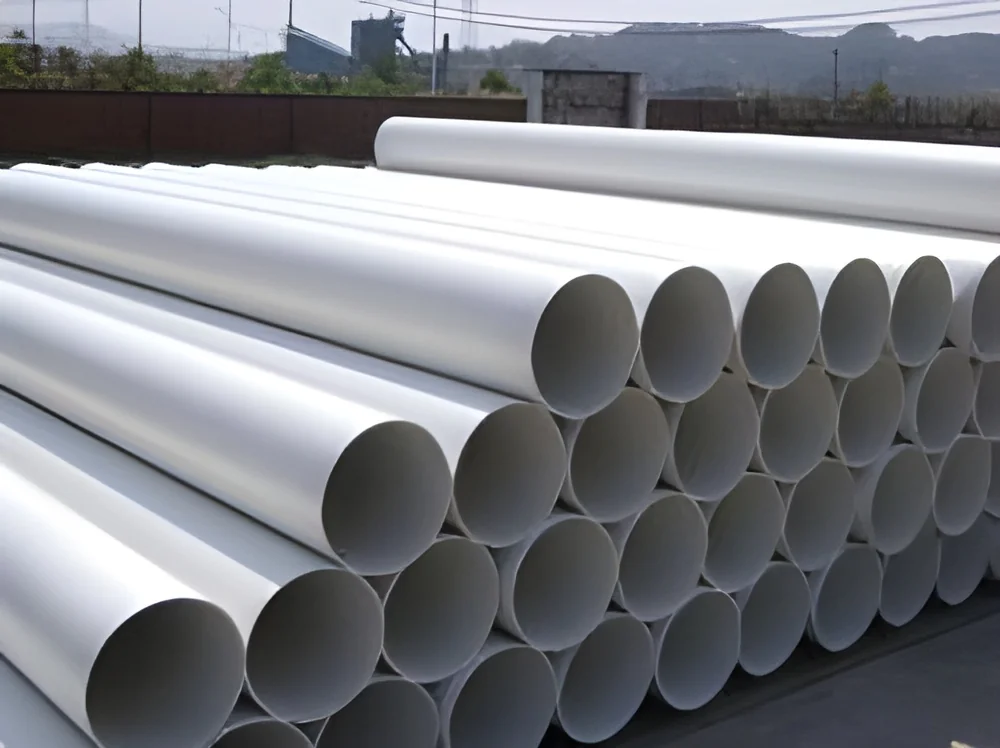
- Construction materials such as stainless steel, cast iron, and thermoplastic
- Material choice impacts durability and resistance to corrosion
6. Control Features
- Options for manual or automatic controls
- Advanced models may include smart monitoring systems
7. Portability
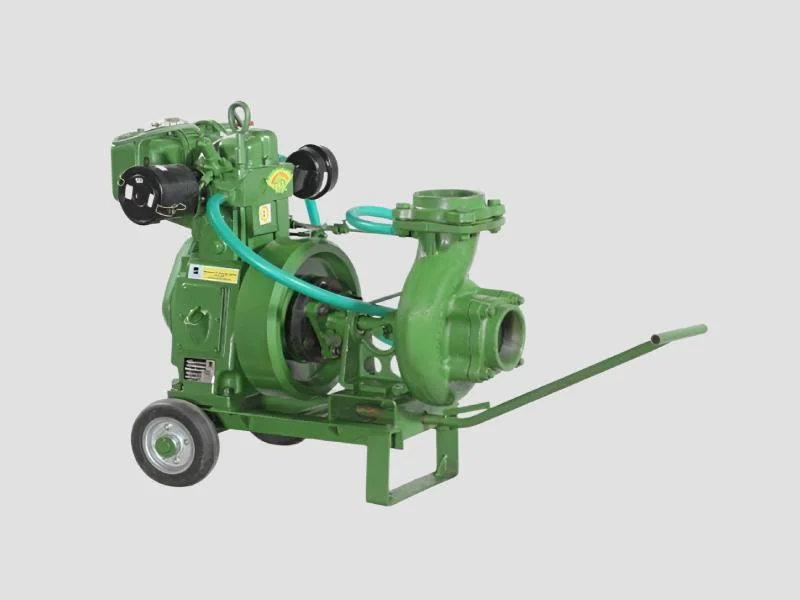
- Some models designed for easy transport and setup
- Weight and dimensions can vary significantly among models
8. Maintenance Requirements
- Regular maintenance needs vary by pump type and use
- Some pumps feature easy access points for servicing
In summary, understanding these specifications helps buyers select the right irrigation pump tailored to their operational requirements and environmental conditions.
Common Applications and Use Cases
Irrigation pumps serve a wide range of industries and applications, making them a critical component of water management systems.
1. Agriculture: These pumps are extensively used for irrigating crops, enabling farmers to maintain optimal soil moisture levels for better yields.
2. Landscaping: In urban and residential settings, irrigation pumps help maintain gardens, lawns, and public parks, ensuring healthy vegetation.
3. Horticulture: Specialized irrigation systems for nurseries and greenhouses utilize these pumps to provide consistent water supply for plant growth.
4. Turf Management: Sports fields and golf courses depend on irrigation pumps to keep grass healthy and playable throughout different seasons.
5. Industrial Processes: Various manufacturing processes require water management, where irrigation pumps can be employed for cooling and cleaning.
6. Aquaculture: Fish farms use irrigation pumps for water circulation and filtration, ensuring a healthy environment for aquatic life.
7. Firefighting Systems: Certain irrigation pumps are adapted for use in firefighting applications, providing essential water supply during emergencies.
Product Variants and Subcategories
Irrigation pumps are available in various configurations to meet diverse needs.
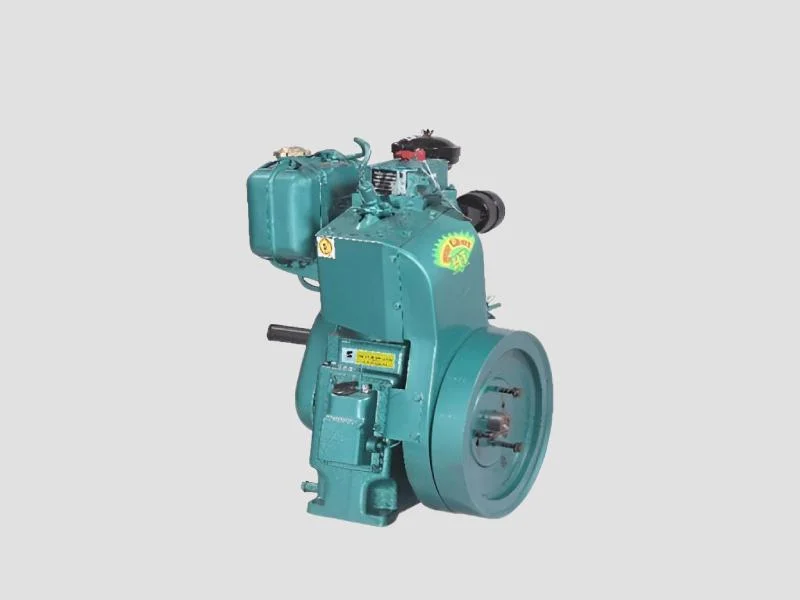
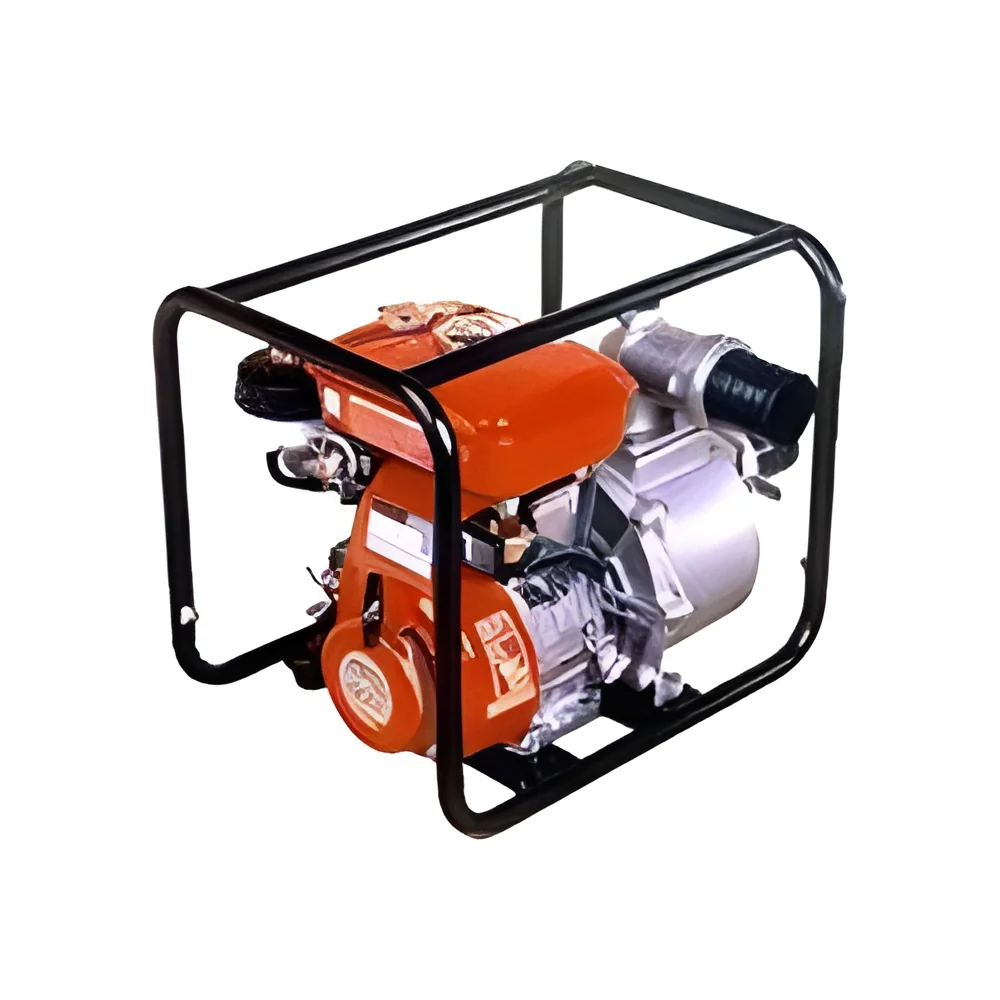
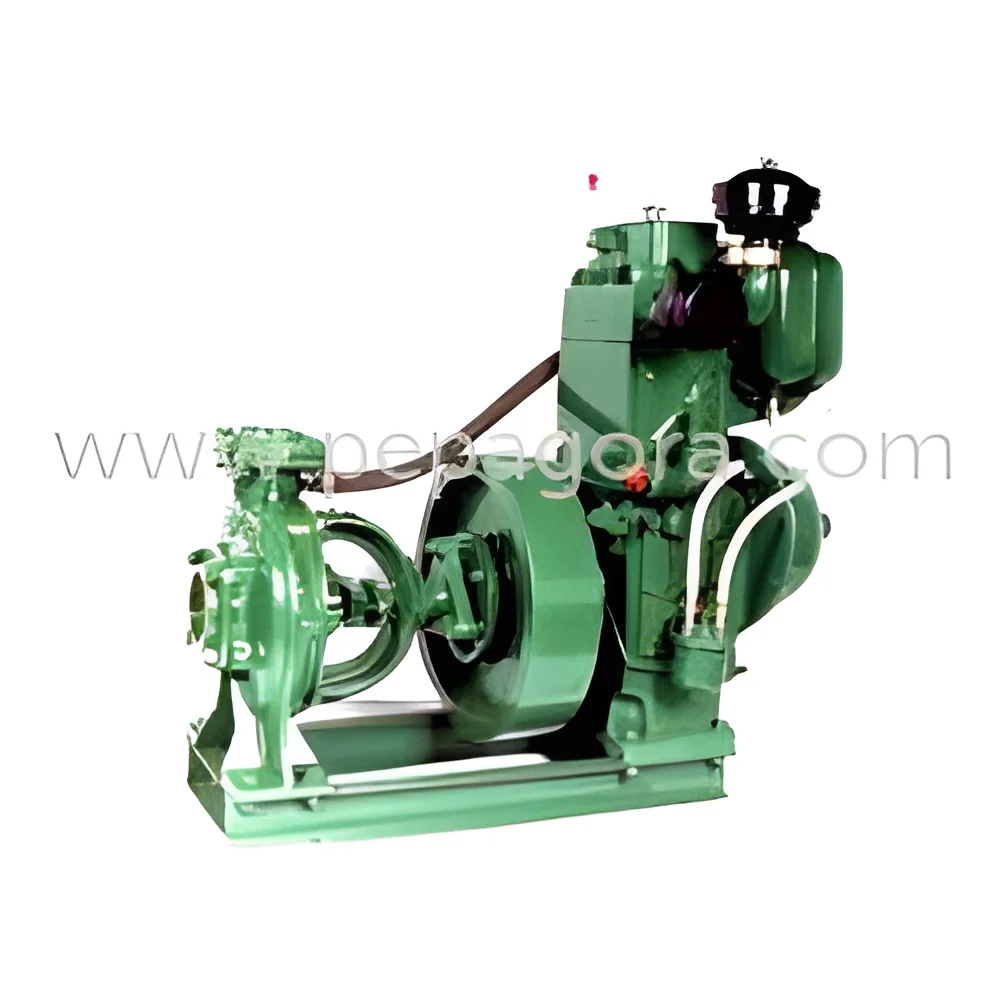
Diesel Irrigation Pumps
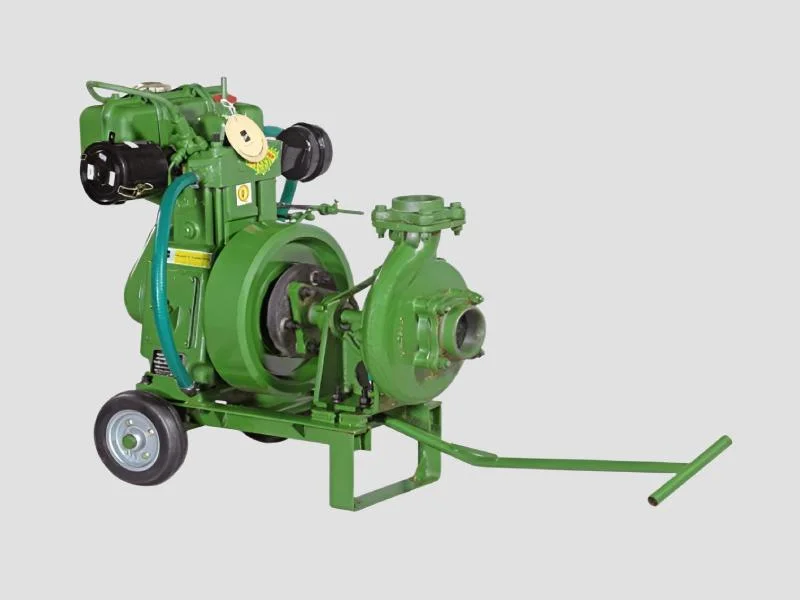
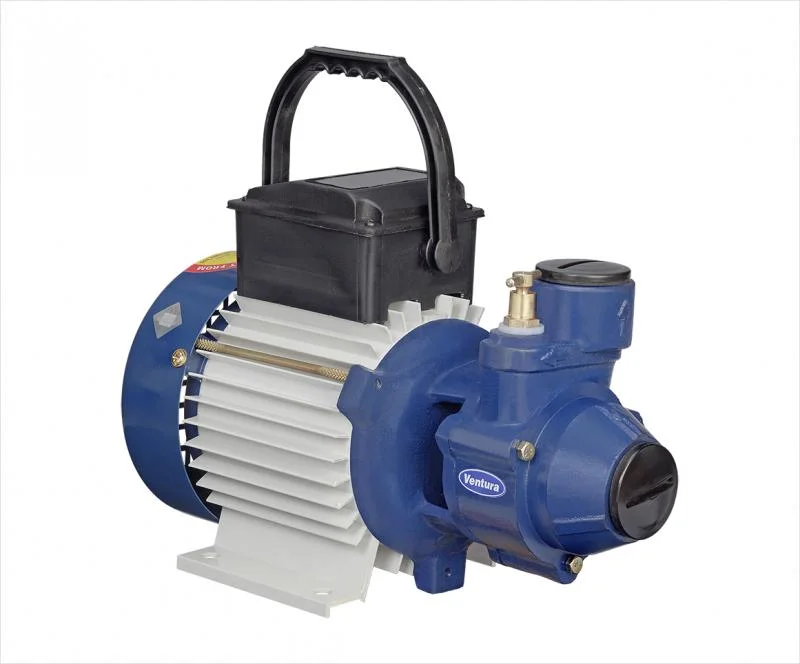
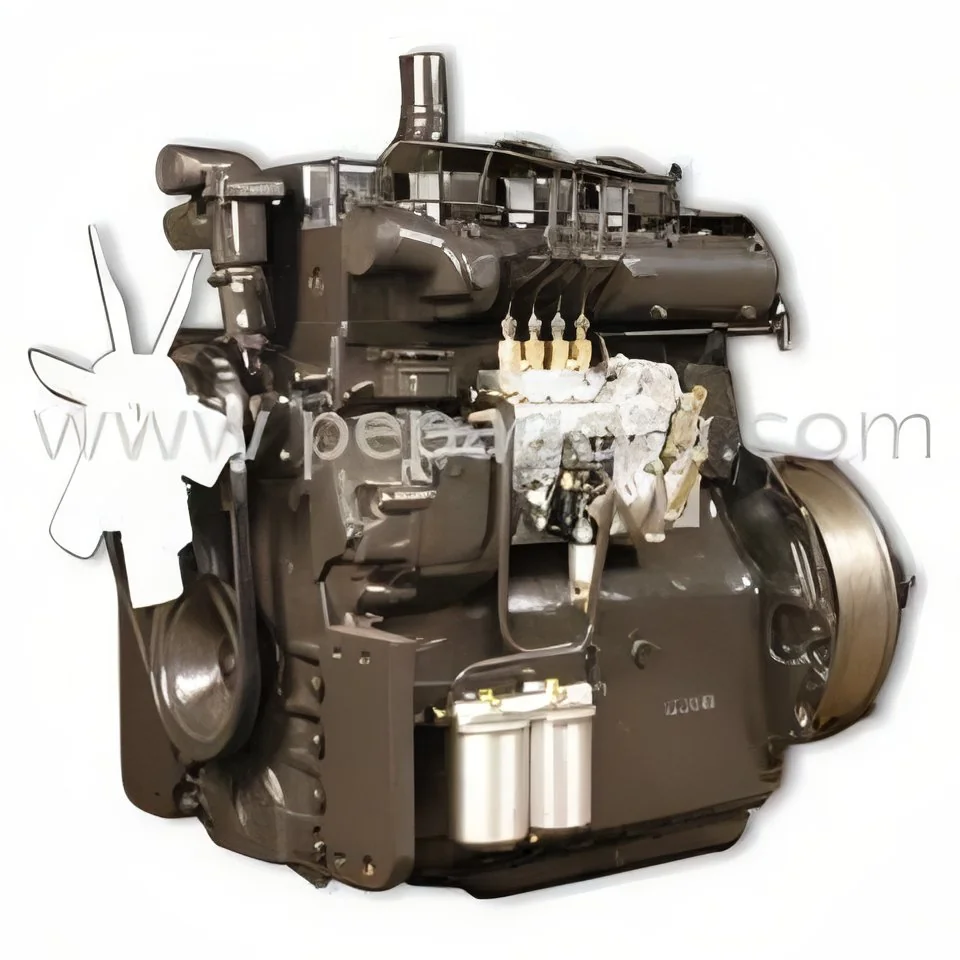
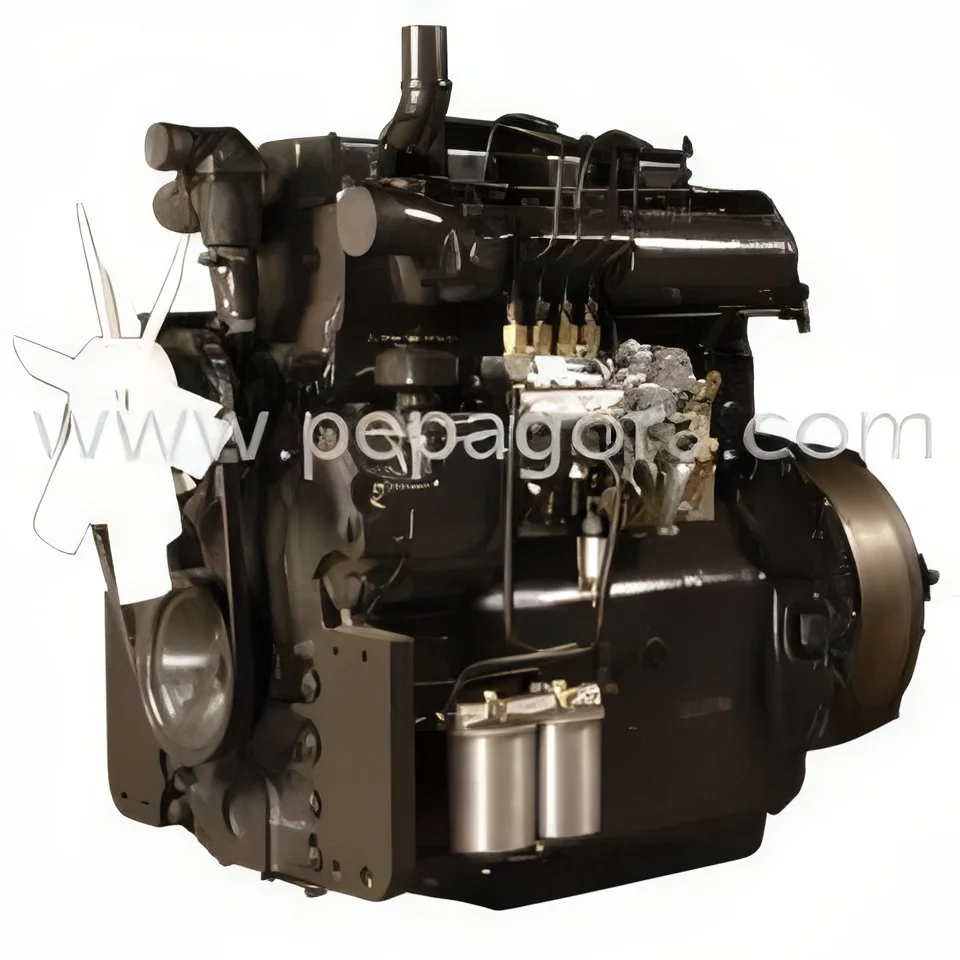
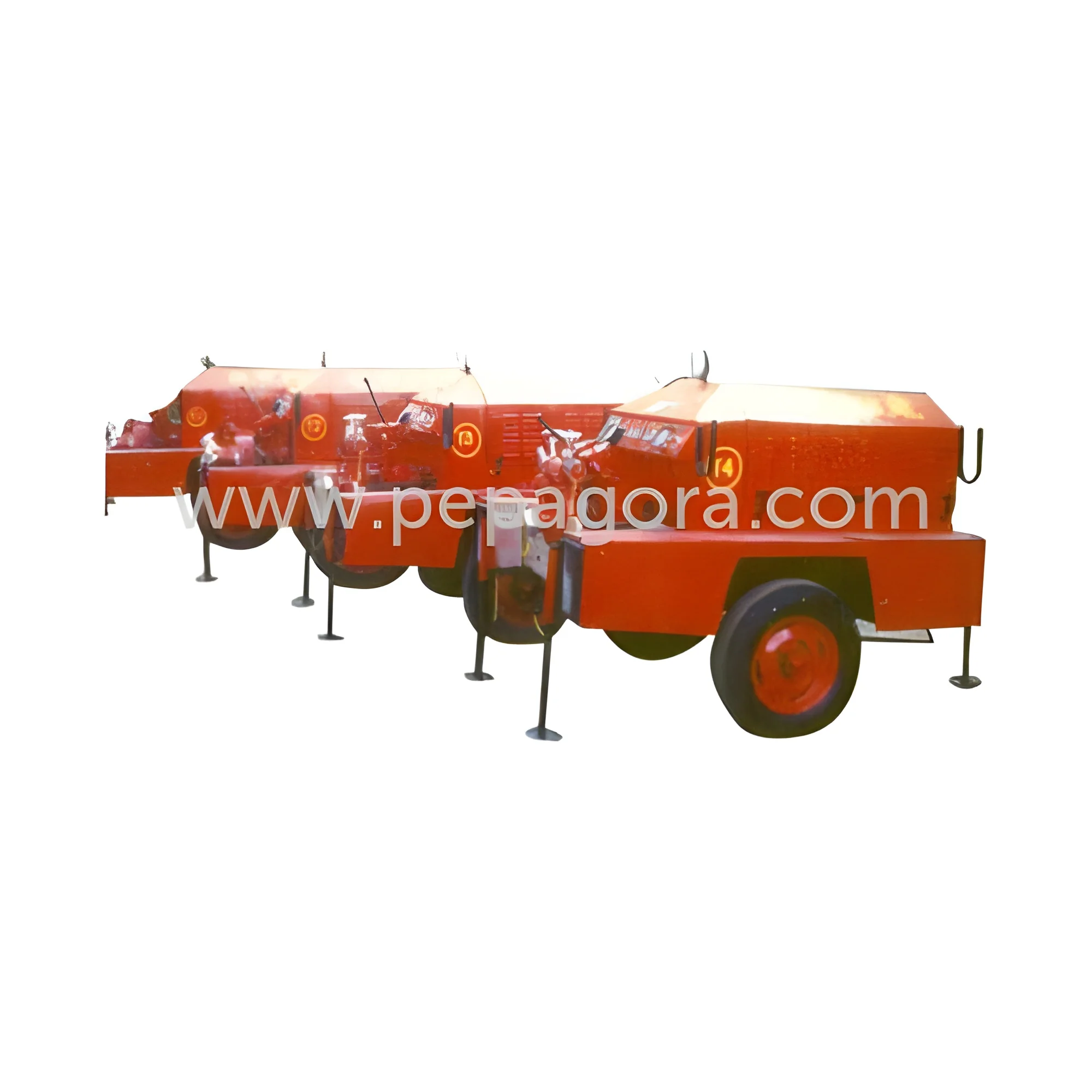
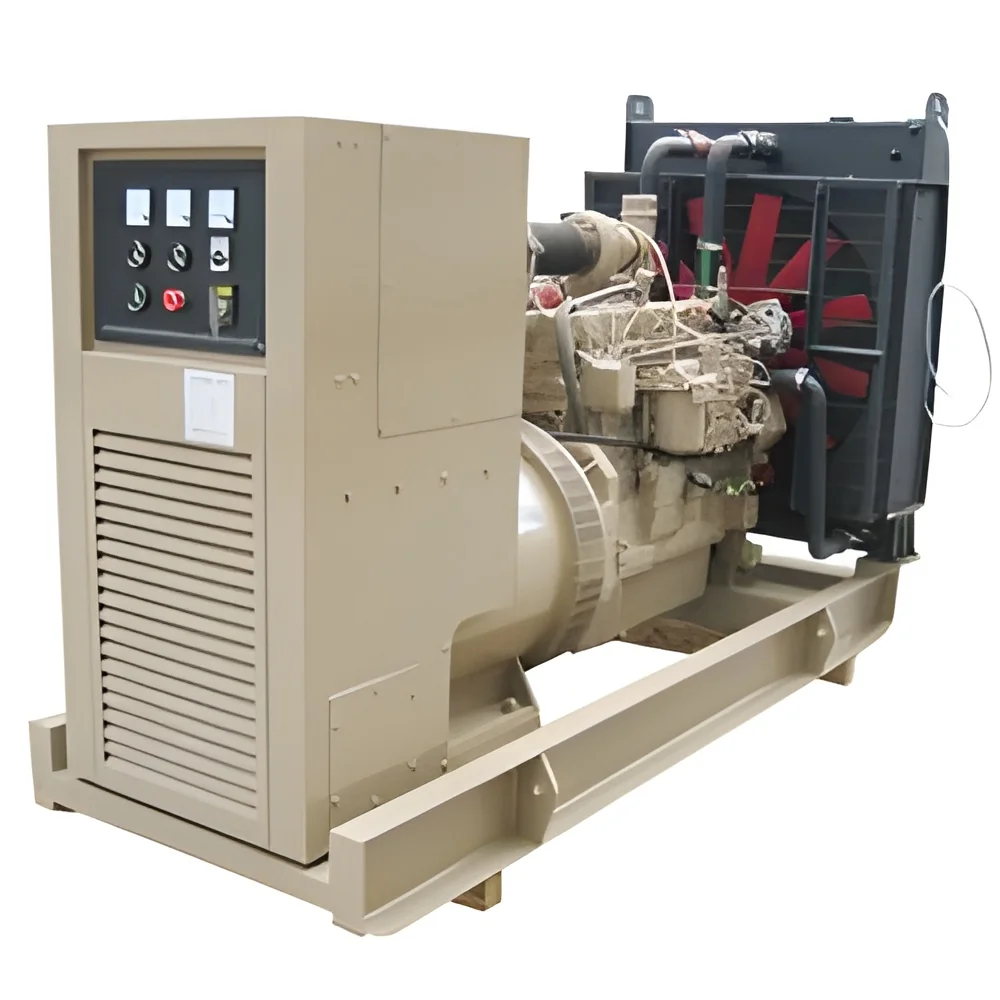
These pumps are known for their durability and high performance in remote areas. They are ideal for large-scale agricultural applications where electricity is unavailable or inconsistent. Diesel pumps are often equipped with robust engines to handle challenging conditions.
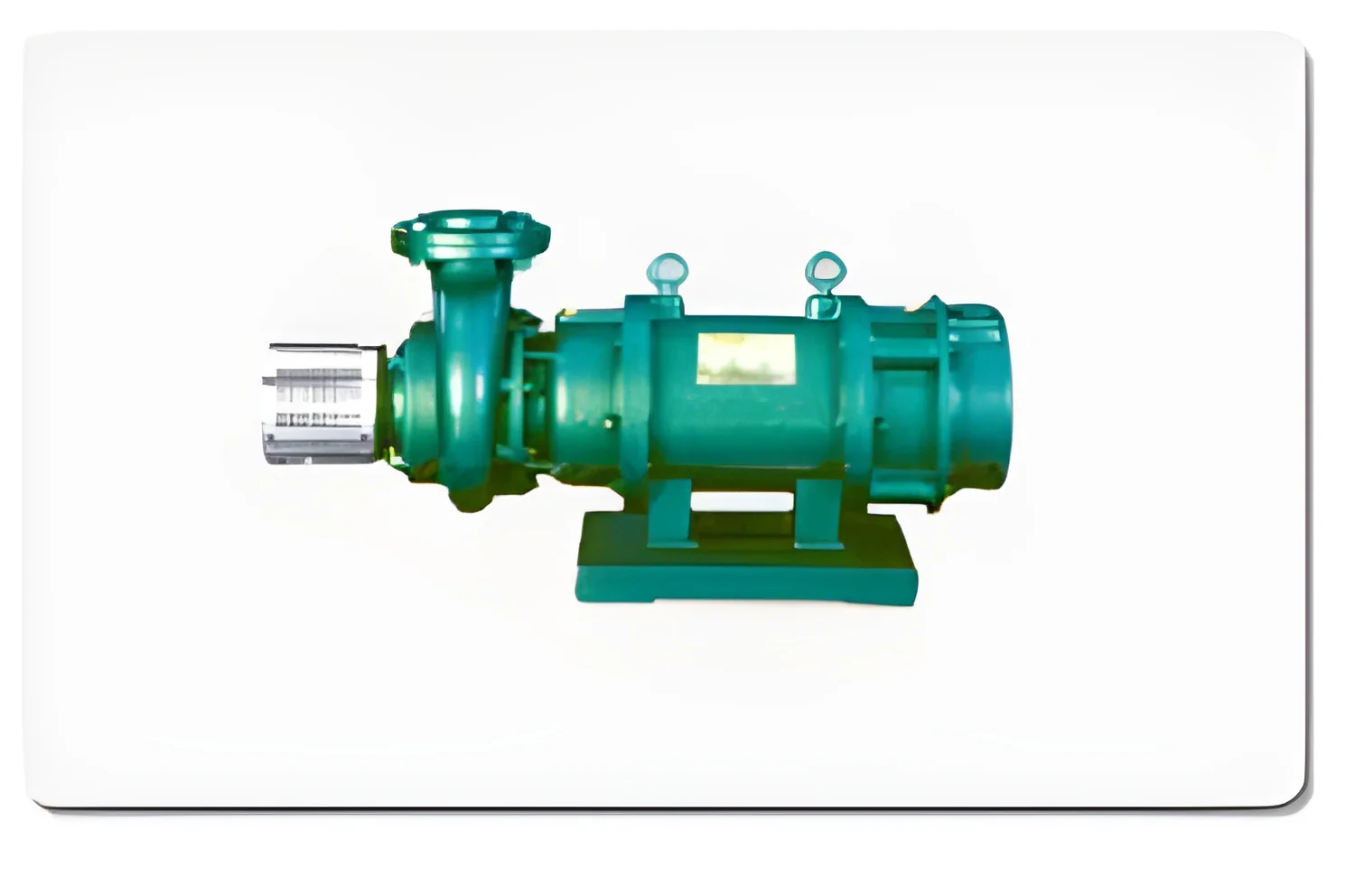
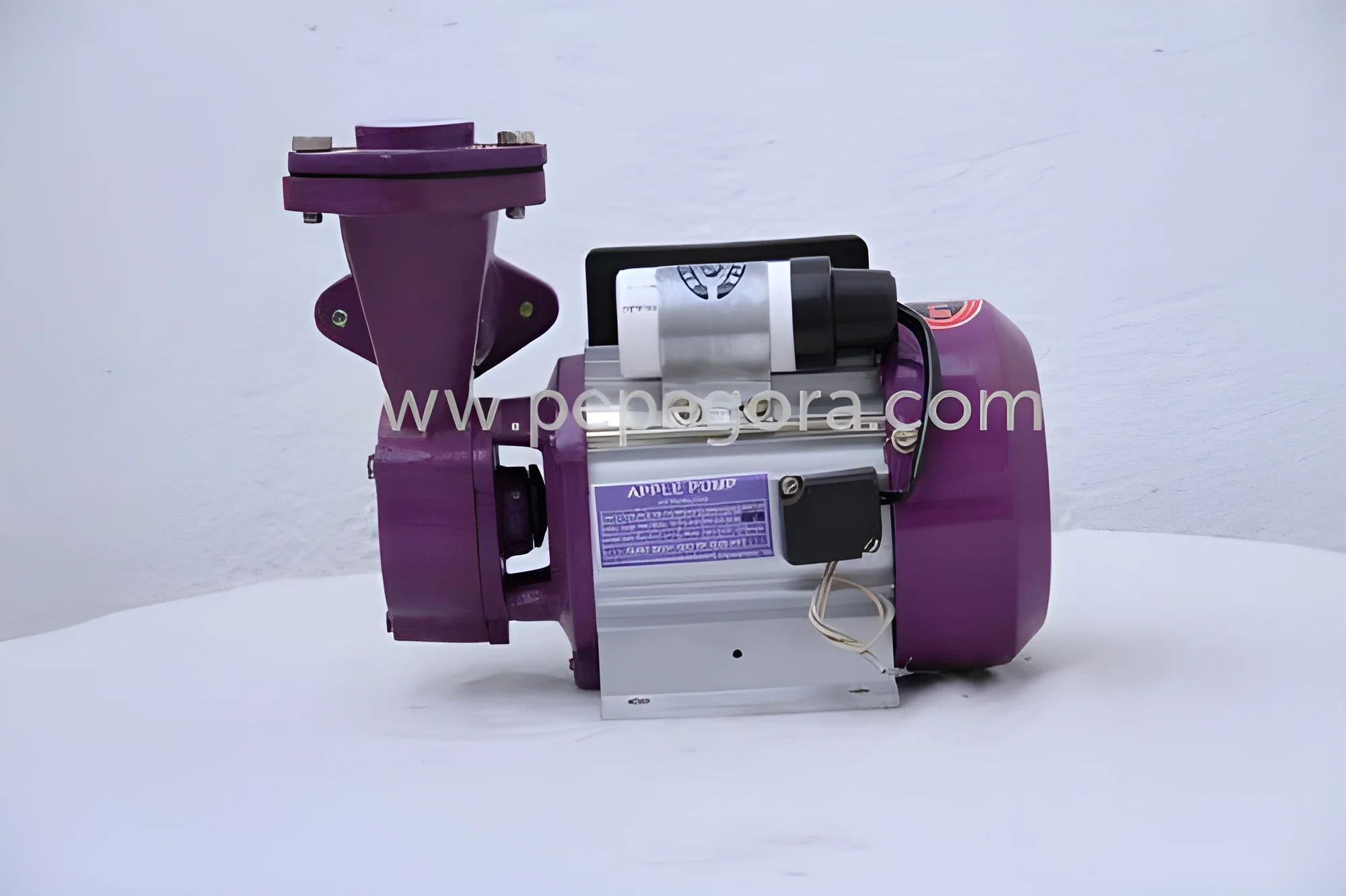
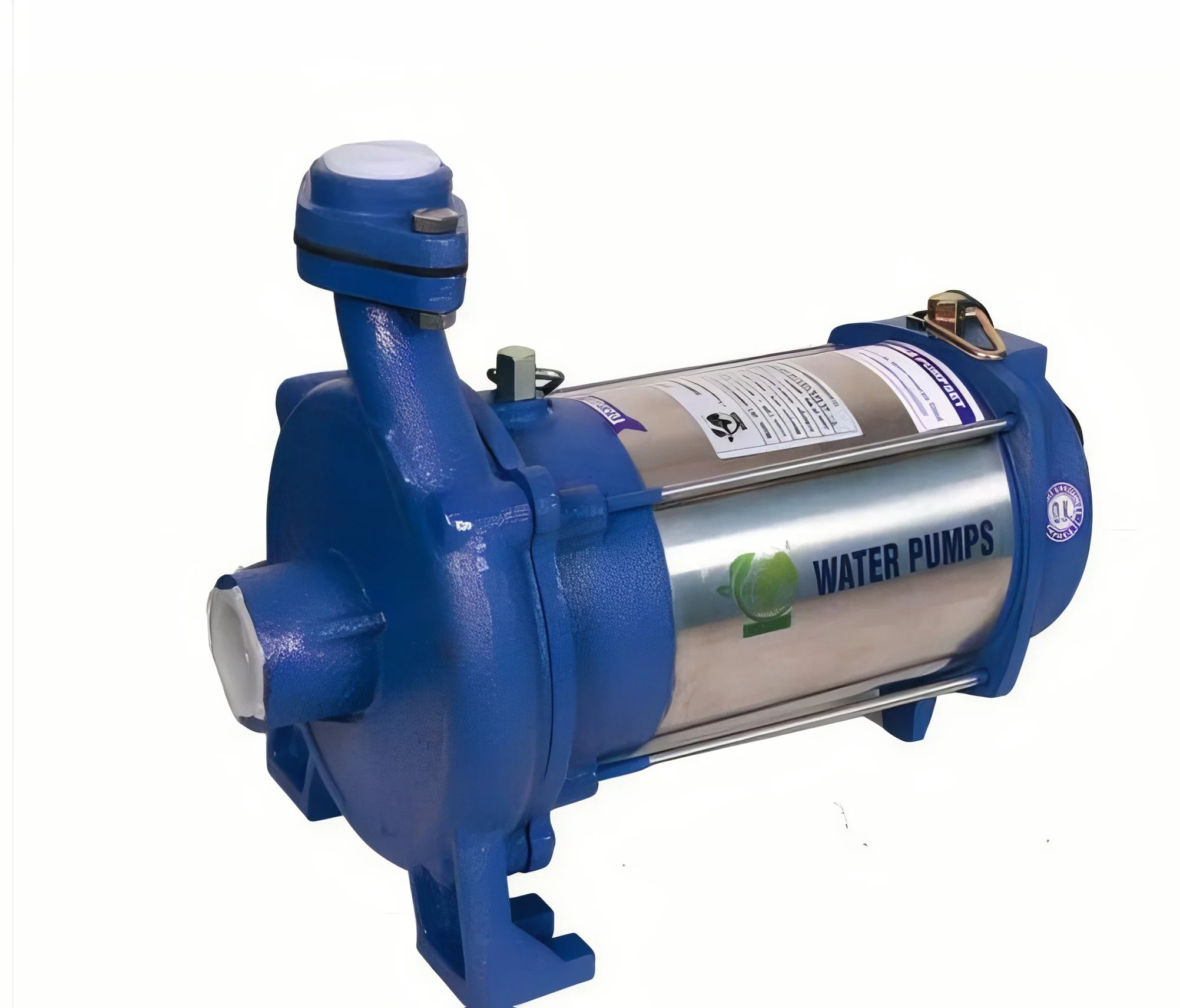
Electric Irrigation Pumps
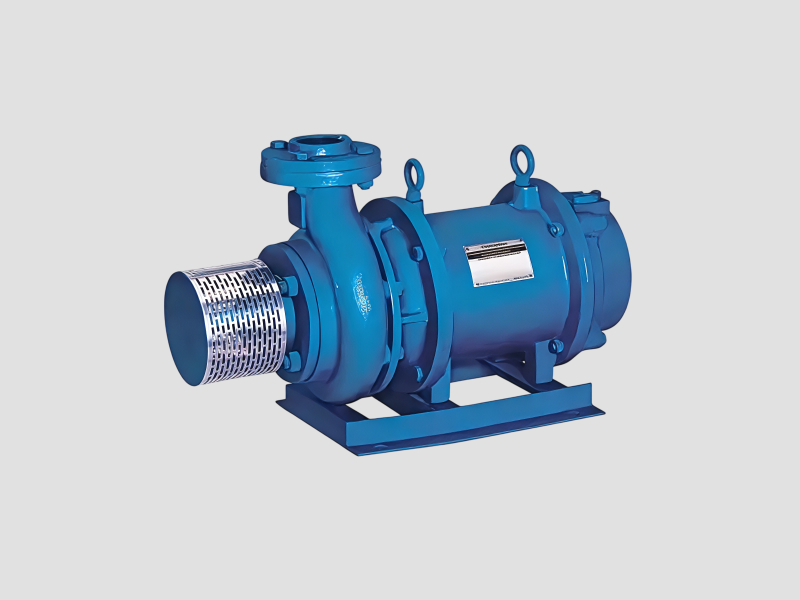
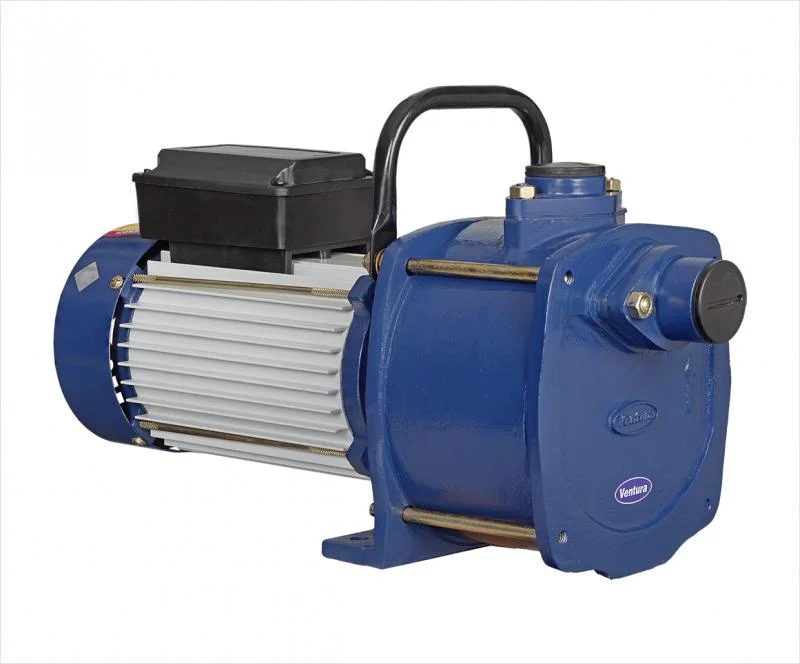
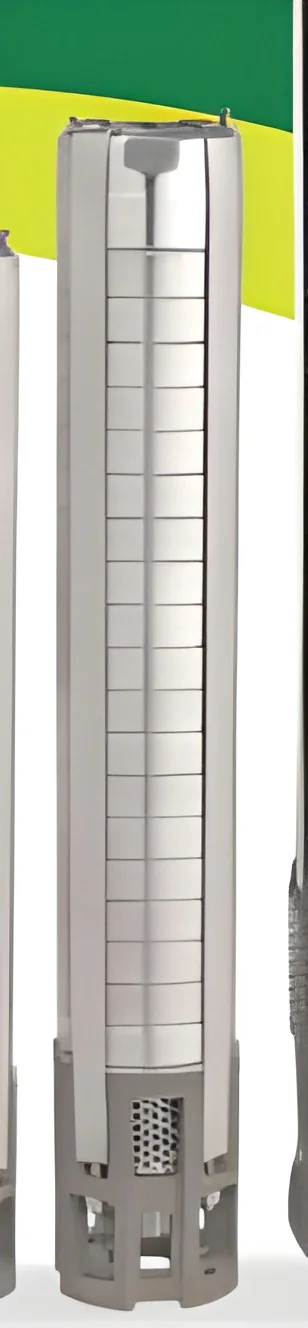
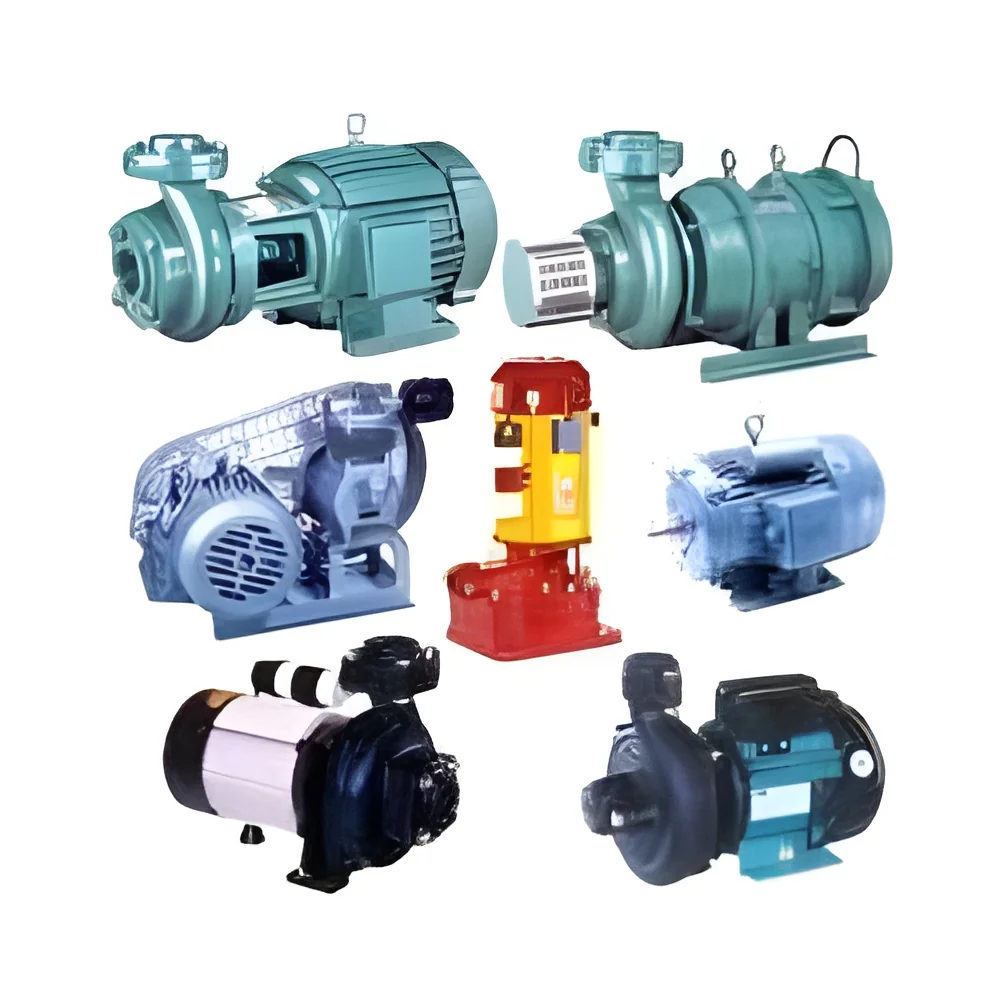
Electric pumps are designed for efficiency and ease of use. They are commonly used in residential and commercial settings where power supply is reliable. These pumps are quieter and have lower operational costs, making them suitable for smaller-scale applications.
Benefits and Advantages
Investing in irrigation pumps offers numerous advantages for businesses involved in agriculture and water management.
1. Enhanced Efficiency: These pumps ensure optimal water delivery, reducing waste and improving resource management.
2. Increased Yields: By maintaining proper soil moisture levels, irrigation pumps contribute to healthier crops and higher productivity.
3. Cost Savings: Efficient water management leads to lower water bills and reduced labor costs associated with manual irrigation methods.
4. Versatility: Available in both diesel and electric options, these pumps can be adapted to various environments and applications.
5. Reliability: Modern irrigation pumps are built to withstand harsh conditions, ensuring consistent performance over time.
6. Environmental Benefits: Efficient irrigation practices contribute to sustainable agriculture, helping preserve water resources.
Buying Guide for B2B Buyers
When sourcing irrigation pumps, businesses should consider several critical factors to ensure they make informed decisions.
1. Quality Assessment: Evaluate the materials and construction quality of the pumps. Look for certifications that indicate compliance with industry standards.
2. Supplier Verification: Conduct thorough research on suppliers to ensure they have a history of reliability and high-quality products. Check for customer reviews and testimonials.
3. Pricing and MOQ: Understand the price range for different pump types and inquire about minimum order quantities. This helps in budgeting and planning purchases.
4. Delivery and Lead Times: Discuss logistics with suppliers to understand delivery schedules. Timely delivery is crucial for operational continuity.
5. Compliance Requirements: Be aware of any regional regulations that may affect the purchase and installation of irrigation pumps. Compliance with safety and environmental standards is essential.
Compliance and Certifications
Irrigation pumps must adhere to various quality standards and regulations to ensure safety and effectiveness in their applications.
ISO 9001 is a key standard that ensures quality management systems are in place. Manufacturers that comply with this standard demonstrate a commitment to continuous improvement and customer satisfaction.
CE certification indicates that the product meets European safety, health, and environmental protection requirements. This certification is crucial for businesses looking to operate in European markets.
Safety and testing requirements are critical for ensuring that pumps operate reliably under various conditions. Manufacturers often conduct rigorous testing to meet these standards.
Regional compliance considerations may vary, so it is essential for buyers to understand the specific regulations applicable in their area, ensuring that their chosen pumps meet all necessary legal requirements.
Why Source Irrigation Pumps (Diesel, Electric) from Pepagora?
Pepagora offers a trusted platform for sourcing irrigation pumps with several key advantages that benefit B2B buyers.
Verified Supplier Network: Pepagora collaborates with a network of verified suppliers, ensuring that buyers have access to high-quality products from reputable manufacturers. This network is instrumental in building trust and reliability in the procurement process.
Streamlined RFQ Process: The platform features a user-friendly Request for Quotation (RFQ) system that simplifies the process of obtaining quotes from multiple suppliers. This efficiency allows buyers to compare options quickly and make informed decisions.
Trade Assurance and Support: Buyers benefit from trade assurance programs that protect their investments. Pepagora provides support throughout the sourcing process, helping to resolve any issues that may arise during transactions.
Regional Coverage: With a strong presence in key markets such as India, the GCC, and Southeast Asia, Pepagora facilitates access to irrigation pumps for buyers across diverse geographical locations. This extensive reach ensures that businesses can find suitable solutions tailored to their regional needs.

 IN
IN