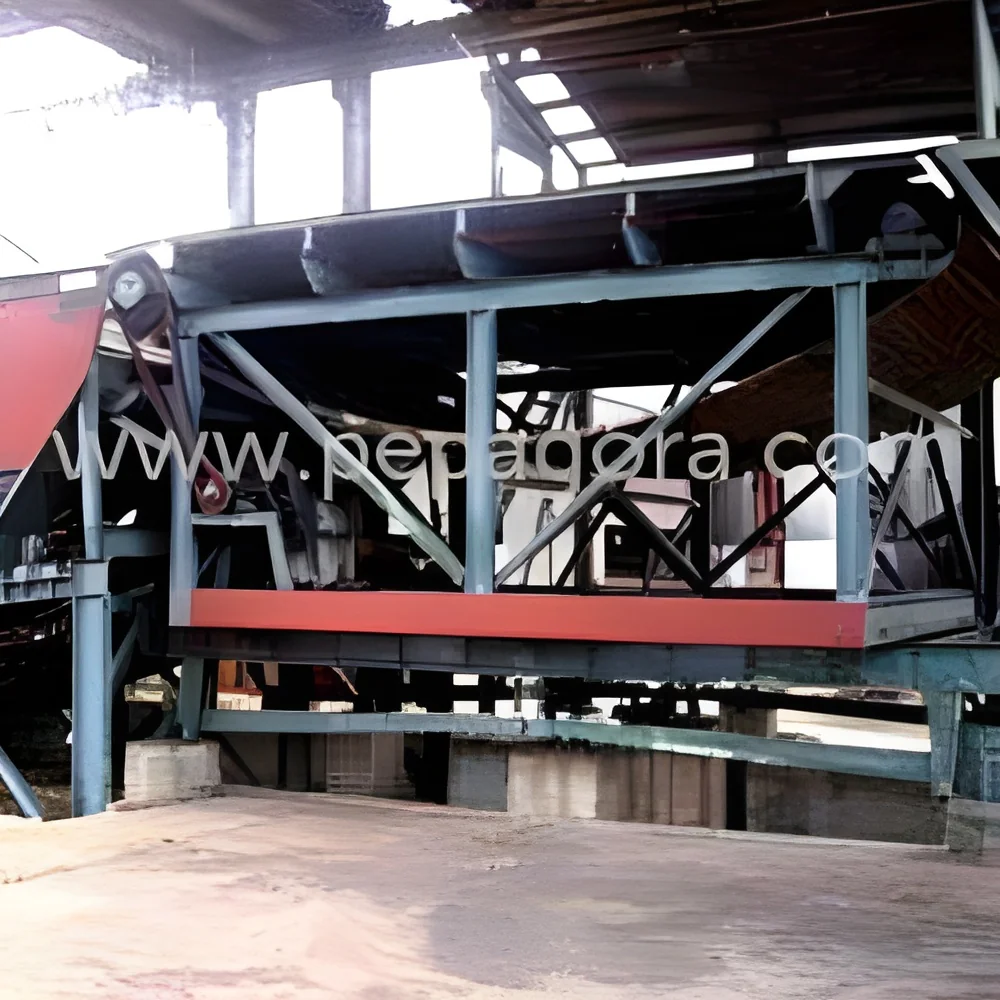
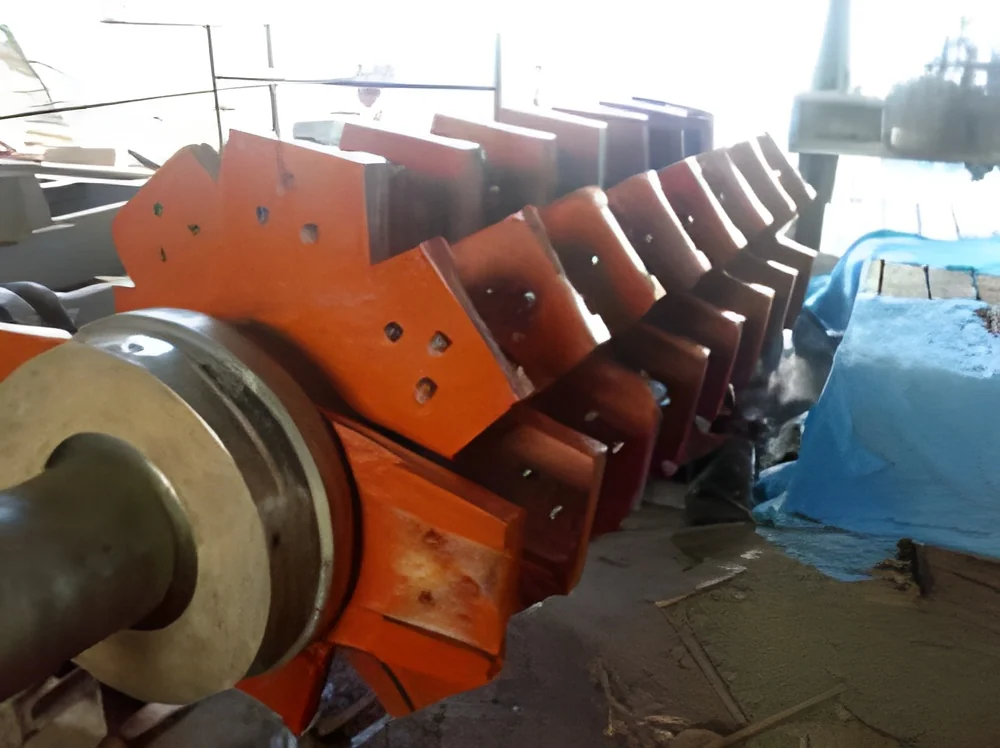
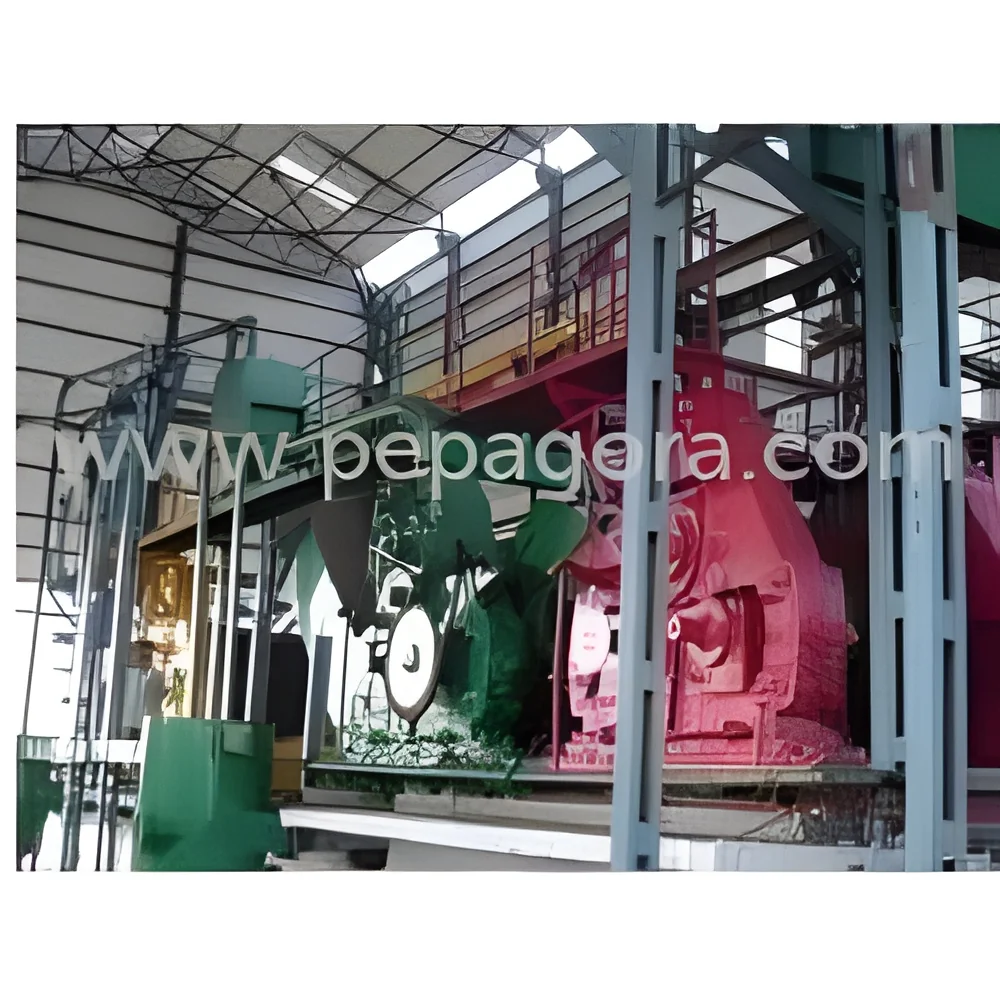
What are Sugarcane Harvesters?
Sugarcane harvesters are specialized agricultural machines designed to efficiently cut and collect sugarcane. These machines are engineered to perform the harvesting process in a single operation, which includes cutting the cane at ground level, removing excess leaves, and transporting the harvested cane to a collection point. This mechanization significantly reduces labor costs and enhances productivity compared to traditional manual harvesting methods.
Sugarcane harvesters are primarily used in large-scale sugarcane farming operations. Their applications extend beyond simple harvesting; they play a critical role in ensuring timely collection of the crop, which is essential for maintaining the quality of sugarcane. This efficiency is vital for sugar producers who operate under tight timelines, given that sugarcane can deteriorate quickly after harvesting. The increasing demand for sugar and biofuels further highlights the importance of these machines in the agricultural sector.
As global sugar production rises, the market for sugarcane harvesters also expands. In regions where sugarcane is a key cash crop, such as Brazil, India, and parts of Southeast Asia, the adoption of these harvesters is growing. Innovations in harvesting technology continue to enhance the capabilities of these machines, making them indispensable in modern agriculture.
Key Features and Specifications
Sugarcane harvesters come equipped with features that enhance their performance and ensure efficient operation. Understanding the specifications helps buyers choose the right harvester for their needs.
Key specifications include:
1. Cutting Width
- Typically ranges from 1.5 to 2.5 meters.
- A wider cutting width allows for more efficient harvesting.
2. Engine Power
- Usually varies from 100 to 300 horsepower.
- Higher horsepower enables better performance in challenging terrains.
3. Fuel Efficiency
- Measured in liters per hour.
- Advanced models offer improved fuel consumption rates.
4. Harvesting Capacity
- Can range from 5 to 10 hectares per day.
- Capacity depends on the model and operational conditions.
5. Weight
- Generally weighs between 5 to 12 tons.
- Weight affects maneuverability and stability during operation.
6. Cutting Height Adjustment
- Allows operators to modify the cutting height.
- This feature is crucial for adapting to different field conditions.
7. Maintenance Requirements
- Varies by model, but regular checks are essential.
- Ease of maintenance can reduce downtime.
8. Technology Integration
- Some models include GPS and automated features.
- Technology enhances precision in harvesting operations.
These specifications provide a framework for evaluating the performance and suitability of sugarcane harvesters for specific agricultural needs.
Common Applications and Use Cases
Sugarcane harvesters serve a variety of industries and applications.
1. Agriculture: Primarily used in large-scale sugarcane farming to harvest crops efficiently and reduce labor costs.
2. Biofuel Production: Harvested sugarcane is processed into ethanol, making these machines vital for biofuel manufacturers.
3. Sugar Production: Essential in sugar mills, where timely harvesting affects the quality and yield of sugar.
4. Food Industry: Sugarcane is a key ingredient in various food products; thus, harvesters support food manufacturers.
5. Ethanol Plants: Facilities converting sugarcane into ethanol rely on efficient harvesters for a consistent supply of raw materials.
6. Export Markets: Regions exporting sugarcane benefit from mechanized harvesting, increasing competitiveness on the global stage.
7. Agricultural Research: Used in experimental plots to study sugarcane growth and yield, contributing to agricultural innovation.
Product Variants and Subcategories
Sugarcane harvesters come in different models to cater to various operational needs.
Hydraulic Sugarcane Harvester
This variant utilizes hydraulic systems for cutting and loading sugarcane. Its design allows for smooth operation and is suitable for hilly terrains.
Self-Propelled Sugarcane Harvester
This model is designed for independent operation, equipped with its propulsion system. It is ideal for large fields and ensures efficient harvesting.
Towed Sugarcane Harvester
This harvester is towed by a tractor, making it a cost-effective option for farmers with existing tractor equipment. It offers flexibility in harvesting operations.
Benefits and Advantages
Investing in sugarcane harvesters offers numerous advantages.
1. Increased Efficiency: These machines significantly reduce harvesting time compared to manual methods.
2. Cost Savings: By lowering labor costs and increasing productivity, harvesters help optimize operational expenses.
3. Improved Crop Quality: Timely harvesting ensures sugarcane is processed at its peak quality, enhancing end products.
4. Versatility: Modern harvesters can adapt to different terrains and conditions, making them suitable for diverse farming environments.
5. Enhanced Safety: Mechanization reduces the risk of injuries associated with manual harvesting, promoting a safer working environment.
6. Technological Advancements: Many harvesters now come with integrated technology that improves operational precision and data collection.
Buying Guide for B2B Buyers
When sourcing sugarcane harvesters, it is essential for buyers to consider several key factors.
1. Quality Assessment: Evaluate the materials and build quality of the harvester. Look for machines that meet industry standards for durability and performance.
2. Supplier Verification: Conduct thorough research on suppliers. Check their reputation, customer reviews, and reliability in delivering quality products.
3. Pricing and MOQ: Understand the pricing structure and minimum order quantities. Compare costs from different suppliers to ensure competitive pricing.
4. Delivery and Lead Times: Inquire about logistics and expected delivery times. Timely delivery is crucial for seasonal harvesting operations.
5. Compliance Requirements: Ensure that the harvester meets local regulatory and safety standards. This may include certifications like CE and adherence to specific agricultural regulations.
Compliance and Certifications
Sugarcane harvesters must adhere to various quality standards and certifications to ensure safety and reliability in operation.
ISO 9001 is a key quality management standard that focuses on meeting customer expectations and delivering quality products. Manufacturers of sugarcane harvesters often seek this certification to demonstrate commitment to quality.
HACCP (Hazard Analysis and Critical Control Points) is another standard relevant to agricultural machinery, especially when considering food safety in the production chain. Compliance with HACCP ensures that operations do not introduce hazards during harvesting.
CE certification signifies that the product meets European Union safety, health, and environmental protection standards. This certification is essential for manufacturers who aim to market their equipment in Europe.
In addition to these standards, safety and testing requirements must be met to ensure machinery operates efficiently and safely under various conditions. Regional compliance may also vary, necessitating an understanding of local regulations applicable to agricultural equipment.
Why Source Sugarcane Harvesters from Pepagora?
Pepagora provides a trusted platform for sourcing sugarcane harvesters, offering several key advantages to buyers.
Verified Supplier Network: Pepagora ensures that all listed suppliers are thoroughly vetted. This verification process guarantees that buyers can trust the quality and reliability of the products offered.
Streamlined RFQ Process: The request for quotation (RFQ) system simplifies the sourcing process. Buyers can easily request quotes from multiple suppliers, enabling informed decision-making based on competitive pricing and features.
Trade Assurance and Support: Pepagora offers buyer protection, ensuring that transactions are secure. The platform provides support throughout the purchasing process, enhancing buyer confidence.
Regional Coverage: With a broad geographic reach encompassing India, the GCC region, and Southeast Asia, Pepagora connects buyers with suppliers in key sugarcane-producing areas. This coverage allows for efficient sourcing and logistics tailored to regional needs.

 IN
IN