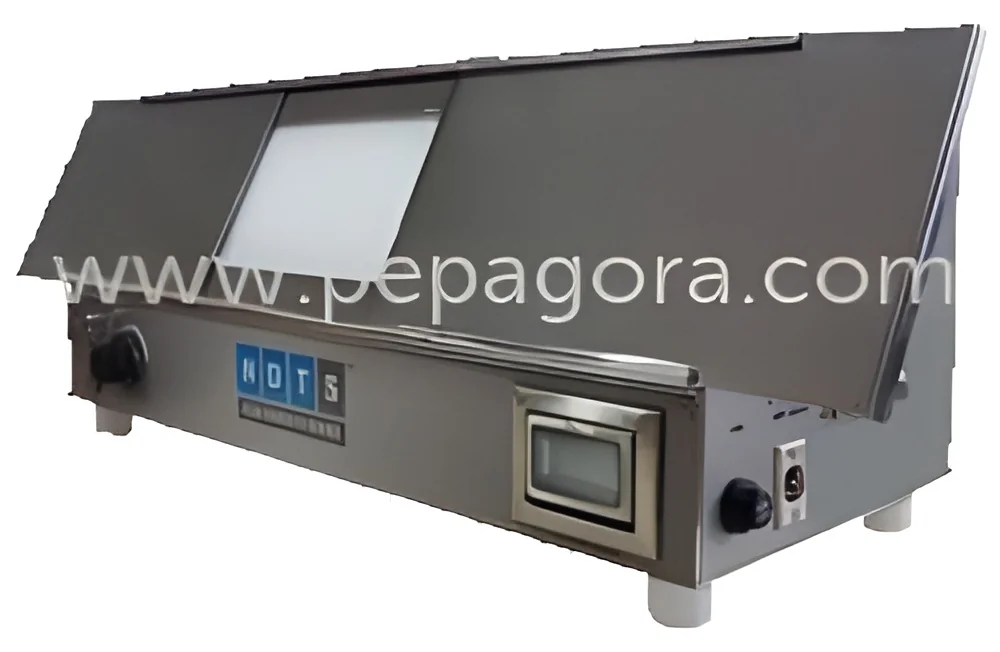
What are Radiology Film Viewers?
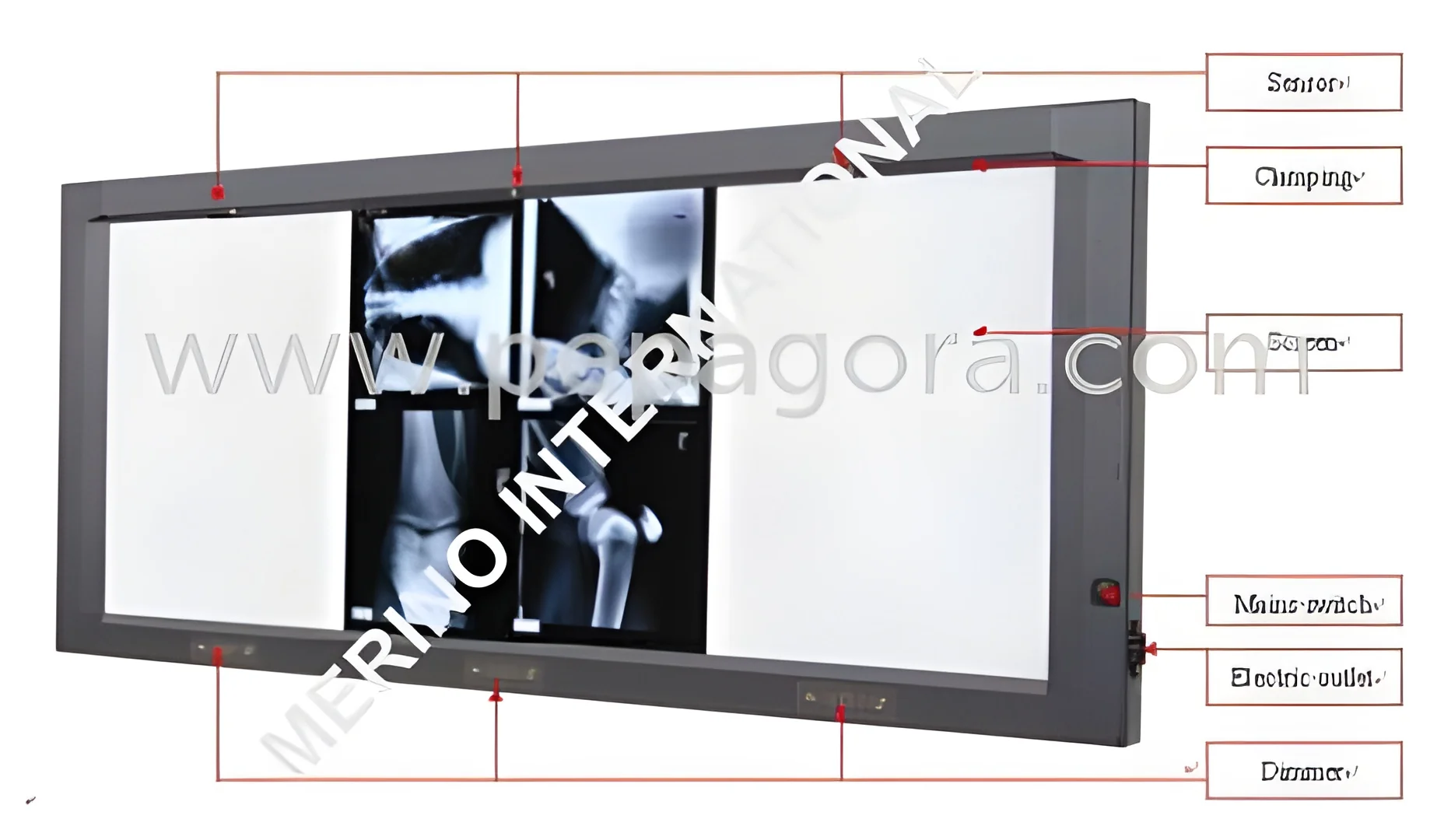
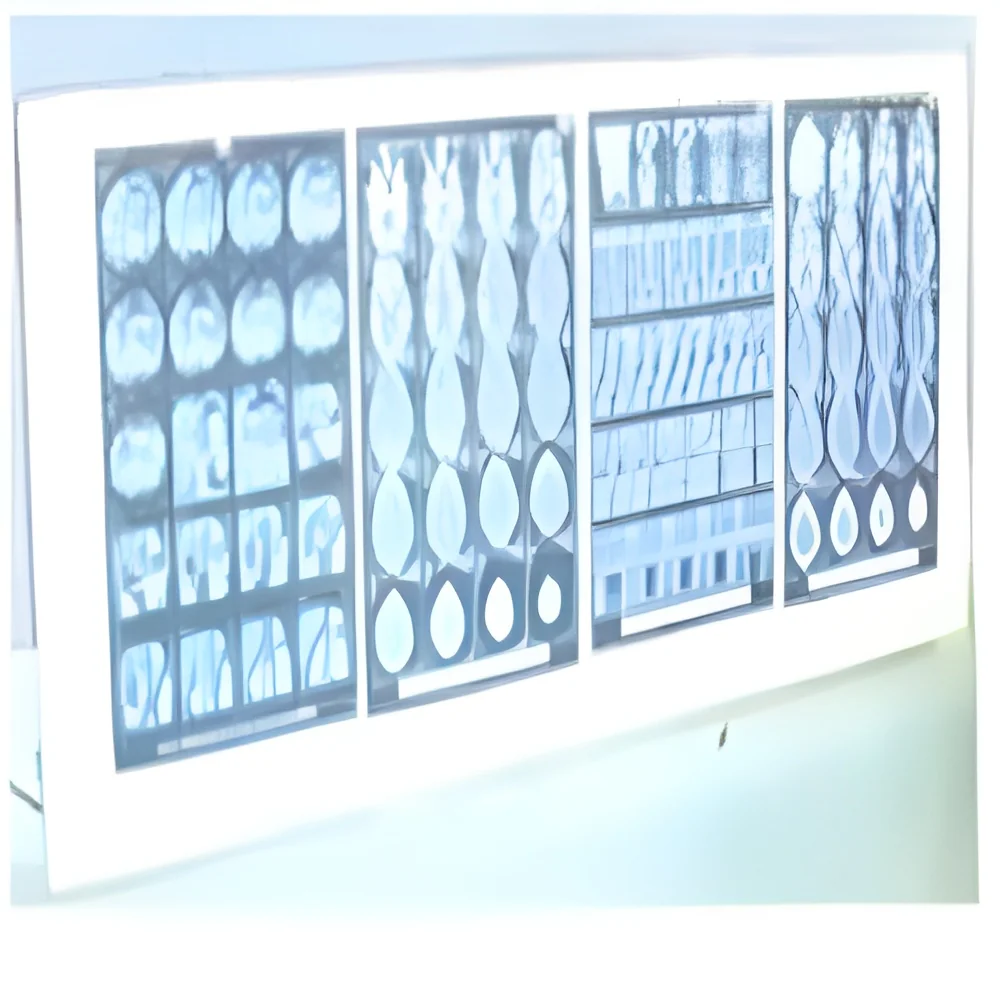
Radiology film viewers are specialized devices designed to display radiographic images, allowing healthcare professionals to examine detailed medical images such as X-rays, CT scans, and MRIs. These viewers provide high-quality illumination to enhance image clarity, which is crucial for accurate diagnosis and treatment planning. They are typically used in clinical settings, such as hospitals and diagnostic imaging centers, where radiologists and physicians require precise visual information.
The primary applications of radiology film viewers lie in the medical field, where they facilitate the assessment of various medical conditions. Their use is vital for diagnosing fractures, tumors, and other abnormalities in patients. The growing demand for advanced imaging technologies and the increasing prevalence of chronic diseases have further propelled the market for these devices, making them an essential tool in modern healthcare practices.
In the context of industry relevance, the market for radiology film viewers is expanding, driven by advancements in imaging technology and the need for efficient diagnostic tools. As healthcare facilities strive to improve patient outcomes, the importance of reliable and effective film viewers continues to grow, positioning them as a critical component in the radiology workflow.
Key Features and Specifications
Radiology film viewers come equipped with a range of features that enhance their functionality and usability. These specifications are essential to ensure that the devices meet the diverse needs of healthcare professionals.
Key specifications include:
1. Brightness Level
- High brightness levels are crucial for optimal image clarity.
- Typical ranges are from 1000 to 3000 cd/m².
2. Viewing Area
- The size of the viewing area determines how many films can be displayed simultaneously.
- Common sizes range from 14 inches to 24 inches.
3. Image Contrast
- High contrast ratios improve the visibility of details in images.
- Standard ratios are often around 1000:1.
4. Power Consumption
- Energy-efficient models are preferred to reduce operational costs.
- Typical power ratings range from 30W to 70W.
5. LED Backlighting
- LED technology provides even illumination and longer lifespan.
- Many models utilize LED backlighting for improved performance.
6. Weight and Portability
- Lightweight designs facilitate easy movement within clinical settings.
- Typical weights range from 10 lbs to 20 lbs.
7. Durability and Build Quality
- Robust construction ensures longevity and reliability in high-use environments.
- Many devices are designed to withstand frequent handling.
8. Certification Standards
- Compliance with safety and quality standards, such as CE certification, ensures reliability.
- Devices must meet industry-specific regulations for medical use.
In summary, understanding the key features and specifications of radiology film viewers is essential for making informed purchasing decisions. These specifications directly impact the performance and usability of the devices in clinical practice.
Common Applications and Use Cases
Radiology film viewers serve multiple industries beyond just healthcare, demonstrating their versatility.
1. Healthcare Facilities: In hospitals and clinics, film viewers are essential for radiologists to analyze medical images for accurate diagnoses.
2. Veterinary Clinics: Veterinarians use radiology film viewers to assess images of pets and livestock, aiding in diagnosing health issues.
3. Research Institutions: In medical research, these viewers help analyze imaging data for studies related to health and disease.
4. Educational Institutions: Medical schools use film viewers for teaching purposes, allowing students to learn image interpretation skills.
5. Forensic Science: In forensic laboratories, radiology film viewers assist in examining radiographic evidence in criminal investigations.
6. Industrial Applications: Some industries utilize film viewers for non-destructive testing in quality control processes.
7. Military and Defense: In military medical units, these devices are used for assessing injuries and ensuring prompt medical care.
Product Variants and Subcategories
Radiology film viewers come in various designs and functionalities to meet the specific needs of users.
Standard Film Viewers
These are the most commonly used models in healthcare settings, featuring basic illumination and size options suitable for standard radiographic films.
Multi-View Film Viewers
These variants allow for simultaneous viewing of multiple films, enhancing efficiency in busy clinical environments. They often feature larger viewing areas and adjustable brightness settings.
Portable Film Viewers
Designed for mobility, these lightweight models are ideal for field use or settings where space is limited. They typically operate on battery power for convenience.
Benefits and Advantages
Radiology film viewers offer numerous benefits that enhance their value in clinical practice.
1. Improved Diagnostic Accuracy: High-quality illumination allows for better visibility of details, leading to more accurate diagnoses.
2. Enhanced Workflow Efficiency: Multi-view options enable radiologists to review multiple images simultaneously, speeding up the diagnostic process.
3. User-Friendly Design: Most devices are designed for ease of use, with intuitive controls that simplify operation.
4. Durability: Many film viewers are built to withstand frequent use in demanding environments, ensuring long-term reliability.
5. Energy Efficiency: Modern models often feature LED lighting, which consumes less power and reduces operational costs.
6. Compliance with Standards: Radiology film viewers adhere to relevant safety and quality certifications, ensuring they meet industry-specific requirements.
Buying Guide for B2B Buyers
When sourcing radiology film viewers, it is important to consider several key factors to ensure a suitable purchase.
1. Quality Assessment: Evaluate the quality of the film viewers by reviewing specifications such as brightness and contrast. Look for devices that comply with industry standards to guarantee reliability.
2. Supplier Verification: Vet potential suppliers by checking their credentials and customer reviews. Ensure they have a proven track record of providing quality medical equipment.
3. Pricing and MOQ: Consider the pricing structure and minimum order quantities. Compare quotes from different suppliers to find the best value.
4. Delivery and Lead Times: Review the logistics of delivery and lead times to ensure timely availability of the products when needed.
5. Compliance Requirements: Ensure the products meet relevant regulatory standards, including certifications like CE, to guarantee safety and compliance in medical environments.
Compliance and Certifications
Radiology film viewers must adhere to various quality standards and certifications to ensure their reliability and safety in medical applications. Compliance with ISO 9001 indicates that the manufacturing process meets internationally recognized quality management standards, ensuring consistent quality in production.
Additionally, CE certification signifies that the product complies with European health, safety, and environmental protection standards. This certification is crucial for devices used in clinical settings, as it assures users of their safety and efficacy.
Safety and testing requirements also play a significant role in the approval of radiology film viewers. Manufacturers must demonstrate that their products meet specific safety parameters, including electrical safety and performance standards.
Regional compliance considerations may vary, but it is essential for buyers to ensure that the devices comply with local regulations and standards in their respective markets. This ensures that the equipment not only functions correctly but is also legally compliant for use in healthcare facilities.
Why Source Radiology Film Viewers from Pepagora?
Pepagora provides a trusted platform for sourcing radiology film viewers, offering several key advantages that make it a preferred choice for B2B buyers.
Verified Supplier Network: Pepagora has a robust verification process for its suppliers, ensuring that buyers can trust the quality of products they purchase. This network includes manufacturers and distributors who have been vetted for reliability and performance.
Streamlined RFQ Process: The Request for Quotation (RFQ) system simplifies the procurement process, allowing buyers to easily request quotes from multiple suppliers. This feature saves time and helps buyers make informed decisions.
Trade Assurance and Support: To enhance buyer protection, Pepagora offers trade assurance, which provides support in case of disputes or issues with orders. This assurance builds confidence in purchasing through the platform.
Regional Coverage: With a strong presence in India, the GCC, and Southeast Asia, Pepagora offers extensive geographic reach, making it convenient for buyers in these regions to access high-quality radiology film viewers.

 IN
IN

 India
India