IN
IN₹
Apparel & Fashion
Description
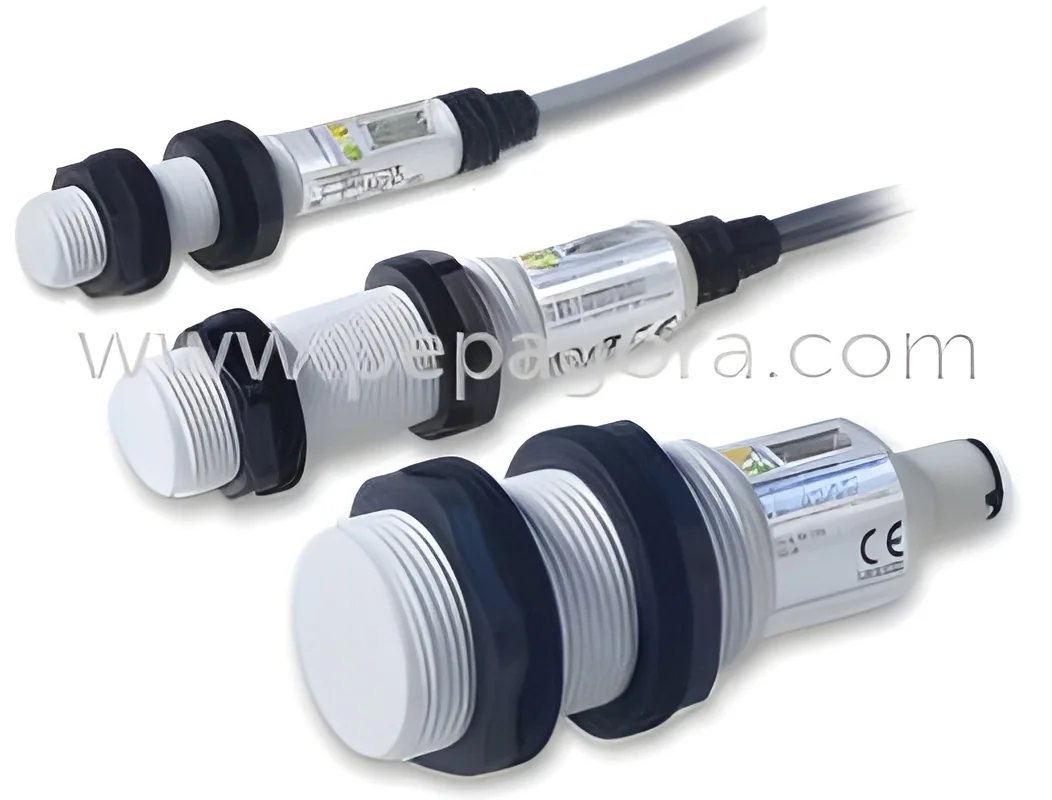
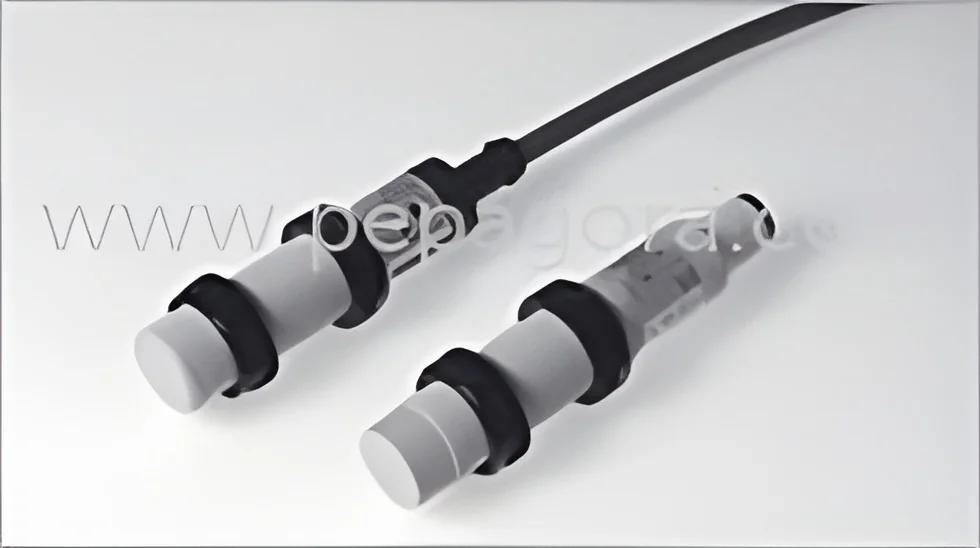
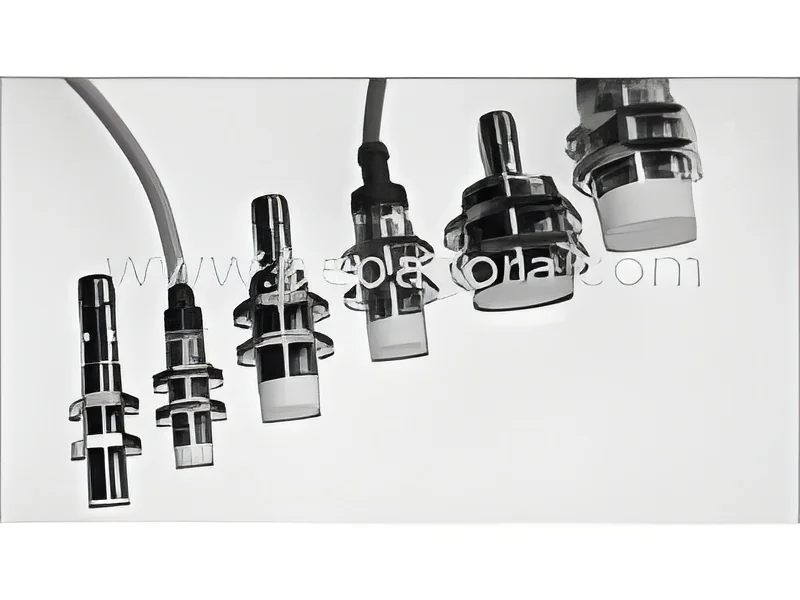
Industrial Automation Inductive Proximity Sensors represent advanced detection technology designed for precision metallic object sensing without physical contact. These sensors utilize electromagnetic fields to reliably identify both ferrous and non-ferrous metals, making them indispensable for high-speed industrial automation where accuracy is paramount. The automatic deep groove ball structure ensures consistent performance while the robust construction withstands challenging environmental conditions including dust, moisture, and temperature variations. Their non-contact operation principle significantly reduces mechanical wear, minimizing maintenance requirements and extending operational lifespan. These sensors integrate seamlessly into existing automation systems, providing a practical solution for enhancing production efficiency and reliability across various industrial applications.

These proximity sensors find extensive application across multiple industrial sectors due to the...
Industrial Automation Inductive Proximity Sensors represent advanced detection technology designed for precision metallic object sensing without physical contact. These sensors utilize electromagnetic fields to reliably identify both ferrous and non-ferrous metals, making them indispensable for high-speed industrial automation where accuracy is paramount. The automatic deep groove ball structure ensures consistent performance while the robust construction withstands challenging environmental conditions including dust, moisture, and temperature variations. Their non-contact operation principle significantly reduces mechanical wear, minimizing maintenance requirements and extending operational lifespan. These sensors integrate seamlessly into existing automation systems, providing a practical solution for enhancing production efficiency and reliability across various industrial applications.

These proximity sensors find extensive application across multiple industrial sectors due to their versatility and durability. In automotive manufacturing, they ensure precise part detection on assembly lines, preventing positioning errors and maintaining production quality. Packaging industries utilize them for product counting and machinery control, streamlining operations and reducing manual intervention. The food processing sector benefits from their ability to monitor metal containers while maintaining hygiene standards through appropriate IP ratings. Material handling systems employ these sensors for object detection and sorting tasks, improving logistics efficiency and throughput. Robotics applications rely on them for accurate feedback in movement control, enabling precise automated operations in both light and heavy-duty industrial environments.

The business value of these inductive proximity sensors lies in their ability to enhance operational efficiency while reducing maintenance costs and downtime. By eliminating physical contact during detection, they minimize mechanical wear on both the sensor and machinery components, leading to extended equipment life and reduced replacement frequency. Their reliable performance ensures consistent operation, decreasing production errors and improving overall output quality. The straightforward installation process saves valuable time and labor during system integration. The durable construction capable of withstanding harsh industrial conditions results in fewer operational interruptions and supports continuous production cycles. Investing in these high-quality sensors translates to increased productivity, significant cost savings, and improved return on investment for industrial automation systems.

Key Features:
- Non-contact detection technology for metallic objects
- Robust construction resistant to dust and moisture
- Automatic operation with deep groove ball structure
- Wide operating temperature range capability
- High switching frequency for fast automation cycles

Benefits:
- Reduced mechanical wear and maintenance requirements
- Consistent performance in challenging environments
- Extended equipment lifespan and reliability
- Easy integration into existing automation systems
- Improved production efficiency and cost savings
Specifications
| Key Attributes | |
|---|---|
| Condition | New |
| Heating type | Automatic |
| Structure | Deep Groove |
| Type | Ball |
| Additional Information | |
|---|---|
| Country of Origin | India |
Application
Industrial inductive proximity sensors deliver precise non-contact detection of metallic objects in demanding automation environments. Their robust deep groove ball construction ensures reliable performance in manufacturing, packaging, and automotive applications where accuracy and durability are critical for continuous operation. These sensors maintain consistent detection capabilities despite exposure to dust, moisture, and vibration commonly found in industrial settings.
Automatic heating type functionality enables these sensors to perform optimally across various temperature conditions without manual intervention. The non-contact detection principle eliminates mechanical wear, extending both sensor lifespan and machinery uptime. Industries benefit from improved process control, reduced maintenance requirements, and enhanced operational efficiency through reliable metallic object detection in automated systems.
- Detecting metal components on high-speed assembly lines for quality control
- Monitoring robotic arm positioning in automated manufacturing cells
- Counting metallic products in packaging and sorting operations
- Ensuring proper fill levels in metal container processing lines
- Providing safety interlocks by detecting metal presence in machinery
Trade Details
| Available Stock | In Stock |
| Sample Availability | No |
Payment Terms
| Payment Terms |
|
Company Profile

Dhanam Electricals, Tamil Nadu
 Tamil Nadu, India
Tamil Nadu, IndiaElectronics & Electrical•Manufacturer•Distributor / Wholesaler
Factory Details
Factory SizeBelow 1000 sqm
Annual Production Capacity0
Main Markets
Eastern Asia
South Asia
Southeast Asia
Industrial Automation Inductive Proximity Sensor Automatic Deep Groove Ball
Industrial Automation Inductive Proximity Sensor provides automatic non-contact detection of metallic objects with high precision and reliability for manufacturing, packaging, and automotive applications in harsh environments.
Min. Order Quantity: 1 piece
Shipping
Shipping fee and delivery date to be negotiated. Contact supplier now for more details.
Dhanam Electricals
 Tamil Nadu, India
Tamil Nadu, IndiaElectronics & ElectricalManufacturer