
 IN
Pneumatic Conveying Systems
27 products available
What are Pneumatic Conveying Systems?
Pneumatic conveying systems are engineered solutions designed to transport bulk materials through pipelines using air or other gases as a transport medium. These systems utilize a combination of pressure and vacuum to move materials efficiently from one location to another. Pneumatic conveying is favored for its ability to handle various materials, including powders, granules, and even some liquids, making it a versatile choice in many industrial sectors.
In terms of business applications, pneumatic conveying systems are commonly used in industries such as food processing, pharmaceuticals, plastics, and agriculture. They are ideal for transporting materials over both short and long distances while minimizing contamination and product degradation. The ability to automate the conveying process also enhances production efficiency and reduces labor costs, making these systems a valuable investment for companies aiming to streamline operations.
The relevance of pneumatic conveying systems in the market is significant, especially as industries continue to prioritize automation and efficiency. With growing demands for bulk material handling, the market for pneumatic conveying solutions is expanding. Companies are increasingly seeking systems that offer reliability, reduced maintenance costs, and compliance with stringent safety standards.
Key Features and Specifications
Pneumatic conveying systems come with several key features that enhance their operational capabilities. These specifications are critical for buyers to understand in order to choose the right system for their needs.
Key specifications include:
1. Conveying Method
- Pressure or vacuum systems for optimal material transport
- Suitable for various materials depending on the method
2. Material Compatibility
- Designed to handle a range of materials including powders and granules
- Ensures minimal product degradation during transport
3. System Capacity
- Varies based on application needs, typically measured in tons per hour
- Allows scalability to meet production demands
4. Pipeline Diameter
- Available in multiple diameters to accommodate different material sizes
- Impacts the efficiency and speed of conveying
5. Control Systems
- Automated controls for monitoring and managing flow rates
- Integration with existing production systems for seamless operation
6. Energy Efficiency
- Designed to minimize power consumption during operation
- Contributes to lower operational costs over time
7. Safety Features
- Equipped with safety mechanisms to prevent overpressure and material blockages
- Compliance with safety regulations for industrial use
8. Maintenance Requirements
- Low maintenance designs to reduce downtime
- Easy access to components for routine checks
In summary, understanding these specifications helps businesses select pneumatic conveying systems that align with their operational requirements and enhance overall productivity.
Common Applications and Use Cases
Pneumatic conveying systems serve a wide range of industries, each with specific applications that leverage their unique capabilities.
1. Food Processing: In this sector, pneumatic conveying is used to transport ingredients like flour, sugar, and spices. The systems help maintain hygiene standards and ensure consistent flow.
2. Pharmaceuticals: These systems are essential for moving powders and granules while preventing contamination. They support the stringent quality control measures required in pharmaceutical manufacturing.
3. Plastics: Pneumatic conveying systems facilitate the movement of plastic pellets and powders in manufacturing processes. They enhance efficiency and reduce material waste.
4. Agriculture: Used for transporting grains and feed, pneumatic systems help streamline operations in agricultural settings, ensuring timely processing and distribution.
5. Chemicals: In the chemical industry, pneumatic conveying is vital for moving raw materials and finished products while minimizing exposure to hazardous substances.
6. Building Materials: Pneumatic systems are employed to transport cement, sand, and other aggregates. They improve the speed of material handling in construction projects.
7. Metal Processing: These systems assist in conveying metal powders used in various applications, ensuring safe and efficient transport.
Product Variants and Subcategories
Pneumatic conveying systems offer a variety of options to suit different operational needs. This diversity enables businesses to select systems that best fit their specific applications.
High-Pressure Pneumatic Conveying Systems: These systems are designed for high-capacity applications, capable of moving materials over long distances with minimal loss. They are ideal for industries requiring rapid transport of bulk materials.
Vacuum Pneumatic Conveying Systems: These systems leverage vacuum pressure to move materials, making them suitable for delicate products that require gentle handling. They are commonly used in food and pharmaceutical applications.
Positive Pressure Conveying Systems: Utilizing positive air pressure, these systems efficiently transport materials through pipelines. They are often used in industries with higher throughput requirements.
Dense Phase Pneumatic Conveying Systems: These systems move materials in a dense phase, reducing air consumption and wear on the conveying equipment. They are particularly effective for abrasive materials.
Benefits and Advantages
Pneumatic conveying systems offer numerous benefits that contribute to operational efficiency and cost savings.
1. Efficient Material Handling: Pneumatic systems enable quick and efficient transportation of materials, improving overall production timelines.
2. Reduced Contamination Risk: These systems minimize exposure to external elements, helping maintain product quality and safety.
3. Space-Saving Design: Pneumatic conveying systems can be installed in compact spaces, making them ideal for facilities with limited floor area.
4. Automation Capabilities: Automation features streamline operations, reducing manual labor and the potential for human error.
5. Flexibility: These systems can handle a variety of materials and can be easily adapted to changing production needs.
6. Lower Maintenance Costs: With fewer moving parts, pneumatic systems typically require less maintenance, leading to reduced operational downtime.
Buying Guide for B2B Buyers
When sourcing pneumatic conveying systems, it is crucial for businesses to consider several key factors to ensure they select the right solution.
1. Quality Assessment: Evaluate the quality of the systems through certifications and industry standards. Look for systems that comply with ISO 9001 and other relevant guidelines.
2. Supplier Verification: Conduct thorough research on potential suppliers. Assess their reputation, experience, and customer reviews to ensure reliability.
3. Pricing and MOQ: Understand the pricing structure and any minimum order quantities. This helps in budgeting and aligns procurement with production needs.
4. Delivery and Lead Times: Inquire about the lead times for delivery. Efficient logistics are essential for maintaining production schedules.
5. Compliance Requirements: Ensure that the pneumatic conveying systems meet industry-specific regulations and standards. This includes safety and environmental compliance.
Compliance and Certifications
Pneumatic conveying systems are subject to various compliance and certification requirements. Quality standards such as ISO 9001 ensure that manufacturers adhere to consistent quality management practices. This certification is crucial for companies aiming for reliability in their operations.
Additionally, industry certifications like CE are important, signifying that the products meet European health, safety, and environmental protection standards. Manufacturers must also adhere to safety and testing requirements to ensure that their systems operate efficiently and safely in industrial environments.
Regional compliance considerations may vary, so businesses should be aware of local regulations related to pneumatic conveying systems. Ensuring compliance is vital for avoiding legal issues and maintaining operational integrity.
Why Source Pneumatic Conveying Systems from Pepagora?
Pepagora offers a trusted platform for sourcing pneumatic conveying systems, providing several key advantages for businesses.
Verified Supplier Network: Pepagora connects buyers with a network of verified suppliers, ensuring that products meet industry standards and buyer expectations. This verification process helps mitigate risks associated with sourcing.
Streamlined RFQ Process: The platform simplifies the request for quotation process, allowing buyers to receive competitive quotes efficiently. This feature saves time and enhances decision-making.
Trade Assurance and Support: Pepagora provides trade assurance, offering buyers protection throughout the procurement process. This support builds confidence in transactions and fosters long-term relationships with suppliers.
Regional Coverage: With a strong presence in regions like India, the GCC, and Southeast Asia, Pepagora ensures that buyers have access to a wide range of pneumatic conveying systems tailored to their regional needs. This geographic reach facilitates smoother transactions and better service delivery.

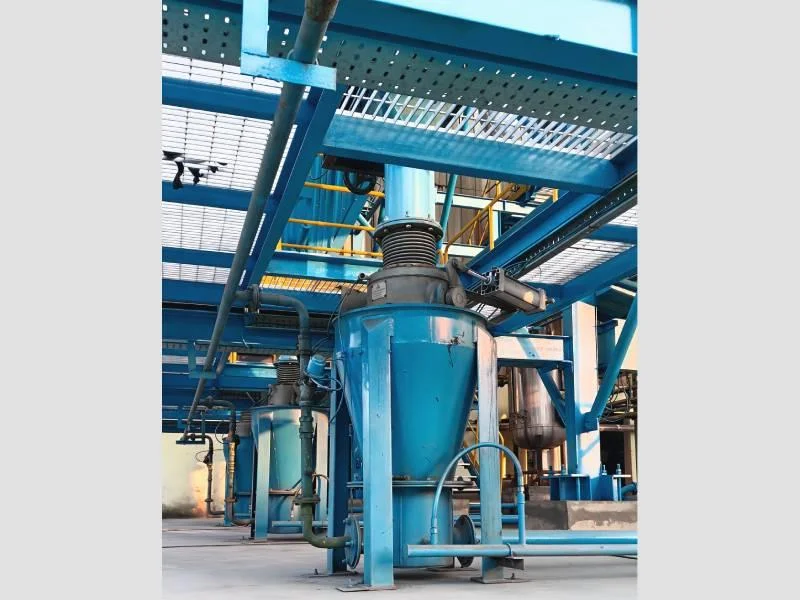

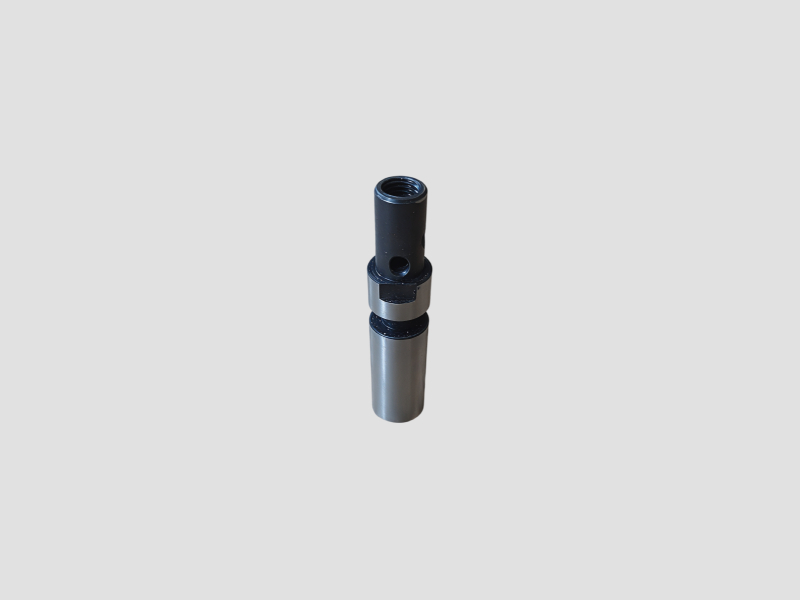


 India
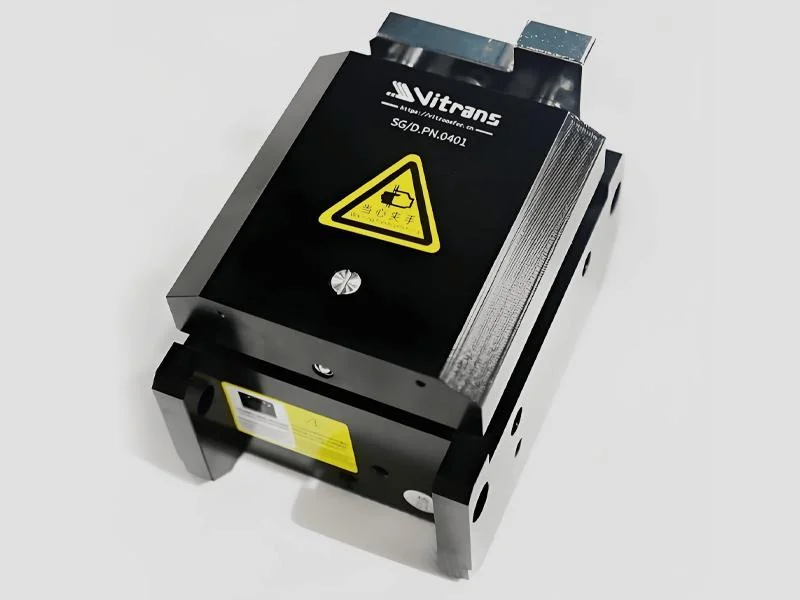
 India
 India
 India

 India
 India
 India

 India
 India


Frequently Asked Questions
What are Pneumatic Conveying Systems?
Pneumatic Conveying Systems are specialized systems used to transport bulk materials through pipes using air or other gases as a medium. These systems are commonly used in various industries, including food processing, pharmaceuticals, and manufacturing, to move powders, granules, and other solid materials efficiently.
What are the different types of Pneumatic Conveying Systems?
The main types of Pneumatic Conveying Systems include dilute phase conveying and dense phase conveying. Dilute phase systems transport materials at high velocity with low material concentration, while dense phase systems operate at lower velocities with higher material concentration, allowing for a more efficient transfer of bulk materials.
How do I choose the right Pneumatic Conveying Systems?
Choosing the right Pneumatic Conveying System involves considering factors such as the type of material to be conveyed, the distance and height of transport, and the desired conveying rate. Additionally, assess the system's energy efficiency, maintenance requirements, and compatibility with existing equipment.
What are the standard specifications for Pneumatic Conveying Systems?
Standard specifications for Pneumatic Conveying Systems typically include parameters such as pipe diameter, conveying distance, pressure requirements, and flow rate. Systems may also specify material compatibility, temperature ranges, and design features that ensure operational efficiency and safety.
What is the price range for Pneumatic Conveying Systems?
The price range for Pneumatic Conveying Systems can vary significantly based on factors such as system complexity, capacity, and customization options. Generally, prices can start from a few thousand rupees for basic setups and can go up to several lakhs for advanced systems with specialized features.
What quality standards apply to Pneumatic Conveying Systems?
Pneumatic Conveying Systems must adhere to various quality standards, including ISO certifications and industry-specific regulations. These standards ensure that the systems are designed for safety, efficiency, and reliability while meeting the operational requirements of different industries.
Where can I find Pneumatic Conveying Systems suppliers in India?
You can find Pneumatic Conveying Systems suppliers in India through online B2B marketplaces like Pepagora, industrial trade shows, and industry directories. Additionally, local manufacturers and distributors often have a presence in major industrial hubs across the country.
Can Pneumatic Conveying Systems be customized?
Yes, Pneumatic Conveying Systems can be customized to meet specific operational requirements. Customization options may include adjustments in system design, material selection, and additional features to enhance performance and efficiency based on the unique needs of the user.
What is the typical minimum order quantity for Pneumatic Conveying Systems?
The typical minimum order quantity (MOQ) for Pneumatic Conveying Systems can vary depending on the manufacturer and the complexity of the system. Generally, MOQs can range from one unit for standard systems to larger quantities for customized or specialized setups.
What is the typical lead time for Pneumatic Conveying Systems?
The typical lead time for Pneumatic Conveying Systems can vary based on the manufacturer's production capacity and the system's specifications. Generally, standard systems may be delivered within 4 to 8 weeks, while customized systems could take longer, ranging from 8 to 12 weeks or more.
Why Businesses Trust Pepagora
Thousands of companies trust Pepagora to source smarter and sell faster
Expand Your Sales Globally

Source Smarter,Grow Faster
