IN
IN₹
Apparel & Fashion
Description
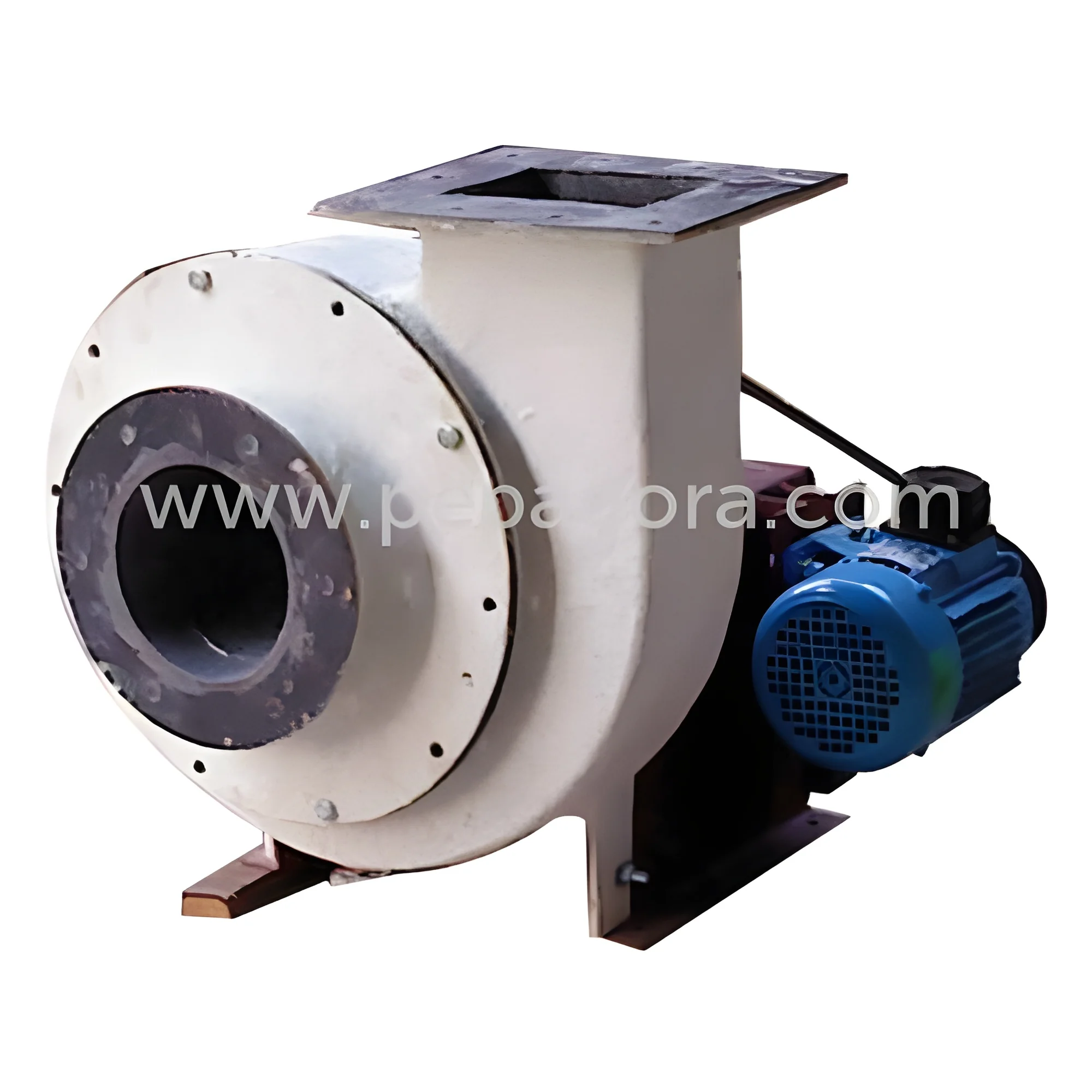
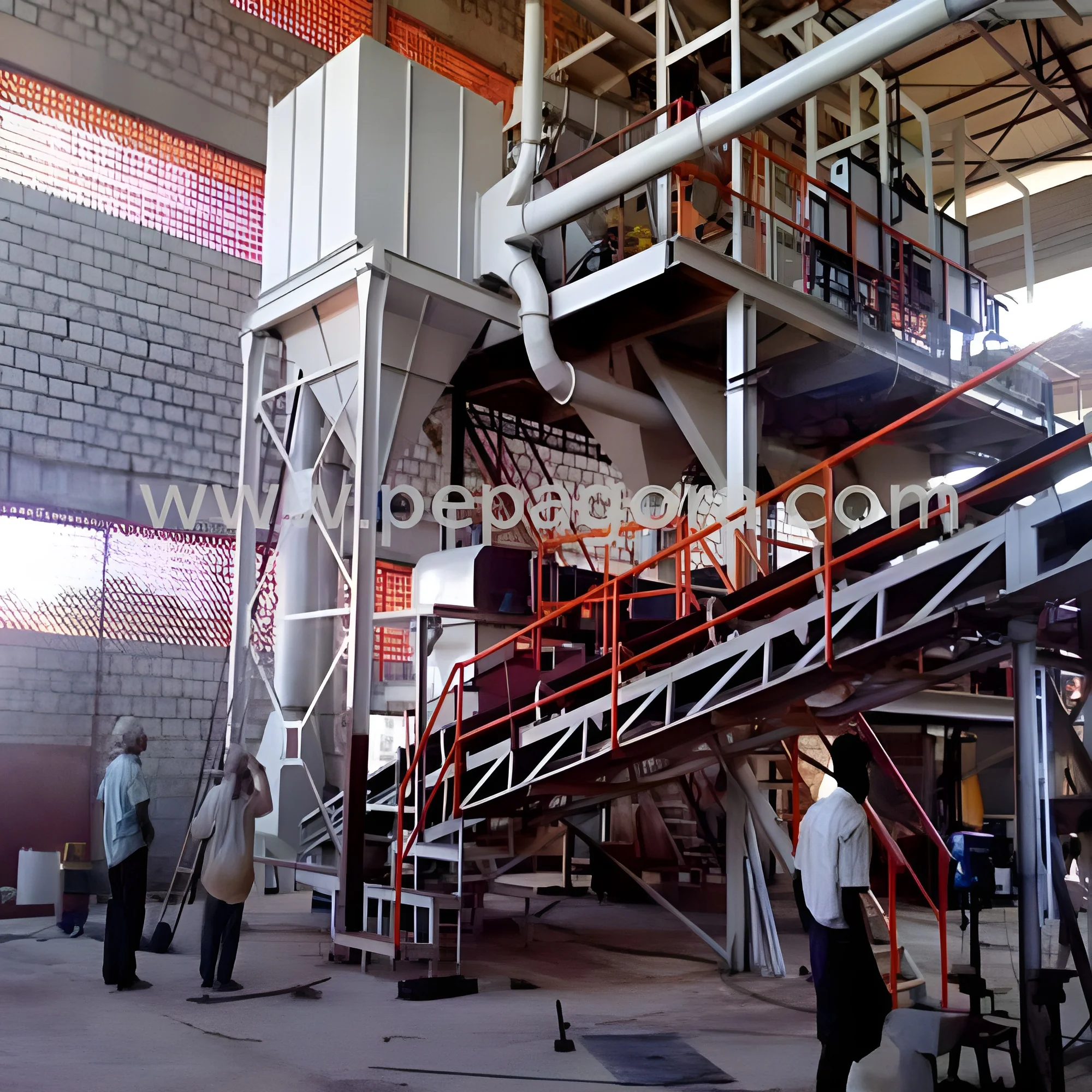
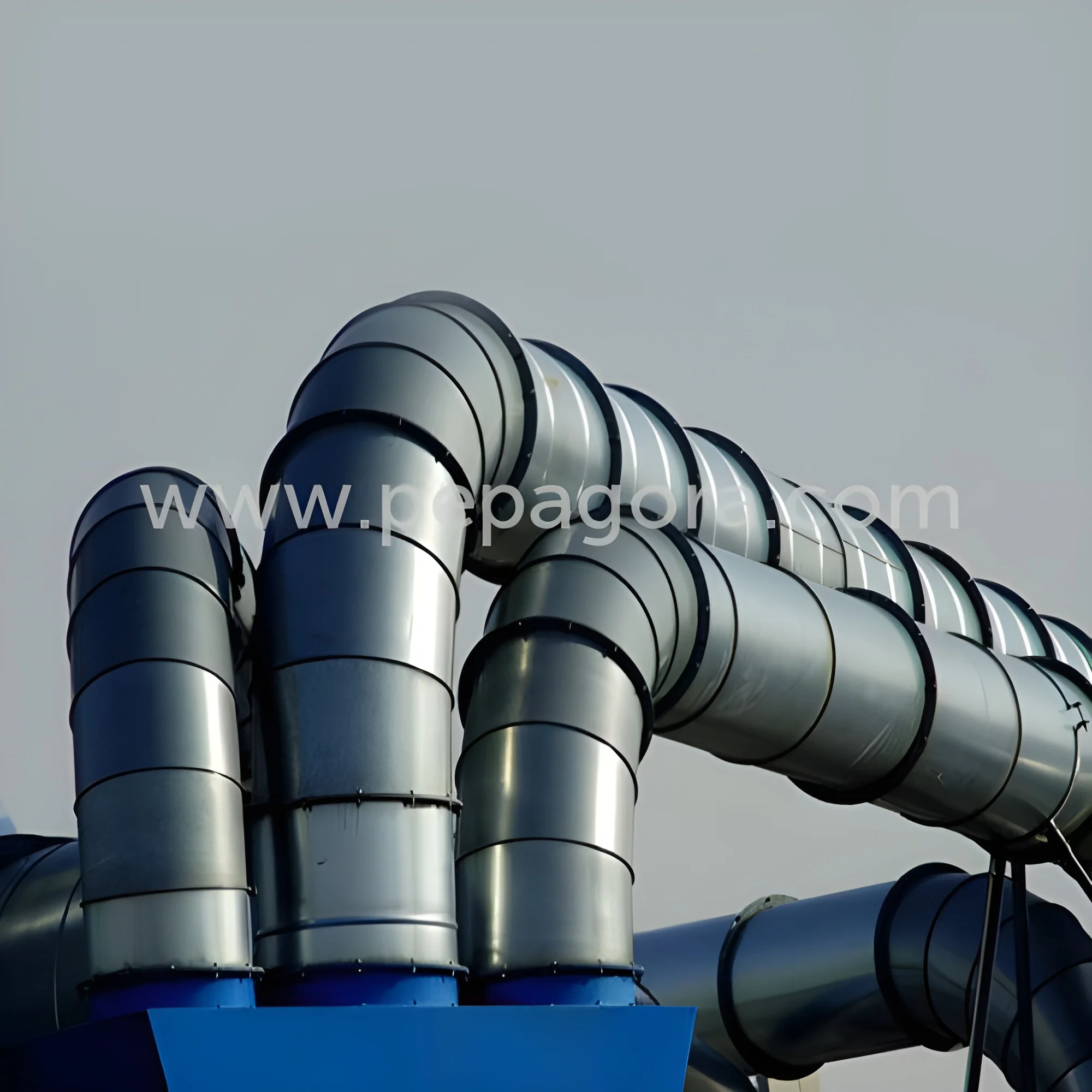
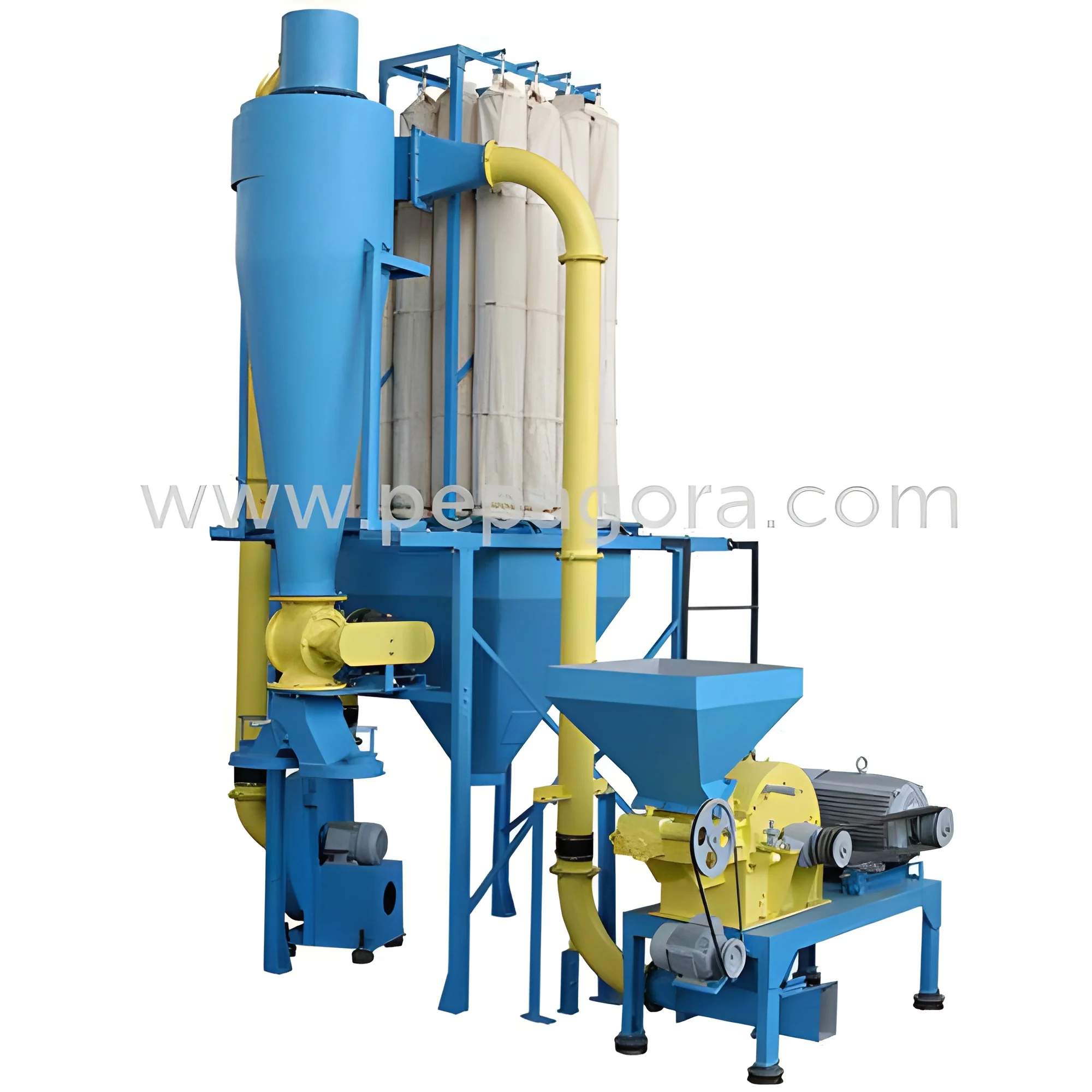
Industrial pneumatic conveying systems represent the advanced standard in bulk material handling technology, utilizing air pressure or vacuum to transport powders, granules, and other dry materials through completely sealed pipelines. These systems provide a clean, efficient alternative to mechanical conveyors by eliminating dust emissions and significantly reducing contamination risks. Engineered for maximum reliability, these systems handle various material characteristics and flow requirements with precision. Available in pressure, vacuum, and combination configurations, they integrate seamlessly with existing production infrastructure while ensuring minimal product degradation during transportation processes.

These conveying systems serve essential functions across multiple industrial sectors where material purity and operational efficiency are critical requirements. In food processing facilities, they handle ingredients such as flour, sugar, and additives while maintaining rigoro...
Industrial pneumatic conveying systems represent the advanced standard in bulk material handling technology, utilizing air pressure or vacuum to transport powders, granules, and other dry materials through completely sealed pipelines. These systems provide a clean, efficient alternative to mechanical conveyors by eliminating dust emissions and significantly reducing contamination risks. Engineered for maximum reliability, these systems handle various material characteristics and flow requirements with precision. Available in pressure, vacuum, and combination configurations, they integrate seamlessly with existing production infrastructure while ensuring minimal product degradation during transportation processes.

These conveying systems serve essential functions across multiple industrial sectors where material purity and operational efficiency are critical requirements. In food processing facilities, they handle ingredients such as flour, sugar, and additives while maintaining rigorous hygiene standards. Chemical manufacturing plants depend on them for transporting pigments, resins, and specialized compounds without cross-contamination concerns. Pharmaceutical producers utilize pneumatic conveyors for active pharmaceutical ingredients under strictly controlled conditions. Additional significant applications include plastics manufacturing for pellet transfer operations, cement production for powder handling, and agricultural processing for grains and animal feed materials. The fully enclosed design makes these systems particularly valuable in industries where dust control is mandatory for both final product quality and workplace safety compliance.

Investing in industrial pneumatic conveying systems delivers substantial business value through reduced operational expenditures, minimized product loss, and decreased maintenance requirements. These systems provide exceptional reliability with continuous operation capabilities that maintain production line efficiency. The engineering ensures optimal compatibility with specific material characteristics and facility layout constraints. Compared to mechanical conveyor systems, pneumatic configurations feature fewer moving components, resulting in significantly lower maintenance costs and reduced operational downtime. The sealed pipeline design prevents material loss to the environment, contributing to both cost savings and regulatory compliance achievement. These systems represent a strategic long-term investment in operational efficiency and continuous process improvement for industrial operations.

Key Features:
- Multiple system configurations including pressure, vacuum, and combination systems
- Compatibility with heating devices for pneumatic conveyor drying applications
- Customizable designs for specific material handling requirements and facility layouts
- Fully enclosed pipeline system preventing dust emissions and product contamination
- Robust industrial construction ensuring long-term reliability with minimal maintenance needs

Benefits:
- Reduced operational costs through energy efficiency and minimal product loss
- Enhanced workplace safety with dust-free enclosed transportation systems
- Lower maintenance requirements due to fewer moving parts than mechanical alternatives
- Continuous operation capability supporting uninterrupted production schedules
- Compliance with industry regulations for material handling and environmental standards
Specifications
| Additional Information | |
|---|---|
| Country of Origin | India |
Application
Pneumatic conveying systems efficiently transport powdered and granular materials through enclosed pipelines using air pressure or vacuum. These systems handle diverse materials including flour, sugar, cement, plastics, and pharmaceuticals while ensuring dust-free operation and minimal product contamination. They are ideal for moving materials over long distances between multiple intake and discharge points with full automation capabilities.
These systems serve industries requiring hygienic, safe, and efficient material transfer. Key sectors include food processing, chemicals, pharmaceuticals, plastics manufacturing, and cement production. The enclosed design prevents environmental contamination, protects workers from dust exposure, and maintains product purity throughout the transportation process while meeting strict industry standards.
- Food processing plants: Transporting flour, sugar, spices, and food additives in baking and manufacturing facilities
- Pharmaceutical manufacturing: Handling powdered active ingredients and excipients under controlled environmental conditions
- Chemical production facilities: Moving pigments, resins, and compound materials safely between processing stages
- Plastics industry: Conveying plastic pellets and powders to injection molding machines and extrusion equipment
- Construction materials: Transferring cement powder, fly ash, and mineral materials in building material production
Trade Details
| Available Stock | In Stock |
| Sample Availability | No |
Payment Terms
| Payment Terms |
|
Company Profile
D. S. Air Technologies, Tamil Nadu
 Tamil Nadu, India
Tamil Nadu, IndiaIndustrial Equipment & Machinery•Manufacturer•Trading Company•Distributor / Wholesaler
Factory Details
Factory SizeBelow 1000 sqm
Annual Production Capacity0
Industrial Pneumatic Conveying Systems For Bulk Material Handling
Industrial pneumatic conveying systems for bulk material handling provide reliable dust-free transport of powders and granules. These systems ensure minimal maintenance and high reliability for continuous operations in chemical, food processing, and pharmaceutical industries.
Min. Order Quantity: 1 unit
Shipping
Shipping fee and delivery date to be negotiated. Contact supplier now for more details.
D. S. Air Technologies
 Tamil Nadu, India
Tamil Nadu, IndiaIndustrial Equipment & MachineryManufacturer