IN
IN₹
Apparel & Fashion
Description
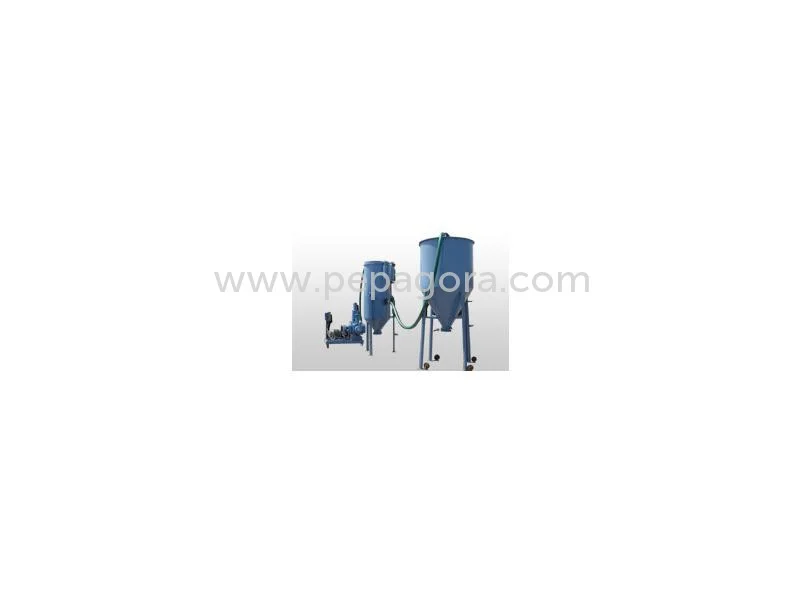
Pneumatic conveyor systems represent a sophisticated, reliable solution for transporting dry bulk materials through enclosed pipelines using air pressure or vacuum technology. These systems provide a clean, safe, and efficient method for moving powders, granules, and pellets across various industrial operations. Unlike mechanical conveyors, pneumatic systems offer complete enclosure that prevents material contamination, eliminates dust emissions, and minimizes product loss while accommodating complex plant layouts with multiple material intake and discharge points. The technology operates through two primary methods: pressure systems that push materials from the feed point to their destination, and vacuum systems that pull materials through the pipeline, with each approach suitable for different material characteristics and specific operational requirements.

These conveyor systems serve essential roles across multiple industries where dry bulk material handling is fundamental to produ...
Pneumatic conveyor systems represent a sophisticated, reliable solution for transporting dry bulk materials through enclosed pipelines using air pressure or vacuum technology. These systems provide a clean, safe, and efficient method for moving powders, granules, and pellets across various industrial operations. Unlike mechanical conveyors, pneumatic systems offer complete enclosure that prevents material contamination, eliminates dust emissions, and minimizes product loss while accommodating complex plant layouts with multiple material intake and discharge points. The technology operates through two primary methods: pressure systems that push materials from the feed point to their destination, and vacuum systems that pull materials through the pipeline, with each approach suitable for different material characteristics and specific operational requirements.

These conveyor systems serve essential roles across multiple industries where dry bulk material handling is fundamental to production processes. In food processing, they transport ingredients like flour, sugar, spices, and additives while maintaining strict hygiene standards and preventing cross-contamination. Pharmaceutical manufacturers depend on pneumatic conveyors for handling active pharmaceutical ingredients and excipients under controlled, contamination-free conditions. The chemical industry utilizes these systems for moving pigments, plastics, resins, and various industrial powders with enhanced safety. Additional applications include cement manufacturing, mineral processing, agriculture for animal feed and grains, and plastic pellet handling, demonstrating remarkable versatility across different material types and industry specifications.

The operational value of pneumatic conveyor systems lies in their proven reliability, consistent performance, and long-term efficiency gains. These systems significantly reduce manual handling requirements, minimize product loss through spillage or contamination, and typically require lower maintenance compared to mechanical alternatives. Their enclosed design substantially improves workplace safety by containing dust and reducing explosion risks in sensitive environments. The adaptability of these systems allows for optimization based on specific material characteristics, capacity requirements, and spatial limitations, ensuring peak performance for each unique application. This reliability translates directly to reduced downtime and consistent production flow, positively impacting operational throughput and overall efficiency.

Key Features:
- Dual operation capability supporting both vacuum and pressure-based material transfer
- Complete enclosed pipeline system preventing dust emission and external contamination
- Configurable design adaptable to specific material properties and flow requirements
- Flexible installation accommodating complex plant layouts and space limitations
- Multiple material pickup and delivery points within a single integrated system

Benefits:
- Enhanced material purity through enclosed, contamination-free transportation
- Improved workplace safety with reduced dust exposure and explosion risks
- Operational flexibility supporting various materials and complex routing requirements
- Reduced maintenance needs compared to mechanical conveyor alternatives
- Consistent, reliable performance ensuring continuous production workflows
Specifications
| Additional Information | |
|---|---|
| Country of Origin | India |
Application
Pneumatic conveyor systems provide a clean, enclosed method for transporting dry bulk materials like powders, granules, and pellets using air pressure or vacuum. This technology ensures dust-free operation and prevents contamination, making it perfect for environments where product purity and workplace safety are critical. The systems handle materials gently to minimize degradation and maintain consistent quality throughout the transfer process.
These systems offer exceptional flexibility in installation, adapting to complex plant layouts and spatial constraints within existing or new facilities. They enable precise material transfer from multiple pickup points to various delivery destinations within a single, integrated setup. This capability supports continuous production workflows, reduces manual handling, and enhances overall operational efficiency across diverse industrial settings.
- Food processing facilities for transferring flour, sugar, cocoa powder, spices, and other dry ingredients hygienically
- Pharmaceutical manufacturing plants for handling active pharmaceutical ingredients (APIs), excipients, and powders in controlled environments
- Chemical production units for moving pigments, plastic resins, catalysts, and various industrial powders safely
- Agriculture and animal feed operations for transporting grains, premixes, nutritional additives, and feed pellets
- Cement, minerals, and construction material plants for dust-free transfer of cement, fly ash, silica, and similar materials
Trade Details
| Available Stock | In Stock |
| Sample Availability | No |
Payment Terms
| Payment Terms |
|
Company Profile
Emerald equipments, Tamil Nadu
 Tamil Nadu, India
Tamil Nadu, IndiaAutomotive & Transport•Manufacturer•Distributor / Wholesaler•Importer / Exporter
Factory Details
Factory SizeBelow 1000 sqm
Annual Production Capacity0
Pneumatic Conveyor Systems For Dry Bulk Material Transport
Reliable pneumatic conveyor systems for efficient dry bulk material transport via vacuum or pressure. Ideal for food, pharma, chemical, and manufacturing industries seeking high-performance solutions.
Min. Order Quantity: 1 unit
Shipping
Shipping fee and delivery date to be negotiated. Contact supplier now for more details.
Emerald equipments
 Tamil Nadu, India
Tamil Nadu, IndiaAutomotive & TransportManufacturer