
 IN
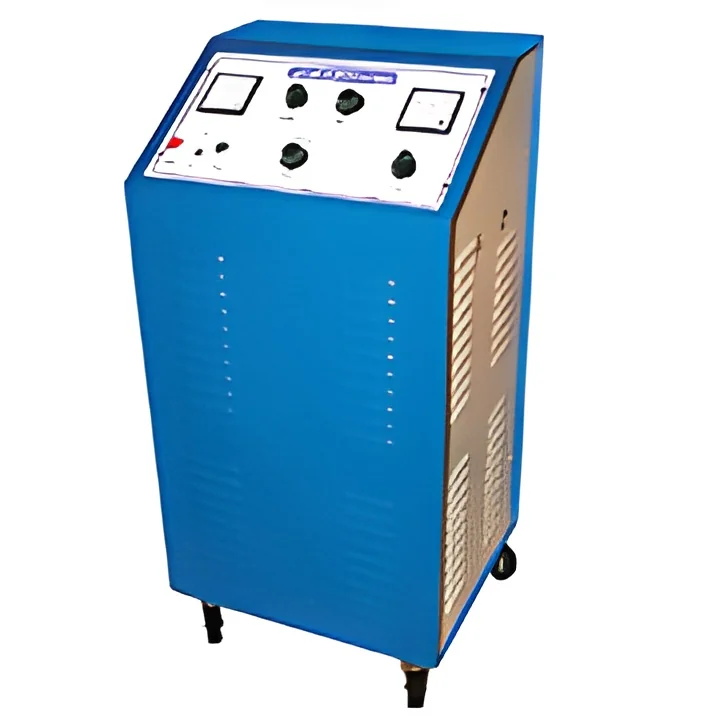
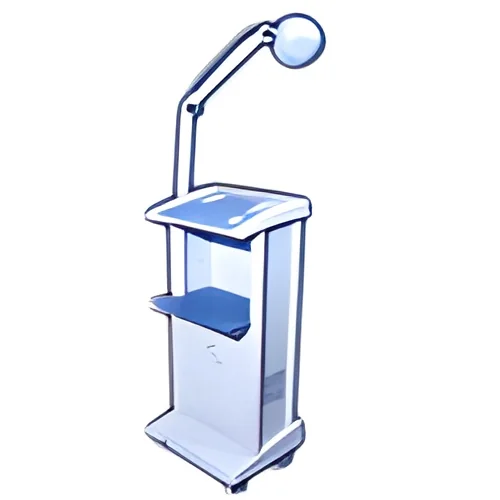
Physiotherapy Machines (TENS, Ultrasound)
10 products available
Key Features and Specifications
Physiotherapy machines are designed with various features to enhance their efficacy and usability. Key specifications include:
1. TENS Output Settings
- Adjustable intensity levels for personalized treatment
- Typically ranges from 1 mA to 100 mA
2. Ultrasound Frequency
- Commonly operates at frequencies of 1 MHz or 3 MHz
- Affects the depth of tissue penetration for more effective treatments
3. Treatment Modes
- Multiple modes such as continuous and pulsed
- Allows for tailored therapy based on patient needs
4. Timer Settings
- Adjustable treatment duration, usually between 1 to 60 minutes
- Ensures optimal therapy sessions without overexposure
5. Portability
- Compact and lightweight designs for easy transport
- Battery-operated options available for convenience
6. User Interface
- Digital displays for ease of use
- Simple controls for adjusting settings quickly
7. Safety Features
- Built-in timers and automatic shut-off mechanisms
- Ensures safe operation during therapy sessions
8. Ergonomic Design
- Comfortable pads for TENS and transducer heads for ultrasound
- Enhances patient comfort during treatment
In summary, the key features and specifications of physiotherapy machines are essential for effective treatment delivery. Understanding these specifications helps healthcare providers select the right equipment for their practice.
Common Applications and Use Cases
Physiotherapy machines serve various industries, providing essential solutions for pain management and rehabilitation.
1. Healthcare: Hospitals and clinics utilize TENS and ultrasound machines for post-operative recovery, helping patients manage pain and regain mobility.
2. Sports Medicine: Athletic trainers use these machines to treat sports injuries, reduce recovery time, and enhance performance through targeted therapies.
3. Rehabilitation Centers: Facilities focused on physical rehabilitation employ these machines to assist patients in recovering from strokes, accidents, and chronic pain conditions.
4. Chiropractic: Chiropractors incorporate physiotherapy machines into their treatment plans to enhance spinal manipulation and alleviate musculoskeletal pain.
5. Home Care: TENS units are increasingly used in home settings, allowing patients to manage pain independently with portable devices.
6. Geriatric Care: Facilities catering to elderly patients benefit from these machines to address age-related pain and improve quality of life.
7. Veterinary Medicine: Physiotherapy machines are also used in veterinary practices to treat pain and facilitate recovery in animals.
Product Variants and Subcategories
Physiotherapy machines are diverse, catering to different therapeutic needs and settings.
TENS Machines
These devices deliver electrical impulses to manage pain effectively. They come with various settings to accommodate different patient needs and can be used in both clinical and home environments.
Ultrasound Machines
Ultrasound devices utilize sound waves to promote tissue healing and reduce inflammation. They are commonly used in rehabilitation centers and physical therapy clinics for targeted treatments.
Benefits and Advantages
The advantages of using physiotherapy machines are numerous and impactful on patient outcomes.
1. Non-invasive Treatment: These machines provide pain relief without the need for surgery or medication, making them safer for patients.
2. Customizable Therapy: Adjustable settings allow therapists to tailor treatments to individual patient needs, enhancing efficacy.
3. Quick Pain Relief: Many patients experience immediate relief from pain, improving their overall treatment experience.
4. Enhanced Recovery: Physiotherapy machines can accelerate the healing process, helping patients return to their daily activities sooner.
5. Cost-effective Solutions: Investing in these machines can reduce long-term healthcare costs by minimizing the need for medications and invasive procedures.
6. Increased Patient Satisfaction: Effective pain management strategies lead to higher satisfaction rates among patients, fostering better provider-patient relationships.
Buying Guide for B2B Buyers
When sourcing physiotherapy machines, it is essential for B2B buyers to consider several factors.
1. Quality Assessment: Buyers should evaluate the quality of machines by examining manufacturer certifications and compliance with industry standards.
2. Supplier Verification: It is crucial to vet suppliers by checking their reputation, customer reviews, and the range of products they offer.
3. Pricing and MOQ: Understanding the pricing structure and minimum order quantities can help buyers make informed purchasing decisions while staying within budget.
4. Delivery and Lead Times: Buyers should inquire about logistics and expected delivery times to ensure that they can meet their operational needs.
5. Compliance Requirements: Familiarity with local and international regulations is important to ensure that the machines meet safety and operational standards.
Compliance and Certifications
Physiotherapy machines must adhere to various quality standards and certifications to ensure safety and effectiveness.
Relevant certifications include CE marking, which indicates compliance with European health, safety, and environmental protection standards. Additionally, UL certification assures that the products meet stringent safety requirements.
Quality standards such as ISO 9001 ensure that manufacturing processes consistently produce high-quality products. Adhering to these standards is vital for maintaining product reliability and customer trust.
Furthermore, compliance with local regulations may vary by region, necessitating that manufacturers and suppliers remain informed about the specific requirements in their markets.
Why Source Physiotherapy Machines (TENS, Ultrasound) from Pepagora?
Pepagora offers a trusted platform for sourcing physiotherapy machines, providing numerous advantages to buyers.
Verified Supplier Network: Pepagora ensures that all suppliers in its network are thoroughly vetted for quality and reliability, giving buyers peace of mind in their purchases.
Streamlined RFQ Process: The platform simplifies the request for quotation process, allowing buyers to quickly compare offers from multiple suppliers and make informed decisions.
Trade Assurance and Support: Pepagora provides buyer protection through its trade assurance program, ensuring that transactions are secure and that buyers receive the products they ordered.
Regional Coverage: With a strong presence in India, the GCC, and Southeast Asia, Pepagora is well-positioned to meet the needs of buyers across various markets, facilitating smooth transactions and timely deliveries.

 India


Frequently Asked Questions
What are Physiotherapy Machines (TENS, Ultrasound)?
Physiotherapy Machines, including TENS (Transcutaneous Electrical Nerve Stimulation) and Ultrasound devices, are used in therapeutic practices to alleviate pain and promote healing. TENS machines use electrical impulses to stimulate nerves for pain relief, while Ultrasound machines utilize sound waves to penetrate tissues for healing and inflammation reduction.
What are the different types of Physiotherapy Machines (TENS, Ultrasound)?
The primary types of Physiotherapy Machines include TENS units, which are available in portable and clinical models, and Ultrasound machines, which may feature continuous or pulsed output modes. Other types include electrotherapy devices, combination therapy units, and infrared therapy machines, each designed for specific treatment goals.
How do I choose the right Physiotherapy Machines (TENS, Ultrasound)?
To choose the right Physiotherapy Machine, consider the specific treatment needs, the type of conditions being addressed, and the patient's medical history. Additionally, evaluate factors like device features, ease of use, portability, and manufacturer reputation to ensure you select a machine that meets clinical requirements.
What are the standard specifications for Physiotherapy Machines (TENS, Ultrasound)?
Standard specifications for TENS machines typically include adjustable frequency and intensity settings, while Ultrasound machines often feature frequency ranges of 1 MHz to 3 MHz, power output, and treatment time settings. It's essential to check for compliance with safety and efficacy standards in medical devices.
What is the price range for Physiotherapy Machines (TENS, Ultrasound)?
The price range for Physiotherapy Machines varies widely based on type and features, with TENS units typically ranging from ₹2,000 to ₹15,000, while Ultrasound machines can cost between ₹10,000 and ₹1,00,000 or more. Higher-end models may offer advanced features and longer warranties.
What quality standards apply to Physiotherapy Machines (TENS, Ultrasound)?
Physiotherapy Machines must comply with quality standards such as ISO 13485 for medical devices and CE marking for products sold in Europe. In India, manufacturers should adhere to the regulations set by the Central Drugs Standard Control Organization (CDSCO) to ensure safety and efficacy.
Where can I find Physiotherapy Machines (TENS, Ultrasound) suppliers in India?
You can find suppliers of Physiotherapy Machines in India through online B2B marketplaces like Pepagora, trade shows, and medical equipment expos. Additionally, industry directories and manufacturer websites can provide valuable contacts for sourcing these machines.
Can Physiotherapy Machines (TENS, Ultrasound) be customized?
Yes, many manufacturers offer customization options for Physiotherapy Machines to meet specific clinical needs or branding requirements. Customization may include tailored features, design modifications, or bespoke packaging, depending on the supplier.
What is the typical minimum order quantity for Physiotherapy Machines (TENS, Ultrasound)?
The typical minimum order quantity (MOQ) for Physiotherapy Machines varies by manufacturer and can range from 1 to 100 units. It's advisable to check with individual suppliers for their specific MOQs and any potential bulk order discounts.
What is the typical lead time for Physiotherapy Machines (TENS, Ultrasound)?
The typical lead time for Physiotherapy Machines varies based on the manufacturer and order size, generally ranging from 2 to 6 weeks. Factors like customization requests and inventory levels can also affect delivery timelines.
Why Businesses Trust Pepagora
Thousands of companies trust Pepagora to source smarter and sell faster
Expand Your Sales Globally

Source Smarter,Grow Faster
