IN
IN₹
Apparel & Fashion
Loading subcategories...
View More
Description
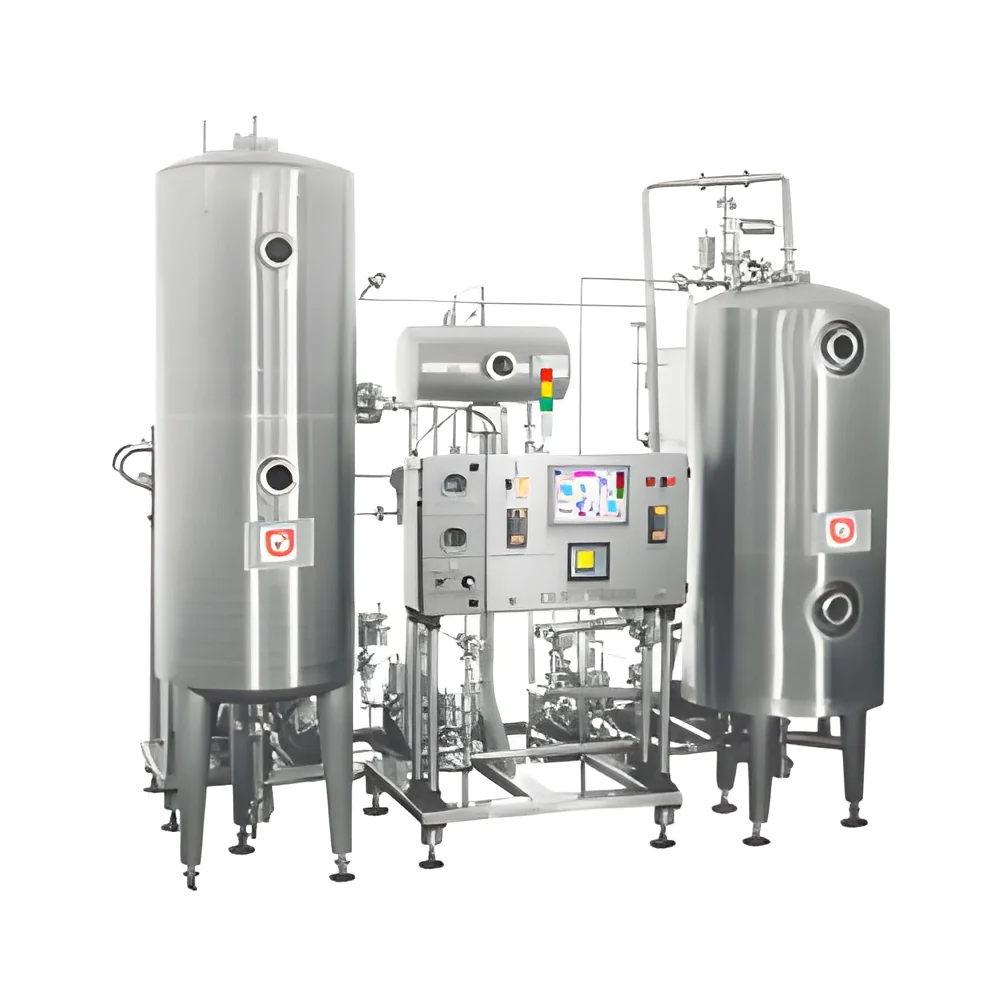
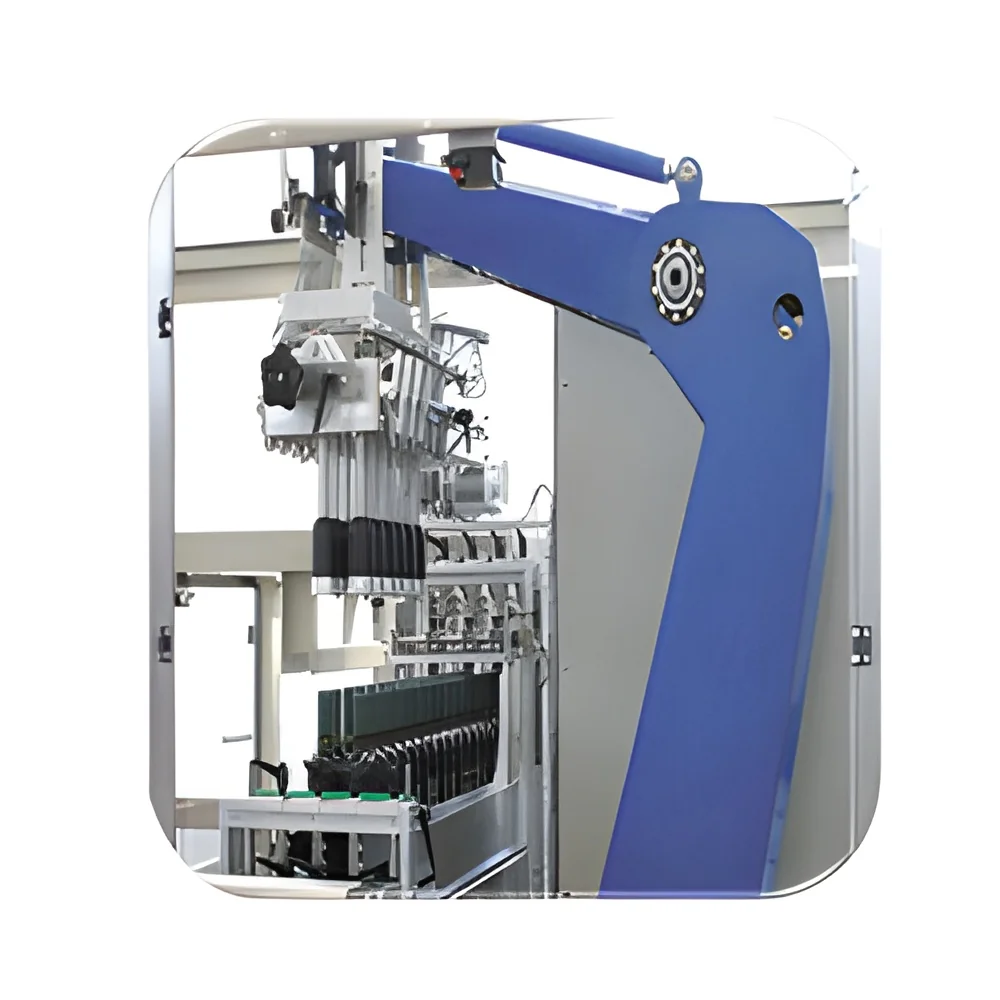
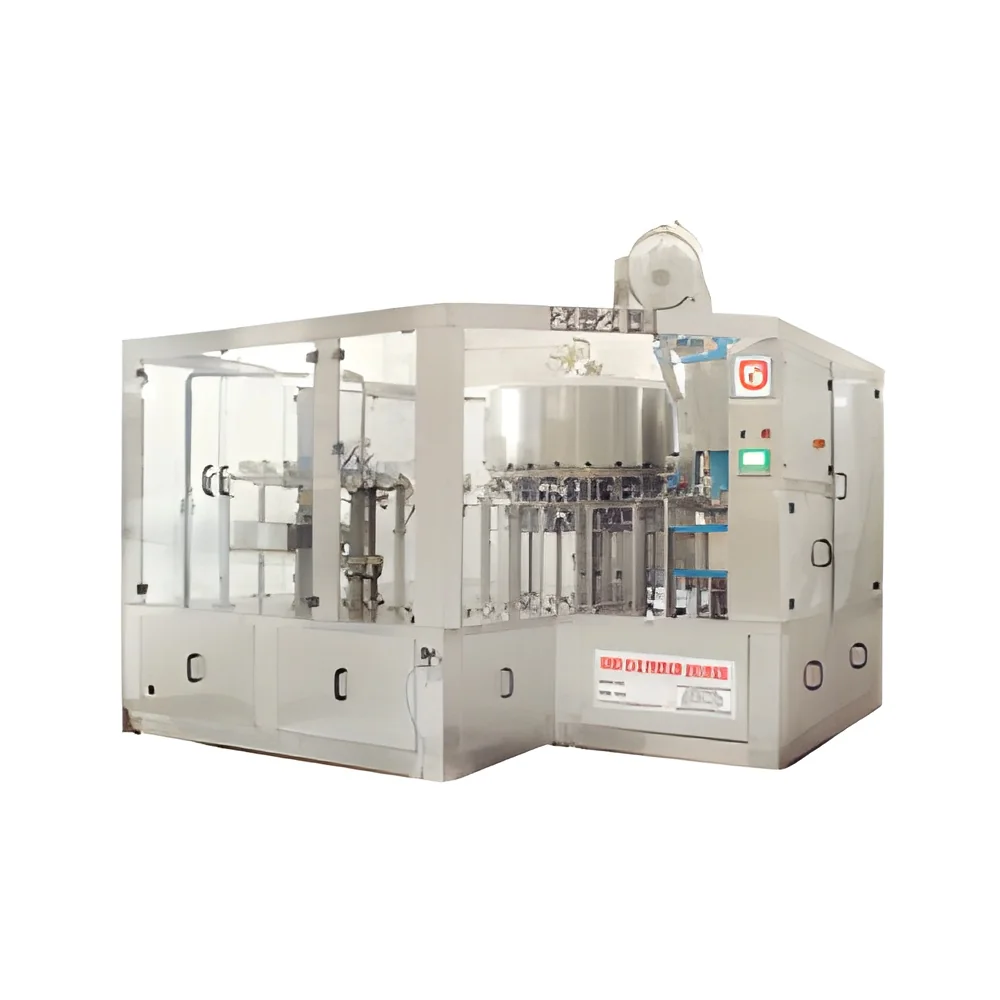
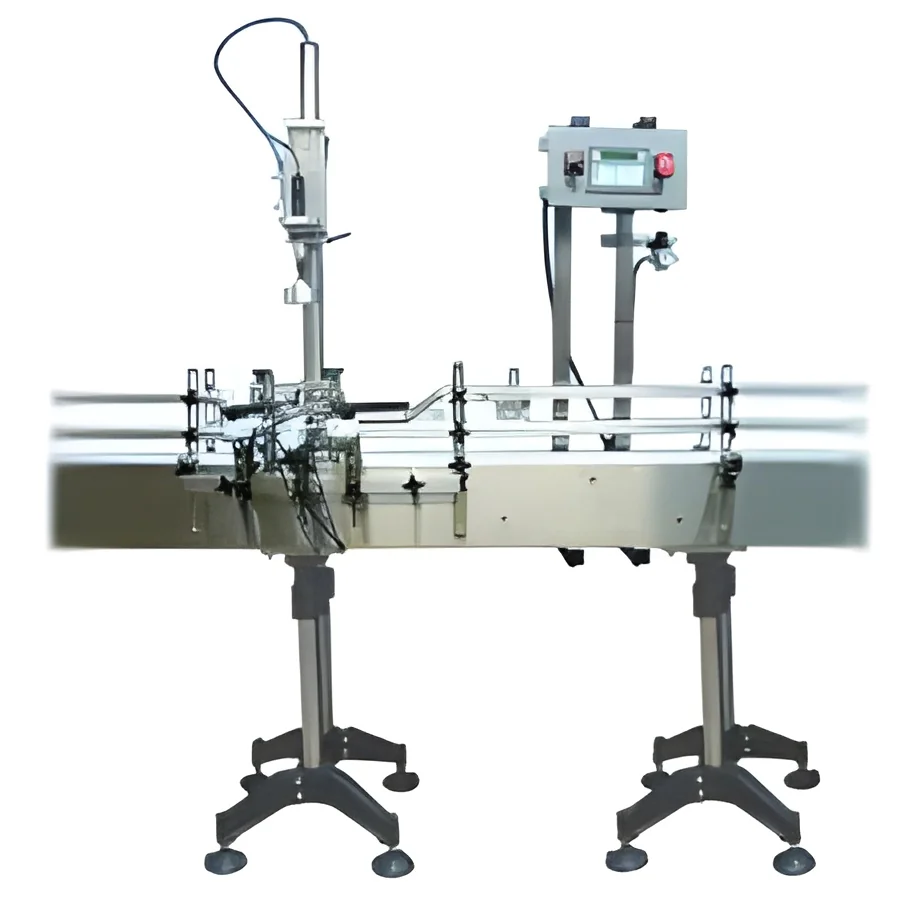
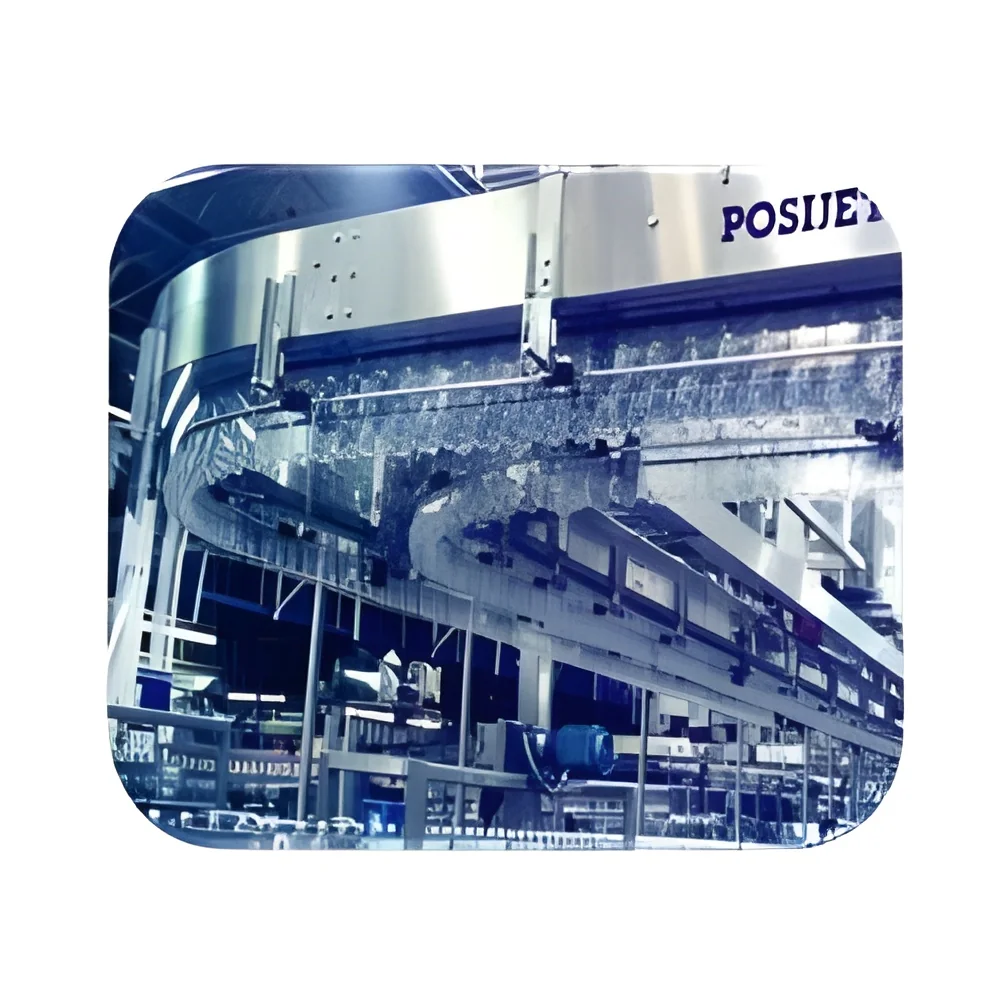
Industrial air conveyor systems represent advanced material handling technology designed for modern production environments. These sophisticated systems utilize precisely engineered air streams to transport products gently through manufacturing lines without physical contact. Unlike traditional mechanical conveyors, air conveyors eliminate friction, significantly reducing product damage and maintenance requirements while ensuring smooth, continuous operation. They are particularly valuable in industries where product integrity, hygiene, and operational efficiency are critical. Each system is constructed with industrial-grade components and built to withstand continuous operation while maintaining consistent performance. The robust design allows for seamless integration into existing production layouts, providing businesses with reliable solutions that enhance overall workflow efficiency and productivity.

Air conveyor systems serve essential functions across multiple industries where g...
Industrial air conveyor systems represent advanced material handling technology designed for modern production environments. These sophisticated systems utilize precisely engineered air streams to transport products gently through manufacturing lines without physical contact. Unlike traditional mechanical conveyors, air conveyors eliminate friction, significantly reducing product damage and maintenance requirements while ensuring smooth, continuous operation. They are particularly valuable in industries where product integrity, hygiene, and operational efficiency are critical. Each system is constructed with industrial-grade components and built to withstand continuous operation while maintaining consistent performance. The robust design allows for seamless integration into existing production layouts, providing businesses with reliable solutions that enhance overall workflow efficiency and productivity.

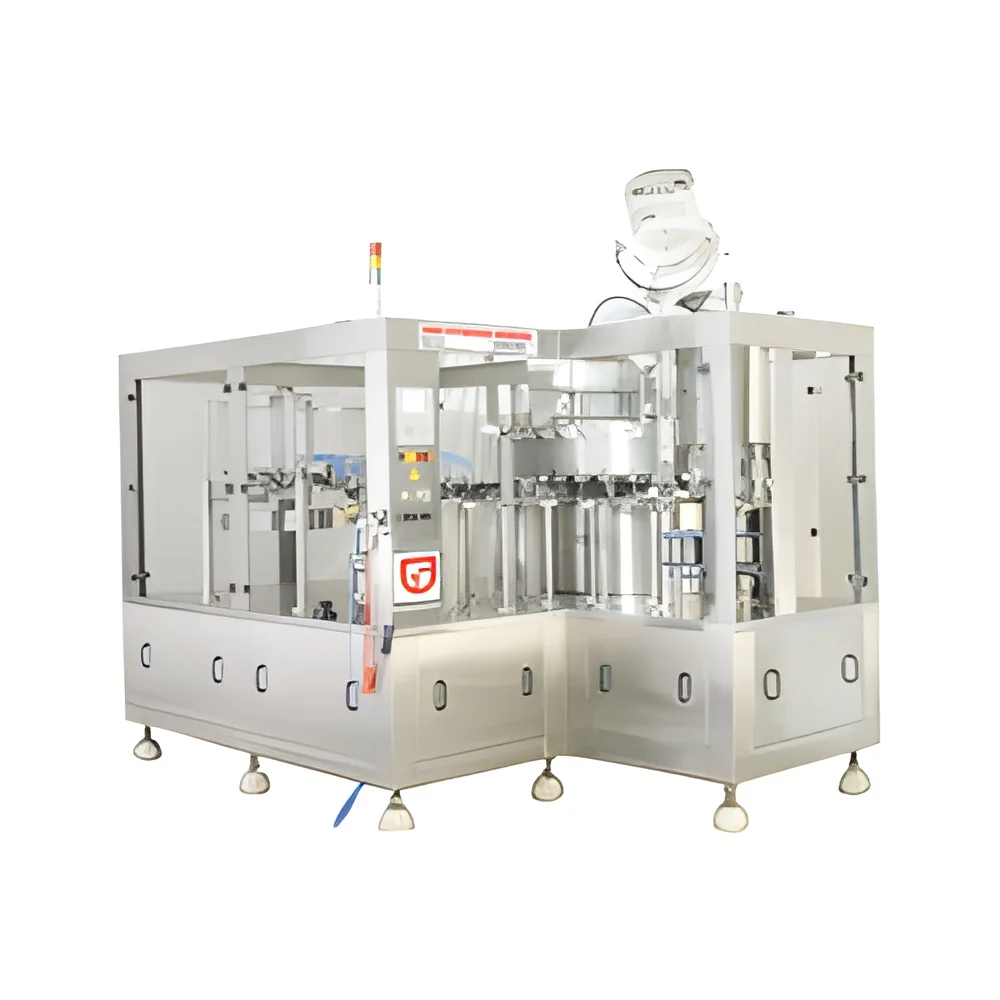
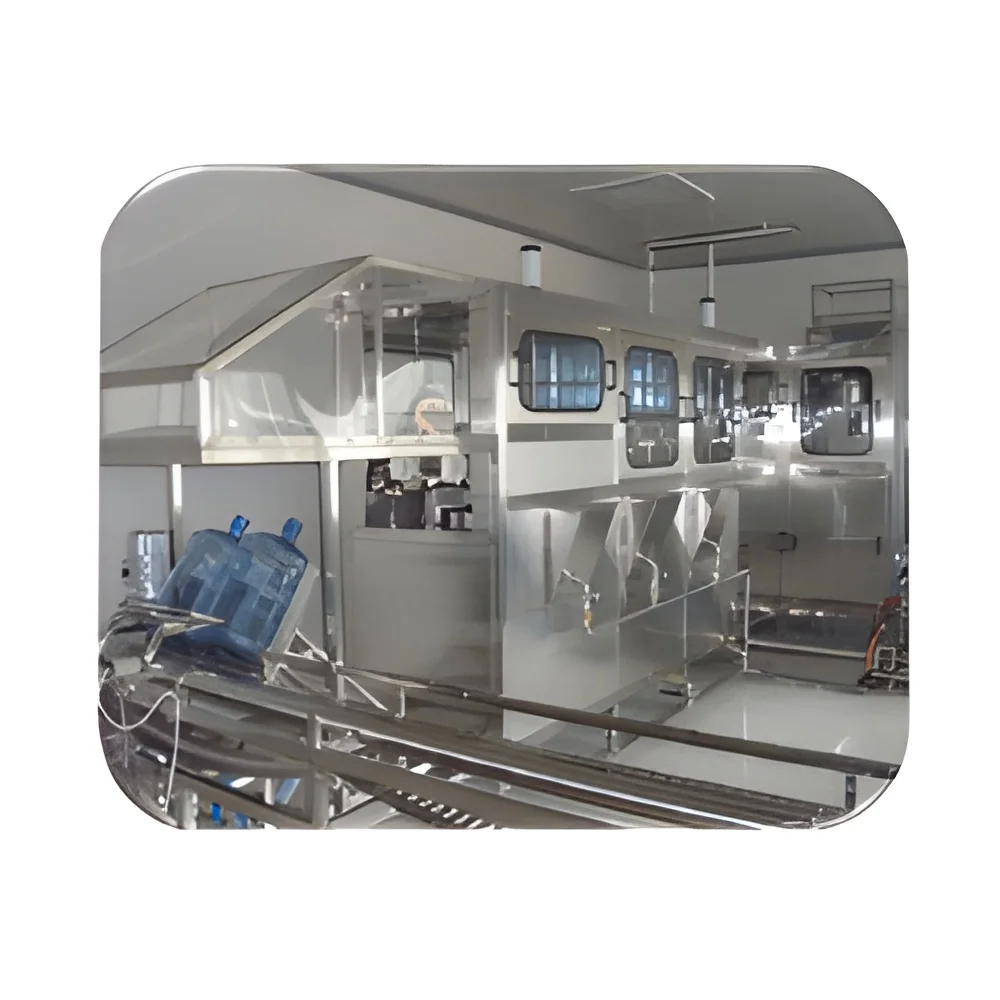
Air conveyor systems serve essential functions across multiple industries where gentle handling and contamination control are paramount. In packaging operations, they transport containers and finished products through various stages without causing surface damage. Food processing facilities utilize these systems for handling packaged goods where maintaining product appearance and hygiene standards is crucial. Beverage manufacturers rely on air conveyors to move bottles between filling, capping, and labeling stations while preventing scratches and ensuring product quality. These systems also find applications in manufacturing environments where delicate components require careful handling. The versatility of air conveyor technology makes it suitable for diverse industrial settings requiring efficient and gentle material transportation solutions.

The operational value of industrial air conveyor systems extends beyond basic transportation to deliver significant business advantages. These systems enhance production efficiency by minimizing downtime associated with mechanical conveyor maintenance and product jams. Their non-contact operation substantially reduces product loss due to damage, directly impacting operational costs and profitability. The hygienic design reduces cleaning time and meets stringent industry compliance requirements, particularly in food and pharmaceutical sectors. Reliability is engineered into every component, ensuring consistent performance even in demanding 24/7 operation environments. The durable construction translates to extended service life with minimal operational expenses, providing long-term value and return on investment for businesses seeking efficient material handling solutions.

Key Features:
- Non-contact product transportation using precision air flow control
- Industrial-grade construction for continuous operation reliability
- Hygienic design suitable for strict cleanliness requirements
- Smooth product handling without surface damage or marks
- Seamless integration with existing production line equipment

Benefits:
- Reduced product damage through gentle non-contact transportation
- Lower maintenance requirements compared to mechanical conveyors
- Improved production efficiency with continuous operation capability
- Enhanced hygiene compliance for regulated industries
- Long service life with minimal operational costs
Specifications
| Additional Information | |
|---|---|
| Country of Origin | India |
| Customisable | No |
Application
Industrial air conveyor systems excel in automated material handling where gentle product transportation is essential. Using precisely controlled air streams, these systems move items without physical contact, eliminating surface damage during transit. This non-contact methodology ensures zero scratches or marks on delicate products and packaging throughout production processes.
These conveyors are particularly valuable in environments requiring strict hygiene and contamination control. The absence of mechanical parts reduces maintenance needs while providing smooth, consistent movement of containers and packaged goods. Industries benefit from improved sanitation compliance and reduced operational downtime in demanding production settings.
- Beverage bottling facilities transporting glass and plastic containers between filling stations
- Pharmaceutical manufacturing lines handling medicine vials and bottles with precision
- Food processing plants moving packaged products without surface damage
- Cosmetic production facilities transporting delicate containers and finished goods
- Packaging operations efficiently moving items through labeling and sealing processes
Trade Details
| Available Stock | In Stock |
| Sample Availability | No |
Payment Terms
| Payment Terms |
|
Company Profile

GEE Sales & Marketing Pvt. Ltd., New Delhi
 New Delhi, India
New Delhi, IndiaIndustrial Equipment & Machinery•Manufacturer•Importer / Exporter
Factory Details
Factory SizeBelow 1000 sqm
Annual Production Capacity0
Industrial Air Conveyor Systems For Material Handling In Packaging And Food Processing
Industrial air conveyor systems provide efficient material handling for packaging and food processing industries. These reliable systems ensure gentle product transport with superior quality and durability for seamless production line integration.
Min. Order Quantity: 1 unit
Shipping
Shipping fee and delivery date to be negotiated. Contact supplier now for more details.
GEE Sales & Marketing Pvt. Ltd.
 New Delhi, India
New Delhi, IndiaIndustrial Equipment & MachineryManufacturer