
 IN
Other Boilers & Heat Exchangers
101 products available
What are Other Boilers & Heat Exchangers?
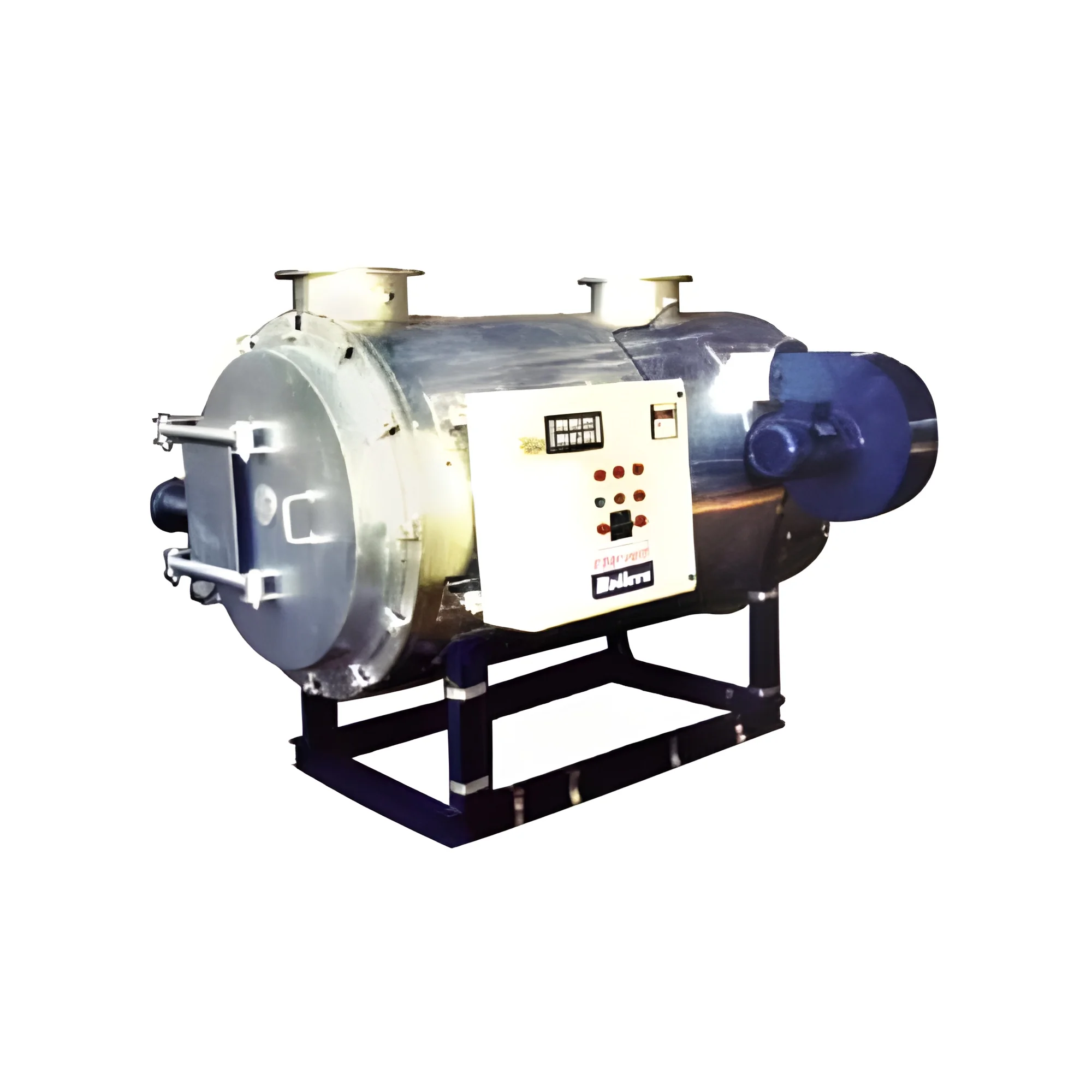
Other Boilers and Heat Exchangers are essential components in various industrial processes where heat transfer is required. These devices are designed to efficiently transfer heat from one medium to another, typically between fluids or from fluids to solid surfaces. They play a critical role in enhancing energy efficiency, reducing operational costs, and ensuring that industrial processes run smoothly.
These products are commonly used across multiple industries, including chemical, pharmaceutical, food processing, and energy sectors. They facilitate heating, cooling, and temperature regulation in applications such as steam generation, liquid heating, and waste heat recovery. The versatility and reliability of Other Boilers and Heat Exchangers contribute significantly to productivity and operational effectiveness in these industries.
In the current market context, the demand for Other Boilers and Heat Exchangers is on the rise due to increasing energy costs and the push for sustainable practices. Companies are investing in advanced heat transfer solutions to optimize energy consumption and meet regulatory compliance standards. This makes understanding their specifications and applications essential for businesses looking to improve efficiency and reduce costs.
Key Features and Specifications
Other Boilers and Heat Exchangers are characterized by several key features that enhance their functionality and reliability. Understanding these specifications is crucial for selecting the right equipment for specific applications.
Key specifications include:
1. Heat Transfer Efficiency
- This specification indicates how effectively the boiler or heat exchanger transfers heat.
- Higher efficiency ratings lead to reduced operational costs.
2. Operating Pressure
- Refers to the maximum pressure at which the equipment can safely operate.
- Varies by model but is critical for safety and performance.
3. Material Composition
- Typically made from materials like stainless steel, carbon steel, or specialized alloys.
- Material choice affects durability and resistance to corrosion.
4. Temperature Range
- Specifies the operational temperature limits for effective heat transfer.
- Different models accommodate various temperature requirements.
5. Size and Capacity
- Refers to the physical dimensions and the volume of fluids that can be processed.
- Important for space constraints and production needs.
6. Compliance Standards
- Indicates adherence to industry regulations and safety certifications.
- Ensures that the equipment meets quality and safety benchmarks.
7. Maintenance Requirements
- Details how often the equipment needs servicing and what type of maintenance is required.
- Regular maintenance is vital for longevity and efficiency.
8. Customization Options
- Many manufacturers offer customization to meet specific operational needs.
- Adaptations can include size, configuration, and control systems.
In summary, understanding these key features and specifications helps businesses make informed decisions about which Other Boilers and Heat Exchangers best suit their operational requirements.
Common Applications and Use Cases
Other Boilers and Heat Exchangers are utilized across a variety of industrial sectors, each with specific applications tailored to their needs.
1. Chemical Industry: These devices are used for heating and cooling chemical processes, ensuring optimal reaction conditions and energy efficiency.
2. Pharmaceutical Industry: They play a critical role in maintaining precise temperature control during drug production and storage.
3. Food Processing: Other Boilers and Heat Exchangers are essential for pasteurization, sterilization, and maintaining quality in food production processes.
4. Energy Sector: Used in power plants for steam generation and waste heat recovery, contributing to overall energy efficiency.
5. HVAC Systems: They are integral to heating and cooling systems in commercial buildings, enhancing comfort and energy management.
6. Pulp and Paper Industry: Employed for drying processes and temperature control in production lines.
7. Petrochemical Industry: These devices facilitate heat transfer in refining processes, improving efficiency and output.
Product Variants and Subcategories
The diversity of Other Boilers and Heat Exchangers allows for various configurations and functionalities to meet specific industry needs.
Steam Boilers
These are designed to generate steam for heating and power generation. They are essential in industries like food processing and energy.
Heat Recovery Steam Generators (HRSG)
This type captures waste heat from exhaust gases to produce steam, improving energy efficiency in power plants.
Plate Heat Exchangers
Known for their compact design, they facilitate efficient heat transfer in a variety of applications, including HVAC and food processing.
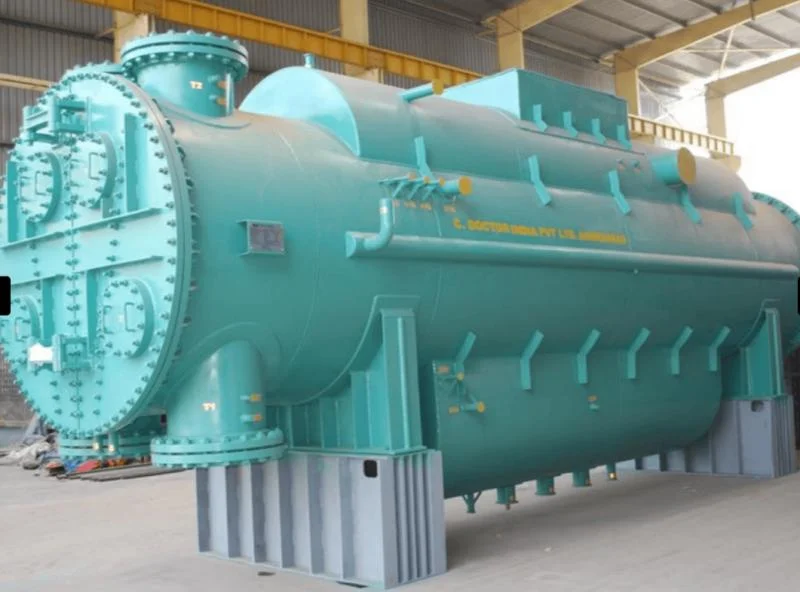
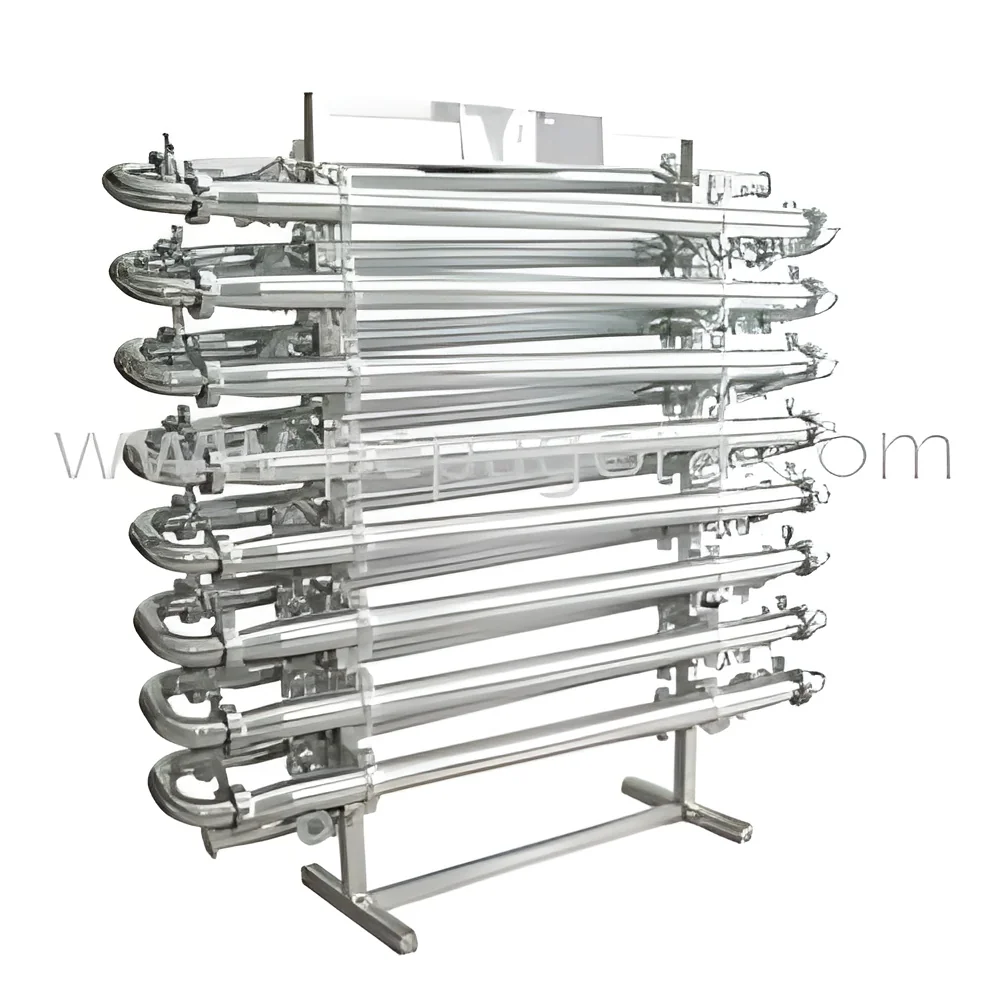
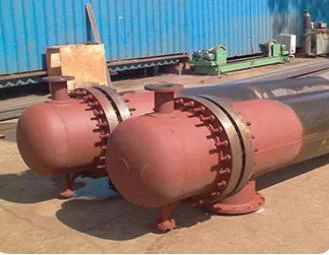
Shell and Tube Heat Exchangers
These are widely used for their robustness and ability to handle high pressures and temperatures, commonly found in chemical manufacturing.
Benefits and Advantages
Investing in Other Boilers and Heat Exchangers offers significant advantages to businesses.
1. Increased Energy Efficiency: These devices enhance heat transfer, leading to lower energy consumption and reduced utility costs.
2. Improved Operational Flexibility: Their versatility allows for use in various applications across different industries.
3. Cost Savings: Efficient operation translates to lower fuel costs and maintenance expenses over time.
4. Enhanced Productivity: Reliable heat transfer ensures processes run smoothly, minimizing downtime and maximizing output.
5. Compliance with Regulations: Many models meet industry standards, helping businesses adhere to safety and environmental regulations.
6. Customization Options: Manufacturers often provide tailored solutions to meet specific operational needs, enhancing overall effectiveness.
Buying Guide for B2B Buyers
When sourcing Other Boilers and Heat Exchangers, it is important to consider several key factors to ensure a suitable purchase.
1. Quality Assessment: Evaluate the quality of materials and manufacturing processes. Look for products that meet industry standards to ensure durability and reliability.
2. Supplier Verification: Conduct thorough checks on suppliers to ensure they have a strong reputation and provide reliable products. Verify certifications and customer reviews.
3. Pricing and MOQ: Analyze pricing structures and minimum order quantities to align with budget constraints and operational requirements.
4. Delivery and Lead Times: Consider logistics and the time required for delivery. Ensure that timelines fit within your project schedule.
5. Compliance Requirements: Understand the regulatory compliance needs specific to your industry. Ensure that the equipment meets all safety and environmental standards.
Compliance and Certifications
Compliance and certifications are crucial in ensuring the quality and safety of Other Boilers and Heat Exchangers.
ISO 9001 is a widely recognized quality management standard, indicating that a manufacturer has established effective quality control measures. This certification ensures that products consistently meet customer and regulatory requirements.
CE certification is also relevant as it signifies compliance with European health, safety, and environmental protection standards. It is essential for products sold within the European market.
Safety and testing requirements are paramount. Equipment must undergo rigorous testing to confirm its operational safety under specified conditions. This includes pressure tests and material integrity assessments.
Regional compliance considerations may vary. It is important to be aware of local regulations and standards that apply to the use of boilers and heat exchangers in different geographic areas.
Why Source Other Boilers & Heat Exchangers from Pepagora?
Pepagora offers a trusted platform for sourcing Other Boilers and Heat Exchangers, providing several advantages for buyers.
Verified Supplier Network: Pepagora connects buyers with a network of verified suppliers, ensuring that all vendors meet stringent quality and compliance standards. This reduces the risk of purchasing subpar equipment.
Streamlined RFQ Process: The platform features a user-friendly request for quotation (RFQ) system, allowing buyers to easily request and compare quotes from multiple suppliers. This simplifies the procurement process and enhances decision-making.
Trade Assurance and Support: Buyers benefit from trade assurance programs that protect their investments. Support services are available to assist throughout the purchasing journey, addressing any concerns that may arise.
Regional Coverage: Pepagora has a broad geographic reach, serving markets in India, the GCC, and Southeast Asia. This allows buyers to find local suppliers and streamline logistics, ensuring timely delivery and support.


Frequently Asked Questions
What are Other Boilers & Heat Exchangers?
Other Boilers & Heat Exchangers are essential equipment used in various industrial applications to transfer heat between two or more fluids. They play a critical role in processes such as heating, cooling, and energy recovery, ensuring efficient thermal management in systems.
What are the different types of Other Boilers & Heat Exchangers?
There are several types of Other Boilers & Heat Exchangers, including shell and tube heat exchangers, plate heat exchangers, finned tube heat exchangers, and more. Each type is designed for specific applications and operating conditions, catering to varying heat transfer needs.
How do I choose the right Other Boilers & Heat Exchangers?
Choosing the right Other Boilers & Heat Exchangers involves considering factors such as the type of fluids involved, temperature and pressure requirements, and the specific application. Additionally, it's essential to evaluate the efficiency, maintenance needs, and available space for installation.
What are the standard specifications for Other Boilers & Heat Exchangers?
Standard specifications for Other Boilers & Heat Exchangers typically include parameters like heat transfer area, design pressure and temperature, material of construction, and flow rates. These specifications ensure that the equipment meets industrial standards and operational requirements.
What is the price range for Other Boilers & Heat Exchangers?
The price range for Other Boilers & Heat Exchangers can vary significantly based on type, size, material, and manufacturer. Generally, prices can range from a few thousand to several lakhs of Indian Rupees, depending on the complexity and specifications of the equipment.
What quality standards apply to Other Boilers & Heat Exchangers?
Quality standards for Other Boilers & Heat Exchangers often include certifications like ASME, ISO, and API, ensuring that the equipment meets safety and performance criteria. Compliance with these standards is crucial for ensuring reliability and efficiency in industrial applications.
Where can I find Other Boilers & Heat Exchangers suppliers in India?
You can find Other Boilers & Heat Exchangers suppliers in India through various online B2B marketplaces, industrial directories, and trade exhibitions. Websites like Pepagora.com facilitate connections with reputable manufacturers and suppliers in the industry.
Can Other Boilers & Heat Exchangers be customized?
Yes, Other Boilers & Heat Exchangers can be customized based on specific requirements such as size, material, and performance characteristics. Many manufacturers offer customization options to meet unique industrial needs.
What is the typical minimum order quantity for Other Boilers & Heat Exchangers?
The typical minimum order quantity (MOQ) for Other Boilers & Heat Exchangers can vary by manufacturer, but it generally ranges from one unit to several units depending on the product type and complexity. It's advisable to check with specific suppliers for their MOQ policies.
What is the typical lead time for Other Boilers & Heat Exchangers?
The typical lead time for Other Boilers & Heat Exchangers can vary based on the supplier and the complexity of the order, ranging from a few weeks to several months. It's important to discuss lead times with suppliers to ensure timely delivery for your project needs.
Why Businesses Trust Pepagora
Thousands of companies trust Pepagora to source smarter and sell faster
Expand Your Sales Globally

Source Smarter,Grow Faster
