IN
IN₹
Description
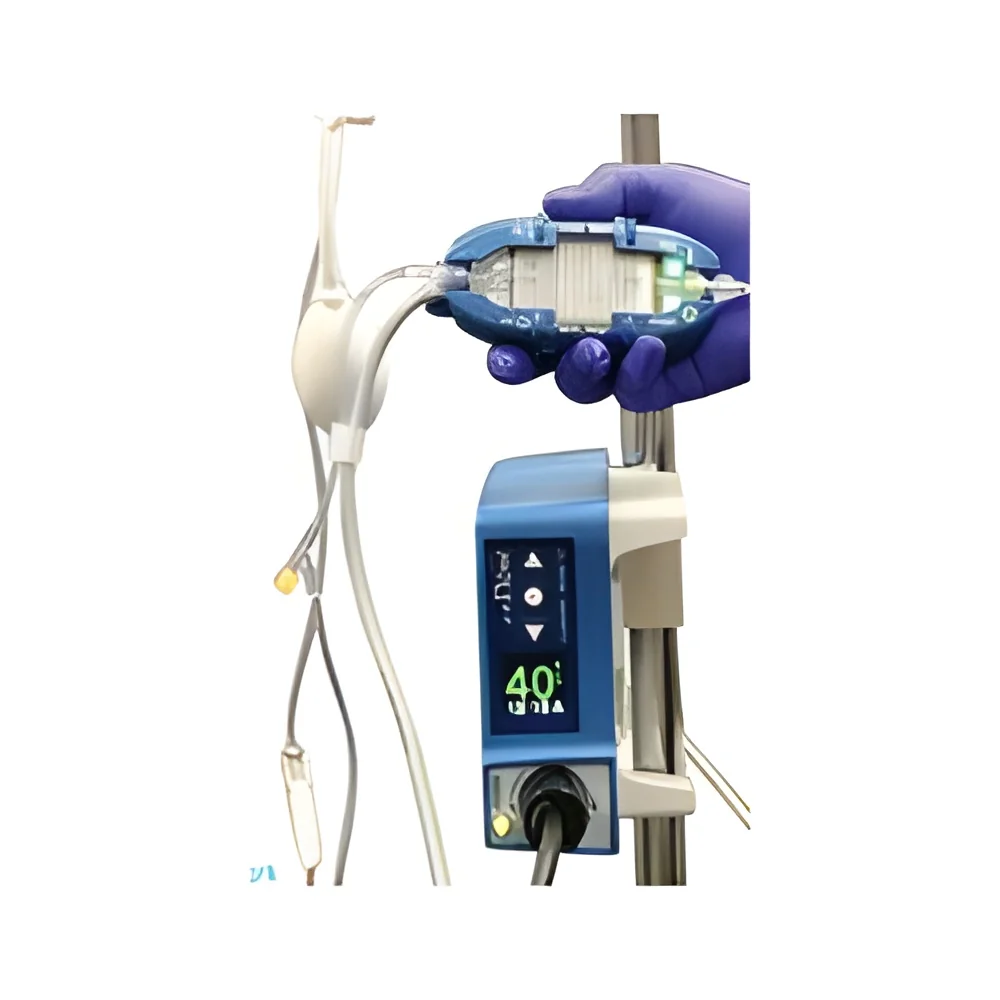
The EN Flow IV Fluid Warming System represents advanced medical technology designed to prevent hypothermia during procedures involving intravenous fluid administration. This system safely warms IV fluids to approximate body temperature before they enter the patient's bloodstream, effectively addressing the critical issue of heat loss that occurs when administering room-temperature or refrigerated fluids. Developed with healthcare professionals' input, the system features intuitive controls, multiple safety mechanisms, and full compatibility with standard IV equipment. It maintains patient normothermia throughout surgical interventions, emergency treatments, and critical care scenarios where substantial fluid volumes are required. The technology specifically counters the heat transfer that occurs when cold fluids enter the body, which can significantly reduce core temperature and compromise patient safety during medical procedures.

This warming system serves multiple healthcare sectors...
The EN Flow IV Fluid Warming System represents advanced medical technology designed to prevent hypothermia during procedures involving intravenous fluid administration. This system safely warms IV fluids to approximate body temperature before they enter the patient's bloodstream, effectively addressing the critical issue of heat loss that occurs when administering room-temperature or refrigerated fluids. Developed with healthcare professionals' input, the system features intuitive controls, multiple safety mechanisms, and full compatibility with standard IV equipment. It maintains patient normothermia throughout surgical interventions, emergency treatments, and critical care scenarios where substantial fluid volumes are required. The technology specifically counters the heat transfer that occurs when cold fluids enter the body, which can significantly reduce core temperature and compromise patient safety during medical procedures.

This warming system serves multiple healthcare sectors including hospital operating theaters, emergency departments, intensive care units, and ambulatory surgery centers. Surgical teams particularly value its contribution to maintaining patient temperature during lengthy procedures where anesthesia impairs natural thermoregulation. Emergency medicine specialists utilize the system for trauma patients requiring massive fluid resuscitation, while critical care teams deploy it for patients needing prolonged intravenous therapy. The technology also benefits obstetric departments during cesarean deliveries and postpartum care, where both mother and infant require careful temperature management. Veterinary hospitals have also adopted similar technology for surgical and emergency animal care, demonstrating the system's versatility across medical disciplines and settings.

The EN Flow system delivers significant value through improved patient outcomes and operational efficiency in healthcare environments. By preventing hypothermia-related complications, medical facilities can reduce postoperative infection rates, decrease recovery times, and minimize extended post-anesthesia care unit stays. The system's reliability ensures consistent performance during critical procedures, with built-in safety features that protect both patients and medical equipment. The robust construction ensures longevity even in high-use clinical environments, while the intuitive design reduces training time and operational errors. These factors combine to provide excellent return on investment through better patient outcomes, reduced complication rates, and more efficient clinical operations across various medical specialties and treatment scenarios.

Key Features:
- Precision temperature control maintaining fluids at optimal body temperature
- Full compatibility with standard IV sets and hospital equipment
- Built-in safety mechanisms including temperature monitoring and alarm systems
- User-friendly interface with clear displays and intuitive controls
- Durable construction designed for high-volume clinical environments

Benefits:
- Prevents procedure-related hypothermia and associated complications
- Enhances patient safety through consistent temperature regulation
- Reduces recovery time and postoperative infection risks
- Integrates easily into existing clinical workflows and equipment
- Provides reliable performance in high-demand medical settings
Specifications
| Additional Information | |
|---|---|
| Country of Origin | India |
Application
EN Flow IV Fluid Warming Systems are essential medical devices that maintain patient normothermia during surgical procedures and emergency treatments. These systems safely warm intravenous fluids to body temperature before administration, preventing the dangerous core temperature drop that can occur during extended operations or critical care situations. The technology proves particularly valuable when large volumes of cold fluids must be administered rapidly, such as during trauma resuscitation or massive transfusion protocols.
Healthcare facilities across multiple specialties rely on these warming systems for consistent performance and patient safety. The devices integrate seamlessly into clinical workflows with user-friendly interfaces and compatibility with standard IV equipment. Operating rooms, emergency departments, and intensive care units utilize this technology to maintain thermal stability in patients undergoing various medical interventions. The systems support improved clinical outcomes through effective temperature management in diverse healthcare settings.
- Operating rooms during extended surgical procedures requiring fluid administration
- Emergency departments for trauma patients receiving rapid fluid resuscitation
- Intensive care units for critically ill patients requiring continuous fluid therapy
- Labor and delivery suites for cesarean sections and postpartum care
- Ambulatory surgical centers for outpatient procedures involving IV fluids
Trade Details
| Available Stock | In Stock |
| Sample Availability | No |
Payment Terms
| Payment Terms |
|
Company Profile
Abdura Systems, Punjab
 Punjab, India
Punjab, IndiaHealth & Personal Care•Trading Company•Distributor / Wholesaler
Factory Details
Factory SizeBelow 1000 sqm
Annual Production Capacity0
Main Markets
South Asia
EN Flow IV Fluid Warming Systems For Surgery And Emergency Care
EN Flow IV Fluid Warming Systems prevent hypothermia during surgery and emergency care with reliable temperature regulation. Trusted by hospitals for patient safety and compatible with standard medical equipment.
Min. Order Quantity: 1 unit
Shipping
Shipping fee and delivery date to be negotiated. Contact supplier now for more details.
Abdura Systems
 Punjab, India
Punjab, IndiaHealth & Personal CareTrading Company