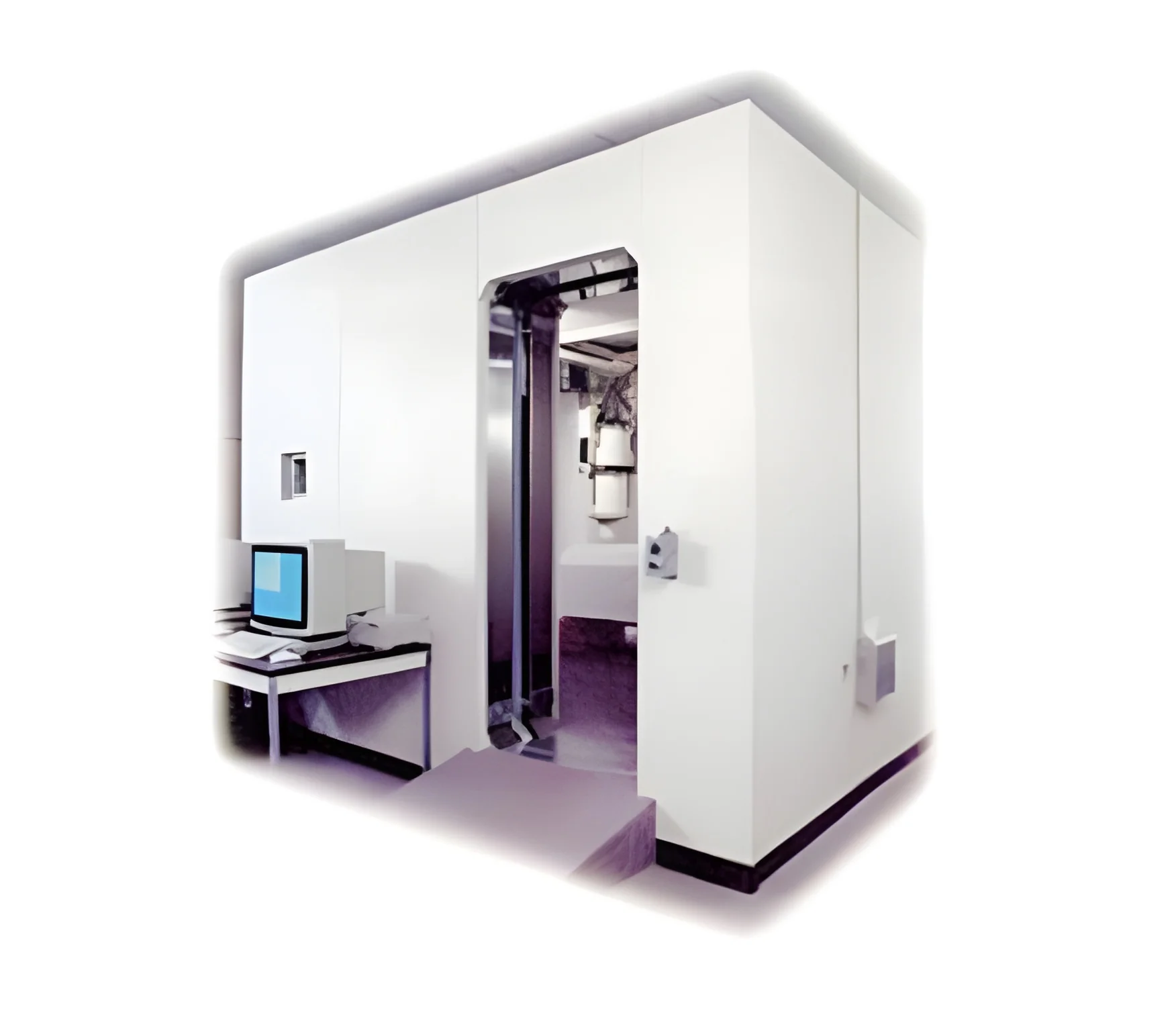
What are MRI Scanners?
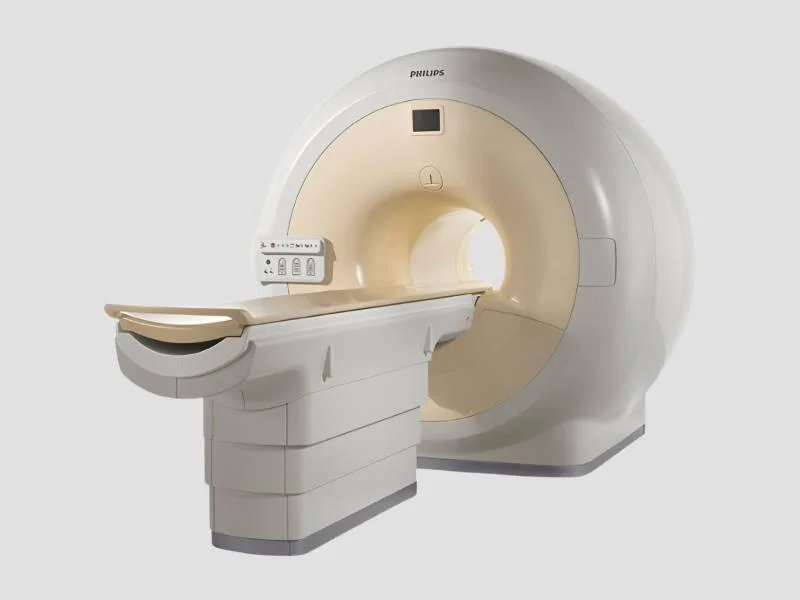
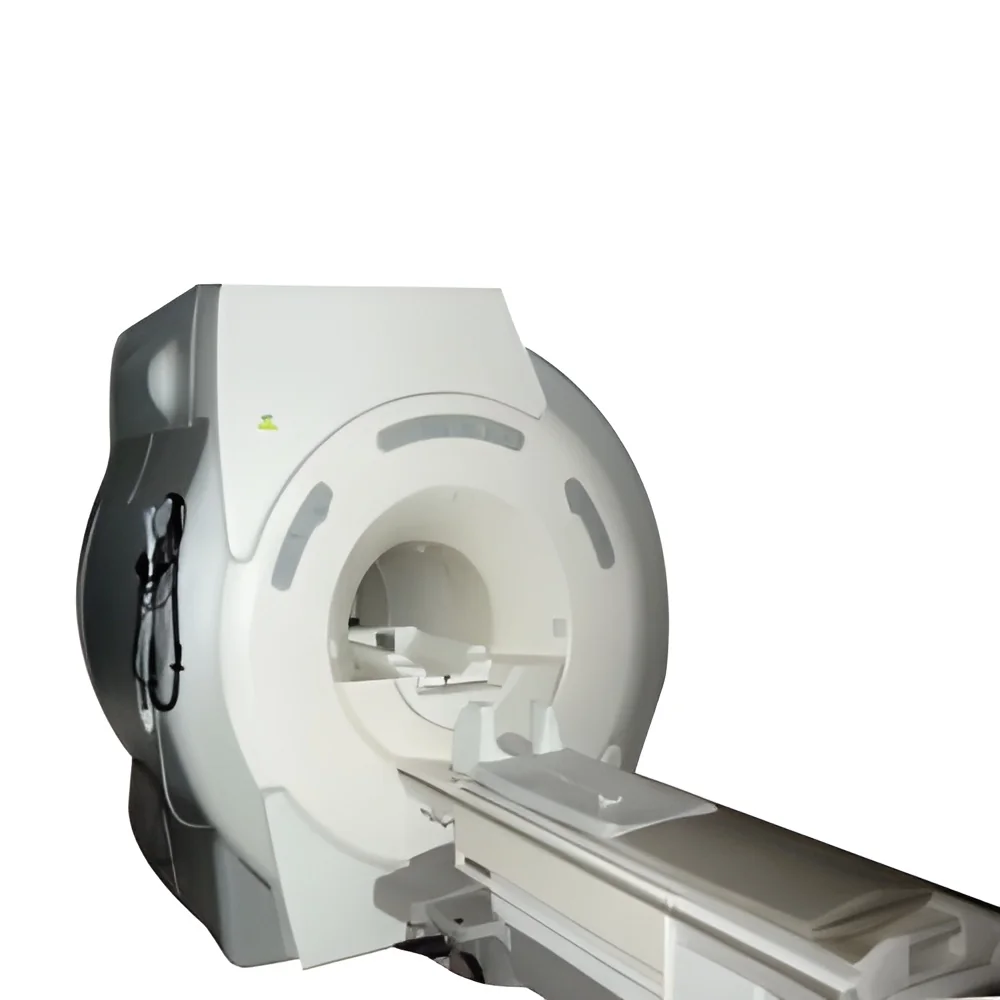
MRI scanners, or Magnetic Resonance Imaging scanners, are advanced medical imaging devices that utilize strong magnetic fields and radio waves to produce detailed images of the internal structures of the body. Unlike X-rays or CT scans, MRI does not involve ionizing radiation, making it a safer option for patients. The technology is based on the principles of nuclear magnetic resonance, where hydrogen atoms in the body respond to magnetic fields and radio frequency pulses, providing high-resolution images that aid in diagnostics.
These scanners are primarily used in healthcare settings to diagnose various conditions, including neurological disorders, musculoskeletal injuries, and certain types of cancers. Hospitals and specialized imaging centers rely on MRI scanners for their ability to provide clear and precise images, which are essential for accurate diagnosis and treatment planning. The relevance of MRI technology in the medical field is significant, as it continues to evolve with advancements in imaging techniques and software, thus expanding its applications in both clinical and research settings.
Key Features and Specifications
MRI scanners are equipped with several features that enhance their functionality and diagnostic capabilities. Key specifications vary based on the model and manufacturer but generally include information on imaging capabilities, technical performance, and operational requirements.
Key specifications include:
1. Imaging Strength
- Magnetic field strength typically ranges from 1.5 Tesla to 3.0 Tesla.
- Higher Tesla ratings provide enhanced image quality and resolution.
2. Imaging Techniques
- Supports various imaging modalities such as T1, T2-weighted imaging, and diffusion imaging.
- Enables advanced imaging techniques including functional MRI (fMRI) and magnetic resonance angiography (MRA).
3. Patient Comfort Features
- Noise reduction technology to minimize auditory discomfort.
- Larger bore sizes for increased patient comfort and ease of access.
4. Software Capabilities
- Advanced software for image processing and analysis.
- Integration with PACS (Picture Archiving and Communication System) for efficient image management.
5. Operational Efficiency
- Fast scanning times, typically ranging from 15 to 30 minutes.
- Automated patient positioning systems for enhanced workflow.
6. Safety Features
- Emergency stop buttons and patient monitoring systems.
- Compliance with safety standards to prevent hazards related to magnetic fields.
In summary, MRI scanners are highly sophisticated machines designed to provide superior imaging capabilities while ensuring patient safety and comfort.
Common Applications and Use Cases
MRI scanners serve a wide range of industries beyond traditional healthcare settings. Their versatile applications are critical in various fields.
1. Healthcare: MRI is extensively used for diagnosing conditions related to the brain, spine, joints, and soft tissues. It is invaluable in identifying tumors, stroke, and degenerative diseases.
2. Research: In academic and clinical research, MRI scanners facilitate studies on brain function and development, enhancing our understanding of neurological diseases and disorders.
3. Veterinary Medicine: MRI is increasingly used in veterinary practices to diagnose musculoskeletal and neurological conditions in animals, providing precise imaging to aid in treatment.
4. Sports Medicine: MRI plays a crucial role in sports medicine by diagnosing injuries in athletes, including tears and strains in ligaments and tendons.
5. Oncology: In cancer treatment planning, MRI scanners help in assessing tumor size, location, and response to therapies, guiding oncologists in tailored treatment approaches.
6. Orthopedics: MRI is essential for evaluating joint and bone disorders, offering detailed images that assist orthopedic surgeons in pre-operative planning.
7. Cardiology: Cardiac MRI is employed to assess heart function and structure, providing critical information for diagnosing cardiovascular diseases.
Product Variants and Subcategories
MRI scanners come in various configurations to meet specific needs in medical imaging. Understanding these variants is crucial for selecting the right equipment.
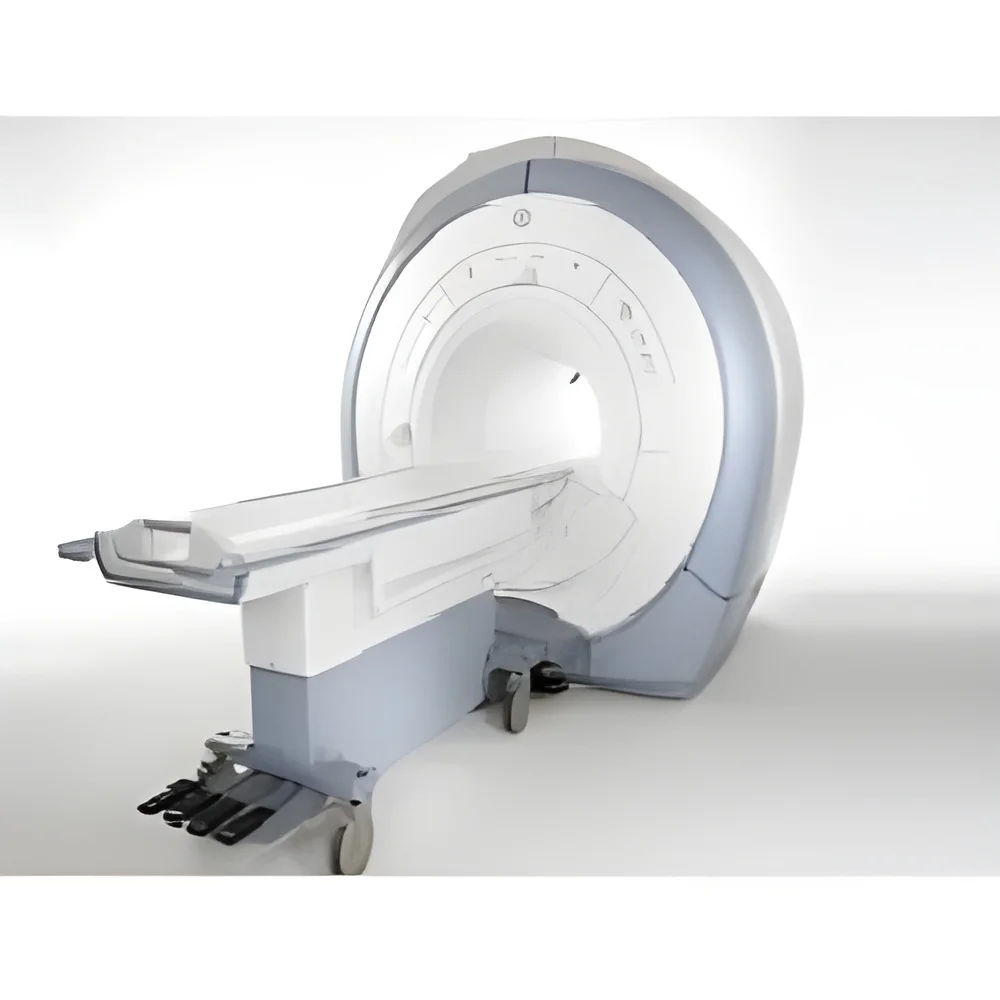
Closed MRI Scanner
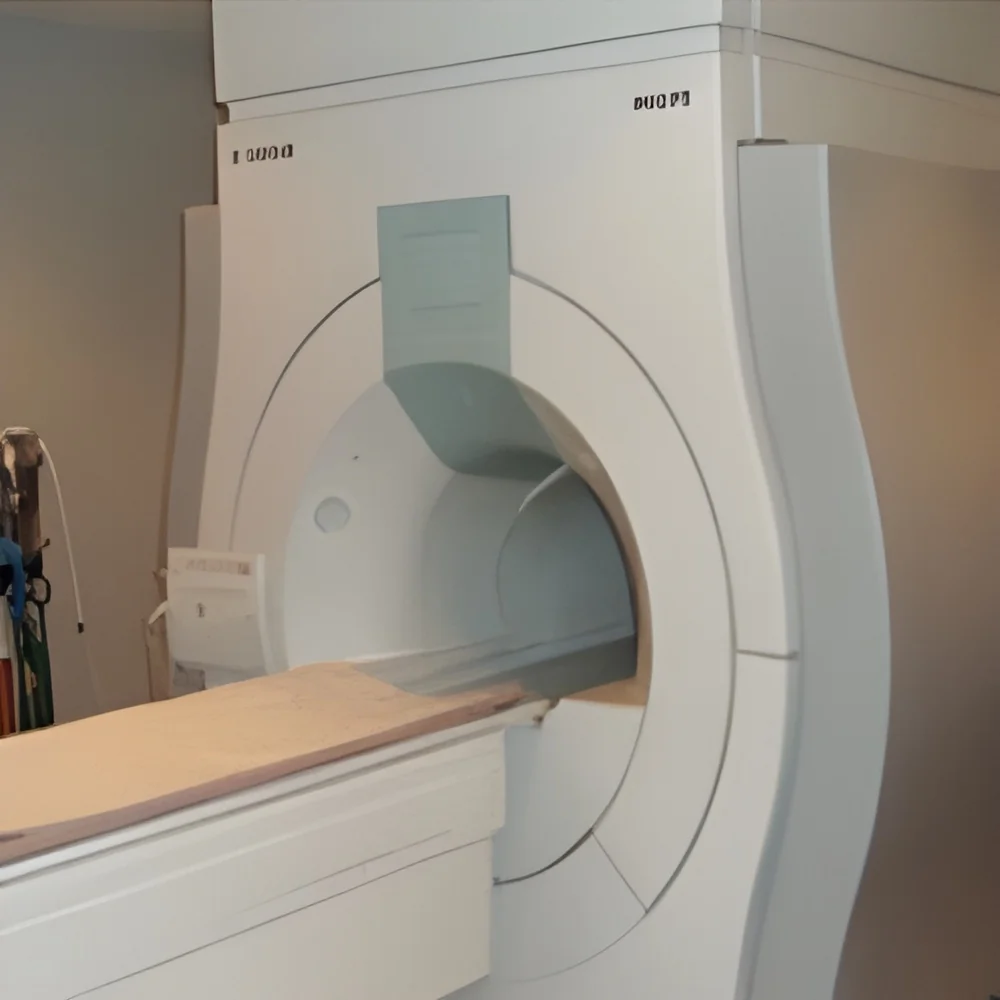
This variant features a cylindrical design that provides high-quality images and is ideal for diagnostic purposes. It is widely used in hospitals and imaging centers for its superior resolution.
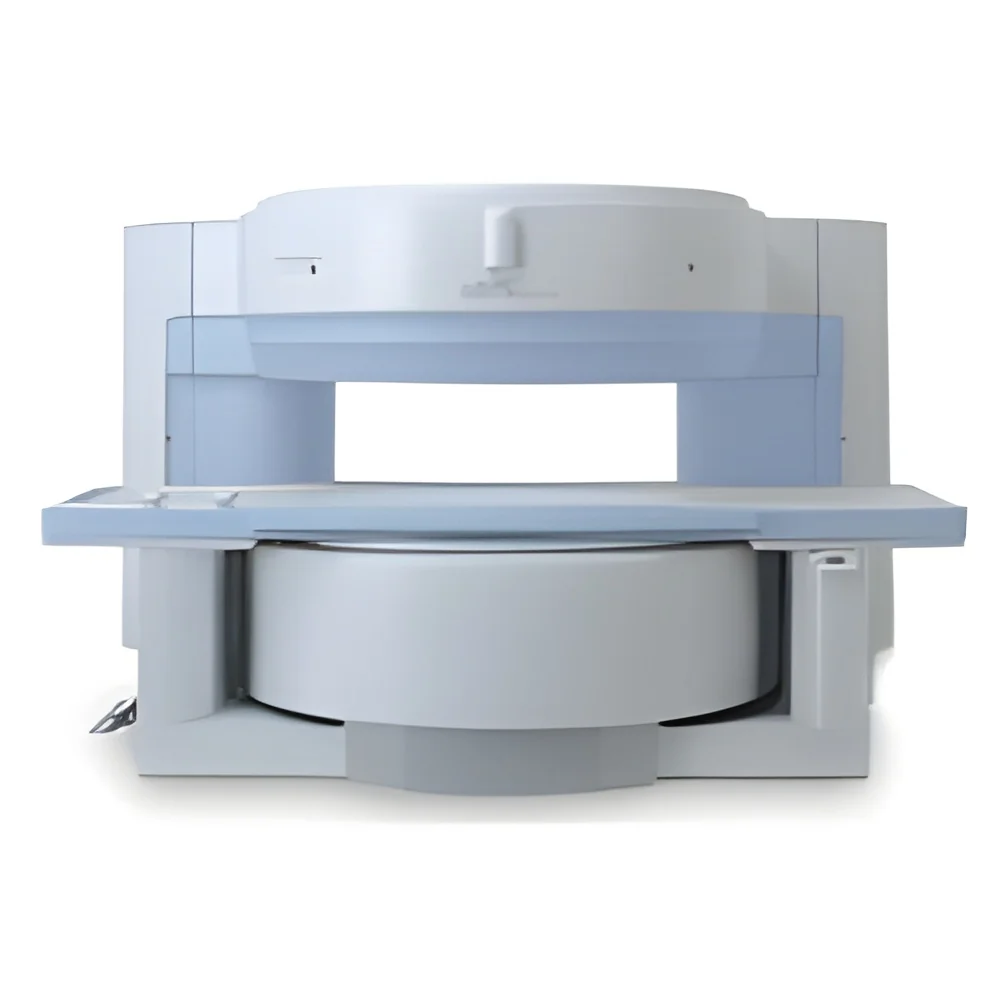
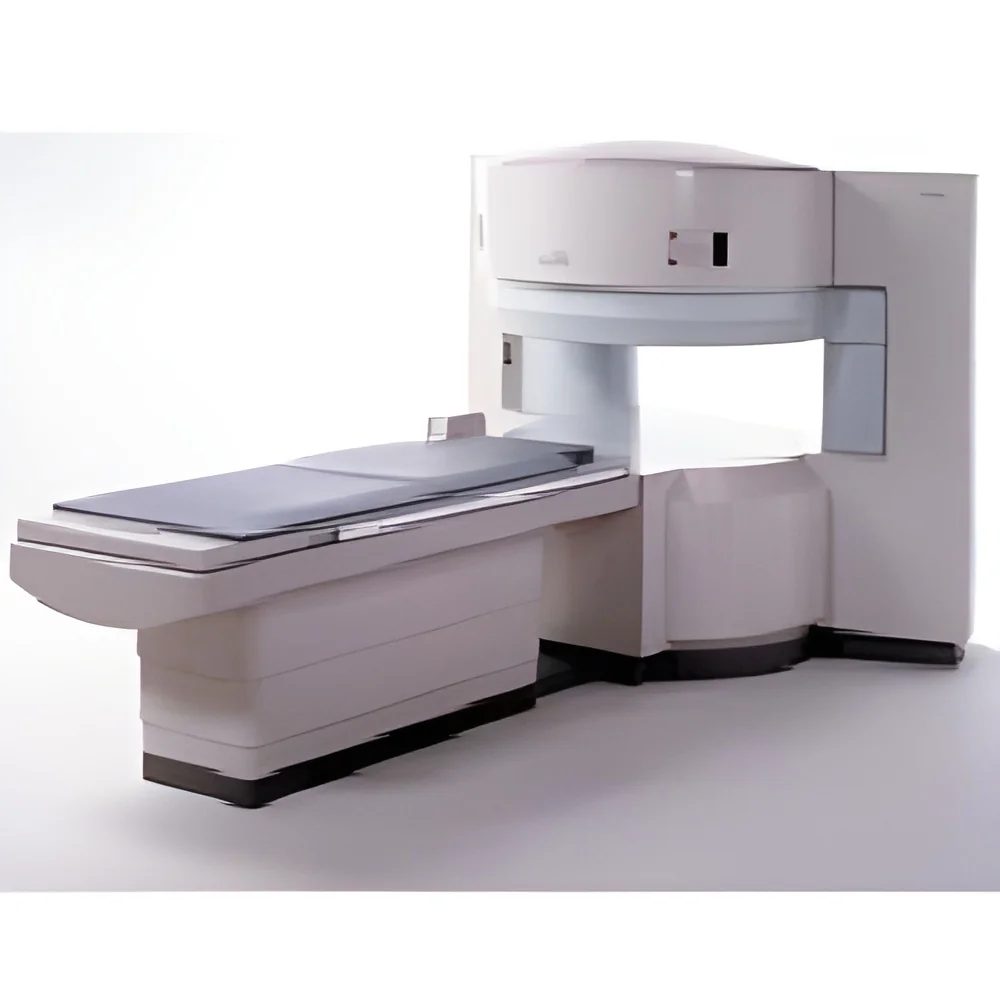
Open MRI Scanner
An open design offers a more comfortable experience for patients who may experience anxiety in closed spaces. While generally having lower image quality, it is beneficial for specific patient populations.
Functional MRI (fMRI)
This specialized scanner measures brain activity by detecting changes in blood flow, making it invaluable in research settings and neurological assessments.
Benefits and Advantages
Investing in MRI scanners offers numerous advantages for healthcare providers and facilities.
Key benefits include:
1. Enhanced Diagnostic Accuracy: MRI provides high-resolution images, allowing for more accurate diagnoses and better treatment planning.
2. Non-Invasive Procedure: As a non-ionizing imaging technique, MRI is safer for patients, reducing concerns associated with radiation exposure.
3. Versatility: MRI scanners can perform a wide range of imaging modalities, making them suitable for various clinical applications.
4. Early Detection: The detailed images produced by MRI enhance the ability to detect conditions at an early stage, improving patient outcomes.
5. Improved Patient Comfort: Innovations in design and technology have led to quieter and more spacious scanners, enhancing the patient experience.
6. Comprehensive Imaging: MRI is particularly effective in imaging soft tissues, making it invaluable in oncology, neurology, and musculoskeletal disorders.
Buying Guide for B2B Buyers
When sourcing MRI scanners for your facility, several critical factors should be considered to ensure you make an informed decision.
1. Quality Assessment: Verify the quality of the MRI scanner by reviewing performance metrics and customer feedback. Look for models that meet industry standards for imaging quality.
2. Supplier Verification: Vet suppliers thoroughly to ensure they offer reliable products and support. Check for certifications and customer references.
3. Pricing and MOQ: Consider the cost of the scanner and compare it with competitors. Be aware of minimum order quantities and budget accordingly.
4. Delivery and Lead Times: Discuss delivery schedules with suppliers to understand lead times. Timely delivery is essential to meet operational needs.
5. Compliance Requirements: Ensure that the MRI scanner complies with local and international regulations. This includes safety standards and certification requirements.
Compliance and Certifications
MRI scanners must adhere to various quality and safety standards to ensure they are safe and effective in clinical use. One of the primary standards is ISO 9001, which focuses on quality management systems. Compliance with this standard indicates that manufacturers follow rigorous processes to ensure product quality.
Additionally, MRI scanners often hold CE certification, which signifies that they meet European health, safety, and environmental protection standards. This certification is crucial for manufacturers targeting markets in Europe and other regions that recognize CE marking.
Safety and testing requirements for MRI scanners include rigorous evaluations to ensure that they do not pose risks to patients or operators. Manufacturers must conduct extensive testing to validate the safety of the magnetic field and radiofrequency exposure.
Regional compliance considerations are important as well. Different countries may have specific regulations governing medical devices. Understanding these regulations can help ensure that the MRI scanner can be used legally and safely in your region.
Why Source MRI Scanners from Pepagora?
Pepagora provides a trusted platform for sourcing MRI scanners with several key advantages.
Verified Supplier Network: Every supplier on Pepagora undergoes a thorough verification process to ensure they meet stringent quality and reliability standards. This gives buyers confidence in the products they are purchasing.
Streamlined RFQ Process: Pepagora offers a user-friendly request for quotation (RFQ) system that simplifies the sourcing process. Buyers can easily compare offers from multiple suppliers, allowing for informed decision-making.
Trade Assurance and Support: The platform provides trade assurance to protect buyers against risks associated with online purchases. This includes support throughout the procurement process, ensuring a smooth transaction.
Regional Coverage: Pepagora has a significant presence across key regions, including India, the GCC, and Southeast Asia. This geographical reach allows buyers to source MRI scanners that meet local needs and regulations effectively.
By choosing Pepagora, buyers can benefit from a comprehensive sourcing experience tailored to their specific requirements in the medical imaging sector.

 IN
IN

 India
India