IN
IN₹
Apparel & Fashion
Description
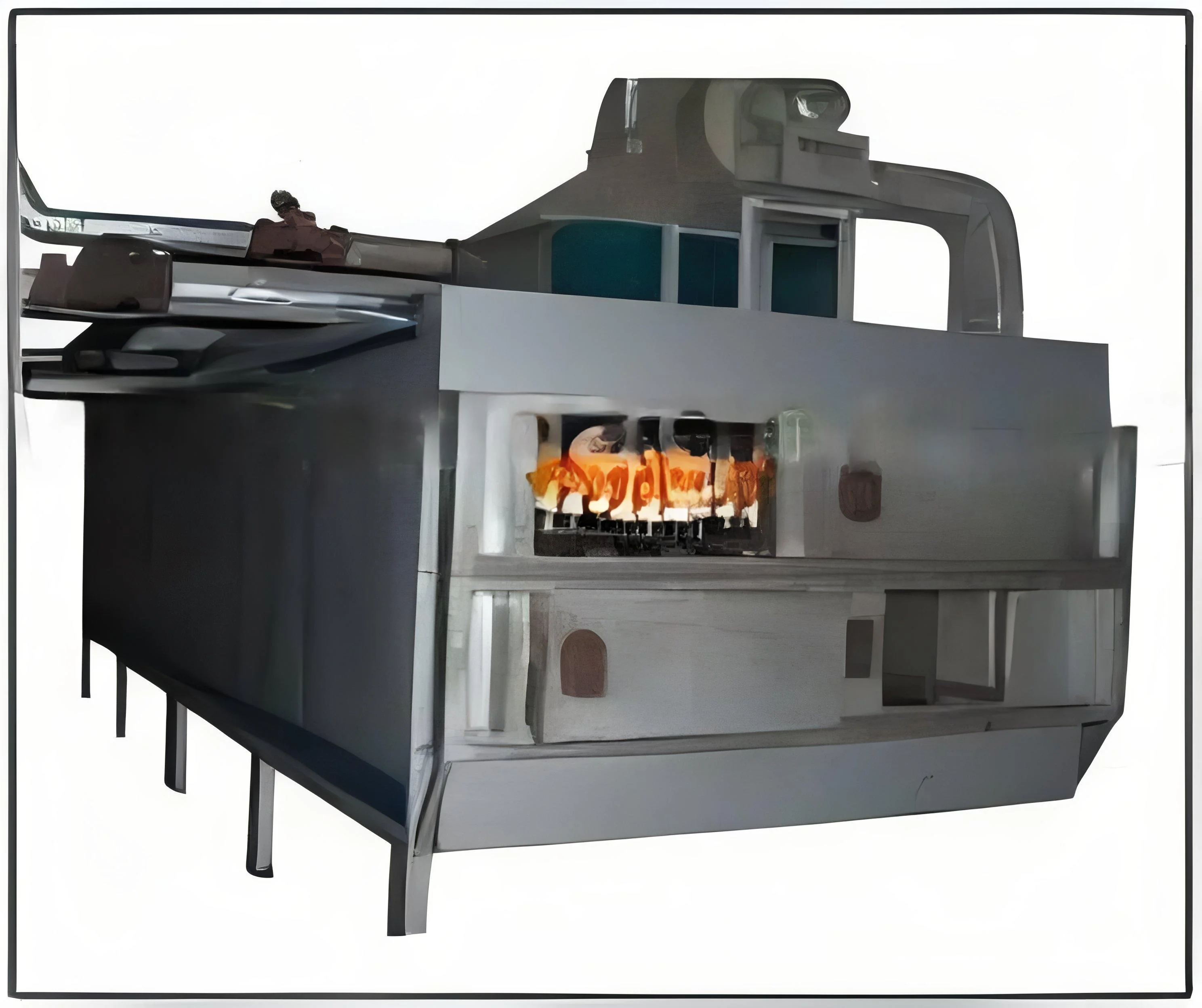
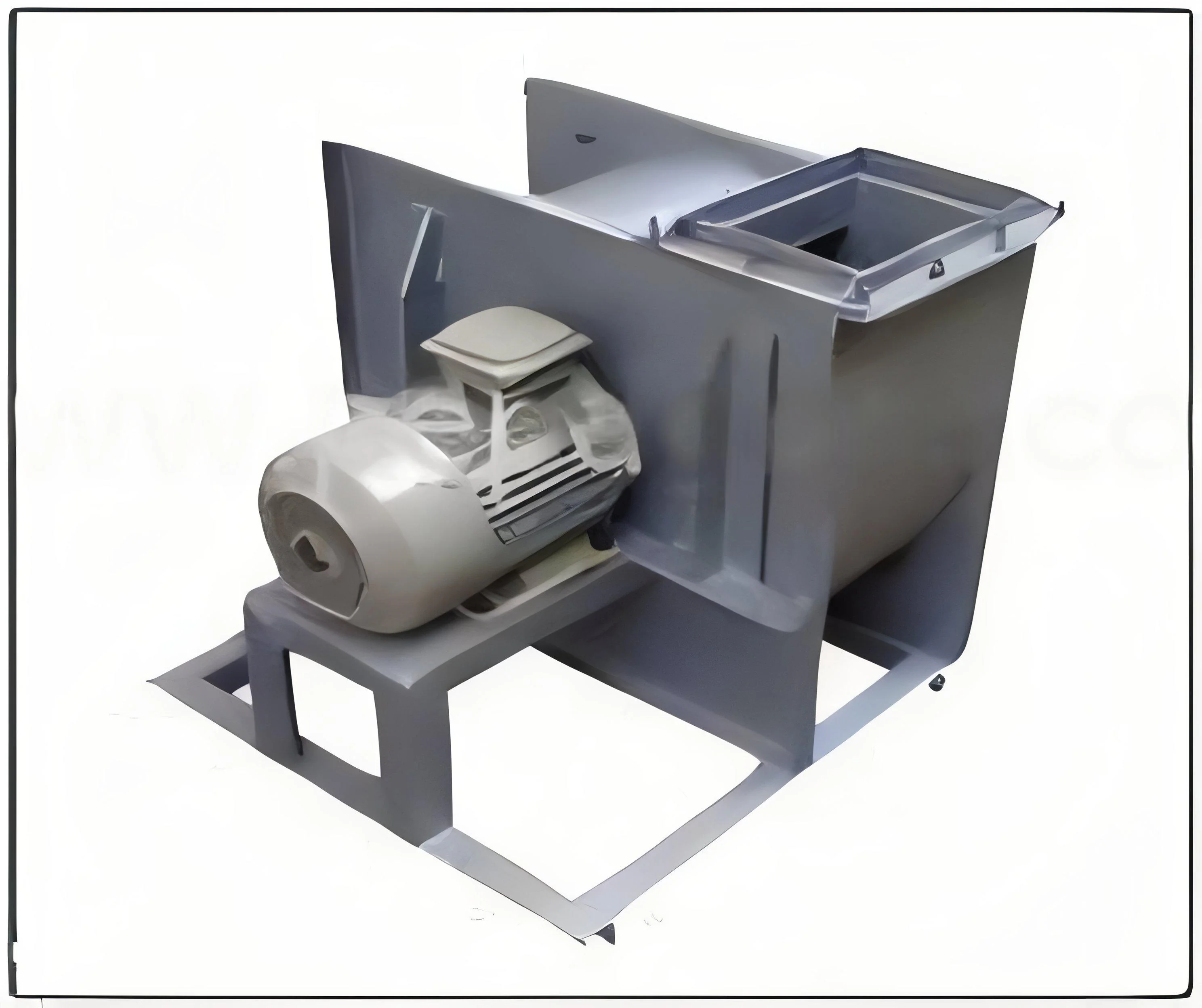
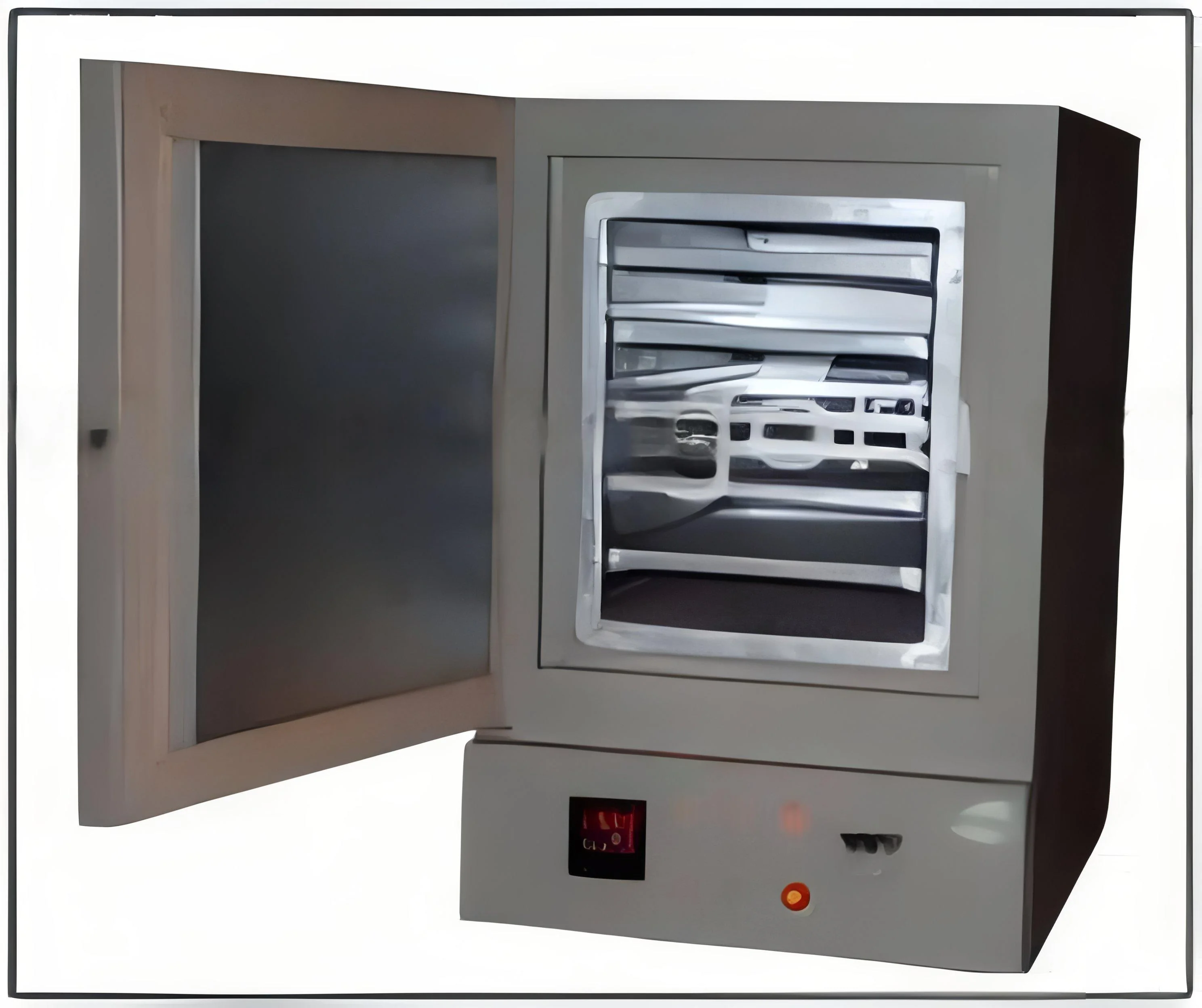
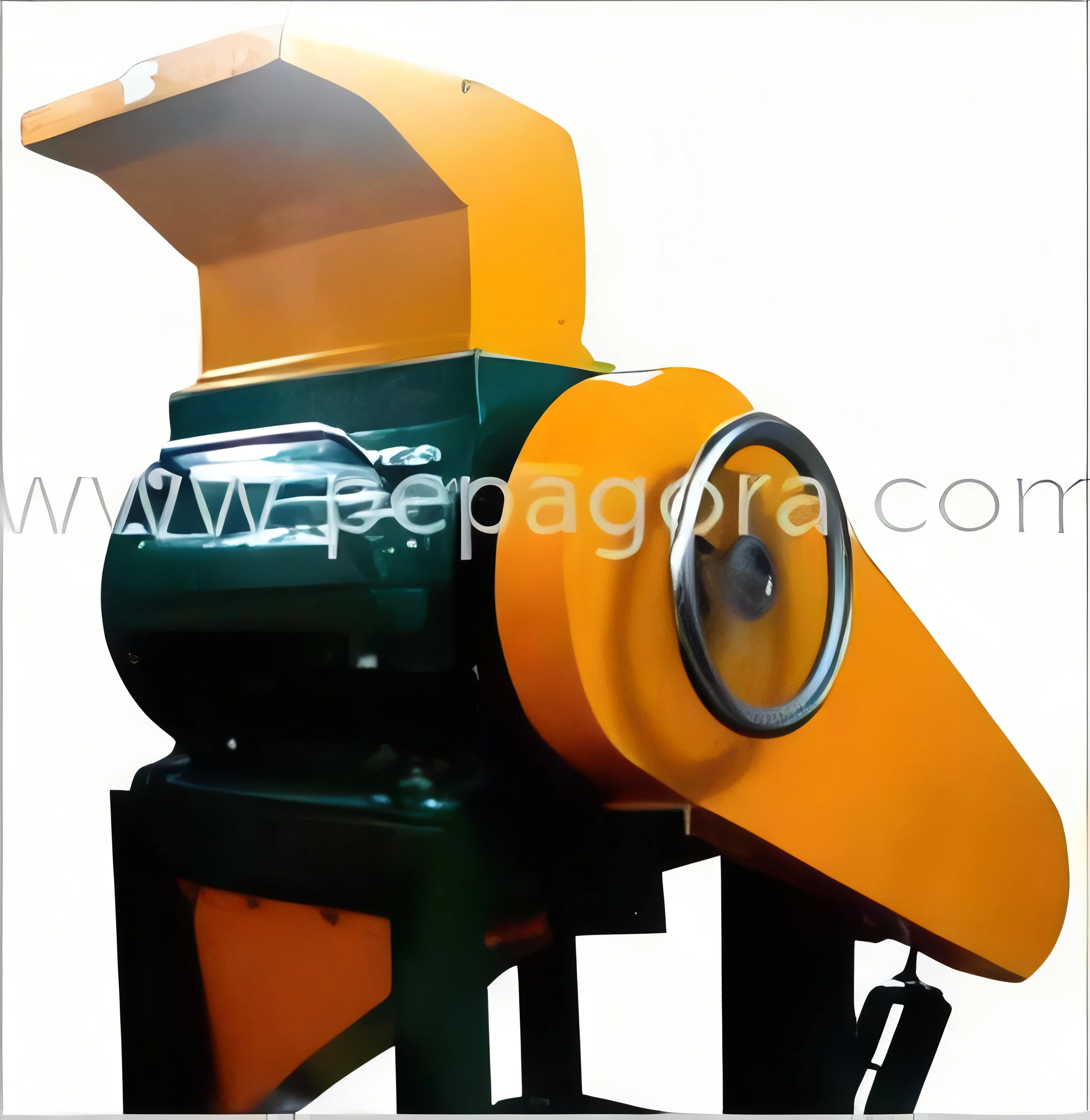
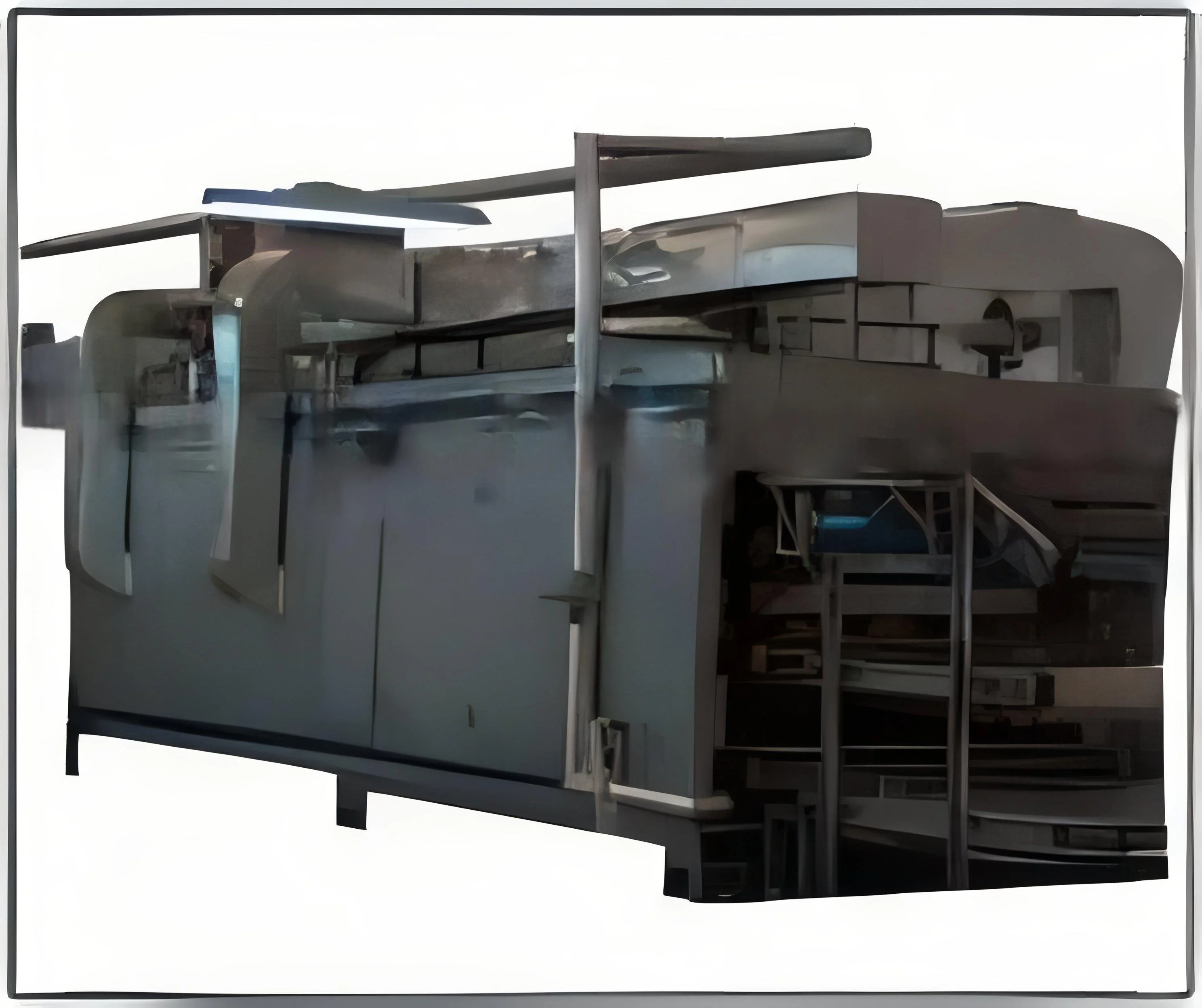
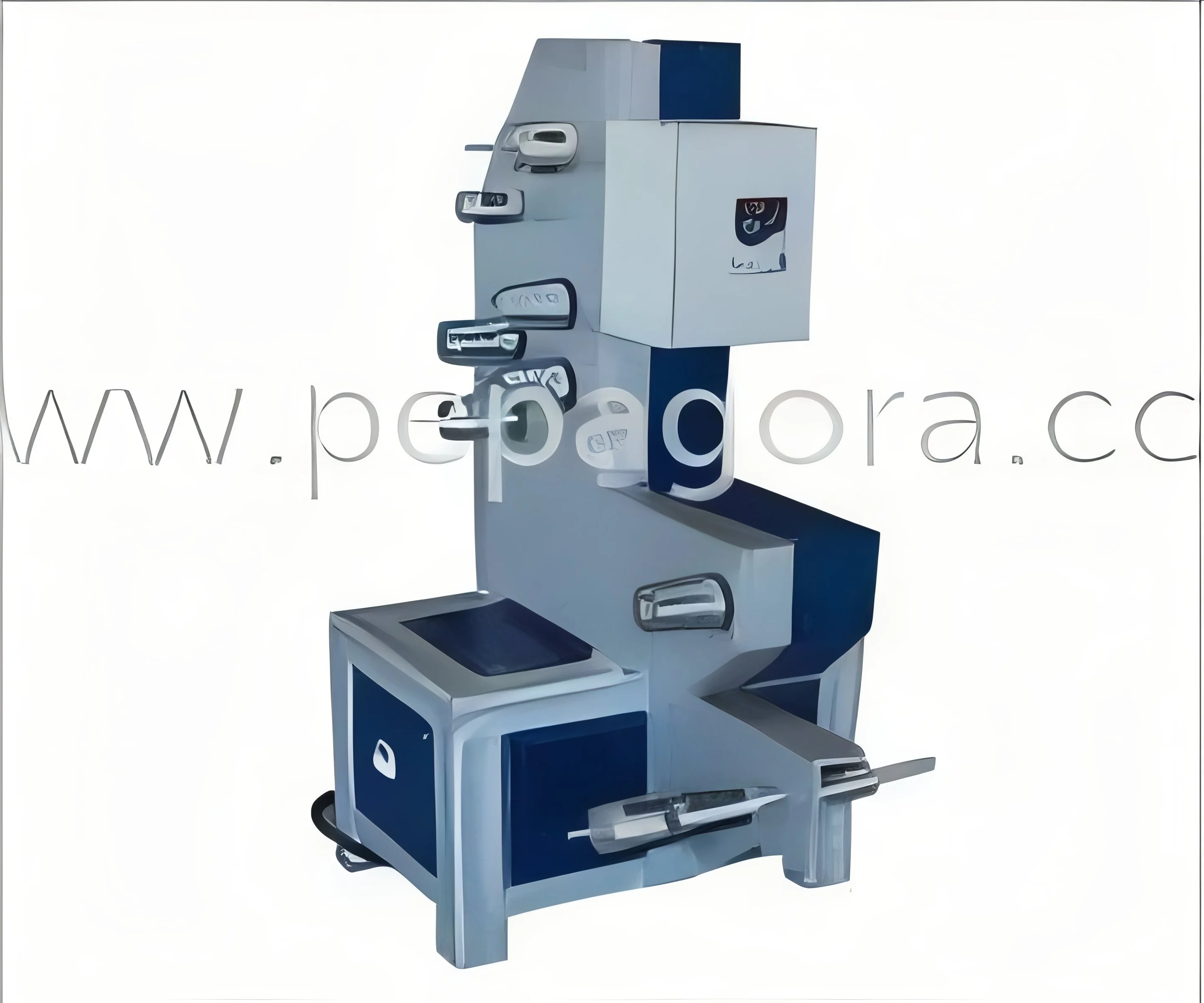
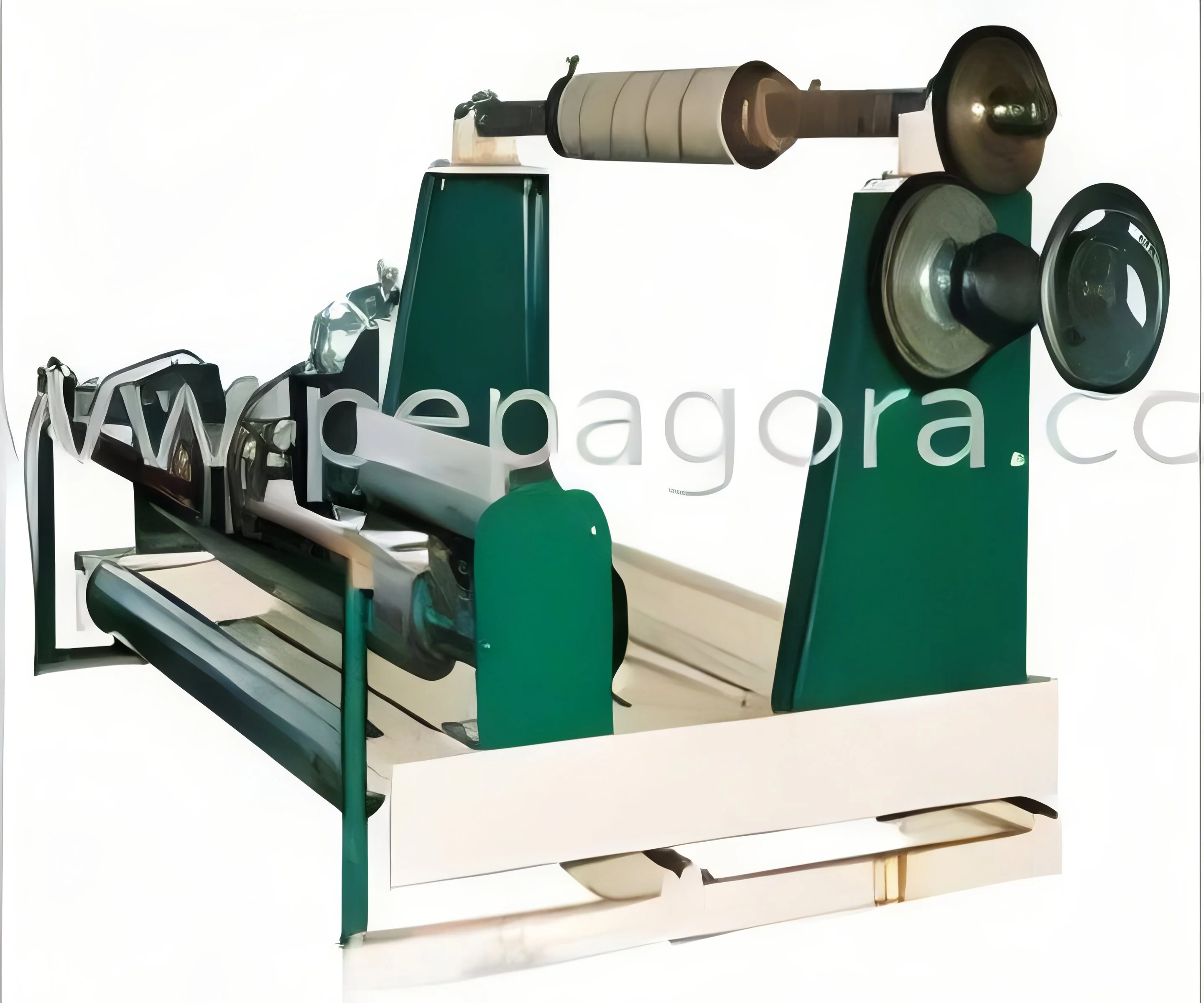
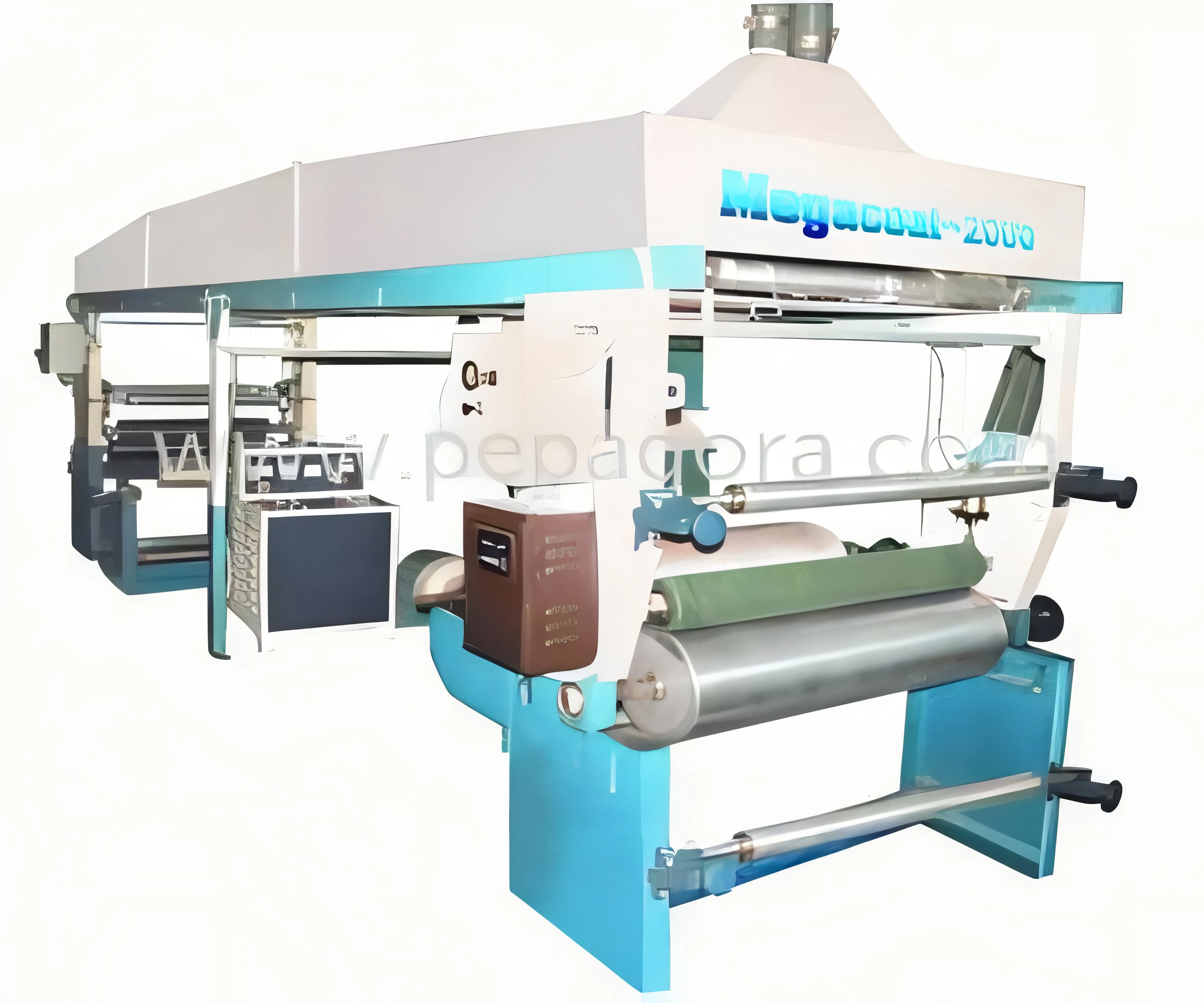
Our industrial coating lamination machines represent advanced engineering solutions designed for precision material enhancement across multiple sectors. These systems excel in applying uniform coatings and laminates to various substrates including plastics, textiles, papers, and non-woven materials. Built with precision components and sophisticated control systems, they ensure consistent results across production batches. The machines accommodate different material characteristics and production requirements through adjustable parameters including coating thickness, drying configurations, and web handling speeds. This operational flexibility makes them suitable for both high-volume manufacturing and specialized production runs, providing reliable performance in diverse industrial coating and laminating applications.

These machines serve critical functions across packaging, automotive, textile, printing, and construction industries. Packaging manufacturers utilize them to create protec...
Our industrial coating lamination machines represent advanced engineering solutions designed for precision material enhancement across multiple sectors. These systems excel in applying uniform coatings and laminates to various substrates including plastics, textiles, papers, and non-woven materials. Built with precision components and sophisticated control systems, they ensure consistent results across production batches. The machines accommodate different material characteristics and production requirements through adjustable parameters including coating thickness, drying configurations, and web handling speeds. This operational flexibility makes them suitable for both high-volume manufacturing and specialized production runs, providing reliable performance in diverse industrial coating and laminating applications.

These machines serve critical functions across packaging, automotive, textile, printing, and construction industries. Packaging manufacturers utilize them to create protective barrier coatings that safeguard food, pharmaceuticals, and consumer products from environmental factors. Automotive suppliers rely on these systems for producing laminated interior components and noise-reduction materials. The textile industry employs coating lamination technology to apply waterproof, fire-retardant, and decorative finishes on fabrics for apparel and technical applications. Printing companies use these machines to enhance the durability and visual appeal of books, promotional materials, and packaging, while construction manufacturers apply functional coatings to building materials for improved performance and longevity.

Investing in our coating lamination technology delivers substantial business value through enhanced product quality, reduced operational costs, and increased production efficiency. These machines are engineered for reliability with robust construction and minimal maintenance requirements, ensuring continuous operation and rapid return on investment. Their versatility in handling multiple materials and applications reduces the need for specialized equipment, optimizing capital expenditure. The precision control systems minimize material waste while maintaining consistent output quality, contributing to sustainable manufacturing practices. With durable components and user-friendly operation, these machines support long-term operational excellence and competitive advantage in demanding industrial environments.

Key Features:
- Precision coating application systems for uniform thickness control and consistent results
- Robust construction using high-quality components for extended service life and reliability
- Advanced control interfaces with automated settings for operational simplicity and efficiency
- Flexible configuration options accommodating various substrate types and production requirements
- High-speed operation capabilities with precise web handling for optimal production output

Benefits:
- Enhanced product quality through consistent coating application and laminate bonding
- Reduced operational costs via efficient material usage and minimal waste generation
- Increased production capacity with high-speed operation and reliable performance
- Operational flexibility supporting diverse material types and application requirements
- Long-term reliability with durable construction and minimal maintenance needs
Specifications
| Additional Information | |
|---|---|
| Country of Origin | India |
Application
Our coating lamination machines handle diverse materials including films, fabrics, and papers with consistent precision. They deliver high-speed performance for demanding production environments while maintaining uniform coating thickness and strong laminate bonding across various substrate types. These robust systems integrate seamlessly into existing production lines while offering operational flexibility for different material requirements and production volumes.
Industries rely on these machines to enhance material properties such as durability, water resistance, and visual appeal. From flexible packaging to technical textiles, they provide flawless laminating and coating results that improve product functionality and market appeal. The machines support businesses in achieving superior finishes while maintaining production efficiency and reducing material waste through precise application control.
- Applying protective barrier coatings on food and pharmaceutical packaging materials to extend product shelf life
- Laminating decorative surfaces onto furniture and interior components for enhanced aesthetics and durability
- Manufacturing waterproof and tear-resistant technical textiles for outdoor equipment and protective gear
- Producing high-quality finishes on printed materials including book covers and promotional items
- Coating industrial components with functional layers for electrical insulation and corrosion protection
Trade Details
| Available Stock | In Stock |
| Sample Availability | No |
Payment Terms
| Payment Terms |
|
Company Profile
Lamachinotech, West Bengal
 West Bengal, India
West Bengal, IndiaIndustrial Equipment & Machinery•Manufacturer•Distributor / Wholesaler
Factory Details
Factory SizeBelow 1000 sqm
Annual Production Capacity0
Coating Lamination Machines For Industrial Applications
Premium coating lamination machines deliver reliable performance and superior quality for industrial coating and laminating applications across packaging, textiles, and printing sectors. Trusted by global manufacturers for precision results.
Min. Order Quantity: 1 unit
Shipping
Shipping fee and delivery date to be negotiated. Contact supplier now for more details.
Lamachinotech
 West Bengal, India
West Bengal, IndiaIndustrial Equipment & MachineryManufacturer