IN
IN₹
Apparel & Fashion
Description
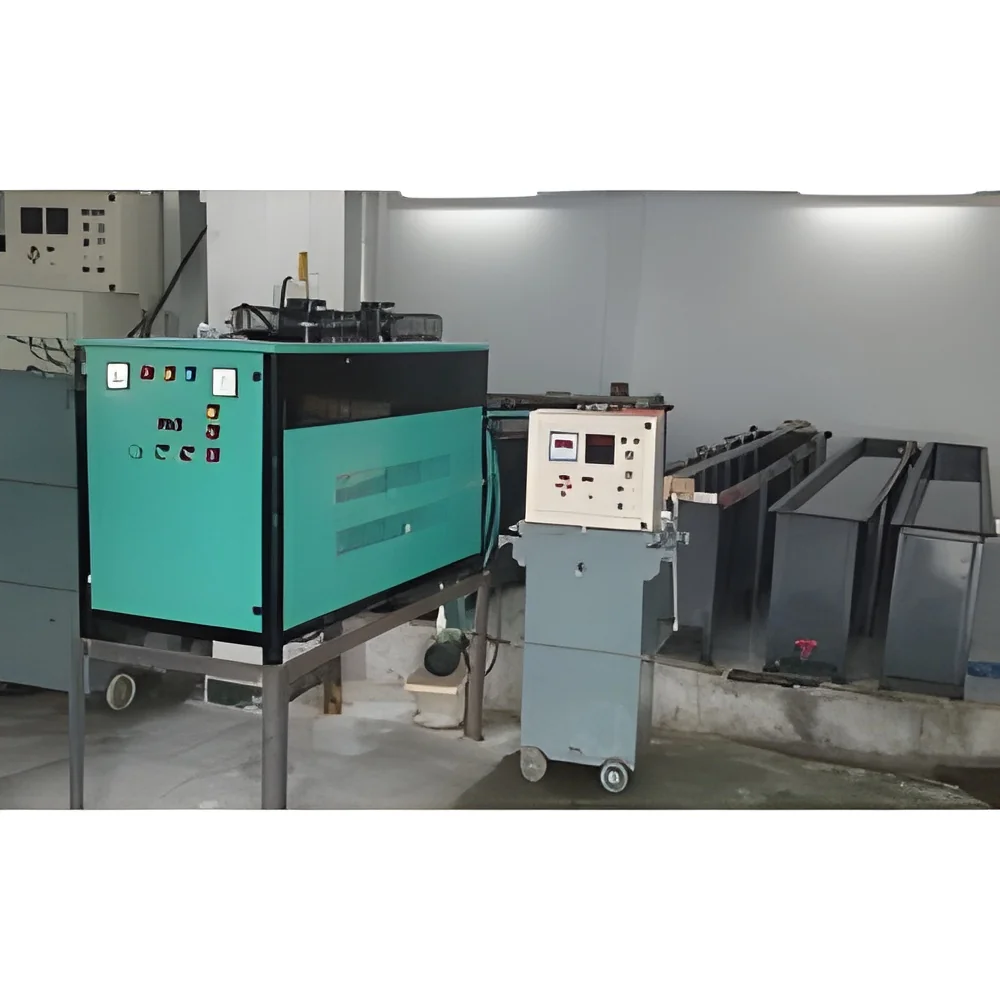
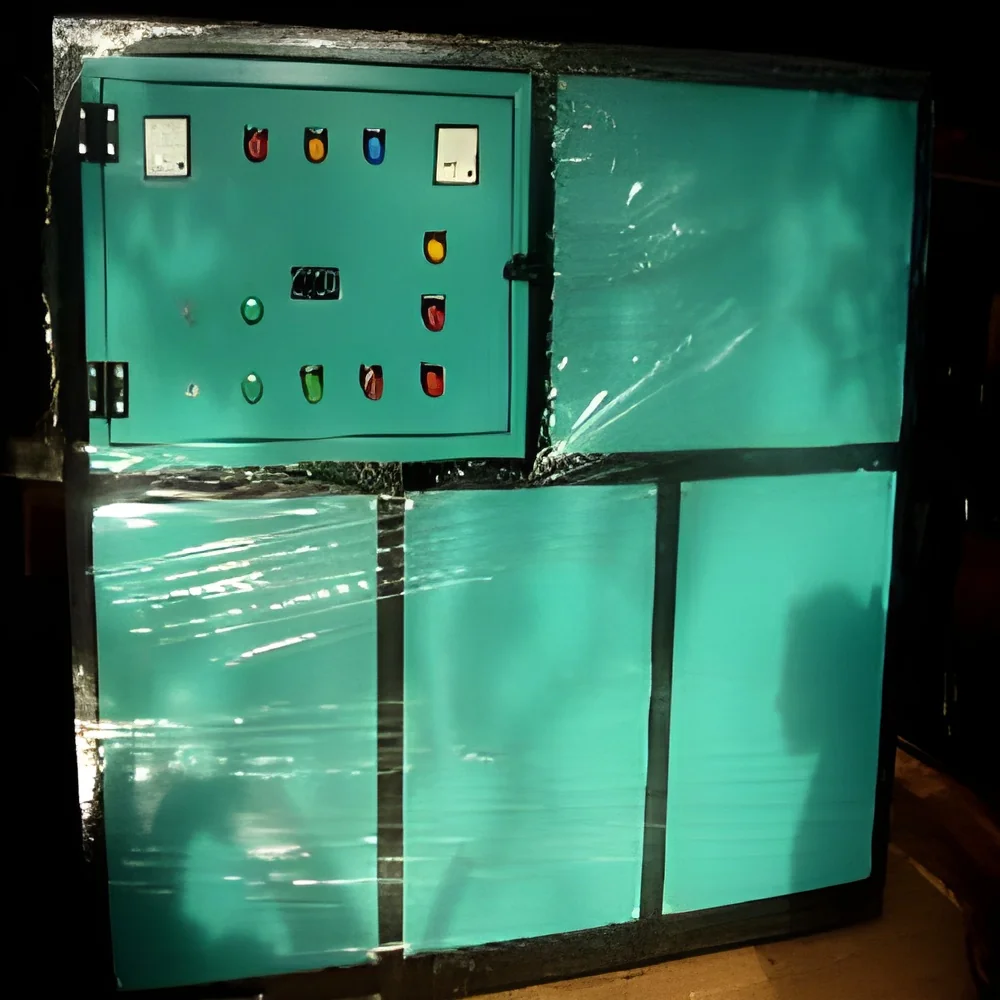
Industrial water chillers represent advanced temperature control technology engineered for demanding manufacturing environments. These precision cooling systems deliver consistent performance where even minor temperature variations can compromise product quality and process efficiency. Built with reliability as the core focus, each chiller undergoes comprehensive testing to ensure optimal operation under real-world industrial conditions. The energy-efficient design combines robust components with intelligent control systems, making these units ideal for continuous operation in challenging settings. This commitment to engineering excellence ensures every chiller provides unmatched cooling performance and operational dependability for critical manufacturing processes.

These temperature control systems serve essential functions across industries where precise cooling determines operational success. In plastic manufacturing, they cool injection molding machines and extruders to maintain p...
Industrial water chillers represent advanced temperature control technology engineered for demanding manufacturing environments. These precision cooling systems deliver consistent performance where even minor temperature variations can compromise product quality and process efficiency. Built with reliability as the core focus, each chiller undergoes comprehensive testing to ensure optimal operation under real-world industrial conditions. The energy-efficient design combines robust components with intelligent control systems, making these units ideal for continuous operation in challenging settings. This commitment to engineering excellence ensures every chiller provides unmatched cooling performance and operational dependability for critical manufacturing processes.

These temperature control systems serve essential functions across industries where precise cooling determines operational success. In plastic manufacturing, they cool injection molding machines and extruders to maintain product dimensional stability and production consistency. Pharmaceutical operations utilize them for temperature-sensitive processes where controlled environments are crucial for product efficacy and safety compliance. Chemical processing plants rely on these chillers to manage exothermic reactions and maintain process stability during production cycles. The food processing sector benefits from hygienic cooling solutions that meet strict sanitation standards while preserving product quality. Metalworking operations employ these chillers to cool laser cutting systems and welding equipment, extending tool lifespan and maintaining cutting precision throughout production runs.

Investing in industrial water chillers delivers substantial business value through enhanced operational efficiency and reduced production downtime. These systems are engineered for maximum reliability with robust components and comprehensive safety mechanisms that minimize unexpected operational interruptions. The energy-efficient design translates to significantly lower operating costs throughout the equipment lifecycle, while the precise engineering ensures perfect compatibility with existing manufacturing infrastructure. These chillers require minimal maintenance due to their durable construction and intelligent system design, further reducing total ownership costs. The exact temperature control directly contributes to improved product quality consistency, substantially reducing material waste and production rework. Ultimately, these chillers represent a strategic investment that safeguards production processes, enhances output quality, and delivers long-term operational savings.

Key Features:
- Precision temperature control with advanced digital monitoring systems
- Robust construction using corrosion-resistant industrial-grade materials
- Energy-efficient compressor technology and optimized heat exchange systems
- Comprehensive safety features including flow monitoring and pressure controls
- Durable components designed for continuous operation in harsh environments

Benefits:
- Consistent product quality through precise temperature management
- Reduced operational costs with energy-efficient performance
- Minimal maintenance requirements and extended equipment lifespan
- Enhanced process reliability with comprehensive safety systems
- Improved production efficiency with stable cooling performance
Specifications
| Additional Information | |
|---|---|
| Country of Origin | India |
Application
Our industrial water chillers deliver exact temperature management for critical manufacturing operations across multiple sectors. These systems maintain stable cooling for machinery, chemical processes, and production lines, ensuring consistent product quality and operational efficiency. The robust construction and advanced controls make them suitable for demanding industrial environments where reliability is paramount.
From large-scale manufacturing facilities to specialized processing plants, our chillers support diverse cooling requirements with precision. They handle everything from process water cooling to aggressive chemical applications while maintaining energy efficiency. Industries depend on these solutions for their durability, minimal maintenance needs, and ability to integrate seamlessly into existing operational setups.
- Cooling injection molding machines in plastic manufacturing facilities
- Maintaining exact temperatures in pharmaceutical production processes
- Regulating heat during chemical mixing and reaction control
- Supporting food processing operations with hygienic cooling solutions
- Providing stable cooling for laser cutting and welding equipment
Trade Details
| Available Stock | In Stock |
| Sample Availability | No |
Payment Terms
| Payment Terms |
|
Company Profile
Alfinstro, Uttar Pradesh
 Uttar Pradesh, India
Uttar Pradesh, IndiaManufacturer•Distributor / Wholesaler•Importer / Exporter
Factory Details
Factory SizeBelow 1000 sqm
Annual Production Capacity0
Industrial Water Chillers For Precise Temperature Control
Industrial water chillers provide precise temperature control for manufacturing processes. These reliable, energy-efficient cooling systems serve plastics, pharmaceuticals, food processing, and chemical industries with consistent performance.
Min. Order Quantity: 1 unit
Shipping
Shipping fee and delivery date to be negotiated. Contact supplier now for more details.
Alfinstro
 Uttar Pradesh, India
Uttar Pradesh, IndiaManufacturer