IN
IN₹
Apparel & Fashion
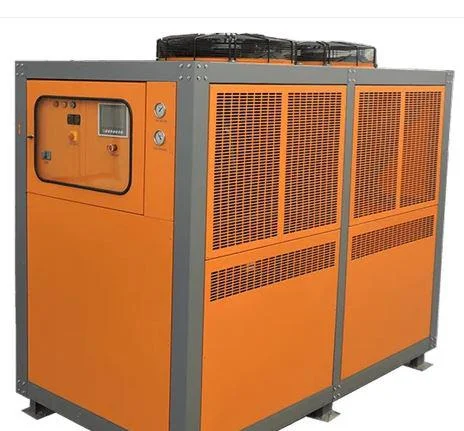
Description
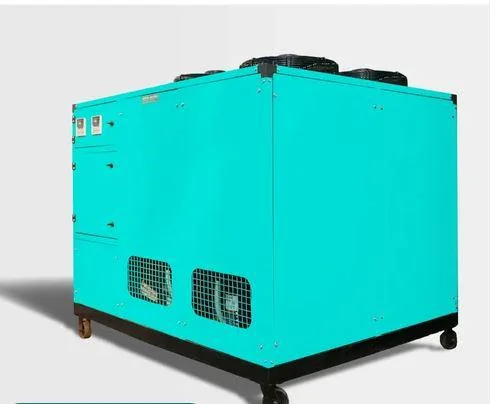
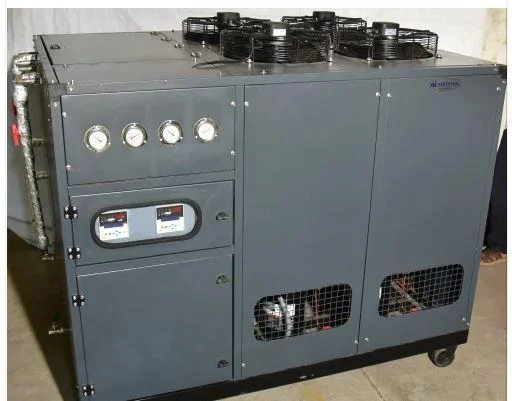
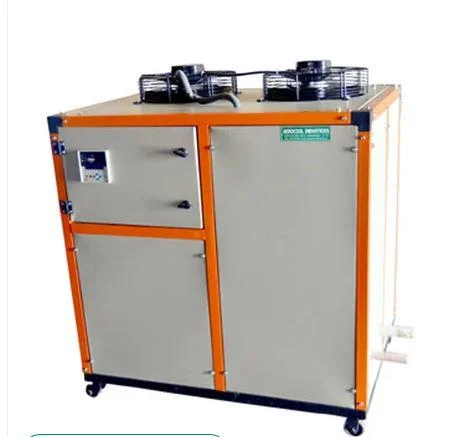
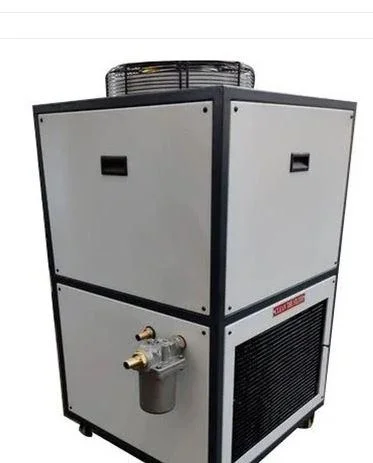
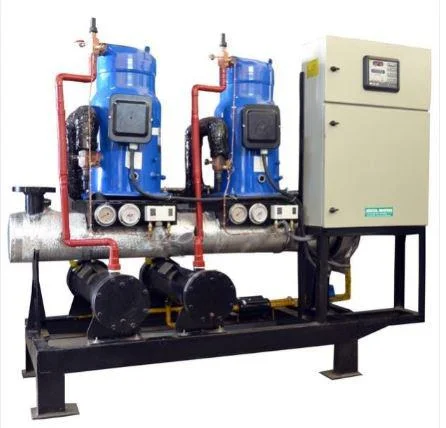
Water cooled chilling plants are sophisticated industrial cooling systems engineered for superior temperature management in demanding applications. They function by circulating water through a closed-loop, where heat is absorbed from industrial processes and efficiently rejected to the atmosphere via cooling towers. The core system integrates high-performance components including compressors for refrigerant pressurization, condensers for heat dissipation, precision expansion valves for flow control, and evaporators for maximum heat absorption. This integrated design guarantees stable, precise cooling, making these plants a trusted solution for sectors where even minor temperature fluctuations can compromise product quality or operational continuity. These chilling plants are the backbone of temperature-sensitive industries. In pharmaceutical manufacturing, they ensure strict compliance with regulatory standards for climate-controlled production and storage areas. The food and beverage ...
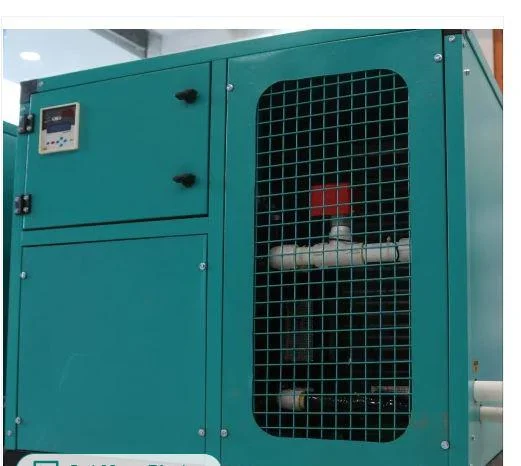
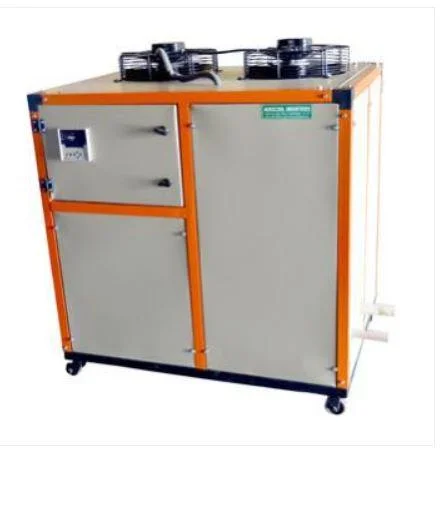
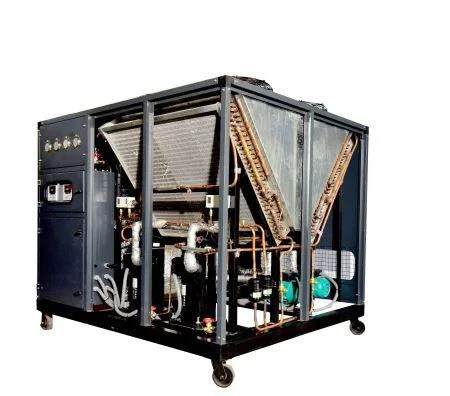
Water cooled chilling plants are sophisticated industrial cooling systems engineered for superior temperature management in demanding applications. They function by circulating water through a closed-loop, where heat is absorbed from industrial processes and efficiently rejected to the atmosphere via cooling towers. The core system integrates high-performance components including compressors for refrigerant pressurization, condensers for heat dissipation, precision expansion valves for flow control, and evaporators for maximum heat absorption. This integrated design guarantees stable, precise cooling, making these plants a trusted solution for sectors where even minor temperature fluctuations can compromise product quality or operational continuity. These chilling plants are the backbone of temperature-sensitive industries. In pharmaceutical manufacturing, they ensure strict compliance with regulatory standards for climate-controlled production and storage areas. The food and beverage industry relies on them to maintain optimal temperatures during processing, pasteurization, and cold storage, directly impacting product safety and shelf life. Furthermore, they are indispensable in large-scale commercial HVAC for skyscrapers and shopping malls, in plastic manufacturing for controlling mold temperatures, and in data centers for preventing critical server overheating, showcasing their vast industrial versatility. Investing in a water cooled chilling plant delivers significant business value through enhanced operational reliability and reduced energy consumption. Their robust construction ensures long-term durability and minimal downtime, which is critical for continuous production cycles. The inherent energy efficiency of water-cooled systems, compared to air-cooled alternatives, leads to substantially lower operating costs. Customization options allow for tailoring the system to specific process requirements, ensuring perfect suitability and maximizing return on investment. This combination of reliability, efficiency, and adaptability makes it a low-risk, high-reward asset for serious B2B buyers.

Key Features:

Benefits:
Specifications
| Additional Information | |
|---|---|
| Country of Origin | India |
Application
Water cooled chilling plants are essential for industries demanding precise and stable temperature control. Their robust design and efficient heat rejection make them ideal for continuous operation in harsh industrial environments, ensuring process integrity and product quality across various sectors. These systems provide reliable cooling solutions for large-scale applications where consistent performance is non-negotiable. They are engineered to handle significant thermal loads, making them a cornerstone
for manufacturing processes, climate control in large spaces, and critical infrastructure cooling needs. Real-world applications: Pharmaceutical manufacturing for precise climate control in production and storage. Food and beverage processing to maintain freshness and safety standards. Large commercial HVAC systems for efficient building temperature management. Plastic injection molding and extrusion for accurate cycle time control. Data center cooling to protect sensitive IT infrastructure from overheating.
Real-world applications:
Trade Details
| Available Stock | In Stock |
| Sample Availability | No |
Payment Terms
| Payment Terms |
|
Company Profile

AEROCOOL INDUSTRIES, Bihar
 Bihar, India
Bihar, IndiaIndustrial Equipment & Machinery•Manufacturer
Factory Details
Factory SizeBelow 1000 sqm
Industrial Water Cooled Chilling Plants For Manufacturing And HVAC
Industrial water cooled chilling plants deliver efficient temperature control for manufacturing processes. Featuring robust compressors, condensers, and evaporators, they ensure reliable, energy-saving operation perfect for pharmaceuticals, food processing, and HVAC systems.
Min. Order Quantity: 1
Shipping
Shipping fee and delivery date to be negotiated. Contact supplier now for more details.
AEROCOOL INDUSTRIES
 Bihar, India
Bihar, IndiaIndustrial Equipment & MachineryManufacturer