IN
IN₹
Description
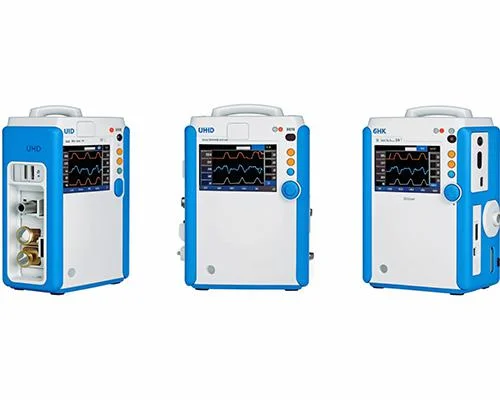
The ICU Transport Ventilator represents advanced critical care technology engineered for maximum reliability during patient movement and transport scenarios. This sophisticated medical device provides comprehensive respiratory support for critically ill patients who require mechanical ventilation while transitioning between hospital departments, during ambulance transfers, or in emergency evacuation situations. Featuring intelligent microprocessor control and adaptive ventilation technology, it automatically adjusts oxygen delivery and breathing parameters based on real-time patient needs. The unit supports multiple ventilation modes including Volume Control, Pressure Control, SIMV, CPAP, and BiPAP, ensuring appropriate respiratory management for both adult and pediatric patients across various clinical conditions.

Healthcare facilities worldwide deploy ICU transport ventilators across intensive care units, emergency departments, operating theaters, and mobile medical teams. Hospitals...
The ICU Transport Ventilator represents advanced critical care technology engineered for maximum reliability during patient movement and transport scenarios. This sophisticated medical device provides comprehensive respiratory support for critically ill patients who require mechanical ventilation while transitioning between hospital departments, during ambulance transfers, or in emergency evacuation situations. Featuring intelligent microprocessor control and adaptive ventilation technology, it automatically adjusts oxygen delivery and breathing parameters based on real-time patient needs. The unit supports multiple ventilation modes including Volume Control, Pressure Control, SIMV, CPAP, and BiPAP, ensuring appropriate respiratory management for both adult and pediatric patients across various clinical conditions.

Healthcare facilities worldwide deploy ICU transport ventilators across intensive care units, emergency departments, operating theaters, and mobile medical teams. Hospitals utilize these devices for intra-facility patient transfers, ambulance services rely on them for emergency response, and disaster management teams incorporate them into field hospital setups. The ventilator serves critical functions in managing patients with respiratory failure, trauma injuries, post-surgical recovery, pneumonia complications, and chronic obstructive pulmonary disease. Medical professionals in ICUs, emergency rooms, anesthesiology departments, and transport teams depend on its consistent performance during the most challenging patient movement scenarios.

The business value of this ICU transport ventilator lies in its proven reliability, reduced operational downtime, and comprehensive patient safety features that minimize clinical risks during critical transfers. Medical equipment purchasers benefit from lower total cost of ownership through durable construction, minimal maintenance requirements, and compatibility with existing hospital systems. Healthcare providers gain confidence through built-in battery backup systems, ruggedized housing for transport conditions, and intuitive interfaces that reduce training time. The ventilator's customization options allow hospitals to tailor functionality to specific departmental needs while maintaining standardization across facilities.

Key Features:
- Multiple ventilation modes including VCV, PCV, SIMV, CPAP, and BiPAP
- Real-time monitoring of oxygen saturation, pressure, and volume parameters
- Intelligent adaptive technology for automatic ventilation adjustments
- Rugged transport-ready design with impact-resistant casing
- Extended battery operation for uninterrupted care during transfers

Benefits:
- Enhanced patient safety during critical care transportation
- Reduced clinical risk through reliable performance and backup systems
- Operational efficiency with intuitive controls and minimal training requirements
- Cost-effectiveness through durable construction and low maintenance
- Versatile application across adult, pediatric, and emergency care scenarios
Specifications
| Additional Information | |
|---|---|
| Country of Origin | 106 |
Application
The ICU transport ventilator delivers reliable respiratory support during patient transfers between hospital departments and facilities. Its rugged design and battery backup ensure continuous operation during ambulances, intra-hospital moves, and emergency evacuations while maintaining critical ventilation parameters.
This versatile ventilator serves diverse clinical environments from ICUs to emergency rooms and post-anesthesia care units. Medical teams trust its consistent performance for patients with respiratory failure, trauma cases, surgical recovery, and chronic breathing conditions across adult and pediatric populations. Real-world applications:
Real-world applications:
- Emergency patient transport via ambulance and mobile ICU units
- Intra-hospital transfers between ICU, operating rooms, and diagnostic departments
- Critical care during natural disasters and mass casualty evacuations
- Respiratory support in field hospitals and temporary medical facilities
- Bridge ventilation during hospital power outages and equipment failure
Trade Details
| Available Stock | In Stock |
| Sample Availability | No |
Payment Terms
| Payment Terms |
|
Shipping & Logistics
| Port of Dispatch | Chennai |
Company Profile
Emed Bio - Medicals, Tamil Nadu
 Tamil Nadu, India
Tamil Nadu, IndiaHealth & Personal Care•Manufacturer•Distributor / Wholesaler•Importer / Exporter
Factory Details
Factory SizeBelow 1000 sqm
ICU Transport Ventilator For Critical Care With Multiple Modes
ICU transport ventilator for critical care with multiple ventilation modes, real-time monitoring, and intelligent control. Ensures patient safety during hospital transport and ICU use for medical professionals.
Min. Order Quantity: 1 Unit
Shipping
Shipping fee and delivery date to be negotiated. Contact supplier now for more details.
Emed Bio - Medicals
 Tamil Nadu, India
Tamil Nadu, IndiaHealth & Personal CareManufacturer