
 IN
Hospital Screens & Privacy Curtains
1 products available
What are Hospital Screens & Privacy Curtains?
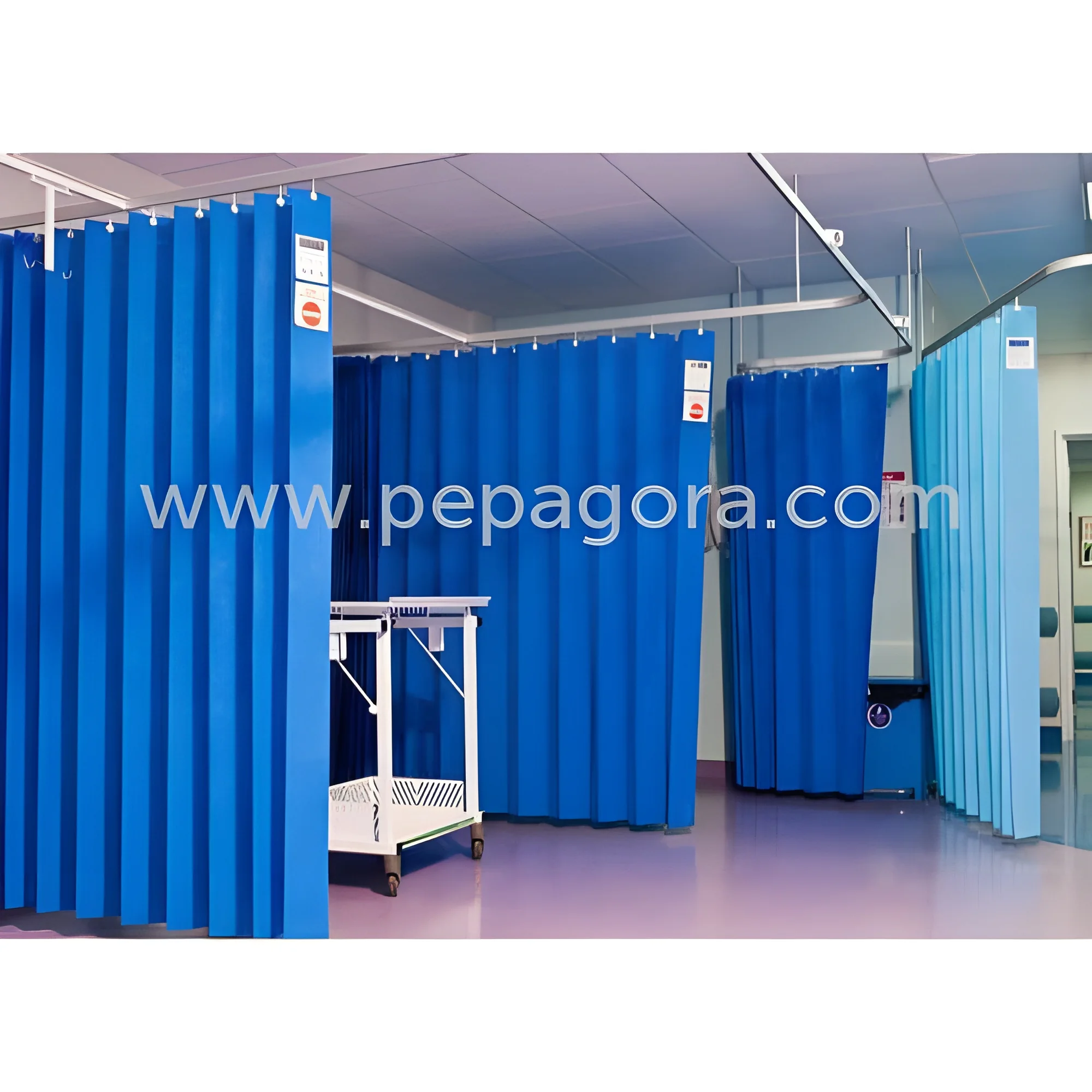
Hospital screens and privacy curtains are essential components in healthcare settings, designed to provide patient privacy and enhance the overall environment of care. These products typically consist of flexible fabric panels that can be easily set up and moved to create separate spaces within a room. They serve as barriers to protect patient confidentiality during examinations, treatments, and discussions, ensuring that sensitive information remains private.
Primary uses of hospital screens and privacy curtains include separating patient beds in wards, creating temporary examination areas, and enhancing comfort during procedures. These products are invaluable in hospitals, clinics, and long-term care facilities. They not only contribute to patient dignity but also help healthcare providers maintain a professional and organized environment. The demand for effective privacy solutions in healthcare settings continues to rise, supporting their importance in the industry.
Key Features and Specifications
Hospital screens and privacy curtains come equipped with numerous features that enhance their functionality and usability. Key specifications focus on material quality, durability, and design versatility, ensuring that they meet the rigorous standards of healthcare environments.
Key specifications include:
1. Material Composition
- Typically made from high-quality, easy-to-clean fabrics
- Often treated to resist stains and microbial growth
2. Size and Dimensions
- Available in various sizes to fit different spaces
- Standard height ranges from 6 to 8 feet, with customizable lengths
3. Mobility Options
- Many screens come with wheels for easy repositioning
- Some are designed to be wall-mounted for stability
4. Color and Design Variety
- Available in multiple colors and patterns to match facility aesthetics
- Customizable options for branding or specific themes
5. Fire Resistance
- Compliant with fire safety standards to minimize risks
- Fabrics often treated to be flame-retardant
6. Easy Maintenance
- Machine washable fabrics or wipeable surfaces
- Designed for quick cleaning and disinfection
7. Versatile Attachment Systems
- Various hanging options including ceiling tracks or tension wires
- Quick setup and take-down features for flexibility
8. Weight and Portability
- Lightweight designs for easy handling
- Compact storage options when not in use
These specifications ensure that hospital screens and privacy curtains not only fulfill their primary purpose but also enhance the overall efficiency of healthcare facilities.
Common Applications and Use Cases
Hospital screens and privacy curtains are widely used in various healthcare settings to fulfill specific needs.
1. Hospitals: Inpatient wards utilize these products to provide privacy for patients sharing rooms, ensuring comfort during medical assessments and visits.
2. Clinics: Outpatient facilities often use privacy curtains in examination rooms, allowing patients to feel secure during consultations and procedures.
3. Emergency Rooms: Fast-paced environments like ERs benefit from portable screens that can be quickly set up to create temporary examination spaces for incoming patients.
4. Long-Term Care Facilities: Privacy curtains are essential in nursing homes, allowing residents to maintain dignity during personal care routines.
5. Rehabilitation Centers: These facilities use screens to offer privacy during therapy sessions, promoting a more comfortable healing environment.
6. Dental Offices: Dental practices employ privacy curtains to separate treatment areas, ensuring patient confidentiality during procedures.
7. Maternity Wards: Screens provide privacy for mothers during labor and postnatal care, enhancing their comfort and security.
Product Variants and Subcategories
Hospital screens and privacy curtains come in various designs to suit different healthcare needs.
Mobile Privacy Screens
These screens are designed with wheels for easy mobility. They are perfect for environments where flexibility is crucial, such as emergency rooms or outpatient clinics.
Wall-Mounted Privacy Curtains
These systems are fixed and rely on ceiling tracks, providing a permanent solution for separating spaces in patient rooms. They are ideal for long-term care facilities where stability is important.
Retractable Privacy Curtains
These curtains can be drawn back and forth as needed, allowing for quick adjustments in patient areas. They are commonly used in surgical suites and recovery rooms.
Benefits and Advantages
Investing in hospital screens and privacy curtains provides significant advantages for healthcare facilities.
1. Enhanced Patient Privacy: These products ensure that sensitive information remains confidential, which is vital for patient trust and comfort.
2. Improved Patient Experience: By providing a private space, hospitals can improve the overall patient experience, leading to higher satisfaction scores.
3. Infection Control: Easy-to-clean materials help maintain hygiene and reduce the risk of cross-contamination in healthcare environments.
4. Flexible Space Management: Mobile and retractable options allow facilities to adapt spaces quickly to meet changing demands.
5. Cost-Effective Solutions: Durable materials reduce replacement frequency, resulting in long-term savings for healthcare facilities.
6. Compliance with Regulations: Utilizing privacy curtains and screens helps healthcare providers meet legal and ethical standards regarding patient confidentiality.
Buying Guide for B2B Buyers
When sourcing hospital screens and privacy curtains, B2B buyers should consider several crucial factors to ensure a successful purchase.
1. Quality Assessment: Evaluate the materials and construction of the products to ensure they meet healthcare standards. Look for certifications that indicate compliance with relevant regulations.
2. Supplier Verification: Conduct thorough background checks on potential suppliers. Verify their reputation and track record in delivering quality hospital products.
3. Pricing and MOQ: Understand the pricing structure and minimum order quantities. This will help in budgeting and ensuring that the investment aligns with financial constraints.
4. Delivery and Lead Times: Discuss logistics with suppliers to determine delivery timelines. Ensure they can meet your facility's needs without causing delays.
5. Compliance Requirements: Familiarize yourself with industry regulations applicable to privacy solutions in healthcare. Ensure that the products sourced comply with these standards.
Compliance and Certifications
Hospital screens and privacy curtains are subject to various compliance standards to ensure safety and quality in healthcare settings. Relevant quality standards include ISO 9001, which focuses on quality management systems, and CE marking, which indicates compliance with European health and safety regulations.
Safety and testing requirements vary by region but generally involve rigorous assessments to ensure materials do not pose health risks. Additionally, products should meet local compliance requirements, which may differ based on country-specific regulations. Buyers should ensure that all sourced products align with these standards to maintain safety and quality in patient care.
Why Source Hospital Screens & Privacy Curtains from Pepagora?
Pepagora offers a reliable platform for sourcing hospital screens and privacy curtains, providing several key advantages that benefit B2B buyers.
Verified Supplier Network: Pepagora connects buyers with a network of verified suppliers, ensuring that healthcare facilities receive high-quality products from reputable sources.
Streamlined RFQ Process: The platform offers a straightforward request for quotation (RFQ) system, allowing buyers to easily compare offers and select the best options based on their needs.
Trade Assurance and Support: Pepagora provides trade assurance, offering protection to buyers throughout the purchasing process. This support enhances confidence in sourcing decisions.
Regional Coverage: With a wide geographic reach covering India, the GCC, and Southeast Asia, Pepagora serves as a valuable resource for healthcare facilities looking to source hospital screens and privacy curtains efficiently.


Frequently Asked Questions
What are Hospital Screens & Privacy Curtains?
Hospital Screens & Privacy Curtains are essential medical equipment used in healthcare facilities to provide privacy for patients during examinations and treatments. They help create separate areas in a shared space, ensuring patient confidentiality and comfort.
What are the different types of Hospital Screens & Privacy Curtains?
There are various types of Hospital Screens & Privacy Curtains, including folding screens, fixed curtain tracks, and mobile curtain systems. Each type is designed to cater to different needs and layouts within a healthcare environment, offering flexibility and ease of use.
How do I choose the right Hospital Screens & Privacy Curtains?
When selecting Hospital Screens & Privacy Curtains, consider factors such as durability, material, ease of cleaning, and design. Additionally, assess the space available and whether you need fixed or movable options to accommodate patient flow and privacy requirements.
What are the standard specifications for Hospital Screens & Privacy Curtains?
Standard specifications for Hospital Screens & Privacy Curtains typically include dimensions, material type (such as polyester or vinyl), and fire-retardant properties. It is also important to check for compliance with healthcare regulations and industry standards.
What is the price range for Hospital Screens & Privacy Curtains?
The price range for Hospital Screens & Privacy Curtains can vary widely based on the type, material, and customization options. Generally, prices may start from a few hundred to several thousand Indian Rupees per unit.
What quality standards apply to Hospital Screens & Privacy Curtains?
Hospital Screens & Privacy Curtains must adhere to quality standards such as ISO certifications and relevant health and safety regulations. This ensures they are safe for use in medical settings and can withstand regular cleaning and use.
Where can I find Hospital Screens & Privacy Curtains suppliers in India?
You can find Hospital Screens & Privacy Curtains suppliers in India through online B2B marketplaces, trade shows, and medical equipment exhibitions. Websites like Pepagora.com can connect you with reliable manufacturers and suppliers in the industry.
Can Hospital Screens & Privacy Curtains be customized?
Yes, many suppliers offer customization options for Hospital Screens & Privacy Curtains. Customizations may include size, color, and fabric choices to meet specific healthcare facility requirements and aesthetic preferences.
What is the typical minimum order quantity for Hospital Screens & Privacy Curtains?
The typical minimum order quantity (MOQ) for Hospital Screens & Privacy Curtains can vary by supplier but often ranges from 10 to 50 units. It is advisable to check with individual suppliers for their specific MOQ policies.
What is the typical lead time for Hospital Screens & Privacy Curtains?
The typical lead time for Hospital Screens & Privacy Curtains can range from 2 to 6 weeks, depending on the supplier and whether customization is required. It's important to discuss delivery timelines when placing an order to ensure timely availability.
Why Businesses Trust Pepagora
Thousands of companies trust Pepagora to source smarter and sell faster
Expand Your Sales Globally

Source Smarter,Grow Faster
