IN
IN₹
Apparel & Fashion
Description
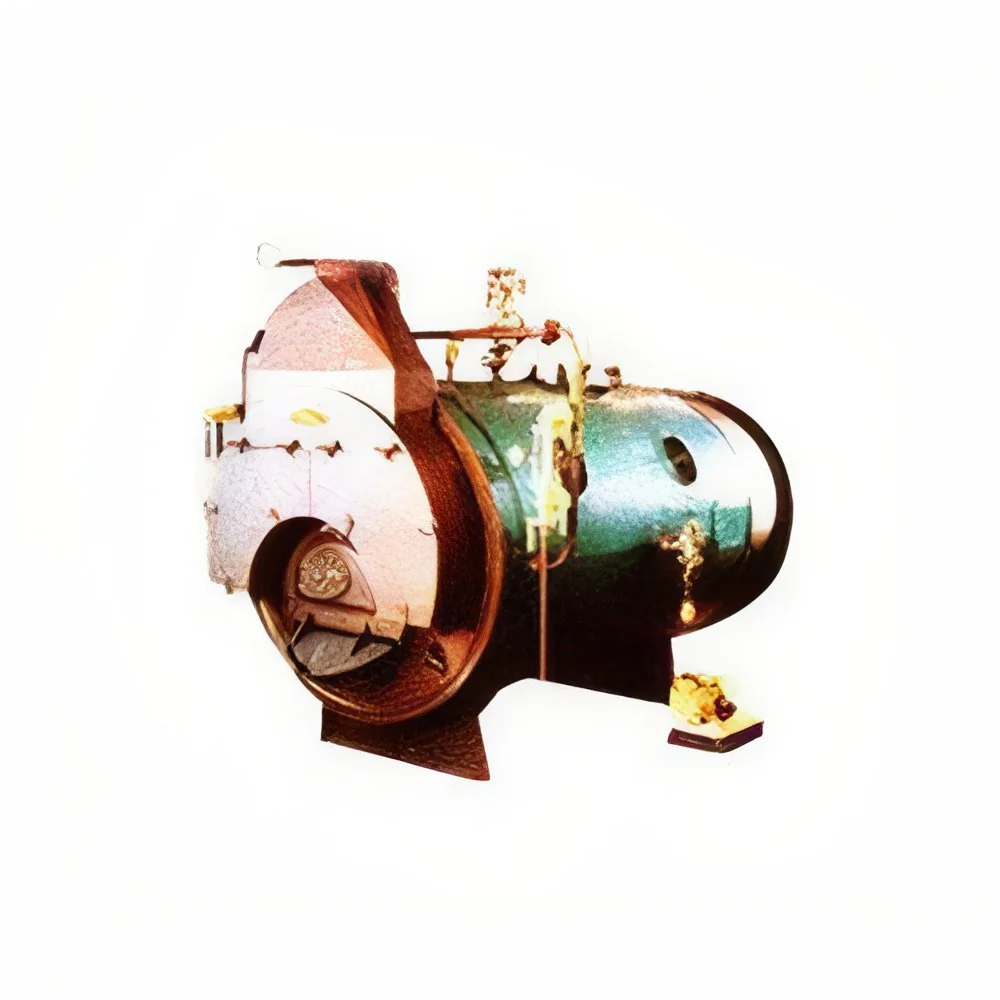
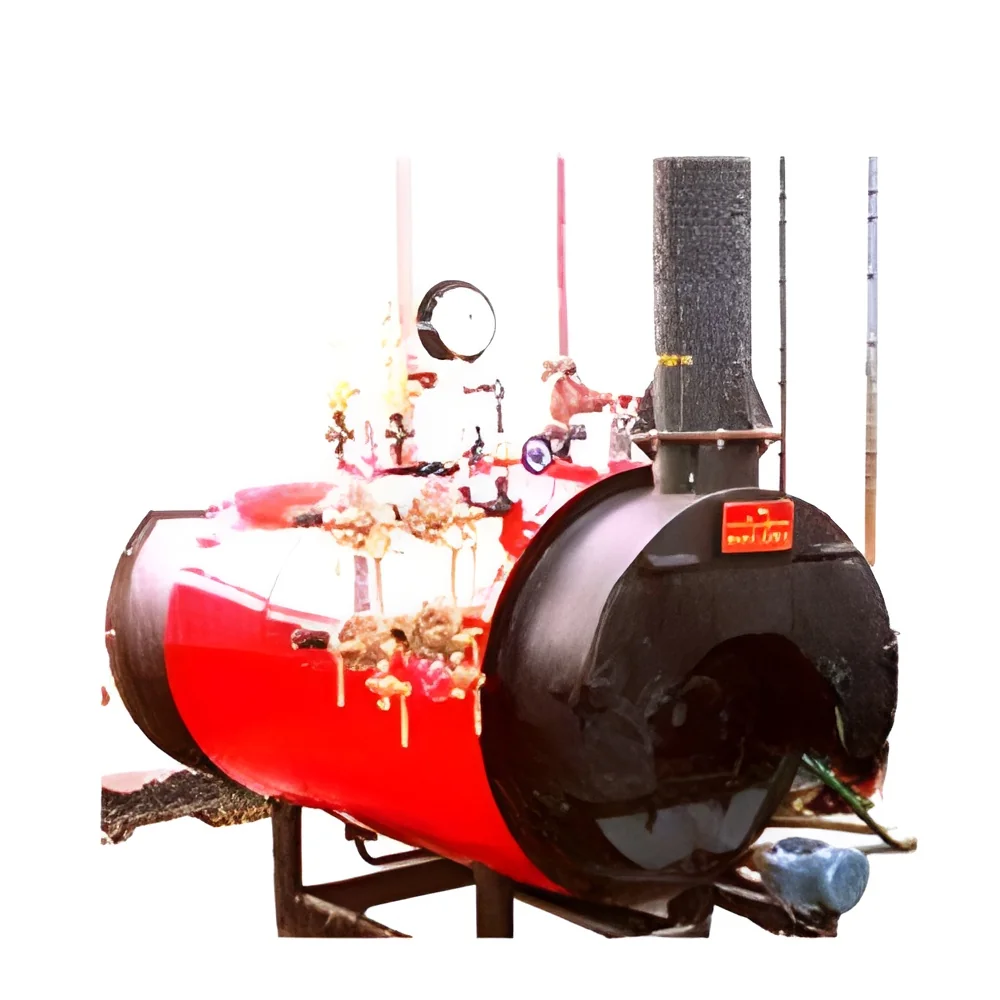
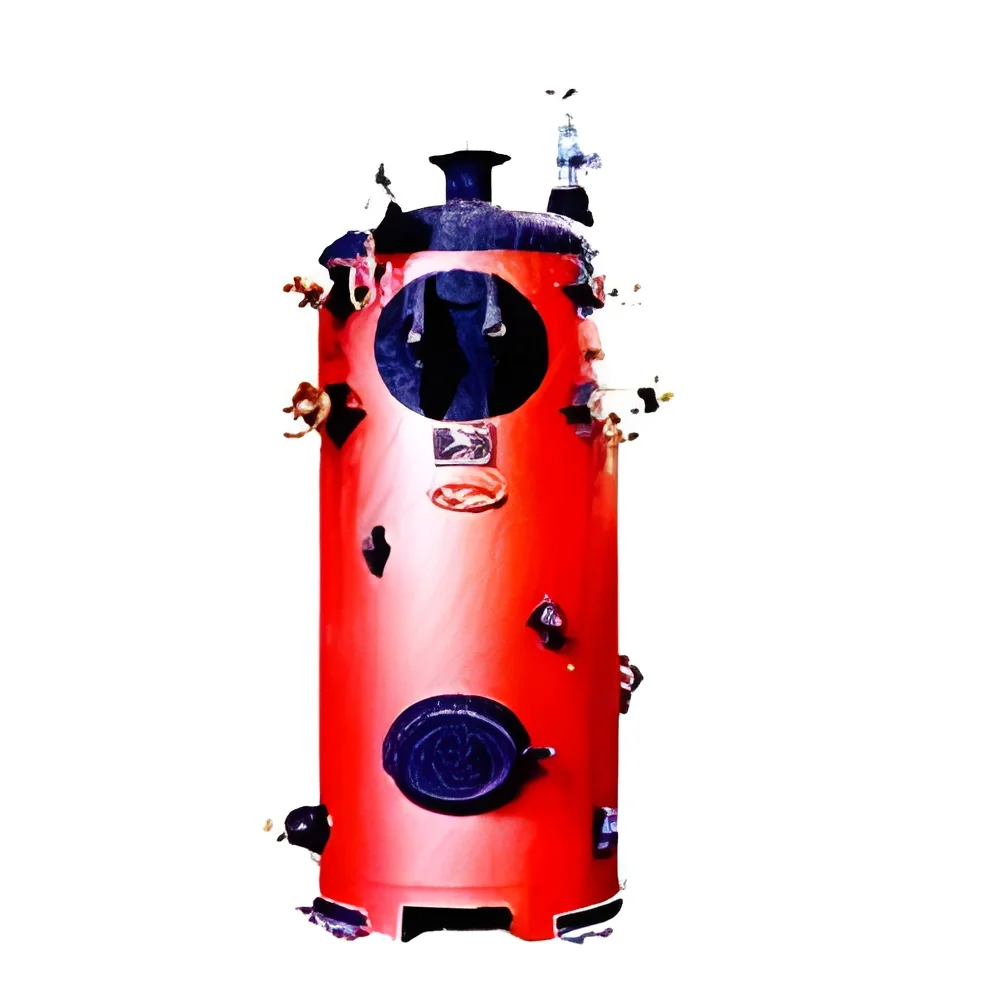
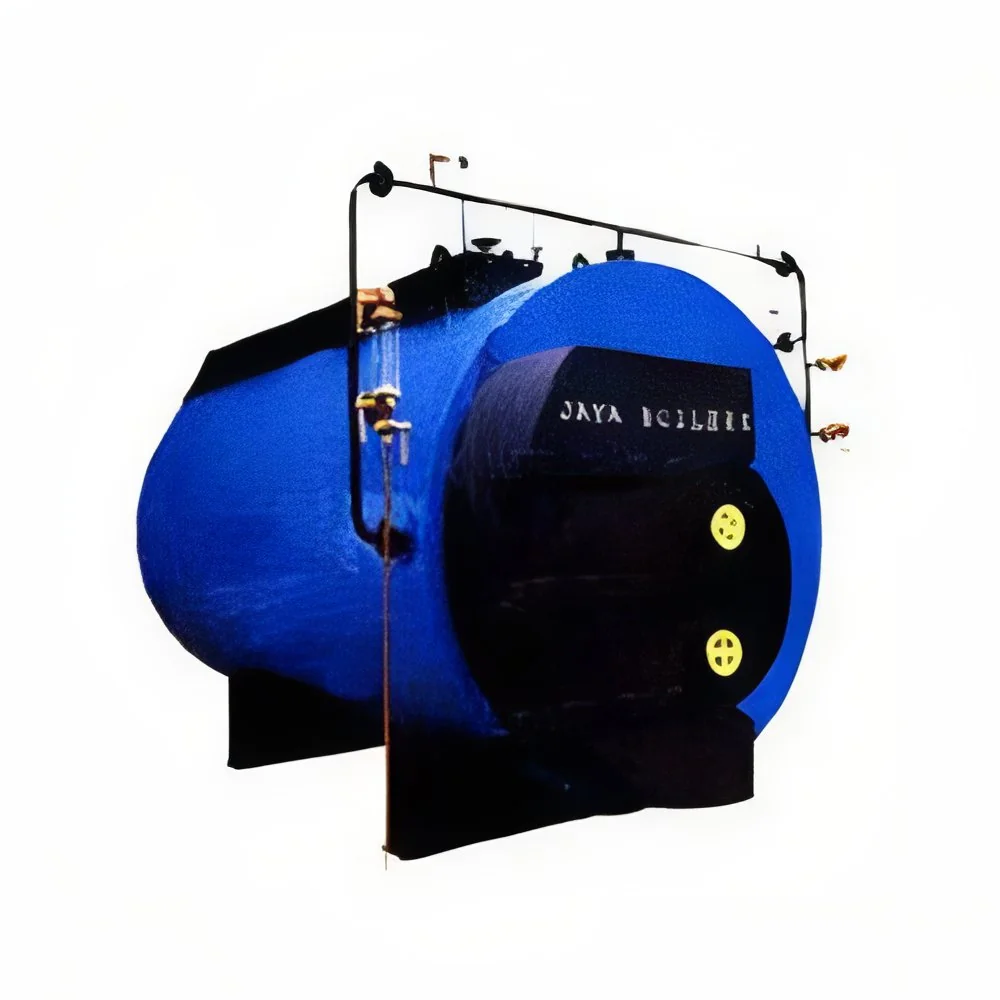
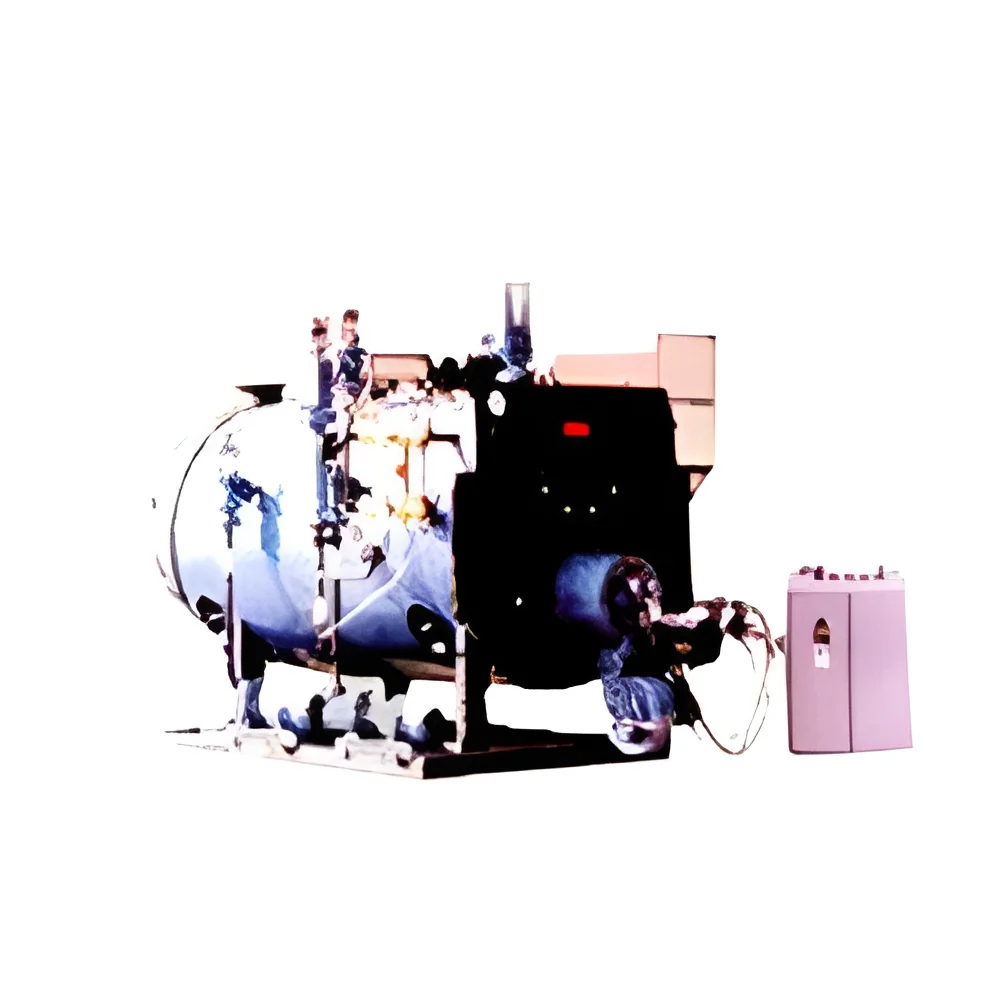
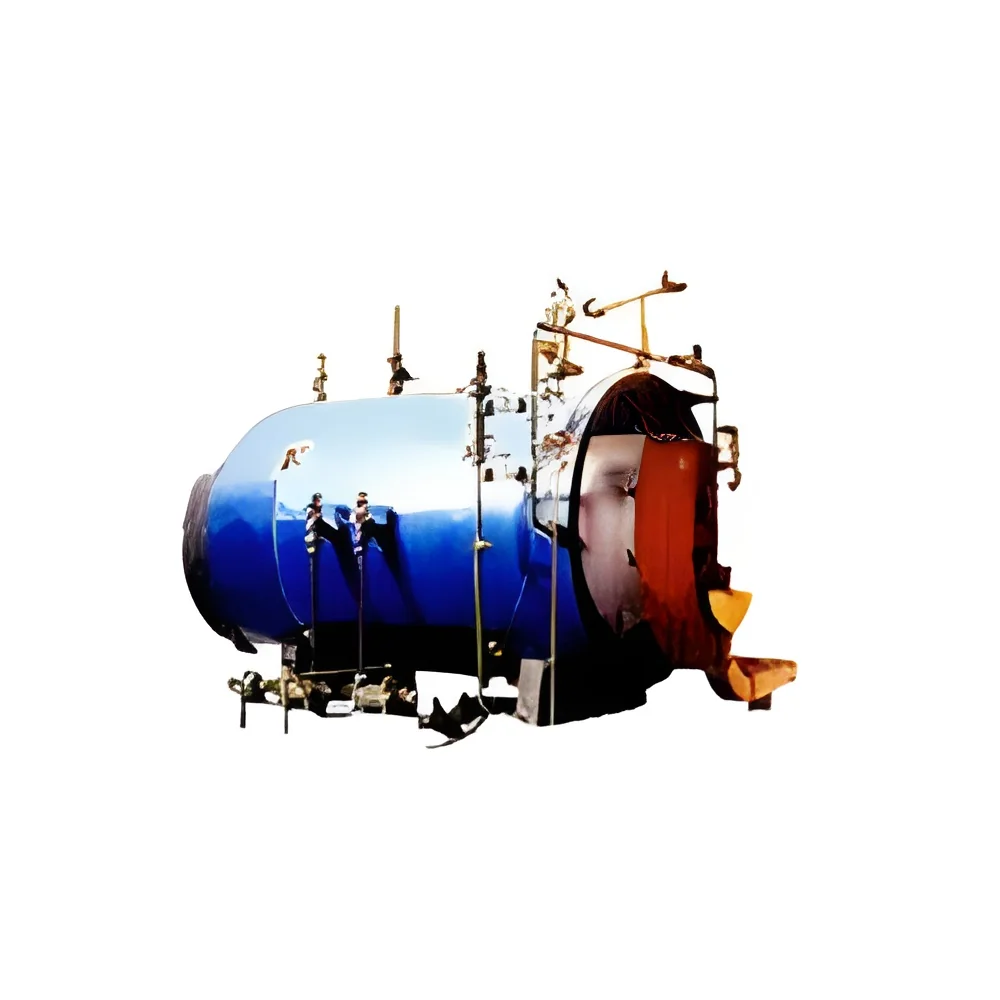
Industrial pneumatic feed boilers represent advanced thermal solutions engineered for maximum operational efficiency and long-term reliability. These systems utilize precision pneumatic feeding mechanisms to ensure optimal fuel delivery and combustion stability, resulting in consistent heat output with minimal energy waste. The design specifically minimizes friction loss throughout the operation, enhancing overall system performance while reducing wear on components. Built with industrial-grade materials and robust construction, these boilers withstand demanding operating conditions while maintaining their efficiency characteristics over extended service periods. Their engineering focuses on delivering trouble-free performance that industrial operators can depend on for continuous production cycles without frequent maintenance interventions or unexpected shutdowns.

These boilers serve critical functions across multiple industrial sectors where precise, reliable heat is essential to pr...
Industrial pneumatic feed boilers represent advanced thermal solutions engineered for maximum operational efficiency and long-term reliability. These systems utilize precision pneumatic feeding mechanisms to ensure optimal fuel delivery and combustion stability, resulting in consistent heat output with minimal energy waste. The design specifically minimizes friction loss throughout the operation, enhancing overall system performance while reducing wear on components. Built with industrial-grade materials and robust construction, these boilers withstand demanding operating conditions while maintaining their efficiency characteristics over extended service periods. Their engineering focuses on delivering trouble-free performance that industrial operators can depend on for continuous production cycles without frequent maintenance interventions or unexpected shutdowns.

These boilers serve critical functions across multiple industrial sectors where precise, reliable heat is essential to production quality and operational success. In food processing facilities, they provide clean steam for cooking, sterilization, and sanitation processes while meeting strict hygiene standards. Pharmaceutical manufacturers utilize them for temperature-sensitive production stages where consistency directly impacts product quality and compliance. Textile operations depend on their steady thermal output for dye fixation, fabric drying, and finishing treatments that determine material properties. Chemical plants integrate these boilers into complex process heating applications, from reactor temperature control to distillation operations. Manufacturing facilities employ them for various thermal processes including parts treatment, mold heating, and production line applications that require dependable heat sources.

The business value of these pneumatic feed boilers lies in their direct impact on operational efficiency, cost management, and production reliability. Their optimized design reduces energy consumption significantly compared to conventional systems, lowering operational expenses while maintaining output quality. The minimal friction loss engineering extends component life and reduces maintenance frequency, decreasing both downtime and repair costs. Their consistent performance under varying load conditions ensures production processes remain stable and predictable, protecting product quality and meeting production schedules. The robust construction provides long service life with reliable operation, offering excellent return on investment through years of dependable service. These characteristics make them a strategic asset for operations where heat generation is mission-critical to business success and profitability.

Key Features:
- Pneumatic feeding system ensures optimal fuel efficiency and combustion stability
- Minimum friction loss design enhances overall system performance and longevity
- Robust industrial construction withstands demanding operating environments
- Consistent thermal output maintained across varying load conditions
- Engineered for reliable operation with minimal maintenance requirements

Benefits:
- Reduced energy consumption lowers operational costs significantly
- Extended component life and less frequent maintenance decrease downtime
- Stable heat output ensures consistent production quality and process reliability
- Long service life provides excellent return on investment over years of use
- Dependable performance supports continuous operations without unexpected interruptions
Specifications
| Additional Information | |
|---|---|
| Country of Origin | India |
Application
Industrial pneumatic feed boilers provide stable, efficient heat for continuous production processes where energy consumption and operational reliability are critical. Their design ensures consistent thermal output while minimizing maintenance needs, making them suitable for facilities that operate around the clock and cannot afford unexpected downtime or performance fluctuations.
These boilers adapt to various industrial environments, handling different load demands without sacrificing efficiency or output quality. From maintaining precise temperatures in sensitive manufacturing processes to delivering robust steam generation for heavy-duty applications, they serve as a dependable heat source that integrates seamlessly into existing production systems and workflows.
- Food and beverage processing for steam cooking, pasteurization, and equipment sterilization
- Pharmaceutical production requiring controlled, hygienic heat for manufacturing and cleaning
- Textile manufacturing operations including dyeing, drying, and fabric finishing processes
- Chemical processing plants for heating reactors, distillation columns, and storage tanks
- Manufacturing facilities for parts cleaning, mold heating, and production line thermal processes
Trade Details
| Available Stock | In Stock |
| Sample Availability | No |
Payment Terms
| Payment Terms |
|
Company Profile
Jaya Boilers (P) Ltd, Tamil Nadu
 Tamil Nadu, India
Tamil Nadu, IndiaImporter / Exporter
Factory Details
Factory SizeBelow 1000 sqm
Annual Production Capacity0
Main Markets
South Asia
Industrial Pneumatic Feed Boilers For Maximum Efficiency And Reliability
Industrial pneumatic feed boilers deliver maximum efficiency with minimal friction loss. Engineered for reliable performance across manufacturing, food processing, and chemical industries requiring consistent thermal output.
Min. Order Quantity: 1 unit
Shipping
Shipping fee and delivery date to be negotiated. Contact supplier now for more details.
Jaya Boilers (P) Ltd
 Tamil Nadu, India
Tamil Nadu, IndiaImporter / Exporter