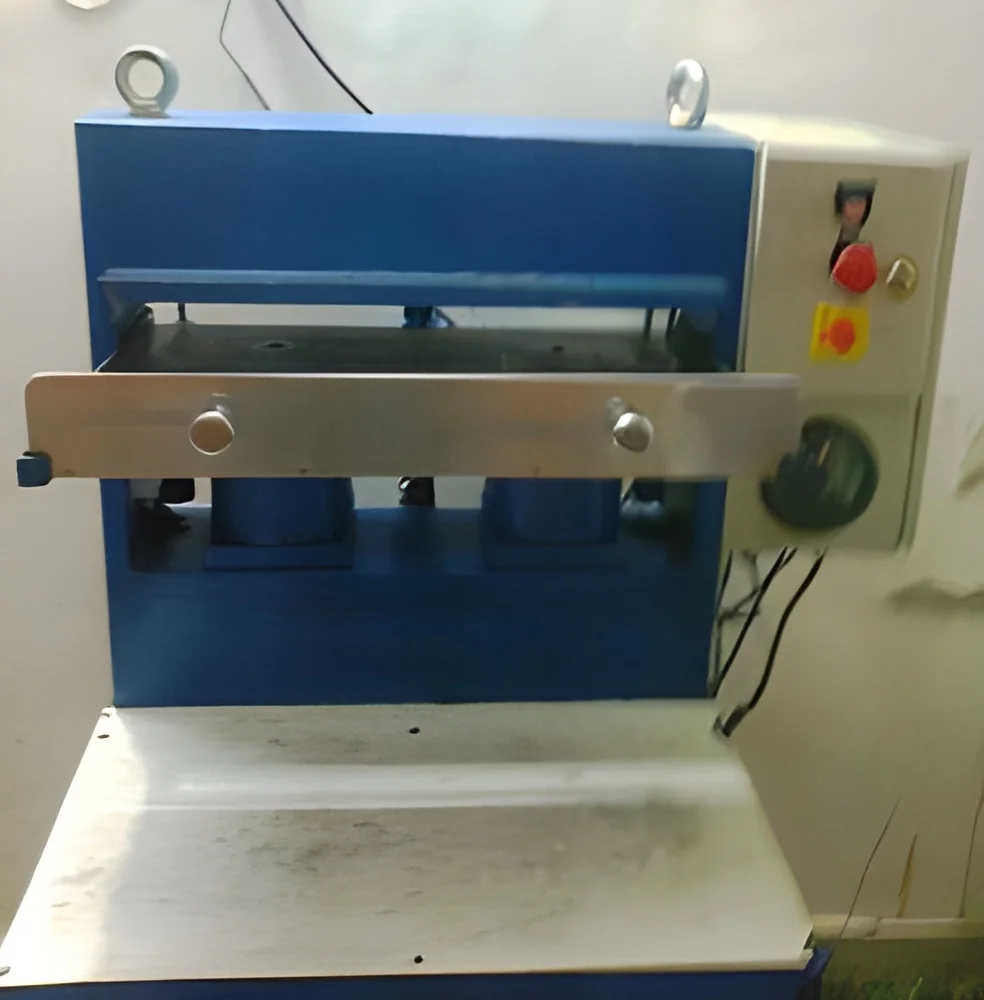
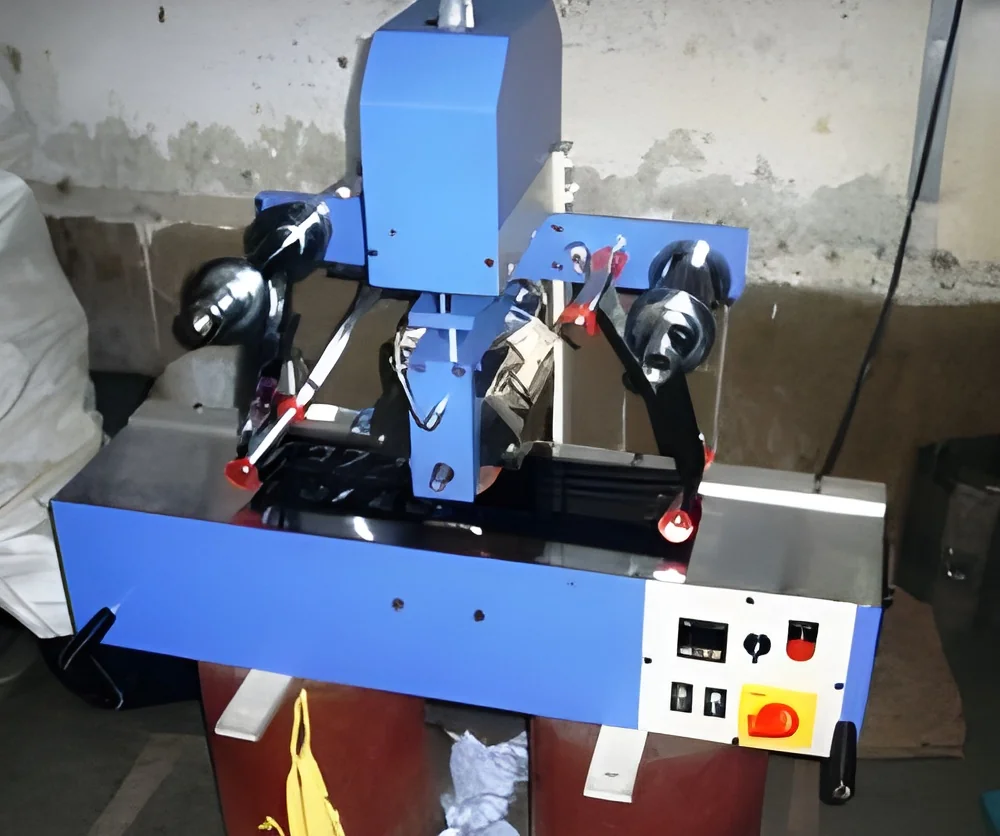
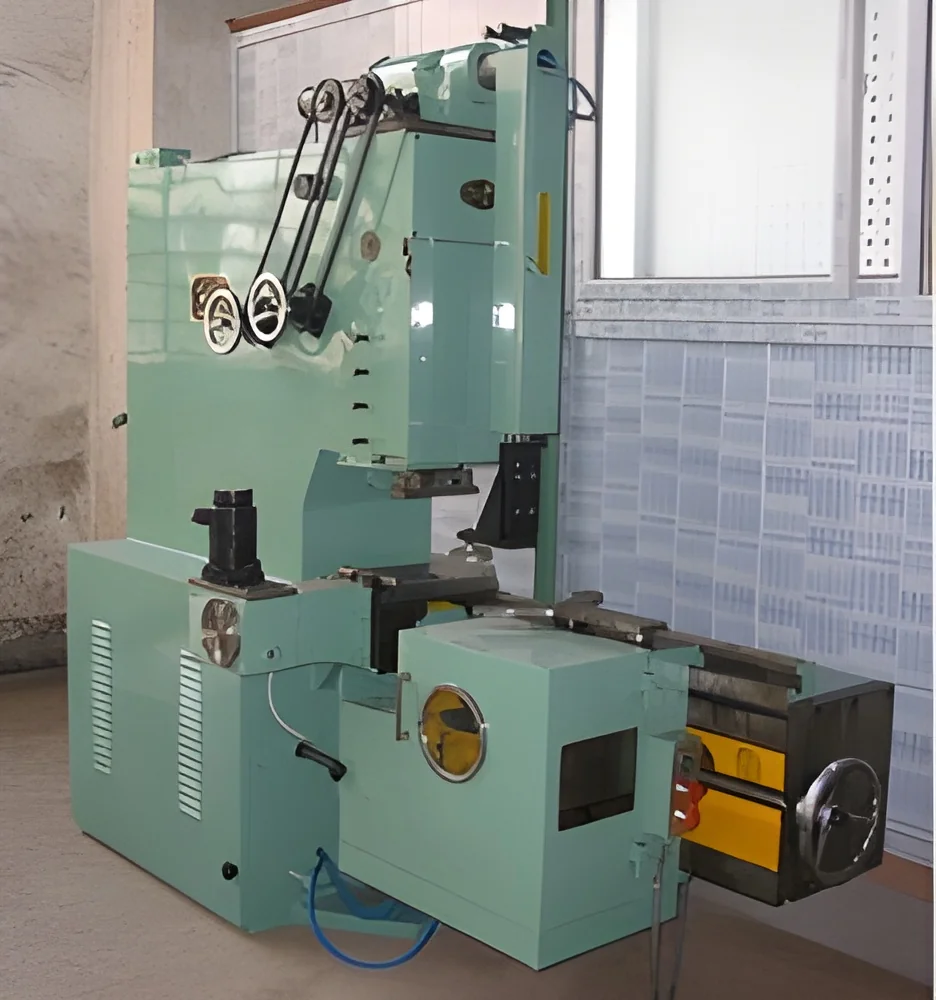
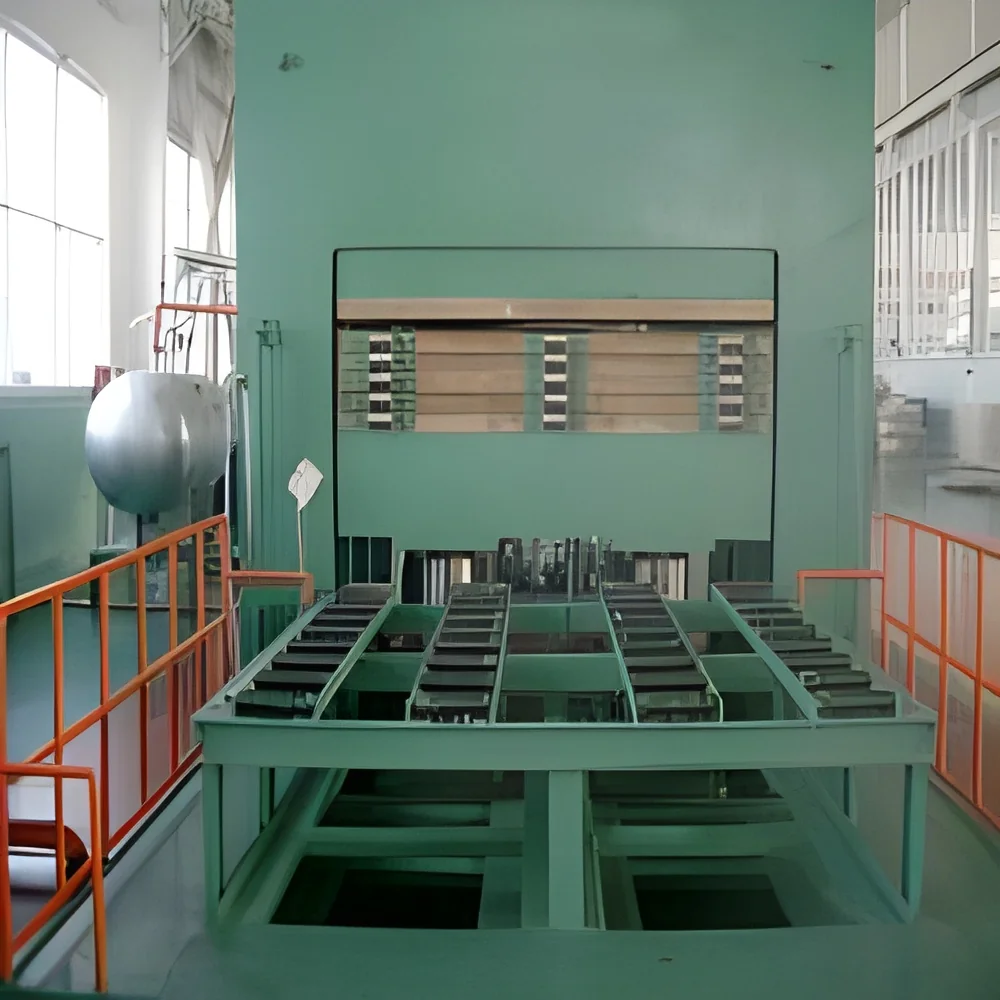
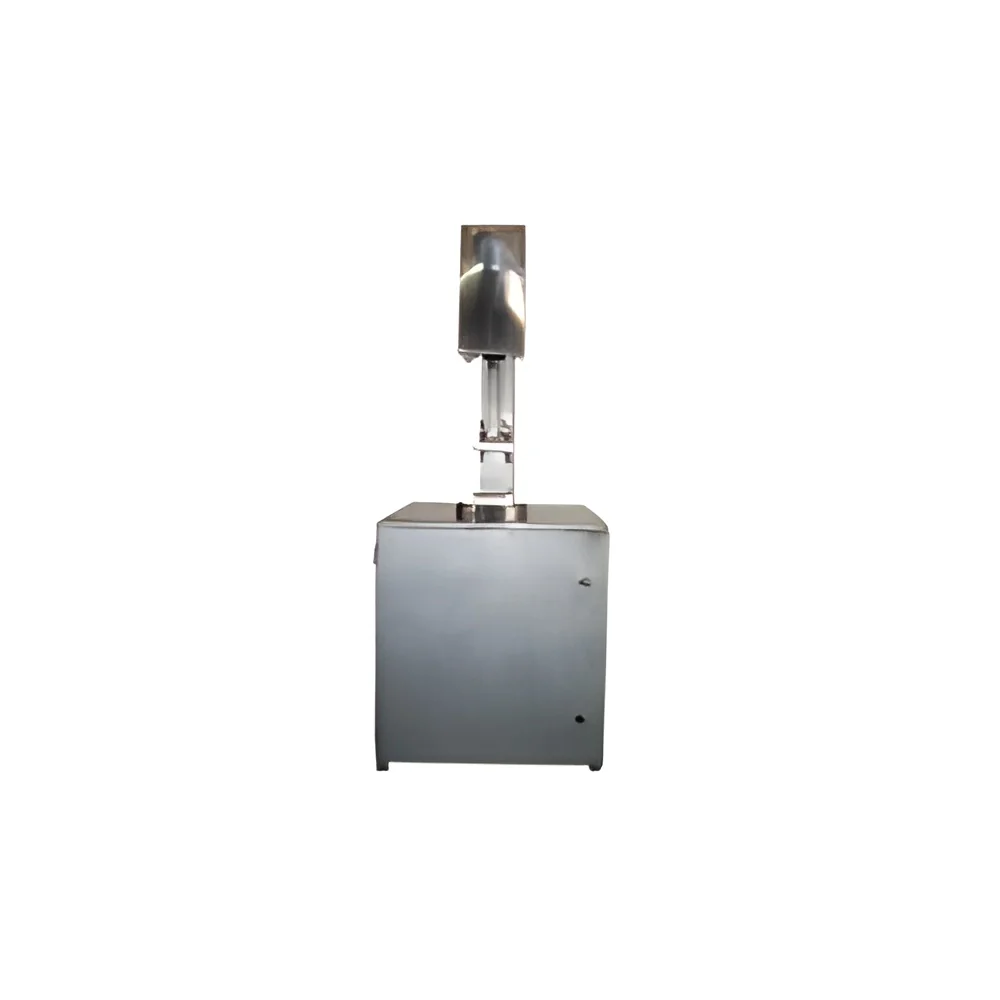
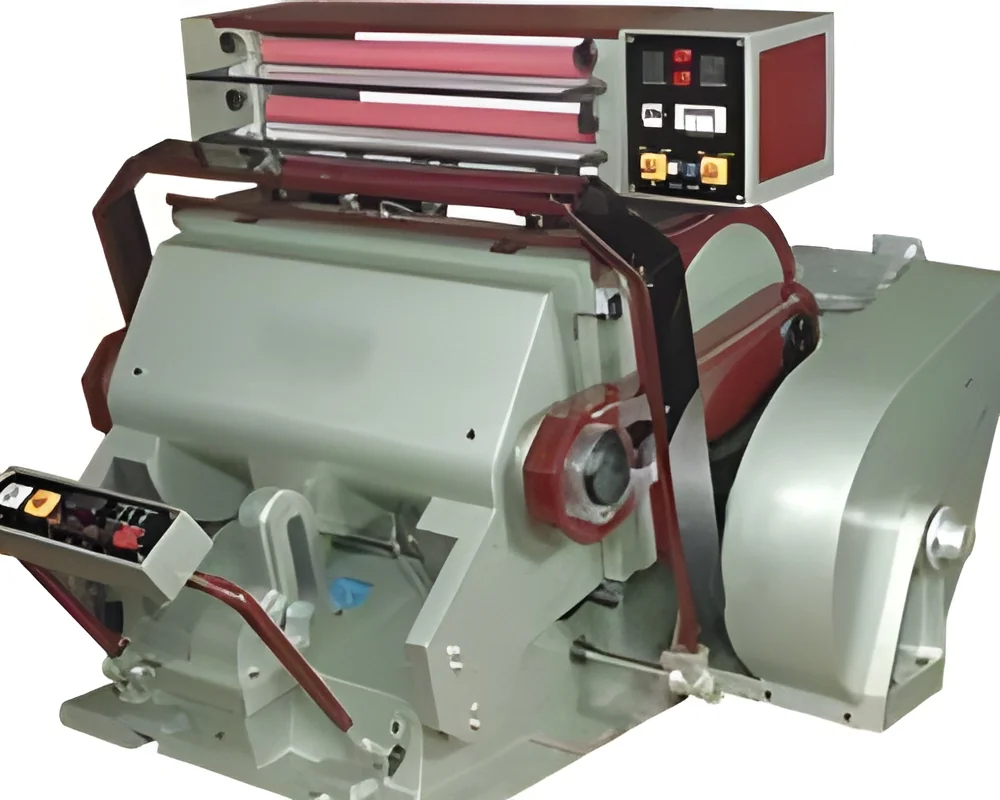
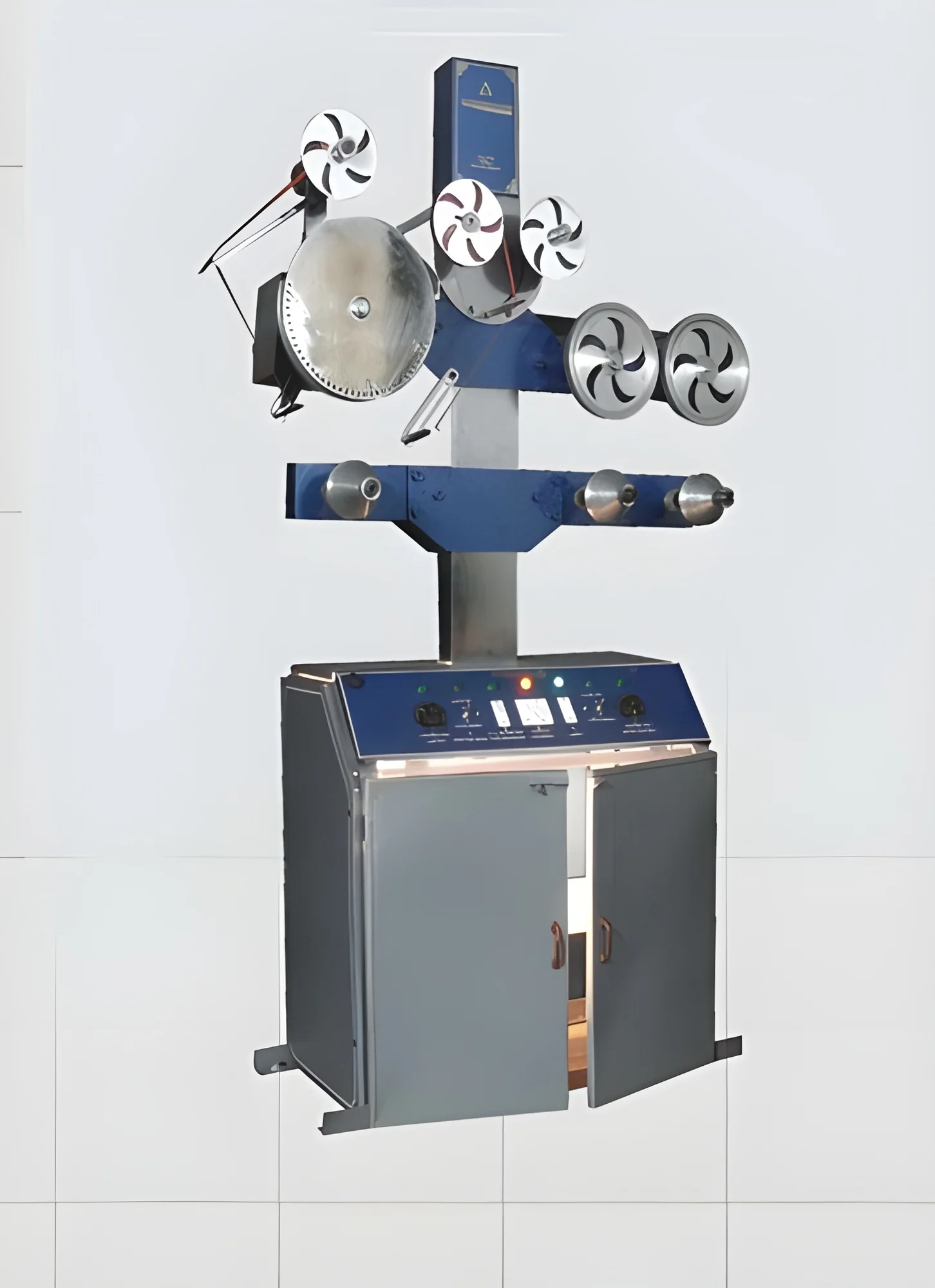
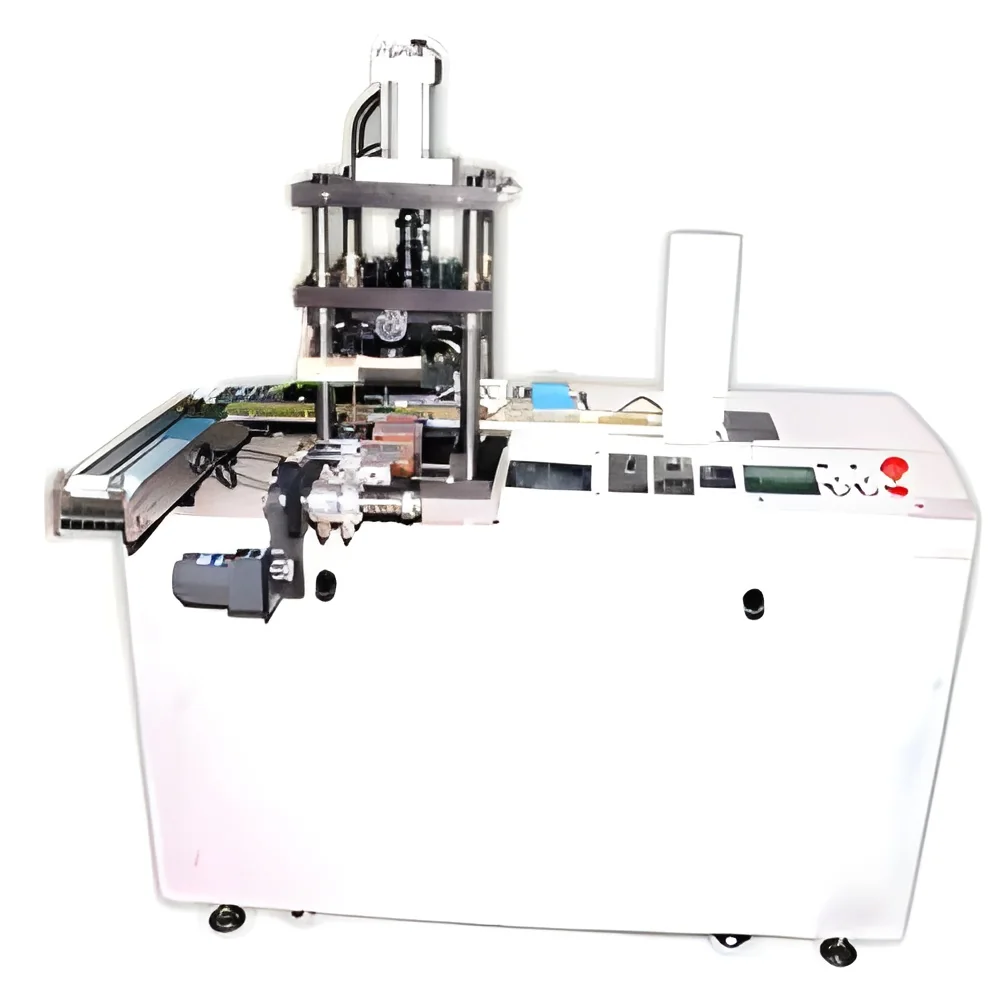
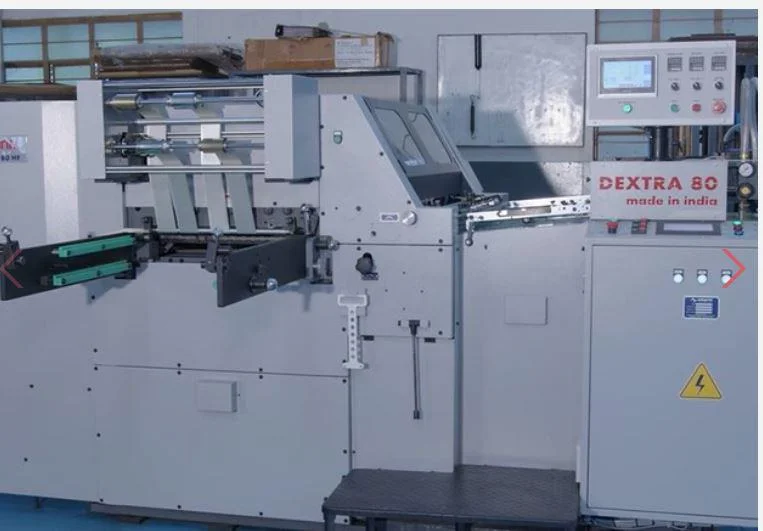
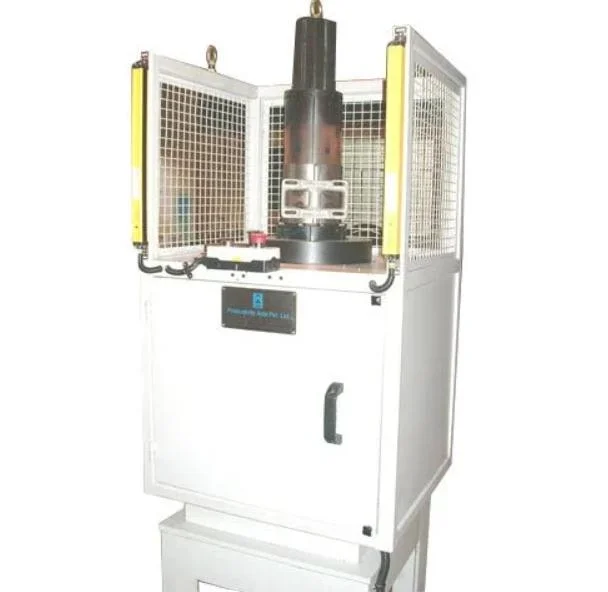
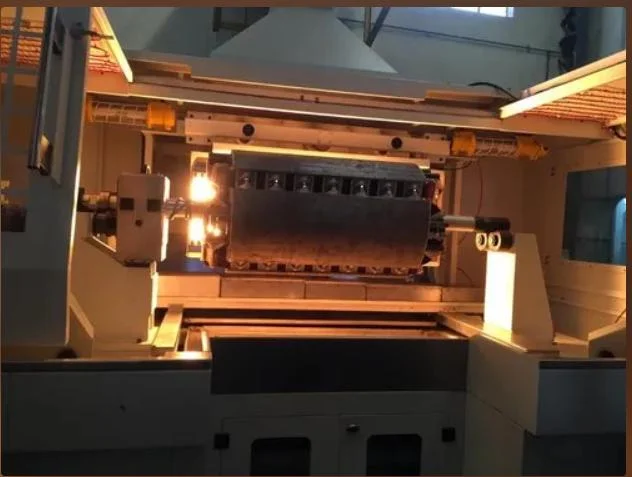
What are Foil Stamping & Embossing Machines?
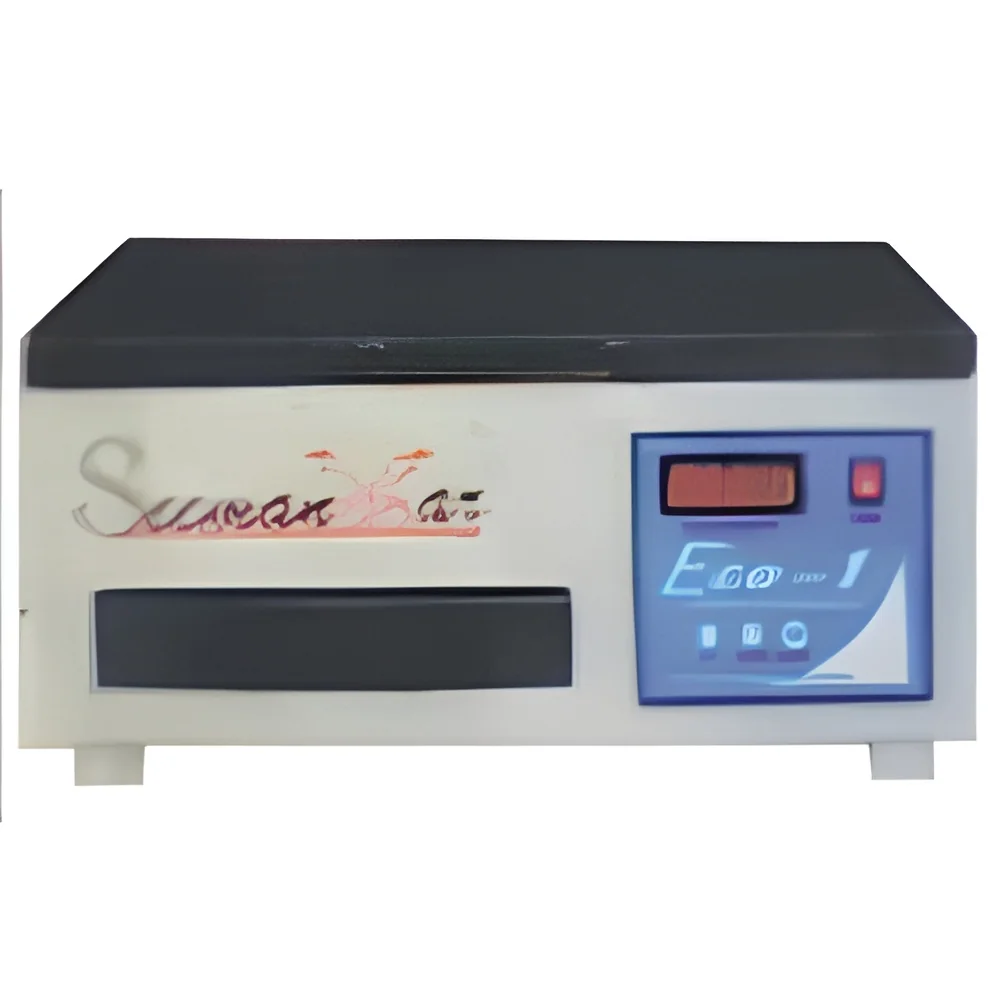
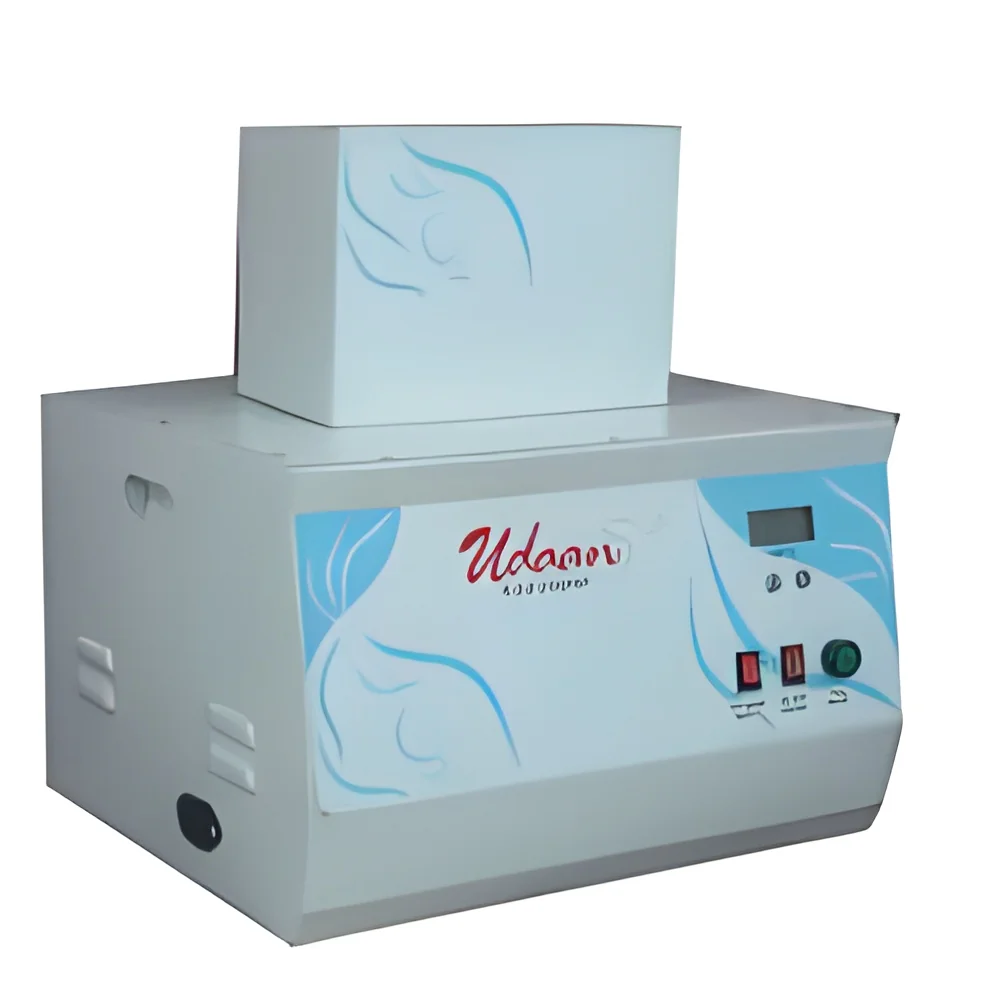
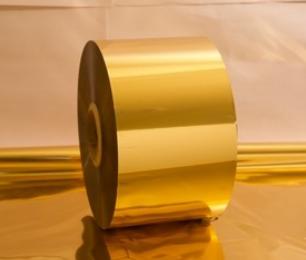
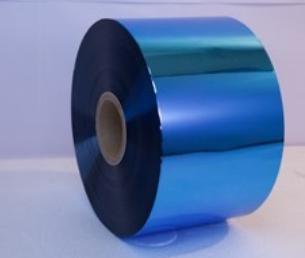
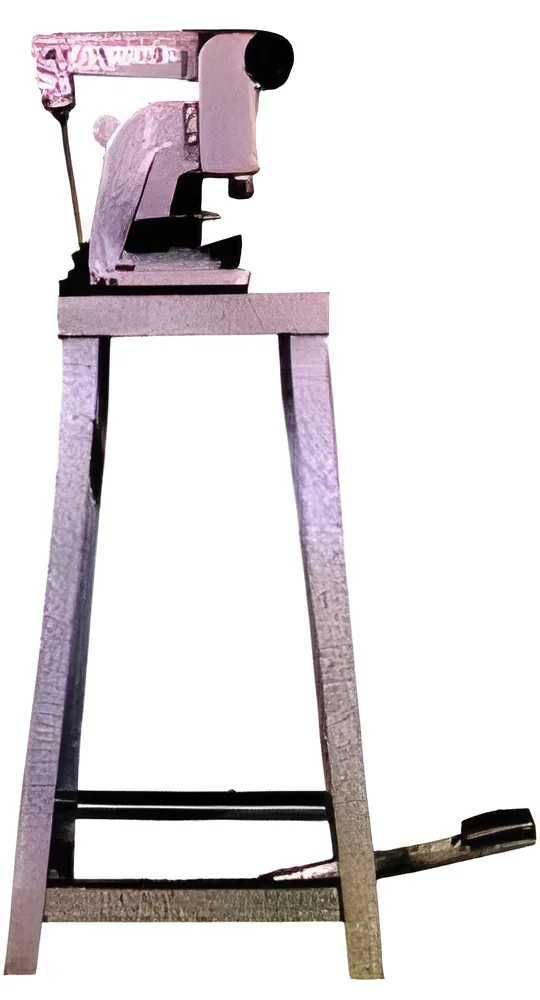
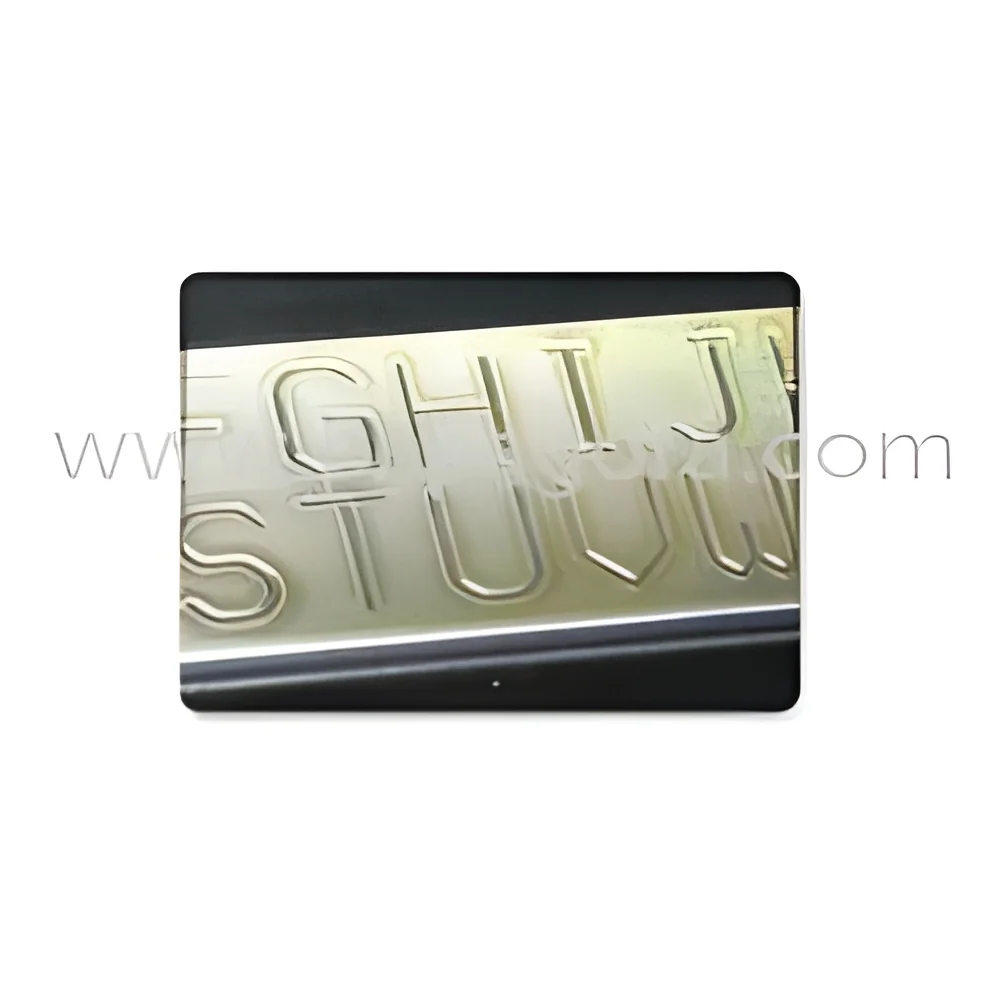
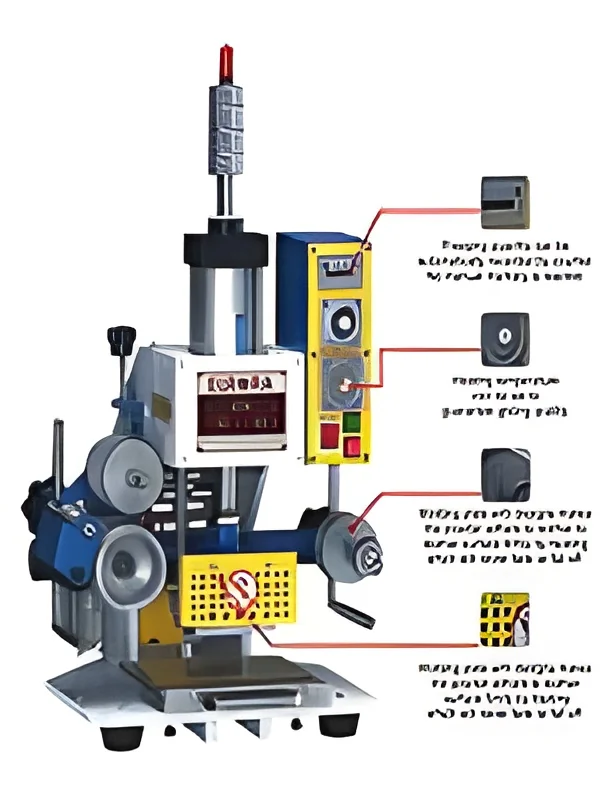
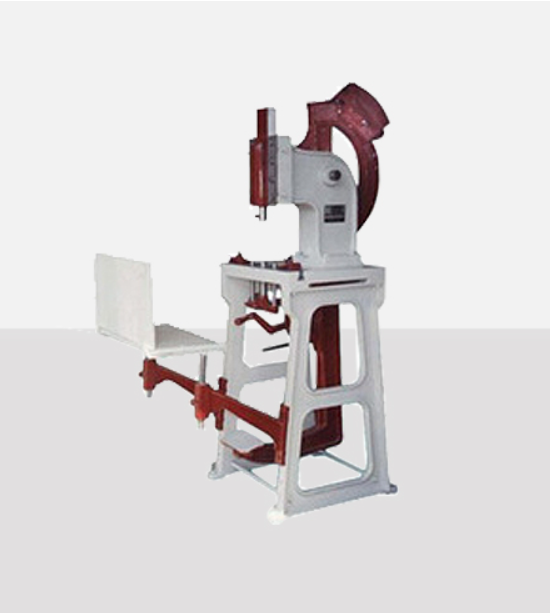
Foil stamping and embossing machines are specialized equipment used in the printing and packaging industries to create decorative elements on various materials. These machines apply metallic or pigmented foil onto surfaces to produce attractive, shiny designs, while embossing involves creating raised patterns or images. Both processes enhance the visual appeal and tactile quality of printed materials, making them stand out in a competitive market.
These machines find primary applications in producing high-quality packaging, labels, greeting cards, and promotional materials. Businesses leverage foil stamping and embossing to add a premium feel to their products, thereby increasing brand recognition and consumer interest. The demand for these machines has grown with the rise in customized packaging solutions and the need for unique branding strategies across different sectors.
In the current industrial landscape, foil stamping and embossing machines are crucial for businesses aiming to differentiate their products. As competition intensifies, companies recognize the importance of quality presentation, driving the demand for advanced machinery that can deliver both aesthetics and durability in their printed outputs.
Key Features and Specifications
Foil stamping and embossing machines come equipped with a variety of features designed to enhance functionality and efficiency. When selecting a machine, it is essential to consider specifications that align with business needs.
Key specifications include:
1. Stamping Area
- This indicates the maximum size of the area that can be stamped or embossed.
- It typically ranges from small formats (10x10 cm) to large formats (up to 100x70 cm).
2. Speed
- Refers to the number of impressions the machine can produce per minute.
- High-speed machines can achieve 1,200 impressions or more per hour.
3. Foil Roll Size
- Indicates the diameter of foil rolls that the machine can accommodate.
- Common sizes include 1-inch and 3-inch cores, with widths varying from 100 mm to 600 mm.
4. Power Consumption
- This specification details the energy requirements of the machine.
- Typical power usage can range from 1 kW to 5 kW.
5. Machine Weight
- Important for determining the installation requirements and mobility.
- Machines can weigh anywhere from 200 kg to over 1,000 kg.
6. Control System
- Refers to the technology used to operate the machine, such as PLC or touchscreen interfaces.
- Advanced systems may offer programmable settings for different jobs.
7. Material Compatibility
- Indicates the types of materials the machine can work with, including paper, cardboard, and plastics.
8. Safety Features
- Essential for operator protection, including emergency stops and safety guards.
In summary, understanding these specifications is vital for businesses looking to invest in foil stamping and embossing machines that meet their production requirements and quality standards.
Common Applications and Use Cases
Foil stamping and embossing machines are versatile and serve various industries effectively.
1. Packaging Industry: These machines are extensively used to enhance packaging materials, creating eye-catching designs that attract consumers on retail shelves.
2. Print Media: In publishing, foil stamping and embossing are utilized for book covers, magazines, and brochures, adding a luxurious touch that improves marketability.
3. Stationery Products: Greeting cards and invitations often feature foil and embossing techniques to convey elegance and sophistication for special occasions.
4. Labels and Tags: Custom labels for products benefit from foil stamping to highlight brand names and important information, thus improving visibility.
5. Promotional Items: Businesses use these machines to create unique promotional materials, enhancing their marketing efforts with visually striking designs.
6. Cosmetics Packaging: The beauty industry leverages foil stamping and embossing to create high-end product packaging that resonates with consumers.
7. Automotive Industry: Some high-end automotive parts feature embossed designs for branding and decorative purposes.
Product Variants and Subcategories
Foil stamping and embossing machines come in various configurations to meet different production needs. Each variant offers unique features tailored to specific applications.
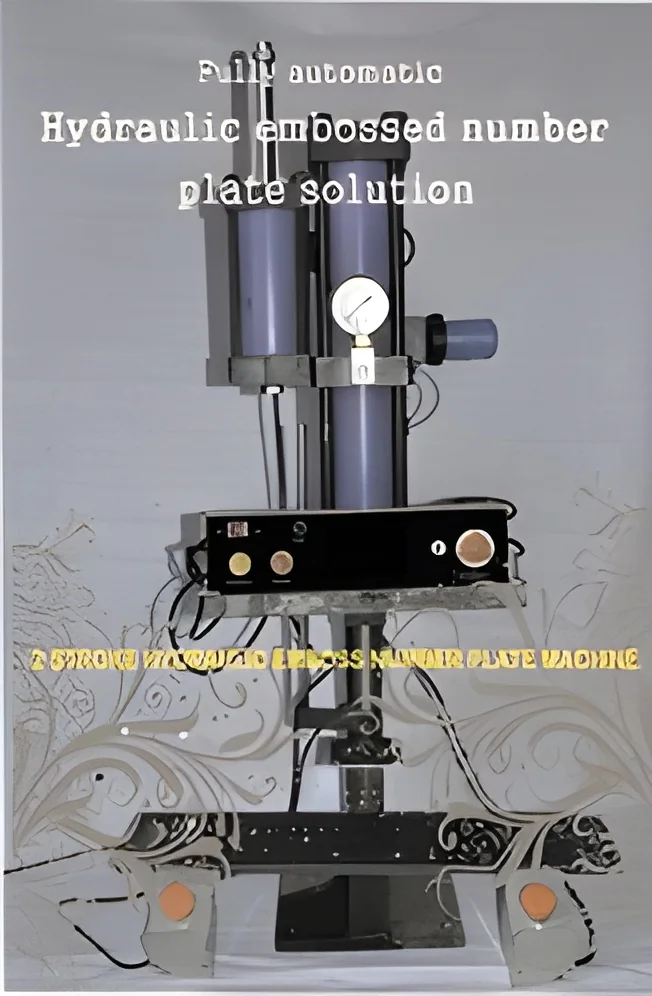
Automatic Foil Stamping Machines: These machines are designed for high-volume production, featuring advanced automation for faster output and reduced labor costs. They are ideal for large printing houses.
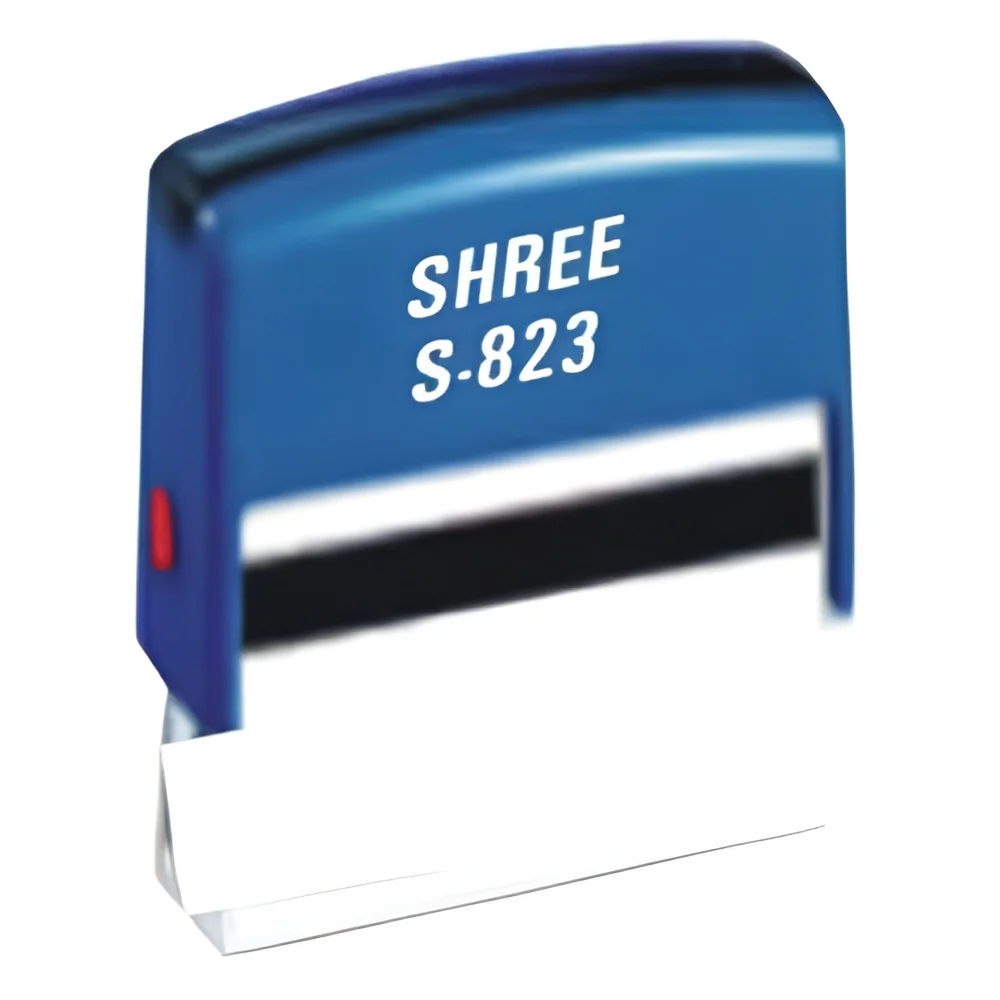
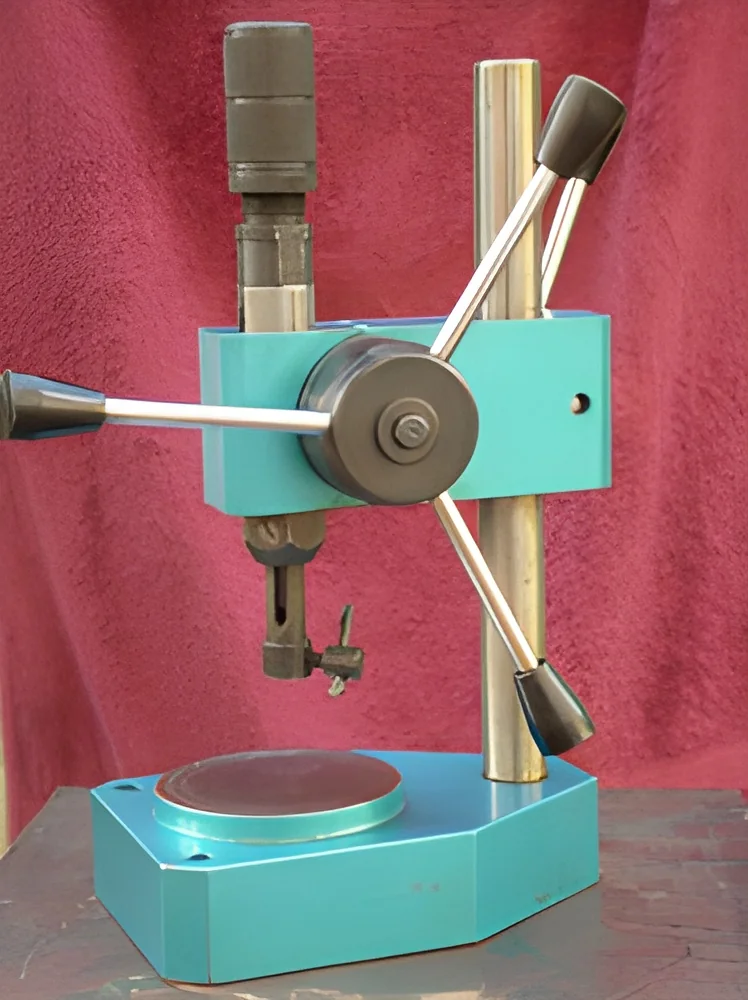
Manual Foil Stamping Machines: Suitable for smaller businesses or custom jobs, manual machines provide flexibility and control, allowing for detailed work on a smaller scale.
Semi-Automatic Foil Stamping Machines: These machines combine elements of both manual and automatic systems, offering a balance of efficiency and operator involvement. They are versatile for various applications.
Digital Foil Stamping Machines: Utilizing digital technology, these machines allow for quick changes and custom designs without the need for traditional plates. They are perfect for short runs and personalized items.
Benefits and Advantages
Investing in foil stamping and embossing machines presents numerous advantages for businesses.
1. Enhanced Aesthetics: Products with foil stamping and embossing stand out, appealing to consumers and enhancing brand image.
2. Increased Durability: Embossed surfaces can offer protection against wear and tear, extending the life of printed materials.
3. Customizability: Businesses can easily create unique designs tailored to specific market trends or customer preferences, boosting engagement.
4. High Market Value: Products that utilize foil stamping and embossing often command higher prices due to their premium appearance.
5. Versatile Applications: These machines can be used across various industries, making them a valuable asset for businesses looking to diversify their offerings.
6. Improved Brand Recognition: Unique designs help brands distinguish themselves, leading to better consumer recall and loyalty.
Buying Guide for B2B Buyers
When sourcing foil stamping and embossing machines, consider several critical factors to ensure a successful purchase.
1. Quality Assessment: Evaluate the machine's build quality, reliability, and the manufacturer's reputation. Look for user reviews and industry testimonials to gauge performance.
2. Supplier Verification: Vet suppliers thoroughly by checking their credentials, past projects, and customer service reputation. A reliable supplier will provide support and maintenance.
3. Pricing and MOQ: Understand the pricing structure and minimum order quantities required. This helps in budgeting and ensuring that the investment aligns with your production needs.
4. Delivery and Lead Times: Confirm the expected delivery schedules and lead times for machine setup. Efficient logistics are crucial for minimizing downtime.
5. Compliance Requirements: Ensure that the machines meet necessary quality standards and certifications relevant to your industry, such as CE certification.
Compliance and Certifications
Foil stamping and embossing machines must adhere to specific industry standards to ensure quality and safety. Relevant quality standards include ISO 9001, which focuses on quality management systems, and HACCP, which addresses food safety considerations for packaging materials.
Industry certifications such as CE indicate that the machines meet European safety, health, and environmental protection standards. These certifications assure buyers of the machine's compliance with regulatory requirements.
In addition to international standards, manufacturers may need to consider regional compliance factors, especially if operating in diverse markets. Adhering to these regulations is essential for maintaining operational integrity and ensuring customer safety.
Why Source Foil Stamping & Embossing Machines from Pepagora?
Pepagora provides a trusted platform for sourcing foil stamping and embossing machines, offering several key advantages.
Verified Supplier Network: Pepagora ensures that all suppliers are thoroughly vetted, guaranteeing that buyers connect with reputable manufacturers who maintain high standards.
Streamlined RFQ Process: The platform simplifies the request for quotation process, enabling buyers to receive competitive offers quickly without extensive back-and-forth communication.
Trade Assurance and Support: With trade assurance mechanisms in place, Pepagora protects buyers throughout the purchasing process, ensuring that transactions are secure and satisfactory.
Regional Coverage: Pepagora's geographic reach spans India, the GCC, and Southeast Asia, making it easy for businesses in these regions to find suitable suppliers that meet their specific needs.

 IN
IN
 India
India