IN
IN₹
Apparel & Fashion
Description
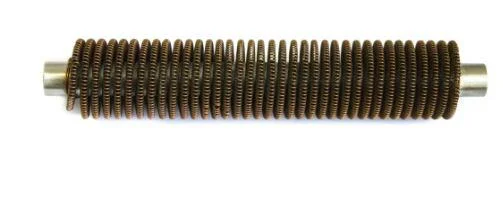
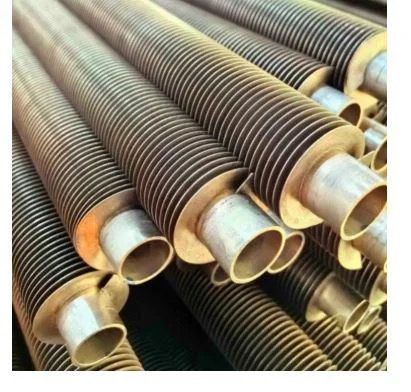
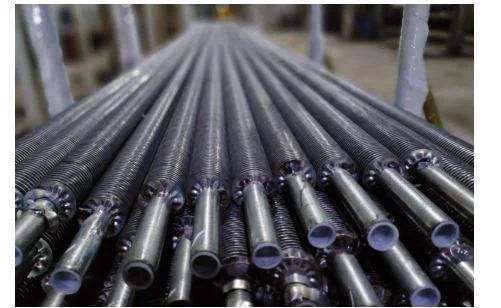
G-Type finned tubes represent advanced thermal engineering solutions designed for industrial heat transfer applications. Featuring fins embedded directly into the tube wall, these components create a permanent, high-strength bond that eliminates the weaknesses associated with welded or mechanical attachments. This integrated construction maximizes surface area contact between the fin and tube, resulting in superior heat conduction and dissipation capabilities. The design ensures consistent thermal performance across varying operational conditions while maintaining structural integrity under thermal cycling and mechanical loads. Available in various materials and configurations, these tubes provide adaptable solutions for diverse thermal management requirements in industrial settings.

These finned tubes serve critical functions across multiple industrial sectors where efficient heat exchange directly impacts process efficiency and energy consumption. In power generation facilities, the...
G-Type finned tubes represent advanced thermal engineering solutions designed for industrial heat transfer applications. Featuring fins embedded directly into the tube wall, these components create a permanent, high-strength bond that eliminates the weaknesses associated with welded or mechanical attachments. This integrated construction maximizes surface area contact between the fin and tube, resulting in superior heat conduction and dissipation capabilities. The design ensures consistent thermal performance across varying operational conditions while maintaining structural integrity under thermal cycling and mechanical loads. Available in various materials and configurations, these tubes provide adaptable solutions for diverse thermal management requirements in industrial settings.

These finned tubes serve critical functions across multiple industrial sectors where efficient heat exchange directly impacts process efficiency and energy consumption. In power generation facilities, they enhance boiler efficiency and turbine performance. Manufacturing plants utilize them in process heating systems, while petrochemical operations depend on their reliability for distillation and reaction temperature control. The construction industry incorporates them into large-scale HVAC systems, and food processing facilities use them in sterilization and drying equipment. Their versatility makes them essential components in any operation where precise temperature management affects product quality, safety standards, and operational economics.

The business value of G-Type finned tubes stems from their combination of performance reliability and operational efficiency. Their embedded fin design reduces maintenance requirements by eliminating common failure points found in alternative fin attachment methods. This translates to reduced downtime and lower lifecycle costs for thermal systems. The enhanced heat transfer efficiency directly decreases energy consumption, offering significant operational savings over time. Manufacturers benefit from the tubes' adaptability to specific process requirements, ensuring optimal performance in specialized applications. The durability under demanding conditions provides long-term investment protection, while the consistent thermal performance supports stable process control and product quality maintenance.

Key Features:
- Embedded fin design creating permanent, high-strength bond between fin and tube
- Enhanced surface area for improved heat transfer efficiency in fluid and gas applications
- Robust construction suitable for high-temperature and high-pressure environments
- Customizable dimensions including tube diameter, length, and fin density options
- Available in various material grades to match specific corrosion and temperature requirements

Benefits:
- Superior thermal efficiency reducing energy consumption and operating costs
- Long-term reliability with minimal maintenance requirements in continuous operations
- Mechanical durability resisting wear, vibration, and thermal cycling stresses
- Adaptable configurations fitting diverse industrial system specifications
- Consistent performance maintaining stable process temperatures for quality control
Specifications
| Additional Information | |
|---|---|
| Country of Origin | India |
Application
G-Type finned tubes excel in demanding thermal management scenarios where consistent heat exchange is critical. Their embedded fin design provides robust performance in environments with fluctuating temperatures and pressures, making them suitable for continuous industrial operations that require minimal maintenance and maximum uptime.
These tubes are engineered for integration into systems handling various fluids and gases across temperature extremes. The construction ensures efficient thermal transfer while withstanding mechanical stress and corrosion, providing long-term value in capital-intensive installations where equipment longevity directly impacts operational costs and productivity.
Real-world applications:
- Heat exchangers in power generation plants for steam condensation and feedwater heating
- Boiler systems in manufacturing facilities requiring efficient combustion air preheating
- Petrochemical processing units for crude oil heating and product cooling applications
- HVAC systems in large commercial buildings for energy recovery and climate control
- Industrial drying ovens and furnaces in food processing and material manufacturing
Trade Details
| Available Stock | In Stock |
| Sample Availability | No |
Payment Terms
| Payment Terms |
|
| Payment Methods |
|
Company Profile

Premier Engineering Works, Tamil Nadu
 Tamil Nadu, India
Tamil Nadu, IndiaIndustrial Equipment & Machinery•Manufacturer
Factory Details
Factory SizeBelow 1000 sqm
Industrial G Type Finned Tubes For Heat Exchangers And Boilers
G-Type finned tubes with embedded fins deliver durable industrial heat transfer for enhanced thermal efficiency in boilers, heat exchangers, and process systems, offering reliable performance with customizable sizing options.
Min. Order Quantity: 1 piece
Shipping
Shipping fee and delivery date to be negotiated. Contact supplier now for more details.
Premier Engineering Works
 Tamil Nadu, India
Tamil Nadu, IndiaIndustrial Equipment & MachineryManufacturer