
 IN
Fetal Monitors
5 products available
What are Fetal Monitors?
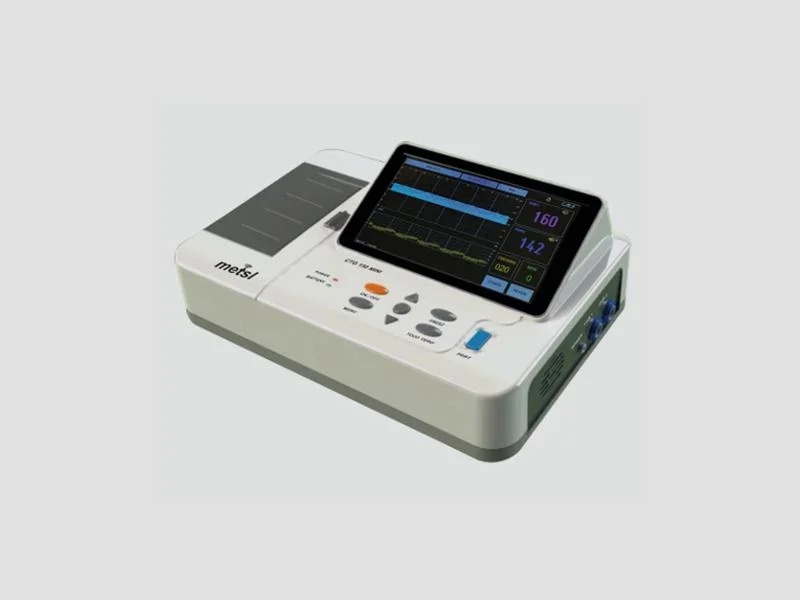
Fetal monitors are medical devices designed to track the heart rate and other vital signs of a developing fetus during pregnancy. These monitors can provide continuous or intermittent assessments of fetal well-being, allowing healthcare professionals to monitor the health of both the mother and the fetus. They can be used in various settings, including hospitals, clinics, and home care environments.
The primary uses of fetal monitors include labor and delivery monitoring, prenatal assessments, and postnatal evaluations. They play a critical role in identifying potential complications during labor, such as fetal distress, which may require immediate medical intervention. In the business context, fetal monitors are essential in obstetrics and gynecology, making them a vital product for hospitals and clinics focused on maternal and fetal health.
In today's healthcare landscape, fetal monitors are increasingly relevant due to rising awareness about maternal and fetal health. The global market for these devices is expanding as technological advancements improve monitoring accuracy and ease of use. With a growing emphasis on patient-centered care, the demand for reliable fetal monitoring solutions continues to rise across various healthcare sectors.
Key Features and Specifications
Fetal monitors come equipped with several advanced features that enhance their usability and accuracy. They are designed to provide real-time data, making them invaluable tools for healthcare providers.
Key specifications include:
1. Monitoring Mode
- Continuous or intermittent monitoring options
- Flexibility in use during labor and prenatal assessments
2. Display Type
- Digital displays for clear visualization of data
- Graphical representations of fetal heart rate patterns
3. Connectivity
- Options for wireless or wired connectivity
- Integration capabilities with electronic health record systems
4. Battery Life
- Long-lasting battery for portability
- Rechargeable options for extended use
5. User Interface
- Intuitive controls for ease of operation
- Configurable settings to meet specific clinical needs
6. Data Storage
- Internal storage for patient data history
- Capability to export data for further analysis
7. Safety Features
- Built-in alarms for abnormal readings
- Compliance with medical safety standards
8. Calibration
- Easy calibration to maintain accuracy
- Regular updates for software and firmware
In summary, the features and specifications of fetal monitors are designed to facilitate effective monitoring of fetal health, ensuring that healthcare providers have the tools necessary to deliver optimal care.
Common Applications and Use Cases
Fetal monitors serve various industries, primarily within healthcare.
1. Obstetrics: Fetal monitors are used extensively in obstetrics to monitor the health of both mother and baby during pregnancy and childbirth. They help detect any signs of distress in the fetus that may require intervention.
2. Gynecology: In gynecological practices, fetal monitors assist in routine prenatal check-ups. They provide essential data that help healthcare providers assess fetal development and health.
3. Home Healthcare: Some fetal monitoring systems are designed for home use, allowing expectant mothers to monitor their fetus's heart rate in a comfortable environment. This increases accessibility to maternal and fetal health monitoring.
4. Research Institutions: Fetal monitors are also utilized in clinical research to study fetal development and outcomes. Data collected can contribute to advancements in prenatal care practices.
5. Medical Training: These devices are used in medical training programs to help students and professionals learn about fetal monitoring techniques and the interpretation of data.
6. Emergency Medical Services: Fetal monitors may be used in ambulances during transport to provide critical information about fetal health when immediate medical attention is required.
Product Variants and Subcategories
Fetal monitors come in various models and configurations to suit different clinical needs.
Portable Fetal Monitors
These devices are designed for easy transport and are often battery-operated. They are ideal for use in clinics and during home visits. Their portability allows healthcare providers to conduct monitoring in various settings without being tethered to hospital equipment.
Wireless Fetal Monitors
These monitors utilize wireless technology to transmit data, allowing for greater mobility for both patients and medical staff. They are especially useful in labor and delivery rooms, where staff may need to move around freely while maintaining continuous monitoring.
Continuous Fetal Monitors
These devices are designed for real-time monitoring throughout labor. They provide continuous data on fetal heart rate and contractions, ensuring that any changes in the fetus's condition are promptly addressed.
Benefits and Advantages
Fetal monitors offer significant benefits to healthcare providers and patients alike.
1. Enhanced Patient Monitoring: Continuous tracking of fetal health allows for timely intervention in case of distress.
2. Improved Outcomes: Early detection of complications can lead to better outcomes for both mother and baby.
3. Increased Efficiency: Modern fetal monitors can streamline the monitoring process, saving time for healthcare professionals.
4. User-Friendly Interfaces: Many devices feature intuitive controls, making them easy to operate even under pressure.
5. Data Accessibility: The ability to store and analyze historical data enhances clinical decision-making.
6. Regulatory Compliance: Many fetal monitors meet stringent safety and regulatory standards, ensuring reliability in clinical use.
Buying Guide for B2B Buyers
When sourcing fetal monitors, consider several crucial factors to ensure you make an informed purchasing decision.
1. Quality Assessment: Evaluate the quality of fetal monitors by reviewing industry certifications and compliance with safety standards. Look for devices that have undergone rigorous testing to guarantee reliability.
2. Supplier Verification: It is essential to vet suppliers to ensure they are reputable and provide high-quality products. Check for references, reviews, and any certifications that demonstrate their credibility.
3. Pricing and MOQ: Understand the pricing structure of fetal monitors and inquire about minimum order quantities. This will help you budget effectively and align your purchasing goals with your operational needs.
4. Delivery and Lead Times: Assess the logistics of delivery, including lead times and shipping options. Timely delivery is crucial in the healthcare sector to ensure that equipment is available when needed.
5. Compliance Requirements: Familiarize yourself with any regulatory compliance requirements relevant to your region. This may include certifications such as CE and adherence to local healthcare standards.
Compliance and Certifications
Fetal monitors are subject to various quality standards and industry certifications to ensure their safety and efficacy. ISO 9001 is a widely recognized standard that outlines quality management principles applicable to the manufacturing of medical devices, including fetal monitors. Compliance with this standard helps ensure that products consistently meet customer and regulatory requirements.
Additionally, fetal monitors often hold certifications such as CE, which indicates compliance with European health, safety, and environmental protection standards. This certification is crucial for companies looking to market their products in Europe.
Safety and testing requirements for fetal monitors are stringent, ensuring that devices can reliably monitor fetal health without posing risks to either the mother or the fetus. Manufacturers must conduct thorough testing to meet these requirements, which may vary by region.
It is also important to consider regional compliance, as different countries may have specific regulations governing the use of medical devices. Understanding these regulations can help prevent legal issues and ensure that products are safe and effective for use in healthcare settings.
Why Source Fetal Monitors from Pepagora?
Pepagora provides a trusted platform for sourcing fetal monitors, offering several key advantages to B2B buyers.
Verified Supplier Network: Pepagora partners with a network of verified suppliers who adhere to high-quality standards. This ensures that buyers receive reliable products that meet their clinical needs.
Streamlined RFQ Process: The quotation system on Pepagora simplifies the sourcing process. Buyers can easily request quotes from multiple suppliers, enabling them to compare options and make informed decisions.
Trade Assurance and Support: Pepagora offers trade assurance to protect buyers throughout the purchasing process. This includes support for any issues that may arise after the purchase, ensuring a smooth transaction.
Regional Coverage: With a strong presence in India, the GCC, and Southeast Asia, Pepagora is well-positioned to serve a diverse range of markets. This geographic reach allows buyers to access a wide variety of fetal monitors tailored to different regional requirements.




 India


 India

Frequently Asked Questions
What are Fetal Monitors?
Fetal monitors are medical devices used to assess the well-being of a fetus during pregnancy. They monitor the heart rate and other vital signs of the fetus, providing valuable information to healthcare providers.
What are the different types of Fetal Monitors?
There are two main types of fetal monitors: external and internal monitors. External monitors are placed on the mother's abdomen, while internal monitors are inserted into the uterus for more accurate readings.
How do I choose the right Fetal Monitors?
Choosing the right fetal monitor depends on several factors, including the type of monitoring required, the stage of pregnancy, and specific medical needs. Consider consulting with healthcare professionals to determine the most suitable option.
What are the standard specifications for Fetal Monitors?
Standard specifications for fetal monitors typically include heart rate range, accuracy, display type, and battery life. It's essential to review these specifications to ensure the monitor meets clinical requirements.
What is the price range for Fetal Monitors?
The price range for fetal monitors can vary widely based on features and brand, typically ranging from ₹20,000 to ₹200,000 or more. Higher-end models with advanced features tend to be more expensive.
What quality standards apply to Fetal Monitors?
Fetal monitors must comply with various quality standards, such as ISO 13485 for medical devices and CE marking for safety in Europe. These standards ensure the reliability and safety of the devices.
Where can I find Fetal Monitors suppliers in India?
You can find fetal monitor suppliers in India through online B2B marketplaces, medical equipment distributors, and manufacturer directories. Pepagora.com is a useful platform to connect with various suppliers.
Can Fetal Monitors be customized?
Yes, many fetal monitors can be customized based on specific clinical needs or user preferences. Customization may include features like software modifications and additional monitoring capabilities.
What is the typical minimum order quantity for Fetal Monitors?
The typical minimum order quantity (MOQ) for fetal monitors can vary by supplier but generally ranges from 1 to 10 units. It is advisable to confirm the MOQ with the specific supplier during the inquiry process.
What is the typical lead time for Fetal Monitors?
The typical lead time for fetal monitors can range from a few days to several weeks, depending on the supplier and the availability of the product. It's recommended to check with the supplier for accurate delivery timelines.
Why Businesses Trust Pepagora
Thousands of companies trust Pepagora to source smarter and sell faster
Expand Your Sales Globally

Source Smarter,Grow Faster
