IN
IN₹
Apparel & Fashion
Description
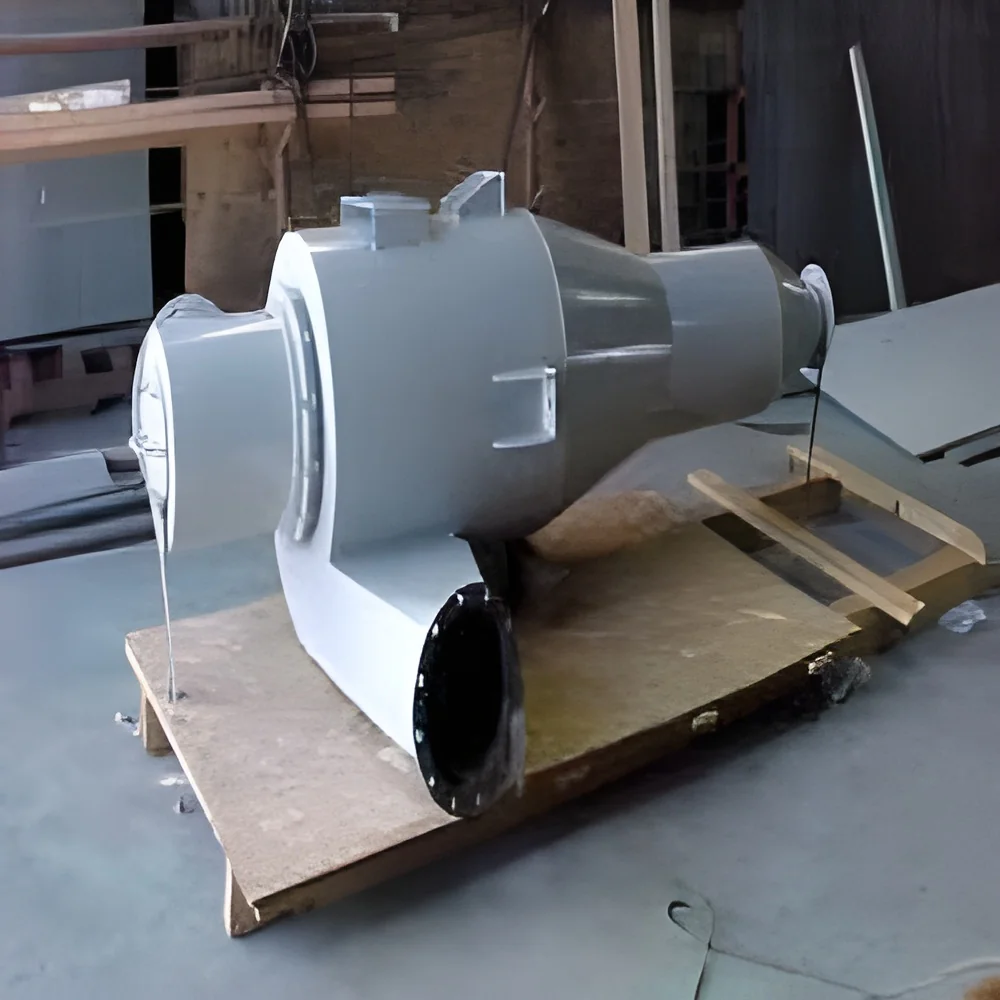
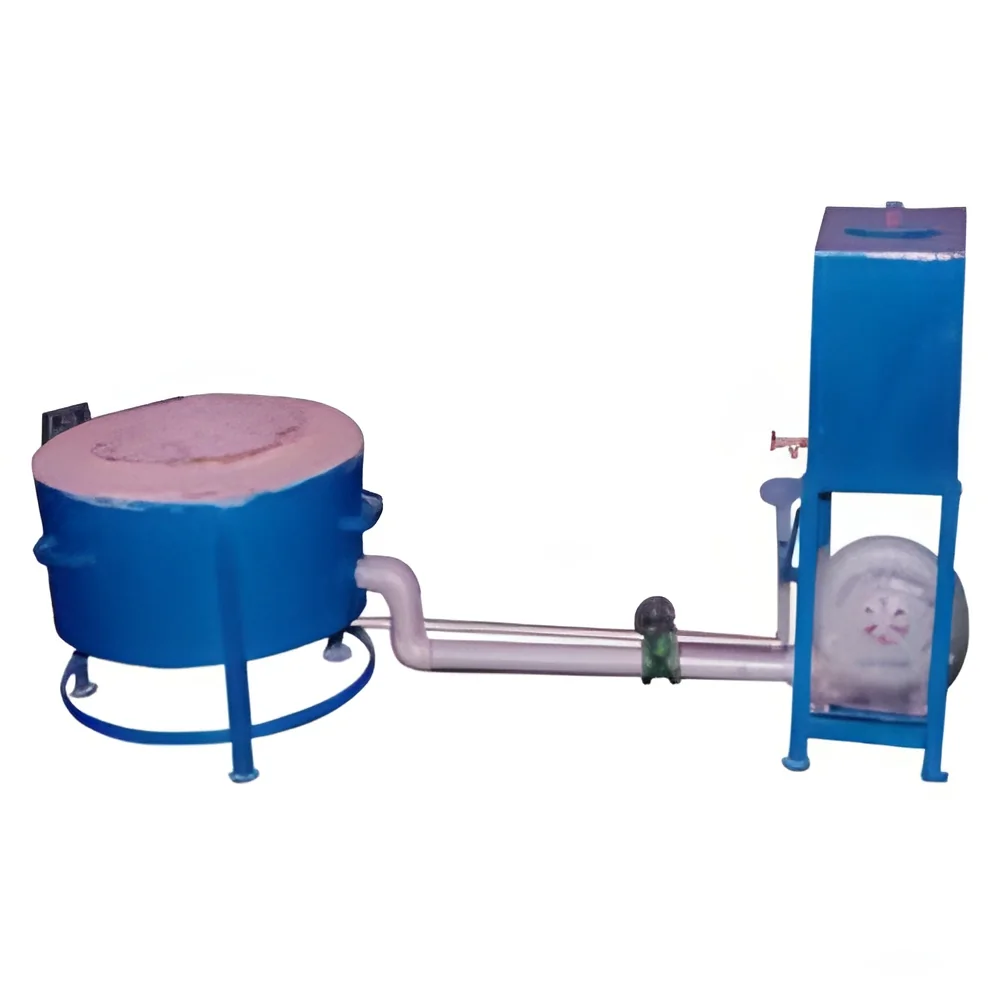
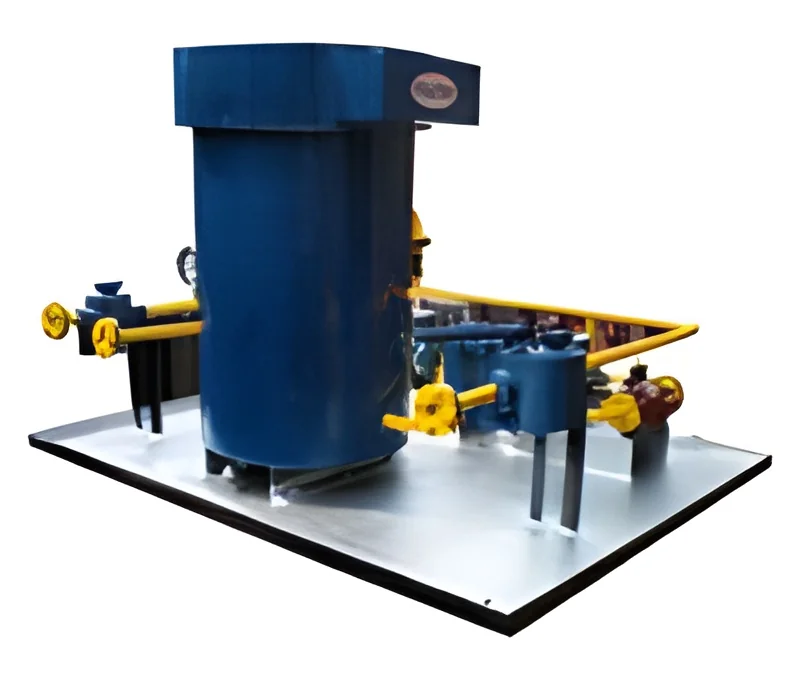
Industrial air pollution control devices provide essential emission management solutions for manufacturing and processing facilities facing environmental compliance requirements. These systems are engineered to capture, filter, and neutralize various pollutants including dust particles, chemical fumes, smoke, and gaseous emissions originating from industrial operations. Built with robust construction using industrial-grade materials, each unit delivers reliable performance in demanding environments while maintaining energy efficiency and operational consistency. The devices feature advanced filtration technology that effectively removes contaminants from exhaust streams, ensuring facilities meet emission standards while protecting equipment and maintaining production quality. Their durable design ensures long-term service with minimal maintenance requirements, providing sustainable air quality management for industrial operations where compliance and worker safety are critical prioriti...
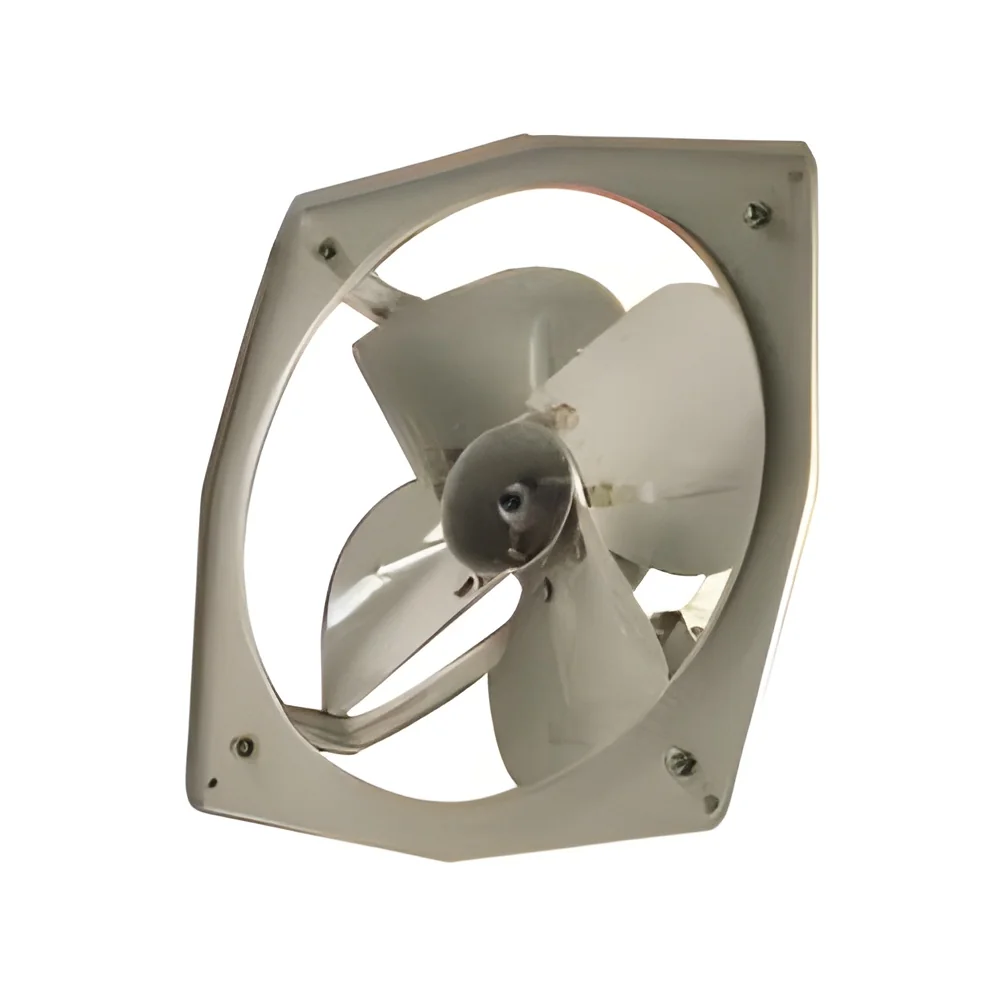
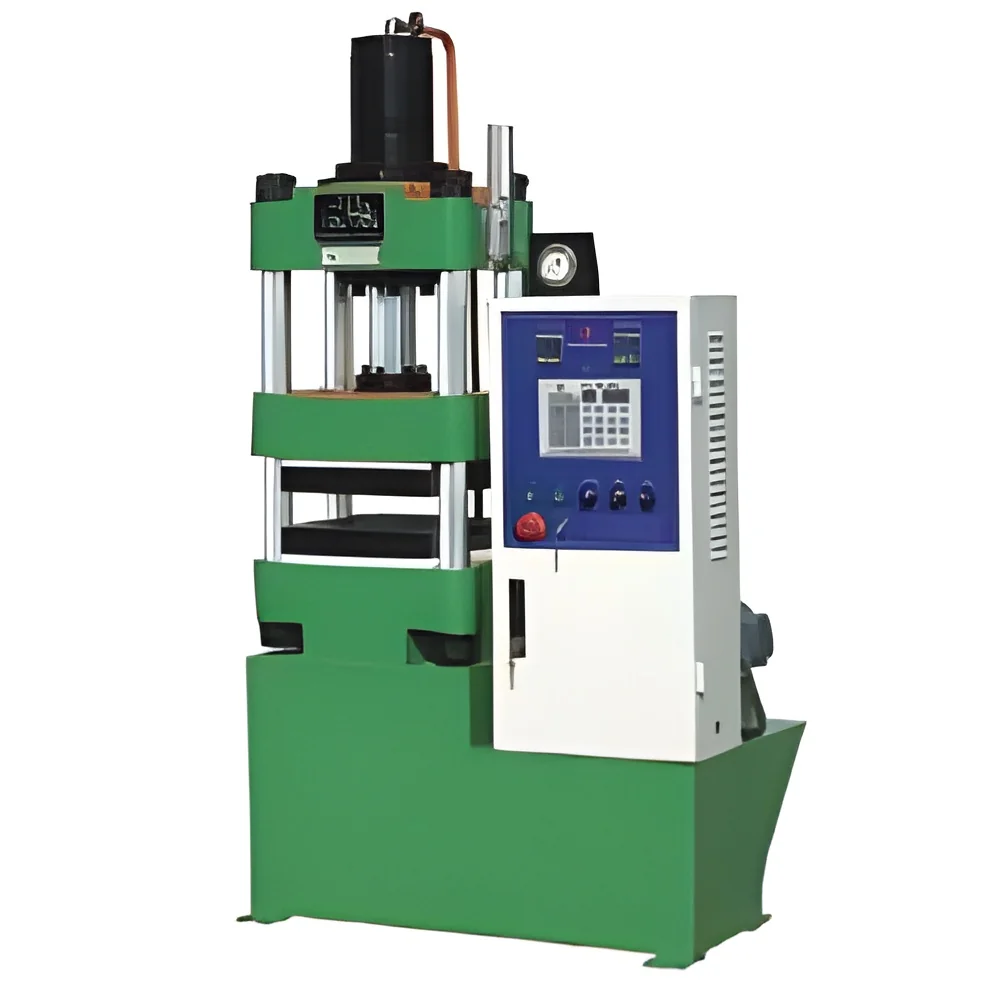
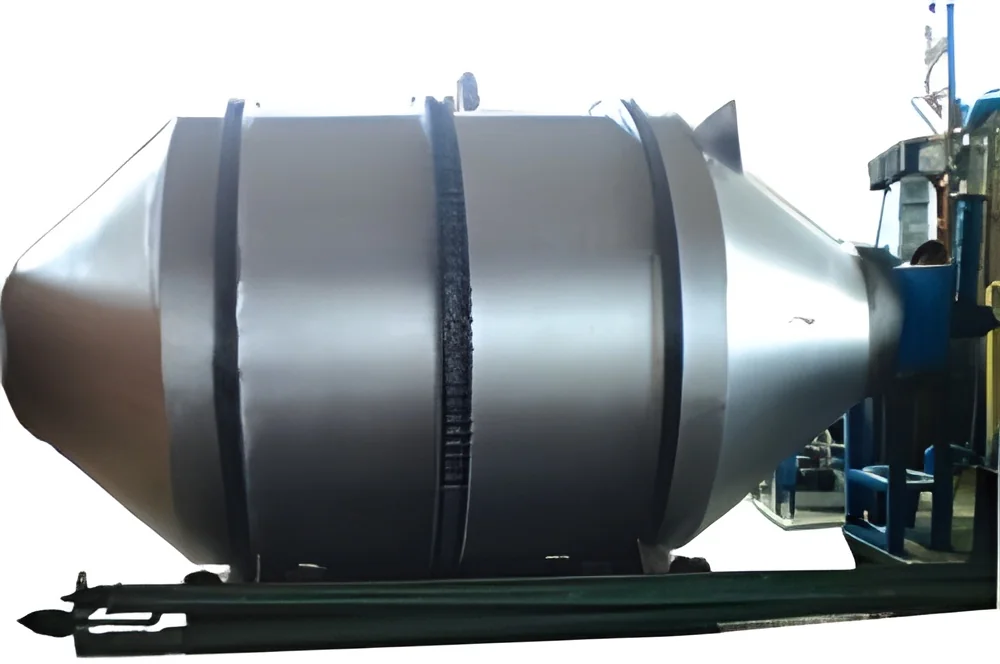
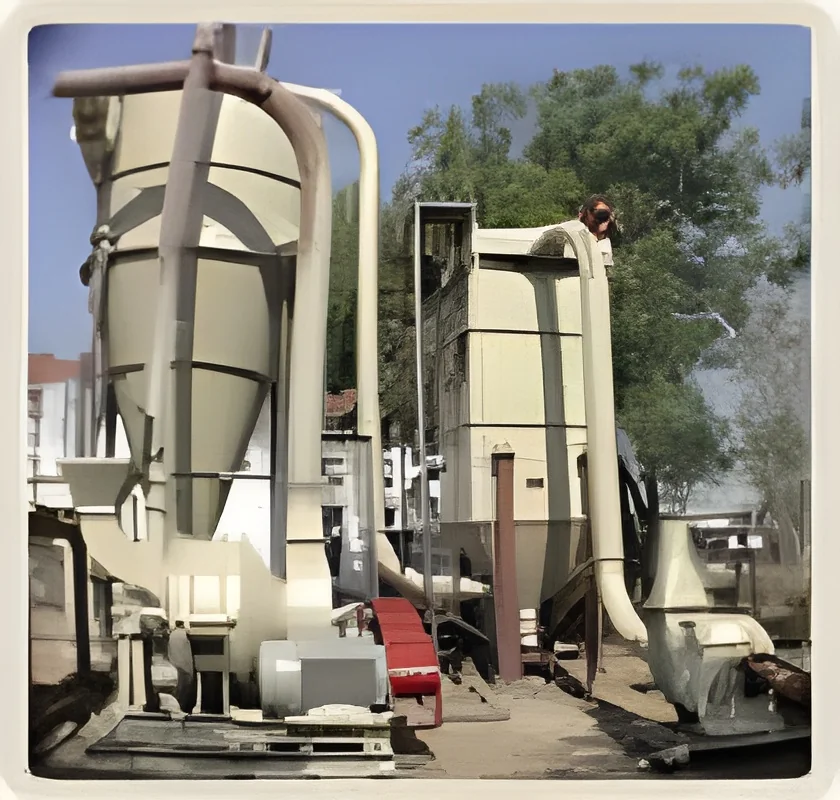
Industrial air pollution control devices provide essential emission management solutions for manufacturing and processing facilities facing environmental compliance requirements. These systems are engineered to capture, filter, and neutralize various pollutants including dust particles, chemical fumes, smoke, and gaseous emissions originating from industrial operations. Built with robust construction using industrial-grade materials, each unit delivers reliable performance in demanding environments while maintaining energy efficiency and operational consistency. The devices feature advanced filtration technology that effectively removes contaminants from exhaust streams, ensuring facilities meet emission standards while protecting equipment and maintaining production quality. Their durable design ensures long-term service with minimal maintenance requirements, providing sustainable air quality management for industrial operations where compliance and worker safety are critical priorities.

These emission control systems serve vital roles across multiple industrial sectors that must balance production demands with environmental responsibility. Manufacturing facilities implement them to control particulate matter from material handling and processing operations, while chemical production plants rely on them for managing volatile organic compounds and hazardous fume emissions. Metal fabrication industries utilize these systems to capture welding smoke, grinding particles, and metal dust, and food processing operations use them for odor control and organic compound management. Power generation facilities, pharmaceutical manufacturers, automotive production plants, and material processing units also depend on these devices for maintaining clean air standards and demonstrating regulatory compliance across their operations, ensuring sustainable production practices.

The operational value of these air pollution control devices extends beyond meeting environmental regulations to deliver tangible business advantages. They enhance workplace safety by reducing health hazards associated with airborne pollutants, potentially lowering insurance costs and improving employee productivity through better air quality. Their reliable performance ensures consistent emission control with minimal operational interruptions, while energy-efficient designs help manage utility expenses effectively. The systems' adaptability allows for optimal configuration to specific pollution challenges, providing targeted solutions without unnecessary capacity or excessive costs. These devices represent strategic investments in operational sustainability, protecting both environmental compliance and operational efficiency through proven emission control technology and dependable performance.

Key Features:
- Industrial-grade construction using durable materials for harsh environments
- Advanced filtration systems for effective particulate and fume capture
- Energy-efficient operation with optimized airflow management
- Comprehensive safety systems including monitoring and automatic controls
- Configurable designs adaptable to specific space and emission requirements

Benefits:
- Ensures compliance with environmental regulations and emission standards
- Improves workplace air quality and employee safety conditions
- Reduces maintenance requirements with durable, reliable construction
- Lowers operational costs through energy-efficient performance
- Provides scalable solutions adaptable to changing production needs
Specifications
| Additional Information | |
|---|---|
| Country of Origin | India |
Application
Our industrial air pollution control devices are engineered for demanding manufacturing environments where emission compliance is mandatory. These systems effectively capture particulate matter, chemical fumes, smoke, and gaseous pollutants from production processes, helping facilities meet strict environmental regulations while maintaining operational continuity and workplace safety standards across multiple industries.
These emission control solutions serve diverse industrial sectors including manufacturing, chemical processing, metal fabrication, food production, and power generation. Each system can be configured to handle specific pollutant types and volumes, making them ideal for plants and facilities seeking reliable air quality management that scales with production demands and regulatory requirements.
- Manufacturing facilities capturing production dust and particulate emissions
- Chemical plants controlling hazardous fume and vapor emissions
- Metalworking shops removing welding smoke and metal particles
- Food processing units managing organic compound and odor emissions
- Power generation facilities filtering combustion byproducts and ash
Trade Details
| Available Stock | In Stock |
| Sample Availability | No |
Payment Terms
| Payment Terms |
|
Company Profile
Changotra Oil Furnace, Punjab
 Punjab, India
Punjab, IndiaIndustrial Equipment & Machinery•Manufacturer•Distributor / Wholesaler•Importer / Exporter
Factory Details
Factory Size1000-5000 sqm
Annual Production Capacity0
Main Markets
Southern Europe
Eastern Asia
South Asia
Southeast Asia
Central America
Industrial Air Pollution Control Devices For Emission Compliance
Industrial air pollution control devices for manufacturing plants and factories. Reliable emission control systems ensure environmental compliance while capturing dust, fumes, and particulate matter effectively.
Min. Order Quantity: 1 unit
Shipping
Shipping fee and delivery date to be negotiated. Contact supplier now for more details.
Changotra Oil Furnace
 Punjab, India
Punjab, IndiaIndustrial Equipment & MachineryManufacturer