IN
IN₹
Apparel & Fashion
Description
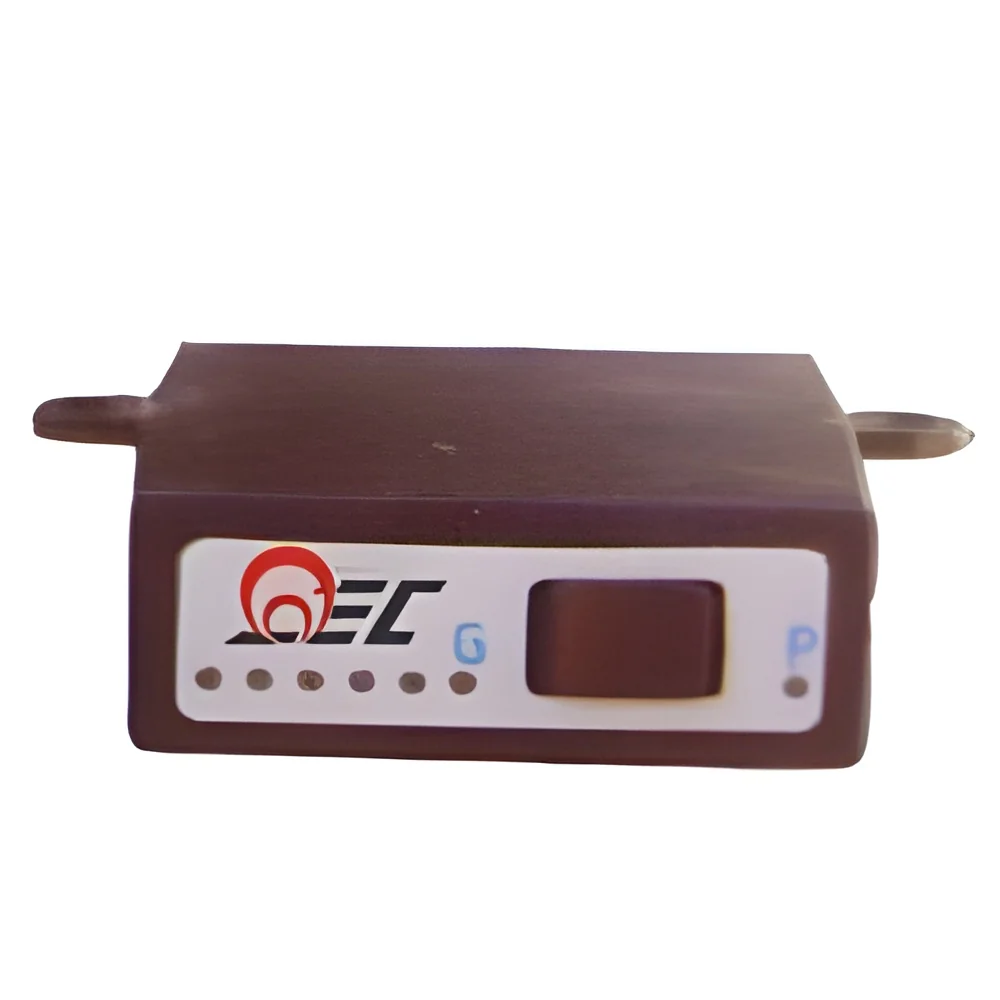
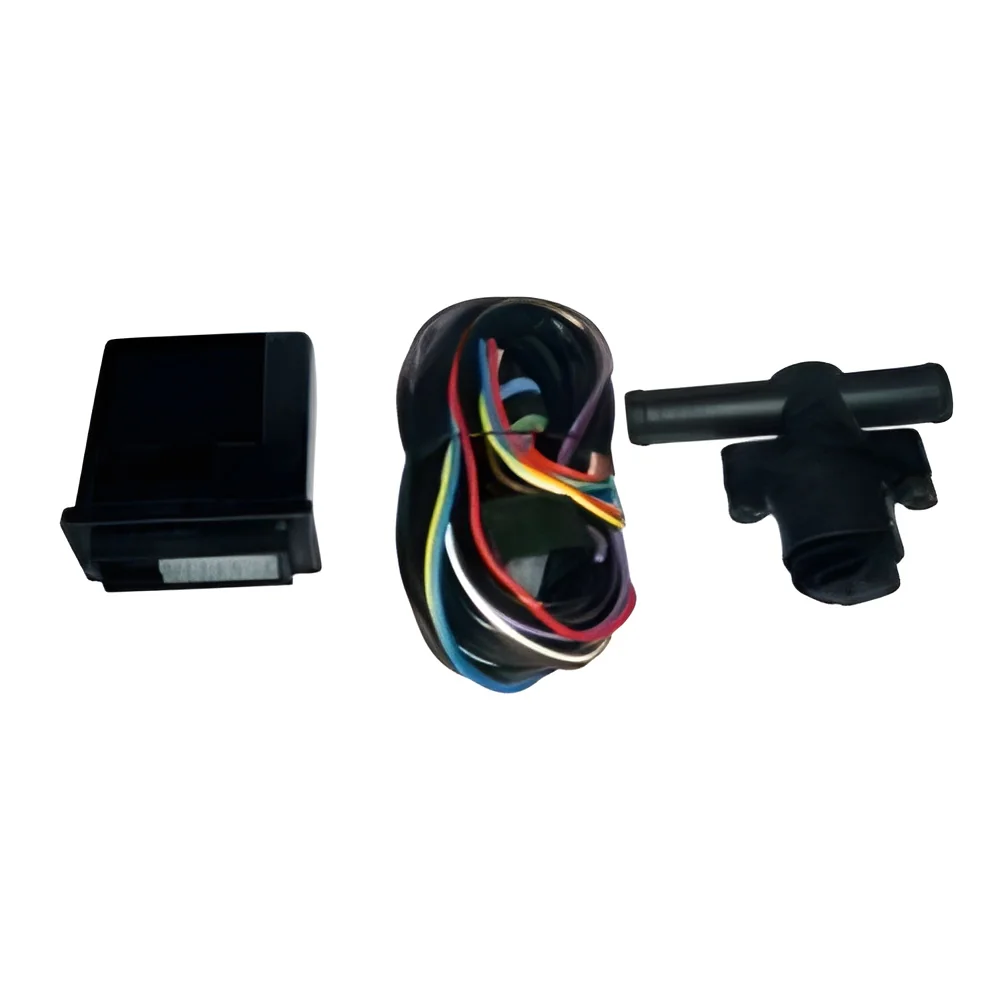
The Industrial Lambda Control System represents advanced automated technology designed to dynamically regulate fuel supply based on real-time engine requirements and operational conditions. By eliminating manual adjustments, it maintains optimal air-fuel ratios that enhance combustion efficiency, reduce fuel waste, and minimize harmful emissions. This sophisticated system utilizes precision sensors and control algorithms to continuously monitor engine parameters, making instantaneous corrections to ensure consistent performance. Built for durability and straightforward integration, it supports a broad spectrum of engines from compact industrial units to large marine and power generation systems. The set-and-forget functionality removes the need for constant monitoring and manual tuning, significantly reducing labor costs and potential human errors while delivering reliable operation in demanding environments.

This control system finds extensive application across multiple industrial s...
The Industrial Lambda Control System represents advanced automated technology designed to dynamically regulate fuel supply based on real-time engine requirements and operational conditions. By eliminating manual adjustments, it maintains optimal air-fuel ratios that enhance combustion efficiency, reduce fuel waste, and minimize harmful emissions. This sophisticated system utilizes precision sensors and control algorithms to continuously monitor engine parameters, making instantaneous corrections to ensure consistent performance. Built for durability and straightforward integration, it supports a broad spectrum of engines from compact industrial units to large marine and power generation systems. The set-and-forget functionality removes the need for constant monitoring and manual tuning, significantly reducing labor costs and potential human errors while delivering reliable operation in demanding environments.

This control system finds extensive application across multiple industrial sectors, including automotive manufacturing where it ensures precise calibration and performance validation on engine test beds. In power generation, it optimizes fuel consumption in generators and turbines, particularly under variable load conditions, enhancing energy efficiency and operational reliability. The marine industry utilizes it to maintain engine efficiency in various vessels while complying with international emission regulations and reducing operational expenses. Additional industrial applications include boilers, furnaces, and heavy machinery used in construction, mining, and agriculture, where consistent combustion is crucial for process integrity and equipment longevity. The system also supports sectors like aerospace and rail transportation, providing dependable fuel management solutions in challenging operational environments.

The Lambda Control System delivers substantial business value through reduced fuel consumption and lower operational costs achieved via automated optimization. Its proven reliability stems from robust construction and advanced control logic that ensure long-term performance with minimal maintenance requirements, consequently reducing downtime and repair expenses. The system distinguishes itself through superior quality and customization capabilities, enabling tailored solutions for specific engine types and operational needs that enhance suitability across diverse applications. Businesses achieve faster return on investment through significant energy savings, extended engine lifespan, and compliance with environmental standards that avoid penalties while improving sustainability profiles. The technology's adaptability and seamless integration make it a future-proof investment for companies modernizing operations and pursuing comprehensive efficiency improvements.

Key Features:
- Automated real-time fuel regulation responding to engine demands
- Continuous air-fuel ratio monitoring for precise combustion control
- Broad compatibility with various engine types and industrial applications
- Robust construction ensuring durability in demanding environments
- Customizable settings addressing specific operational requirements

Benefits:
- Reduced fuel consumption through optimal air-fuel mixture maintenance
- Lower emissions ensuring environmental compliance and sustainability
- Consistent engine performance across varying operating conditions
- Decreased maintenance needs and reduced operational downtime
- Extended engine lifespan through optimized combustion processes
Specifications
| Additional Information | |
|---|---|
| Country of Origin | India |
Application
The Lambda Control System delivers precision fuel management across diverse engine types and operating conditions. It continuously monitors and adjusts air-fuel mixtures in real-time, ensuring optimal combustion efficiency while adapting to varying loads and environmental factors without manual intervention. This automated approach guarantees consistent performance while lowering fuel consumption and maintaining emission compliance.
Industries including automotive manufacturing, power generation, marine engineering, and heavy machinery rely on this system for enhanced operational reliability. It integrates seamlessly with existing engine setups, providing automated control that reduces human error and maintenance requirements. The technology supports both stationary and mobile engines, offering versatile solutions for businesses focused on sustainability and cost-efficiency improvements.
- Automotive test beds and engine manufacturing for precise fuel ratio calibration
- Power generators and backup systems maintaining efficiency under fluctuating loads
- Marine engines in ships optimizing fuel use and reducing emissions at sea
- Industrial boilers and furnaces requiring consistent combustion stability
- Agricultural and construction machinery ensuring reliability in tough conditions
Trade Details
| Available Stock | In Stock |
| Sample Availability | No |
Payment Terms
| Payment Terms |
|
Company Profile
Automotive Eco Care- India Private Limited, Karnataka
 Karnataka, India
Karnataka, IndiaElectronics & Electrical•Manufacturer•Distributor / Wholesaler
Factory Details
Factory SizeBelow 1000 sqm
Annual Production Capacity0
Industrial Lambda Control System For Optimal Fuel Efficiency And Emissions
Industrial Lambda Control System automatically regulates fuel supply to maintain optimal air-fuel ratios for improved engine efficiency, reduced emissions, and consistent performance across industrial applications.
Min. Order Quantity: 1 unit
Shipping
Shipping fee and delivery date to be negotiated. Contact supplier now for more details.
Automotive Eco Care- India Private Limited
 Karnataka, India
Karnataka, IndiaElectronics & ElectricalManufacturer