
 IN
Digital Stethoscopes
2 products available
What are Digital Stethoscopes?
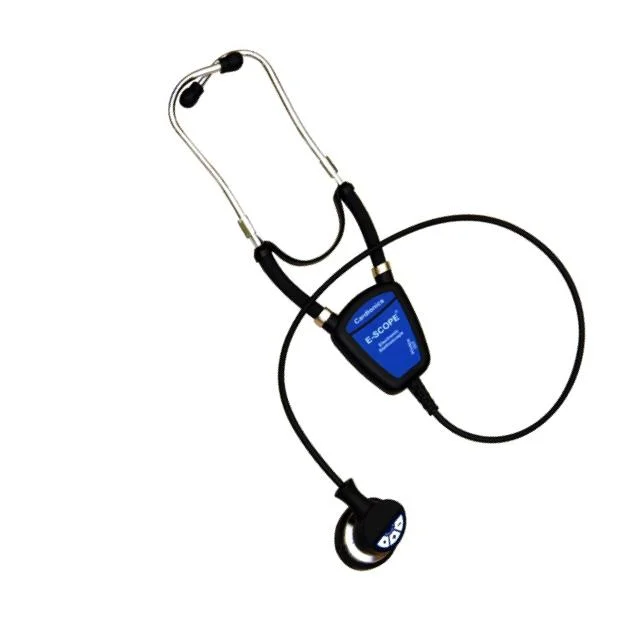
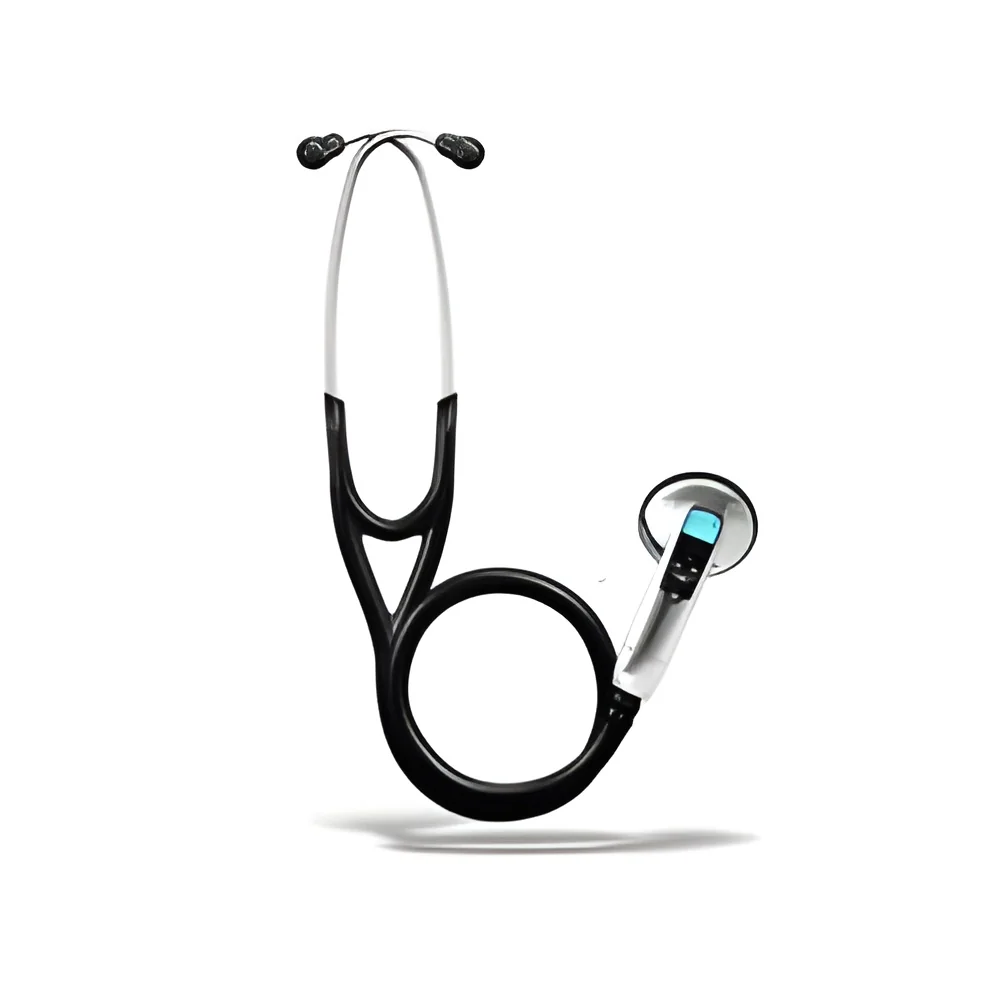
Digital stethoscopes are advanced medical devices that capture and amplify sounds from within the body, such as heartbeats and lung sounds, using electronic technology. Unlike traditional stethoscopes, digital versions convert acoustic sounds into digital signals. This allows for enhanced sound quality, the ability to record and store sounds, and even transmit data for remote consultations. These devices are designed to improve the diagnostic capabilities of healthcare professionals by providing clearer and more detailed auditory information.
The primary uses of digital stethoscopes extend beyond basic auscultation. They are commonly employed in various healthcare settings, including hospitals, clinics, and telemedicine practices. Their ability to integrate with software and mobile applications makes them particularly valuable for remote patient monitoring and education. As healthcare continues to evolve, digital stethoscopes are becoming essential tools for clinicians looking to enhance patient care through technology.
The market for digital stethoscopes is growing rapidly, driven by advancements in technology and an increasing emphasis on remote healthcare solutions. With the rise of telehealth, these devices are becoming integral to the way healthcare is delivered. Their relevance spans across various medical fields, including cardiology, pulmonology, and primary care, making them a crucial investment for healthcare providers.
Key Features and Specifications
Digital stethoscopes come equipped with a variety of features that enhance their functionality and usability. These features are tailored to meet the demands of modern healthcare environments, ensuring that clinicians have the best tools at their disposal.
Key specifications include:
1. Sound Amplification
- Enhanced sound quality with adjustable amplification levels
- Reduces background noise for clearer auscultation
2. Digital Recording
- Ability to record and playback sounds for further analysis
- Useful for educational purposes and patient monitoring
3. Bluetooth Connectivity
- Wireless data transmission to compatible devices
- Facilitates remote consultations and telemedicine applications
4. Noise Reduction Technology
- Advanced algorithms to filter out unwanted sounds
- Improves clarity of critical auscultation sounds
5. User-Friendly Interface
- Intuitive controls for easy operation
- Clear display of sound waves and recordings
6. Battery Life
- Extended usage time on a single charge
- Quick charging capabilities for convenience
7. Lightweight Design
- Ergonomic build for comfortable long-term use
- Portable for ease of transport between locations
8. Compatibility
- Works with various software applications for data analysis
- Supports integration with electronic health record systems
These features combine to create a powerful diagnostic tool that enhances the clinician's ability to make informed decisions.
Common Applications and Use Cases
Digital stethoscopes serve a range of industries, each benefiting from the enhanced capabilities of these advanced devices.
1. Healthcare: In hospitals and clinics, digital stethoscopes are used for routine checks, diagnostics, and patient monitoring, allowing healthcare professionals to provide timely and accurate care.
2. Telemedicine: With the rise of remote healthcare services, digital stethoscopes enable physicians to conduct virtual consultations, ensuring continuity of care even when patients are not physically present.
3. Education: Medical training institutions utilize digital stethoscopes for teaching purposes, where students can record and analyze sound data, enhancing their learning experience.
4. Cardiology: Cardiologists depend on digital stethoscopes for detailed heart sound analysis, improving diagnosis and treatment plans for patients with cardiovascular conditions.
5. Pulmonology: In respiratory care, these devices assist in diagnosing and monitoring lung conditions, providing critical information that informs patient management.
6. Home Healthcare: For home care providers, digital stethoscopes facilitate monitoring of patients in their homes, ensuring health professionals can track progress and make necessary adjustments to treatment plans.
7. Veterinary Medicine: Some veterinarians use digital stethoscopes to assess the health of animals, allowing for precise diagnostics in various veterinary practices.
Product Variants and Subcategories
Digital stethoscopes come in various forms, each designed to cater to specific needs and preferences within the medical community.
While there are no specified subcategories, digital stethoscopes may vary in terms of features and technologies incorporated. Some models may focus on advanced connectivity options, while others may prioritize sound amplification or portability.
Benefits and Advantages
Digital stethoscopes offer numerous benefits to healthcare providers, enhancing both diagnostic accuracy and operational efficiency.
Key benefits include:
1. Enhanced Diagnostic Accuracy: Digital stethoscopes provide clearer sound quality, allowing for more precise assessments of patients' conditions.
2. Remote Monitoring Capabilities: With digital recording and transmission features, healthcare professionals can monitor patients remotely, improving patient engagement and care continuity.
3. Educational Value: The ability to record sounds enables healthcare workers to review and learn from auscultation techniques, fostering continuous professional development.
4. Improved Workflow: The integration with digital health systems streamlines the documentation process, reducing time spent on administrative tasks.
5. User-Friendly Operation: Many digital stethoscopes are designed with intuitive interfaces, making them easy to use for both seasoned professionals and newcomers.
6. Versatility: Digital stethoscopes can be utilized across various medical specialties, making them a valuable tool for diverse healthcare environments.
Buying Guide for B2B Buyers
When considering the purchase of digital stethoscopes, B2B buyers should take several critical factors into account.
1. Quality Assessment: Evaluate the build quality and reliability of the stethoscopes. Look for products that meet industry standards and have positive reviews from healthcare professionals.
2. Supplier Verification: Ensure that suppliers have a proven track record of reliability and quality. Check for certifications and customer testimonials to confirm their credibility.
3. Pricing and MOQ: Understand the pricing structure and minimum order quantities offered by suppliers. This information is essential for budgeting and ensuring a good return on investment.
4. Delivery and Lead Times: Inquire about shipping options and lead times to ensure timely delivery of products. This is crucial for maintaining workflows in healthcare settings.
5. Compliance Requirements: Verify that the digital stethoscopes meet relevant compliance standards and certifications, such as CE marking, to ensure safety and effectiveness in the intended markets.
Compliance and Certifications
Digital stethoscopes must adhere to various quality standards and certifications to ensure their safety and efficacy in medical applications.
Commonly referenced quality standards include ISO 9001, which outlines requirements for a quality management system, and HACCP, which focuses on safety in the production and handling of medical devices.
Certification from regulatory bodies, such as CE marking, is essential for products sold in European markets. This certification indicates that the device meets safety and performance criteria set forth by the European Union.
Safety and testing requirements are critical in the development and production of digital stethoscopes. Manufacturers must conduct thorough testing to ensure that devices operate correctly and reliably under typical usage conditions.
Additionally, regional compliance considerations may vary. It is important for buyers to understand the specific regulations that apply in their countries or regions to ensure proper legal and operational compliance.
Why Source Digital Stethoscopes from Pepagora?
Pepagora provides a trusted platform for sourcing digital stethoscopes, offering several key advantages to B2B buyers.
Verified Supplier Network: Pepagora ensures that all suppliers on its platform are thoroughly vetted. This verification process helps buyers find reliable partners who deliver high-quality products consistently.
Streamlined RFQ Process: The request for quotation process on Pepagora is designed for efficiency. Buyers can easily submit their requirements and receive competitive quotes from multiple suppliers, simplifying the procurement process.
Trade Assurance and Support: Pepagora offers trade assurance and buyer protection, giving buyers peace of mind. This support helps mitigate risks associated with purchasing and ensures that buyers receive the products they expect.
Regional Coverage: With a strong presence in India, the GCC, and Southeast Asia, Pepagora facilitates connections between buyers and suppliers across these key markets. This regional coverage enhances access to a wide range of digital stethoscopes tailored to specific local needs.



Frequently Asked Questions
What are Digital Stethoscopes?
Digital stethoscopes are advanced medical devices that amplify and digitize heart and lung sounds, enabling healthcare professionals to listen to and analyze audio more accurately. They often come equipped with features such as noise reduction, Bluetooth connectivity, and audio recording capabilities.
What are the different types of Digital Stethoscopes?
The different types of digital stethoscopes include basic digital models that amplify sound, Bluetooth-enabled stethoscopes that connect to smartphones or tablets, and advanced models with integrated software for sound analysis. Each type is designed to cater to various clinical needs and preferences.
How do I choose the right Digital Stethoscopes?
When choosing a digital stethoscope, consider factors such as sound quality, additional features like Bluetooth connectivity, battery life, and ease of use. It's also important to evaluate the specific requirements of your medical practice and patient population.
What are the standard specifications for Digital Stethoscopes?
Standard specifications for digital stethoscopes typically include frequency response range, sound amplification level, battery type and life, and connectivity options. Some models may also feature noise-cancellation technology to enhance sound clarity.
What is the price range for Digital Stethoscopes?
The price range for digital stethoscopes can vary significantly based on the brand, features, and technology used. Generally, prices can range from INR 5,000 to over INR 30,000, with more advanced models commanding higher prices.
What quality standards apply to Digital Stethoscopes?
Digital stethoscopes must comply with various quality standards, including ISO certifications and regulatory approvals from health authorities. Compliance ensures that the devices are safe, effective, and reliable for medical use.
Where can I find Digital Stethoscopes suppliers in India?
You can find digital stethoscope suppliers in India through B2B marketplaces like Pepagora.com, medical equipment trade shows, and industry directories. It's advisable to compare multiple suppliers to assess their product offerings and customer reviews.
Can Digital Stethoscopes be customized?
Yes, many manufacturers offer customization options for digital stethoscopes, allowing healthcare facilities to tailor features or branding to their specific needs. Customization may include adding logos or selecting specific functionalities.
What is the typical minimum order quantity for Digital Stethoscopes?
The typical minimum order quantity (MOQ) for digital stethoscopes can vary by supplier and product type, but it often ranges from 5 to 20 units. It's recommended to check with individual suppliers for their specific MOQs.
What is the typical lead time for Digital Stethoscopes?
The typical lead time for digital stethoscopes can range from 2 to 4 weeks, depending on the supplier and whether the products are in stock. Custom orders may take longer, so it's important to discuss timelines with your supplier.
Why Businesses Trust Pepagora
Thousands of companies trust Pepagora to source smarter and sell faster
Expand Your Sales Globally

Source Smarter,Grow Faster
